Attractions and Places To See in Zona Di Protezione Speciale Capo Carbonara - Top 7
Best attractions and places to see in Zona Di Protezione Speciale Capo Carbonara include a variety of natural features, marine life, and historical sites. This Marine Protected Area in southeastern Sardinia is characterized by granite cliffs, rocky coasts, and fine sandy beaches. The region offers diverse landscapes, from prominent islands like Isola dei Cavoli to significant wetlands such as Notteri Pond. It also features ancient watchtowers and underwater archaeological sites, highlighting its cultural and historical significance.
Best attractions and places…
Last updated: August 2, 2026
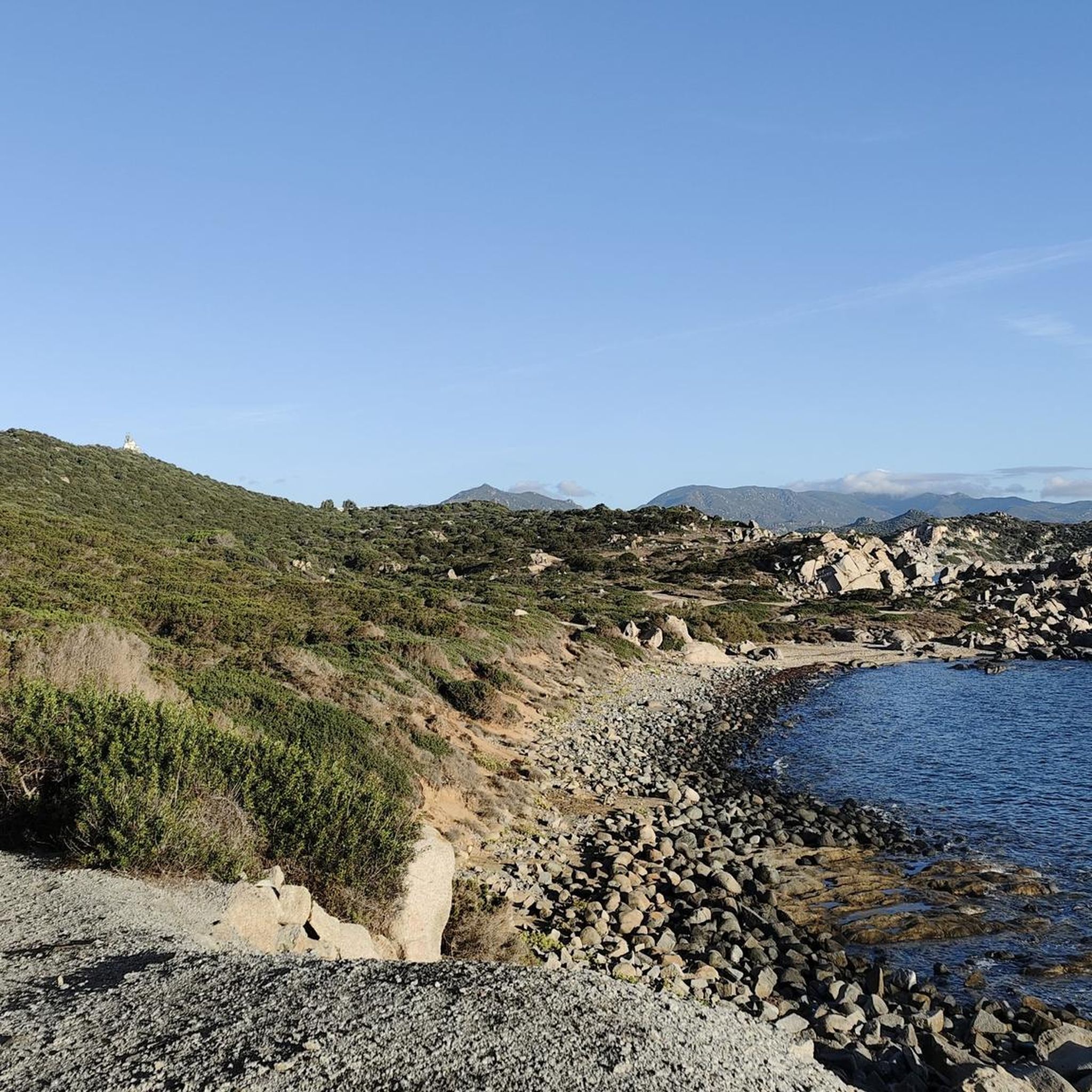
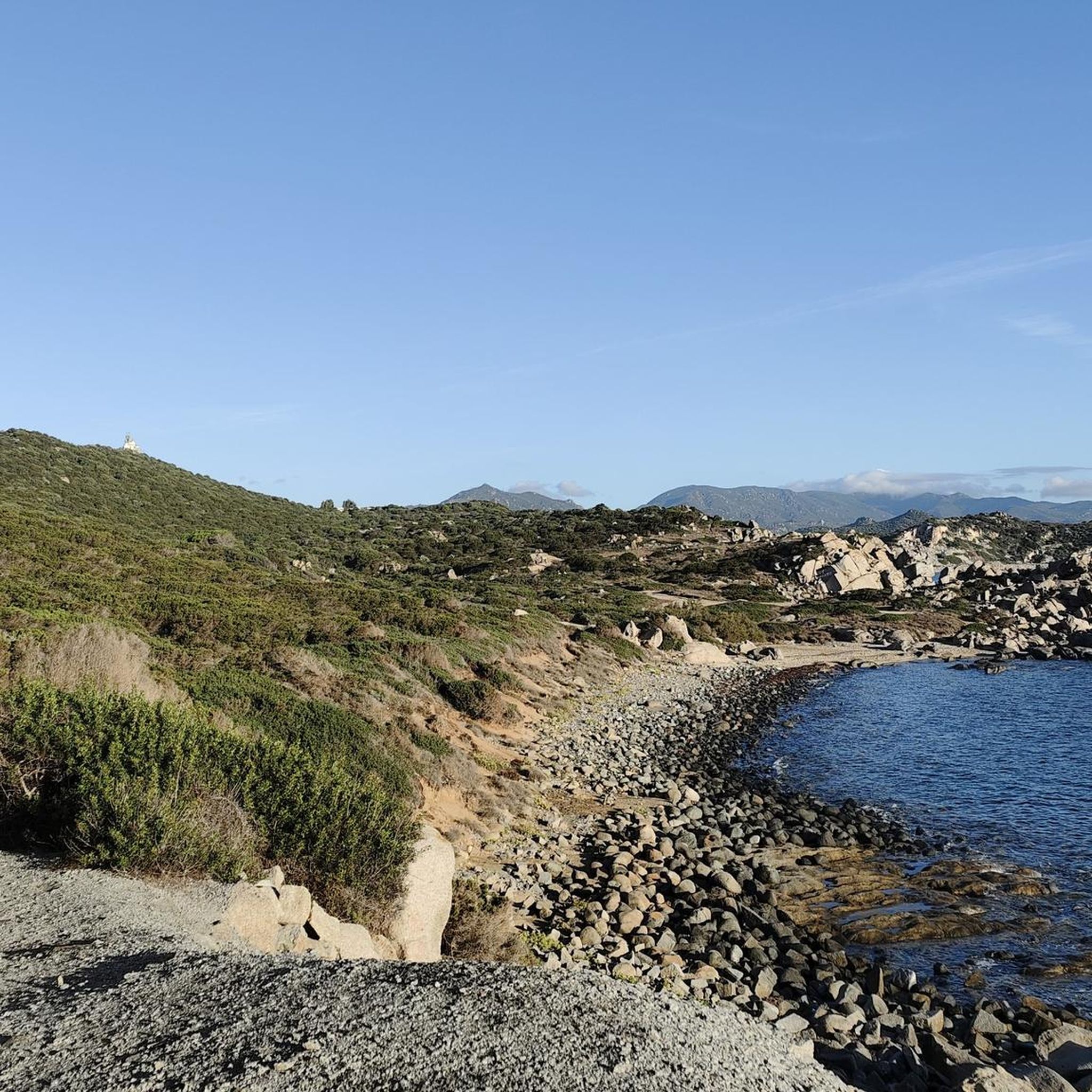
Cape Carbonara
Highlight • Viewpoint
Translated by Google •
Tip by

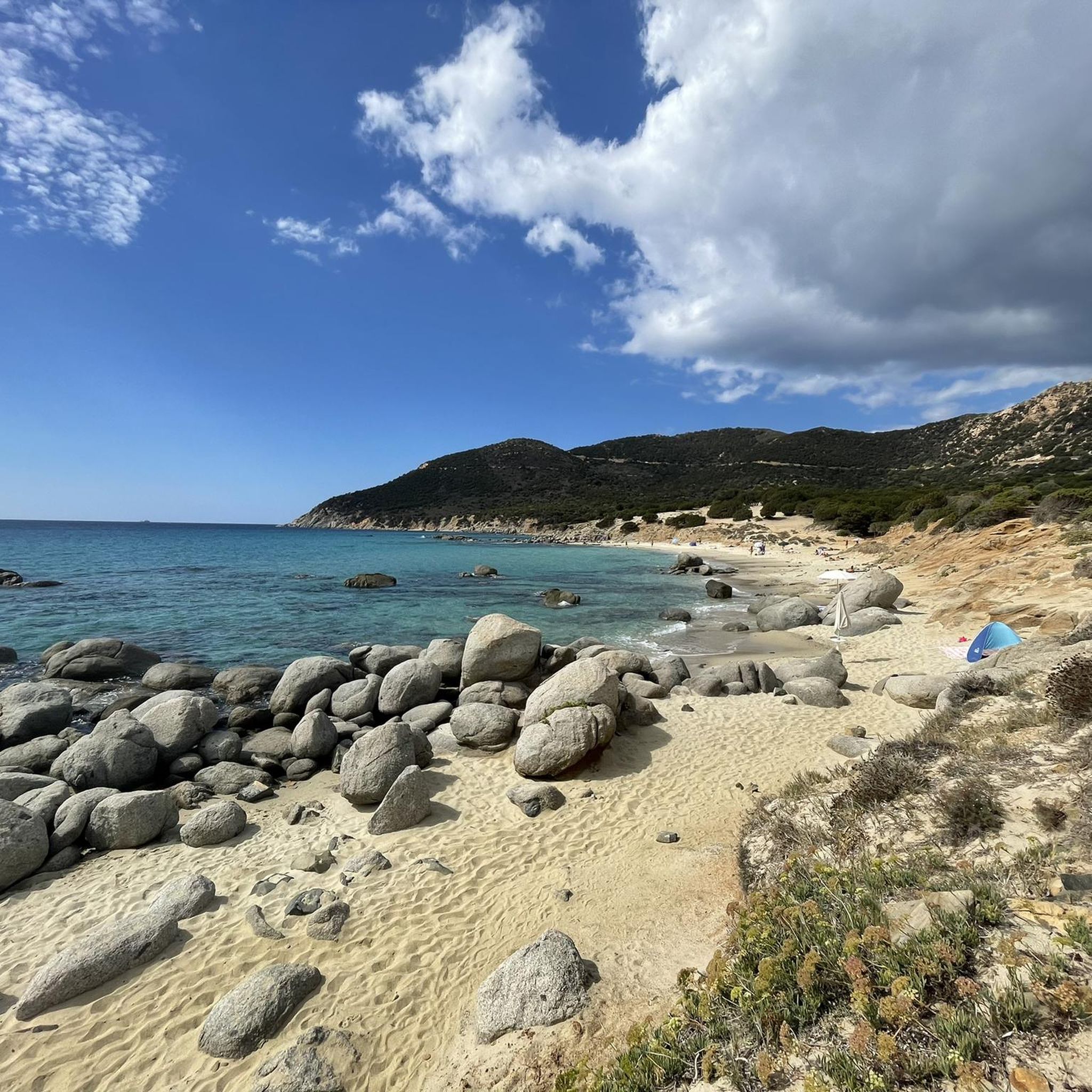
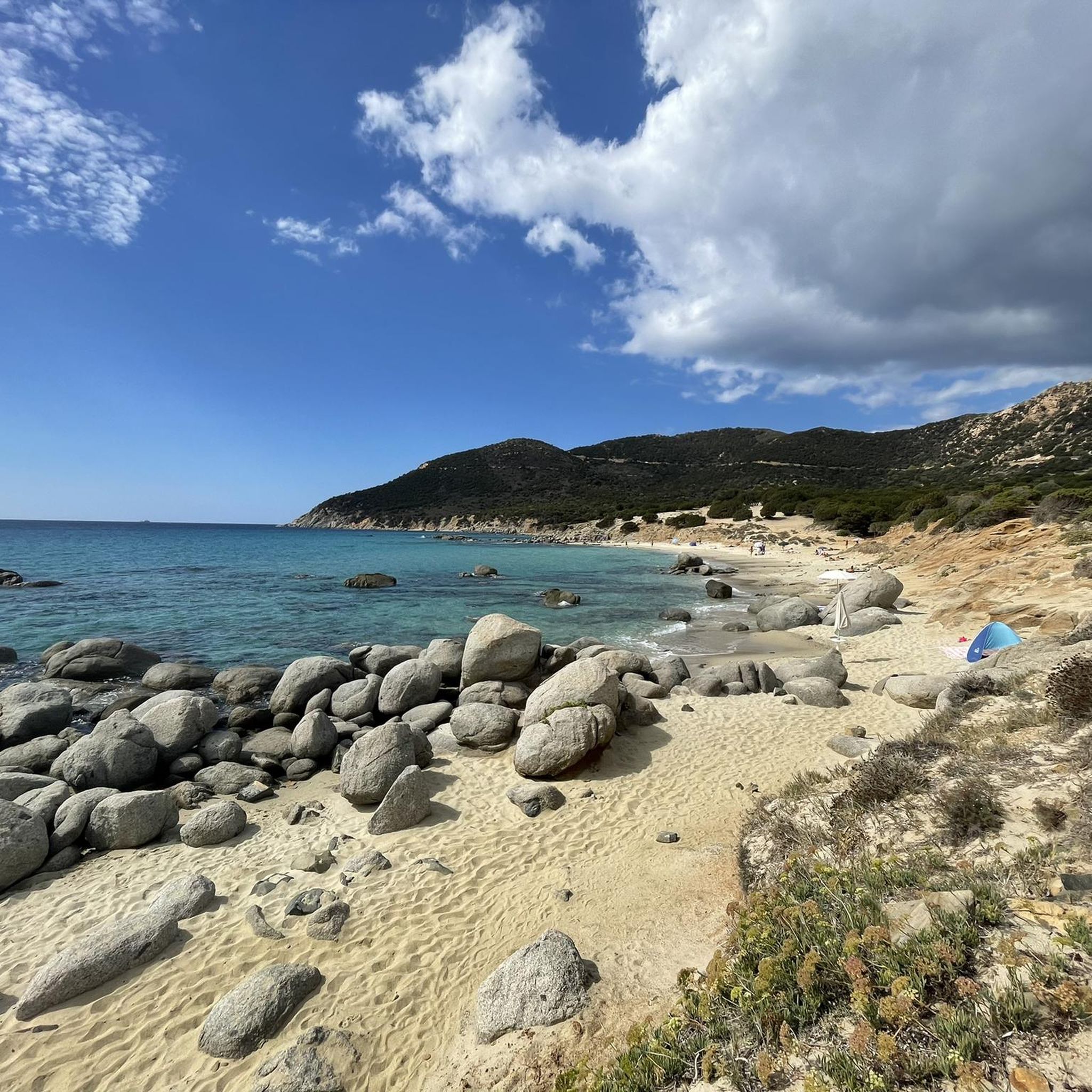
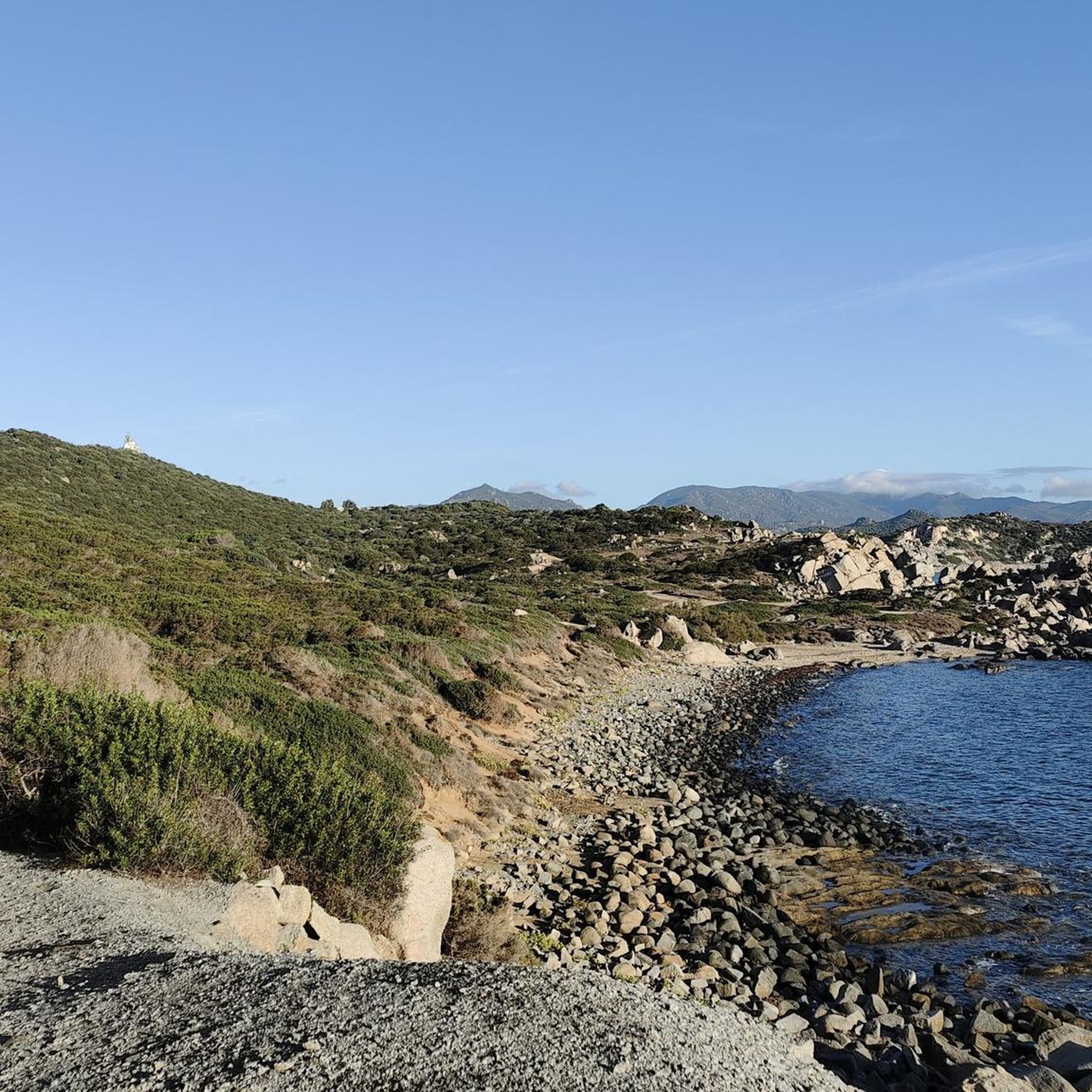
Rock formations and sandy beaches at Capo Carbonara
Highlight • Beach
Translated by Google •
Tip by

Sign up now to discover places like this
Get recommendations on the best single tracks, peaks, & plenty of other exciting outdoor places.
Sign up for free
Porto Sa Ruxi Beach
Highlight • Beach
Translated by Google •
Tip by

Orca Rock
Highlight • Natural Monument
Translated by Google •
Tip by

Snorkeling Spot at Costa Rei
Highlight • Beach
Translated by Google •
Tip by

Sign up for free to discover even more attractions in Zona Di Protezione Speciale Capo Carbonara.
Sign up for free
Already have an account?
Start today with a free account
Your next adventure awaits.
Login or Signup
Popular around Zona Di Protezione Speciale Capo Carbonara
Hiking in Zona Di Protezione Speciale Capo Carbonara
Road Cycling Routes in Zona Di Protezione Speciale Capo Carbonara
Cycling in Zona Di Protezione Speciale Capo Carbonara
Running Trails in Zona Di Protezione Speciale Capo Carbonara
MTB Trails in Zona Di Protezione Speciale Capo Carbonara

Gravel biking in Zona Di Protezione Speciale Capo Carbonara
Tips from the Community

Good place for snorkeling.
0
0

Definitely stop for a swim! Hardly any people, clear water, and peace 🥰
0
0

Today the sea was unfortunately too rough to jump in 🤷♂️
1
0
The path to Capo Carbonara is for everyone. Just be careful if the wind is too strong 👍💪
1
0
View from the lighthouse of Capo Carbonara 👍💪
0
1
Frequently Asked Questions
What natural features can I explore in Zona Di Protezione Speciale Capo Carbonara?
The area is rich in natural beauty, including the prominent Capo Carbonara Promontory with its granite cliffs and wild coasts. You can also discover stunning islands like Isola dei Cavoli and Isola Serpentara, as well as the important wetland of Notteri Pond, home to pink flamingos. The coastline features numerous fine sandy beaches and diverse underwater landscapes perfect for snorkeling and diving.
Are there any significant historical or cultural sites to visit in the area?
Yes, the region holds historical significance. You can find ancient watchtowers along the coast, which once guarded against invasions, and the remains of a 17th-century fortress near the small port of Villasimius. The seabed also acts as an "underwater museum" with various shipwrecks and archaeological findings.
What kind of beaches can I find in Zona Di Protezione Speciale Capo Carbonara?
The area boasts a variety of beautiful beaches with fine white sand and crystal-clear waters. Notable examples include Rock formations and sandy beaches at Capo Carbonara, known for its granite cliffs and cacti, and Porto Sa Ruxi Beach, appreciated for its calm environment. Other renowned beaches include Porto Giunco, Campu Longu, Campus, and Punta Molentis.
What activities are available for families in Zona Di Protezione Speciale Capo Carbonara?
Many beaches in the area, such as Porto Sa Ruxi Beach, are considered family-friendly due to their calm waters and amenities. Snorkeling in the clear waters is also a popular activity for all ages. The town of Villasimius, which manages the Marine Protected Area, offers a Center for Environmental Education (CEAS) that can provide engaging experiences for families.
Can I go snorkeling or diving in the protected area?
Absolutely. The clear waters and rich marine biodiversity make it an ideal spot for underwater exploration. The seabed is incredibly rich with Posidonia oceanica meadows, yellow sea daisies, red gorgonians, and diverse marine life. Rock formations and sandy beaches at Capo Carbonara is specifically noted as a good place for snorkeling.
Are there opportunities for hiking or walking near the attractions?
Yes, there are easy to moderate trails available for exploring the natural beauty of the area. You can find routes that lead to viewpoints like Cape Carbonara, offering panoramic views. For more detailed hiking options, you can explore the various routes available in the region.
What kind of wildlife can be observed in the region?
The Zona Di Protezione Speciale Capo Carbonara is a haven for wildlife. The Notteri Pond is an important wetland for migratory birds, including pink flamingos. Underwater, you can spot groupers, sea bream, snappers, amberjacks, octopuses, shrimp, moray eels, Sardinian lobsters, and even schools of Mediterranean barracuda and dolphins.
What are the best viewpoints for panoramic scenery?
The Capo Carbonara Promontory itself offers breathtaking panoramic views from its tip. The Capo Carbonara Lighthouse, standing 120 meters above sea level, also provides stunning vistas of the coastline and the sea.
Is there a specific time of year recommended for visiting Zona Di Protezione Speciale Capo Carbonara?
The Capo Carbonara area is known as the least rainy area in Italy, making it suitable for visits for much of the year. For enjoying the beaches and water activities, the warmer months from late spring to early autumn are ideal. However, for hiking and birdwatching, the milder temperatures of spring and autumn can be very pleasant.
What cycling routes are available near the attractions?
The region offers various cycling opportunities. For road cycling, you can find routes like the easy "Spiaggia di Nora – Cala Cipolla Beach loop from Faro di Capo Carbonara" or the more difficult "Spiaggia di Nora – Costa Rei loop from Faro di Capo Carbonara." Mountain biking enthusiasts can explore trails such as the moderate "Marina di Capo Carbonara – View of Santa Caterina loop from Zona di Protezione Speciale Capo Carbonara." You can find more details on these and other routes in the Cycling in Zona Di Protezione Speciale Capo Carbonara guide or the MTB Trails in Zona Di Protezione Speciale Capo Carbonara guide.
Are there any unique natural monuments to see?
Beyond the general landscape, you can discover specific natural formations like Orca Rock, a distinctive rock in the surf that resembles an orca's dorsal fin from certain angles. The granite cliffs and diverse rock formations along the coast also offer unique geological sights.
Where can I learn more about the marine protected area's conservation efforts?
The Zona Di Protezione Speciale Capo Carbonara is a protected area with a strong emphasis on conservation. The town of Villasimius, which manages the area, hosts a Center for Environmental Education (CEAS) in its Tourist Port, where you can learn more about the unique ecosystems and biodiversity being safeguarded.
What makes Isola dei Cavoli special?
Isola dei Cavoli is a prominent island within the protected area, known for its rich biodiversity and as a significant ecological site. Its name may derive from wild cabbage species or the Sardinian word for crab. The island is also home to a statue of the Madonna del Naufrago (Our Lady of the Shipwrecked), adding a cultural element to its natural beauty.
Most popular routes in Zona Di Protezione Speciale Capo Carbonara
Most popular attractions in Zona Di Protezione Speciale Capo Carbonara

Get inspired with the komoot mobile app


Explore more
Still not found the Highlight you’re looking for? See guides of the top attractions in other regions:
