The 7 Most Amazing Peaks in Monti Del Gennargentu
Best mountain peaks in Monti Del Gennargentu are found within a rugged massif in central-southern Sardinia, Italy. This region is home to the island's highest peaks, including Punta La Marmora and Bruncu Spina. The area features unique biodiversity and offers various outdoor activities. Its landscape is characterized by Paleozoic rocks, diverse vegetation, and significant natural monuments.
Best mountain peaks in Monti Del Gennargentu
- The most popular mountain peaks is Summit of Punta La Marmora, a summit that is the highest point in Sardinia. On clear days, it offers panoramic views across most of Sardinia, with Corsica visible on the horizon.
- Another must-see spot is Perda e Liana, a natural monument. This uniquely shaped, towering rock formation is a symbol of Ogliastra and a landmark visible from afar.
- Visitors also love Mount Bruncu Spina, Sardinia's second-highest peak. It is known for hosting the island's only ski resort, offering winter sports opportunities.
- Monti Del Gennargentu is known for its high summits, unique natural monuments, and scenic viewpoints. The region offers a variety of mountain peaks to explore, from high elevations to distinctive rock formations and mountain passes.
- The mountain peaks in Monti Del Gennargentu are appreciated by the komoot community. With more than 80 upvotes and over 60 photos, the community actively shares experiences from these routes.
Last updated: May 8, 2026
Summit of Punta La Marmora
Highlight • Summit
Ideally, start your tour in the parking area at Rifugio Sa Crista or Rifugio S’Arena near Desulo. The route is not short at 15.5 kilometers, but it rewards you with an incredible variety of landscapes. Within a walking time of three and a half to four and a half hours, you will cross picturesque forests, pass flowering meadows and hike across impressive boulder and craggy terrain. Among other things, it goes over the summits of Bruncu Spina and Punta Paulinu.
As you climb from Bruncu Spina towards Punta La Marmora, a huge summit cross might lead you astray. But don't be fooled, because the true summit is only reached when you reach the small rock pyramid that marks the top of La Marmora.
The peak itself was named after the general and scientist Alberto Ferrero della Marmora, who described Sardinia in detail in his works. His love for the island will become clear to you at the summit when you enjoy the breathtaking view.
You should be well prepared for this hike. This means: Sturdy hiking boots, enough water and sun protection should be in your luggage. If you need refreshment in between, you can stop off in the towns of Desulo or Fonni.
The months from June to September are ideal for the tour. But Punta La Marmora is actually a year-round hiking destination for everyone who is looking for something special. Ready for this adventure? Then lace up your hiking boots and experience Sardinia at its best!
Translated by Google •
Tip by

Punta Paulinu
Highlight • Summit
Translated by Google •
Tip by

Sign up now to discover places like this
Get recommendations on the best single tracks, peaks, & plenty of other exciting outdoor places.
Sign up for free
Mount Bruncu Spina
Highlight • Summit
Translated by Google •
Tip by

Perda e Liana
Highlight • Natural Monument
Source: it.wikipedia.org/wiki/Monumento_naturale_Perda_'e_Liana
Translated by Google •
Tip by

Correboi Pass
Highlight • Mountain Pass
It is now a road used primarily by local farmers and cyclists who prefer quieter roads.
Translated by Google •
Tip by

Sign up for free to discover even more peaks in Monti Del Gennargentu.
Sign up for free
Already have an account?
Start today with a free account
Your next adventure awaits.
Login or Signup
Popular around Monti Del Gennargentu
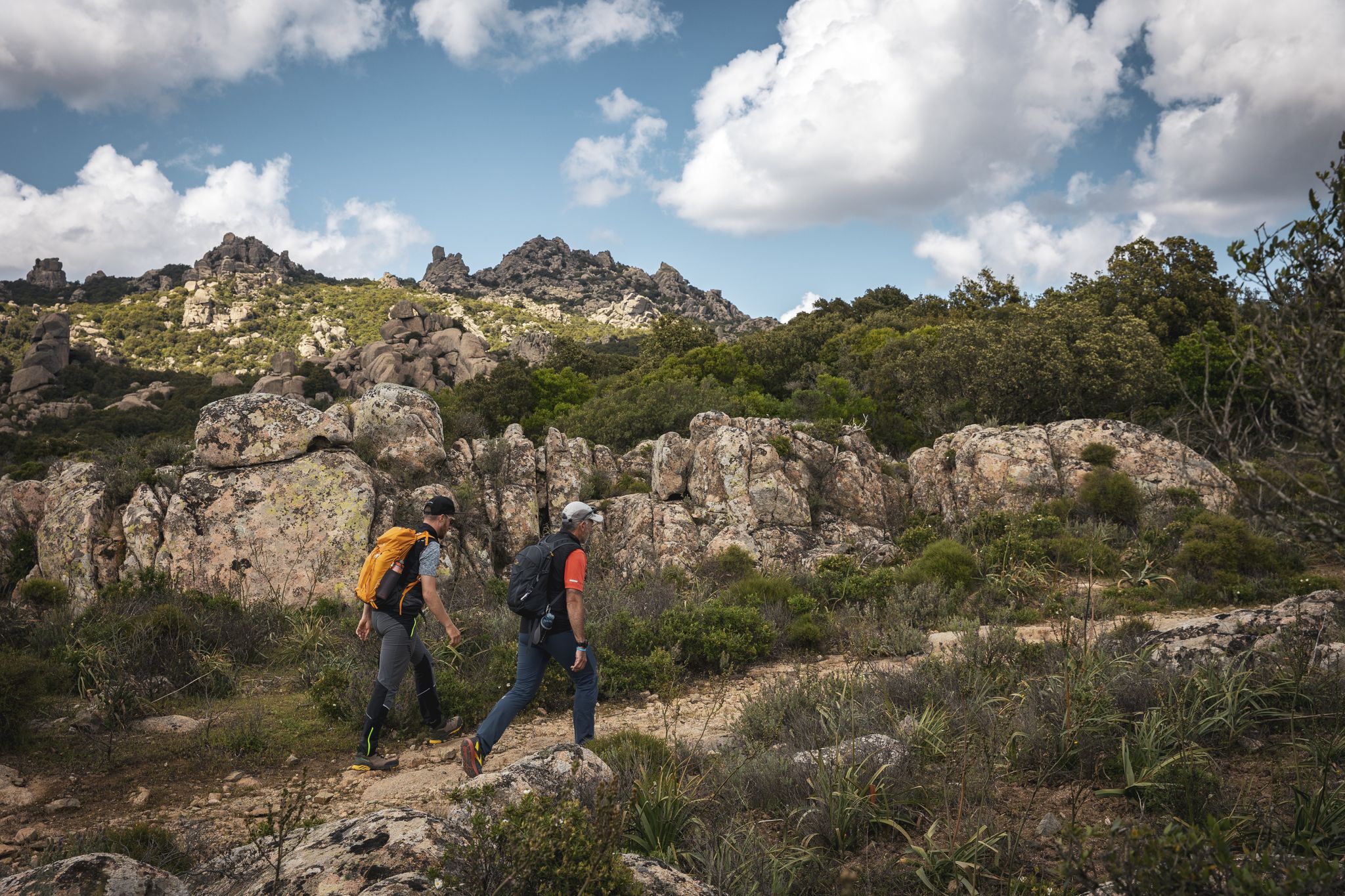
Eternal Sardinia – walks among the wonders of the hinterland
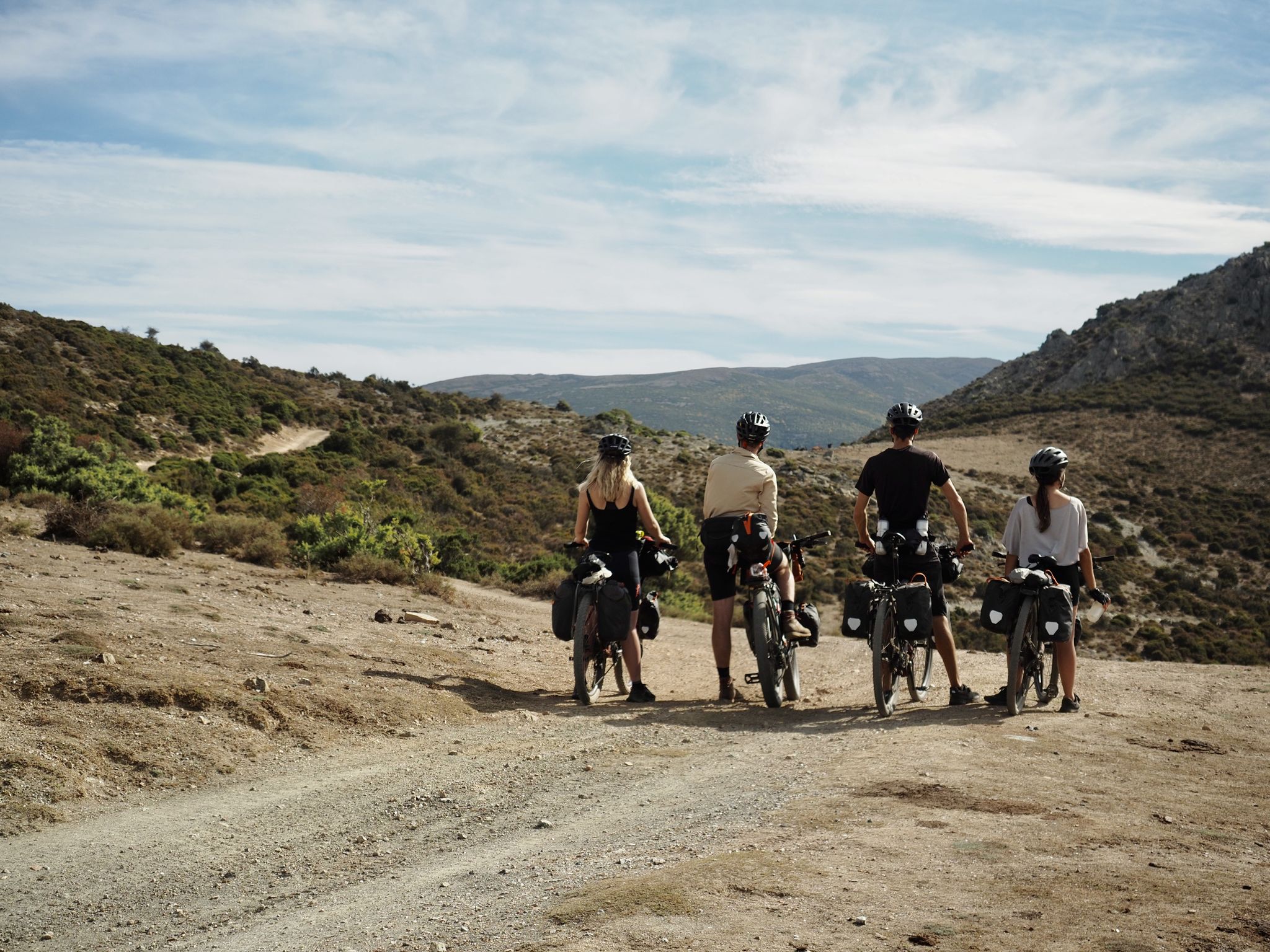
Bikepacking the TranSardinia – the quiet Italian island life
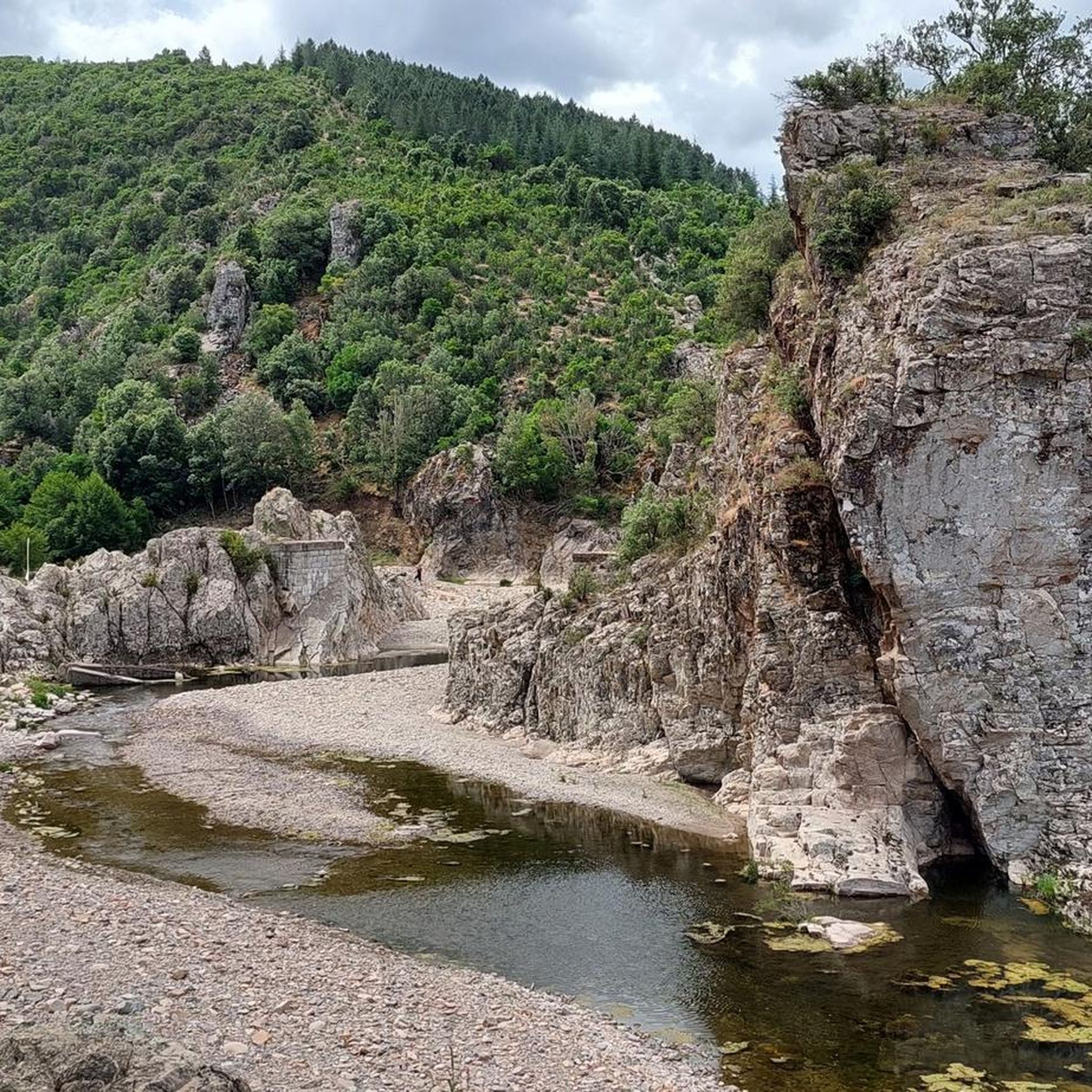
Hiking in Monti Del Gennargentu
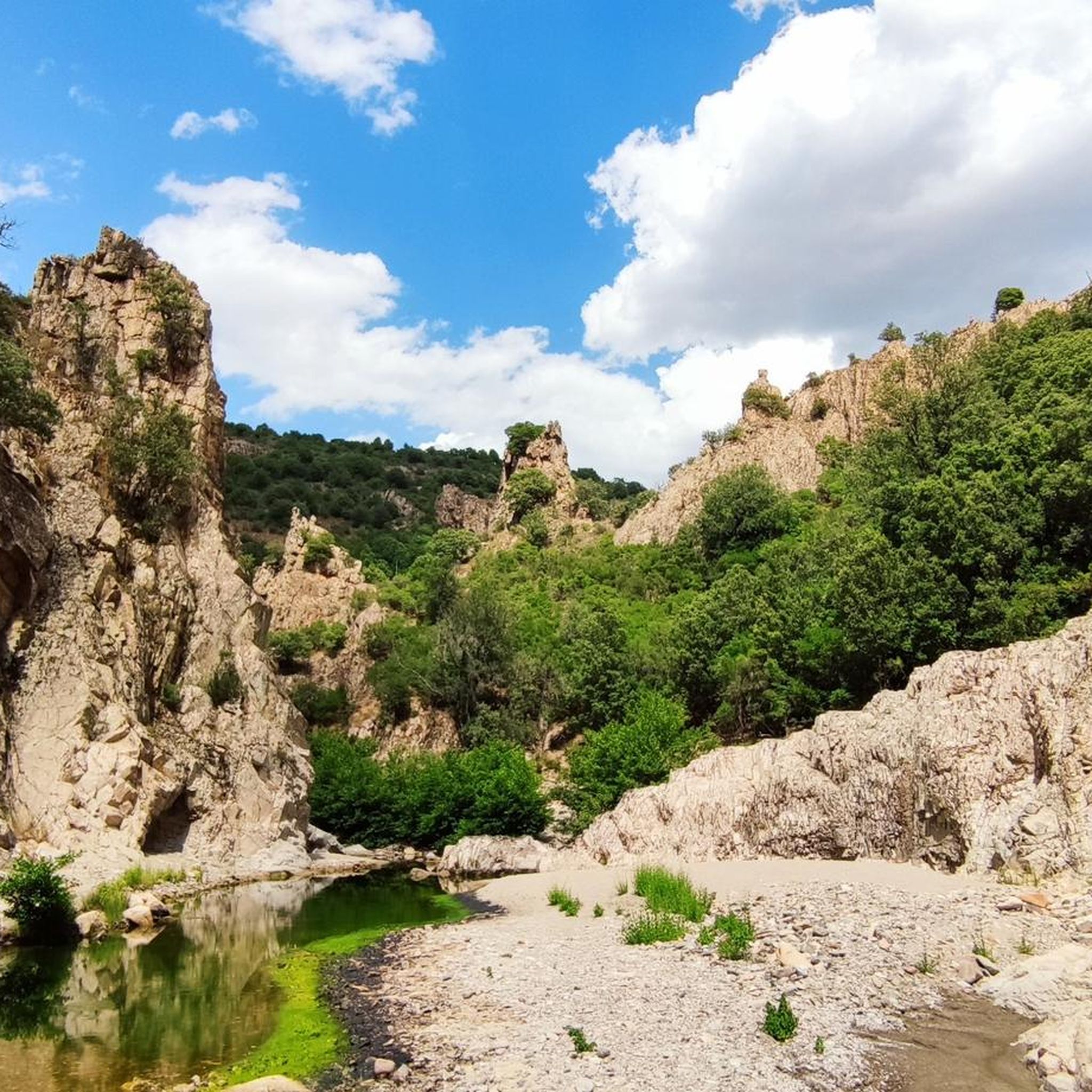
Running Trails in Monti Del Gennargentu
MTB Trails in Monti Del Gennargentu
Road Cycling Routes in Monti Del Gennargentu
Cycling in Monti Del Gennargentu

Gravel biking in Monti Del Gennargentu


Tips from the Community


The Correboi Pass, or Corr'e Boi, is the highest road pass in Sardinia. Located in the Gennargentu massif, it separates the Barbagia region from the Ogliastra region and forms the natural watershed between the Taloro-Tirso and Flumendosa basins. It is now a road used primarily by local farmers and cyclists who prefer quieter roads.
4
0

A uniquely shaped, towering tower, a natural monument, symbol of Ogliastra, and a key morphological feature of central-eastern Sardinia. Perhaps once a gathering place for the Nuragic peoples, it later became, in popular legend, the entrance to the underworld. It protrudes from the earth like a giant finger reaching toward the sky and, especially in this wild area, is a landmark visible from afar for hikers. Perda 'e Liana is an extraordinary rock formation declared a natural monument in 1993. The peculiar "mountain," known in Sardinian as Taccu or Tonneri, rises in the Gairo Sant'Elena area: it is the greatest witness to the erosive effects of weathering that have been affecting the vast limestone cover of Ogliastra on the border with Barbagia di Seulo for several million years. Erosion gradually isolated the "tower," forming its base. It is the highest (1293 m) of the numerous Ogliastra limestone mountains, the northern foothills of the Tonneri plateau, about two kilometers away, to which it is connected by the s'Arcu 'e su Pirastu Trottu pass. Perhaps in ancient times, they formed a single mountain ridge. Source and further information: https://www.sardegnaturismo.it/de/entdecken/perda-e-liana
0
0

With an all-mountain mountain bike you can do almost everything on the bike, both uphill and downhill
1
0


Imagine standing on the highest point in Sardinia, Punta La Marmora, and your gaze sweeps over the entire island. On a clear day you can even see the silhouettes of Corsica on the horizon. You can put this experience into practice by hiking to the summit of this 1,834 meter high elevation. Ideally, start your tour in the parking area at Rifugio Sa Crista or Rifugio S’Arena near Desulo. The route is not short at 15.5 kilometers, but it rewards you with an incredible variety of landscapes. Within a walking time of three and a half to four and a half hours, you will cross picturesque forests, pass flowering meadows and hike across impressive boulder and craggy terrain. Among other things, it goes over the summits of Bruncu Spina and Punta Paulinu. As you climb from Bruncu Spina towards Punta La Marmora, a huge summit cross might lead you astray. But don't be fooled, because the true summit is only reached when you reach the small rock pyramid that marks the top of La Marmora. The peak itself was named after the general and scientist Alberto Ferrero della Marmora, who described Sardinia in detail in his works. His love for the island will become clear to you at the summit when you enjoy the breathtaking view. You should be well prepared for this hike. This means: Sturdy hiking boots, enough water and sun protection should be in your luggage. If you need refreshment in between, you can stop off in the towns of Desulo or Fonni. The months from June to September are ideal for the tour. But Punta La Marmora is actually a year-round hiking destination for everyone who is looking for something special. Ready for this adventure? Then lace up your hiking boots and experience Sardinia at its best!
5
2

Climbing to Punta La Marmora from Bruncu Spina you first reach the pre-summit, which is misleading with its enormous summit cross. To reach the highest peak in Sardinia, you need to continue further south until you reach a small rock pyramid. This marks La Marmora's peak share of 1,833.
3
2
If you reach Punta Paulinu from Mount Bruncu Spina by walking on the high path, as you approach the rocky peak you can see on the left (towards the south-east) the famous rock formation called "Arcu Gennargentu", which is a set of three rocks that it forms a natural arch overlooking Mount Bruncu Spina on one side and the Sardinian panorama to the east.
2
2
Frequently Asked Questions
What are the most prominent mountain peaks in Monti Del Gennargentu?
The Monti del Gennargentu massif is home to Sardinia's highest peaks. The most prominent include Punta La Marmora, the island's highest point at 1,834 meters, and Mount Bruncu Spina, the second highest at 1,829 meters. Other significant peaks include Monte Spada and the unique natural monument Perda e Liana.
What kind of views can I expect from the peaks in Monti Del Gennargentu?
From the highest peaks, such as Punta La Marmora, you can enjoy panoramic views across most of Sardinia on a clear day, with the mountains of Corsica visible to the north and the hills of Cagliari to the south. Monte Spada also offers a magical panorama in all seasons. Even from Mount Bruncu Spina, the views are extensive and rewarding.
Are there opportunities for winter sports in Monti Del Gennargentu?
Yes, Monti Del Gennargentu is unique in Sardinia for offering winter sports. Mount Bruncu Spina and Monte Spada host the island's only ski resort. The ski season typically runs from December to March, with opportunities for skiing, snowboarding, snowshoeing, and cross-country skiing.
What kind of wildlife and vegetation can be found on the mountain peaks?
The peaks and their slopes support unique biodiversity. You can find adapted herbaceous and bush vegetation, including dwarf juniper, thyme, Corsica pansy, and rare endemic species like Lamyropsis microcephala. Deciduous oak forests are also present. The fauna includes golden eagles, mouflon, wild boar, foxes, martens, and Sardinian wildcats.
What are the best times to visit the Monti Del Gennargentu peaks for hiking?
The months from June to September are ideal for hiking to peaks like Punta La Marmora, offering pleasant conditions. However, the region is a year-round hiking destination. For winter sports, the season typically runs from December to March.
Are there challenging hiking trails to the highest peaks?
Yes, there are challenging hiking trails. For example, the hike to Punta La Marmora can be a 15.5-kilometer route, crossing diverse landscapes from forests to rocky terrain. The ascent to Mount Bruncu Spina from the chairlift parking area is steep but shorter. You can find more details on challenging routes in the Hiking in Monti Del Gennargentu guide.
What should I pack for hiking in Monti Del Gennargentu?
For hiking in Monti Del Gennargentu, it's recommended to pack sturdy hiking boots, enough water, and sun protection. Depending on the season and altitude, layers of clothing are advisable, especially for higher peaks where weather can change quickly.
Are there any historical or cultural sites near the mountain peaks?
Yes, the region has historical significance. Near Bruncu Spina, you can find ancient Nuraghe, which are UNESCO World Heritage Sites offering insights into Sardinia's ancient past. The natural monument Perda e Liana is also believed to have been a gathering place for Nuragic peoples.
What other outdoor activities can I do near the Monti Del Gennargentu peaks?
Beyond hiking and winter sports, the region offers various outdoor activities. You can explore waterfall hikes or enjoy road cycling routes through the scenic mountain passes like Correboi Pass.
Is it possible to reach the peaks by public transport?
While specific public transport directly to all trailheads might be limited, the Monti del Gennargentu region is accessible. However, for many trailheads and remote areas, a car is often recommended for convenience. Check local transport options for villages like Desulo or Fonni, which can serve as starting points.
Do I need permits to hike in Monti Del Gennargentu National Park?
The area around Punta La Marmora is under the protection of FORESTAS and is part of the Site of Community Importance “Monti del Gennargentu.” Generally, hiking on established trails within the Monti Del Gennargentu National Park does not require specific permits for individual hikers, but it's always advisable to check with local authorities or the park's official website for any updated regulations, especially for larger groups or specific activities.
Are there family-friendly hiking options around the Monti Del Gennargentu peaks?
While some ascents to the highest peaks can be challenging, the broader Monti Del Gennargentu region offers diverse landscapes, including forests and meadows, which can be suitable for family walks. Look for trails with easier difficulty ratings or shorter distances, often found around the base of the mountains or in nearby valleys. Always check the specific trail details for suitability with children.
Most popular routes in Monti Del Gennargentu
Most popular attractions in Monti Del Gennargentu

Get inspired with the komoot mobile app


Explore more
See even more amazing summits in Monti Del Gennargentu with these guides:
