The best walks and hikes in Funtanamela
4.5
(64)
295
hikers
15
hikes
Hiking in Funtanamela offers a diverse landscape characterized by rolling hills, dense forests, and historical sites. The region features a network of trails that traverse varied terrain, including paths near ancient ruins and routes through natural areas known for wildlife. Elevations are generally moderate, making the area accessible for different hiking abilities.
Best hiking trails in Funtanamela
- The most popular hiking route is Sarcidano Wild Horses loop from Funtanamela, a 4.7 miles (7.6 km) trail that takes 2 hours…
Last updated: July 29, 2026
5
hikers
7.63km
02:07
130m
130m
Moderate hike. Good fitness required. Easily-accessible paths. Suitable for all skill levels.
4.4
(16)
33
hikers
Easy hike. Great for any fitness level. Easily-accessible paths. Suitable for all skill levels.

Sign up for free
4.7
(6)
17
hikers
Easy hike. Great for any fitness level. Easily-accessible paths. Suitable for all skill levels.
4.3
(3)
7
hikers
9.48km
03:04
420m
420m
Moderate hike. Good fitness required. Mostly accessible paths. Sure-footedness required.
5
hikers
8.52km
02:47
390m
390m
Moderate hike. Good fitness required. Mostly accessible paths. Sure-footedness required.
Get access to more routes and recommendations from other explorers.
Sign up for free
Already have an account?
Our route recommendations are based on thousands of hikes, rides, and runs completed by other people on komoot.
Start today with a free account
Your next adventure awaits.
Login or Signup
Popular around Funtanamela
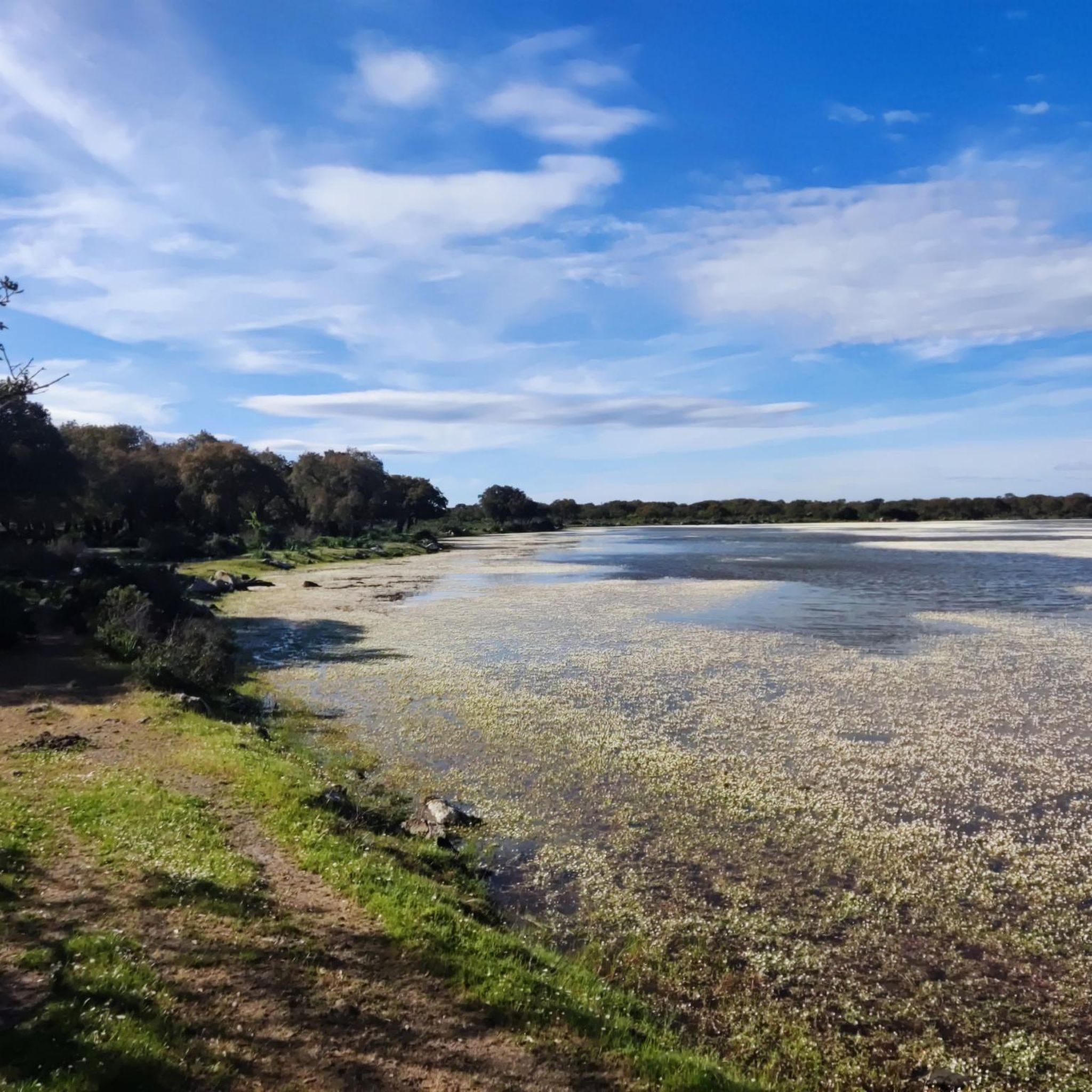
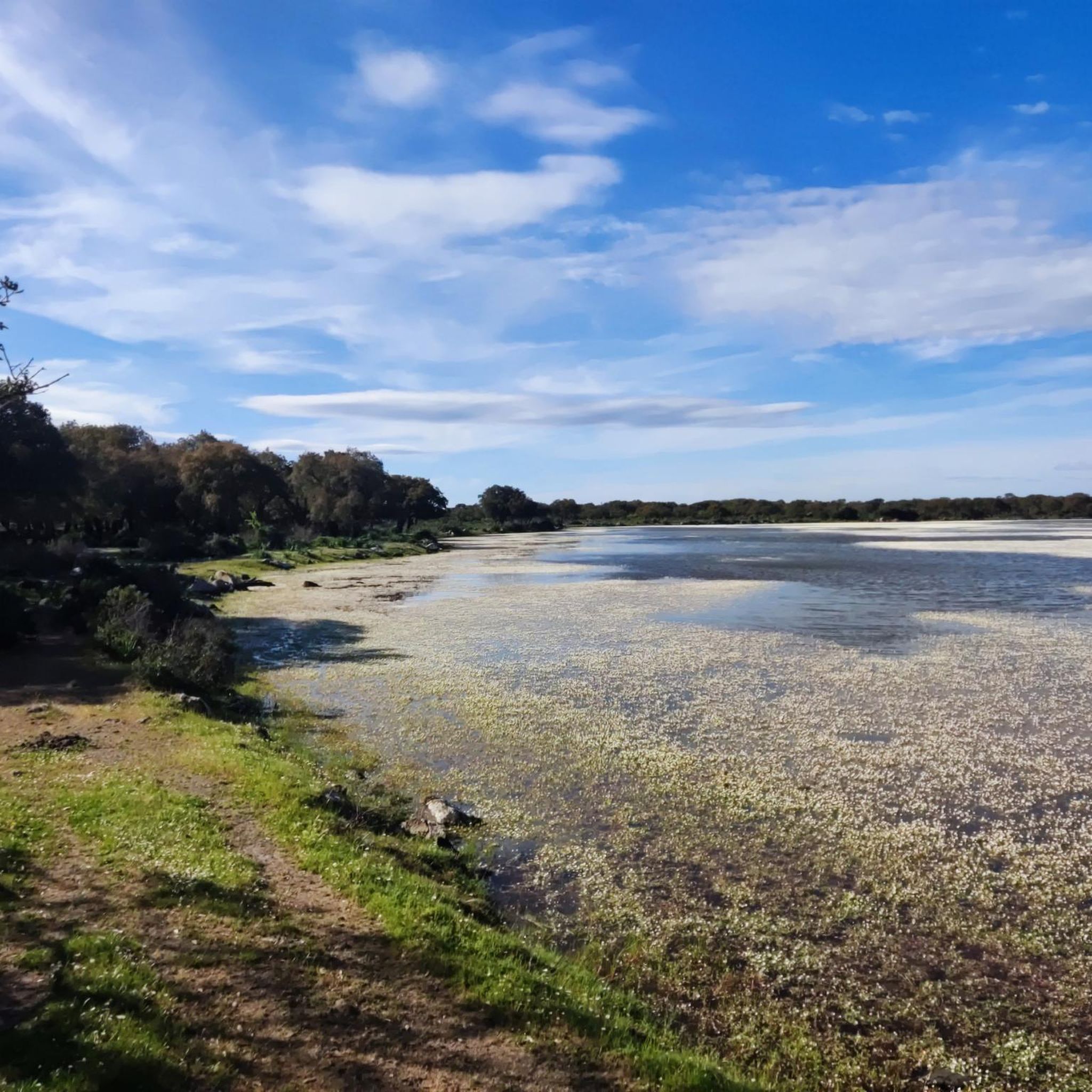
Tips from the Community

Monumental cedar tree
0
0

Sardinia's largest urban park is located on the border between the provinces of Oristano and Nuoro, a botanical paradise of rare plants and a wonderful destination for nature lovers. In the historical area of Sarcidano, there is a place where you can take beautiful walks on nature trails, surrounded by countless plant species and medieval ruins: the Aymerich Park, a 22-hectare oasis that was the property of the Marquises until 1990, the feudal owners of this oasis-like stretch of land. The creator of this nature reserve was Don Ignazio Aymerich Ripoli, a botanist who brought rare plants from his numerous trips abroad starting from the mid-19th century. It is an unusual excursion, as it is located in the heart of the town of Laconi, about 60 km from Oristano and 90 km from Cagliari. The walk will take you through alleys adorned with a fresh and vibrant atmosphere. It begins in a forest of oaks, olive groves, and locust trees, dotted with natural ponds, streams, waterfalls, and pools. As you venture deeper into the park, you will see a wide variety of orchids, including native ones like Ophris laconensis and Sarcidanis. Among the tree-lined avenues, you will find unusual forms of vegetation such as Pyracantha coccinea and Collectia cruciata, whose leaves are reminiscent of military aircraft, as well as exotic plants like the majestic Lebanon and Himalayan cedar, trees of extraordinary size. Then there are plants from not far away but not common ones such as the Corsican pine, the Fagus sylvatica, the Southern Magnolia, and the Taxus baccata, known as the “tree of death”. Water is a recurring theme and a source of life for the park. It flows abundantly all year round, forming rivers that then fall, such as the Cascata Maggiore or “great waterfalls,” one of the park's many attractions. Source: https://www.sardegnaturismo.it/en/explore/parco-aymerich
1
0
The parish church, dedicated to S. Ambrogio and, from 1952, also to S. Ignazio, was built in the 16th century in Gothic-Aragonese style in the heart of the historic center of Laconi. The facade, rebuilt in the 18th century, is preceded by a wide staircase, at the top of which opens a beautiful portal with high-relief decorations, above which there is a simple round rose window. The facade is completed by an elaborate tympanum with five towers, into which a rectangular window is embedded. A large octagonal dome stands out at the back. On the left side of the building stands the tall and massive square bell tower. The bell tower is lit by four ogival windows equipped with bells, while the upper part ends with a small, pointed dome with a cross. On the right wall of the building there is a large image of Saint Ignatius. Inside the church you can admire the chapel dedicated to the saint, whose walls have mosaic depictions of episodes from his life, as well as the baptismal font in which he was baptized. In the square in front of the building, a beautiful statue of Fra Ignazio was placed on a very high pedestal made of red trachyte. In addition to the church, the Museum of S. Ignazio can also be visited. Source: https://chiesedisardegna.weebly.com/laconi.html
0
0
There are some great caves to discover here, some of which you can actually go into.
1
0
From the viewpoint you have a great view of Laconi. A bench invites you to take a break.
0
0
Really a great impressive tree!
0
0
The Cascata Maggiore is the largest waterfall in the park. Unfortunately the path to the small waterfall is closed.
0
0
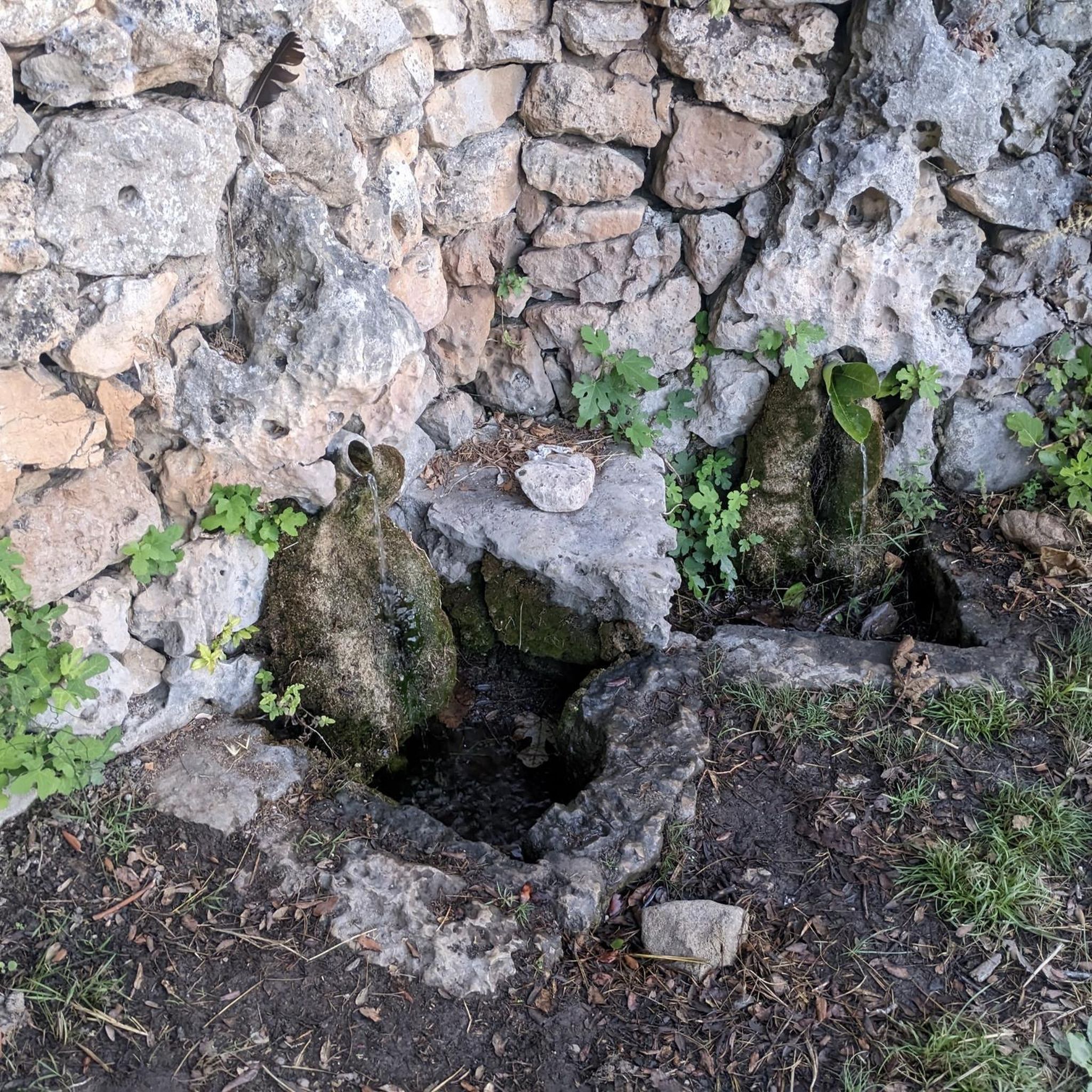
The picnic area invites you to take a break. It is wonderfully quiet and all you can hear is the babbling of the fountain.
1
0
Frequently Asked Questions
How many hiking trails are available in Funtanamela?
Funtanamela offers a good selection of hiking routes, with over 10 trails documented on komoot. These range from easy walks to more challenging excursions, catering to various skill levels.
Are there any easy or family-friendly hiking trails in Funtanamela?
Yes, Funtanamela has several easy trails suitable for families. A great option is the Aymerich Main Waterfall – Ruins of Aymerich Castle loop from Làconi/Laconi, which combines natural beauty with historical sites. This 4.2-mile (6.7 km) path is generally easy to navigate.
Can I find circular hiking routes in Funtanamela?
Many of the trails in Funtanamela are designed as circular routes, allowing you to start and end at the same point. For example, the Sarcidano Wild Horses loop from Funtanamela is a popular circular trail that lets you explore the area's unique wildlife.
Are there trails that feature waterfalls in Funtanamela?
Absolutely. The region is known for its natural waterfalls. The Ruins of Aymerich Castle – Aymerich Main Waterfall loop from Làconi/Laconi is a shorter, easy route that specifically highlights the Aymerich Main Waterfall alongside historical ruins.
What is the best time of year to go hiking in Funtanamela?
The best time for hiking in Funtanamela is typically during spring (April-June) and autumn (September-October) when the weather is mild and pleasant. Summers can be hot, while winters are generally mild but can bring occasional rain.
Are there any trails where I might see wildlife, like wild horses?
Yes, Funtanamela is home to unique wildlife. The Sarcidano Wild Horses loop from Funtanamela is specifically designed to take you through the natural habitat of wild horses, offering a chance to observe them in their environment.
What kind of historical sites can I expect to see on Funtanamela's trails?
Funtanamela's trails often lead through areas rich in history. You can explore ancient ruins, such as those found along the Aymerich Main Waterfall – Ruins of Aymerich Castle loop from Làconi/Laconi, which features the ruins of Aymerich Castle.
Are there any trails that explore caves or grottos?
Yes, for those interested in geological features, the Grotta de Perdu loop from Chiesa Bauzzoni offers an opportunity to explore the area around the Grotta de Perdu, a notable cave in the region.
What do other hikers say about the trails in Funtanamela?
The hiking trails in Funtanamela are highly regarded by the komoot community, with an average rating of 4.7 stars from over 40 reviews. Hikers often praise the diverse landscapes, combining forests, waterfalls, and historical ruins, as well as the well-maintained paths.
Are there moderate hiking options for those looking for a bit more challenge?
Certainly. Funtanamela offers several moderate trails. The Grotta de Perdu loop from Grotta de Perdu is a moderate 5.8-mile (9.4 km) route that provides a good workout with varied terrain and elevation changes.
Is parking generally available near the trailheads in Funtanamela?
While specific parking details vary by trailhead, many popular starting points for hikes in Funtanamela, especially those near villages or attractions, typically offer designated parking areas. It's advisable to check the route details on komoot for specific parking recommendations for your chosen trail.

Get inspired with the komoot mobile app


Explore more
Browse the best Hikes in other regions.
