Attractions and Places To See in Riserva Naturale Provinciale Monte Soratte - Top 13
Best attractions and places to see in Riserva Naturale Provinciale Monte Soratte include a distinctive limestone ridge rising from the Roman countryside. This 444-hectare natural reserve, located approximately 45 km north of Rome, offers a blend of natural beauty, historical landmarks, and cultural sites. The area is characterized by its unique geological formation, diverse ecosystems, and a history spanning from ancient times to the Cold War.
Best attractions and places to see in Riserva Naturale Provinciale Monte Soratte
- The most…
Last updated: August 2, 2026
Hermitage of Saint Sylvester
Highlight • Religious Site
Translated by Google •
Tip by

Monte Soratte Bunker
Highlight • Monument
Translated by Google •
Tip by

Sign up now to discover places like this
Get recommendations on the best single tracks, peaks, & plenty of other exciting outdoor places.
Sign up for free
Church of Santa Romana
Highlight • Religious Site
Translated by Google •
Tip by

Hermitage of Sant'Antonio
Highlight • Religious Site
Translated by Google •
Tip by

Translated by Google •
Tip by
Sign up for free to discover even more attractions in Riserva Naturale Provinciale Monte Soratte.
Sign up for free
Already have an account?
Start today with a free account
Your next adventure awaits.
Login or Signup
Popular around Riserva Naturale Provinciale Monte Soratte
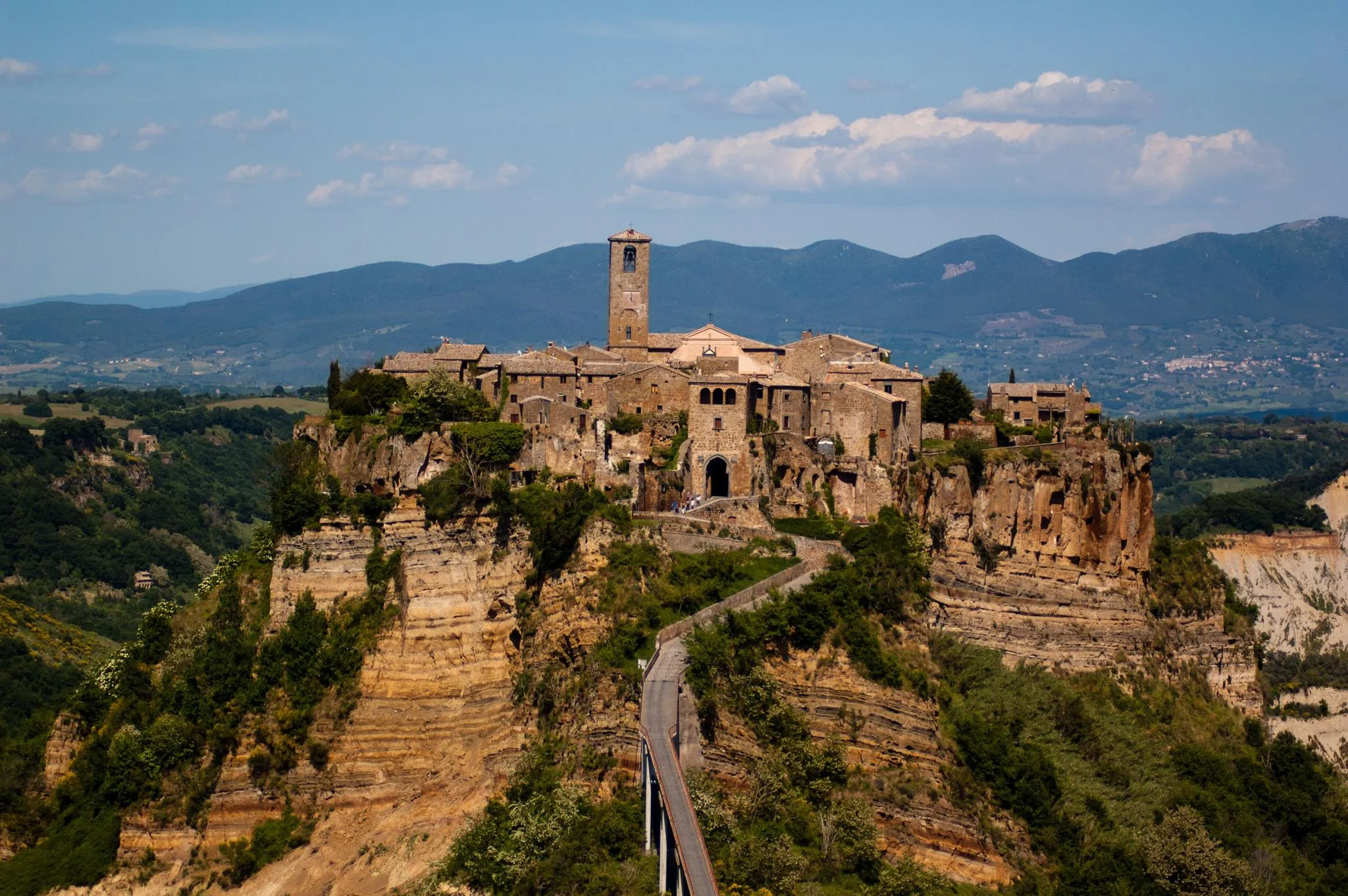
Lazio by bike – suspended villages, turquoise waters and natural parks
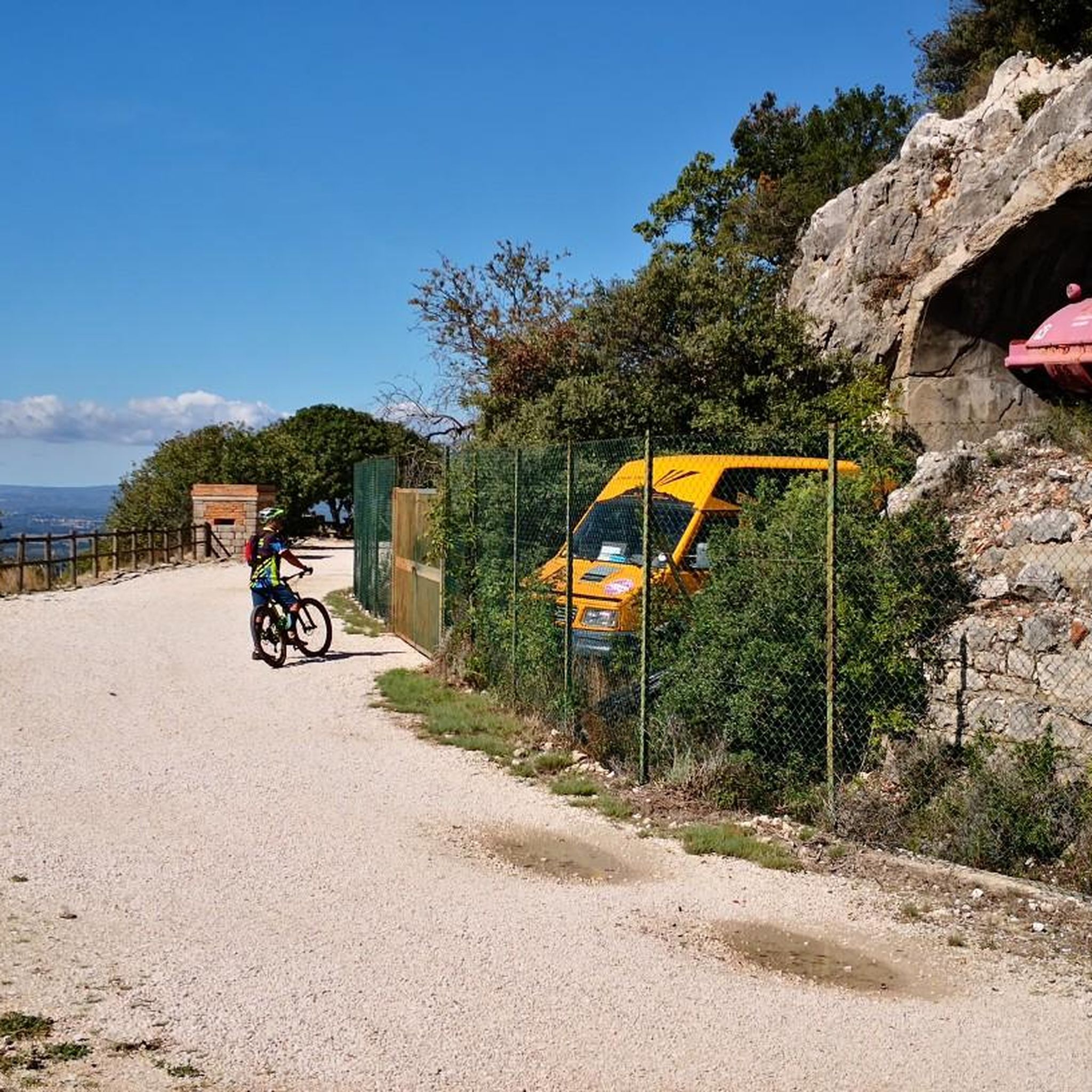
Hiking in Riserva Naturale Provinciale Monte Soratte
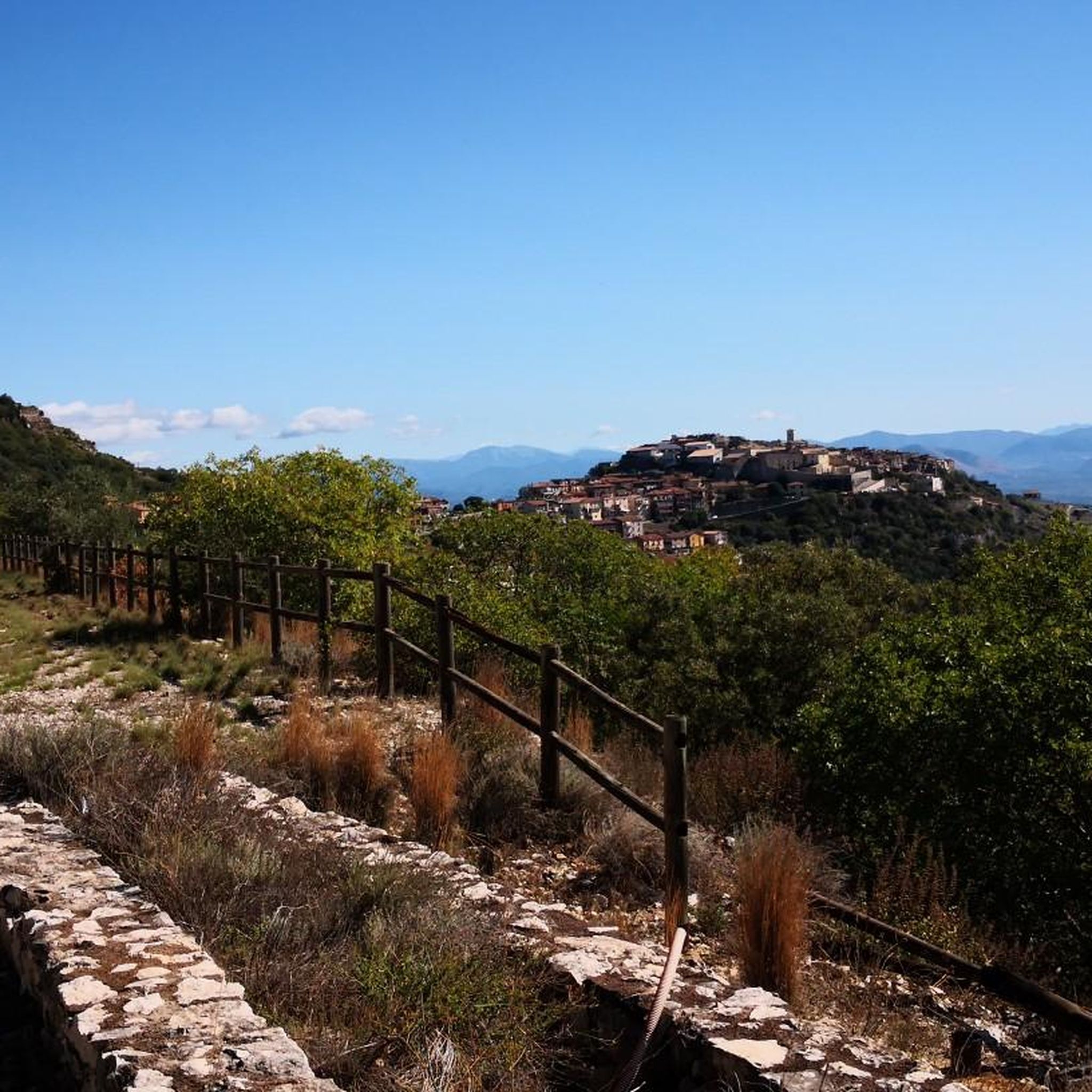
Road Cycling Routes in Riserva Naturale Provinciale Monte Soratte
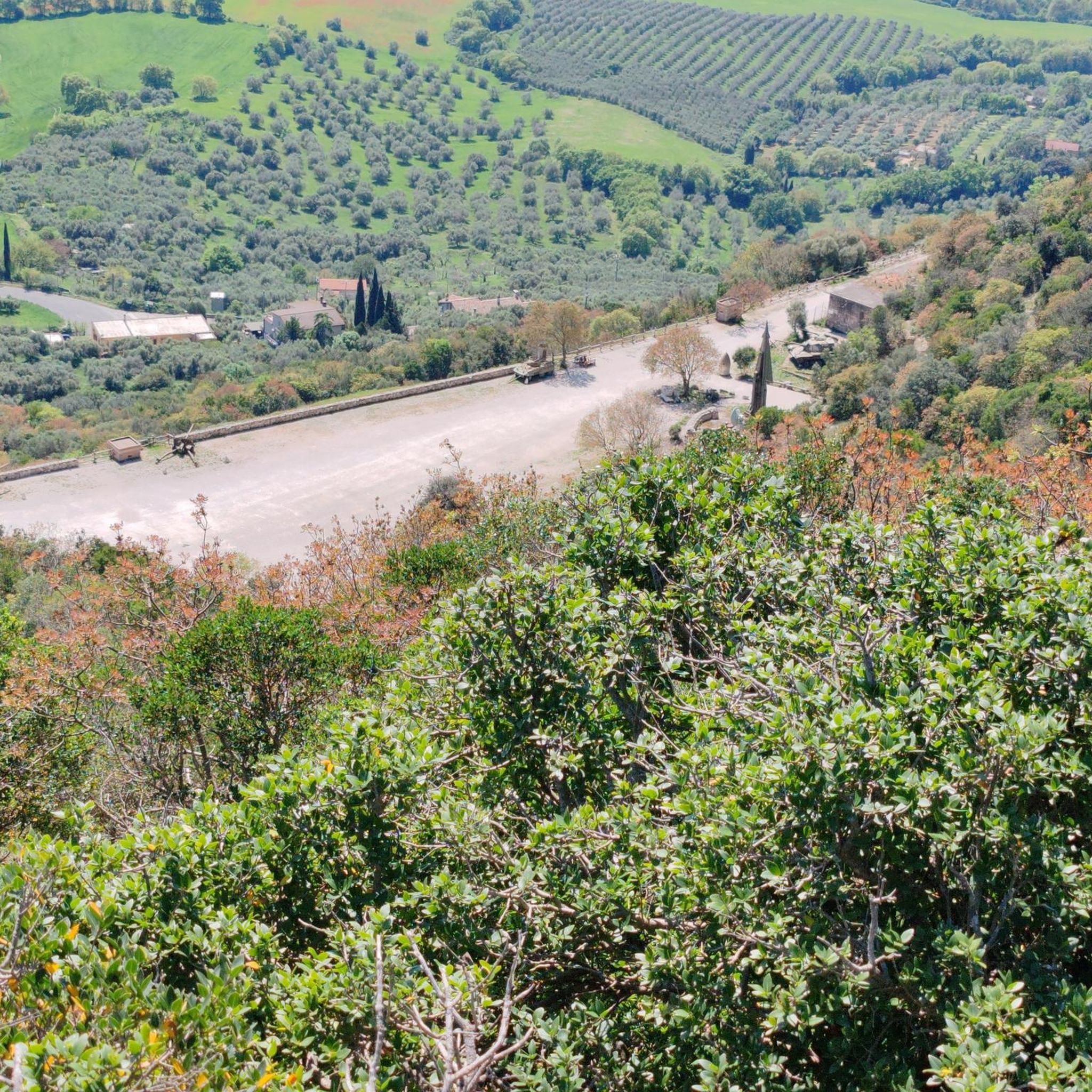
Running Trails in Riserva Naturale Provinciale Monte Soratte
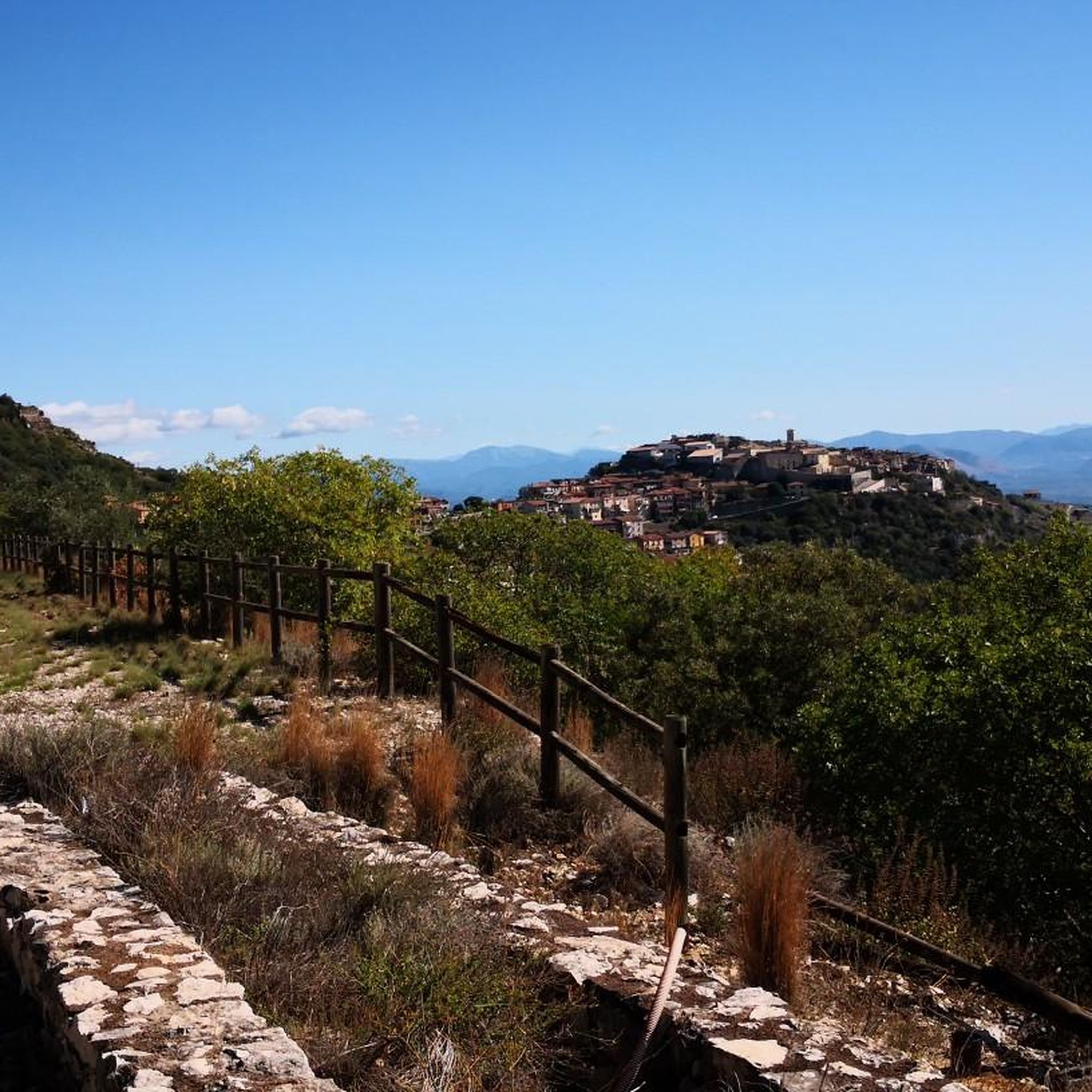
MTB Trails in Riserva Naturale Provinciale Monte Soratte
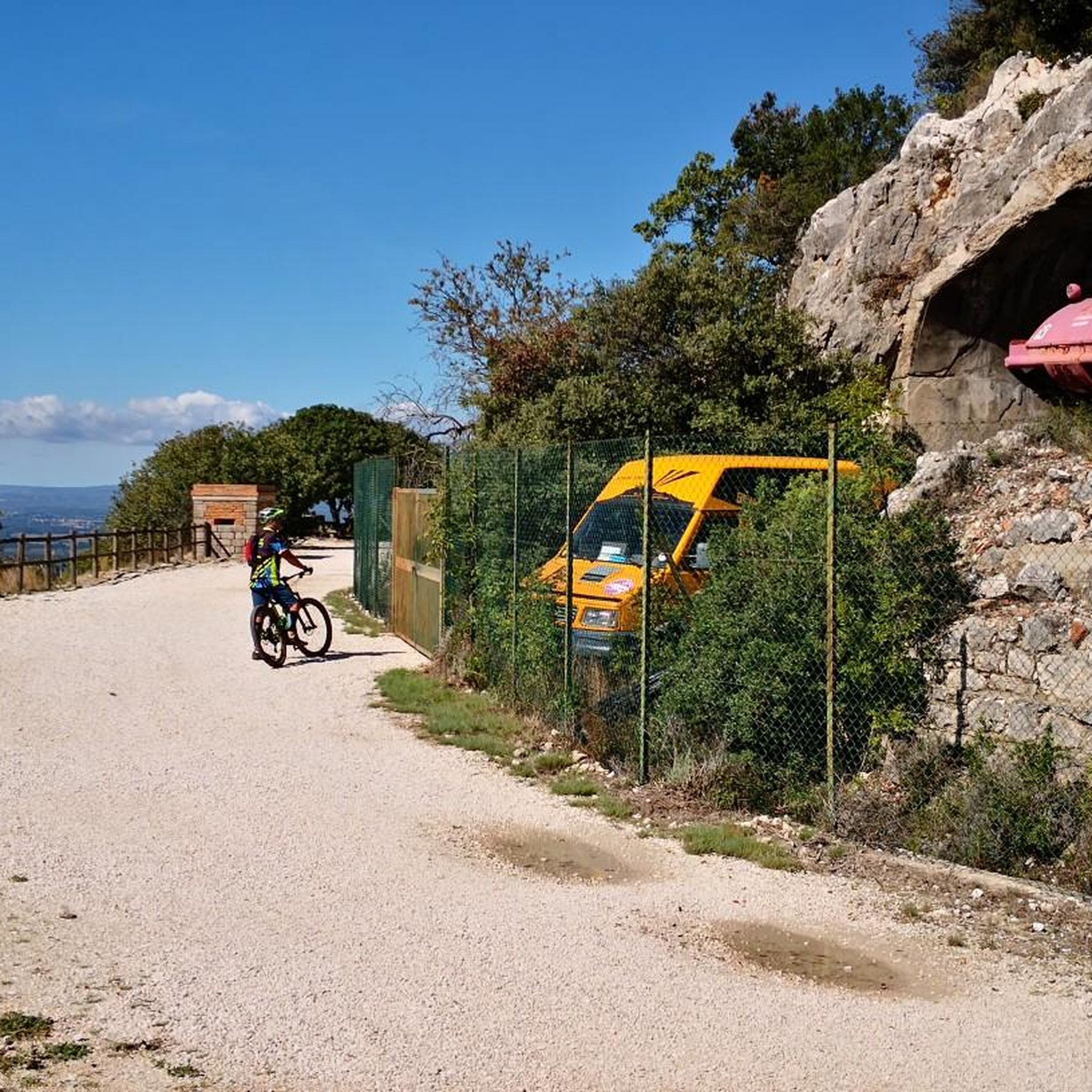
Cycling in Riserva Naturale Provinciale Monte Soratte

Gravel biking in Riserva Naturale Provinciale Monte Soratte
Other adventures in Riserva Naturale Provinciale Monte Soratte

Tips from the Community

The hermitage of Santa Romana, in Sant’Oreste sul Monte Soratte, is a rock-hewn church carved into a cave on the northeast side of the mountain, in a wooded and very evocative setting. According to tradition, it was consecrated in 1218, but the site seems to have even older origins, perhaps also linked to pre-Christian cults. The site preserves remains of walls and ruins that show how the hermitage was larger than it appears today, as well as frescoes visible on the damp cave walls. Inside there is also a marble basin that collects water dripping from the rock, traditionally used for devotion by women who lacked milk,
0
0

An open-air museum, recommended
0
0

Short panoramic walk with an exhibition of military vehicles.
0
0

On the path that leads from Sant'Antonio to Santa Lucia there is a deviation to the right which immediately begins to descend very steeply. In the first stretch you have to be careful not to slip, then the path continues without difficulty along the fence of the old military area; in fact it is called the path of the sentinels. At the height of a wooden platform and of a bench there is a deviation to the right which, following it all, descends to the area where there are the bunkers and the open-air museum of old military vehicles.
0
0
On the right side of the church of Santa Maria delle Grazie begins the path that leads to the church of S. Antonio. The first news of this Hermitage dates back to 1532; the prior of all the Soratte hermits resided here. The building has been preserved but the interior cannot be accessed. Other remains are in the rear area of the church where there is also a bench to admire the view. In front of the church the path continues in the direction of Santa Lucia although halfway you can turn left to reconnect to the concrete road that takes us back to the town.
0
0
On the way to the top of Soratte, just before the San Silvestro hermitage, you can take the path on the left that leads to the small San Sebastiano hermitage, of which modest wall traces remain. The latter was home to hermits in the 16th and 17th centuries, after which it began to be abandoned and fell into ruin. In the rock there is a cavity used to collect water. Short trail but to be followed with care.
0
1

This hermitage has a patronal name that is truly on everyone's lips, but only a few will know the person behind it: the feast day of Saint Sylvester (San Silvestro) is December 31st. He lived at the end of the third or beginning of the fourth century and was Bishop of Rome when Emperor Constantine - later generations gave him the nickname "the Great" - recognized Christianity as a religion with the so-called "Edict of Toleration" of Milan, thus ending - at least temporarily - the period of bloody persecution of Christians.
1
2

This stretch is particularly steep, perhaps more difficult going down than going up.
0
1
Frequently Asked Questions
What historical sites can I explore in Riserva Naturale Provinciale Monte Soratte?
The reserve is rich in history. You can visit the Monte Soratte Bunker, an extensive network of tunnels built by Mussolini and later used by German troops during WWII. Another significant site is the Hermitage of Saint Sylvester at the summit, founded around 340 AD, offering historical and religious importance with 14th and 15th-century frescoes. Other hermitages like the Hermitage of Sant'Antonio also dot the landscape, and the nearby town of Sant'Oreste features medieval streets and monuments.
Are there any unique natural features to see in the reserve?
Yes, the reserve is known for its distinctive natural features. The most notable are the Meri del Soratte Karst Sinkholes, deep cavities, some up to 115 meters deep, historically believed to be gateways to the underworld. The mountain itself, Monte Soratte, is an isolated limestone ridge offering extensive panoramic views from its 691-meter peak, stretching across the Tiber Valley to distant mountains and even the Tyrrhenian coastline. The reserve also boasts a diverse ecosystem with various flora and fauna.
What kind of hiking trails are available in Riserva Naturale Provinciale Monte Soratte?
Riserva Naturale Provinciale Monte Soratte offers a variety of hiking trails suitable for different abilities. You can find moderate routes like the 'From Sant'Oreste to Monte Soratte – ring tour' or the 'Ring of the Hermitages of Monte Soratte'. For a more challenging experience, consider the 'Hermitage of Saint Sylvester – Hermitage of Santa Lucia loop from Sant'Oreste'. Many trails start from the town of Sant'Oreste. For more details on routes, visit the Hiking in Riserva Naturale Provinciale Monte Soratte guide.
Is Riserva Naturale Provinciale Monte Soratte suitable for families?
Yes, the reserve offers options for families. The Meri del Soratte Karst Sinkholes are considered family-friendly, with an easy path to follow. Exploring the natural environment and the less strenuous trails can be an enjoyable experience for families. The town of Sant'Oreste also provides a charming base with its medieval streets.
Where can I find panoramic views within the reserve?
For breathtaking panoramic views, head to the Hermitage of Saint Sylvester, located at the summit of Monte Soratte. From here, you can see the surrounding valleys, including the Tiber Valley, and on clear days, views can extend from Monte Terminillo to Monte Amiata, and from Lake Bracciano to the Tyrrhenian coastline. The Hermitage of Sant'Antonio also offers scenic viewpoints.
What is the significance of the hermitages on Monte Soratte?
Monte Soratte is known as a 'sacred mountain' due to its numerous hermitages, reflecting a long-standing religious significance. The Hermitage of Saint Sylvester is particularly important, founded by Pope Sylvester around 340 AD. Other hermitages like the Hermitage of Sant'Antonio (where the prior of all Soratte hermits once resided), Santa Lucia (known for its deep natural cave), San Sebastiano, and Santa Romana (believed to be where Santa Romana was baptized by Pope Sylvester) demonstrate the mountain's spiritual history and unique rock architecture.
Can I visit the Monte Soratte Bunker, and what is its history?
Yes, parts of the Monte Soratte Bunker are open to the public. This extensive network of tunnels, stretching approximately 4 km, was initially constructed in 1937 by Mussolini as an air-raid shelter. During WWII, it served as a hideout for German troops under Field Marshal Albert Kesselring. Later, during the Cold War, sections were converted into an anti-atomic bunker for the Italian Prime Minister. An electric Decauville Railway allows visitors to tour previously inaccessible tunnels, offering a unique glimpse into recent history.
What wildlife can I expect to see in the reserve?
The diverse ecosystem of Riserva Naturale Provinciale Monte Soratte supports various wildlife. You might encounter wild boar, badgers, foxes, hedgehogs, and squirrels. Birdwatchers can look out for eagles and buzzards soaring above the mountain.
Are there cycling opportunities near the attractions?
Yes, the area around Riserva Naturale Provinciale Monte Soratte offers various cycling routes. You can find options for gravel biking, such as the 'Monte Soratte Bunker – Pinocchio Filming Location loop from Stimigliano', or road cycling routes like the 'Stimigliano Historic Center loop from Sant'Oreste'. For detailed routes and difficulty levels, refer to the Gravel biking in Riserva Naturale Provinciale Monte Soratte guide or the Road Cycling Routes in Riserva Naturale Provinciale Monte Soratte guide.
What is the best starting point for exploring Monte Soratte?
The ancient, picturesque hilltop town of Sant'Oreste is generally considered the main tourist center and an excellent starting point for many trails leading up Monte Soratte. It offers amenities and is conveniently located for accessing various attractions and hiking paths.
What do visitors enjoy most about Riserva Naturale Provinciale Monte Soratte?
Visitors frequently praise the stunning panoramic views, especially from the summit and the Hermitage of Saint Sylvester. The unique historical experience of exploring the Monte Soratte Bunker is also highly appreciated. Many enjoy the sense of peace and the suggestive atmosphere of the hermitages, as well as the opportunity to connect with nature on the various trails.
Are there any geological points of interest besides the sinkholes?
Beyond the Meri del Soratte Karst Sinkholes, the entire Monte Soratte itself is a significant geological feature. It's a distinctive limestone ridge rising majestically from the Roman countryside, making it a prominent and unique landmark in the Tiber Valley. The Cave of Santa Lucia, formed by karst phenomena, also adds to the reserve's natural value.
Most popular routes in Riserva Naturale Provinciale Monte Soratte

Get inspired with the komoot mobile app


Explore more
Still not found the Highlight you’re looking for? See guides of the top attractions in other regions:
