Attractions and Places To See in Riserva Naturale Provinciale Tuscania - Top 7
Attractions and places to see in Riserva Naturale Provinciale Tuscania offer a blend of natural beauty, ancient history, and cultural richness across its 1901 hectares in the Viterbo province. The reserve features hilly terrain, alluvial plains, extensive olive groves, and woodlands, shaped by the Marta River. It is home to diverse ecosystems, including cork oak forests and Mediterranean scrub, alongside significant Etruscan necropolises and medieval architecture. The area provides opportunities to explore historical sites and natural landscapes.
Best attractions and…
Last updated: May 25, 2026
Tuscania Historic Center
Highlight • Historical Site
Translated by Google •
Tip by

Fountain of the Seven Spouts
Highlight • Monument
Translated by Google •
Tip by

Sign up now to discover places like this
Get recommendations on the best single tracks, peaks, & plenty of other exciting outdoor places.
Sign up for free
Town Hall and the Church of San Lorenzo in Tuscania
Highlight • Historical Site
Translated by Google •
Tip by

Lavello Tower Park
Highlight • Viewpoint
Translated by Google •
Tip by
Church of Saint Mary of the Rose
Highlight • Religious Site
It …
Translated by Google •
Tip by
Sign up for free to discover even more attractions in Riserva Naturale Provinciale Tuscania.
Sign up for free
Already have an account?
Start today with a free account
Your next adventure awaits.
Login or Signup
Popular around Riserva Naturale Provinciale Tuscania
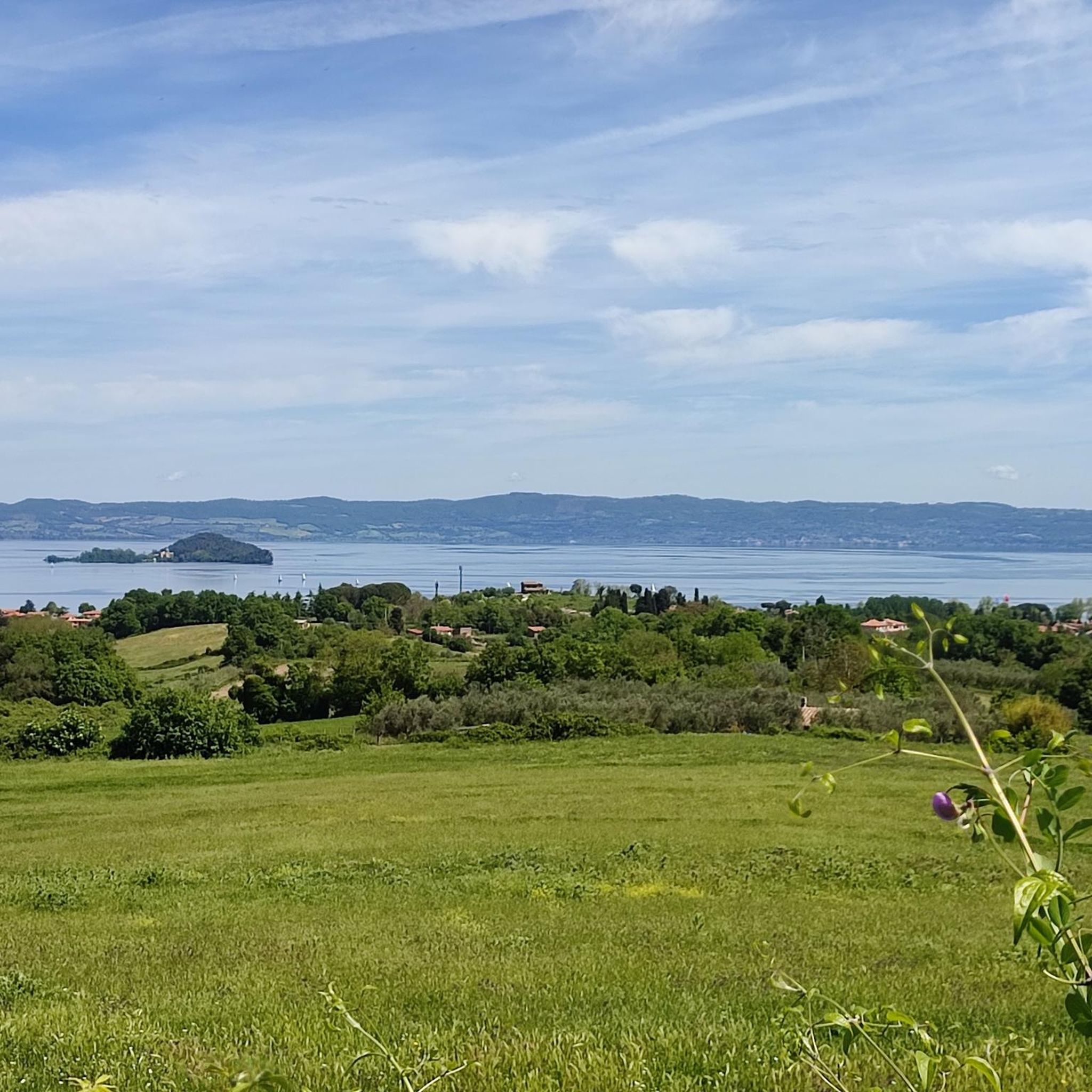
Road Cycling Routes in Riserva Naturale Provinciale Tuscania
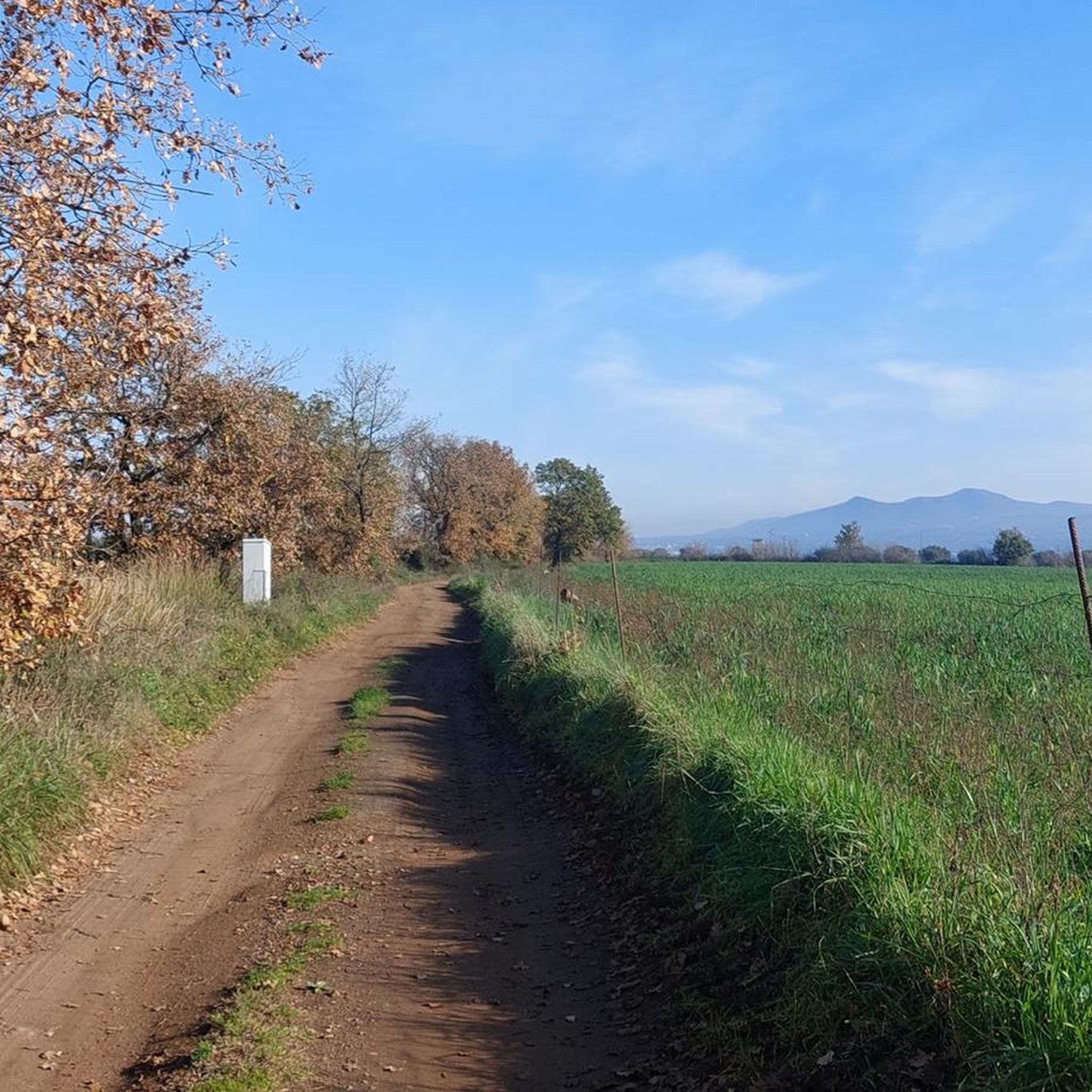
Hiking in Riserva Naturale Provinciale Tuscania
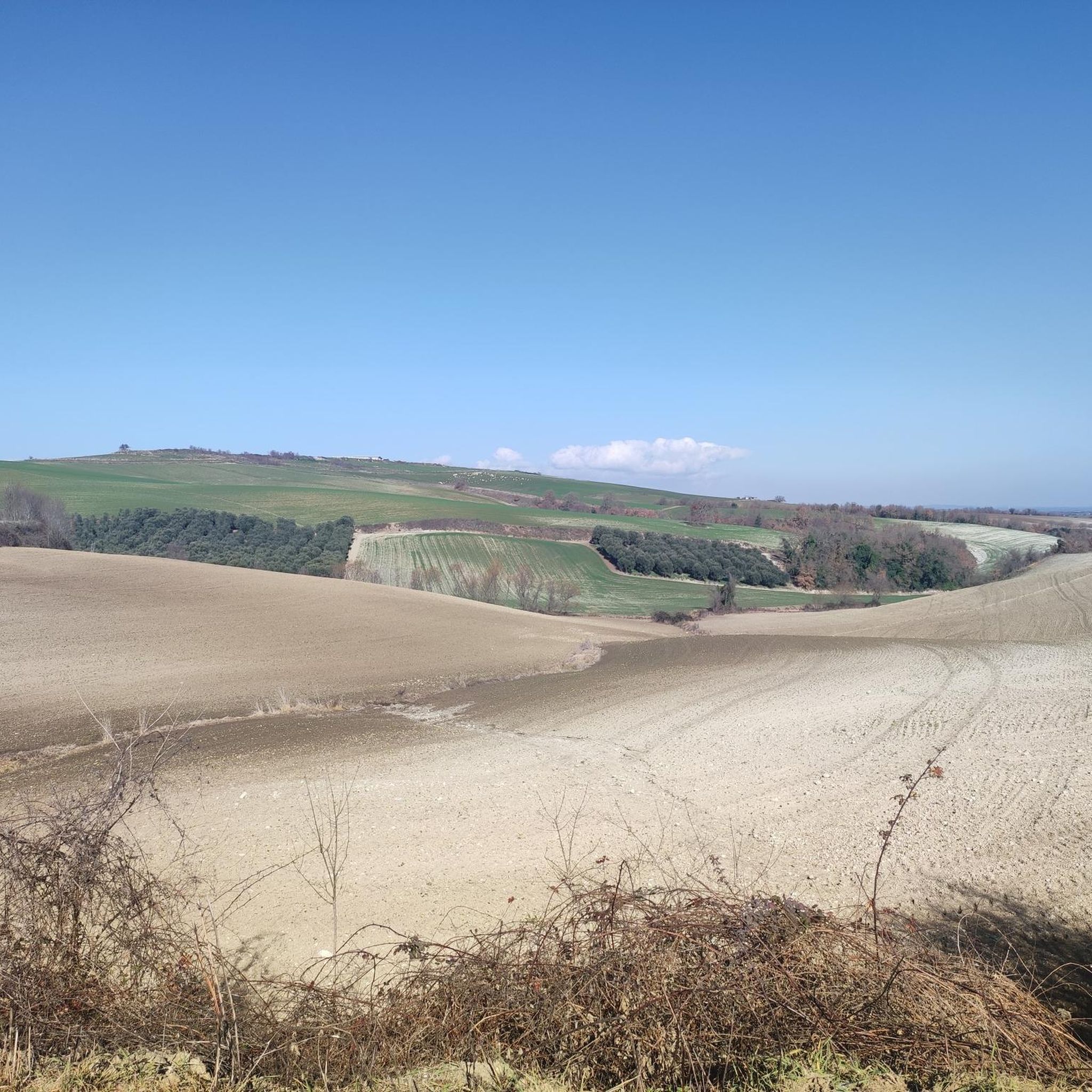
MTB Trails in Riserva Naturale Provinciale Tuscania
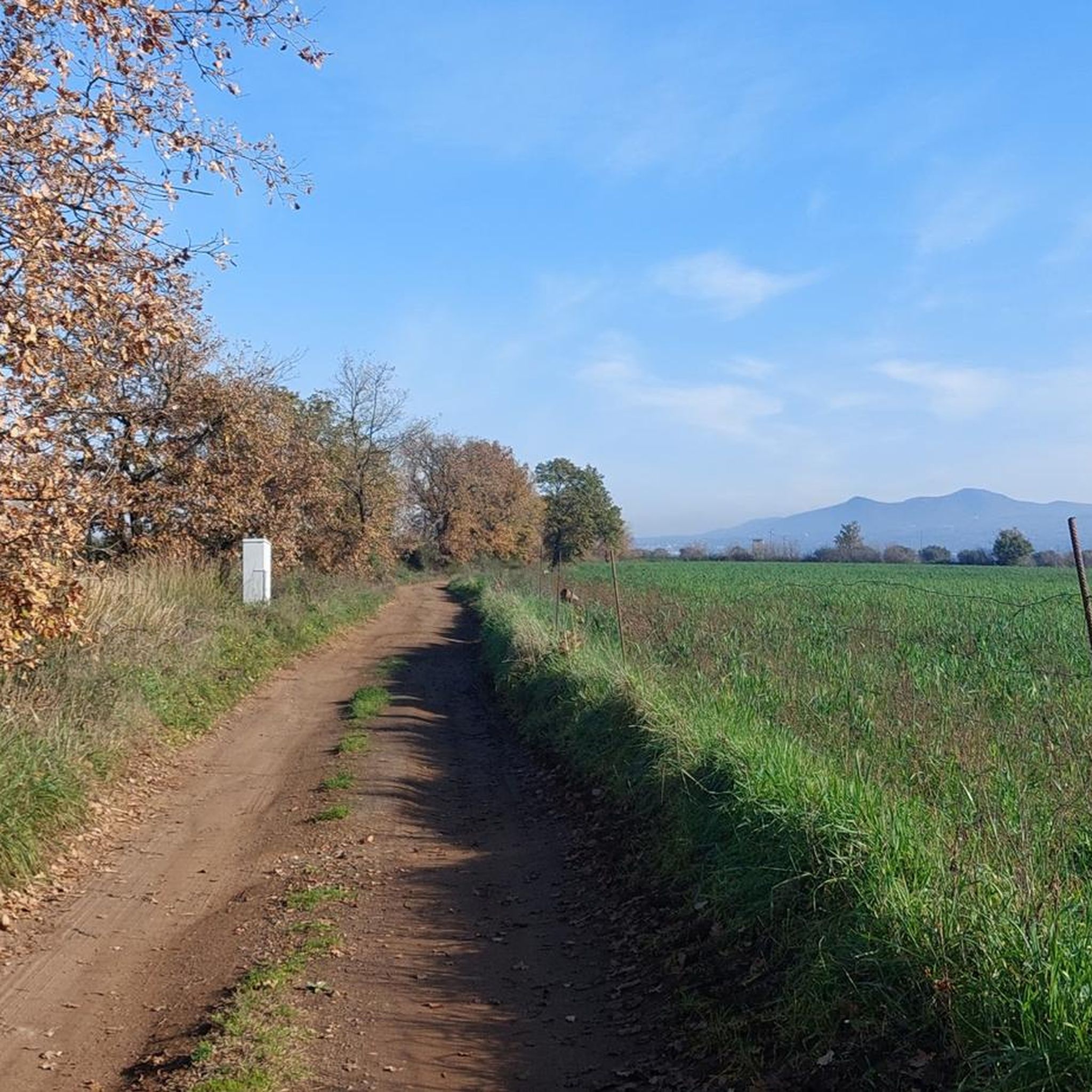
Running Trails in Riserva Naturale Provinciale Tuscania
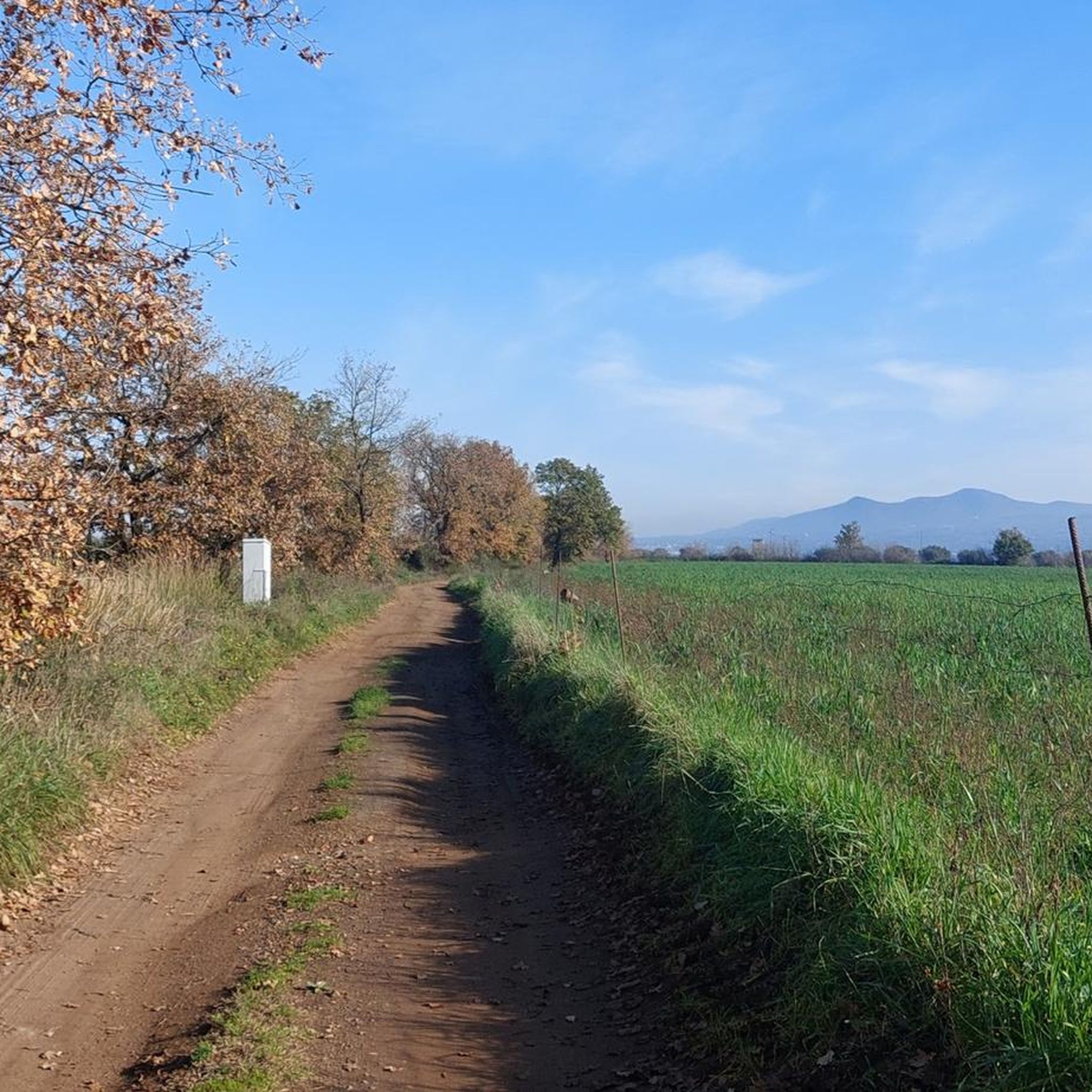
Cycling in Riserva Naturale Provinciale Tuscania

Gravel biking in Riserva Naturale Provinciale Tuscania
Tips from the Community

The current Palazzo del Comune of Tuscania overlooks Piazza Basile, between the Church of San Lorenzo and the former Church of Santa Croce, currently home to the Historical Archives and the Municipal Library. Previously, the administrators of the municipality resided in the ancient Palazzo del Rivellino, on the hill of the same name; the structure was so called because it was similar to a fortress. Subsequently, the podestà was transferred first to the palace that today is home to the Teatro Comunale, and then to the current one. The latter is accessed via a beautiful external staircase, which features a bronze plaque in memory of the restoration, in 1912, of the ancient name of the city that had been changed by Boniface VIII to Toscanella. (c) https://www.italiavirtualtour.it/dettaglio_member.php?id=96308
0
0
An important example of Romanesque architecture is, in addition to the Basilica of San Pietro and the Church of Santa Maria Maggiore, the church of Santa Maria della Rosa. It was built between the 13th and 14th centuries and most likely served as a cathedral during the 15th century, functions that later passed to the Church of San Giacomo. Some say its name is due to the Madonna del Rosario, while others say it is due to the Pink Easter (Pentecost). The building has a façade that opens into three portals, the central one of which is adorned with twisted columns, above which there is a rose window enriched with small arches. On the right instead is the bell tower, started as a square tower and completed with a sail, which opens into a floor of Roman mullioned windows. The interior is divided into three naves: in the left nave there is a 16th century canvas with the depiction of the Madonna del Rosario while at the end of the right nave, there is an altar polyptych (1581) with the representation of the Madonna Liberatrice. (c) https://www.facebook.com/100064478688230/posts/2458345677515360/
0
0
Ancient fountain located in the heart of the historic center of Tuscania, famous for the seven masks that compose it from which the water flows. The coats of arms of some noble families of the time appear on the structure. In the small square that towards the end of the Middle Ages was the market square, there is the ancient source of the Seven Spouts, also known as the Fontana del Butinale, so called because the water comes out of the mouth of seven masks, the Fountain of the Seven Spouts is the oldest of the cities of Tuscania, of Etruscan-Roman age the fountain was completed in 1309 by the podestà Lorenzo da Guglielmo, to better serve the needs of the city. The source seems to have fed the Roman baths existing near the church of Santa Maria Maggiore. In more recent times it seems to have fed a mill near the small square. (c) https://fondoambiente.it/luoghi/fontana-delle-sette-cannelle?ldc
0
0

Beautiful panoramic view of the church of San Pietro. The garden is very well-kept and it is very pleasant to spend a short break there.
0
0
Beautiful tower in the center of Tuscania just outside the park of the same name.
0
0

Beautiful square in the historic center of Tuscania.
0
0
Park below the tower of the same name with excellent views of the valley and the Church of San Pietro.
0
0
Definitely worth a detour. You should take a few hours to a whole day because there is a lot to discover and visit.
0
0
Frequently Asked Questions
What are the main historical and cultural attractions in Riserva Naturale Provinciale Tuscania?
The reserve is rich in history. You can explore the Tuscania Historic Center, which showcases Etruscan testimonies and medieval architecture. Other significant sites include the Town Hall and the Church of San Lorenzo in Tuscania, located in a beautiful square, and the ancient Fountain of the Seven Spouts. The area also features numerous Etruscan necropolises and Romanesque churches like the Basilica of San Pietro and Santa Maria Maggiore.
Where can I find the best panoramic views in Riserva Naturale Provinciale Tuscania?
For excellent panoramic views, visit Lavello Tower Park, which offers splendid vistas of the valley and the Church of San Pietro. The medieval walls of Tuscania and Colle San Pietro also provide expansive views of the 'Etruscan valley of Tuscania'.
Are there family-friendly attractions in Riserva Naturale Provinciale Tuscania?
Yes, several attractions are suitable for families. Fountain of the Seven Spouts, Town Hall and the Church of San Lorenzo in Tuscania, and Lavello Tower Park are all categorized as family-friendly. The well-kept park at Lavello Tower is particularly pleasant for a short break with children.
What natural features can I explore in the reserve?
The reserve is characterized by its hilly terrain, alluvial plains, extensive olive groves, and woodlands. The Marta River is a central feature, carving green valleys and supporting diverse aquatic life. You can also find significant cork oak forests (Sughereta di Tuscania) and Mediterranean scrub, along with tufa rock formations created by millennia of water erosion.
What kind of wildlife can be observed in Riserva Naturale Provinciale Tuscania?
The reserve is a haven for diverse fauna. Birdwatchers might spot golden orioles, hobbies, kingfishers, nightingales, and pendulines. Open areas host bee-eaters, larks, quails, and Montagu's harriers. Mammals such as porcupines, wild boars, and potentially wildcats also inhabit the area.
What outdoor activities, like running, can I do near these attractions?
The area offers several running trails. You can find options like the 'Ancient Via Clodia Loop from Tuscania' (difficult, 16 km) or 'Tuscania – Tuscania Historic Center loop from Tuscania' (moderate, 7.5 km). For more details and routes, visit the Running Trails in Riserva Naturale Provinciale Tuscania guide.
Are there road cycling routes available in the Riserva Naturale Provinciale Tuscania?
Yes, there are numerous road cycling routes. Options range from moderate to difficult, such as the 'Capodimonte Harbour View – Tuscania loop from Tuscania' (43 km) or the longer 'Tuscia and Lake Bolsena Loop' (107 km). Explore more routes in the Road Cycling Routes in Riserva Naturale Provinciale Tuscania guide.
Can I find mountain biking trails in the reserve?
Absolutely. Mountain biking enthusiasts can enjoy trails like 'Da Tuscania al Lago di Bolsena lunga la Valle del Marta' (moderate, 39 km) or 'Marta – Tuscania loop from Tuscania' (moderate, 42.5 km). For a comprehensive list of trails, check out the MTB Trails in Riserva Naturale Provinciale Tuscania guide.
What is the best time of year to visit Riserva Naturale Provinciale Tuscania?
The reserve can be enjoyed year-round, but spring and autumn offer particularly pleasant weather for exploring the natural landscapes and historical sites. During these seasons, temperatures are mild, and the scenery is vibrant with blooming flora or rich autumn colors, making it ideal for hiking and outdoor activities.
What do visitors enjoy most about the attractions in Riserva Naturale Provinciale Tuscania?
Visitors frequently praise the blend of natural beauty and ancient history. They appreciate the well-preserved medieval architecture in the Tuscania Historic Center, the stunning panoramic views from spots like Lavello Tower Park, and the rich Etruscan heritage. The peaceful atmosphere and opportunities for leisurely strolls through charming villages are also highly valued.
Are there any significant religious buildings to visit?
Yes, the area is home to several important religious buildings. Besides the Church of San Lorenzo in Tuscania, you can also visit the Church of Saint Mary of the Rose, an important example of Romanesque architecture. The Basilica of San Pietro and the Church of Santa Maria Maggiore are also notable Romanesque churches in the area.
How long should I plan for a visit to Riserva Naturale Provinciale Tuscania?
To fully appreciate the historical sites, natural features, and perhaps enjoy a short hike or cycle, it's recommended to dedicate at least a full day. If you wish to explore multiple Etruscan necropolises, Romanesque churches, and engage in longer outdoor activities, a weekend visit would be more suitable.
Most popular routes in Riserva Naturale Provinciale Tuscania

Get inspired with the komoot mobile app


Explore more
Still not found the Highlight you’re looking for? See guides of the top attractions in other regions:
