The best walks and hikes in Monteluco Di Spoleto
4.3
(480)
2,492
hikers
15
hikes
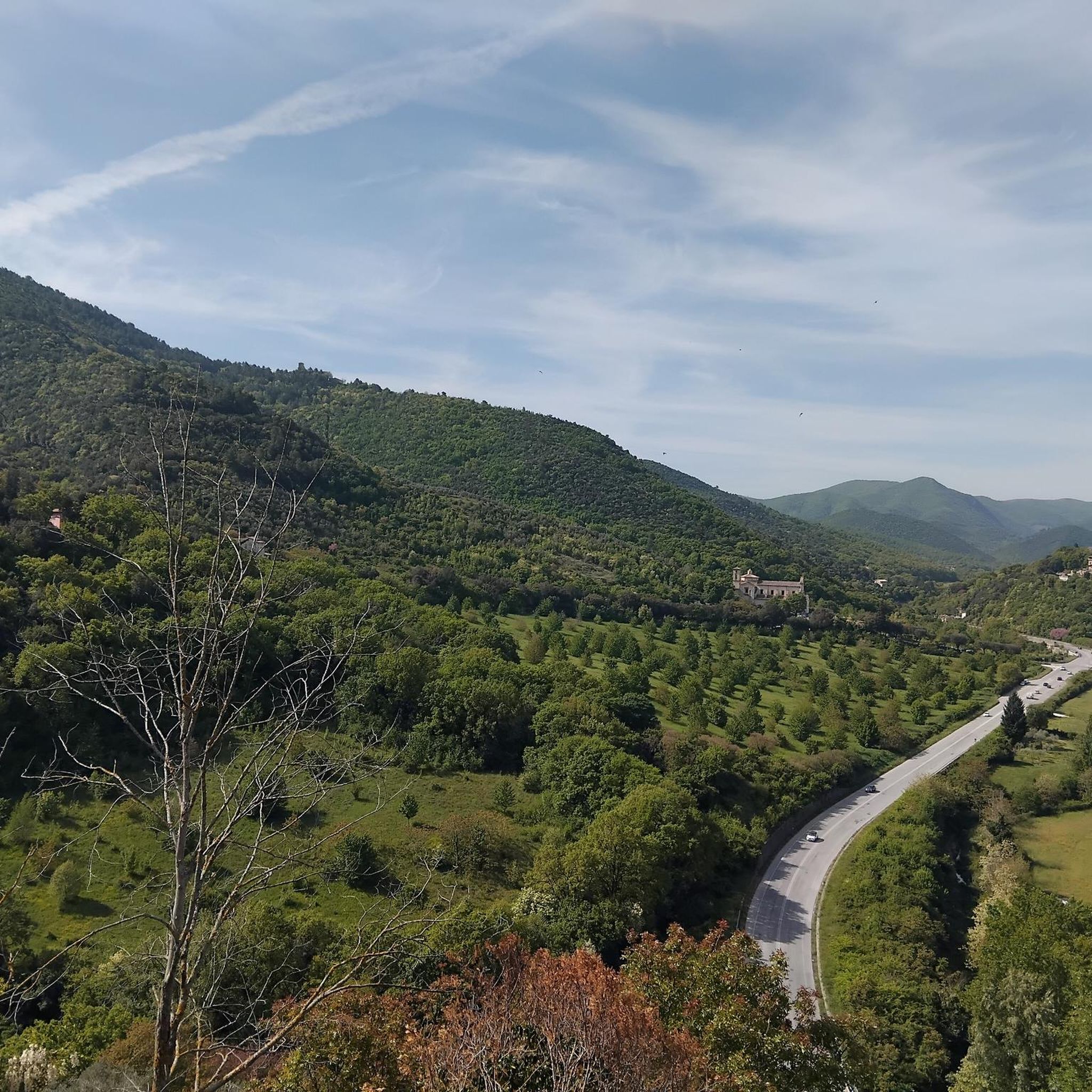
Hiking in Monteluco Di Spoleto offers diverse trails through a landscape characterized by a limestone ridge, dense holm oak forests, and varied ecological zones. The region, part of the Montagna Spoletina, features both deciduous and evergreen sclerophyll forests, alongside chestnut groves and beech trees at higher elevations. Hikers can experience tranquil woods, historical sites, and panoramic views of the Umbrian Valley. The area provides a network of paths suitable for various skill levels, from easy strolls to more demanding treks.
Best hiking trails in Monteluco Di Spoleto
- The most popular hiking route is Monteluco Meadow – View of Spoleto loop from Spoleto, a 6.1 miles (9.9 km) trail that takes 3 hours 24 minutes to complete. This moderate route offers expansive views overlooking the city of Spoleto.
- Another top favourite among local hikers is Cathedral of Spoleto – Ponte delle Torri loop from Spoleto, a moderate 5.2 miles (8.3 km) path. This trail includes the iconic 14th-century Ponte delle Torri and provides scenic vistas of the Umbrian hills.
- Local hikers also love the Monteluco Sacred Forest – Monteluco Meadow loop from Spoleto, a 1.9 miles (3.0 km) trail leading through the ancient Sacred Wood (Bosco Sacro), often completed in about 56 minutes.
- Hiking in Monteluco Di Spoleto is defined by ancient holm oak forests, historical hermitages, and panoramic viewpoints. The network of trails offers options for different ability levels, from easy walks to more challenging ascents.
- The routes in Monteluco Di Spoleto are highly rated by the komoot community with an average score of 4.4 stars from over 400 reviews. More than 2000 hikers have used komoot to explore Monteluco Di Spoleto's varied terrain.
Last updated: May 28, 2026
4.7
(9)
27
hikers
9.35km
03:17
510m
510m
Moderate hike. Good fitness required. Easily-accessible paths. Suitable for all skill levels.
4
hikers
2.99km
00:56
110m
110m
Easy hike. Great for any fitness level. Easily-accessible paths. Suitable for all skill levels.

Sign up for free
1
hikers
2.71km
00:51
110m
110m
Easy hike. Great for any fitness level. Easily-accessible paths. Suitable for all skill levels.
7
hikers
6.00km
01:49
190m
190m
Easy hike. Great for any fitness level. Easily-accessible paths. Suitable for all skill levels.
5.0
(1)
9
hikers
6.69km
01:51
110m
110m
Easy hike. Great for any fitness level. Easily-accessible paths. Suitable for all skill levels.
Get access to more routes and recommendations from other explorers.
Sign up for free
Already have an account?
Our route recommendations are based on thousands of hikes, rides, and runs completed by other people on komoot.
Start today with a free account
Your next adventure awaits.
Login or Signup
Tips from the Community

Cathedral of Santa Maria Assunta, Spoleto Cathedral Cathedral: the symbol of the city of Spoleto With its magnificent façade, Spoleto Cathedral provides a kind of backdrop to the Piazza Duomo, which is home to many other buildings. The cathedral was built in the 12th century on the remains of an earlier religious building named after Santa Maria del Vescovado, which in turn stood on an older church dedicated to the martyr Primiano. The crypt of Santa Primiano, accessed through the rectory, dates back to the 9th century and represents the only original part of the old cathedral, which was rebuilt at the end of the 12th century. Adjacent to the facade of the cathedral, on the left side, is the imposing square-shaped bell tower. The façade also features an elegant portico with five rounded arches supported by Corinthian columns, a marvelous work by the master Ambrogio Barocci dating from 1492. The upper part is divided into two levels separated by a cornice supported by blind arches: the lower part is decorated with five beautiful rose windows, the central one being larger and surrounded by the symbols of the four evangelists; the upper part features three rose windows and three pointed-arch niches, of which the central, larger one is decorated with a wonderful mosaic depicting Christ enthroned between the Madonna and Saint John the Evangelist. The decorative elements are further emphasized by the use of blocks of local white and pink stone, which highlight the architectural details. Inside, the space is divided into three naves with a central apse, and the plan is a Latin cross with a transept. The building houses numerous works of art by artists from various eras: the bronze bust of Urban VIII was made by Gian Lorenzo Bernini in 1640; the cross with the iconography of the Living Christ (Triumphal) is a work by Alberto Sotio from 1187; and the cycle of the Stories of the Virgin, which adorns the central apse, was painted by Filippo Lippi between 1467 and 1469. Finally, two chapels are particularly admirable: the Chapel of the Santissima Icona, which houses a 12th-century Byzantine panel that, according to tradition, was given to the city of Spoleto by Frederick Barbarossa as a sign of peace; and the Chapel of the Reliquies, which houses one of the only two surviving letters written by Saint Francis himself. It is a small rectangular parchment (13 x 6 cm) made of goatskin, consisting of nineteen lines, addressed to Fra Leone. The other handwritten letter is the so-called Chartula, kept in the Basilica of Assisi and, according to tradition, written by Francis in 1224 after his stigmatization on Mount Verna. The interior of the building, as it appears today, is the result of a decisive intervention in the 17th century that gave it a Baroque style. Text / Source: Exploring Umbria srl, https://www.exploring-umbria.com/de/entdecke-spoleto/gehenswuerdigkeiten-in-spoleto/kathedrale-santa-maria-assunta-dom-von-spoleto/#:~:text=Die%20Kathe Drale%20 was%20 built%20 in the%20tw%C3%B6th%20th century%20 on%20, a%20%C3%A4older%2C%20%20%20%20M%C3%A4rtyr%20Primiano%20%20%20house%20dedicated to the%20M%C3%A4rtyr%20Primiano%20.
15
0

Beautiful ride, between viaducts with breathtaking views and truly suggestive tunnels... to do at least once... also suitable for small bikers
0
0

They call it the Gotthard of Umbria; and rightly so!
0
0

Grotto of Blessed Cesare Beccaria
0
0
Grotto of Saint Anthony of Padua
0
0
Public drinking water fountain
0
0

Long steps down to the cathedral of Spoleto. The old town of Spoleto is definitely worth seeing. Beautiful, winding old town streets, small, cozy squares and many restaurants. Spoleto does attract visitors, but the town has not yet been overrun by large-scale international tourism. Accordingly, there are still numerous shops selling everyday items in the old town and not just souvenir shops. There are bakeries, butchers, cheese shops - where you can still buy food from regional production.
0
0

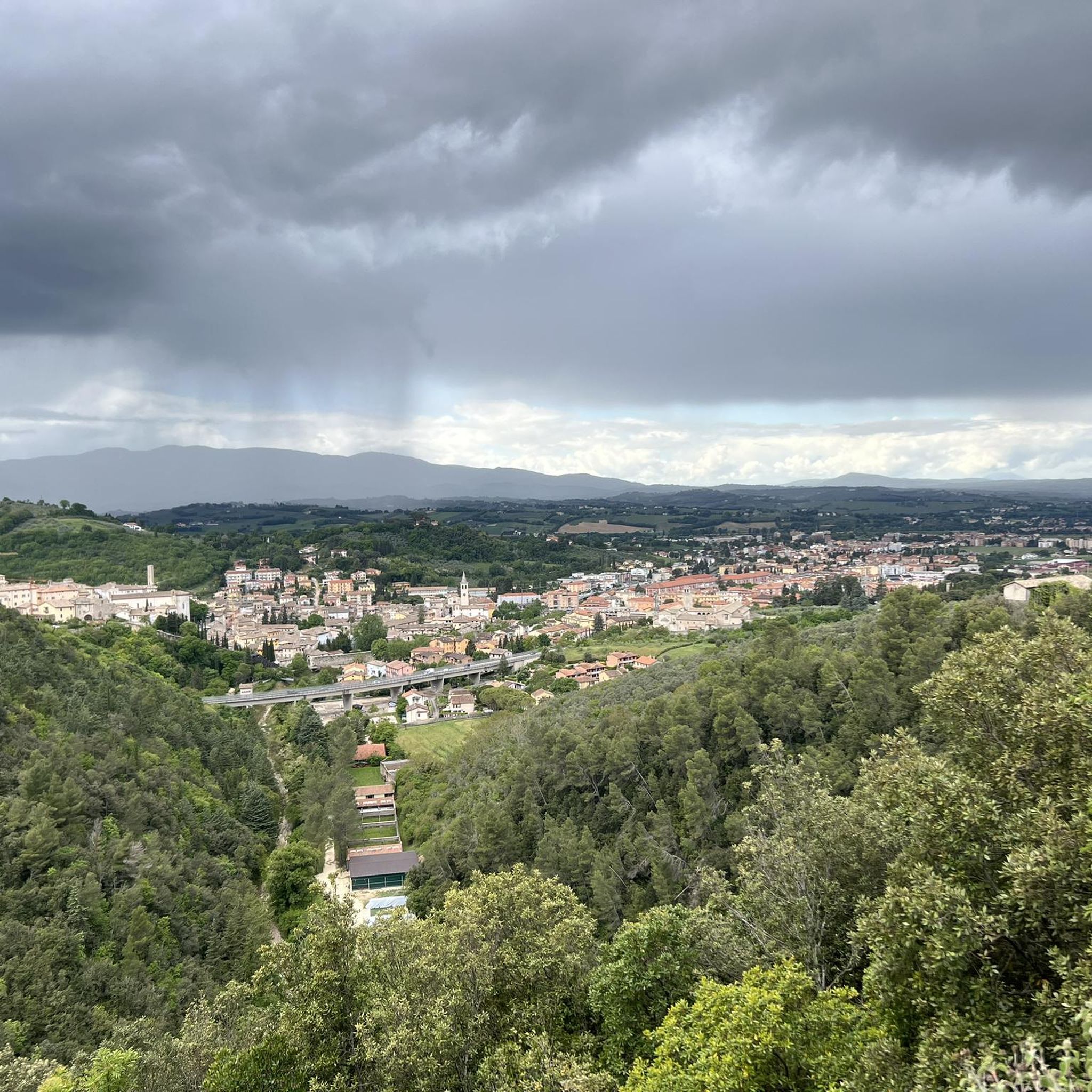
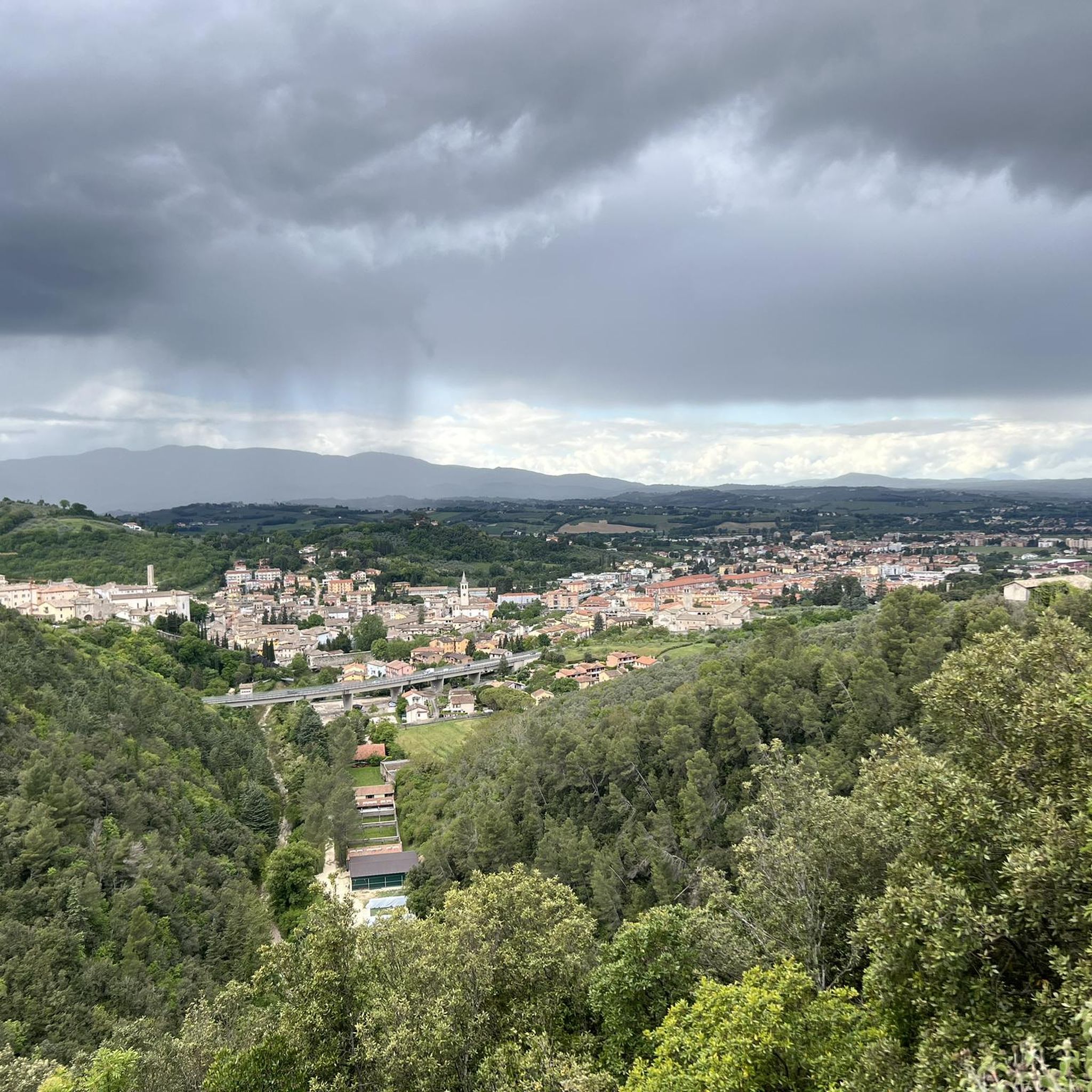
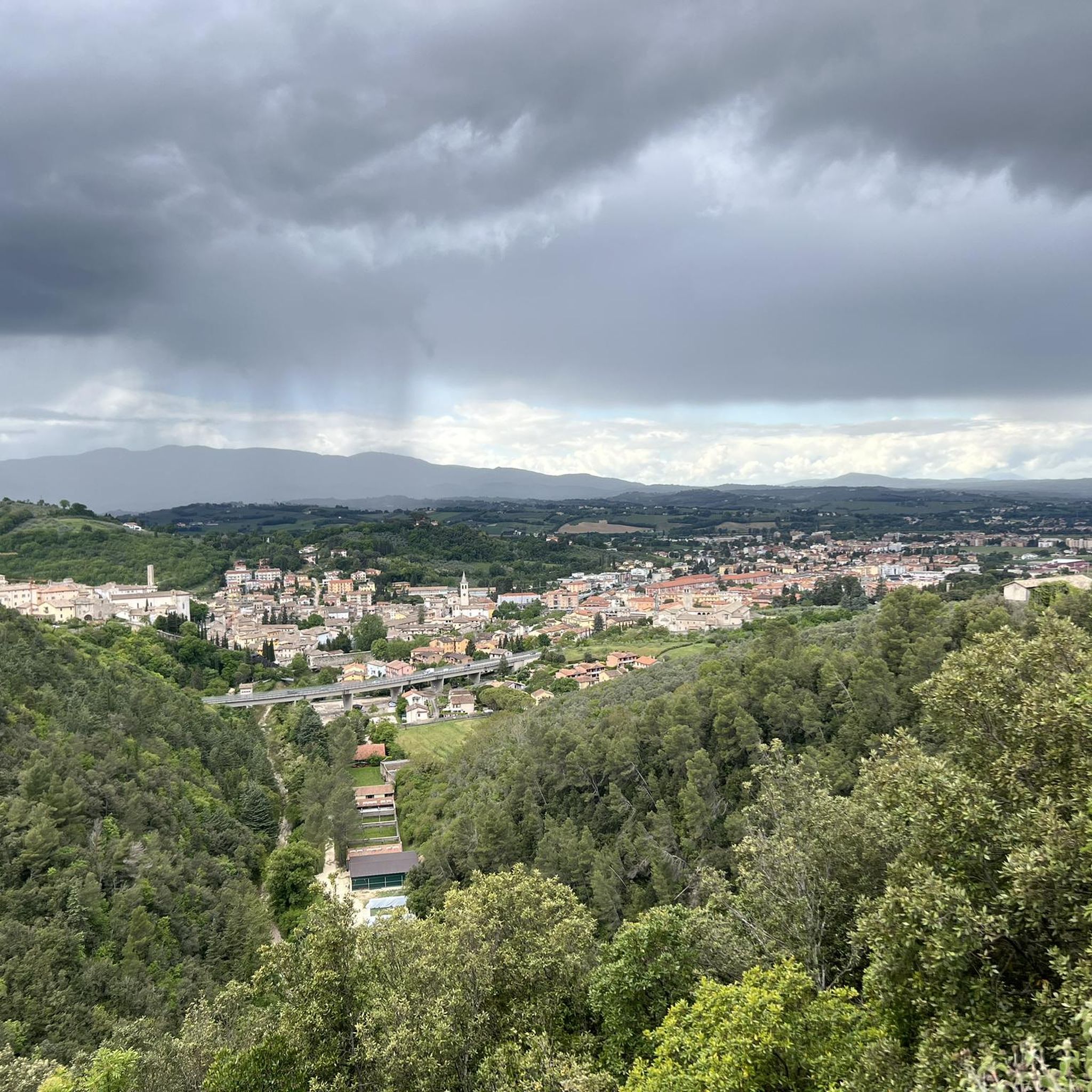
The highest viaduct overlooking the Umbrian Valley.
0
0
Frequently Asked Questions
How many hiking trails are available in Monteluco Di Spoleto?
Monteluco Di Spoleto offers a diverse network of over 10 hiking trails, catering to various skill levels. These include easy strolls through ancient woods and more challenging ascents with panoramic views.
Are there easy hiking trails suitable for beginners or families in Monteluco Di Spoleto?
Yes, Monteluco Di Spoleto has several easy trails perfect for beginners and families. For instance, the Monteluco Sacred Forest – Monteluco Meadow loop from Spoleto is an easy 3 km path through the ancient Sacred Wood, often completed in under an hour. Another accessible option is the Monteluco Meadow – Monteluco Francescano loop from Monteluco.
What kind of natural features can I expect to see while hiking in Monteluco Di Spoleto?
Hikers in Monteluco Di Spoleto will encounter the ancient Sacred Wood (Bosco Sacro), a unique holm oak forest with historical and spiritual significance. The trails also traverse diverse ecological zones of the Montagna Spoletina, including deciduous and evergreen forests, offering rich biodiversity and expansive views of the Umbrian Valley.
Are there any historical sites or landmarks along the hiking routes?
Absolutely. Many trails incorporate historical features. You can explore the iconic 14th-century Ponte delle Torri, which connects Spoleto to Monteluco. At the summit of Monteluco, the Convent of Saint Francis holds significant religious history. Along the paths, especially within the Sacred Wood, you'll find numerous hermitages and ancient churches, such as the ruins of the Monastero di Sant'Antonio and the San Pietro church.
Are there any circular hiking routes in Monteluco Di Spoleto?
Yes, Monteluco Di Spoleto offers several circular routes. A popular choice is the Cathedral of Spoleto – Ponte delle Torri loop from Spoleto, which provides scenic vistas and includes the impressive medieval aqueduct. The Monteluco Sacred Forest – Monteluco Meadow loop from Spoleto is another excellent circular option for a shorter, immersive experience.
What do other hikers say about the trails in Monteluco Di Spoleto?
The trails in Monteluco Di Spoleto are highly rated by the komoot community, with an average score of 4.4 stars from over 400 reviews. Hikers often praise the tranquil atmosphere of the ancient woods, the well-maintained paths, and the stunning panoramic views of the Umbrian Valley.
Is Monteluco Di Spoleto suitable for dog-friendly hikes?
Yes, Monteluco Di Spoleto is generally dog-friendly. Many trails wind through natural forests and open meadows, providing ample space for dogs to enjoy. Always ensure your dog is on a leash where required and respect local regulations regarding pets in protected areas or near historical sites.
Where can I find parking for hiking trails in Monteluco Di Spoleto?
Parking is available in and around Spoleto, particularly near the starting points of trails leading up to Monteluco. Specific parking areas can be found closer to the town center or at the base of the ascent towards the Ponte delle Torri, offering convenient access to the trail network.
What are the best viewpoints in Monteluco Di Spoleto?
Monteluco Di Spoleto is renowned for its magnificent viewpoints. Hikers are rewarded with expansive vistas of the Umbrian Valley, stretching past Assisi and dotted with picturesque hilltowns, olive groves, and vineyards. The area around the Ponte delle Torri and various points along the higher trails offer particularly stunning panoramic photo opportunities.
What is the best time of year to go hiking in Monteluco Di Spoleto?
The best time to hike in Monteluco Di Spoleto is typically during spring (April-June) and autumn (September-October) when the weather is mild and the natural scenery is at its most vibrant. Spring brings blooming wildflowers, while autumn offers beautiful foliage. Summer can be warm, so early morning or late afternoon hikes are recommended, while winter offers a quieter, often crisp experience.
Are there any challenging hikes in the region?
While many trails are moderate or easy, Monteluco Di Spoleto, being part of the Montagna Spoletina, does offer more challenging options. Some routes involve significant altitude changes and technical descents, requiring good fitness and sure-footedness. These trails often lead to higher elevations, providing even more expansive views.
Most popular routes in Monteluco Di Spoleto
Most popular attractions in Monteluco Di Spoleto

Get inspired with the komoot mobile app


Explore more
Browse the best Hikes in other regions.
