Riserva Naturale Regionale Della Valle Cavanata
Riserva Naturale Regionale Della Valle Cavanata
The best cycling routes in Riserva Naturale Regionale Della Valle Cavanata
4.4
(3056)
18,418
riders
134
rides
Touring cycling in Riserva Naturale Regionale Della Valle Cavanata offers routes through diverse coastal and wetland environments. The region is characterized by flat terrain, making it suitable for various skill levels. Cyclists can explore salt marshes, hygrophilous woodlands, and lagoons, with views of the Grado Lagoon and the Gulf of Trieste. The area's topography provides a consistent riding experience across its varied habitats.
Best touring cycling routes in Riserva Naturale Regionale Della Valle Cavanata
- The most popular touring cycling route…
Last updated: August 4, 2026
4.6
(297)
1,427
riders
Moderate bike ride. Good fitness required. Mostly paved surfaces. Suitable for all skill levels.
4.7
(28)
202
riders
Easy bike ride. Great for any fitness level. Mostly paved surfaces. Suitable for all skill levels.

Sign up for free
4.6
(19)
171
riders
Easy bike ride. Great for any fitness level. Mostly paved surfaces. Suitable for all skill levels.
4.1
(9)
66
riders
Hard bike ride. Very good fitness required. Mostly paved surfaces. Suitable for all skill levels.
4.2
(5)
29
riders
Hard bike ride. Very good fitness required. Mostly paved surfaces. Suitable for all skill levels.
Get access to more routes and recommendations from other explorers.
Sign up for free
Already have an account?
Our route recommendations are based on thousands of hikes, rides, and runs completed by other people on komoot.
Start today with a free account
Your next adventure awaits.
Login or Signup
Popular around Riserva Naturale Regionale Della Valle Cavanata
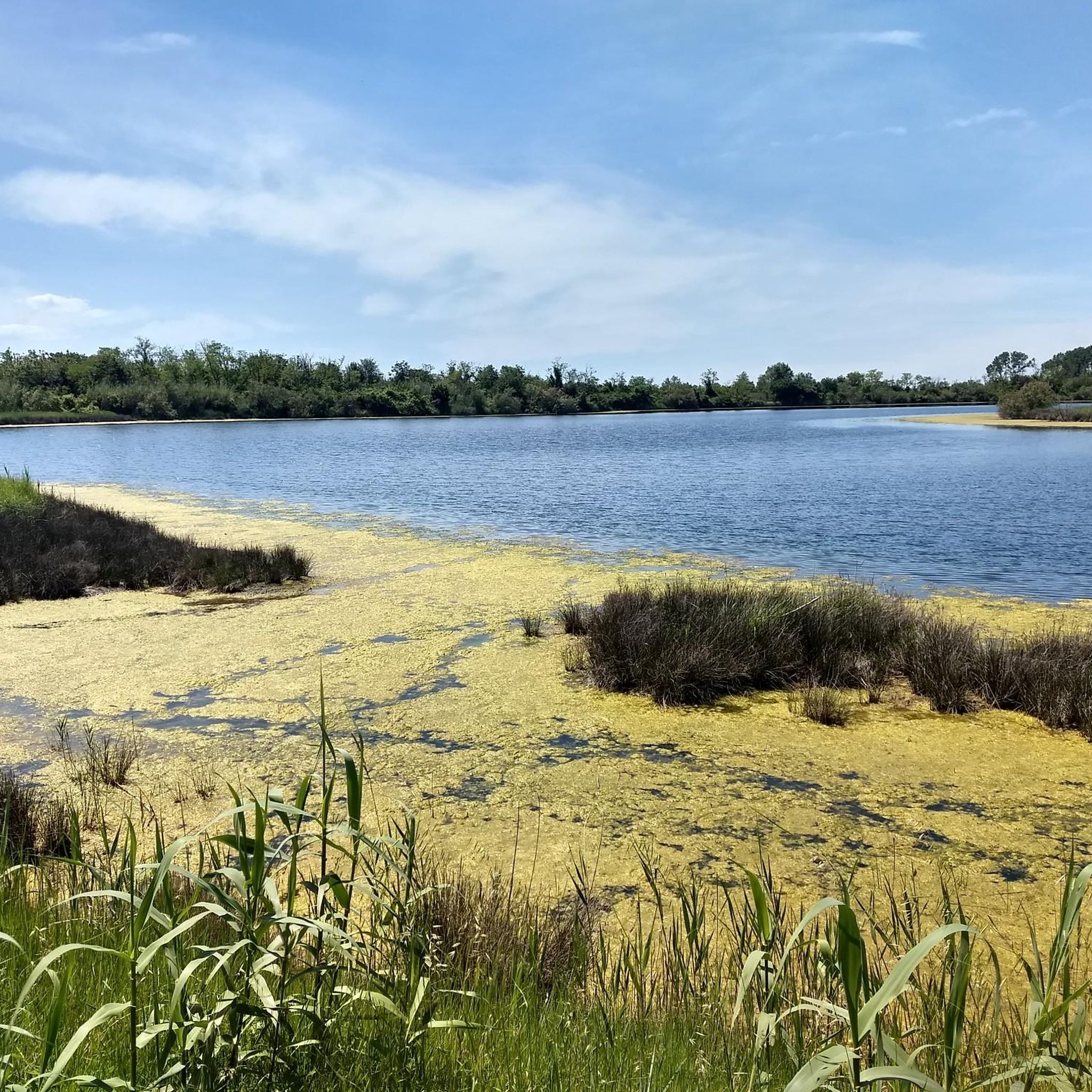
Road Cycling Routes in Riserva Naturale Regionale Della Valle Cavanata
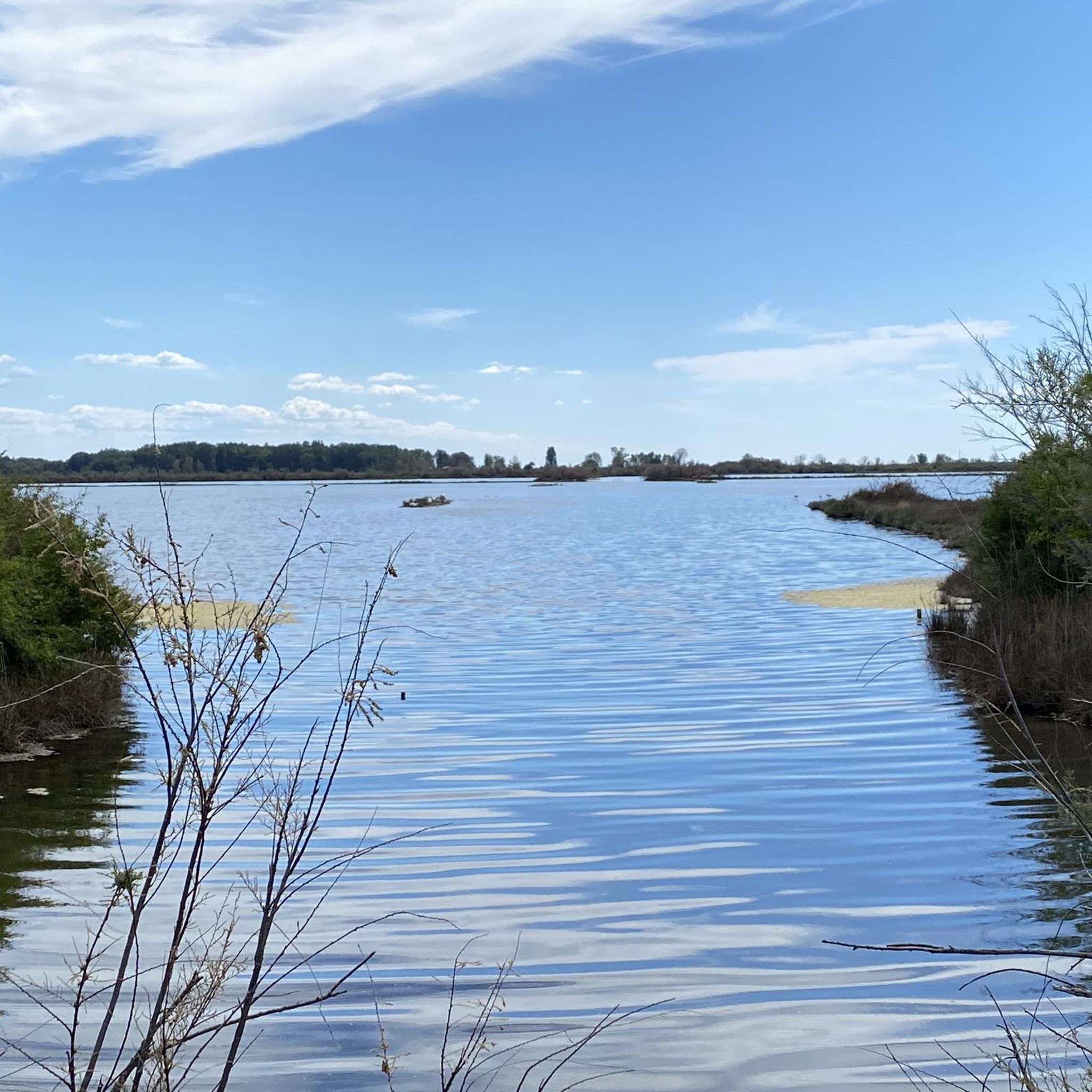
MTB Trails in Riserva Naturale Regionale Della Valle Cavanata
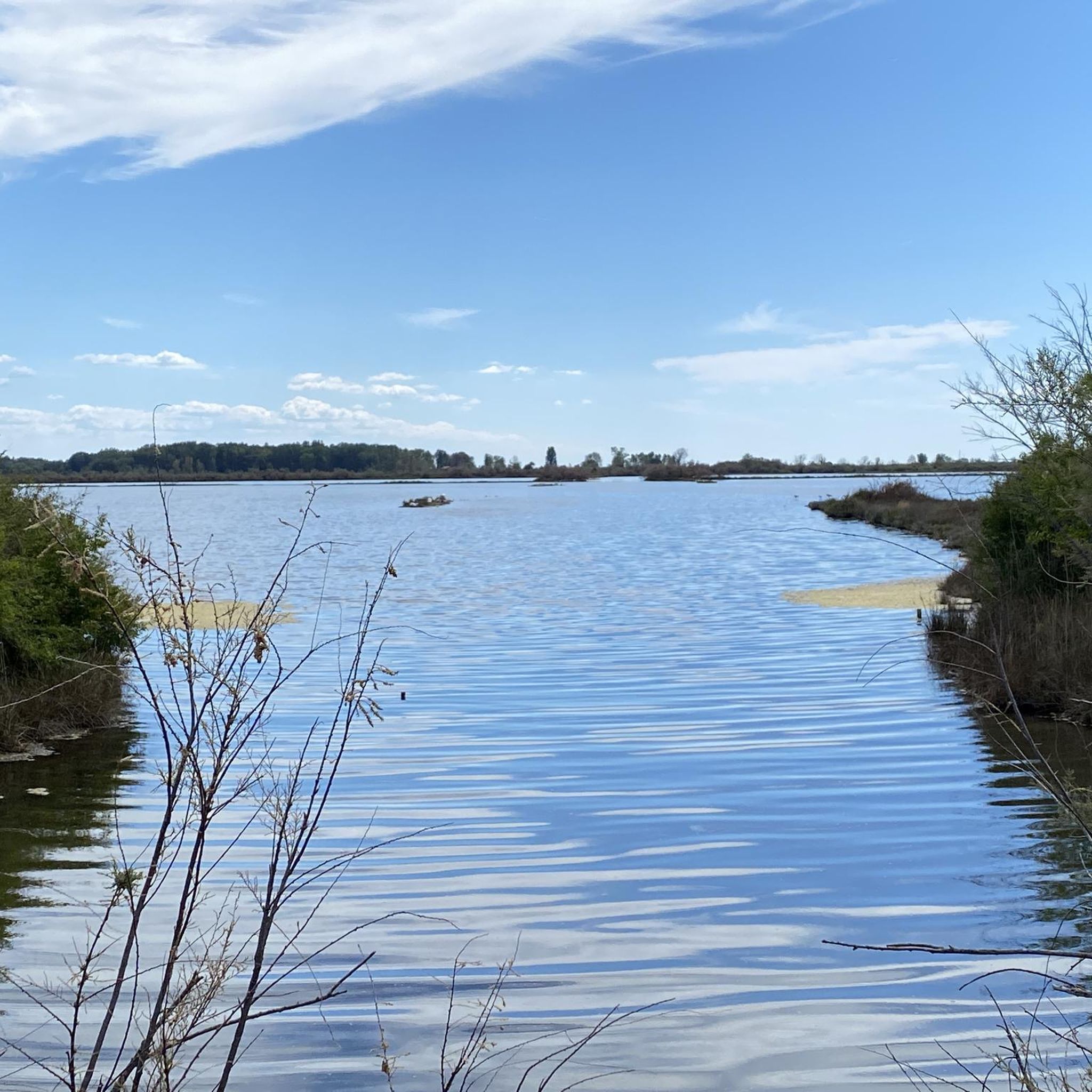
Running Trails in Riserva Naturale Regionale Della Valle Cavanata

Gravel biking in Riserva Naturale Regionale Della Valle Cavanata
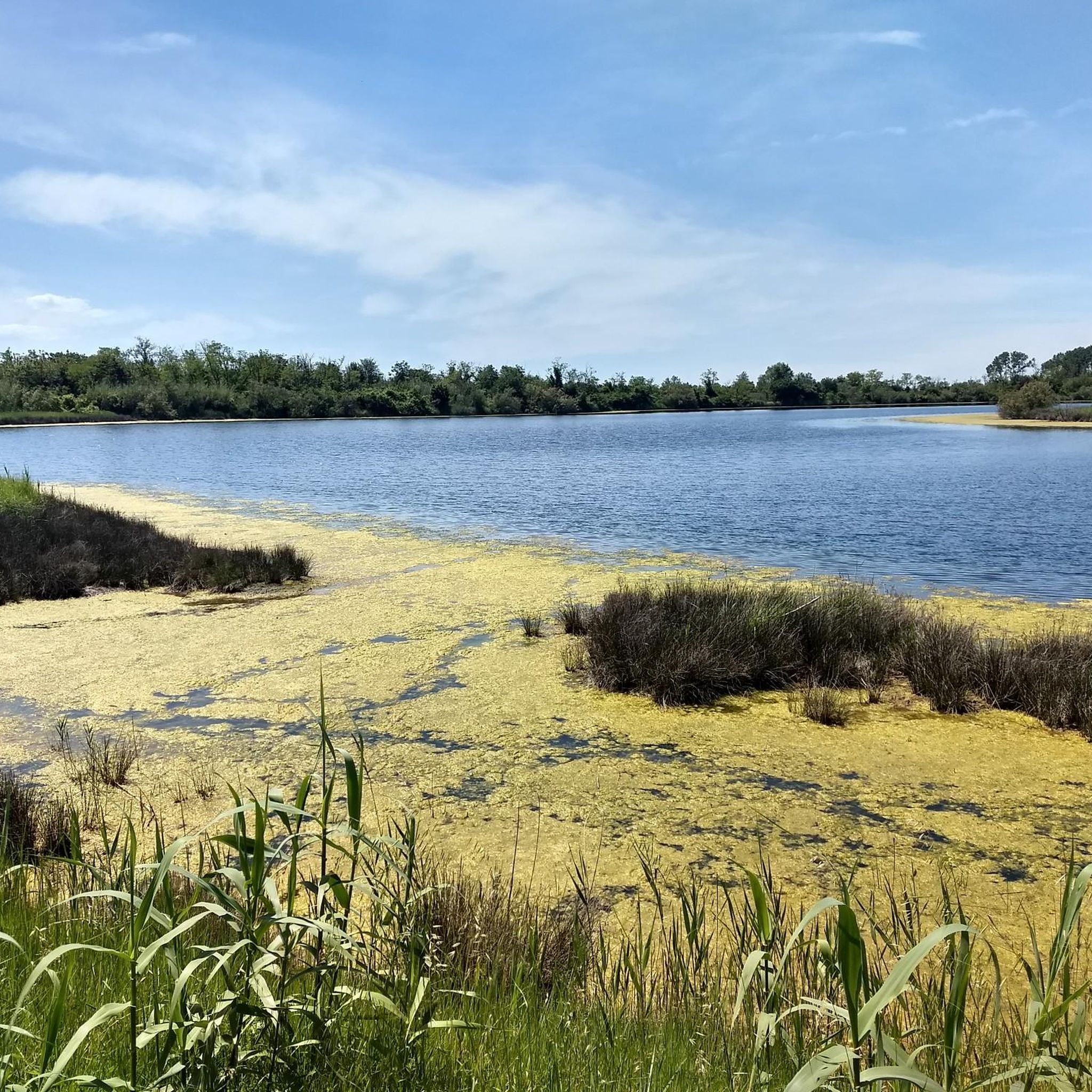
Hiking in Riserva Naturale Regionale Della Valle Cavanata
Tips from the Community


A beautiful canal. You almost feel like you're in Venice.
1
0

Super cycle path, highly recommended
3
0
Wonderful river, with an even more beautiful water color
3
0
Super beautiful river in front of Grado
3
0
Beautiful church from the outside and from the inside
3
0
Super bike path, highly recommended
3
0
Super cycle path, highly recommended
3
0
Frequently Asked Questions
What is the general terrain like for touring cycling in Riserva Naturale Regionale Della Valle Cavanata?
The region is characterized by generally flat terrain, making it highly suitable for touring cyclists of all skill levels. You'll find a mix of coastal paths, wetland areas, and woodlands, offering varied scenery without significant elevation changes.
Are there family-friendly touring cycling routes in Riserva Naturale Regionale Della Valle Cavanata?
Yes, the flat topography and dedicated cycling paths make the area ideal for families. Many routes are easy, such as the Bike loop from Riserva naturale regionale della Valle Cavanata, which is only 3.6 miles (5.7 km) long and takes about 20 minutes to complete, perfect for a relaxed family outing.
What kind of wildlife can I expect to see while cycling in the reserve?
Riserva Naturale Regionale Della Valle Cavanata is an internationally significant area for birdwatching, home to over 260 species, including flamingos, greylag geese, swans, and various herons. You might also spot mammals like roe deer, hares, polecats, and badgers. Observation points and hides are available along the routes for better viewing.
Are there any circular touring cycling routes available?
Yes, there are several circular routes. For example, the Mandracchio Harbor, Grado – Sunset on the Grado waterfront loop from Riserva naturale regionale della Valle Cavanata is an 11.2-mile (18.1 km) easy loop offering coastal views. Another option is the Bike loop from Riserva naturale regionale della Valle Cavanata, a shorter 3.6-mile (5.7 km) trail through wetland environments.
What are some interesting landmarks or natural features to see along the cycling routes?
Cyclists can enjoy diverse habitats including salt marshes, hygrophilous woodlands, and lagoons, with stunning views of the Grado Lagoon and the Gulf of Trieste. Notable features include the Averto Channel and its surrounding forest. You can also visit the Valle Cavanata Regional Nature Reserve itself, or cycle along the Adria Panorama Cycle Path Along the Lagoon.
What do other touring cyclists enjoy most about cycling in Riserva Naturale Regionale Della Valle Cavanata?
The area is highly rated by the komoot community, with an average score of 4.35 stars from over 3000 reviews. Reviewers often praise the diverse coastal and wetland environments, the flat and accessible terrain suitable for all levels, and the abundant wildlife, especially the birdwatching opportunities.
How many touring cycling routes are there in Riserva Naturale Regionale Della Valle Cavanata?
There are over 120 touring cycling routes available in Riserva Naturale Regionale Della Valle Cavanata, catering to various preferences and skill levels. This includes 77 easy routes, 30 moderate, and 13 difficult options.
Is it possible to rent bicycles in the area?
Yes, a Visitor Centre within the reserve provides essential services, including bicycle and binocular rental, making it convenient for visitors to explore the area without bringing their own equipment.
Are there any cafes or picnic areas available along the routes?
The Visitor Centre offers both outdoor and indoor picnic areas, providing convenient spots for rest and refreshment during your ride. While specific cafes directly on every route might be limited, the Visitor Centre is a good central point for amenities.
What is the best time of year to go touring cycling in Riserva Naturale Regionale Della Valle Cavanata?
The generally mild climate of the region makes it enjoyable for cycling for much of the year. Spring and autumn offer pleasant temperatures and vibrant natural scenery, while summer can be warm but still suitable, especially with coastal breezes. It's always a good idea to check local weather forecasts before your trip.
How can I access Riserva Naturale Regionale Della Valle Cavanata by public transport or car?
The reserve is easily reachable from Grado via a scenic bicycle path. For those arriving by car, parking facilities are available, typically near the Visitor Centre. Specific public transport options may vary, so it's advisable to check local bus schedules to Grado or nearby towns.
Are there any longer, more challenging touring cycling routes in the region?
Yes, for experienced cyclists seeking a greater challenge, there are longer routes. An example is the Canal Grande, Trieste – Bridge Over the Isonzo River loop from Riserva naturale regionale della Valle Cavanata, a difficult 96.0-mile (154.5 km) path that traverses varied landscapes and takes approximately 9 hours 12 minutes to complete.
Most popular routes in Riserva Naturale Regionale Della Valle Cavanata
Most popular attractions in Riserva Naturale Regionale Della Valle Cavanata

Get inspired with the komoot mobile app


Explore more
Browse the best Cycling routes in other regions.
