Attractions and Places To See in Riserva Naturale Speciale Del Sacro Monte Di Oropa - Top 20
Best attractions and places to see in Riserva Naturale Speciale Del Sacro Monte Di Oropa is a UNESCO World Heritage site located in an Alpine basin near Biella, Italy. This region offers a blend of cultural, historical, and natural attractions, serving as a significant Marian pilgrimage site. The unspoiled Oropa Valley, covering approximately 1,500 hectares, features rich biodiversity and altitudes ranging from 750 to 2388 meters above sea level.
Best attractions and places to see in Riserva Naturale Speciale Del…
Last updated: August 2, 2026
Oropa Sanctuary
Highlight • Religious Site
Translated by Google •
Tip by

Rosazza Tunnel
Highlight (Segment) • Structure
Translated by Google •
Tip by

Sign up now to discover places like this
Get recommendations on the best single tracks, peaks, & plenty of other exciting outdoor places.
Sign up for free
Climb to Oropa from Biella
Highlight (Segment) • Religious Site
Translated by Google •
Tip by
Monumental Cemetery of Oropa
Highlight • Monument
Translated by Google •
Tip by

Oropa side tunnel
Highlight • Structure
Translated by Google •
Tip by
Sign up for free to discover even more attractions in Riserva Naturale Speciale Del Sacro Monte Di Oropa.
Sign up for free
Already have an account?
Start today with a free account
Your next adventure awaits.
Login or Signup
Popular around Riserva Naturale Speciale Del Sacro Monte Di Oropa
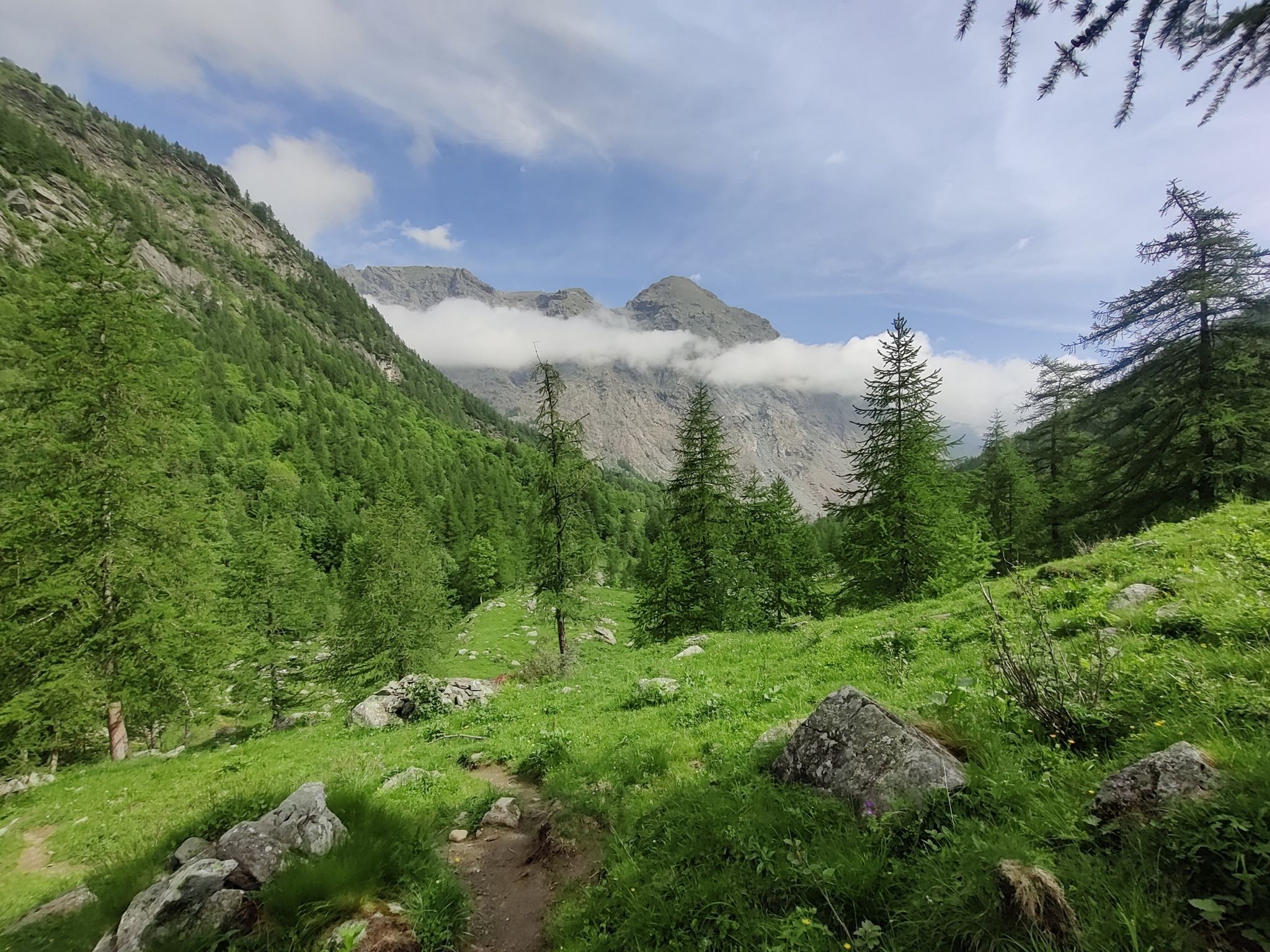
GTA Central Piedmont – Dense forests, lakes and impressive waterfalls
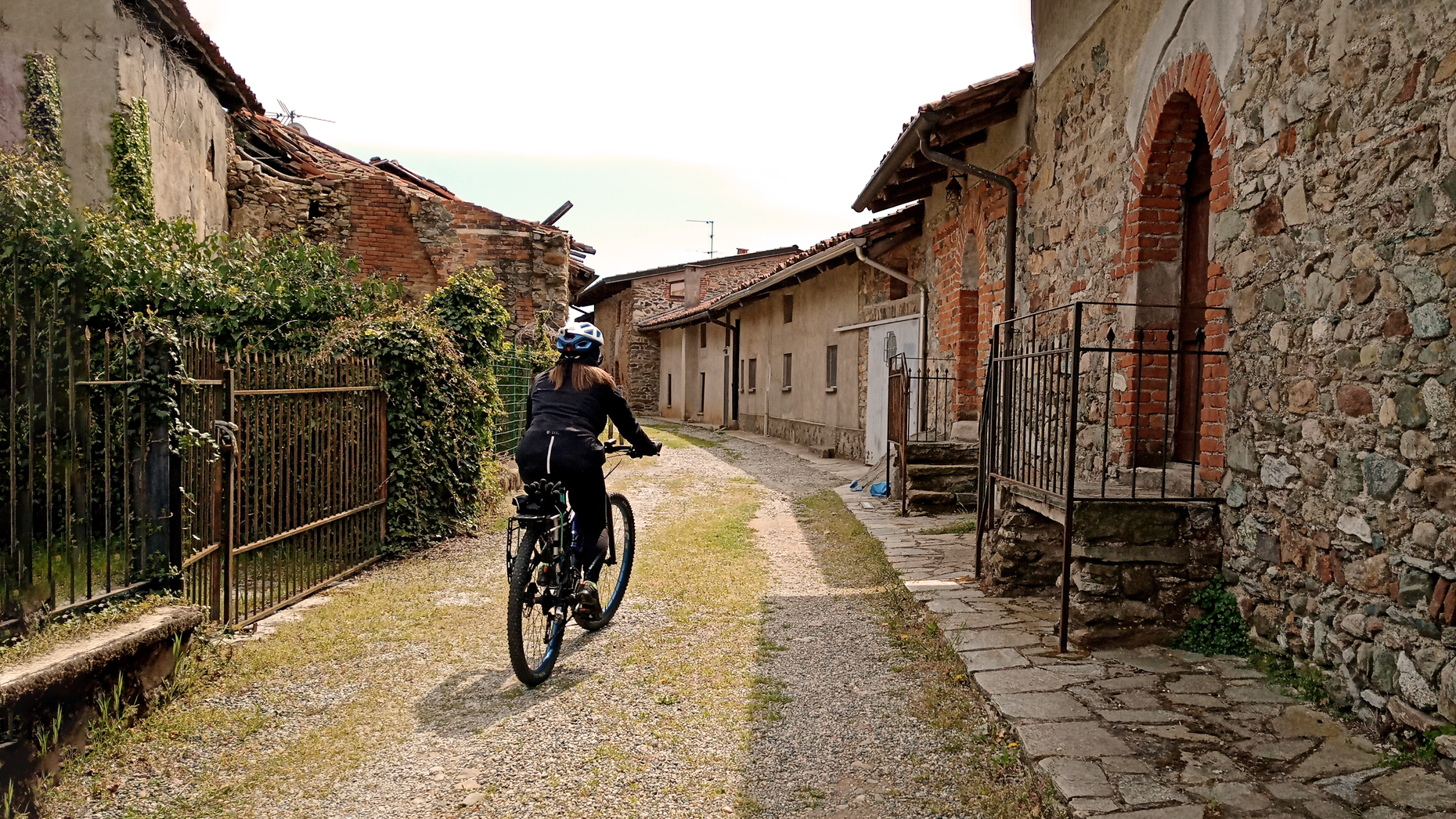
Between faith and nature in Italy – Serra Oropa Cycle Path
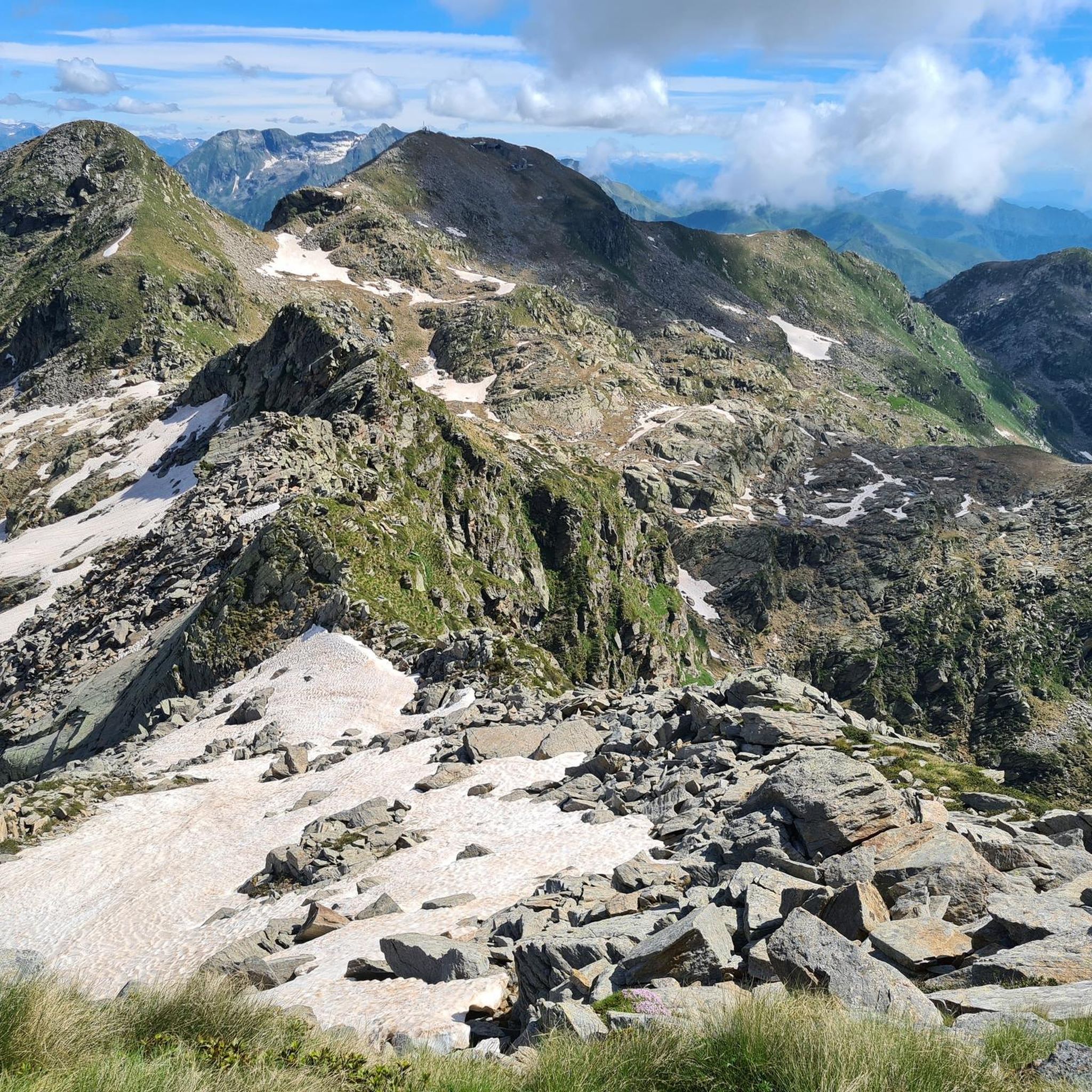
Hiking in Riserva Naturale Speciale Del Sacro Monte Di Oropa
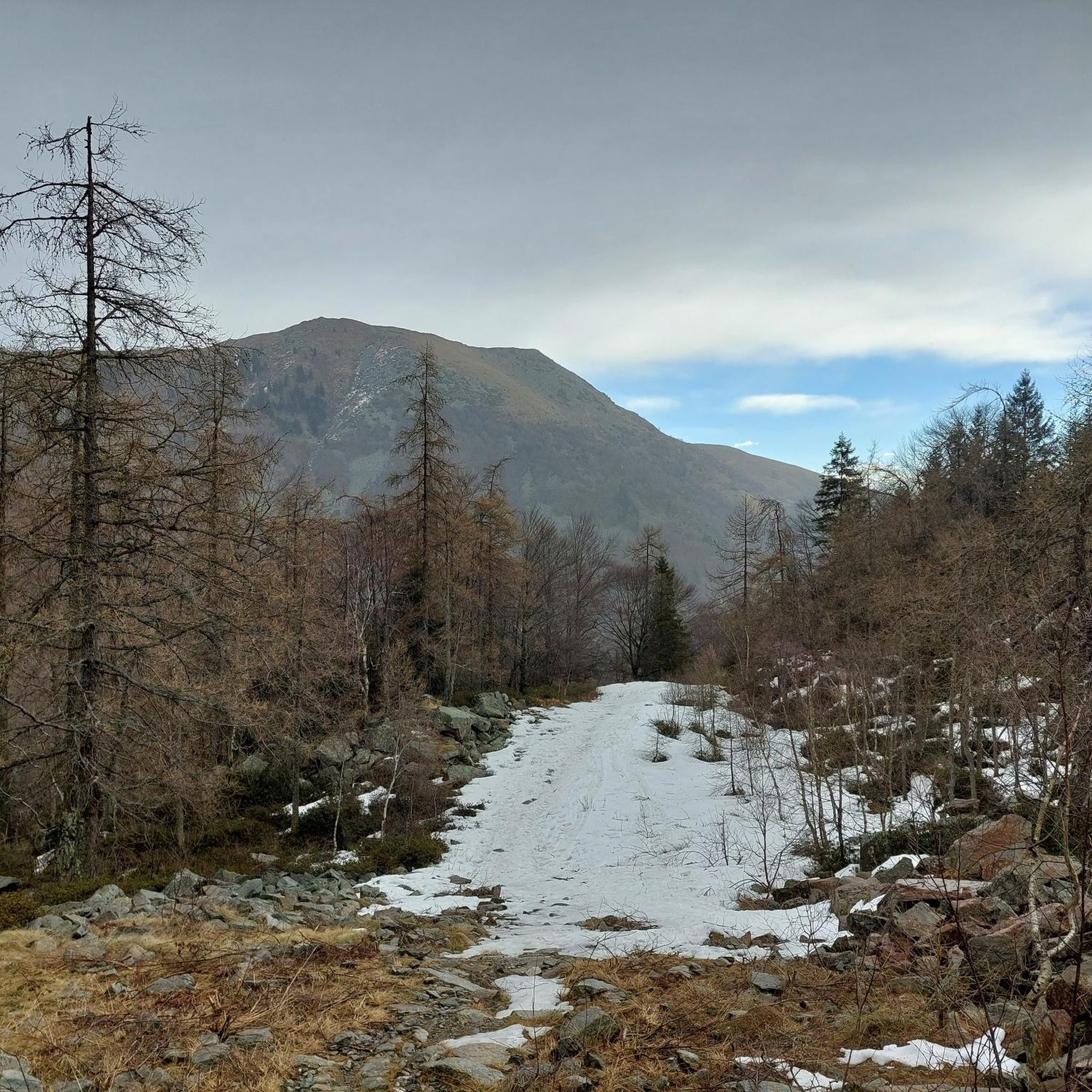
Running Trails in Riserva Naturale Speciale Del Sacro Monte Di Oropa
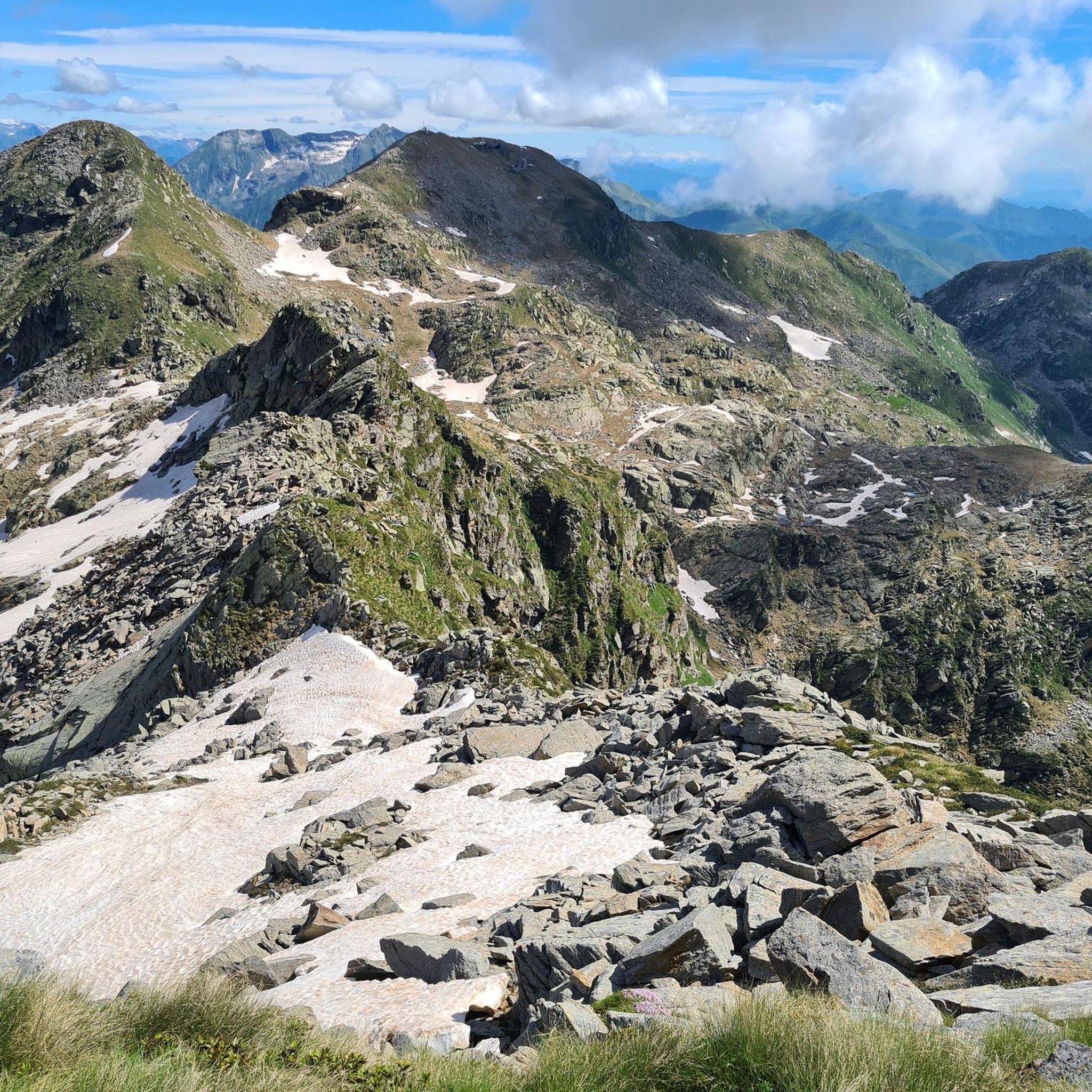
MTB Trails in Riserva Naturale Speciale Del Sacro Monte Di Oropa
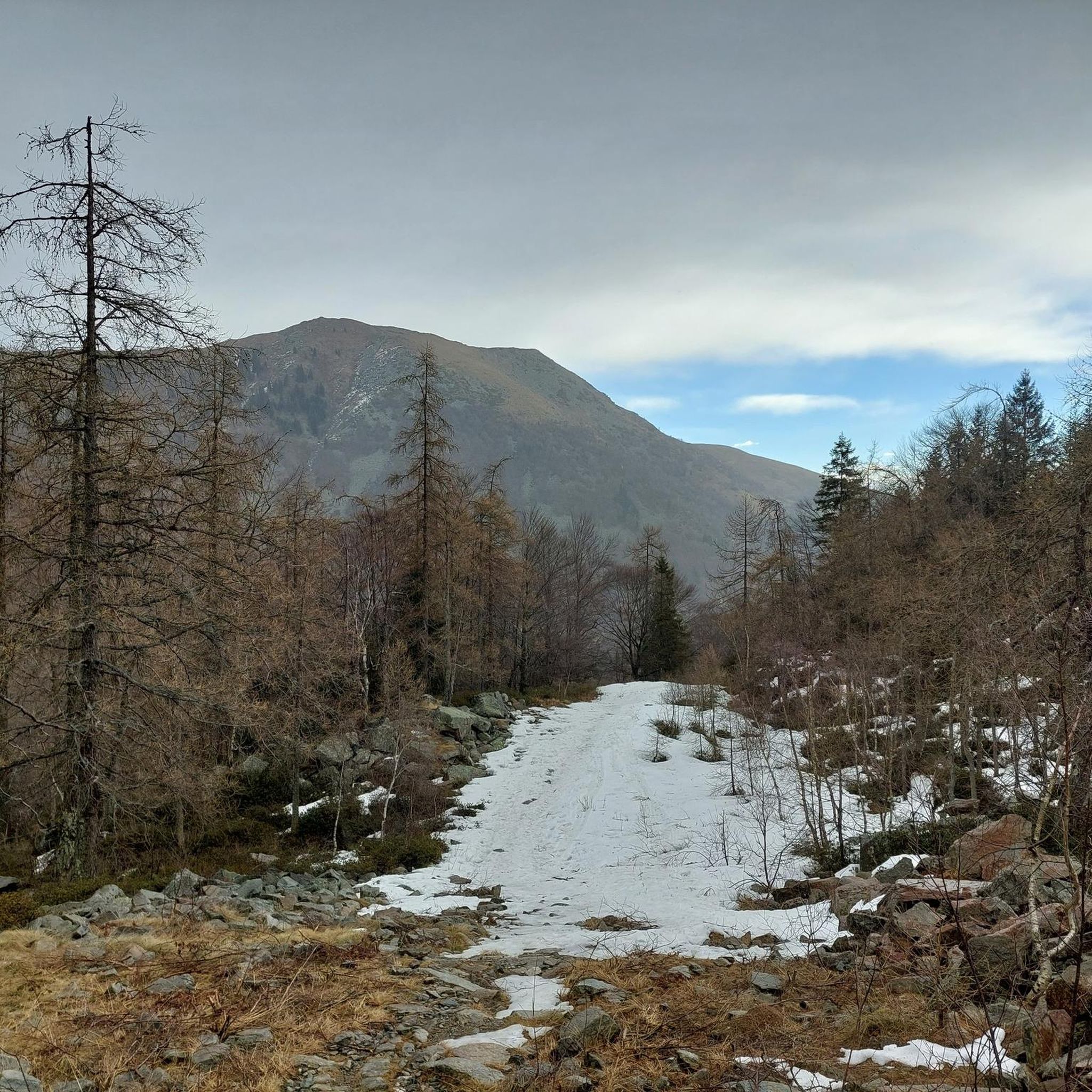
Road Cycling Routes in Riserva Naturale Speciale Del Sacro Monte Di Oropa
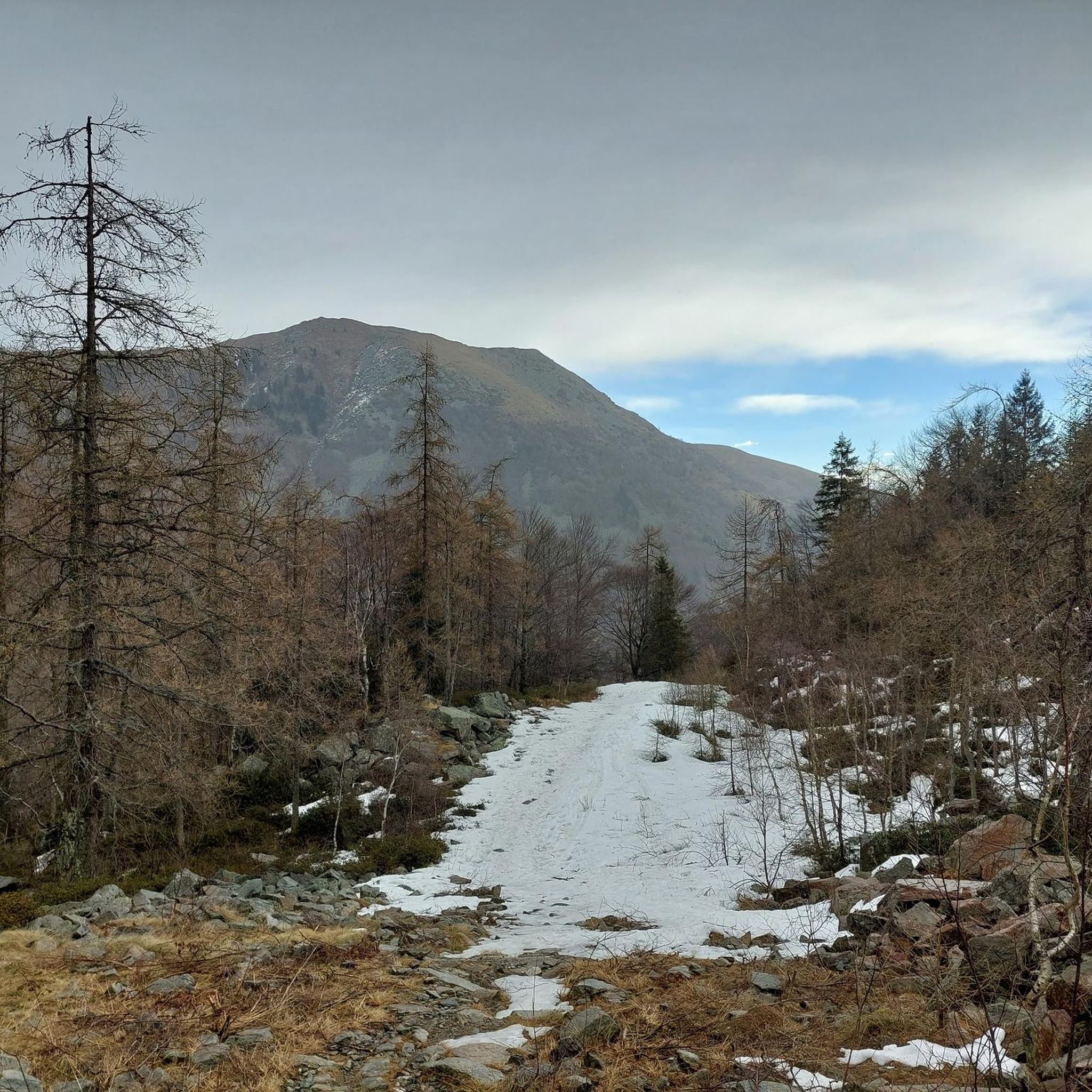
Cycling in Riserva Naturale Speciale Del Sacro Monte Di Oropa

Gravel biking in Riserva Naturale Speciale Del Sacro Monte Di Oropa

Mountain Hikes in Riserva Naturale Speciale Del Sacro Monte Di Oropa
Other adventures in Riserva Naturale Speciale Del Sacro Monte Di Oropa


Tips from the Community

Made in May 2026, ascent from Oropa descent to Sagliano, wonderful work to fix the descent. ATTENTION, as obvious as it may seem, the tunnel is really VEERY DARK!! Equip yourself with a powerful light that helps you see well where you are going because there are sections with holes, especially if you are on a road bike. Otherwise, wonderful.
1
0

The Santuario di Oropa is one of the most important Marian places of worship in Piedmont, Italy, located at about 1,159 m above sea level on the mountainside of the Valle d’Oropa, just above Biella. It is famous for its religious history, imposing architecture, and the surrounding natural landscape.
10
0

Cemetery just outside Oropa on the Tracciolino road towards Andrate
1
0
The climb is very tough but once you get to the top the sanctuary is beautiful.
17
0

Oropa is an important Catholic pilgrimage site in the Piedmont Alps, about 12 kilometers northwest of Biella, Italy. It lies in a picturesque valley at an altitude of approximately 1,159 meters. In brief: * Pilgrimage site: One of the most important Marian pilgrimage sites in the Alps, dedicated to the Black Madonna. * History: According to tradition, the pilgrimage dates back to Saint Eusebius in the 4th century. * Sacro Monte: The Holy Mountain of Oropa, with 12 chapels depicting the life of the Virgin Mary, has been a UNESCO World Heritage Site since 2003. * Basilicas: Consists of the old basilica (17th century), where the Black Madonna is venerated, and the newer, larger Basilica Superior (20th century). * Nature and activities: Surrounded by mountains, it offers opportunities for hiking, trekking, and mountaineering. There is also a botanical garden and an adventure park. * UNESCO World Heritage Site: Recognized along with eight other "Sacri Monti" in the region for its religious, cultural, and scenic significance. Oropa is a place of spiritual significance, impressive architecture, and natural beauty, attracting many pilgrims and visitors annually.
2
0

The climb to the Sanctuary of Oropa from Biella is a Piedmont classic. It is about 13 km intense and constant, which do not allow respite with always challenging slopes. The iconic and hardest stretch is the last kilometer on the scenic pavé, made legendary by Pantani's feat in the Giro '99.
4
0

"Death is not the end, but only a very specific end: the end of a first, provisional period of life and the beginning of a new era that will never end. Jesus said: 'My kingdom is not of this world'. So there is another world. Not only his disciples believed in this other world, but also his opponents. The doctor of the law, for example, asks him what he must do 'to gain eternal life'. (...) Precisely because it lasts forever, this life is so precious that everything ... of the present world pales in comparison to it." (Text by Albino Luciani / Pope John Paul I)
3
0

infrastructure desired by the Senator of the Kingdom Federico Rosazza to facilitate transit between the two adjacent valleys (Valle Cervo and Valle Oropa). Early 1900s.
0
0
Frequently Asked Questions
What historical and cultural sites can I explore at Sacro Monte di Oropa?
The primary cultural site is the Oropa Sanctuary, a UNESCO World Heritage site and one of the most significant Marian pilgrimage sites in Italy. It features the Ancient Basilica, which houses the revered Black Madonna, and the more recent Upper Basilica. The complex also includes 19 chapels depicting scenes from the life of the Virgin Mary, a Historical Library, and a Museum showcasing jewels and vestments. Additionally, the Monumental Cemetery of Oropa, known as a "forest cemetery," offers unique sculptural and architectural works.
What natural attractions are there in the Oropa Valley?
The Oropa Valley itself is an unspoiled natural environment rich in biodiversity, home to around 800 different floral species. You can visit the Botanical Garden of Oropa, held by WWF Italia Onlus, which cultivates about 500 plant species and features typical environments of the Biella mountains. From the Sanctuary, a cable car provides access to Monte Mucrone at 1900 meters, offering panoramic views, and a short walk from there leads to Lake Mucrone. Other natural features include Lake Bose, Mora Lake, and Muanda, accessible via various trails.
Are there opportunities for hiking or trekking in the Riserva Naturale Speciale Del Sacro Monte Di Oropa?
Yes, the reserve offers numerous trails for nature and sport enthusiasts, ranging from relaxing strolls to more adventurous routes. Popular paths include the "Passeggiata dei Preti" (Priests' Path) with stunning views, and the Sentiero Frassati. For more challenging options, trails lead to Lake Bose, Mora Lake, and Muanda. You can find detailed routes for various sports, including hiking, on the Hiking in Riserva Naturale Speciale Del Sacro Monte Di Oropa guide.
Is Sacro Monte di Oropa suitable for families?
Yes, the Oropa Sanctuary complex is considered family-friendly. Beyond the cultural and historical aspects, the area offers easy walking paths and the Botanical Garden of Oropa, which can be an engaging experience for children. The cable car ride to Monte Mucrone also provides an exciting way to experience the mountain scenery. There are also family-friendly walks available, such as the "Passeggiata dei Preti".
What is the best time of year to visit Riserva Naturale Speciale Del Sacro Monte Di Oropa?
The region is beautiful year-round, but the best time depends on your interests. Spring and summer (May to September) are ideal for hiking, exploring the Botanical Garden, and enjoying the natural landscapes when the weather is mild. The cable car to Monte Mucrone is also typically operational during these months. Autumn offers stunning foliage. While accessible in winter, some higher trails might be covered in snow, offering opportunities for winter activities if conditions allow.
Are there options for cycling enthusiasts in the area?
Absolutely. The climb to Oropa is a classic for cyclists. The Climb to Oropa from Biella is a challenging 13 km ascent with constant, steep gradients, culminating in the iconic pavé stretch near the Sanctuary. This route is also known as Pantani mountain - climb of Oropa, commemorating Marco Pantani's feat in the Giro d'Italia. For mountain biking, you can explore routes listed in the MTB Trails in Riserva Naturale Speciale Del Sacro Monte Di Oropa guide.
How can I reach Monte Mucrone and Lake Mucrone from the Sanctuary?
From the Oropa Sanctuary, you can take a cable car that ascends to a refuge on Monte Mucrone at 1900 meters above sea level. From this refuge, Lake Mucrone is just a short walk away. The cable car offers fine views during the ascent and serves as a convenient starting point for further walks in the high-altitude environment.
What kind of trails are available for different skill levels?
The Riserva Naturale Speciale Del Sacro Monte Di Oropa offers a variety of trails. For easy walks, consider the "Passeggiata dei Preti" or paths around the Sanctuary. Moderate trails include the Oropa Sanctuary pilgrimage trail from Biella. For experienced hikers, there are challenging routes like those leading to Lake Bose, Mora Lake, and Muanda, or the Fontainemore-Oropa Procession Route to Monte Camino. You can find more options in the Hiking in Riserva Naturale Speciale Del Sacro Monte Di Oropa guide.
Are there any unique or 'hidden' places to discover in the region?
Beyond the main Sanctuary, the Monumental Cemetery of Oropa is a unique site, often referred to as a "forest cemetery" due to its integration with the alpine environment and distinctive tombs. Another interesting feature is the Oropa side tunnel, a historic hand-excavated tunnel completed in 1897, which provides a unique passage and insight into past engineering efforts.
What is the significance of the Black Madonna at Oropa Sanctuary?
The Black Madonna is a 13th-century masterpiece housed within the Ancient Basilica of the Oropa Sanctuary. It is believed to have been brought to Oropa by Saint Eusebius in the 4th century. This revered statue is central to Oropa's status as one of the most important Marian pilgrimage sites in the Alps, attracting hundreds of thousands of visitors annually who come to venerate it.
Can I find accommodation or dining options near the attractions?
The Sanctuary complex itself offers accommodation and dining facilities for pilgrims and visitors. Given its popularity as a pilgrimage site, there are also various cafes, restaurants, and hotels available in the immediate vicinity of Oropa and in the nearby town of Biella, catering to different preferences and budgets.
What are the elevation ranges within the Riserva Naturale Speciale Del Sacro Monte Di Oropa?
The Riserva Naturale Speciale Del Sacro Monte Di Oropa covers a significant altitude range, from approximately 750 meters above sea level in the valley up to 2388 meters at its highest points. The Oropa Sanctuary is situated at an altitude of about 1,159 meters, while Monte Mucrone, accessible by cable car, reaches 1900 meters.
Most popular routes in Riserva Naturale Speciale Del Sacro Monte Di Oropa
Most popular attractions in Riserva Naturale Speciale Del Sacro Monte Di Oropa

Get inspired with the komoot mobile app


Explore more
Still not found the Highlight you’re looking for? See guides of the top attractions in other regions:
