Attractions and Places To See in Serra Di Ivrea - Top 20
Attractions and places to see in Serra Di Ivrea are centered around the impressive Ivrea Morainic Amphitheatre, a significant glacial relief and Europe's largest morainic formation. This region in northern Piedmont features numerous glacial lakes, historical landmarks, and cultural sites. Visitors can explore ancient castles, Romanesque churches, and unique industrial heritage. The area offers a blend of natural beauty and rich history.
Best attractions and places to see in Serra Di Ivrea
- The most popular attractions is Gate Tower and…
Last updated: October 9, 2026
Gate Tower and Corner Tower of Piverone
Highlight • Historical Site
*Ancient shelter of which the access tower to the village (clock tower) and the north-east corner tower of the walls, from the 13th century, have …
Translated by Google •
Tip by

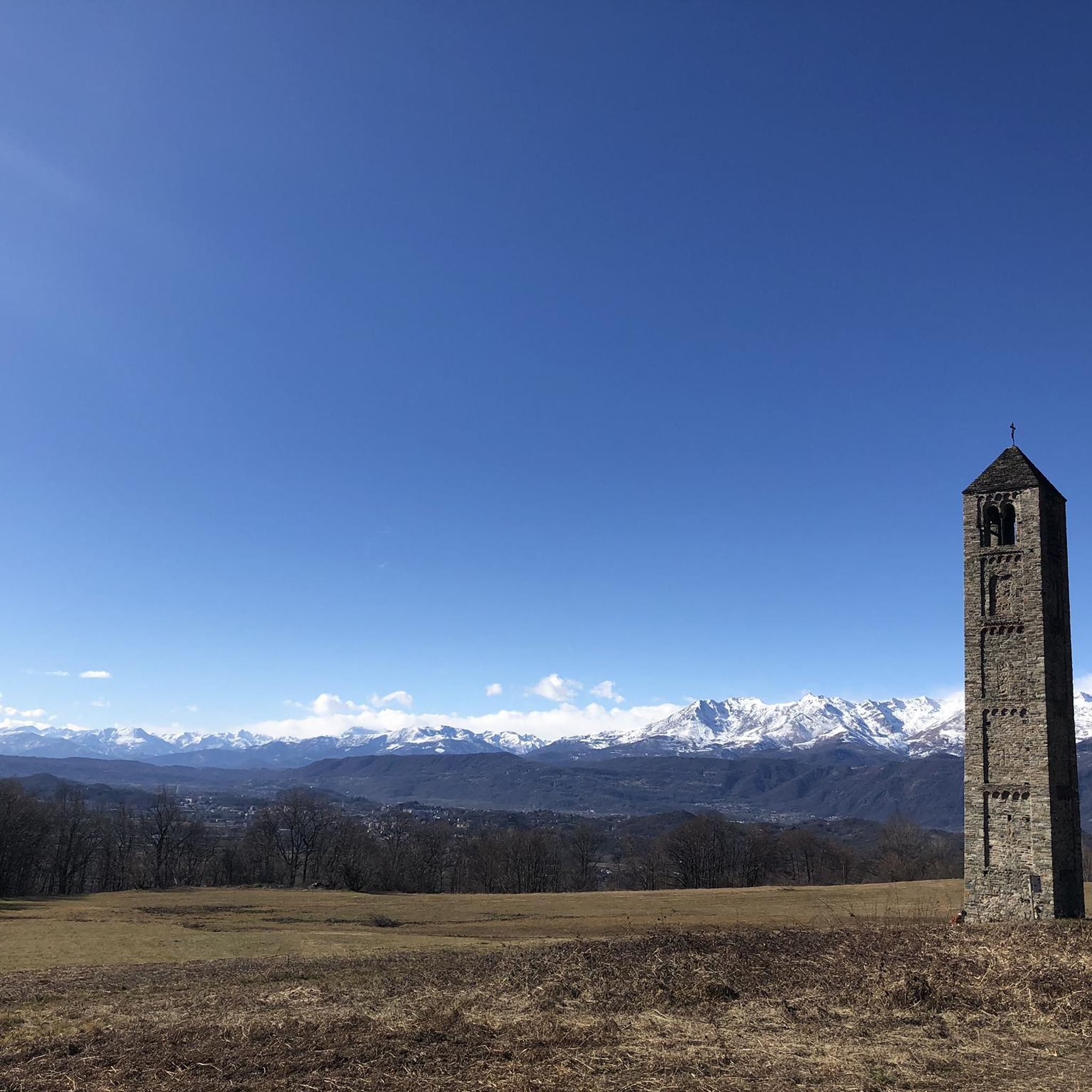
Paerno Bell Tower (Ciucarun)
Highlight • Monument
Translated by Google •
Tip by

Sign up now to discover places like this
Get recommendations on the best single tracks, peaks, & plenty of other exciting outdoor places.
Ricetto di Magnano
Highlight • Historical Site
Translated by Google •
Tip by

Bastia Tower
Highlight • Monument
Translated by Google •
Tip by

Church of San Secondo in Magnano
Highlight • Religious Site
Translated by Google •
Tip by

Sign up for free to discover even more attractions in Serra Di Ivrea.
Already have an account?
Start today with a free account
Your next adventure awaits.
Tips from the Community

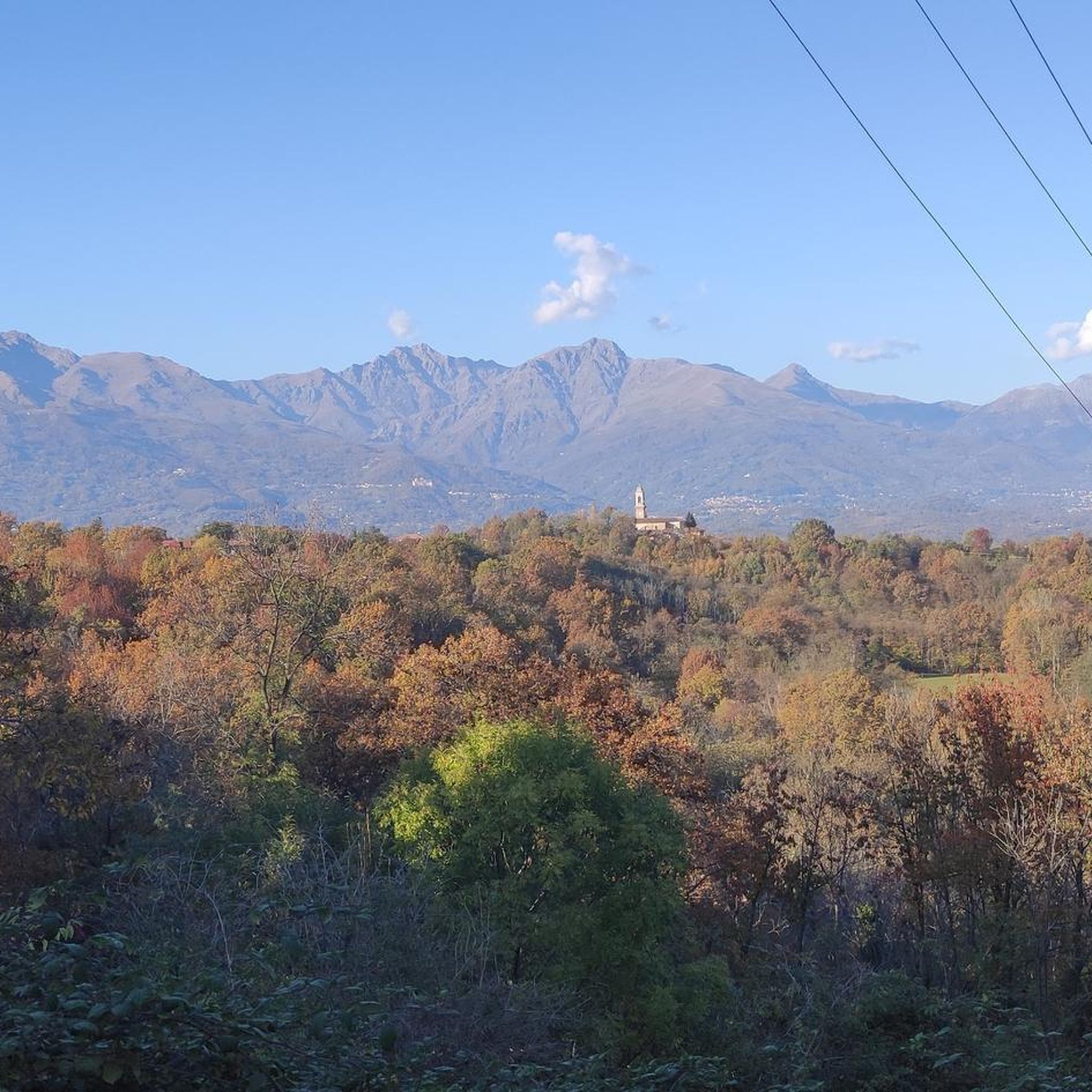
Located in an isolated clearing at the foot of Magnano, the Church of San Secondo is one of the purest and most fascinating examples of Romanesque architecture in the Biellese area ⛪✨. Dating back to the 11th century, this ancient parish church welcomes you with its stone and pebble facade, framed by green meadows and silent woods 🌿. The real protagonist is its majestic bell tower, which stands proudly next to the tripartite structure, offering a timeless atmosphere of peace ⏳
0
0
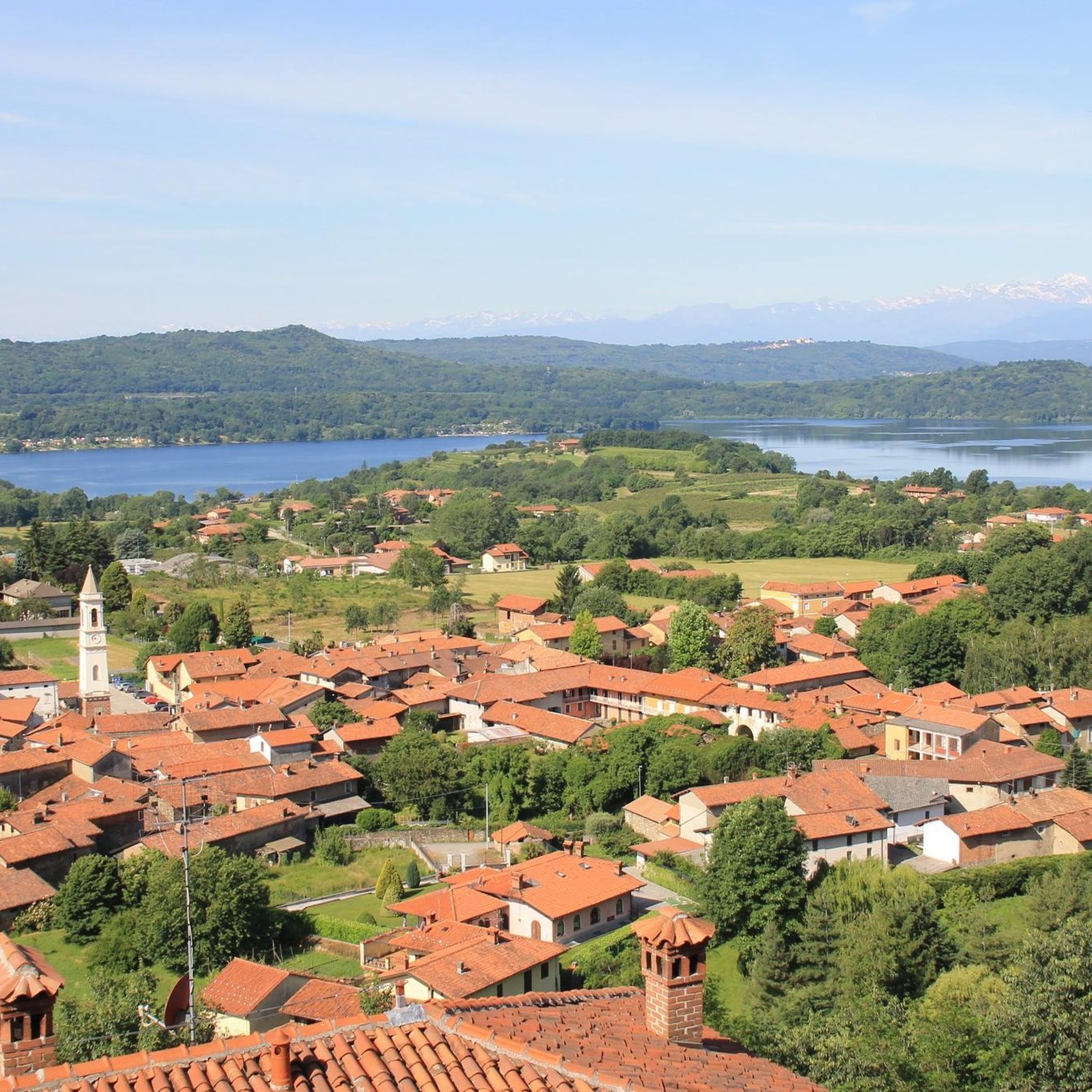
Il Ricetto di Magnano is a 12th-century fortified village that seems suspended in time, located on the crest of the Serra Morenica 🏰. Unlike the more famous Ricetto di Candelo, this one retains a more intimate, wild, and authentic atmosphere 🌿. Strolling through its narrow cobbled streets and ancient stone houses, you'll be surrounded by an almost magical silence 🤫. The highlight is the entrance tower-gate, which still welcomes visitors today, projecting them directly into the Middle Ages 🛡️.
1
0

medieval ricetti are warehouses / granaries that can also be used for defensive purposes
0
2

Less famous than Candelo, not too far away, but nice in its own small way.
1
0


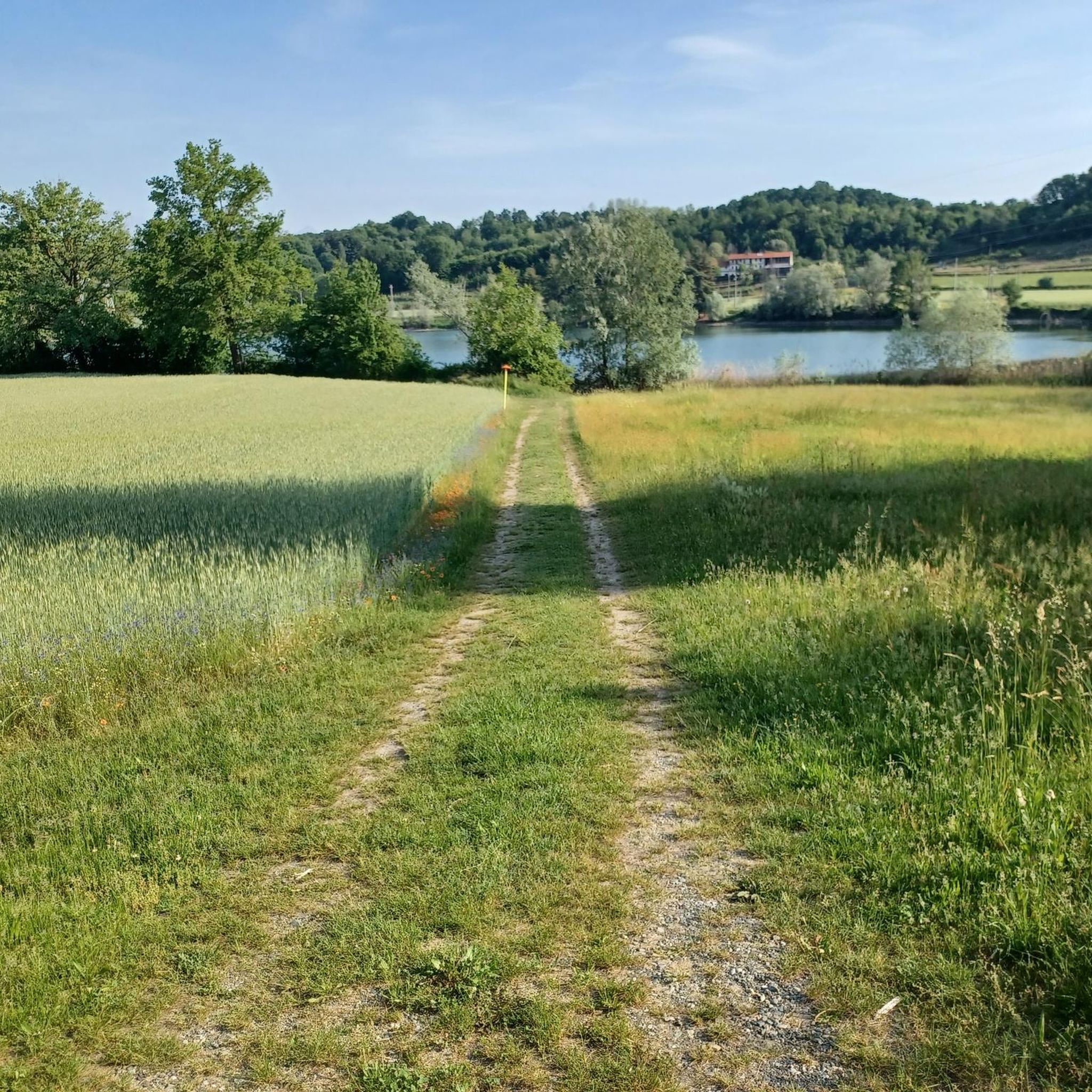
Passage made during Erratico Gravel
0
1

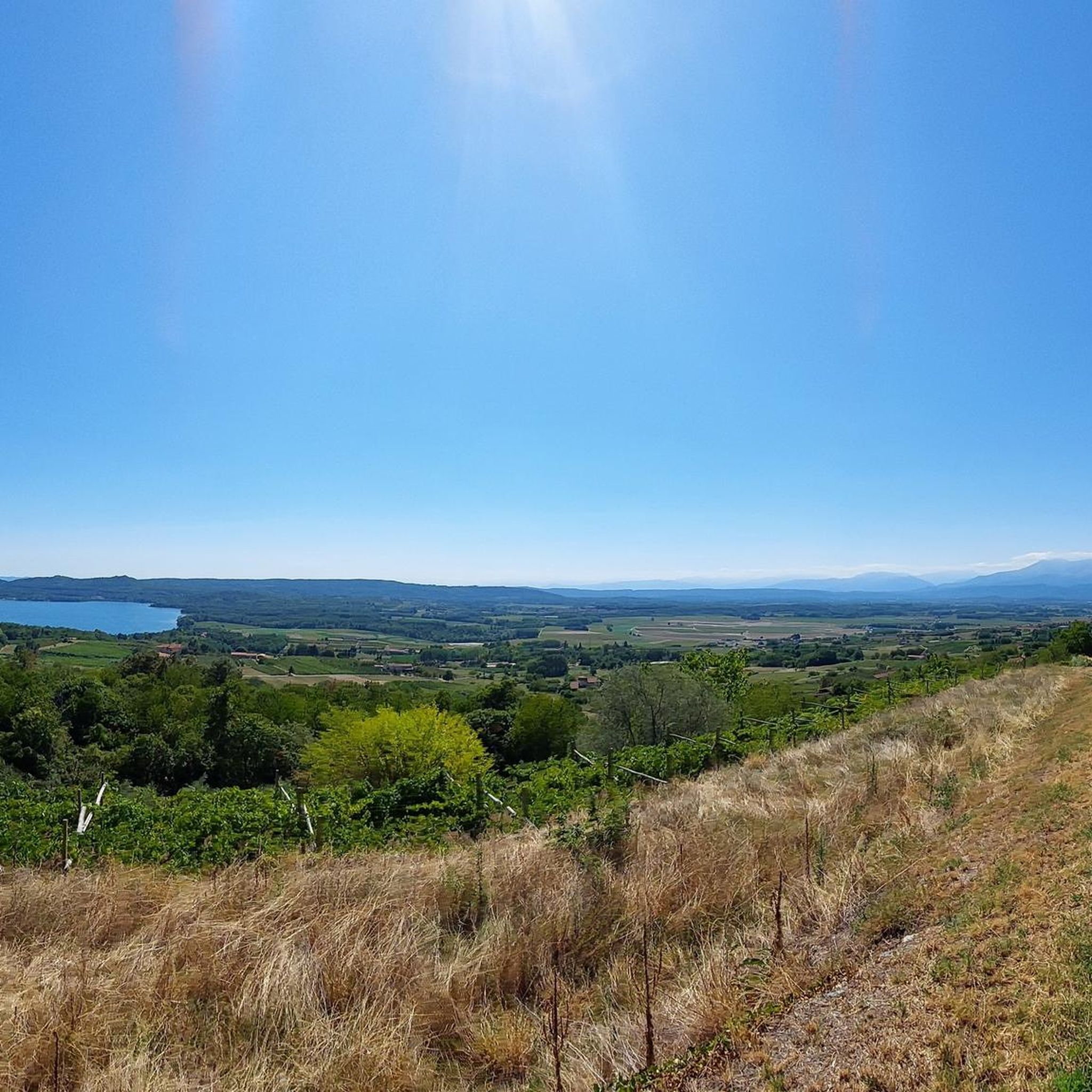
From the Bastia tower there is a beautiful view of Ivrea and the surrounding lakes
1
0
On this wooden tower there is a staircase where you can climb to the top and admire the view of the Ivrea lakes from the balcony. Just be careful because a wooden step is missing! The ridge path to get there is not difficult, flat and accessible to everyone.
1
0
Frequently Asked Questions
What are the significant natural features to explore in Serra Di Ivrea?
The region is dominated by the impressive Ivrea Morainic Amphitheatre, Europe's largest morainic formation, offering unique geological landscapes. You can also explore numerous glacial lakes, including Lake Viverone, the third-largest lake in Piedmont, and the '5 Lakes Group' near Ivrea (Lake Sirio, Lake Campagna, Lake Nero, Lake San Michele, and Lake Montalto). The Bessa Nature Reserve, an ancient Roman gold mining area, also offers scenic trails.
Are there any historical castles or fortifications to visit in Serra Di Ivrea?
Yes, the region boasts several historical castles. You can visit the imposing Ivrea Castle, commissioned in 1358 by Amadeus VI of Savoy, which offers a dominant view over the city. Another notable site is the Ricetto di Magnano, a well-preserved medieval fortified village. Additionally, Montalto Dora Castle, perched high above the Parco dei Cinque Laghi, has Roman origins and played a strategic role in guarding roads.
What kind of ancient Roman or medieval sites can I find in the area?
Serra Di Ivrea is rich in ancient history. You can see the Gate Tower and Corner Tower of Piverone, remnants of a 13th-century ancient shelter. The Duomo of Ivrea is believed to be built over a Roman acropolis. Other sites include the Romanesque Bell Tower of San Pietro di Subloco (10th century), the ruins of the 10th-century Church of Gesiùn, and the Roman-origin Ponte Vecchio in Ivrea.
Can I find any UNESCO World Heritage sites in the Serra Di Ivrea region?
Yes, the city of Ivrea is recognized as an Industrial City of the 20th Century, a UNESCO World Heritage site. This designation highlights its unique urban and social planning influenced by the Olivetti company, showcasing innovative 20th-century architecture and an urban model focused on the well-being of its inhabitants. Additionally, Lake Viverone is home to a submerged pile-dwelling village from the Middle Bronze Age, which is also a UNESCO World Heritage site.
What outdoor activities, like hiking or cycling, are available near these attractions?
The region offers excellent opportunities for outdoor activities. The Alta Via dell'Anfiteatro Morenico di Ivrea is a popular trail for hiking and biking, providing panoramic views of the morainic amphitheater. You can find various hiking routes, including easy and moderate options, such as 'From Broglina to Ciucarun in the Serra di Ivrea – loop tour' or 'Lago Nero loop trail through chestnut woods'. For more details on hiking, visit the Hiking in Serra Di Ivrea guide. Road cycling routes are also available, like 'Lago di Viverone and Lago Sirio from Piverone', which you can explore in the Road Cycling Routes in Serra Di Ivrea guide.
Are there family-friendly attractions or activities in Serra Di Ivrea?
Many historical sites are suitable for families, such as the Gate Tower and Corner Tower of Piverone and the Romanesque Church of S. Secondo, which offers a perfect spot for a picnic. The glacial lakes, like Lake Viverone, provide opportunities for bird watching and water sports. Exploring the Bessa Nature Reserve with its 'mountains of stones' can also be an engaging experience for families.
Where can I experience the region's unique cultural heritage?
Beyond historical sites, you can experience the unique cultural heritage through the Historic Ivrea Carnival, famous for its 'Battle of the Oranges.' The Balmetti of Borgofranco are traditional structures utilizing natural cool breezes to store local produce, reflecting ancient local knowledge. The region is also known for its wine production, with itineraries like the 'Strada dei Vigneti Alpini' (Alpine Vineyards Road) offering opportunities to explore local vineyards and taste regional wines.
What are the notable religious sites or churches in Serra Di Ivrea?
The region features several significant religious sites. The Duomo of Ivrea (Cathedral of Santa Maria Assunta) showcases Romanesque and Baroque styles with an ancient crypt. The Romanesque Church of S. Secondo in Magnano is considered one of the finest examples of Romanesque architecture in Piedmont. Other sites include the Romanesque Bell Tower of San Pietro di Subloco and the 15th-century Church of San Bernardino, known for its Renaissance frescoes.
Are there opportunities for water sports or lake activities?
Yes, the glacial lakes in the region provide opportunities for water-based activities. Lake Viverone, the third-largest lake in Piedmont, is a recognized site of community interest offering opportunities for bird watching and various water sports. The '5 Lakes Group' near Ivrea also provides scenic settings for relaxation and enjoying the water.
What is the Paerno Bell Tower (Ciucarun), and why is it significant?
The Paerno Bell Tower (Ciucarun) is an evocative standalone bell tower and the sole surviving testimony of the village of Paerno. It offers a historical viewpoint and is a popular landmark for hikers, often included in routes through the Serra di Ivrea, such as the 'From Broglina to Ciucarun in the Serra di Ivrea – loop tour'.
What is the best time of year to visit Serra Di Ivrea for outdoor activities?
The best time to visit Serra Di Ivrea for outdoor activities like hiking and cycling is typically during spring (April to June) and autumn (September to October). During these seasons, the weather is generally mild and pleasant, making it ideal for exploring the morainic amphitheater, lakes, and historical sites without the intense heat of summer or the colder conditions of winter.
Are there any trails suitable for easy walking in Serra Di Ivrea?
Yes, there are several easy walking trails available. For example, the 'From Broglina to Ciucarun in the Serra di Ivrea – loop tour' is rated as easy. Another option is 'On the hills of Magnano – loop in the Serra di Ivrea'. You can find more easy routes in the Easy hikes in Serra Di Ivrea guide, which are perfect for a relaxed exploration of the landscape.
Can I learn about the region's ancient gold mining history?
Yes, you can delve into the region's ancient gold mining history at the Ecomuseo dell'Oro della Bessa in Vermogno. This museum is dedicated to the ancient Roman gold mining activities that took place in the Bessa Nature Reserve, offering insights into this unique aspect of the area's past.
Most popular routes in Serra Di Ivrea
Most popular attractions in Serra Di Ivrea

Get inspired with the komoot mobile app


Explore more
Still not found the Highlight you’re looking for? See guides of the top attractions in other regions:
