The best cycling routes in Parco Dell’Alto Martesana
4.3
(1804)
13,520
riders
427
rides
Touring cycling in Parco Dell’Alto Martesana is characterized by its flat, accessible terrain, primarily following the historic Naviglio Martesana canal. The park integrates agricultural landscapes with renatured natural spaces, offering a blend of rural scenery and ecological interest. The main cycling infrastructure centers around the Martesana Canal Cycle Path, providing a consistent and level surface suitable for various cycling abilities. This area is dedicated to preserving its environmental quality and promoting sustainable recreational use.
Best touring cycling routes in Parco Dell’Alto Martesana
- The most popular touring cycling route is Martesana Canal Cycle Path – Martesana Canal loop from Inzago, an easy 7.0 miles (11.3 km) trail that takes about 38 minutes to complete, offering scenic views along the historic canal.
- Another top favourite among local touring cyclists is Martesana Canal – Martesana Canal loop from Melzo, an easy 14.6 miles (23.5 km) path. This route follows the canal's flat banks, providing a consistent surface through agricultural and natural areas.
- Local touring cyclists also love the Torre di Cassina de' Pecchi – Martesana Cycle Path loop from Inzago, a 6.7 miles (10.7 km) trail leading through the historic canal landscape, often completed in about 36 minutes.
- Touring cycling in Parco Dell’Alto Martesana is defined by historic canals, agricultural landscapes, and renatured natural spaces. The network offers options for easy, moderate, and difficult ability levels.
- The routes in Parco Dell’Alto Martesana are highly rated by the komoot community with an average score of 4.3 stars from over 1700 reviews. More than 13000 touring cyclists have used komoot to explore Parco Dell’Alto Martesana's varied terrain.
Last updated: October 7, 2026
5.0
(1)
95
riders
81.3km
05:11
860m
860m
Hard bike ride. Very good fitness required. Mostly paved surfaces. Suitable for all skill levels.
4.0
(12)
84
riders
Easy bike ride. Great for any fitness level. Mostly paved surfaces. Suitable for all skill levels.

5.0
(1)
17
riders
Easy bike ride. Great for any fitness level. Mostly paved surfaces. Suitable for all skill levels.
15
riders
16.2km
00:59
40m
40m
Easy bike ride. Great for any fitness level. Mostly paved surfaces. Suitable for all skill levels.
3.0
(1)
13
riders
Easy bike ride. Great for any fitness level. Mostly paved surfaces. Suitable for all skill levels.
Get access to more routes and recommendations from other explorers.
Already have an account?
Our route recommendations are based on thousands of hikes, rides, and runs completed by other people on komoot.
Start today with a free account
Your next adventure awaits.
Tips from the Community

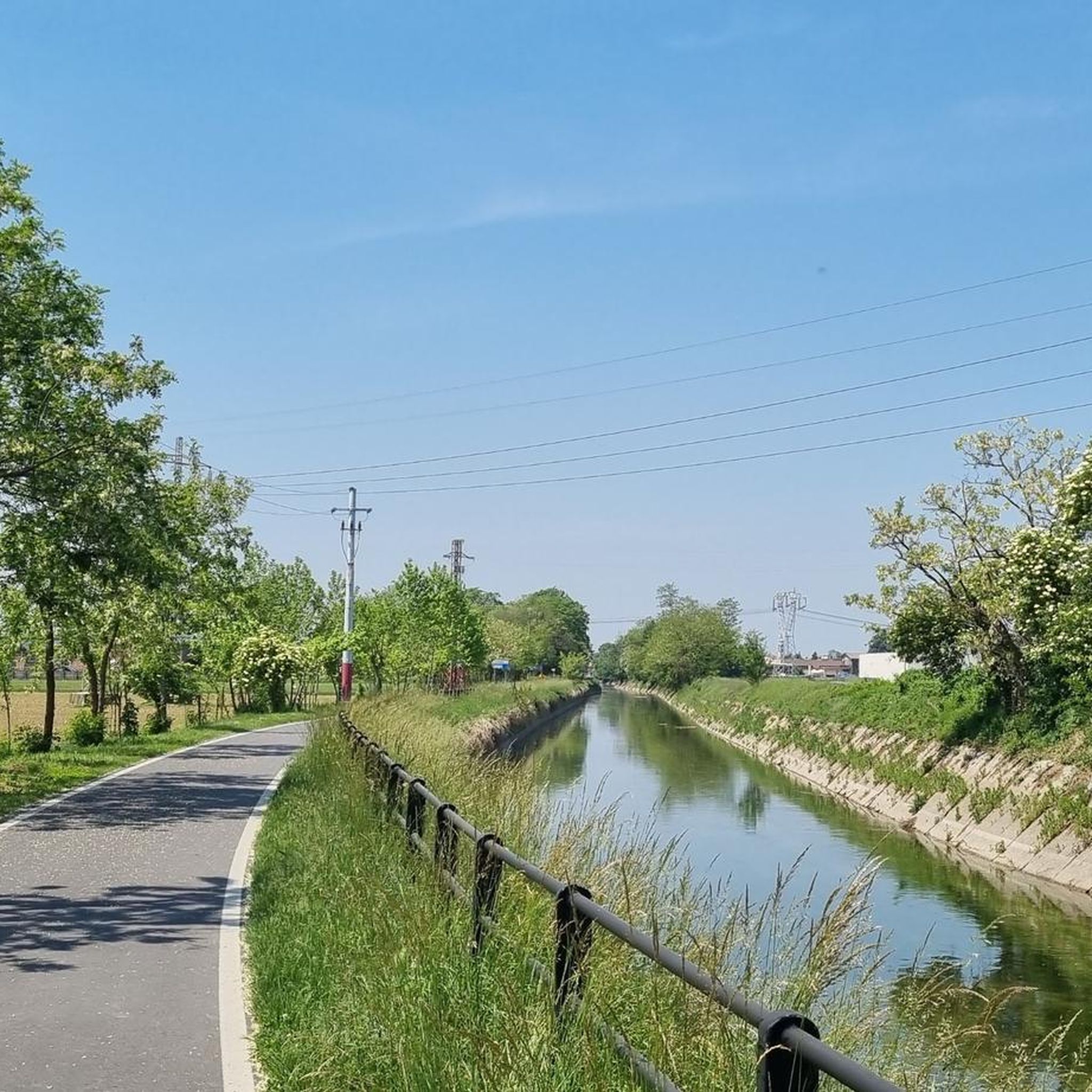
The section of the Naviglio Martesana cycle path between Bellinzago Lombardo and Inzago is a flat, entirely asphalted stretch without technical difficulties, ideal for cycle tourists of all levels. This specific rural fragment runs for about 3-4 kilometers along the Martesana canal in a protected area.
2
0

nice smooth with many people
0
0
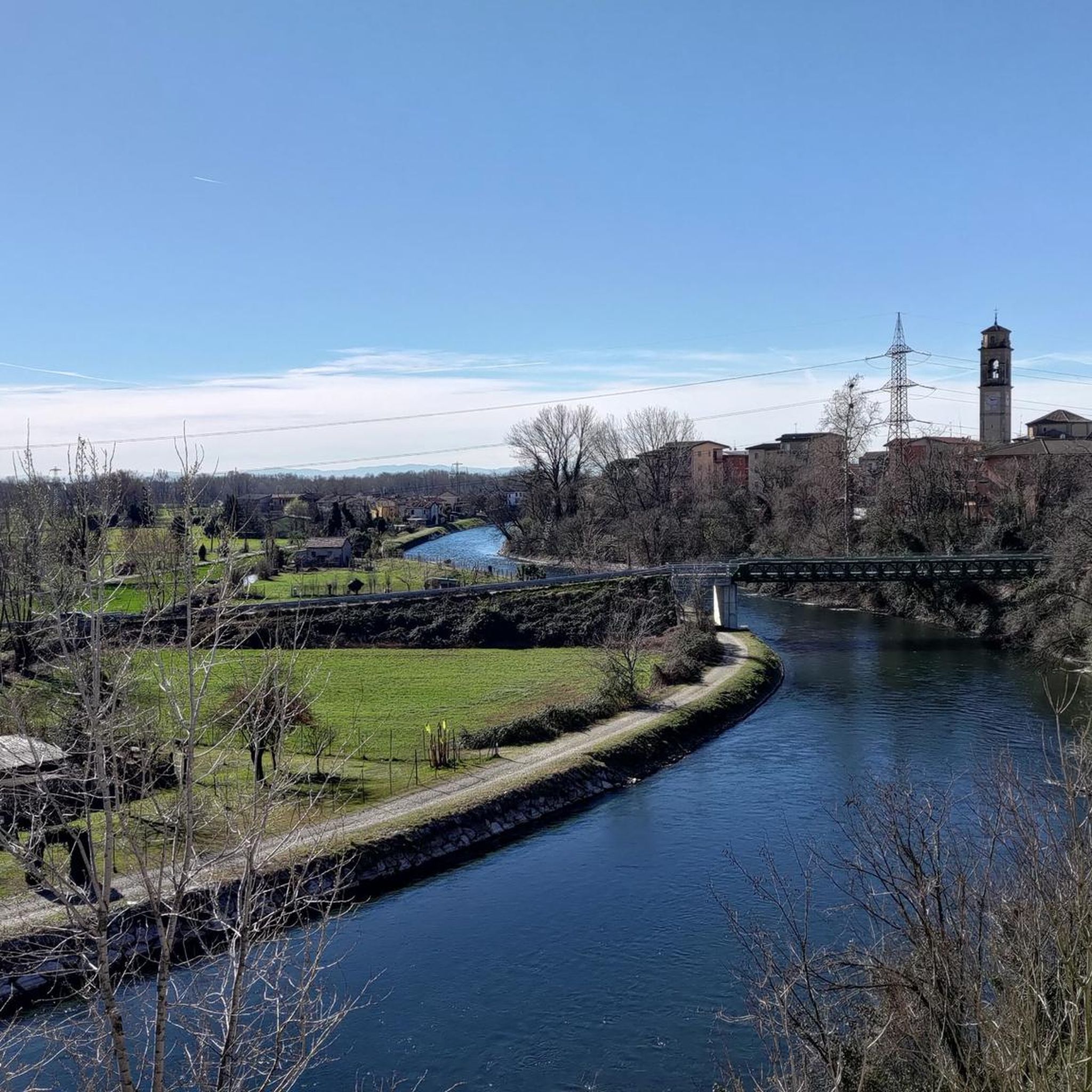
Naviglio della Martesana is perhaps the least known of the ancient artificial canals connecting Milan to the great Lombard rivers. It originates from the Adda in Concesa, a hamlet of Trezzo d’Adda, crosses the Martesana sub-region, northeast of the provincial capital, and once in the city, it plunges underground beneath Via Melchiorre Gioia, at the height of Cassina de’ Pomm. It measures approximately 38 km in length, with a width varying from 9 to 18 meters. However, once upon a time, the Naviglio della Martesana continued in the open air all the way to the center, where a lock system centered on the Conca dell’Incoronata connected it to the short Naviglio di S. Marco and the urban network of the Navigli. The lock was inaugurated in 1496, utilizing lock gates designed by Leonardo da Vinci. The canal had been opened in 1471, under Francesco Sforza. By connecting it to the other Navigli, Leonardo laid the foundations for realizing a dream of the Sforzas: to travel by water from the Ticino, and therefore from Lake Maggiore, all the way to the Adda.
1
0
The Naviglio della Martesana, initially known as Naviglio Piccolo, is one of the Milanese canals that connects Milan with the course of the Adda river through the municipalities of Martesana. Commissioned in the 15th century by Francesco Sforza, it was used for irrigating the countryside but also represented the ambitious project of connecting Milan with Lake Como and thus with the Alps and Ticino. The Naviglio della Martesana is a place rich in history and beauty, a heritage for everyone that, however, today is still little known and protected. Along the Naviglio runs a rather busy cycle path, which allows you to admire the landscape and cultural beauties, such as the rich flora, fauna, or the numerous historic villas, including the Renaissance Villa Melzi d’Eril in Vaprio d’Adda.
1
0
Leonardo's locks on the Naviglio della Martesana, particularly the Conca dell'Incoronata and the Conca di San Marco in Milan, are 15th-16th century engineering systems designed to overcome water level differences and connect the Martesana to the inner network of canals. Designed by Leonardo da Vinci, these locks used wooden leaf gates, designed to facilitate the passage of barges loaded with goods.
0
0

A beautiful stretch of the Martesana; it's a pleasure to stop for a coffee at the various cafés along the route.
0
0

In Groppello d'Adda, along the Martesana Canal, there is a large waterwheel called "el rudun." It is not a mill, but a noria that was used to raise water for irrigation. It was built in 1618 at the behest of Cardinal Federico Borromeo. It was used to irrigate the vegetable gardens and gardens of the Archbishop's Villa. Tradition attributes the design to Leonardo da Vinci. The water also fed kitchens, washhouses, and livestock watering troughs. The original wheel was dismantled in the late 19th century. The current one is a 1989 reconstruction, restored several times. It has a diameter of 11 meters and eight large blades. Today, it is a historical and educational symbol that tells the story of the area's past.
3
0

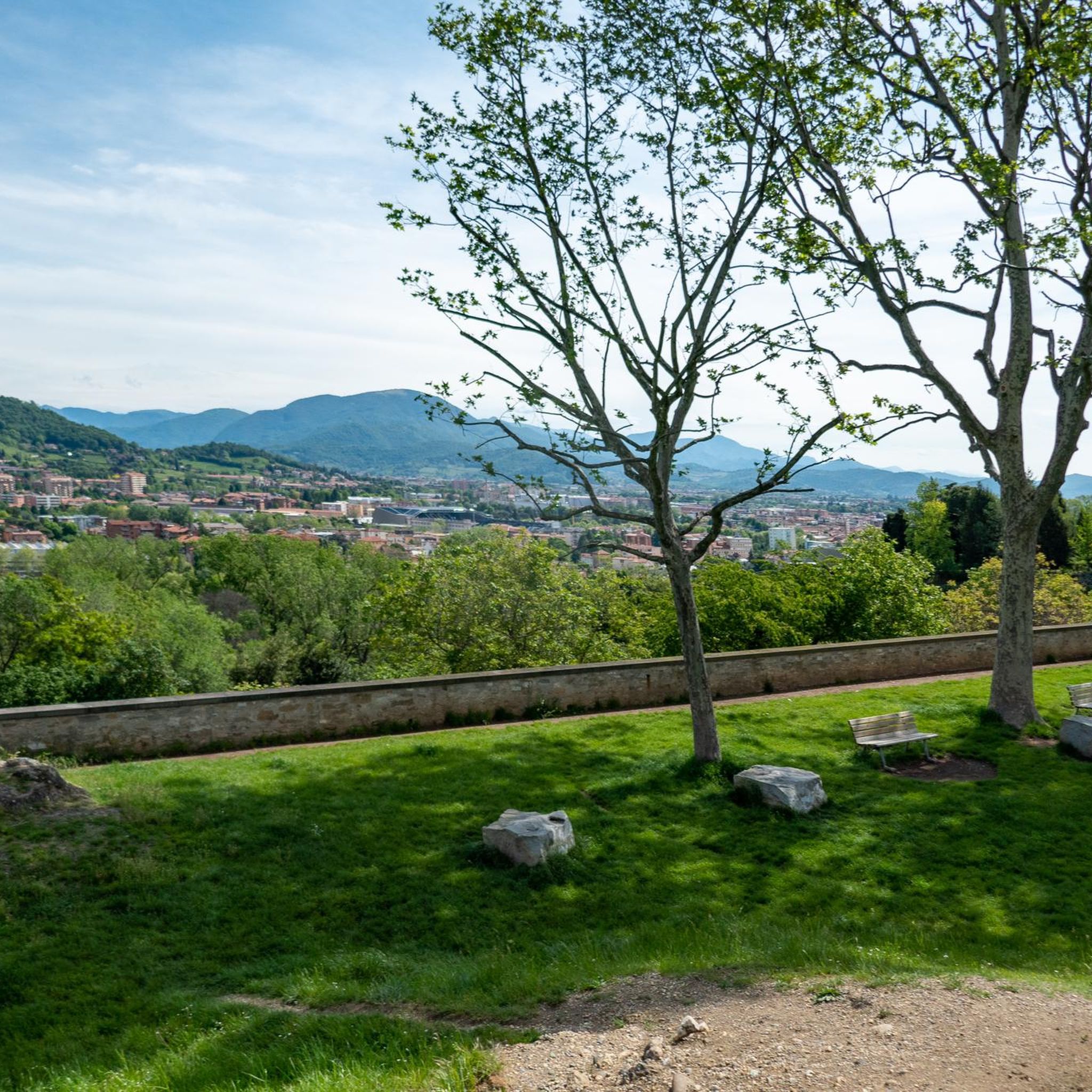
Iconic cycleable asphalt ramp leading to the Castle
0
0
Frequently Asked Questions
How many touring cycling routes are available in Parco Dell’Alto Martesana?
Parco Dell’Alto Martesana offers a wide selection of touring cycling routes, with over 400 options available. These routes cater to various skill levels, including over 240 easy, 140 moderate, and 50 difficult trails.
What is the typical terrain like for touring cycling in Parco Dell’Alto Martesana?
The terrain for touring cycling in Parco Dell’Alto Martesana is predominantly flat and accessible, largely following the historic Naviglio Martesana canal. This makes it suitable for various cycling abilities, offering a consistent and level surface through agricultural landscapes and renatured natural spaces.
What is the best time of year to go touring cycling in Parco Dell’Alto Martesana?
The park is enjoyable for cycling throughout much of the year. Spring and autumn generally offer the most pleasant temperatures and scenic views, with lush greenery or vibrant fall colors. Summer can also be good, though it's advisable to cycle in the mornings or late afternoons to avoid the midday heat.
Are there routes suitable for beginners or families with children?
Yes, Parco Dell’Alto Martesana is very family-friendly and ideal for beginners. Many routes, particularly those along the Martesana Canal, are flat and well-maintained. An excellent option is the Martesana Canal – Martesana Canal loop from Pozzuolo Martesana, which is an easy 15.3 km path perfect for a relaxed family outing.
Are there any circular touring cycling routes in the park?
Yes, many of the touring cycling routes in Parco Dell’Alto Martesana are designed as loops, allowing you to start and end in the same location. For example, the Lavagna–Cavaione Cycle Path – Oratory of San Biagio loop from Inzago offers a 29.7 km circular journey through diverse landscapes.
What kind of wildlife can I expect to see while cycling?
The park, especially areas like the Oasi della Martesana, is a significant ecological site. Cyclists might spot a variety of bird species, including migratory and wintering birds, as well as amphibians, dragonflies, and butterflies. The renatured quarry landscape provides an ideal habitat for diverse wildlife.
What are some interesting points of interest or landmarks to see along the touring cycling routes?
Along the routes, you can explore historical elements and natural beauty. The Naviglio Martesana Cycle Path Between Bellinzago Lombardo and Inzago itself is a highlight. You might also encounter the historic 'rudun,' a large wheel built in 1618 for irrigation, or visit the Santa Maria delle Grazie al Monasterolo.
How can I reach Parco Dell’Alto Martesana by public transport for cycling?
Several towns bordering the park, such as Inzago, Melzo, and Pozzuolo Martesana, are accessible by public transport. You can often reach these towns via regional train lines or bus services from larger cities like Milan, and then easily access the canal paths from there. It's advisable to check local transport schedules for the most up-to-date information.
Where can I park my car when visiting for a touring cycling trip?
Parking is generally available in the towns and villages adjacent to the Martesana Canal Cycle Path, such as Inzago, Melzo, and Pozzuolo Martesana. Look for designated public parking areas within these towns, which often provide convenient access to the cycling routes.
Are there cafes or places to eat near the cycling paths?
Yes, as the cycling paths often pass through or near towns and villages along the canal, you'll find various cafes, restaurants, and trattorias where you can stop for refreshments or a meal. These establishments offer opportunities to experience local cuisine and take a break during your ride.
Are dogs allowed on the touring cycling routes?
Generally, dogs are permitted on the cycling paths in Parco Dell’Alto Martesana, provided they are kept on a leash and under control. It's always good practice to ensure your dog is well-behaved around other cyclists and pedestrians, and to carry bags for waste disposal.
What do other touring cyclists enjoy most about cycling in Parco Dell’Alto Martesana?
The area is highly rated by the komoot community, with an average score of 4.3 stars from over 1700 reviews. Reviewers often praise the flat, accessible nature of the Martesana Canal Cycle Path, the blend of agricultural and natural scenery, and the historical context of the canal, making for a relaxing and enjoyable ride.
Most popular routes in Parco Dell’Alto Martesana
Most popular attractions in Parco Dell’Alto Martesana

Get inspired with the komoot mobile app


Explore more
Browse the best Cycling routes in other regions.
