Attractions and Places To See in Haspelmoor - Top 4
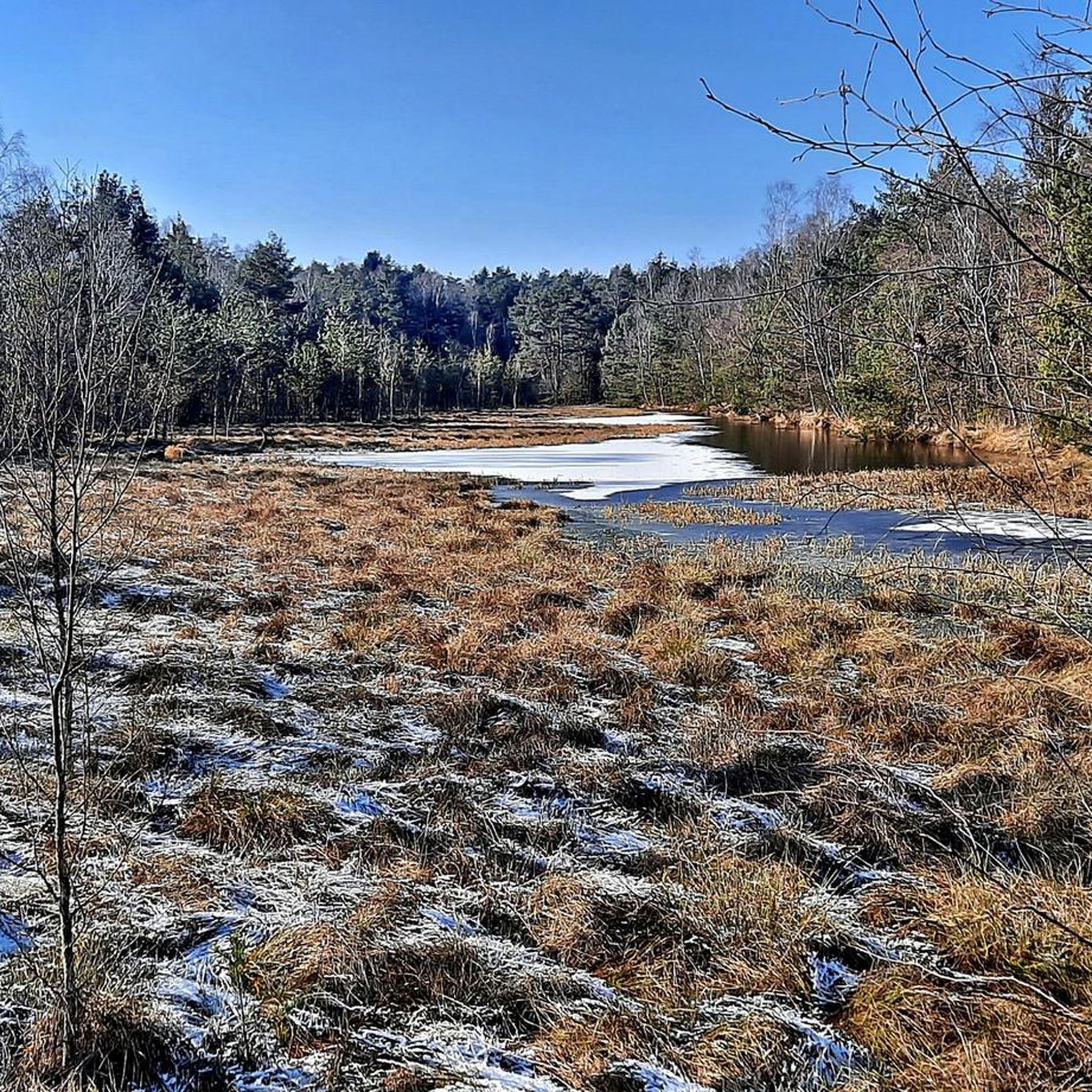
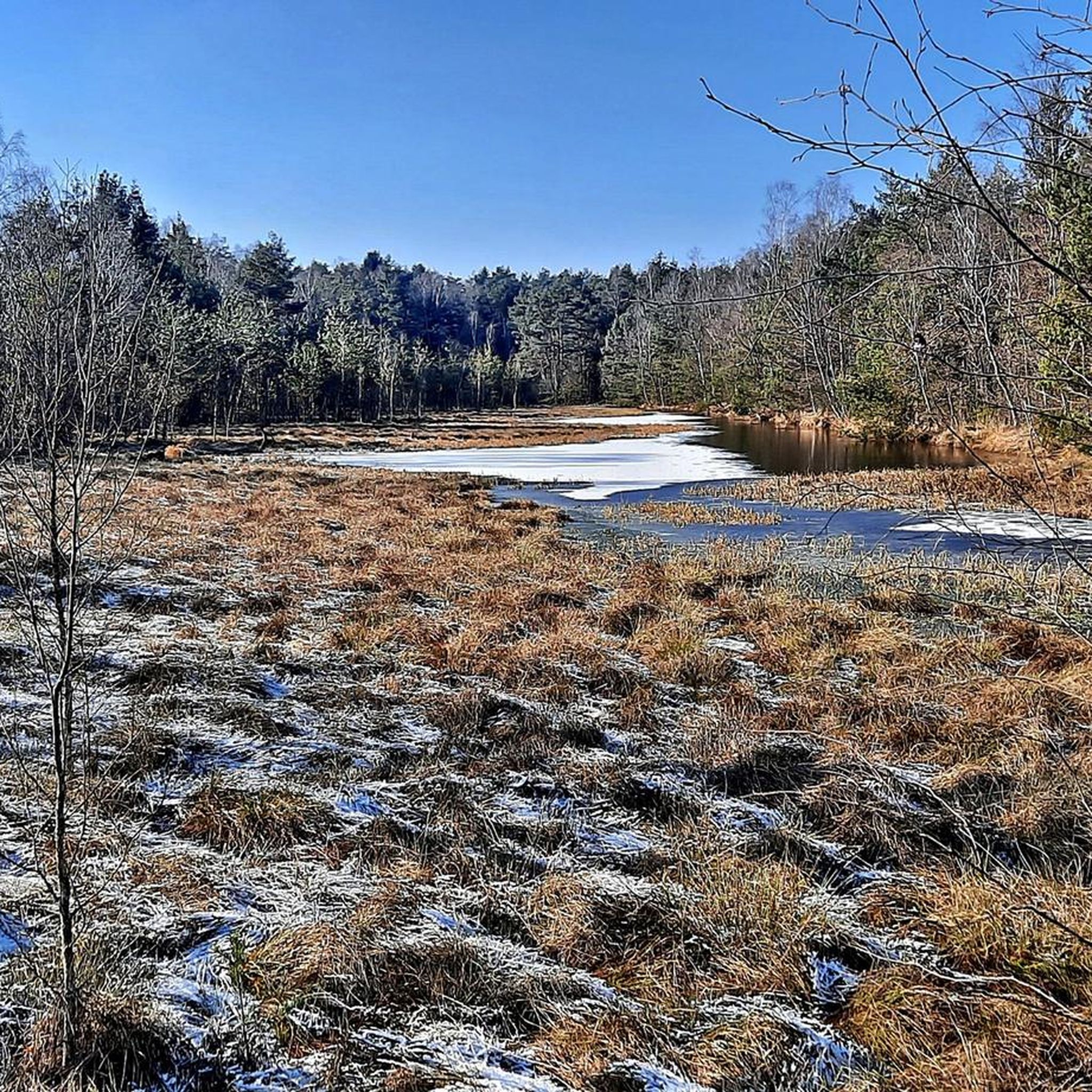
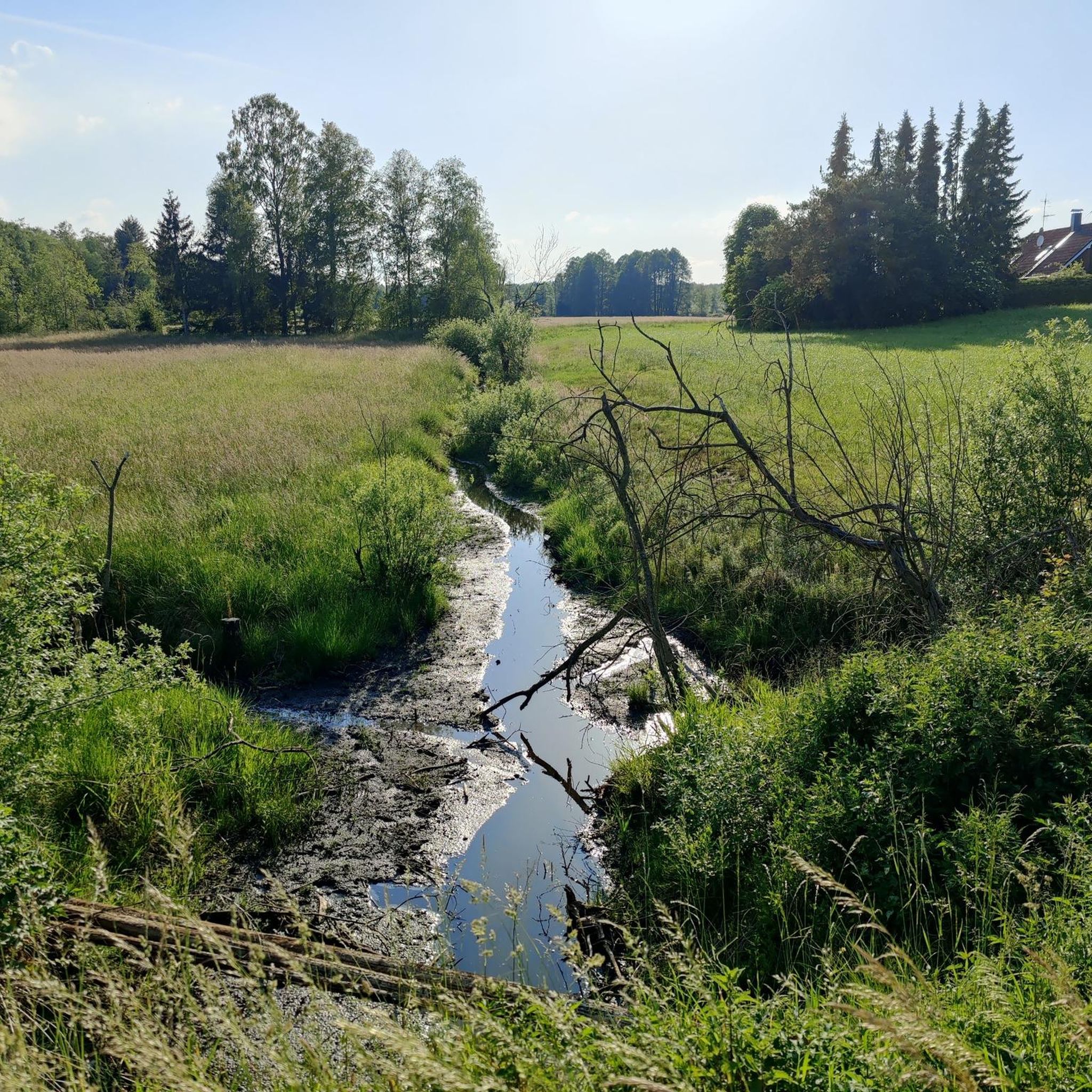
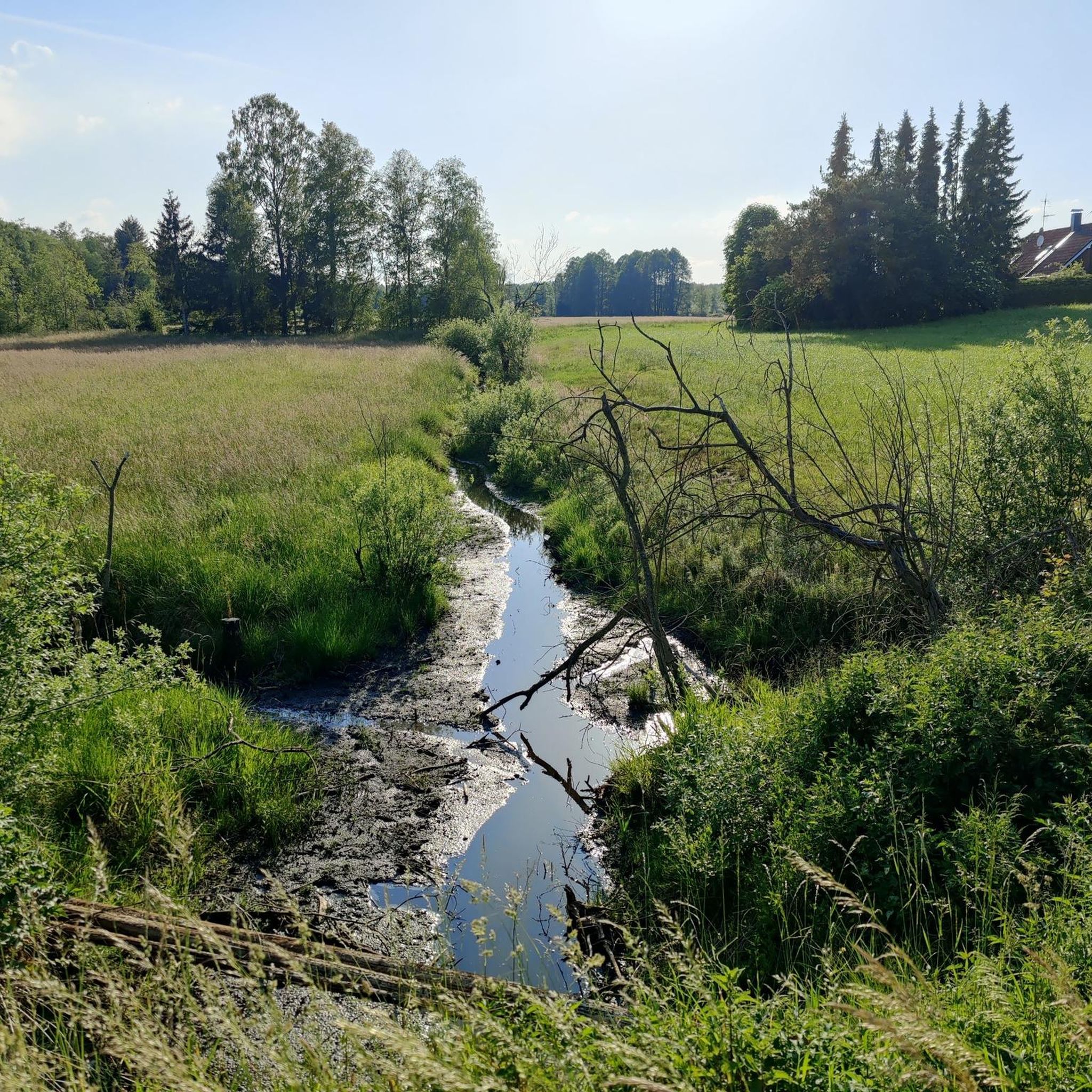
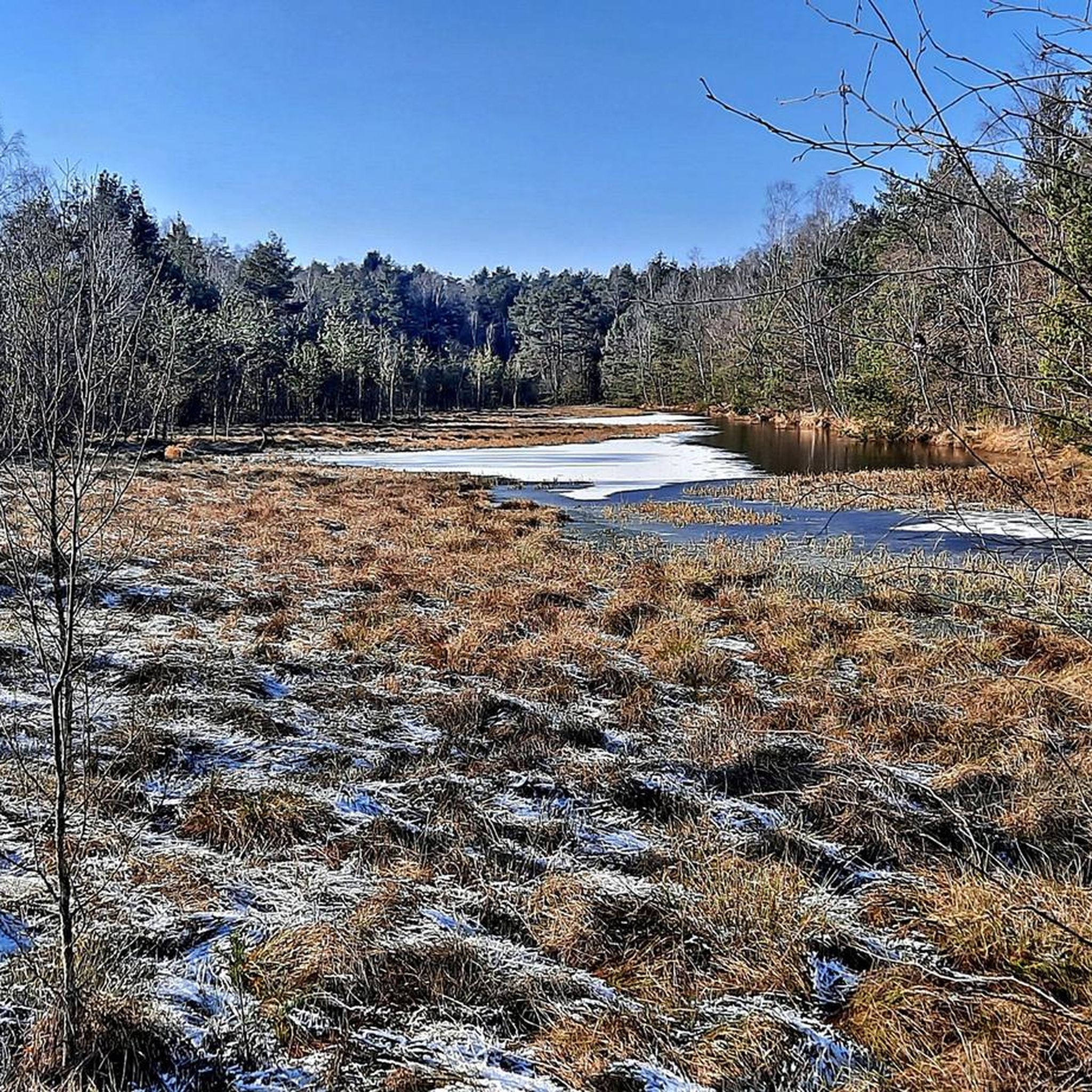
Best attractions and places to see in Haspelmoor include its unique natural landscape, primarily centered around the Haspelmoor Nature Reserve. This area, located in the municipalities of Hattenhofen and Althegnenberg, is a northern remnant of the Bavarian Alpine foothills' raised bogs. It offers a tranquil environment for outdoor activities and observing a distinctive moorland ecosystem. The region is recognized as a Bavarian Geotope and features diverse flora and fauna within its wet peat meadows and forests.
Best attractions and places…
Last updated: May 8, 2026
Haspelmoor
Highlight (Segment) • Natural
Translated by Google •
Tip by

Haspelmoor Scenic Road
Highlight (Segment) • Trail
Translated by Google •
Tip by

Sign up now to discover places like this
Get recommendations on the best single tracks, peaks, & plenty of other exciting outdoor places.
Sign up for free
Haspelmoor Nature Reserve
Highlight • Natural
Translated by Google •
Tip by

Fallen Tree Arch on the Haspelmoor Trail
Highlight • Trail
Translated by Google •
Tip by
Haspelmoor Nature Reserve
Highlight • Natural
Translated by Google •
Tip by

Start today with a free account
Your next adventure awaits.
Login or Signup
Tips from the Community


Leave your bike behind, there is a short hiking trail
0
0
Approx. 2 km hiking trail, leave your bike behind! Blueberries galore!
0
0

The Haspelmoor is a moor in the municipalities of Hattenhofen and Althegnenberg in the Fürstenfeldbruck district. After the end of the Ice Age, a large lake formed there, which then silted up. Historical names of the moor are Fürchelmoos (1362), Fuhrmoos (1791), Hattenhofer Moos (around 1800) and Haspelmoos. Including the surrounding wet peat meadows, the area is around 370 hectares in size. South of the Munich–Augsburg railway line is the part of the moor that has been a nature reserve since 1985. In the northern part are the Rotes Moos and the Biermösl. In the extreme south you come across the Nassenmoos. The moor is drained to the east via the Maisach catchment area and to the west via the Finsterbach into the Paar. from Wikipedia
0
0

The rail parts and sleepers used are from the former peat railway. The meMOORial is reminiscent of intensive peat mining as heating or insulating material and for locomotive lighting.
4
0
The Haspelmoor was added to the list of Bavarian geotopes.
3
0
From 1915 onwards, attempts were made to reclaim the “peated” areas for agricultural use. The moor has been protected since 1985.
3
0
Located in a dead ice basin, the Haspelmoor is the northernmost raised moor that was created by the Isar-Loisach foreland glacier.
3
0
Frequently Asked Questions
What are the main natural features to explore in Haspelmoor?
The centerpiece is the Haspelmoor Nature Reserve, a unique moorland ecosystem. Here you can find wet peat meadows, forests, and open landscapes. Specific sections like Rotes Moos, Biermösl, and Nassenmoos contribute to its diverse ecological structure. The area is also known for its efforts to raise water levels, creating idyllic-looking lakes.
What kind of unique plant and animal life can I observe in Haspelmoor?
Haspelmoor is home to specific plant species such as rosemary heather, the rare round-leaved sundew, and scheuchzer's cottongrass. You can also find berry bushes like blueberries, cranberries, and bog cranberries. The diverse wetland environment attracts a wide array of bird species, especially during migration seasons, and deer are often spotted.
Are there hiking trails suitable for all skill levels in Haspelmoor?
Yes, Haspelmoor offers numerous hiking routes, generally easily accessible. You can find easy walks suitable for all skill levels, such as the Haspelmoor Nature Reserve – Haspelmoor loop or the Forest Path Through Haspelmoor – Haspelmoor Nature Reserve loop. Some trails, like the one near the Haspelmoor Nature Reserve, are specifically for hiking and not cycling.
What cycling opportunities are available in Haspelmoor?
Haspelmoor is a popular destination for cyclists. You can enjoy routes like the Haspelmoor Scenic Road, which offers a beautiful, quiet passage through the moor. For more options, explore the various cycling routes in Haspelmoor, including easy loops around Pucher Lake or Mandichosee.
Are there any specific landmarks or points of interest within the Haspelmoor area?
Beyond the natural beauty, you can find unique natural monuments like the Fallen Tree Arch on the Haspelmoor Trail, as well as other 'Twisted Tree' formations. Wooden bridges are integrated into various hiking loops, providing scenic views. There's also a chapel dedicated to Blessed Pater Rupert Mayer, consecrated in 1994.
What is the best time of year to visit Haspelmoor for nature observation?
Haspelmoor offers unique experiences throughout the year. Spring and summer are ideal for observing specific plant species like sundew and cottongrass, and for spotting various bird species. Autumn brings vibrant colors to the landscape, and during winter, the quiet, snow-covered moor offers a tranquil escape, though some paths might be less accessible.
Is Haspelmoor suitable for family outings?
Yes, Haspelmoor is very family-friendly. Many trails, including sections of the Haspelmoor Nature Reserve and the Haspelmoor Scenic Road, are suitable for families. The easy walking paths and opportunities for nature observation, such as spotting blueberries or wildlife, make it an enjoyable destination for all ages.
What is the historical significance of Haspelmoor?
Haspelmoor has significant archaeological importance, with evidence of settlements dating back to the Late Paleolithic and Early Mesolithic periods (around 9500 BC). It originated from a large lake that formed after the Ice Age and later silted up. Historically, peat was extracted here to fuel locomotives after the railway line between Munich and Augsburg was built in 1838/1839.
Are there mountain biking trails near Haspelmoor?
Yes, there are mountain biking opportunities in the wider Haspelmoor area. You can find various MTB trails in Haspelmoor, ranging from easy to moderate difficulty. Routes like the 'East Shore of Mandichosee – Werner's Snack Oasis loop' offer diverse terrain for mountain bikers.
Where can I find parking when visiting Haspelmoor attractions?
While specific parking locations for each highlight are not detailed, Haspelmoor is generally accessible by car. Visitors often find parking near the entry points of popular hiking and cycling routes. It is advisable to look for designated parking areas at the start of trails or near the main access points to the nature reserve.
What makes the Haspelmoor Nature Reserve a protected area?
The Haspelmoor Nature Reserve is protected due to its ecological significance as a northern remnant of the Bavarian Alpine foothills' raised bogs. It was added to the list of Bavarian Geotopes and has been protected since 1985. Efforts are continuously made to renaturate the moor and preserve its unique flora and fauna.
Most popular routes in Haspelmoor

Get inspired with the komoot mobile app


Explore more
Still not found the Highlight you’re looking for? See guides of the top attractions in other regions:
