The best walks and hikes in Donauhänge Und Auen Zwischen Leipheim Und Offingen
4.5
(1433)
6,474
hikers
626
hikes
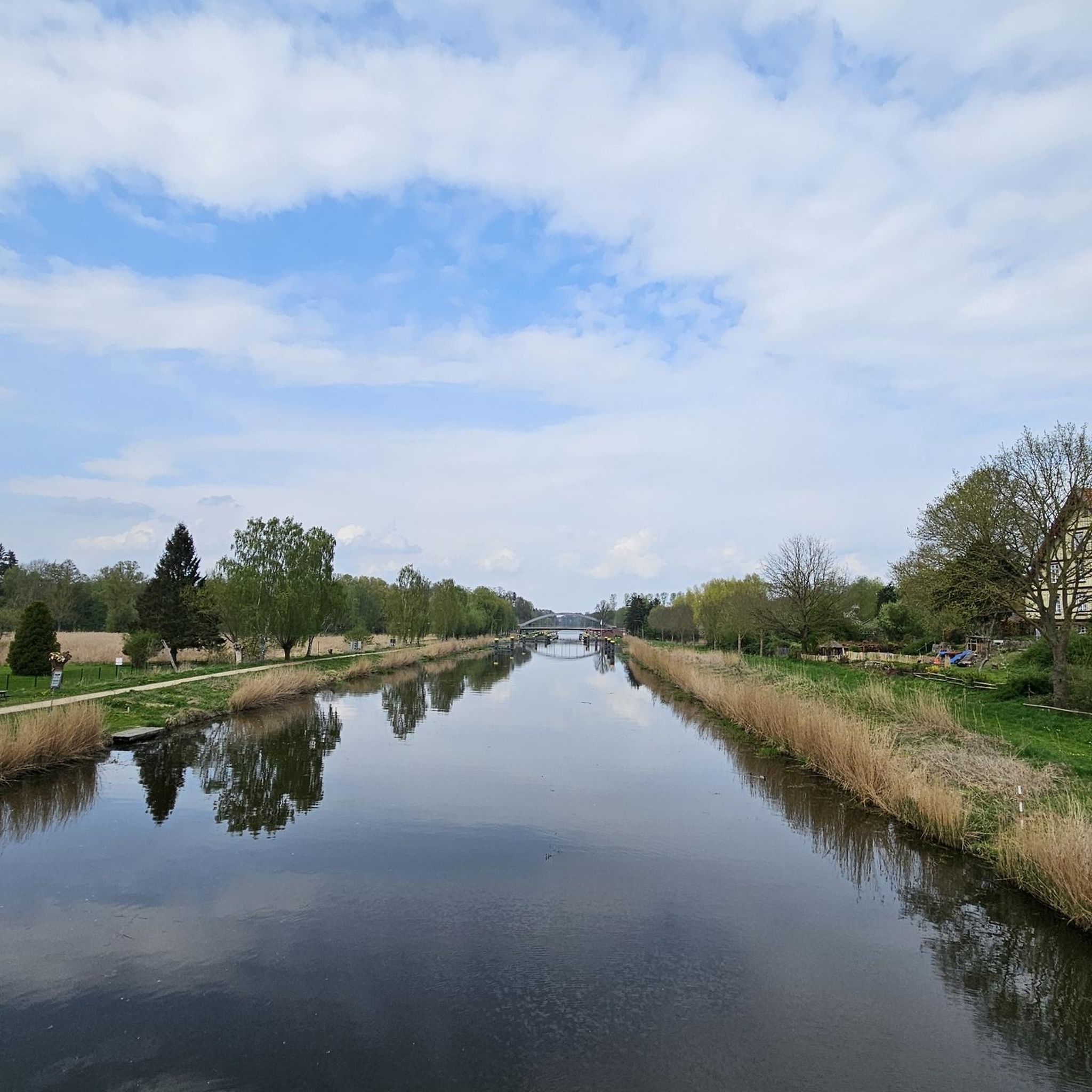
Hiking in Donauhänge Und Auen Zwischen Leipheim Und Offingen offers a diverse landscape shaped by the Danube river and its floodplains. The region features a mix of riverside paths, tranquil lakes, and wooded areas, providing varied terrain for outdoor activities. Elevation changes are generally gentle, making many trails accessible. This area is characterized by its natural riverine environment and associated flora and fauna.
Best hiking trails in Donauhänge Und Auen Zwischen Leipheim Und Offingen
- The most popular hiking route is…
Last updated: July 29, 2026
4.4
(39)
164
hikers
8.44km
02:18
90m
90m
Moderate hike. Good fitness required. Easily-accessible paths. Suitable for all skill levels.
4.6
(21)
63
hikers
Moderate hike. Good fitness required. Easily-accessible paths. Suitable for all skill levels.

Sign up for free
4.6
(8)
47
hikers
Easy hike. Great for any fitness level. Easily-accessible paths. Suitable for all skill levels.
5.0
(12)
44
hikers
Hard hike. Very good fitness required. Easily-accessible paths. Suitable for all skill levels.
4.6
(7)
21
hikers
3.51km
00:54
10m
10m
Easy hike. Great for any fitness level. Easily-accessible paths. Suitable for all skill levels.
Get access to more routes and recommendations from other explorers.
Sign up for free
Already have an account?
Our route recommendations are based on thousands of hikes, rides, and runs completed by other people on komoot.
Start today with a free account
Your next adventure awaits.
Login or Signup
Popular around Donauhänge Und Auen Zwischen Leipheim Und Offingen
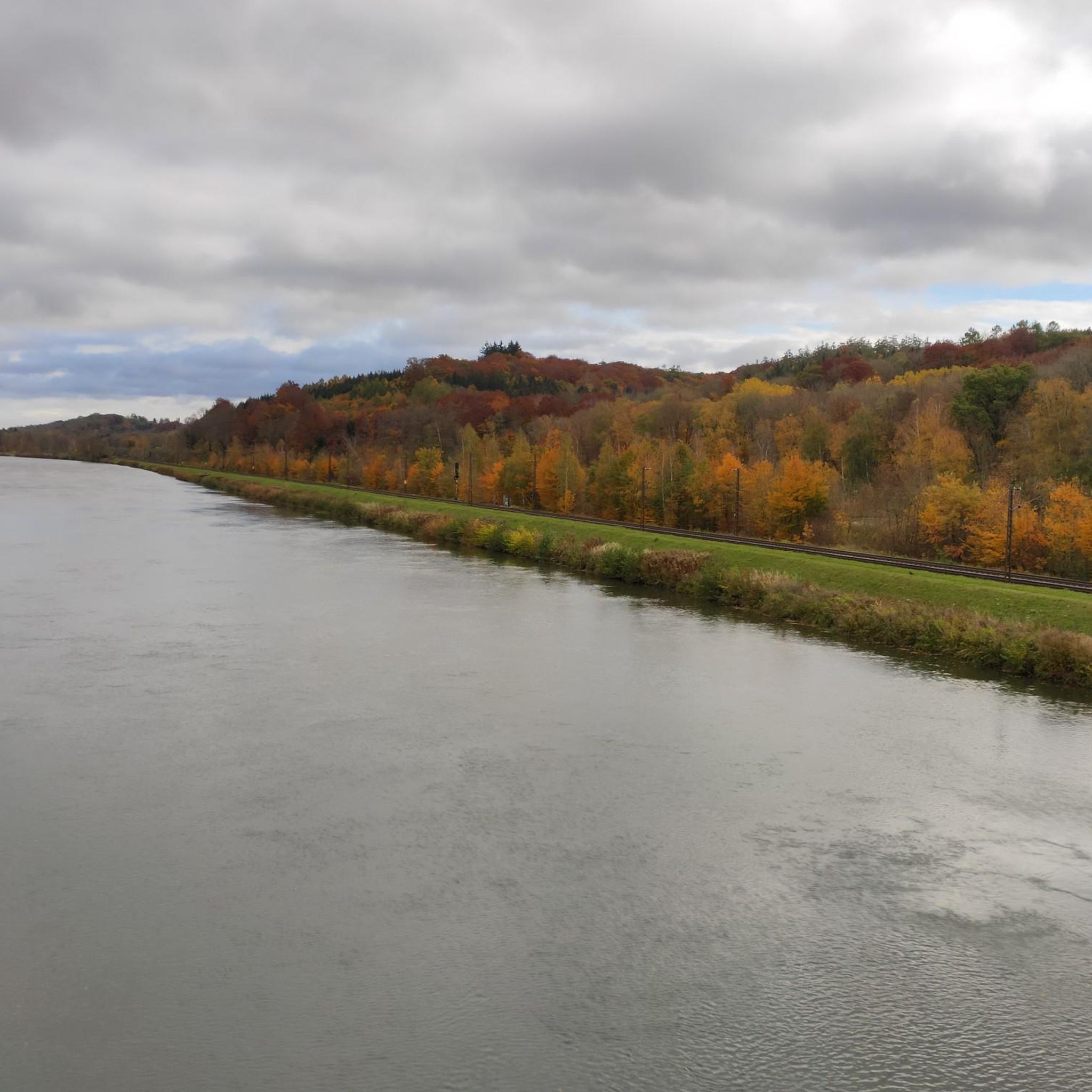
Cycling in Donauhänge Und Auen Zwischen Leipheim Und Offingen
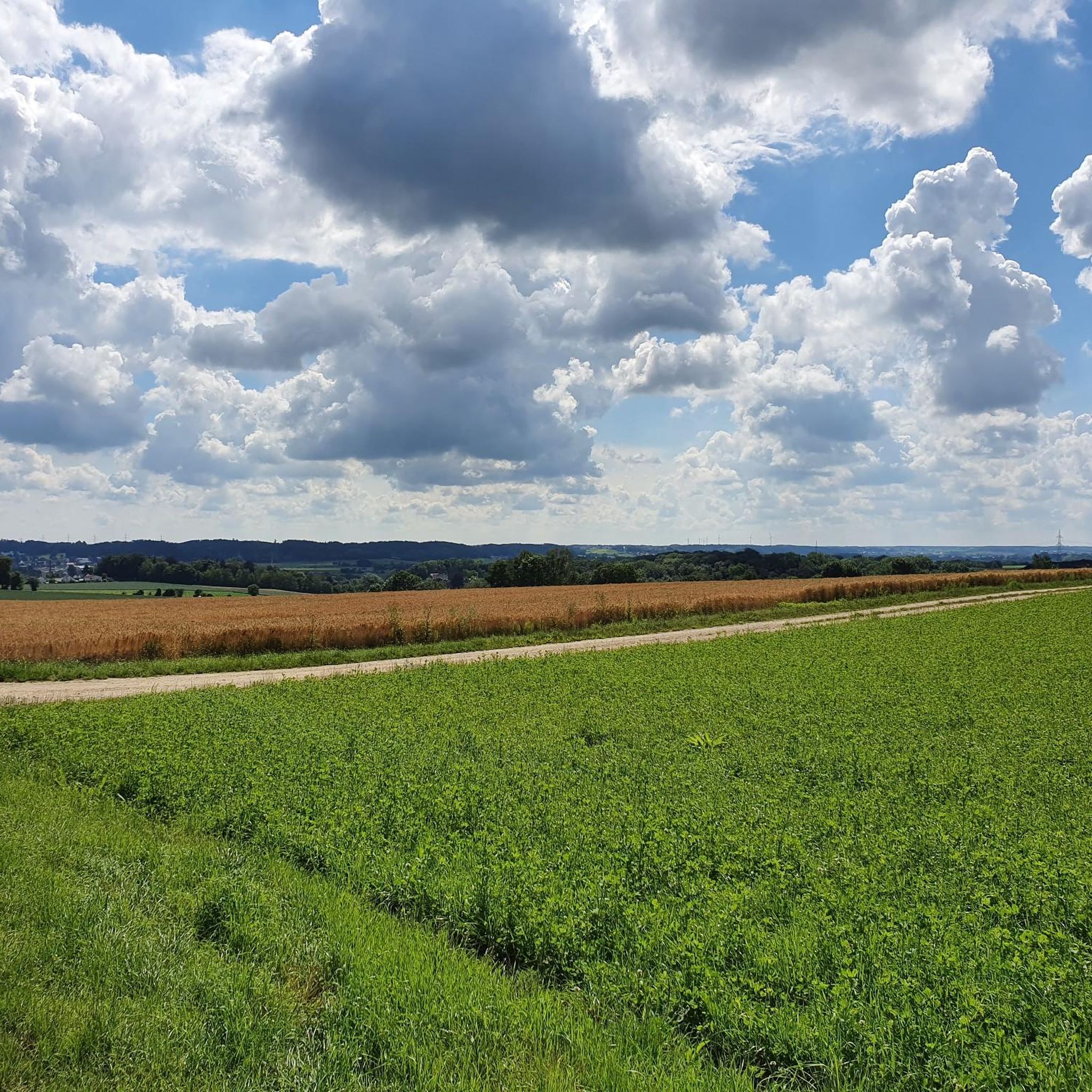
Road Cycling Routes in Donauhänge Und Auen Zwischen Leipheim Und Offingen
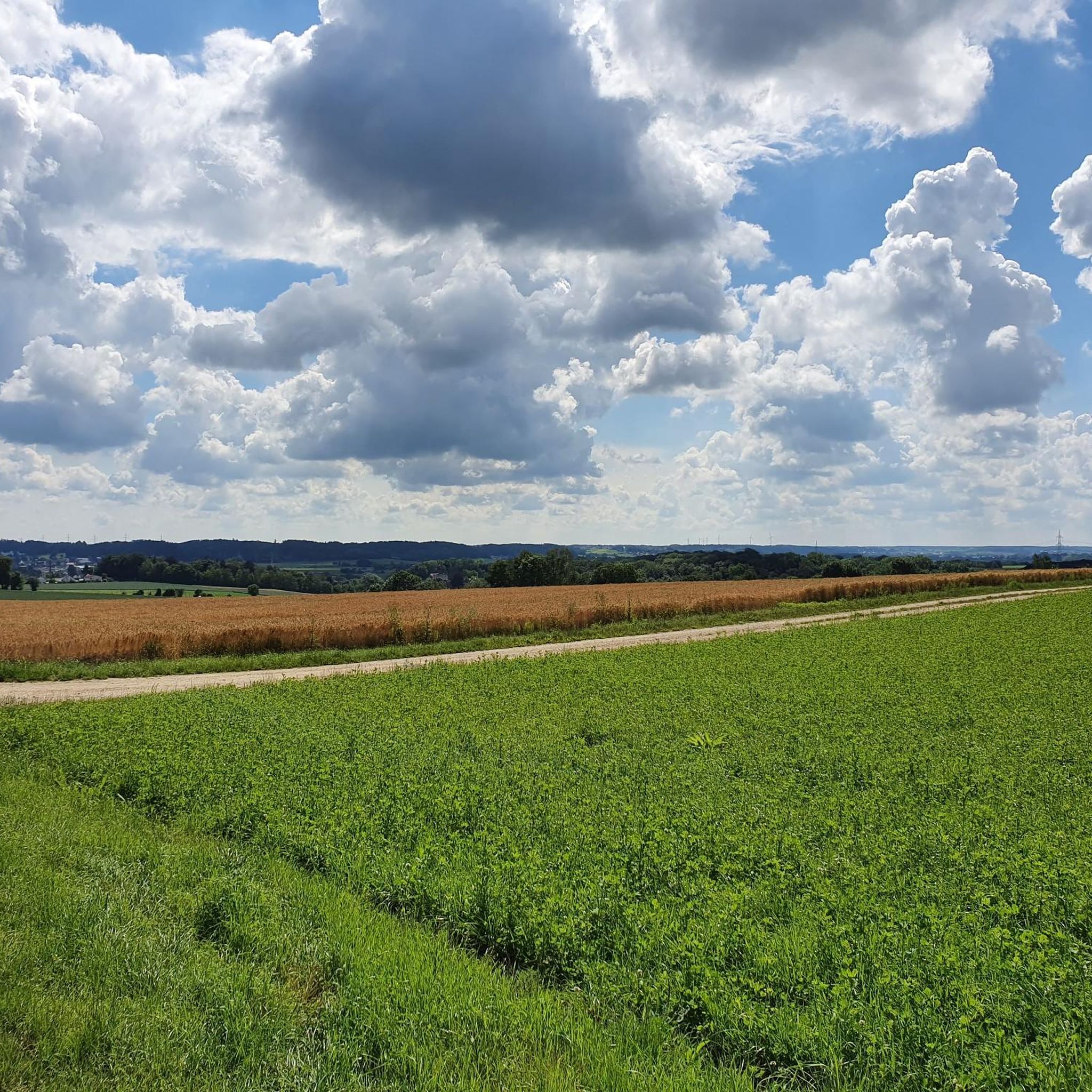
Running Trails in Donauhänge Und Auen Zwischen Leipheim Und Offingen
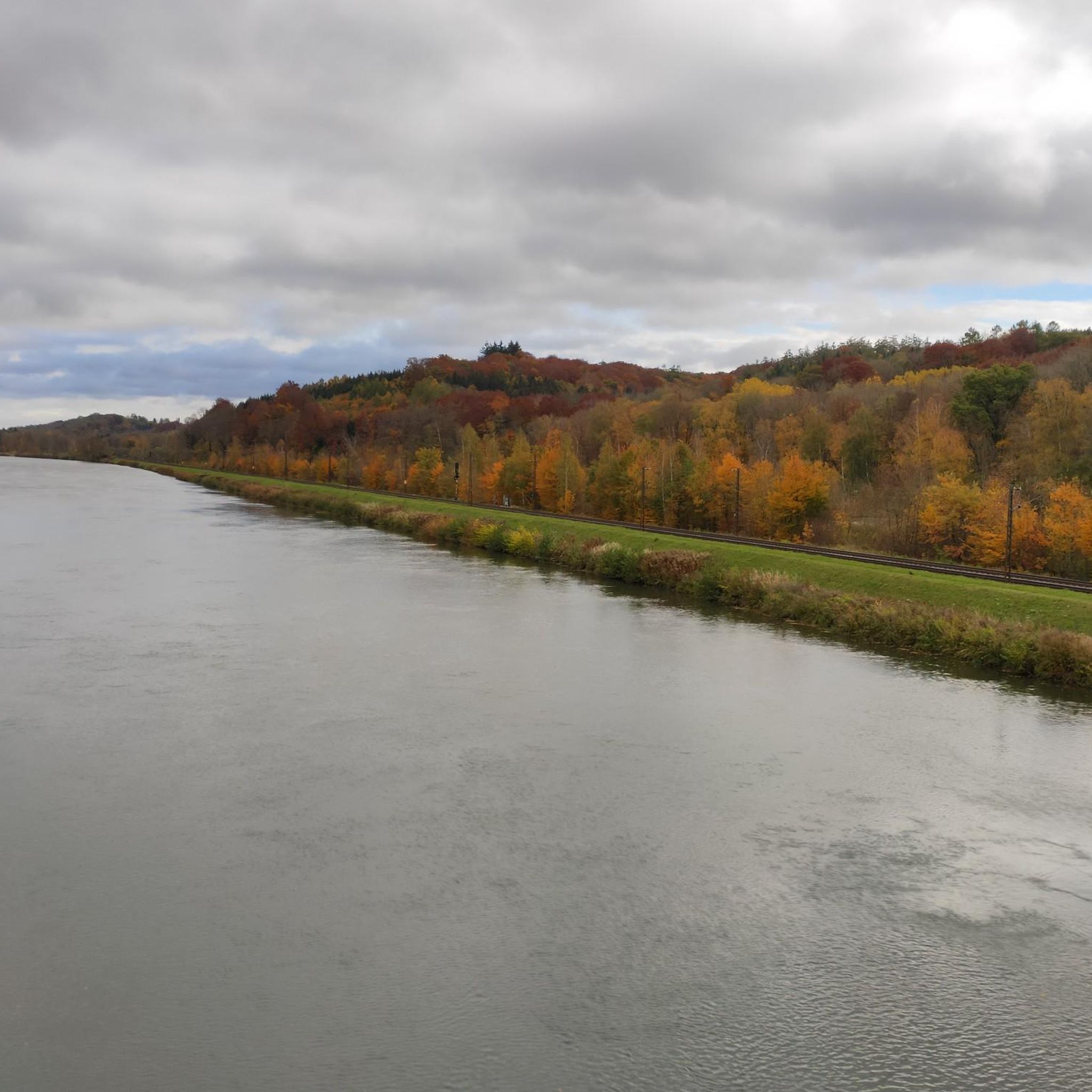
MTB Trails in Donauhänge Und Auen Zwischen Leipheim Und Offingen
Gravel biking in Donauhänge Und Auen Zwischen Leipheim Und Offingen
Tips from the Community

The Lower Gate with its clock tower is one of Günzburg's landmarks. However, it is far more than just a striking, representative feature. It was once one of the most important entrances to the city. The tower keeper lived at the top and had to ring the bells hourly, day and night, so that the citizens knew someone was on watch. The many windows were not decorative, but provided a panoramic view. From here, the watchmen kept a lookout for enemies and fires.
0
0

The city center of Günzburg is particularly charming in good weather.
0
0

The city area was already settled in Roman times in ancient times. For over 500 years, Günzburg belonged to the Habsburg Empire and thus to Austria. It was not until 1806 that the city was incorporated into the Kingdom of Bavaria. The almost completely preserved historic old town is particularly charming. The center of Günzburg is surrounded by largely intact city fortifications. At the center lies Günzburg's market square, through which Marktstraße runs. This divides the old town into two parts. It is bordered by two stone towers with gates. The town tower at the western end was built in the 14th century and can be climbed via an internal staircase. Buildings from the 16th to 19th centuries line the narrow alleys. The Frauenkirche (Church of Our Lady) is a magnificent Rococo building. The church was consecrated in 1780 and features an ornately decorated interior. The church was consecrated in 1780 and has a richly decorated interior. Source: https://www.faszination-bayern.de/orte-a-i/guenzburg/
3
0
The Lower Gate was built in the Gothic style in the 14th century. More precise information about the builders and the date of construction is unavailable. Dendrochronological analysis dates the oak logs above the first upper story to the autumn or winter of 1436. This provides a clue as to the construction period of the final gate structure. In its original form, the tower, with its square base and octagonal spire, can be seen in the city view in the "Mirror of Honor of the House of Austria." There, it already bears the name "Das under Thor" (The Lower Gate). The tower keepers and their families used to live in the tower keeper's room. The fifth and sixth floors served as both work and living quarters. The tower keeper was also a music teacher. To supplement his meager wages, he gave music lessons to the students of the neighboring Piarist college. On clear nights, the Piarists are said to have practiced astronomy in the uppermost tower room. In 1817, the Lower Gate was fitted with its first clock. The clock mechanism originally came from the old town hall (demolished in 1809) and displayed the hours and zodiac signs on a large dial, the quarter hours on a smaller one, and the phases of the moon in between. Source: https://www.altstadtfreunde-guenzburg.de/
1
0
Until the town fire of 1735, two buildings stood on this site. The trading company Brentano-Monticelli & Co. purchased both properties and had a grand town palace built in 1747. After the trading house's business in Günzburg declined, the company sold the property in 1758 for 11,000 florins to the Institute of the English Ladies, which operated a girls' school in the building until 1825. A chapel was established on the first floor around 1766. After 1825, a wine shop was established in the building, which was run by various owners until 1938. In 1938, the Günzburg Savings Bank bought the building and established a branch there, which still exists today. Source: https://de.wikipedia.org/wiki/Brentano-Haus_(G%C3%BCnzburg)
1
0
The Reisensburg Way of the Cross, with its 15 stations, was and remains – not least because of the paintings by Georg Lacher, Reisensburg's most important son – considered the most outstanding cross-hill in the district, and perhaps even in all of Swabia. Many visitors seek relaxation and the peace that emanates from this ancient place of worship. They bring their requests or offer thanks to God at the chapel. In 2013, local residents renovated the stations on a voluntary basis.
1
0

One of the many different bridges over the Danube.
4
0

Leaving the formerly rather modest residential area of Frauengasse, you find yourself directly next to the city's most beautiful secular building, the Brentanohaus. The trading company Brentano-Monticelli & Co., which primarily traded in linen woven in Günzburg and the surrounding area, had this stately residential and commercial building built around 1750. In 1938, the Günzburg Savings Bank purchased the building and established a branch there, which still exists today.
2
0
Frequently Asked Questions
How many hiking trails are available in Donauhänge Und Auen Zwischen Leipheim Und Offingen?
The region offers a wide variety of hiking experiences, with over 600 trails recorded on komoot. These range from easy strolls along the Danube to more moderate routes through wooded areas and past lakes.
Are there easy hikes suitable for beginners or families with children?
Yes, the area is very beginner and family-friendly, with over 430 easy routes. A great option is the Danube Bridge Reisensburg – Topflet Lakes loop from Topflet und Obere Aschau, which is 3.0 miles (4.9 km) long and offers pleasant views of the Topflet Lakes.
What is the best time of year to go hiking in this region?
The Donauhänge Und Auen Zwischen Leipheim Und Offingen region is enjoyable throughout the warmer months, from spring to autumn, when the riverside paths and wooded areas are lush. Spring brings blooming flora, while autumn offers beautiful foliage. Even in winter, many trails are accessible for a crisp walk, though conditions can vary.
Are there any circular walks in Donauhänge Und Auen Zwischen Leipheim Und Offingen?
Yes, many of the trails are designed as circular routes, allowing you to start and end at the same point. For example, the Topflet Lakes – Great Griesle Lake loop from Topflet und Obere Aschau is a popular 7.3-mile (11.7 km) circular trail that takes you through diverse riverine landscapes.
What kind of wildlife can I expect to see while hiking?
Given the region's natural riverine environment, floodplains, and wooded sections, you can often spot various bird species, especially near the Danube and the numerous lakes. Keep an eye out for waterfowl and other wetland birds. Smaller mammals are also present in the forested areas.
Are dogs allowed on the hiking trails?
Generally, dogs are welcome on most hiking trails in the Donauhänge Und Auen Zwischen Leipheim Und Offingen region. However, it's always recommended to keep them on a leash, especially in nature protection areas or near wildlife, and to respect local signage. Always carry water for your dog and clean up after them.
Where can I find parking for the hiking trails?
Parking is typically available at common starting points for trails, often near villages like Leipheim, Offingen, or Günzburg, and close to popular natural attractions like the Topflet Lakes. Look for designated parking areas or trailheads, which are usually indicated on komoot tour pages.
What are some notable viewpoints or attractions along the trails?
The region offers several points of interest. You can visit the Donautal Observation Tower for panoramic views of the Danube valley. There are also several historic chapels, such as the Abendmahl Chapel on the hiking trail or the Kreuzberg Chapel in Reisensburg, offering cultural insights amidst your hike.
What is the typical difficulty level of hikes in this area?
The majority of hikes in Donauhänge Und Auen Zwischen Leipheim Und Offingen are classified as easy (over 430 routes) or moderate (over 180 routes). The terrain is generally gentle, shaped by the Danube river and its floodplains, with minimal elevation changes, making it accessible for most fitness levels. There are only a handful of difficult routes.
Are there cafes or restaurants near the hiking trails?
Yes, the trails often pass through or near the towns and villages bordering the Danube, such as Leipheim, Offingen, and Günzburg. In these locations, you'll find various cafes, bakeries, and restaurants where you can stop for refreshments or a meal before or after your hike.
What do other hikers enjoy most about hiking in Donauhänge Und Auen Zwischen Leipheim Und Offingen?
The area is highly rated by the komoot community, with an average score of 4.5 stars from over 1,300 reviews. Hikers often praise the tranquil riverside paths, the beauty of the Topflet Lakes, and the well-maintained trails that offer a peaceful escape into nature. The diverse landscape, combining water, woods, and open floodplains, is also frequently highlighted.
What should I wear for hiking in Donauhänge Und Auen Zwischen Leipheim Und Offingen?
Given the varied terrain and proximity to water, comfortable, weather-appropriate clothing and sturdy walking shoes are recommended. Layers are always a good idea, especially during spring and autumn. In wetter conditions or after rain, waterproof footwear can be beneficial due to the riverside and floodplain environments.
Most popular routes in Donauhänge Und Auen Zwischen Leipheim Und Offingen
Most popular attractions in Donauhänge Und Auen Zwischen Leipheim Und Offingen

Get inspired with the komoot mobile app


Explore more
Browse the best Hikes in other regions.
