Nationalpark Hunsrück-Hochwald
Nationalpark Hunsrück-Hochwald
Attractions and Places To See in Nationalpark Hunsrück-Hochwald - Top 20
Best attractions and places to see in Nationalpark Hunsrück-Hochwald include a mix of natural features and historical landmarks. This region, Germany's newest national park, is dedicated to preserving its wilderness under the motto "let nature be nature." The landscape features ancient beech forests, rare moors, and dramatic rocky ridges, alongside significant pre-Roman Celtic settlements and historical industrial sites. Visitors can explore a diverse environment that combines natural beauty with cultural insights.
Best attractions and places to see in Nationalpark Hunsrück-Hochwald
- The most popular attractions is Stone Steps on the Celtic Ring Wall (Hunnenring), a historical site that features an impressive stone staircase. This site is part of a significant pre-Roman Celtic hillfort, recognized as one of Europe's largest and best-preserved Celtic settlements.
- Another must-see spot is Dollberg – Highest point in Saarland, a summit. At 695 meters above sea level, it is the highest elevation in Saarland, celebrated for its profound tranquility and picturesque surroundings.
- Visitors also love Züscher Hammer, a historical site. This location was once the largest ironworks in the Hunsrück region during the late 17th century, where visitors can see a water wheel and charcoal kiln.
- Nationalpark Hunsrück-Hochwald is known for its historical sites, natural monuments, and viewpoints. The park offers a variety of attractions to see and explore, from ancient Celtic settlements to unique rock formations and high peaks.
- The attractions in Nationalpark Hunsrück-Hochwald are appreciated by the komoot community, with over 1100 upvotes and more than 1000 photos shared by visitors.
Last updated: August 15, 2026
Stone Steps on the Celtic Ring Wall (Hunnenring)
Highlight • Historical Site
Translated by Google •
Tip by

Dollberg – Highest point in Saarland
Highlight • Summit
The incredible 'silence' of nature and the fairytale character of the immediate surroundings make this summit - which one does not notice - a great place.
If a druid or wizard jumped out of the bush, it would not surprise you here!
Translated by Google •
Tip by

Sign up now to discover places like this
Get recommendations on the best single tracks, peaks, & plenty of other exciting outdoor places.
Sign up for free
Erbeskopf Observation Tower
Highlight • Viewpoint
Translated by Google •
Tip by

Züscher Hammer
Highlight • Historical Site
During the Thirty Years' War, the castle, village and hammer were destroyed. The rebuilding of the village and hammer began. At the end of the 17th century, the largest ironworks in the Hunsrück came into being under the rule of the Walloon immigrant Joseph Hauzeur. From then on, the Züscher hammer secured wages and bread for lumberjacks, charcoal burners, hewers, smelters and blacksmiths.
The factory was abandoned in 1852 due to unprofitable production and unfavorable sales conditions. This ended the approximately 150-year iron industry at the Züscher Hammer.
Opening times (May to October):
open again on Sundays between 10:00 a.m. and 4:00 p.m. from June 20, 2021!
The site with a water wheel, charcoal kiln and information boards is accessible all year round.
*** Recommended: ***
On 09/12/2021 Open Monument Day with demonstrations and supporting program!
Info: zuescher-hammer.de
Translated by Google •
Tip by

Ehlesbruch Moor Boardwalk
Highlight (Segment) • Trail
Translated by Google •
Tip by

Sign up for free to discover even more attractions in Nationalpark Hunsrück-Hochwald.
Sign up for free
Already have an account?
Start today with a free account
Your next adventure awaits.
Login or Signup
Popular around Nationalpark Hunsrück-Hochwald
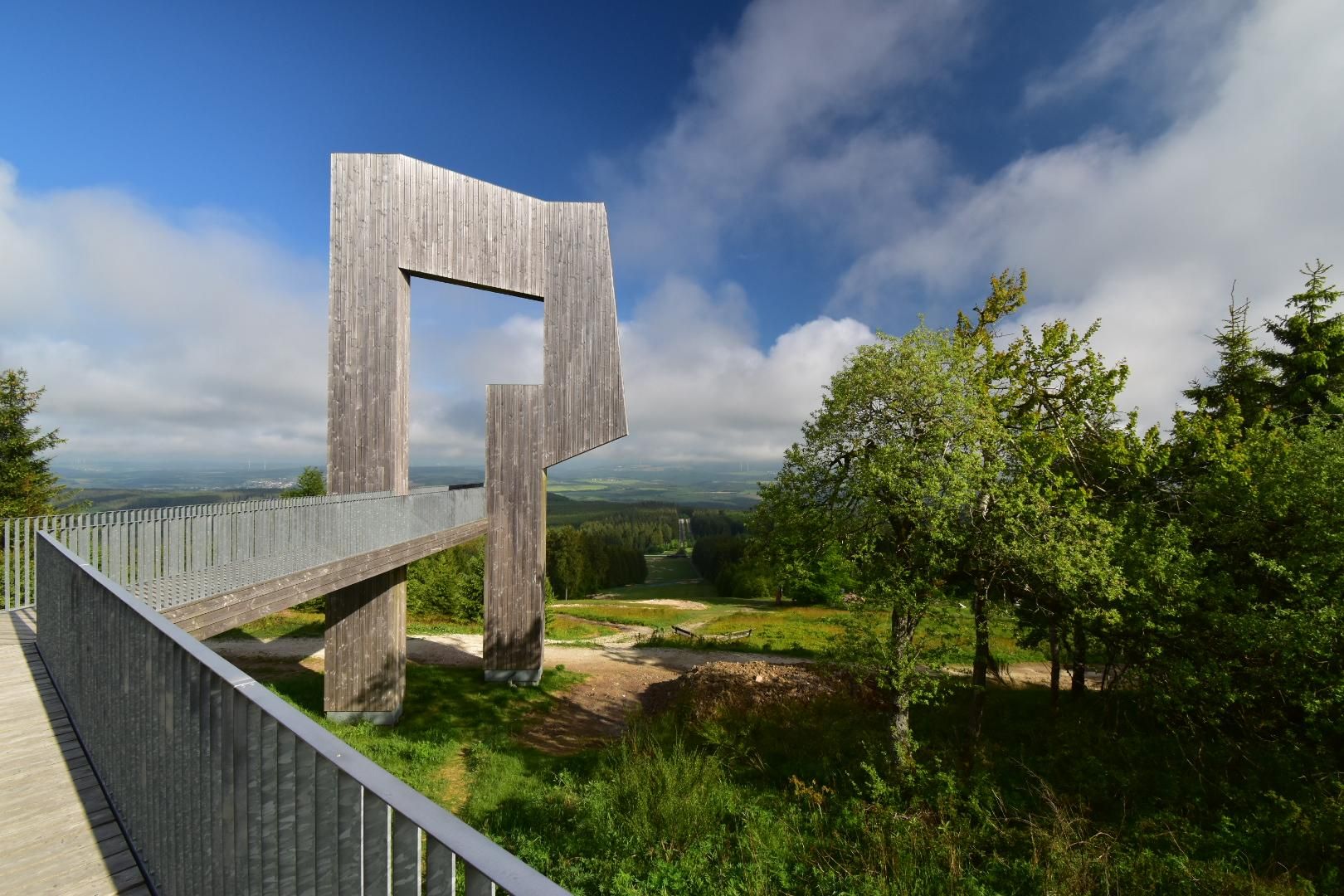
Saar-Hunsrück Climb – Hike in Germany where culture and nature meet
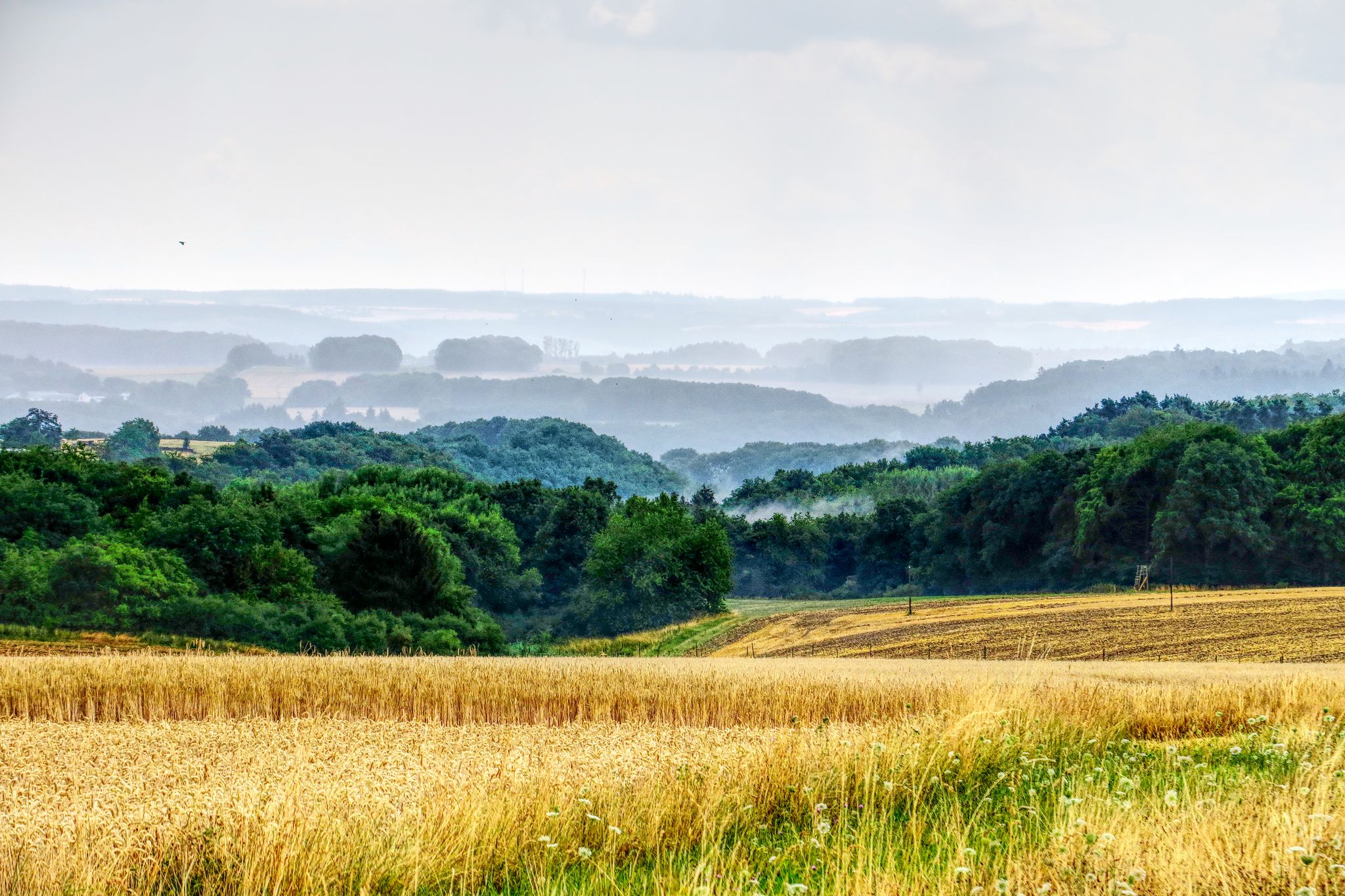
The National Natural Landscapes in Rheinland-Pfalz
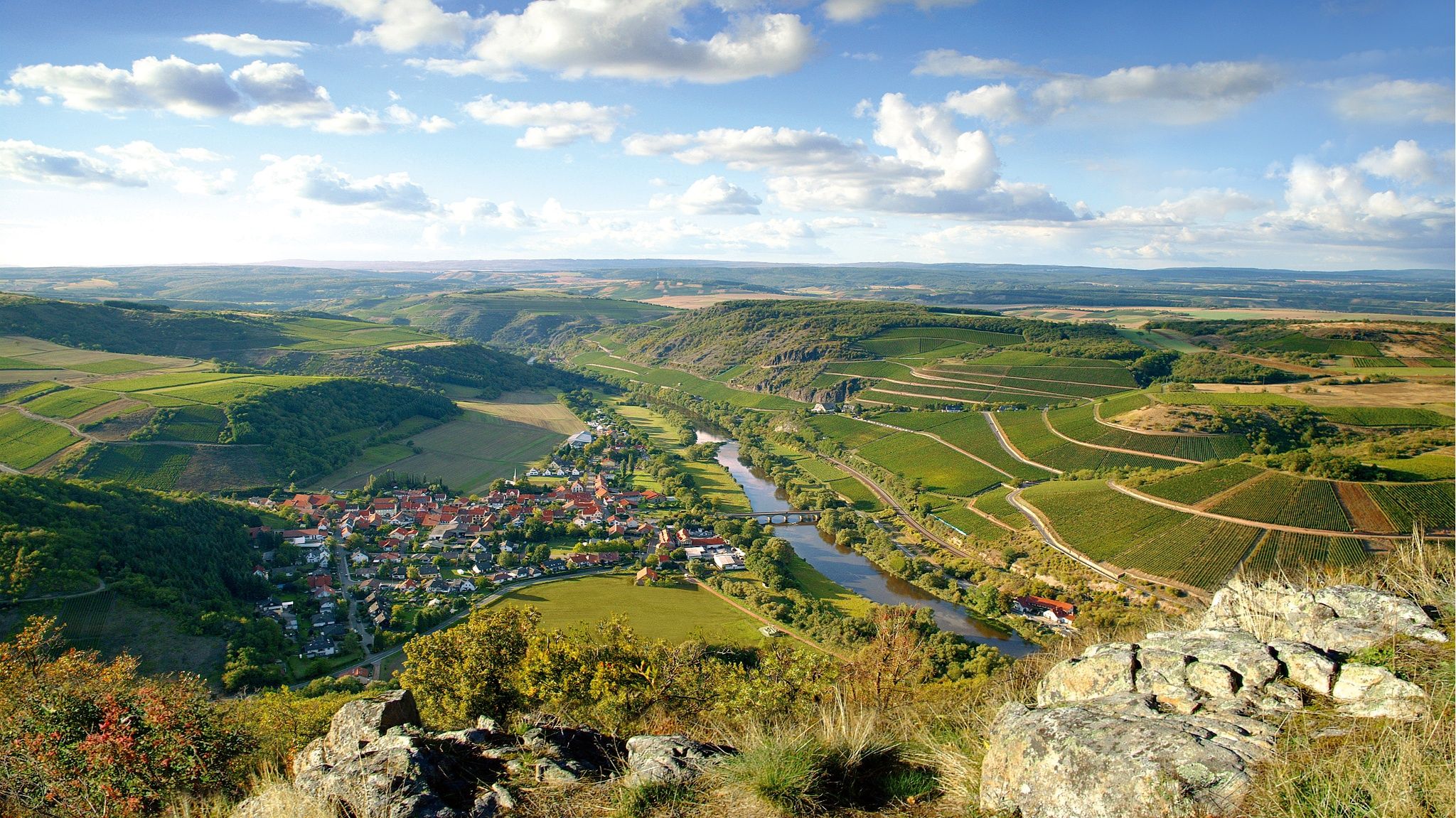
Top 10 hiking loops on the Nahe – Dream Loops and Vitaltours
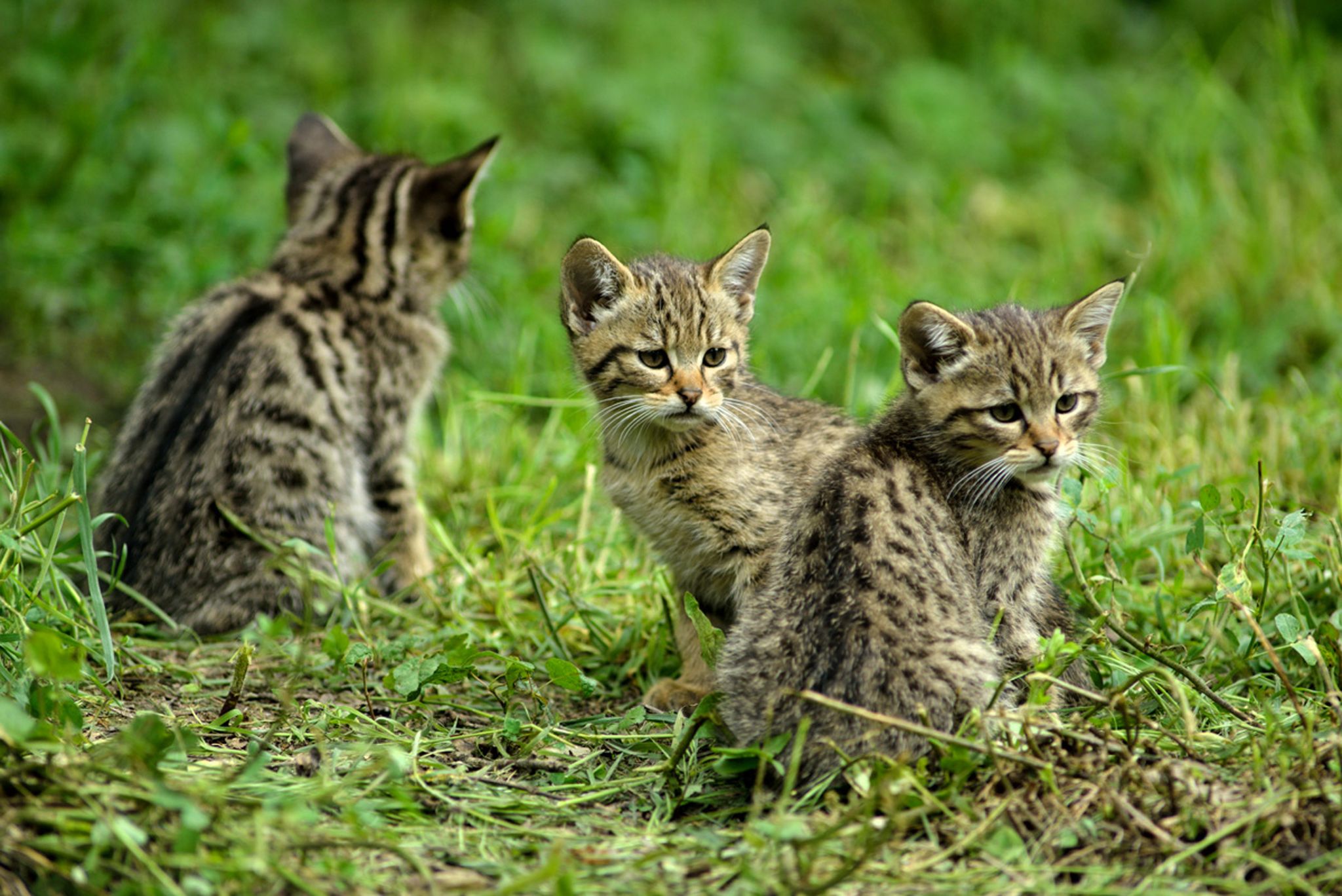
Hike with BUND on the trail of the European wildcat
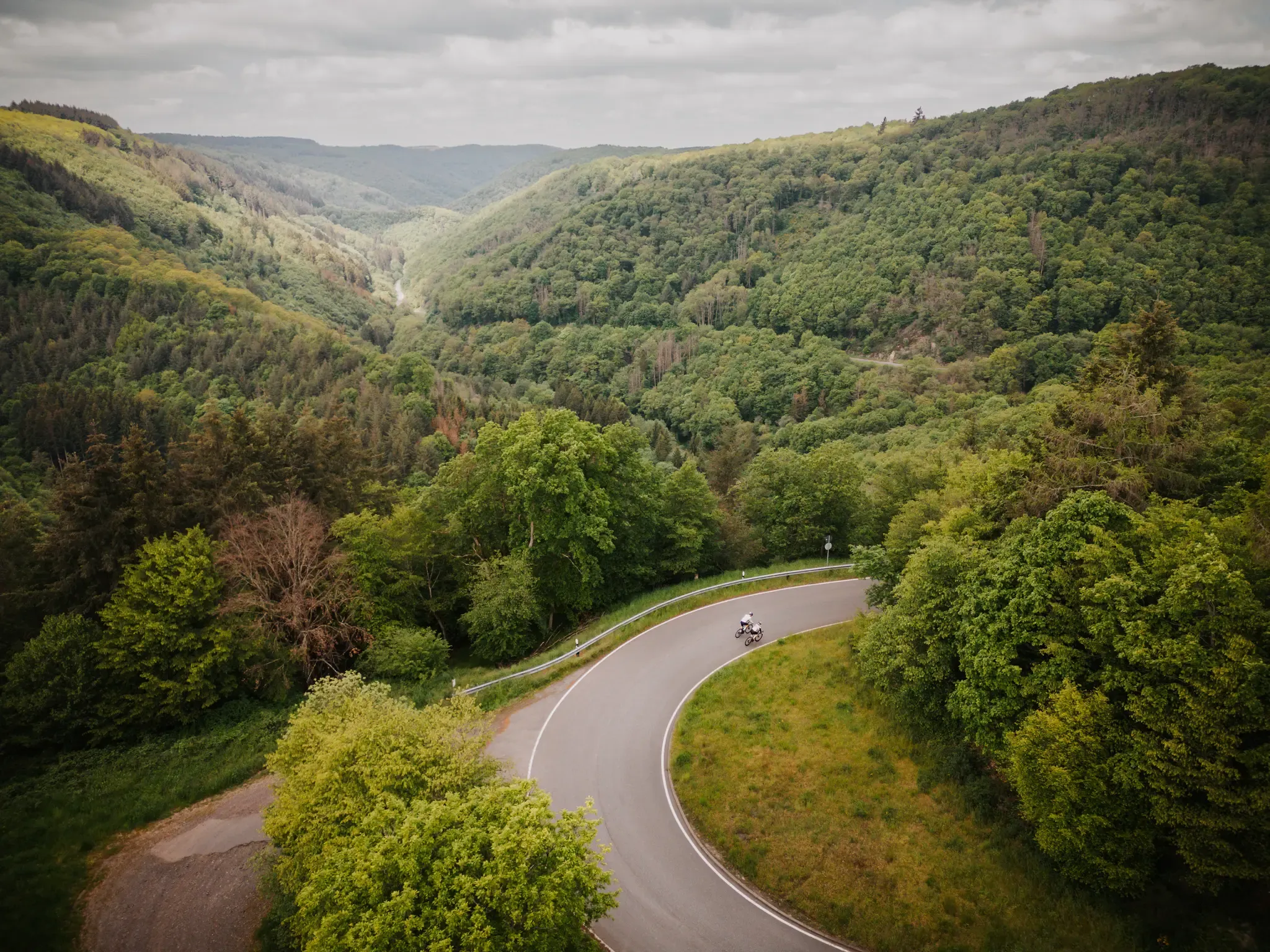
Make your road cycling dreams come true in the Hunsrück-Nahe region

Satisfy your Wanderlust – premium hiking trails in Saarland
Lowest to Highest (L2H) in Germany
Countless trails, nature & history – hiking in Saarland
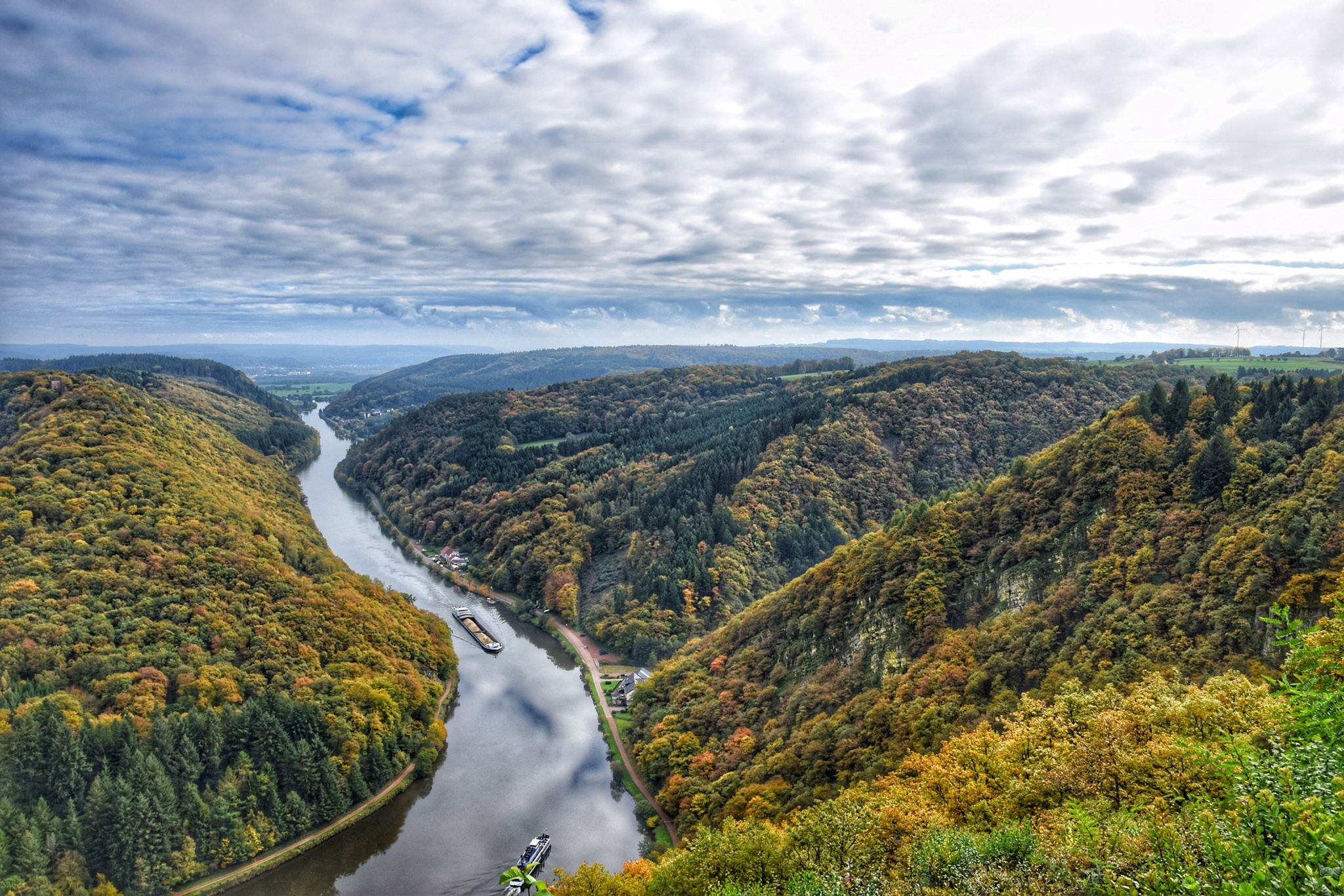
10 enchanting hikes through wild nature in Saarland
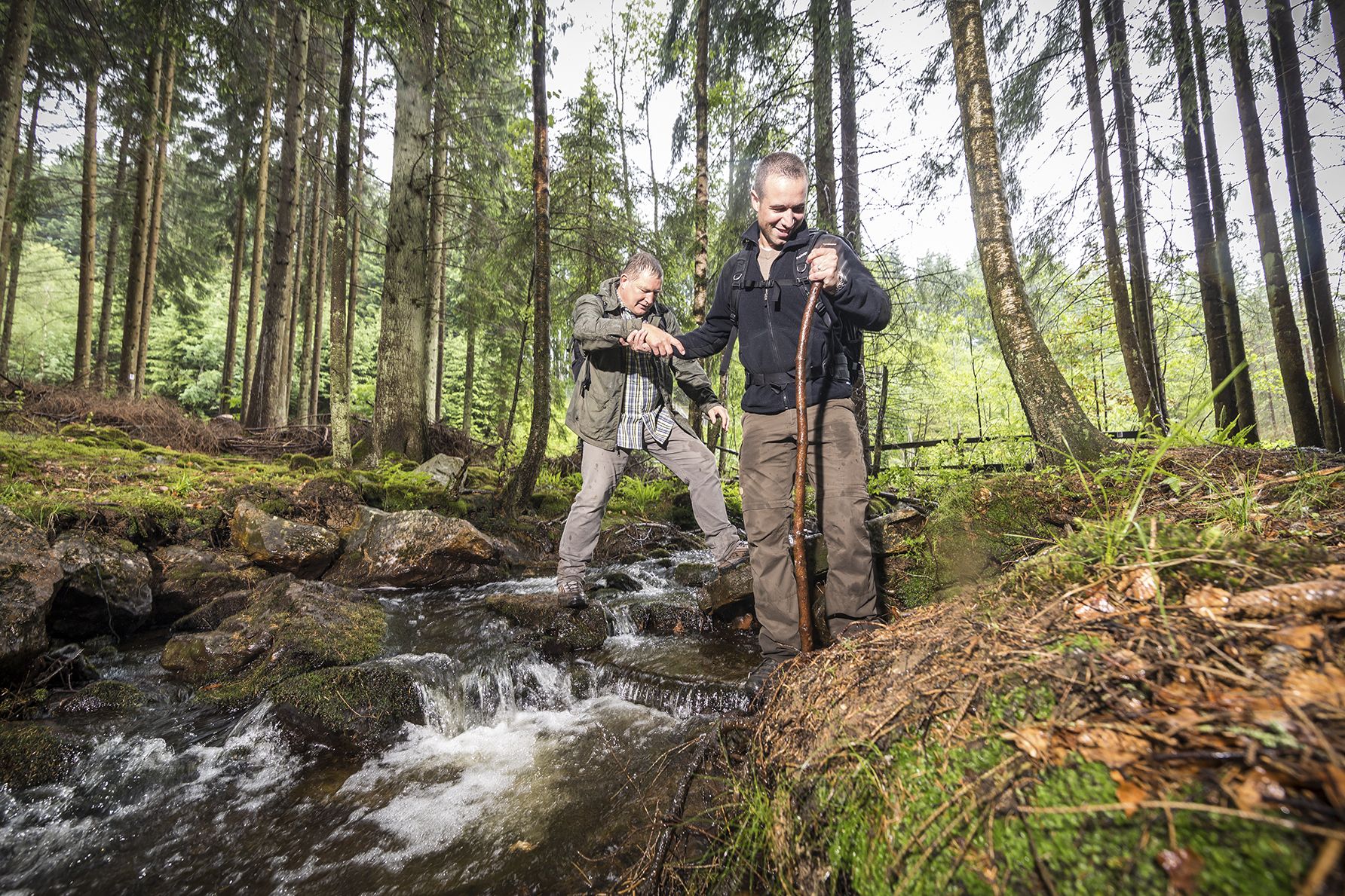
Off to the wild – hiking in the Birkenfelder Land
Other adventures in Nationalpark Hunsrück-Hochwald


Tips from the Community

The observation tower offers a completely different view over the Erbeskopf
5
1
Along the wooden walkway there are many small information boards pointing out the flora and fauna that can be found here.
5
0

I found the dream loop that leads over a wooden footbridge through the Ehlesbruch more beautiful than expected. There are a few particularly nice places to sit here on the wooden pier.
5
0

A beautiful and informative trail through the moor.
5
0
There is a great view up here
4
0

The Dollberg is 695 m above sea level. NN is the highest mountain in Saarland and belongs to one of the prominent mountain ranges in the high forest. These stretch as ridges running from southwest to northeast from the Saar to the Rhine. The ridges consist of quartzite, which in turn has its origin in sandstone. This was finally transformed into quartzite by pressure and high temperatures during the folding of the mountains in the Devonian. Due to its hardness, it is comparatively weather-resistant. As the surrounding, softer rock was eroded, the quartzite deposits were preserved as ridges. A beautiful hiking destination and, as the highest "mountain" in Saarland, of course also a highlight here in the region. https://www.naturpark.org/natur-und-kultur/natur/geologie/geopunkte-devon-permokarbon-nonnweiler-und-zuesch/dollberg
8
0

A beautiful boardwalk leading through the moor. There are also benches to enjoy the view and to take a little break.
5
0

Traveling to all 16 peaks in the federal states, it is very interesting to see how differently the states deal with their highest peaks. Perhaps the term "natural" fits quite well here
10
0
Frequently Asked Questions
What natural features can I explore in Nationalpark Hunsrück-Hochwald?
The park is rich in natural beauty, featuring extensive ancient beech forests, rare moors, and dramatic rocky ridges. You can discover unique rock formations like the Mannfels Rock Formation and the impressive Kirschweiler Fortress. The highest point in Saarland, Dollberg, offers profound tranquility and picturesque surroundings.
Are there historical sites to visit in Nationalpark Hunsrück-Hochwald?
Yes, the park is home to significant historical landmarks. A must-see is the Celtic Ring Wall of Otzenhausen, one of Europe's largest and best-preserved Celtic settlements. You can also explore the ruins of Wildenburg Castle, which offers panoramic views, and the historical industrial site of Züscher Hammer, a former ironworks.
What are some family-friendly activities in Nationalpark Hunsrück-Hochwald?
Families can enjoy the wildlife park near Wildenburg Castle, which focuses on local geology and fauna. The National Park Gates, such as those at Erbeskopf and the Celtic Park near Otzenhausen, offer interactive exhibitions suitable for all ages. Many trails, including parts of the 'Dream Loops,' are accessible for family walks, and the Mannfels Rock Formation is also considered family-friendly.
Where can I find panoramic views in the park?
For sweeping vistas, head to Erbeskopf, the highest point in Rhineland-Palatinate, where you'll find the distinctive 'Windklang' sculpture. The observation tower at Wildenburg Castle ruins also provides expansive panoramic views. Additionally, the Celtic Ring Wall offers great views from above, and the Mannfels Rock Formation provides views of the Nonnweiler dam on clear days.
What kind of wildlife can I expect to see?
Nationalpark Hunsrück-Hochwald is a haven for diverse wildlife. It's known for one of Europe's largest wildcat populations, alongside black storks, deer, wild boars, bats, and over 250 butterfly species. Keep an eye out, especially in the quieter, forested areas.
What hiking opportunities are available near these attractions?
The park boasts an extensive network of hiking trails, including the popular 'Dream Loops' (Traumschleifen), which are circular routes guiding you through scenic wilderness. The Saar-Hunsrück Climb also traverses the park. For more detailed routes, you can explore the running trails guide, which includes routes like the Primstalsperre Dam to Züscher Hammer Ironworks loop.
Are there cycling routes in the Nationalpark Hunsrück-Hochwald area?
Yes, the region offers various cycling opportunities. You can find routes for different skill levels, including touring bicycle and gravel biking. Check out the cycling guide for routes like the Pfaffenstraße – Nonnweiler Reservoir loop, or the gravel biking guide for options such as the Nonnweiler Reservoir Loop from Otzenhausen.
What is the best time of year to visit Nationalpark Hunsrück-Hochwald?
The park offers unique experiences year-round. Spring brings blooming nature, while summer is ideal for hiking and outdoor activities. Autumn showcases vibrant fall foliage, and winter transforms the landscape into a serene, snow-covered wonderland, suitable for winter hiking under the right conditions.
What are the National Park Gates and what do they offer?
The National Park Gates serve as crucial information and education centers. There are gates at Erbeskopf, Wildenburg, and the Celtic Park near Otzenhausen. They offer interactive exhibitions, visitor information, and insights into the park's natural and cultural history, such as 'Welcome to the primeval forest of tomorrow' at Erbeskopf or Celtic cultural history at the Celtic Park gate.
Can I bring my dog on trails in Nationalpark Hunsrück-Hochwald?
Many trails in Nationalpark Hunsrück-Hochwald are dog-friendly, allowing you to explore with your canine companion. The Mannfels Rock Formation, for example, is noted as dog-friendly. However, it's always advisable to keep dogs on a leash to protect wildlife and ensure a pleasant experience for all visitors.
What is the significance of the Celtic Ring Wall of Otzenhausen?
The Celtic Ring Wall of Otzenhausen is a significant pre-Roman Celtic hillfort, recognized as one of Europe's largest and best-preserved Celtic settlements. Adjacent to it, a reconstructed Celtic village provides a fascinating glimpse into ancient dwellings and storehouses, offering a deep dive into the region's rich history.
Are there any industrial heritage sites in the region?
Yes, the Züscher Hammer is a notable industrial heritage site. It was once the largest ironworks in the Hunsrück region during the late 17th century. Visitors can still see the historical water wheel and charcoal kiln, offering a glimpse into the area's industrial past.
What is the highest point in the region?
The highest point in Rhineland-Palatinate is Erbeskopf, standing at 816 meters. It offers expansive views and is home to the 'Windklang' sculpture. The highest point in Saarland, Dollberg, is also within the park, reaching 695 meters above sea level.
Most popular routes in Nationalpark Hunsrück-Hochwald
Most popular attractions in Nationalpark Hunsrück-Hochwald

Get inspired with the komoot mobile app


Explore more
Still not found the Highlight you’re looking for? See guides of the top attractions in other regions:
