Top 4 Castles around Bad Wilsnack
Best castles around Bad Wilsnack are located in the Prignitz district of Brandenburg, Germany. This spa town is surrounded by historic sites that offer a glimpse into medieval history and impressive architecture. The region features a mix of moated castles and historical towns, providing diverse exploration opportunities.
Best castles around Bad Wilsnack
- The most popular castles is Plattenburg, a castle that is one of the largest moated castles in northern Germany. Its origins trace back to the 12th century,…
Last updated: August 3, 2026
Historic Old Town of Werben (Elbe)
Highlight • Historical Site
There is very pretty brick architecture to see there, for example at the Elbtor and the Salzkirche.
Translated by Google •
Tip by

Plattenburg
Highlight • Castle
Translated by Google •
Tip by

Sign up now to discover places like this
Get recommendations on the best single tracks, peaks, & plenty of other exciting outdoor places.
Sign up for free
Grube Castle
Highlight • Castle
kulturfeste.de/feste/perleberg-lotte-lehmann.html
Translated by Google •
Tip by

Rühstädt Castle / Castle Hotel & Castle Garden
Highlight • Castle
Translated by Google •
Tip by

Sigrön Castle
Highlight • Castle
Translated by Google •
Tip by

Start today with a free account
Your next adventure awaits.
Login or Signup
Popular around Bad Wilsnack
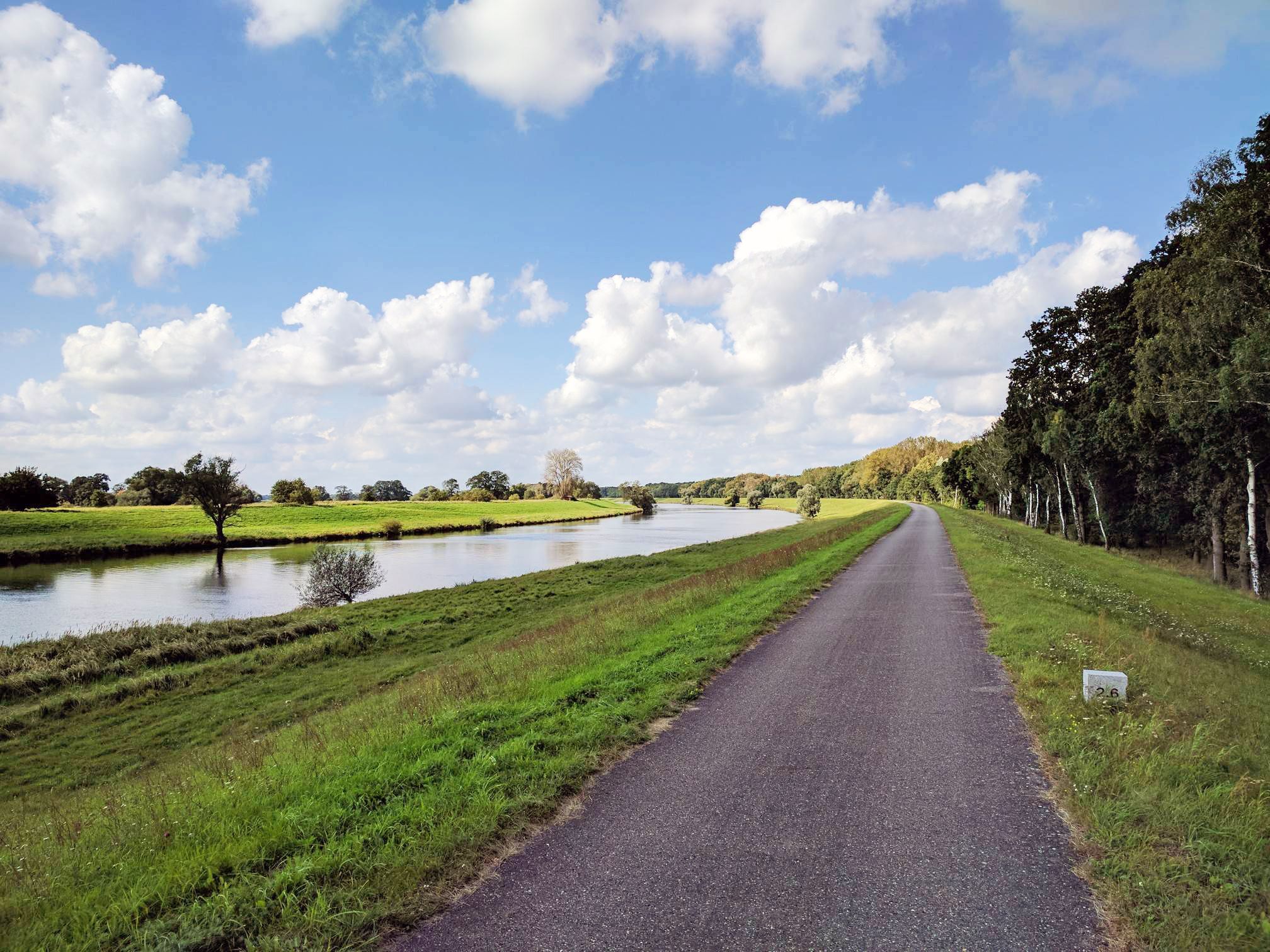
Germany's Elbe Müritz Cycle Path — Ride past rivers and lakes
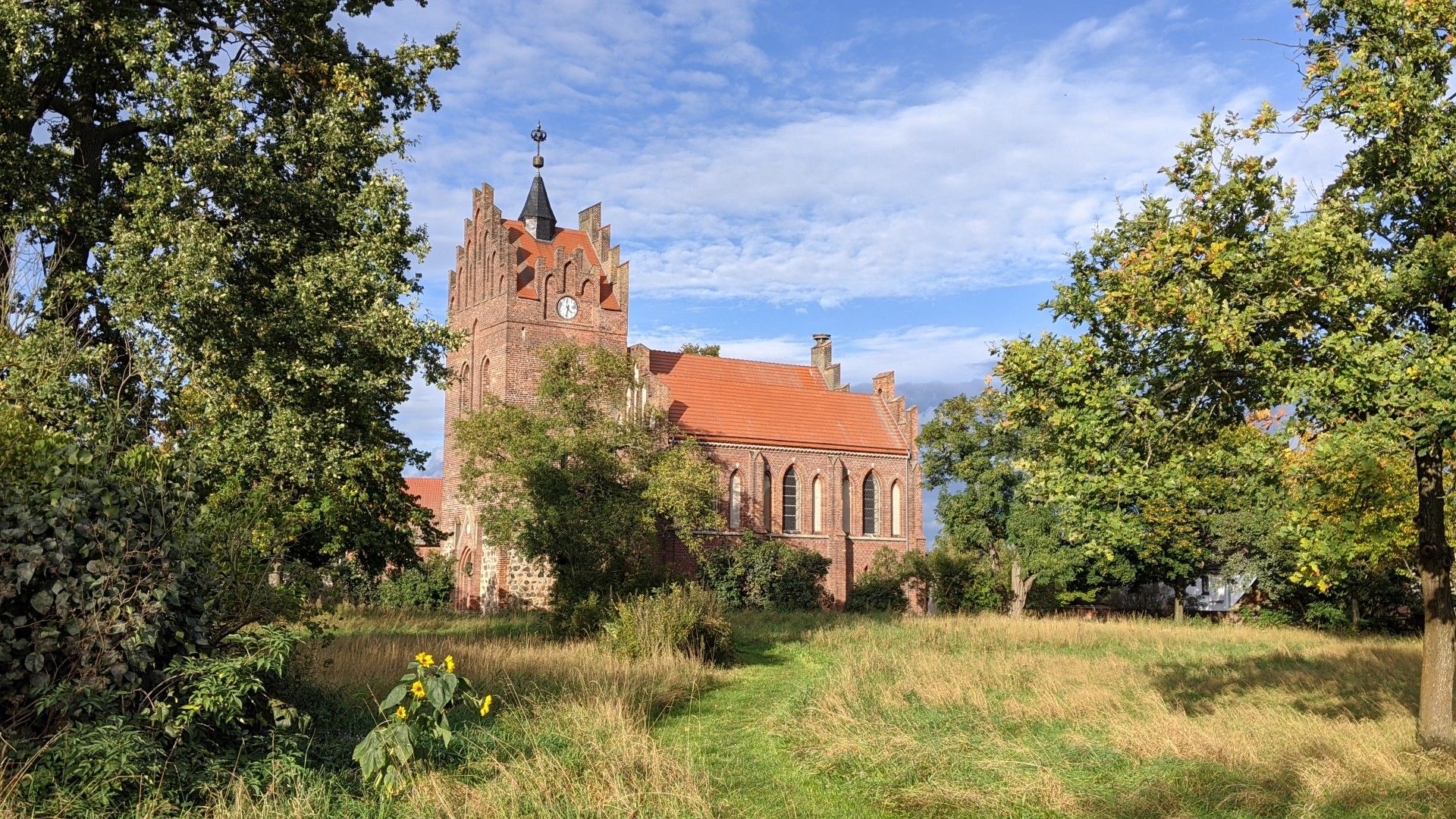
Pilgrimage route Berlin ► Bad Wilsnack ► Tangermünde
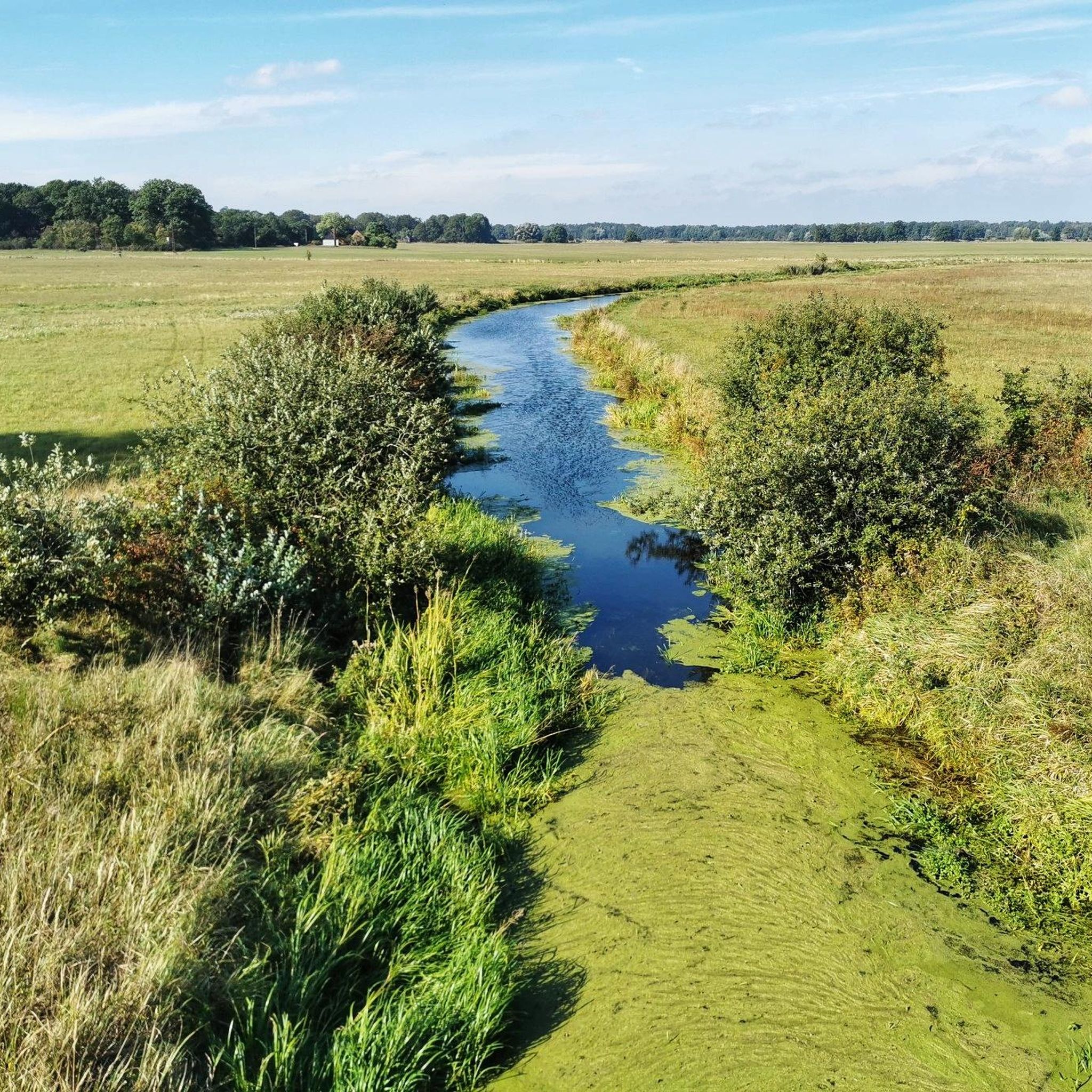
Cycling around Bad Wilsnack
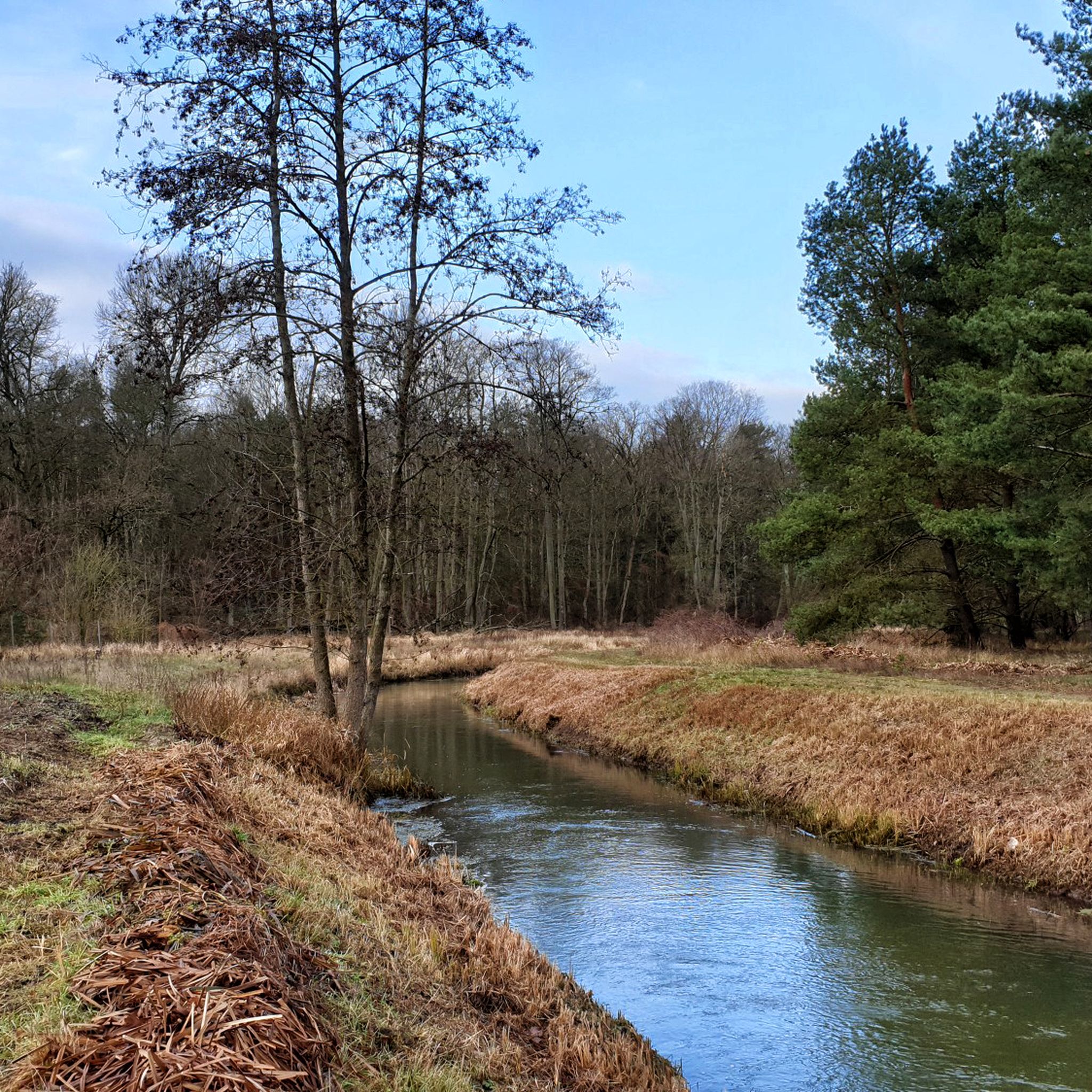
Hiking around Bad Wilsnack
Road Cycling Routes around Bad Wilsnack
MTB Trails around Bad Wilsnack
Running Trails around Bad Wilsnack
Gravel biking around Bad Wilsnack


Tips from the Community

What a beautifully restored manor house, Grube Castle.
0
0

Werben Castle was first mentioned in documents in 1005. The town was granted town rights in 1151. With just under 700 inhabitants in the core area, Werben is the smallest Hanseatic town in the world.
0
0

Nice little town with ferry
0
0
The castle is, despite later renovations, a classic baroque building.
0
0

The Plattenburg is one of the largest moated castles in northern Germany. The first complex was built here as a protective castle in the 12th century. Over the centuries it underwent repeated expansions and renovations. Last but not least, the income from the pilgrimage period allowed for a magnificent expansion. Various events take place here and the castle café is also open a few days a week. You can find further information and opening times here: https://www.die Plattenburg.com/.
4
0

There is only one castle coffee which is open from Thursday to Sunday. Below the castle there is another fish snack bar with the same opening hours. A full-fledged restaurant or brewery is m.W. not available anymore. For special events it may be different here...
4
0

The castle with its park, built in 1782, now houses a hotel, surrounded by a beautiful, natural meadow landscape with many cycling and hiking trails
6
0
The town of Werben can look back on more than 1000 years of history, which is idyllically located on the Elbe not far from the mouth of the Havel and is considered the smallest Hanseatic town in the world. With membership in the Hanseatic League, to which Werben had belonged since 1358, prosperity increased in the small town on the Elbe. St. John's Church, the Elbe Gate, remains of the city wall and the Salt Church still bear witness to this today. Cultural highlights are the Biedermeier summer and the Biedermeier Christmas market
1
0
Frequently Asked Questions
What are some of the most historically significant castles around Bad Wilsnack?
The region boasts several castles with deep historical roots. Plattenburg is one of the oldest preserved moated castles in Northern Germany, with origins dating back to the 12th century. While not a castle in the traditional sense, the Historic Old Town of Werben (Elbe) has a history stretching over 1000 years, including a former castle first mentioned in 1005. Schloss Demerthin, though a bit further afield, is a significant surviving Renaissance castle in Brandenburg.
Are there any castles that offer accommodation or dining options?
Yes, Grube Castle functions as a guesthouse with modern rooms and an à la carte restaurant. Rühstädt Castle also houses a hotel. At Plattenburg, you can find a castle café and the Burgkeller, which serves beer from its own brewery.
What outdoor activities can I combine with a castle visit near Bad Wilsnack?
The area around Bad Wilsnack is excellent for outdoor enthusiasts. You can enjoy various cycling routes, such as the 'Beautiful route through the forest – Plattenburg Castle loop' which takes you directly to Plattenburg. There are also easy hiking trails, like those around Bad Wilsnack itself, which can be explored before or after visiting a nearby castle. For more details on routes, check out the Cycling around Bad Wilsnack and Easy hikes around Bad Wilsnack guides.
Are there family-friendly castles to visit near Bad Wilsnack?
Many castles in the region offer family-friendly experiences. Plattenburg hosts various events that can be enjoyable for all ages. The Historic Old Town of Werben (Elbe), with its charming brick architecture and historical significance, is also a great family outing. Grube Castle and Rühstädt Castle are also noted as family-friendly destinations.
What is the best time to visit the castles around Bad Wilsnack?
The castles are generally enjoyable year-round. Spring and summer offer pleasant weather for exploring the grounds and combining visits with cycling or hiking. Many castles, like Plattenburg and Grube Castle, host cultural events, which are often scheduled during the warmer months. Autumn provides beautiful scenery with changing foliage, while winter visits can offer a quieter, more atmospheric experience, though some facilities might have reduced opening hours.
Can I go cycling to the castles from Bad Wilsnack?
Absolutely! The region is well-suited for cycling. Schloss Grube serves as an excellent starting point for bike tours to nearby towns like Bad Wilsnack, Wittenberge, and Havelberg. Rühstädt Castle is also surrounded by many cycling trails. You can find specific routes, including one to Plattenburg Castle, in the Cycling around Bad Wilsnack guide.
Are there hiking trails connecting to the castles?
Yes, the Plattenburgweg is a dedicated hiking trail that connects Bad Wilsnack with Plattenburg Castle, offering a scenic route for walkers. Additionally, Rühstädt Castle is set amidst a natural meadow landscape with many hiking trails. For more general hiking options in the area, explore the Easy hikes around Bad Wilsnack guide.
What do visitors particularly enjoy about the castles in this region?
Visitors appreciate the rich history and impressive architecture, especially the classic moated castle design of Plattenburg. The cultural events hosted at places like Grube Castle and Plattenburg are also a big draw. The picturesque settings and opportunities for combining castle visits with cycling and hiking in the surrounding nature are frequently highlighted by the komoot community.
Are there any 'hidden gems' or lesser-known historical sites worth exploring?
Beyond the main attractions, Schloss Grube is a charming historical site in the quiet village of Grube, offering a tranquil atmosphere and cultural events. Schloss Demerthin, a bit further out, is a notable surviving Renaissance castle. The Historic Old Town of Werben (Elbe), though well-known, offers a unique glimpse into Hanseatic history with its pretty brick architecture and is considered one of Germany's smallest towns.
How can I get to Plattenburg Castle using public transport?
While specific public transport routes can vary, local bus services often connect Bad Wilsnack with surrounding villages. It's advisable to check current bus schedules for routes to Plattenburg village, as direct connections might be limited. Alternatively, the Plattenburgweg hiking trail offers a scenic walk from Bad Wilsnack to the castle.
Are the castles around Bad Wilsnack accessible for visitors with wheelchairs?
Accessibility can vary significantly between historical sites. While some modern facilities at places like Schloss Grube and Rühstädt Castle may offer better access, older structures like Plattenburg, with its medieval origins, might have limitations due to stairs, uneven terrain, or narrow passages. It's recommended to contact the specific castle directly for detailed accessibility information before your visit.
Most popular routes around Bad Wilsnack
Most popular attractions around Bad Wilsnack

Get inspired with the komoot mobile app


Explore more
Looking for the best castles somewhere else? Discover other guides around Bad Wilsnack:
