Attractions and Places To See in Ruine Homburg - Top 20
Best attractions and places to see in Ruine Homburg, located in Saarland, Germany, center around the historic Hohenburg Castle ruins atop the 325-meter-high Schlossberg. This area offers a blend of historical sites and natural features, including Europe's largest red sandstone cave system directly beneath the castle. The region provides opportunities for exploring medieval history, enjoying panoramic views, and engaging in outdoor activities. Extensive excavation and partial restoration efforts have made the castle ruins a freely accessible site for visitors.
Best attractions and places to see in Ruine Homburg
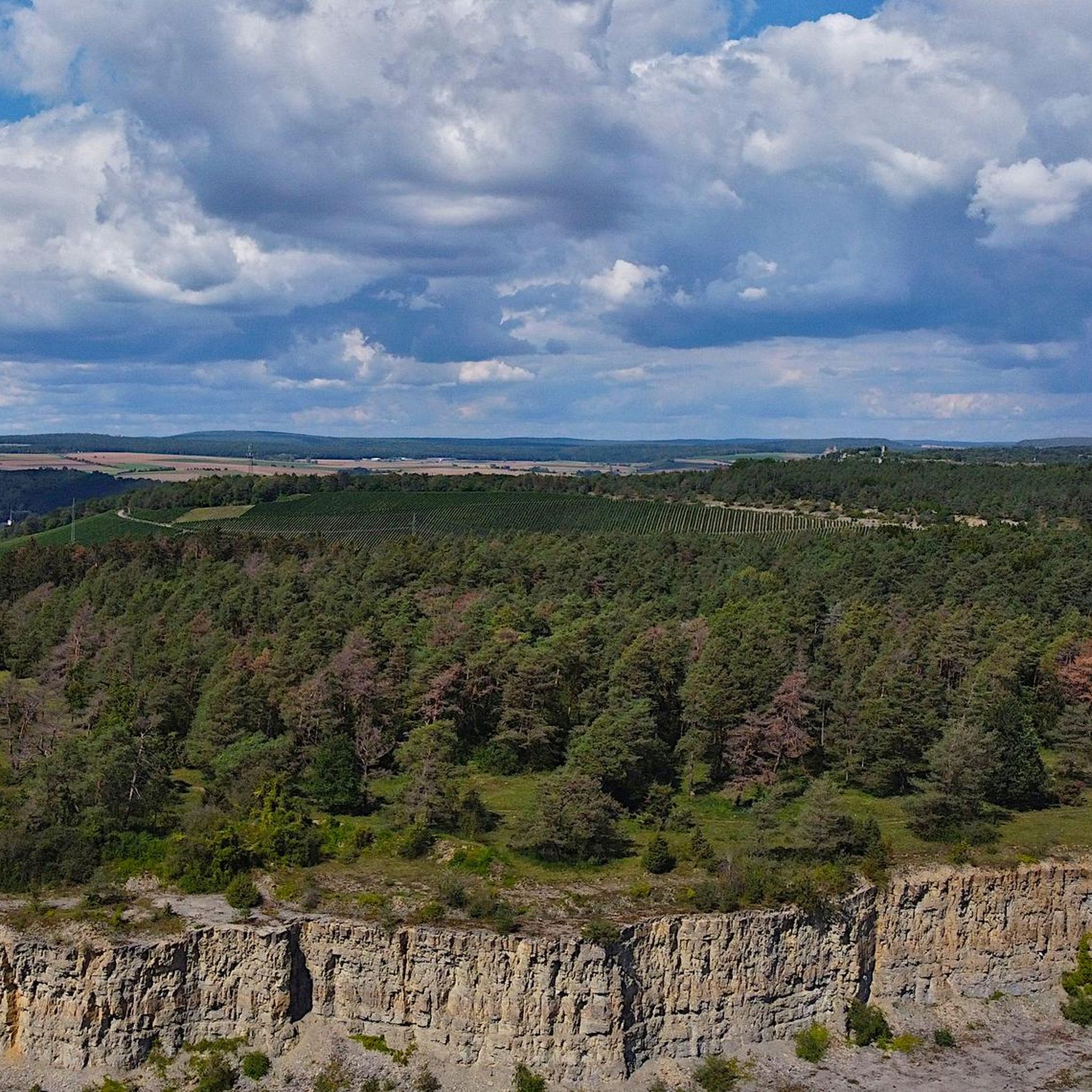
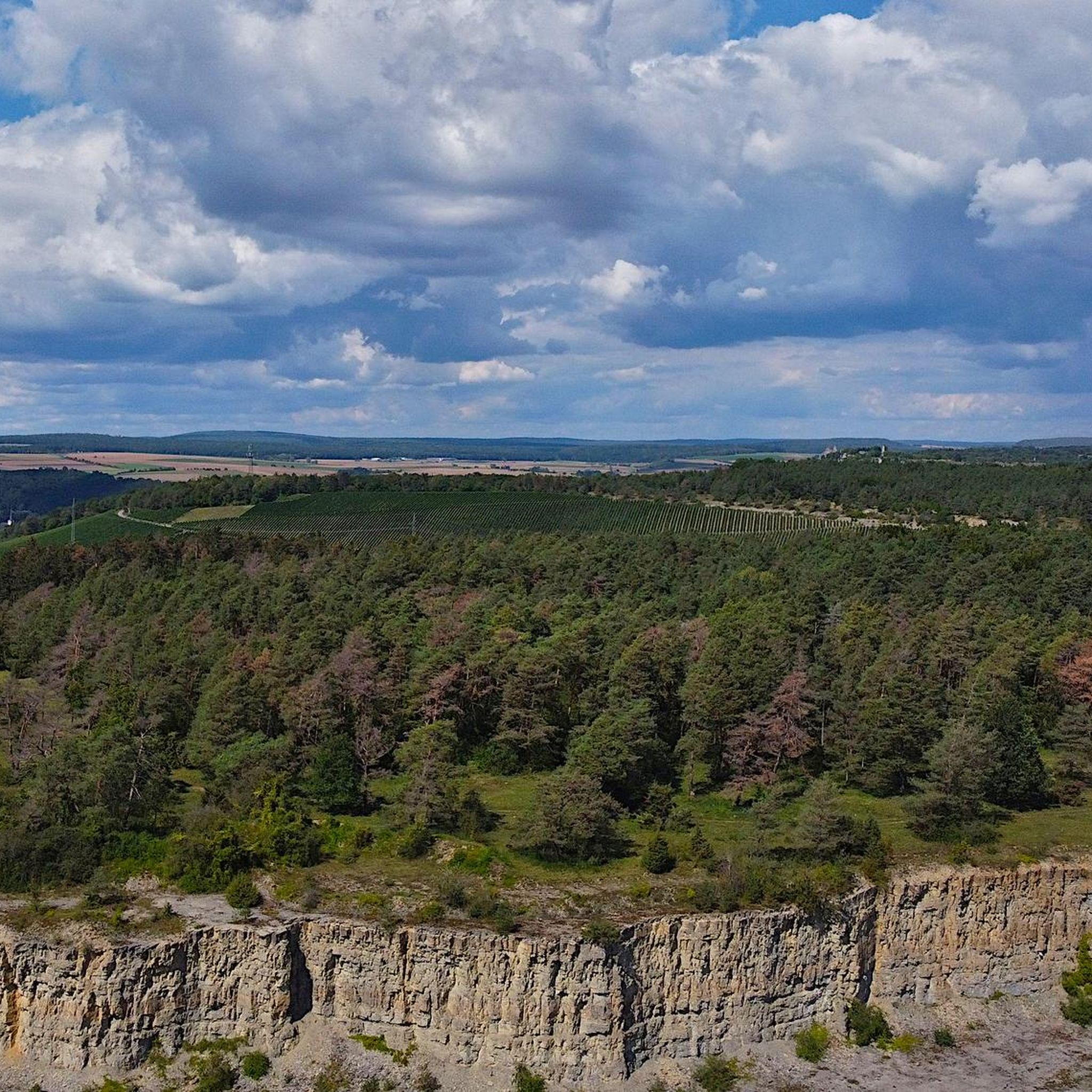
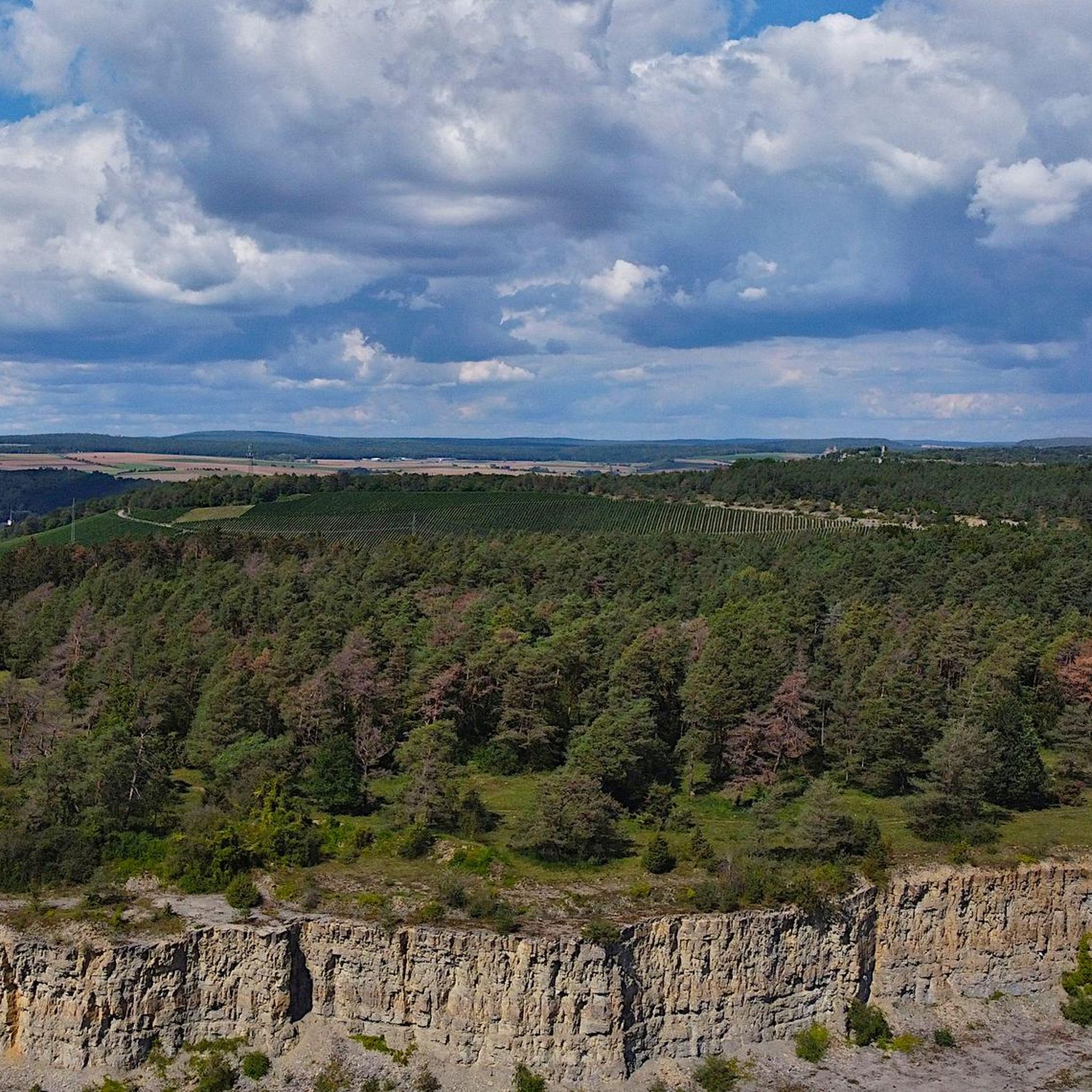
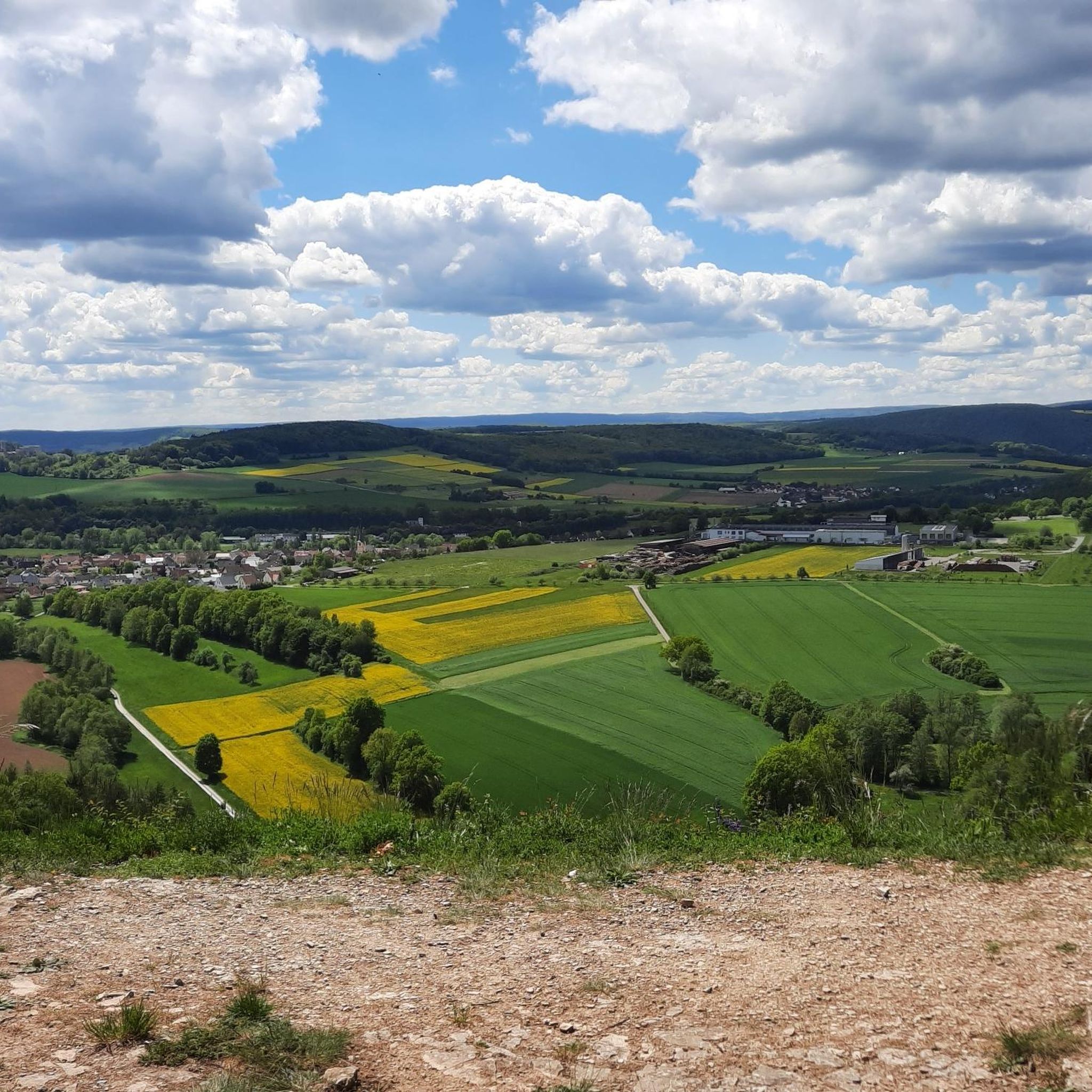
- The most popular attractions is Homburg Castle Ruins, a castle that has been continually renovated and offers good views of the surrounding area. It is considered one of the largest castle ruins in Franconia.
- Another must-see spot is Sunken lane to Homburg Castle Ruins, a trail that leads to the castle ruins. This route through a dense forest is recommended even in strong sunshine.
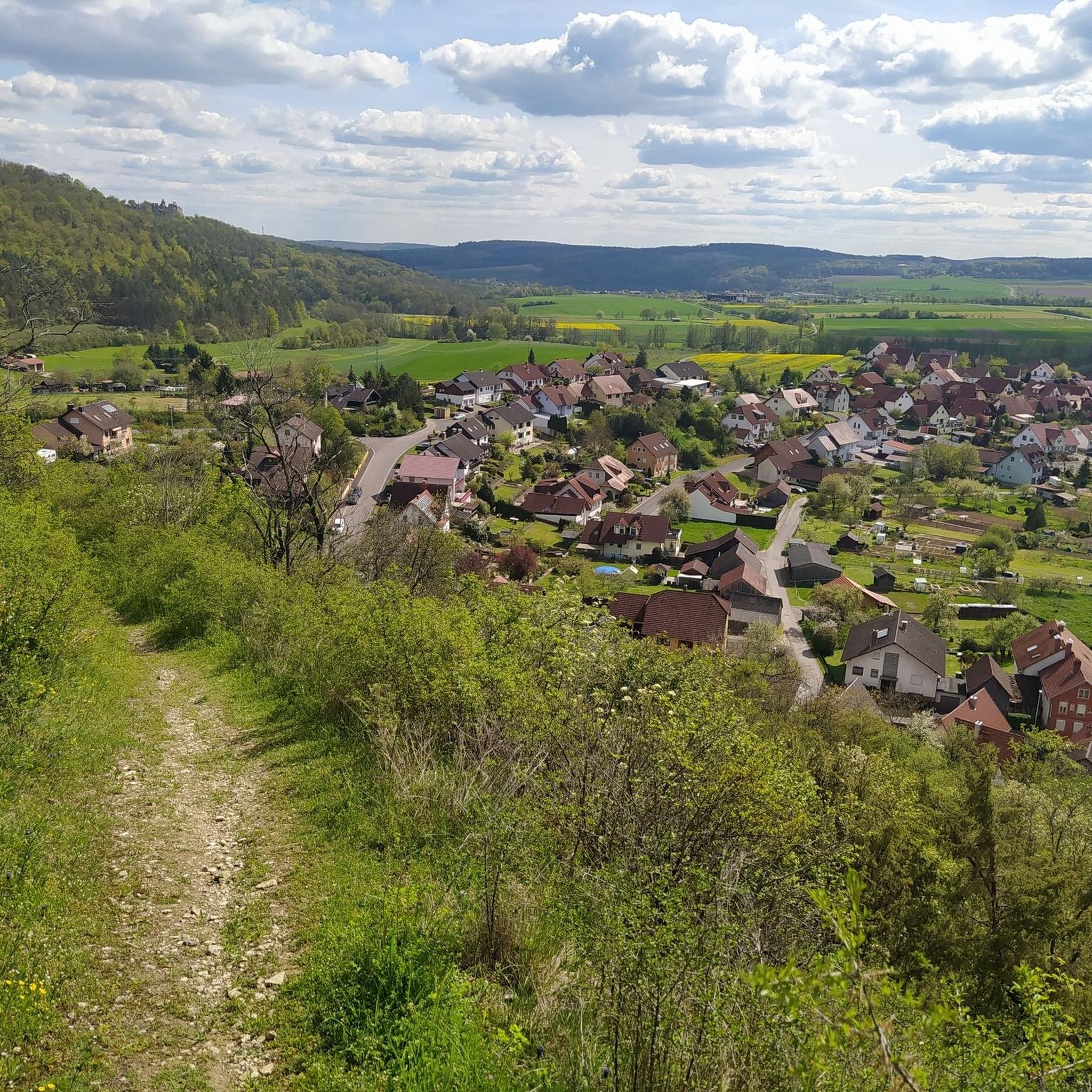
- Visitors also love Maria im Weinberg Chapel, a religious building located below the Homburg castle ruins. It offers a resting place and views over the nature and vineyards.
- Ruine Homburg is known for its historical castle ruins, religious sites, and scenic trails. The area provides a variety of attractions to see and explore, from ancient fortifications to natural springs.
- The attractions in Ruine Homburg are appreciated by the komoot community, with 451 upvotes and over 1100 photos shared by visitors.
Last updated: May 8, 2026
Homburg Castle Ruins
Highlight • Castle
Translated by Google •
Tip by

Maria im Weinberg Chapel
Highlight • Religious Site
Translated by Google •
Tip by

Sign up now to discover places like this
Get recommendations on the best single tracks, peaks, & plenty of other exciting outdoor places.
Sign up for free
Homburg Castle Ruins Nature Reserve
Highlight (Segment) • Castle
Translated by Google •
Tip by
Paragliding Launch Site at Ruine Homburg
Highlight • Viewpoint
The castle was built by the Lords of Homburg (also of Hohenburg) as ministerials of the Würzburg diocese. The first lord of the castle mentioned in a document was Dietrich von Hohenberg in 1170. According to tradition, the castle was founded between 1028 and 1031 by Reinhard von Hohenberg from Burg Adolphsbühl, a son of Arnold von Hohenstein, who emigrated from the Lahn to Franconia in 1008. However, this cannot be proven and was probably invented later.
The castle was in the border area of the diocese of Würzburg, the Counts of Rieneck, the Counts of Henneberg and the Imperial Abbey of Fulda. Between 1223 and 1225, the family provided a bishop of Würzburg, Dietrich von Homburg. Dietrich von Hohenberg died in 1381 as the last of his family without a male heir. This ended the Reinhard line. His daughter Christine and her husband Konrad IV von Bickenbach were the sole heirs of all Hohenberg property. Hohenburg thus fell to the House of Bickenbach, which had its seat at Clingenburg.
In 1469, all of the goods of the former Hohenberg estate were sold by the House of Bickenbach to the Bishopric of Würzburg in the form of Prince-Bishop Rudolf II von Scherenberg, Duke of Franconia. In 1492, Homburg became the official seat of the Homburg an der Werren district and received a bailiff.
The outer bailey with the Zwinger dates from the early Gothic period (around 1235) and was extended in the Zwinger area from 1470. In 1525, the castle survived the Peasants' War unscathed; but in 1680 there was a fire in the manor house. This marked the beginning of the gradual decay of the buildings.
Source: Wikipedia
Translated by Google •
Tip by

Eselsbrunnen Spring
Highlight • Natural Monument
Translated by Google •
Tip by
Sign up for free to discover even more attractions in Ruine Homburg.
Sign up for free
Already have an account?
Start today with a free account
Your next adventure awaits.
Login or Signup


Tips from the Community


A fountain that once supplied the Homburg ruins with water. It still provides good drinking water for refilling your bottle or bladder today. (When it actually has water.) ;-)
0
0

There are many plants to discover here, a lovely excursion around the castle ruins.
0
0

The castle ruins are always worth a visit, there is also a Homburg Festival.
4
0
A very beautiful chapel with the opportunity to take a rest, there are tables and benches. Beautiful view of the vineyards.
6
0

Donkey fountain The origin of the donkey fountain east of the Eselwasen cannot currently be proven historically. It is assumed that its source dates back to around 1600, but it is not known why it was built. Before that, drinking water was taken from the Kuhbach and transported by horse to the Hohenburg (later Homburg) in the cistern wells (limestone rock too hard for deep wells) of the castle. On April 26, 1525, the bailiff Trockau wrote to the Würzburg marshal that water was running out at the castle and that the horse riders were afraid of rebellious farmers when drawing water from the Kuhbach. No records have been found to date about the route the horses were used to transport the water and the reason for the switch to donkeys around 1600. The fountain's name came about because of the new method of transporting water, because donkeys had to carry containers filled with this water up to the Homburg's official residence. After a fire in the Homburg manor house (main building) on January 23, 1680, the proud castle gradually fell into disrepair. In 1732, the last official cellarer of the castle, bailiff Mohr, moved the headquarters of the official cellar to the Sachsenheim district court, which had been newly built in 1731. The use of the well for the castle's drinking water ended after around 130 years and still refreshes weary hikers today. From here, the original donkey path led behind the mountain mill, below the former castle vineyards to the western ridge and along the last vineyards over the Hohe Setz up to the southern gate of the Homburg. Due to the deterioration of the path, it was eventually abandoned. A new donkey path was created (to the right up through the Herrenhölzl/"Herrnhölzle", to the left up over the Brunnleite, the eastern edge of the then completely bare slope "Kahl" or "Schüüd" of the Setzberg, to the eastern gate of the Homburg) Source: Information board at the site
1
0
The Homburg (also Homburg o.d. Wern, formerly Hohenberg o.d. Wern) is the ruin of a hilltop castle at 300 m above sea level near Gössenheim in the Lower Franconian district of Main-Spessart. It is considered one of the largest castle ruins in Franconia. The castle was built by the Lords of Homburg (also of Hohenburg) as ministerials of the Würzburg diocese. The first lord of the castle mentioned in documents was Dietrich von Hohenberg in 1170. According to tradition, the castle was founded between 1028 and 1031 by Reinhard von Hohenberg from Burg Adolphsbühl, a son of Arnold von Hohenstein, who emigrated from the Lahn to Franconia in 1008. However, this cannot be proven and was probably invented later. The castle was located in the border area of the Bishopric of Würzburg, the Counts of Rieneck, the Counts of Henneberg and the Imperial Abbey of Fulda. Between 1223 and 1225, the family provided a bishop of Würzburg, Dietrich von Homburg. Dietrich von Hohenberg died in 1381 as the last of his family without a male heir. This ended the Reinhard line. His daughter Christine and her husband Konrad IV von Bickenbach were the sole heirs of all Hohenberg property. Hohenburg thus fell to the House of Bickenbach, which had its seat at Clingenburg. All of the goods of the former Hohenberg estate were sold in 1469 by the House of Bickenbach to the Bishopric of Würzburg in the form of Prince-Bishop Rudolf II von Scherenberg, Duke of Franconia. In 1492, Homburg became the official seat of the Homburg an der Werren district and received a bailiff. The outer bailey with the Zwinger dates from the early Gothic period (around 1235) and was extended in the Zwinger area from 1470 onwards. In 1525 the castle survived the Peasants' War unscathed; but in 1680 there was a fire in the manor house. This marked the beginning of the gradual decay of the buildings. Source: Wikipedia
3
0
Frequently Asked Questions
What historical sites can I explore in Ruine Homburg?
The primary historical site is the Homburg Castle Ruins, also known as Hohenburg Castle. This site was once the seat of the Counts of Homburg and later expanded into a fortress. Beneath the castle, you can explore the Schlossberg Caves, Europe's largest red sandstone cave system, which were originally medieval mining tunnels. Additionally, the Maria im Weinberg Chapel offers a glimpse into the region's religious heritage.
Are there hiking trails around Ruine Homburg?
Yes, the area around Ruine Homburg is excellent for hiking. The Trail to Ruine Homburg is a popular option, described as a beautiful path that is easy to navigate. You can find various routes, including easy hikes like the 'Kneipp facility at Kuhbach – Homburg Castle Ruins loop' or 'Maria im Weinberg Chapel – Kneipp facility at Kuhbach loop'. For more options, explore the Hiking in Ruine Homburg guide.
What natural features and viewpoints are there near Homburg Castle Ruins?
The Homburg Castle Ruins themselves offer good views of the surrounding area, situated atop the 325-meter-high Schlossberg. The landscape around the castle is under nature protection, featuring dry grasslands. The Maria im Weinberg Chapel also provides a wonderful view over nature and vineyards. For a unique perspective, the Paragliding Launch Site at Ruine Homburg offers panoramic vistas, even if you're not paragliding. You can also visit the historic Eselsbrunnen Spring, a beautifully worked sandstone fountain.
What is the best time of year to visit Ruine Homburg?
While the castle ruins are freely accessible year-round, spring is particularly noted for the flowering pasque flowers and spring Adonis in the surrounding dry grassland landscape. Weekdays are generally less crowded than weekends and holidays, offering a more peaceful experience, especially at spots like the Maria im Weinberg Chapel.
Are there family-friendly activities in the Ruine Homburg area?
Yes, the historical sites and natural surroundings offer several family-friendly options. Exploring the Homburg Castle Ruins and the Schlossberg Caves can be an engaging historical adventure for all ages. Gentle hikes, such as those found in the Easy hikes in Ruine Homburg guide, are suitable for families. The Maria im Weinberg Chapel also serves as a pleasant resting spot during family outings.
What do visitors enjoy most about Ruine Homburg?
Visitors frequently praise the impressive size and historical significance of the Homburg Castle Ruins, often noting the good views from various points. The surrounding nature-protected landscape, especially with spring flowers, is also highly appreciated. The trails, like the Trail to Ruine Homburg, are described as beautiful and enjoyable for both hiking and cycling.
Can I find places to eat or stay near Ruine Homburg?
While specific cafes or accommodations are not detailed in the provided data, the region research mentions the Old Town of Homburg, which dates back to the 17th century, as a place worth visiting for its historical charm. It is likely that you would find dining options and places to stay within Homburg town itself, which is close to the castle ruins.
What is the significance of the Eselsbrunnen Spring?
The Eselsbrunnen Spring, or Donkey Fountain, is a historical site with origins believed to be around 1600. It played a crucial role in supplying water to the Hohenburg (later Homburg) castle. Its name comes from the donkeys used to transport water from the spring up to the castle. Today, it serves as a refreshing stop for hikers.
Are there opportunities for road cycling in the Ruine Homburg area?
Yes, the region offers road cycling opportunities. You can find various routes, such as the 'Schloss Mühlbach – View of Karlsburg Castle ruins loop' or the 'Harrbach Dam loop'. These routes typically range from moderate difficulty. For detailed cycling paths, refer to the Road Cycling Routes in Ruine Homburg guide.
Is there a Roman Museum in Homburg?
Yes, Homburg boasts a Roman Museum. It is built on part of an ancient Roman trading city founded by Emperor Augustus. The museum features excavations of Roman buildings, allowing visitors to explore the world of the Romans and learn about the region's ancient history.
What is the 'Cultural Park Homburg'?
The Cultural Park Homburg is an area that highlights the region's rich past. It includes the ruins of the Vauban fortress Homburg, Karlsberg Castle, and the monastery Wörschweiler, among other historical sites. It serves as a reminder of the diverse history and cultural heritage of the Homburg area.
Most popular routes in Ruine Homburg
Most popular attractions in Ruine Homburg

Get inspired with the komoot mobile app


Explore more
Still not found the Highlight you’re looking for? See guides of the top attractions in other regions:
