Attractions and Places To See in Weideswiesen-Oberwald Bei Erlensee - Top 7
Best attractions and places to see in Weideswiesen-Oberwald Bei Erlensee center around its significant nature reserve, a 157-hectare area in the Kinzig River floodplains. This region is characterized by diverse natural landscapes, including grasslands, wet meadows, and floodplain forests. It serves as a vital habitat for various bird species and is known for its grazing water buffalo, which contribute to the unique ecosystem. The area also features historical mills and remnants of Roman history, offering a blend of natural and…
Last updated: September 25, 2026
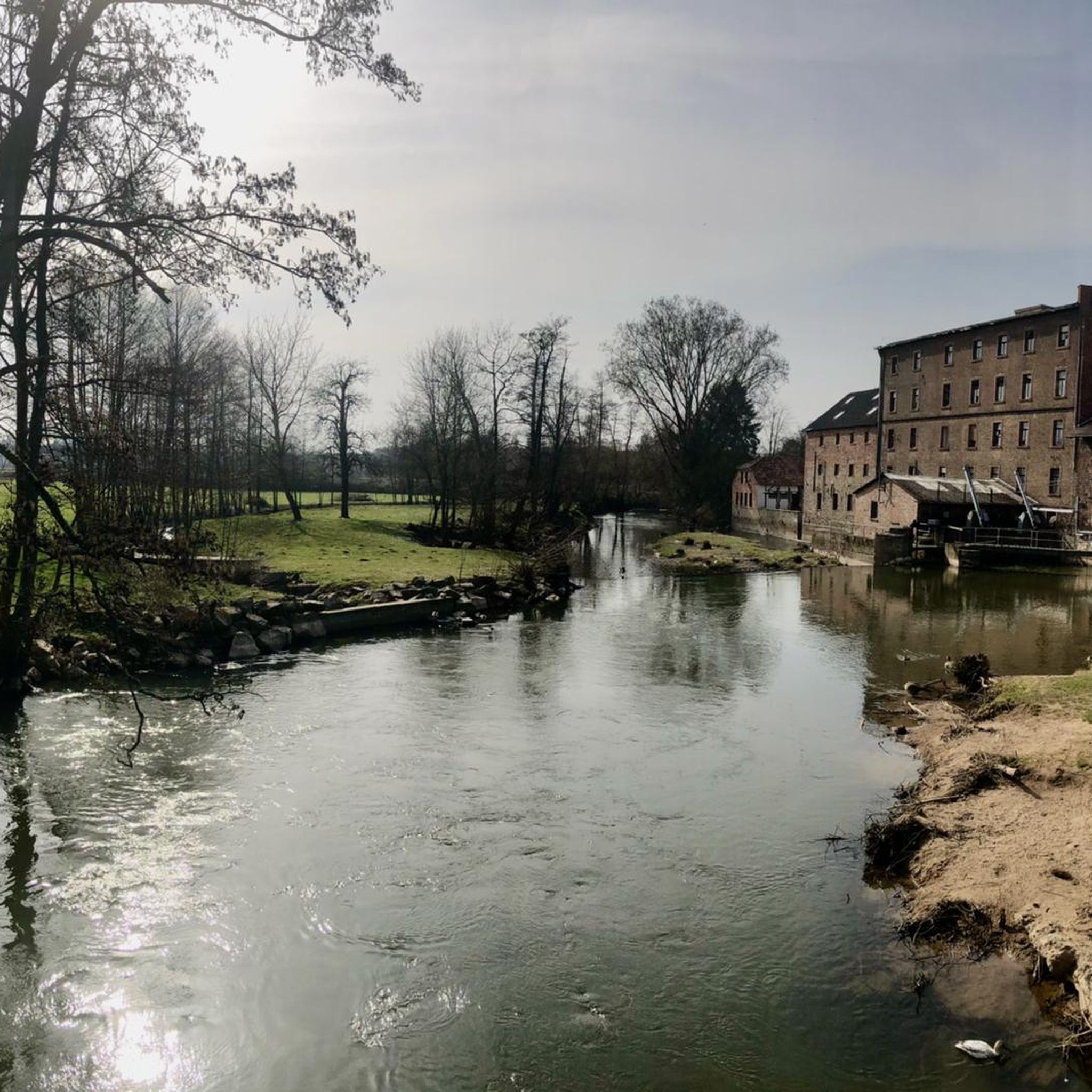
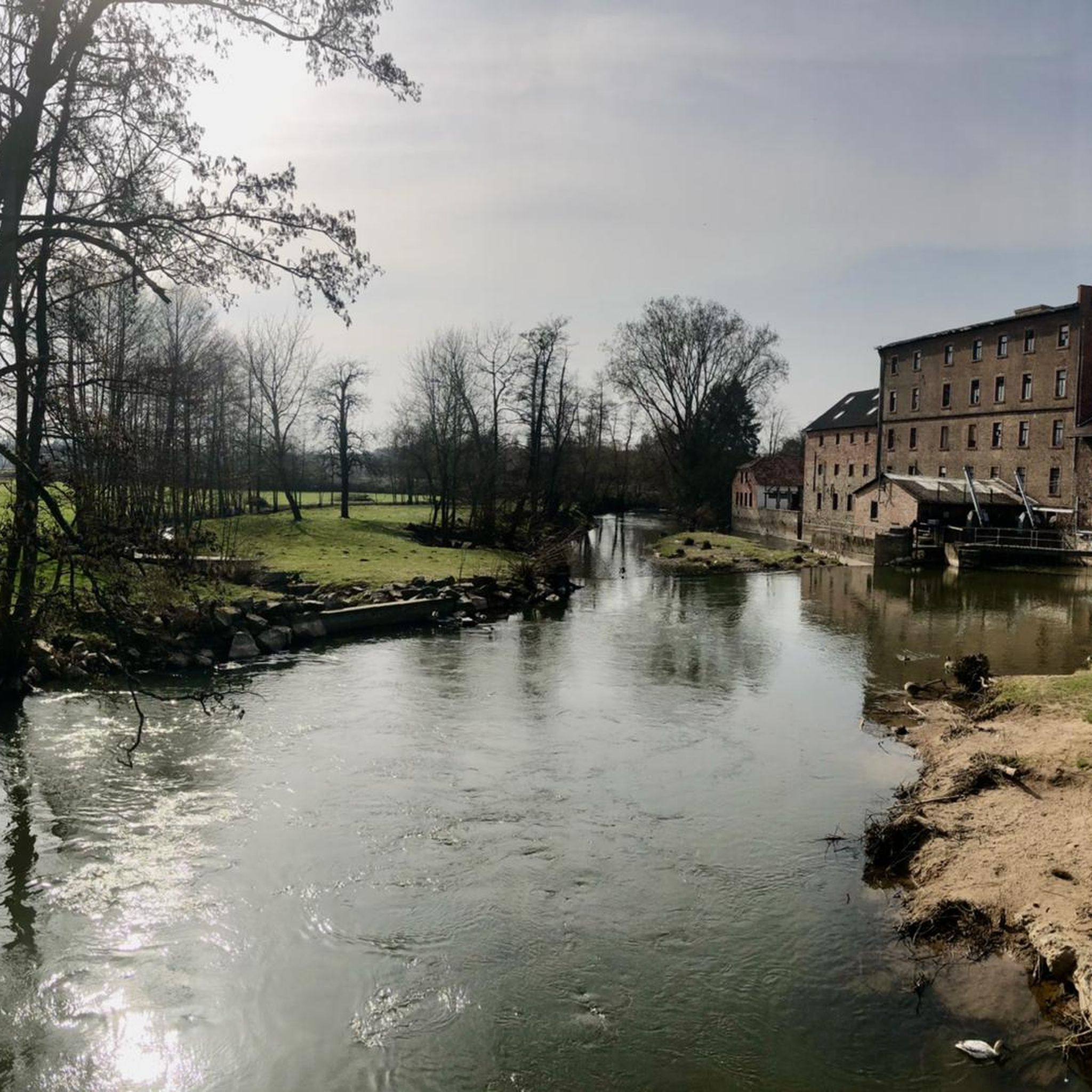
Rückinger Mill
Highlight • Structure
geschichte-erlensee.de/index2.html?neuzeit/muehle/muehle.html
Translated by Google •
Tip by

Water Buffalo Pasture, Weideswiesen-Oberwald near Erlensee
Highlight • Natural
Translated by Google •
Tip by

Sign up now to discover places like this
Get recommendations on the best single tracks, peaks, & plenty of other exciting outdoor places.
Highland cattle at Weideswiesen-Oberwald
Highlight • Natural
Translated by Google •
Tip by

Erlensee Watermill
Highlight • Monument
Translated by Google •
Tip by

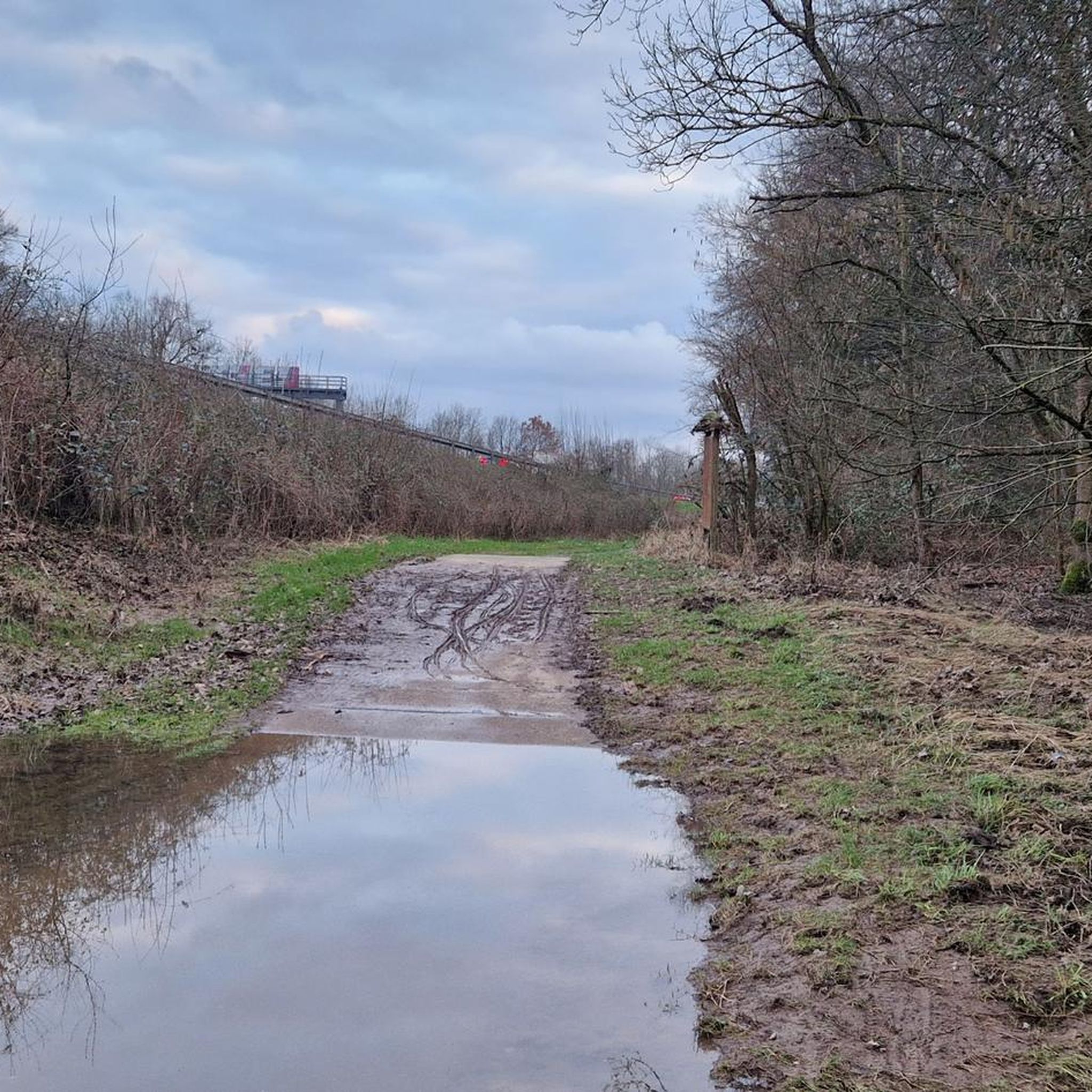
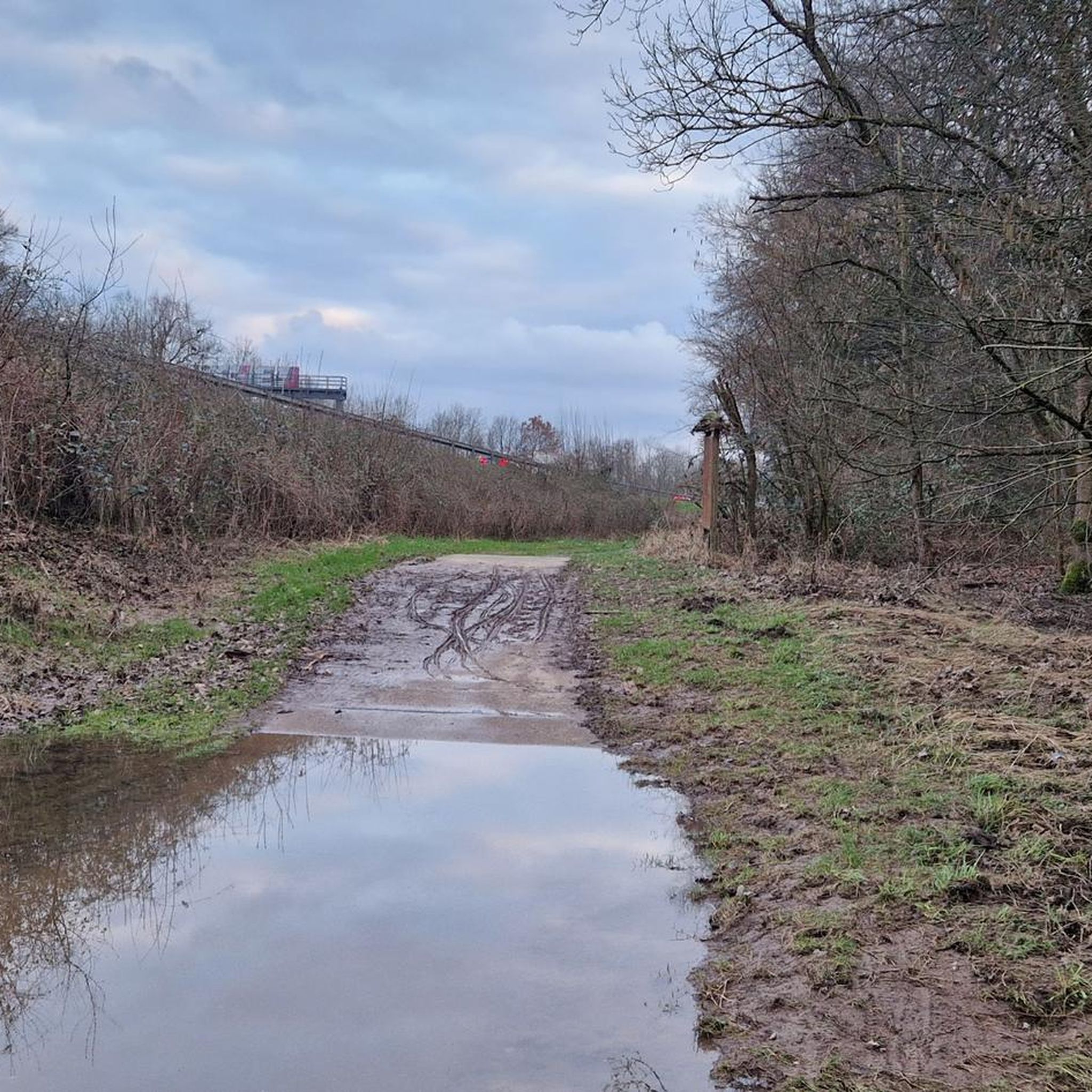
View of the Weideswiesen‑Oberwald meadows
Highlight • Viewpoint
Translated by Google •
Tip by

Sign up for free to discover even more attractions in Weideswiesen-Oberwald Bei Erlensee.
Already have an account?
Start today with a free account
Your next adventure awaits.
Popular around Weideswiesen-Oberwald Bei Erlensee

Tips from the Community

Origins and Early Modern Period 14th century: Probable origin and construction of the first mill on the Kinzig. 1667: First secure documentary mention, granted to the miller Hans Georg Krembs. 18th century: Expansion to include an oil and millet mill and later a snuff mill.
0
0
The history of the Rückinger Mühle dates back to the 14th century. The most important milestones include: the documented mention in 1667, its operation as a grist mill for the flour brand „Kinzigstolz“ until a major fire in 1959, and the conversion to green electricity generation using Francis shaft turbines in 1961. (Note: The abbreviation „KI“ has no historical significance in the history of this mill; in the modern context, „NaTourHuKi“ simply stands for a nature and culture project on the Kinzig).
0
0


The highland cattle with their “shaggy” coat are easy to distinguish from the water buffalo.
1
0

A nice quiet place for a break
0
0
The “ Rückinger Mühle” located directly on the Kinzig, near the “Old Kinzig Bridge” has existed since at least the 17th century. Grain was ground here until the big fire in 1959.
3
0

Beautiful old mill on the Kinzig 😍
5
0

Here you can wonderfully watch the water buffalo. Sometimes they can also be in another area in the Weideswiesen-Oberwald near Erlensee.
2
0
Frequently Asked Questions
What natural features and wildlife can I expect to see in Weideswiesen-Oberwald Bei Erlensee?
The region is dominated by the 157-hectare Weideswiesen-Oberwald Nature Reserve, characterized by the semi-natural Kinzig River, extensive grasslands, wet meadows, and floodplain forests. You can observe diverse bird species, including Canadian geese, white storks, and grey herons. Since 2011, water buffalo graze in the reserve, and rare species like the Dusky Large Blue butterfly and European beaver also call this area home.
Are there opportunities for hiking and cycling in the Weideswiesen-Oberwald area?
Yes, the area offers numerous trails for both hiking and cycling. A 3 km circular path provides views over the nature reserve. For cycling, the Kinzig Cycle Route is a popular option. You can find various routes for different sports, including road cycling, mountain biking, and gravel biking, on the Cycling in Weideswiesen-Oberwald Bei Erlensee guide.
What historical sites or landmarks are there to explore?
You can visit the Rückinger Mill, an old mill with a history dating back to 1667, which now generates green electricity. Another point of interest is the Erlensee Watermill, a man-made monument by the Kinzig River where you can often spot ducks and nutrias.
Is Weideswiesen-Oberwald Bei Erlensee suitable for families with children?
Absolutely. The region is very family-friendly. Children will enjoy observing the water buffalo from the viewing platform at the Water Buffalo Pasture. The mills, like Rückinger Mill and Erlensee Watermill, also offer interesting sights and opportunities to see ducks and nutrias. Many trails are suitable for family walks.
Can I observe water buffalo in the region?
Yes, water buffalo graze in the Weideswiesen-Oberwald Nature Reserve. They play a crucial role in biotope maintenance and are a unique attraction. Visitors can observe them from a specially constructed viewing platform. Their annual movement in spring and autumn is a popular event.
What is the best time of year to visit Weideswiesen-Oberwald Bei Erlensee?
The spring is particularly interesting when the Kinzig River regularly floods the Weideswiesen, transforming it into a lake landscape that attracts numerous water and marsh birds. The annual movement of the water buffalo in spring and autumn is also a popular event. Generally, spring through autumn offers pleasant conditions for outdoor activities and wildlife observation.
Are there any specific rules or tips for visiting the nature reserve?
To protect the sensitive ecosystem and wildlife, visitors are encouraged to stay on marked paths. Dogs should be kept on a leash to avoid disturbing wildlife and grazing animals. Camping and making fires are strictly prohibited within the nature reserve.
What kind of birds can be spotted in the nature reserve?
The reserve is a significant habitat for various bird species. You can spot Canadian geese, greylag geese, common mergansers, common teals, white storks, grey herons, and great egrets. During spring floods, the area becomes a haven for numerous water and marsh birds.
Are there easy walking trails for beginners or casual strolls?
Yes, there are several easy walking trails. For example, the 'Evangelical Church, Rückingen loop' and the 'Rückinger Mill – Wooden bridge over the Kinzig River loop' are both rated as easy and are great for casual strolls. You can find more options on the Hiking in Weideswiesen-Oberwald Bei Erlensee guide.
What do visitors enjoy most about Weideswiesen-Oberwald Bei Erlensee?
Visitors particularly appreciate the unique opportunity to observe water buffalo in their natural habitat and the diverse birdlife. The historical mills, like Rückinger Mill, and the scenic Kinzig River also receive high praise. The peaceful natural environment and the variety of hiking and cycling routes are also frequently highlighted.
Can I access the area by public transport, or is parking available?
While specific public transport details are not provided, the area is generally accessible. For those arriving by car, parking is typically available near trailheads or key attractions. It's advisable to check local information for the most convenient parking options.
Are there any viewpoints in the region?
Yes, there is a specially constructed viewing platform at the Water Buffalo Pasture, Weideswiesen-Oberwald near Erlensee, which offers excellent views of the grazing buffalo and the surrounding natural area. Additionally, a 3 km circular path around the nature reserve provides various scenic overlooks.
Most popular routes in Weideswiesen-Oberwald Bei Erlensee

Get inspired with the komoot mobile app


Explore more
Still not found the Highlight you’re looking for? See guides of the top attractions in other regions:
