Gipskarstlandschaft Questenberg
Gipskarstlandschaft Questenberg
Attractions and Places To See in Gipskarstlandschaft Questenberg - Top 20
Best attractions and places to see in Gipskarstlandschaft Questenberg include unique natural formations, historical landmarks, and cultural highlights. This region, part of the Biosphere Reserve Karstlandschaft Südharz, is recognized as Europe's most significant gypsum karst area. It is characterized by numerous karst phenomena, such as sinkholes, dolines, and episodic lakes. The landscape offers a blend of geological wonders and historical sites for visitors to explore.
Best attractions and places to see in Gipskarstlandschaft Questenberg
- The most popular attractions is The Quest of Questenberg (HWN 212), a man-made monument and natural monument that is a significant landmark associated with local legends and the traditional Questenfest. From its elevated position, it provides a wonderful view of Questenberg village and the surrounding orchards.
- Another must-see spot is Scenic View Hainrode (HWN 210), a viewpoint offering one of the most impressive panoramas in the region. Visitors can expect views sweeping over the foothills of the southern Harz to the Kyffhäuser.
- Visitors also love Farmer's ditch (episodic lake) (HWN 213), an episodic lake that occasionally fills with water. This depression is approximately 400 meters long and 150 meters wide, known for its irregular appearance as a temporary lake.
- Gipskarstlandschaft Questenberg is known for its natural karst formations, historical landmarks, and cultural sites. The region offers a variety of attractions to see and explore, from geological wonders to traditional village settings.
- The attractions in Gipskarstlandschaft Questenberg are appreciated by the komoot community, with over 1000 upvotes and 1700 photos contributed by visitors.
Last updated: July 5, 2026
The Quest of Questenberg (HWN 212)
Highlight • Monument
Translated by Google •
Tip by

Farmer's ditch (episodic lake) (HWN 213)
Highlight • Lake
Translated by Google •
Tip by

Sign up now to discover places like this
Get recommendations on the best single tracks, peaks, & plenty of other exciting outdoor places.
Sign up for free
Harz karst hiking trail
Highlight (Segment) • Lake
Translated by Google •
Tip by

Questenberg Glacial Potholes
Highlight • Natural Monument
Translated by Google •
Tip by

Scenic View Hainrode (HWN 210)
Highlight • Viewpoint
Translated by Google •
Tip by

Sign up for free to discover even more attractions in Gipskarstlandschaft Questenberg.
Sign up for free
Already have an account?
Start today with a free account
Your next adventure awaits.
Login or Signup
Popular around Gipskarstlandschaft Questenberg
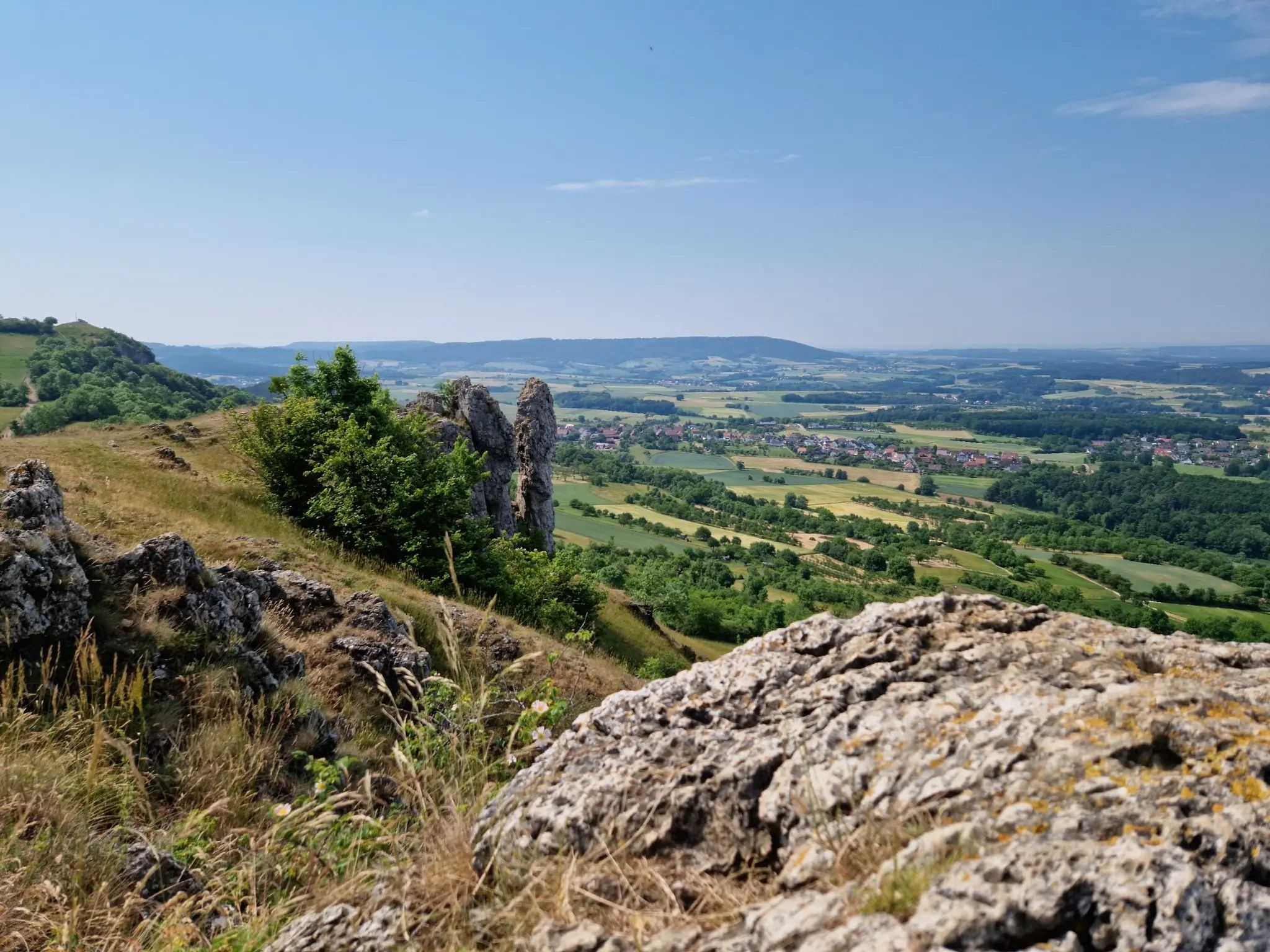
Ten fantastic hikes throughout Germany
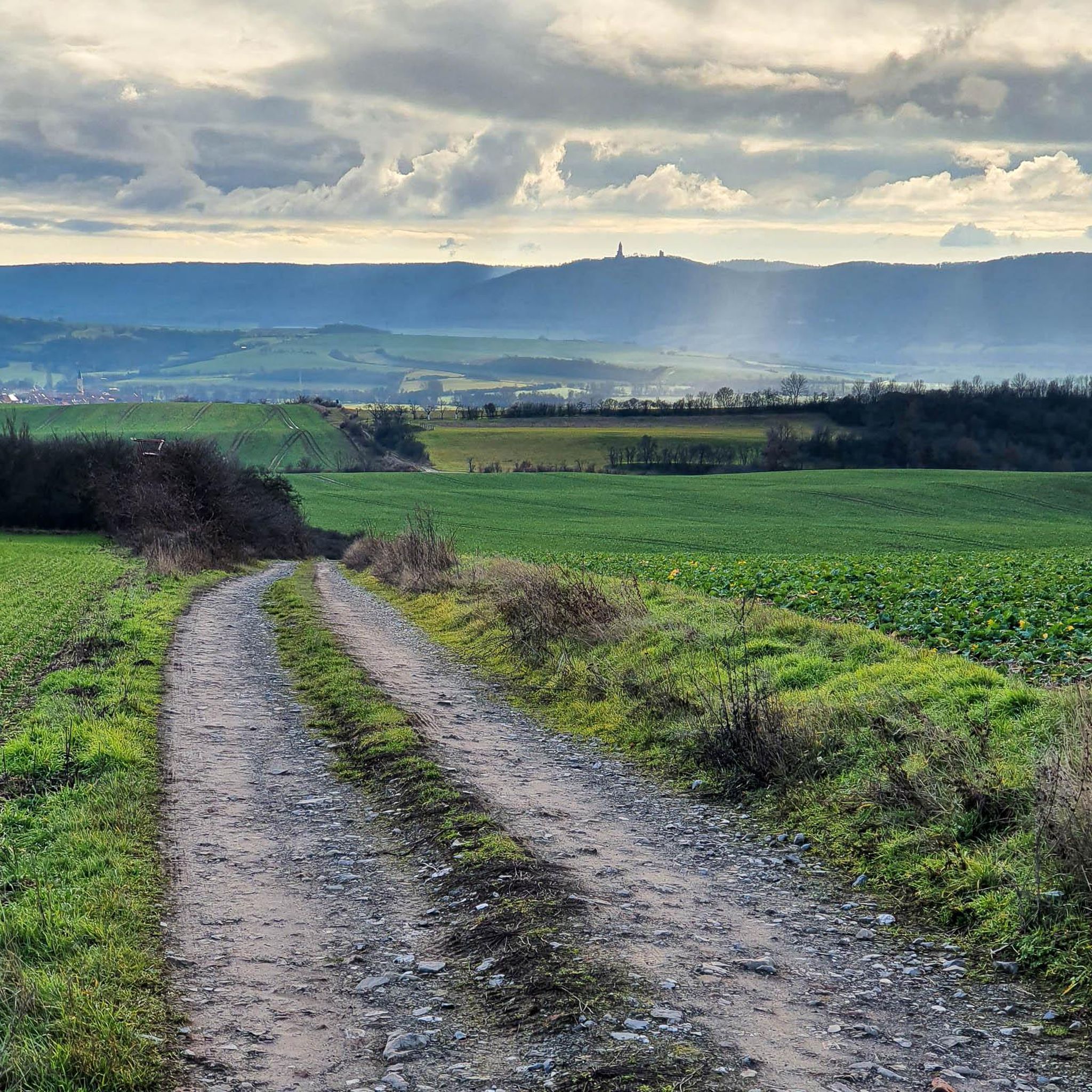
Hiking in Gipskarstlandschaft Questenberg
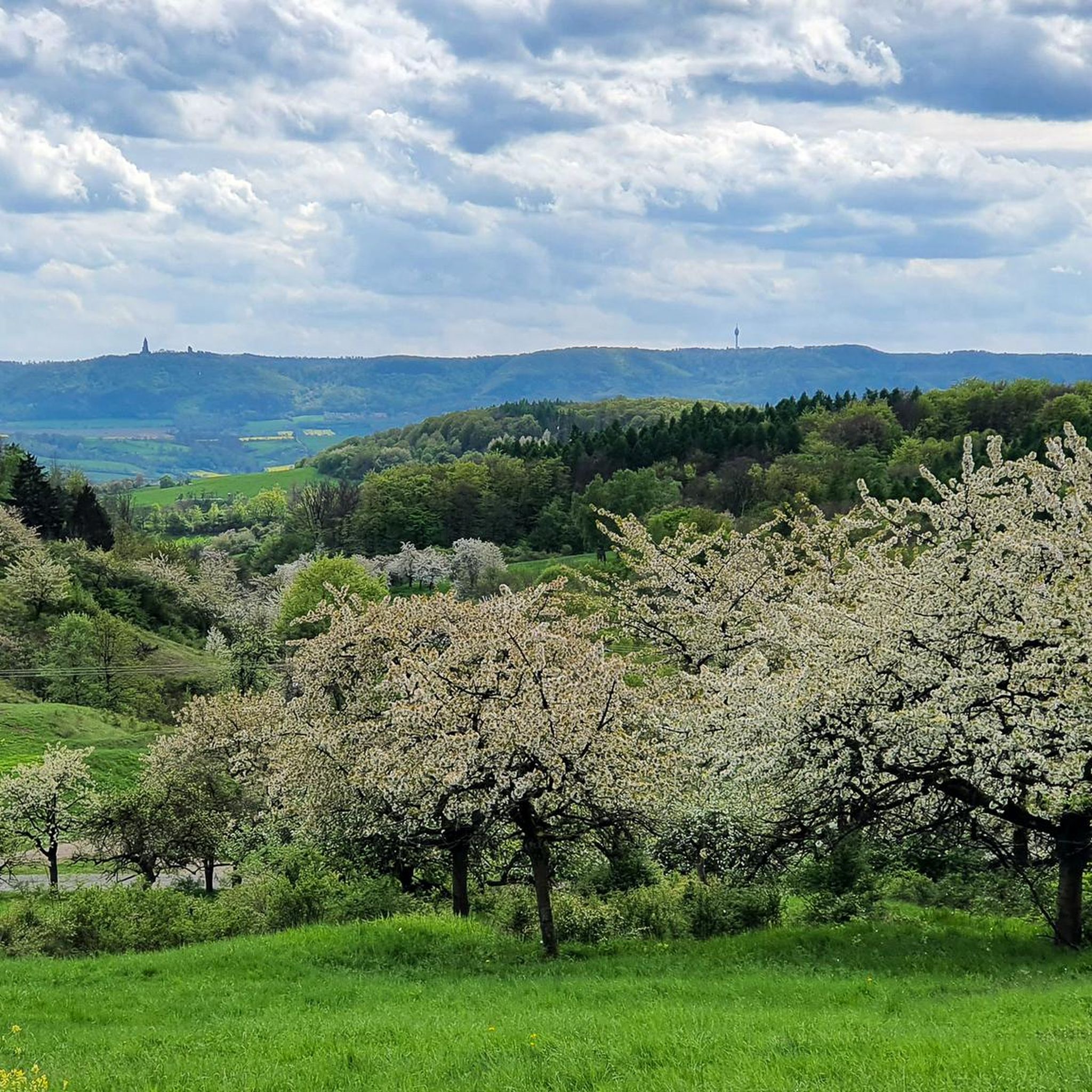
Cycling in Gipskarstlandschaft Questenberg
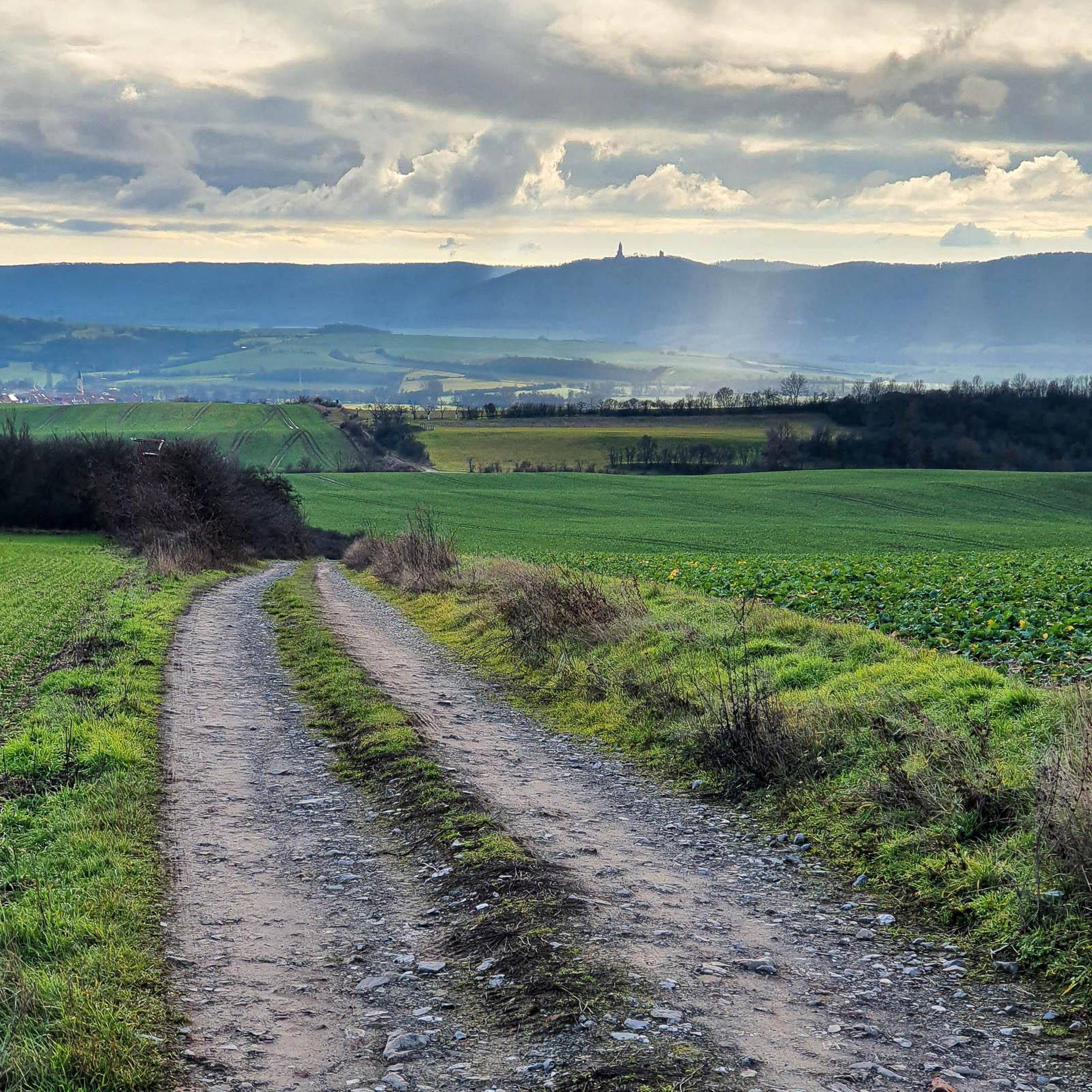
Road Cycling Routes in Gipskarstlandschaft Questenberg
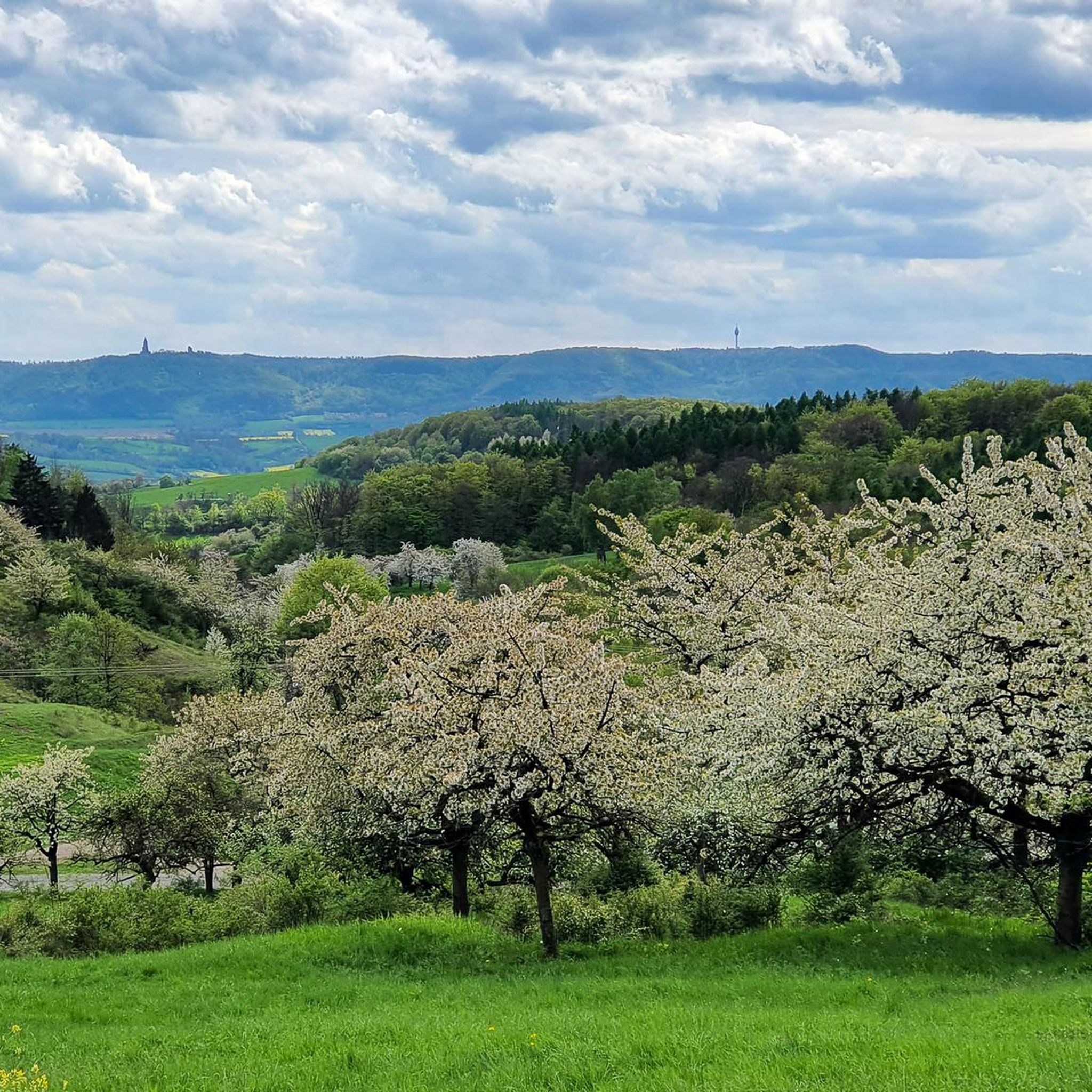
Running Trails in Gipskarstlandschaft Questenberg
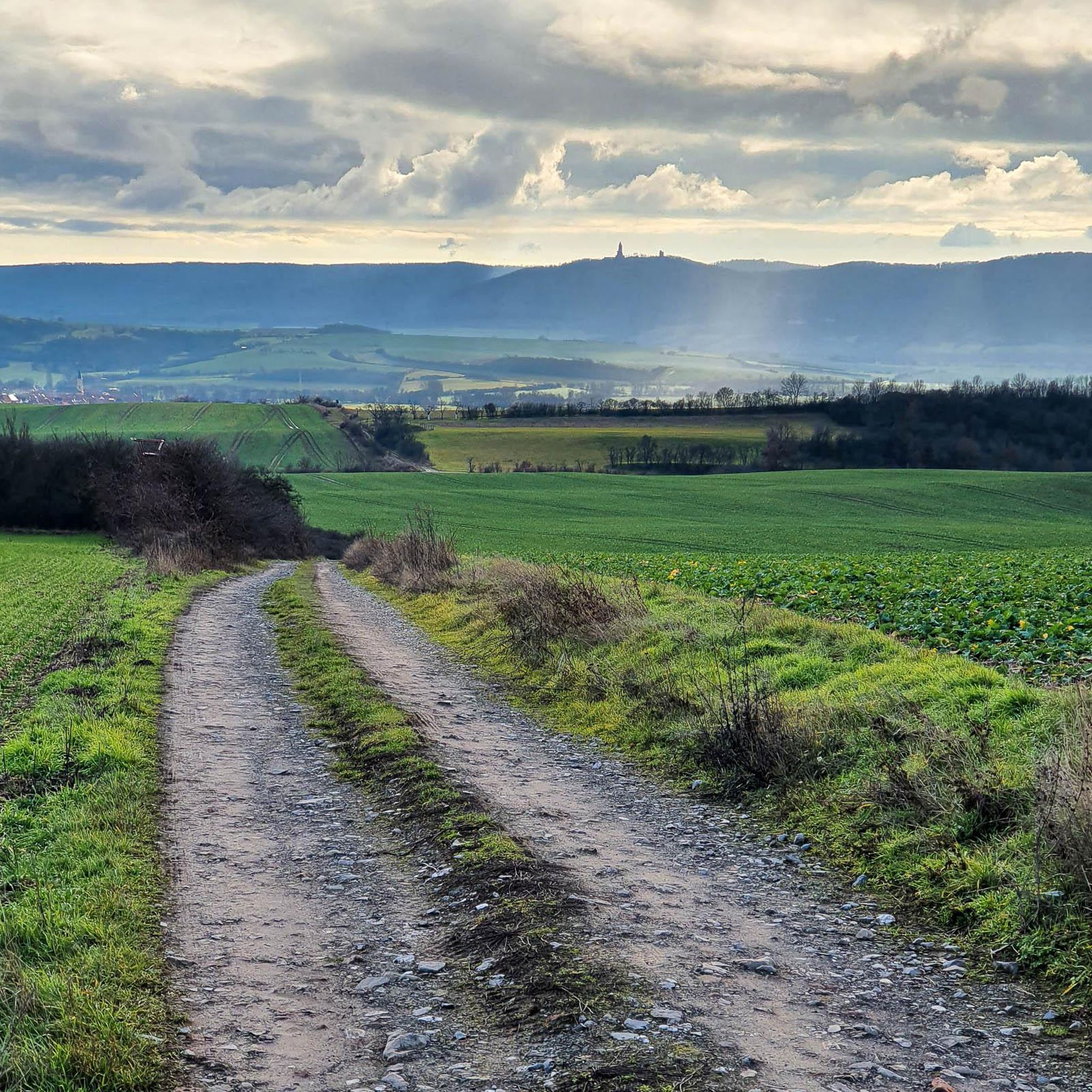
MTB Trails in Gipskarstlandschaft Questenberg

Gravel biking in Gipskarstlandschaft Questenberg
Other adventures in Gipskarstlandschaft Questenberg

Tips from the Community

The Karst Trail extends over a length of 265 km.
1
0

For me one of the most beautiful stamp points of the Harz hiking badge.
12
1

On the outskirts of Questenberg, strange rock formations were discovered during ground work in the 1920s near the former entrance to the Questenhöhle. Their appearance reminded people of the glacial potholes of the Alps and they initially assumed that these were comparable phenomena. It was only later that the true character of the holes and fissures in the gypsum rock, which were up to three meters deep, was recognized. The water from the Nasse created these impressive soil structures - with the help of harder material such as pebbles. The whirlpools of the river, which today flows around 10 meters further down the valley, worked the stones into the soft plaster. You can see the result of this work today as you climb the karst hiking trail to the Queste.
10
0

On the climb to the Queste you pass the glacier potholes. There is also an information board about the history of the glacier potholes and a seating area.
9
0

Small but rewarding: an amazing geological phenomenon with an eye-opener.
10
0

The Karstwanderweg is a beautiful hiking trail with very interesting scenery.
1
0

The Bauerngraben is a depression that is about 400 m long in a west-east direction and about 150 m wide in a north-south direction. A lake forms here every now and then. This is why it is also called periodic lake, episodic lake, glass lake or hunger lake. But since the appearance of the lake is completely irregular and not tied to predictable periods, it is better to speak of a temporary or episodic lake. Depending on the level of vegetation, the meanders of the Glasebach can be seen in the depression during a drought. He loses himself underground at the west end. We are dealing with the karst phenomenon of a so-called creek swamp. There are at least 50 such creek swales in the sulphate karst of the southern Harz Mountains. Here, however, there are repeated relocations of the outflow in the subterranean outflow area, so that the backwater of the Glasebach then leads to the formation of a lake. Regardless of the presence of a lake, this is a lovely tranquil spot, also very picturesque due to the 60 meter high rocky embankments of the valley to the south.
17
0
Here you have a very nice view to the south of the Kyffhäuser, which is Germany's smallest low mountain range. Depending on the lighting conditions, it looks a bit contourless. Only when hiking from the north or from the Golden Aue does it become apparent how rugged the northern slopes rise from the plain. Not only the castle and the monument but the entire ridge is a very worthwhile excursion destination and worth more than a hike.
16
1
Frequently Asked Questions
What unique natural phenomena can I explore in Gipskarstlandschaft Questenberg?
The region is renowned for its gypsum karst landscape. You can witness the Farmer's ditch (episodic lake) (HWN 213), a fascinating sinkhole basin that occasionally fills with water. Another unique sight is the "Gletschertöpfe" (Glacier Pots) near Questenberg, which are deep holes and crevices in the gypsum rock, formed by the Nasse river. Don't miss the Dinsterbachschwinde, where the Dinsterbach stream disappears underground.
What historical landmarks are significant in the Questenberg region?
The most significant landmark is The Quest of Questenberg (HWN 212), a monument central to local legends and the traditional Questenfest. You can also explore the ruins of a castle perched on the Schlossberg overlooking Questenberg village, and see the unique Hölzerner Roland (Wooden Roland statue) within the village itself.
What are the most scenic viewpoints in Gipskarstlandschaft Questenberg?
For breathtaking panoramas, visit Scenic View Hainrode (HWN 210). This viewpoint offers impressive vistas over the foothills of the southern Harz to the Kyffhäuser. From The Quest of Questenberg (HWN 212), you'll also get a wonderful view of Questenberg village and the surrounding orchards.
Are there family-friendly activities or attractions in Gipskarstlandschaft Questenberg?
Yes, the region offers several family-friendly options. The Farmer's ditch (episodic lake) (HWN 213) is a popular spot for a rest and offers an interesting natural phenomenon. The "Gletschertöpfe" are also accessible for families. Additionally, the Biosphere Reserve Karstlandschaft Südharz offers interactive circular hikes like "Karst kapieren mit Karsten" and "Abenteuer am Questenberg" designed to engage families with the landscape and local history.
What is the best time of year to visit Gipskarstlandschaft Questenberg?
The region is beautiful year-round, but late spring is particularly appealing. During this time, the beech forests behind the Queste become a wild garlic paradise. The episodic lake's appearance is irregular, but it's impressive whether full or empty. For hiking and outdoor activities, spring through autumn generally offers the most pleasant weather.
What kind of geological formations define the Gipskarstlandschaft Questenberg region?
The region is Europe's most significant gypsum karst area. It's characterized by numerous karst phenomena including sinkholes (Erdfälle), dolines, ponors (like Dinsterbachschwinde), karst springs, and sunken karst waters. The breakthrough valleys of the Nasse and Leine rivers also showcase significant geological features.
What hiking opportunities are available near the attractions in Gipskarstlandschaft Questenberg?
The region is excellent for hiking. You can find various routes, including moderate trails like the "Steep, rocky trail to the Queste – Questenberg Glacial Potholes loop from Questenberg" or the "Questenberg Ruins – View of Questenberg loop from Questenberg." For more options, explore the Hiking in Gipskarstlandschaft Questenberg guide.
Are there cycling routes suitable for exploring the area around Questenberg?
Yes, there are several cycling routes. You can enjoy easy to moderate rides such as the "Roland Statue of Questenberg – Bauerngraben (Periodic Lake) loop from Questenberg" or the "Dinsterbach Valley – View of the Queste loop from Questenberg." Discover more routes in the Cycling in Gipskarstlandschaft Questenberg guide.
What is the Harz Karst Hiking Trail and where can I access it?
The Harz Karst Hiking Trail (Harz karst hiking trail) is a certified quality hiking trail spanning 248 km. It connects various karst phenomena from Pölsfeld to Osterode. Key highlights along the trail in this region include the Farmer's ditch (episodic lake) (HWN 213) and Questenberg itself. You can access parts of this trail directly from Questenberg village.
What do visitors particularly enjoy about the natural attractions here?
Visitors frequently praise the tranquility and natural beauty of the area. The Farmer's ditch (episodic lake) (HWN 213) is often cited as an impressive sight, whether full or empty, and a lovely tranquil spot. The unique geological formations like the "Gletschertöpfe" also captivate visitors with their interesting stories and appearance.
Where can I learn more about the unique karst landscape of the region?
You can visit the Biosphere Reserve Karstlandschaft Südharz Visitor Center in Rossla. It features a permanent exhibition dedicated to the Biosphere Reserve and its fascinating karst phenomena, offering in-depth information and changing special exhibitions.
Are there any unique cultural traditions associated with Questenberg?
Yes, Questenberg is known for the traditional Questenfest, which is celebrated at Pentecost. This festival is deeply connected to The Quest of Questenberg (HWN 212), a significant landmark with local legends surrounding it.
Can I find any ancient mining relics in the area?
Yes, the region has a history of copper shale mining. You can find Kupferschieferhalden (Copper Shale Heaps), which are relics of former mining activities. These heaps now host specialized plant communities, adding another layer of interest to the landscape.
Most popular routes in Gipskarstlandschaft Questenberg
Most popular attractions in Gipskarstlandschaft Questenberg

Get inspired with the komoot mobile app


Explore more
Still not found the Highlight you’re looking for? See guides of the top attractions in other regions:
