Attractions and Places To See around Legde/Quitzöbel - Top 20
Best attractions and places to see around Legde/Quitzöbel include a blend of natural beauty, historical landmarks, and cultural experiences in Germany's Prignitz region. Situated near the Elbe River and the Westhavelland Nature Park, the area offers diverse landscapes for outdoor activities. Visitors can explore historic sites, significant natural features, and unique wildlife observation points. The region is characterized by its riverine landscapes and historical architecture.
Best attractions and places to see around Legde/Quitzöbel
- The most popular attractions is Havelberg Old…
Last updated: May 9, 2026
Havelberg Old Town and Cathedral
Highlight • Settlement
Translated by Google •
Tip by

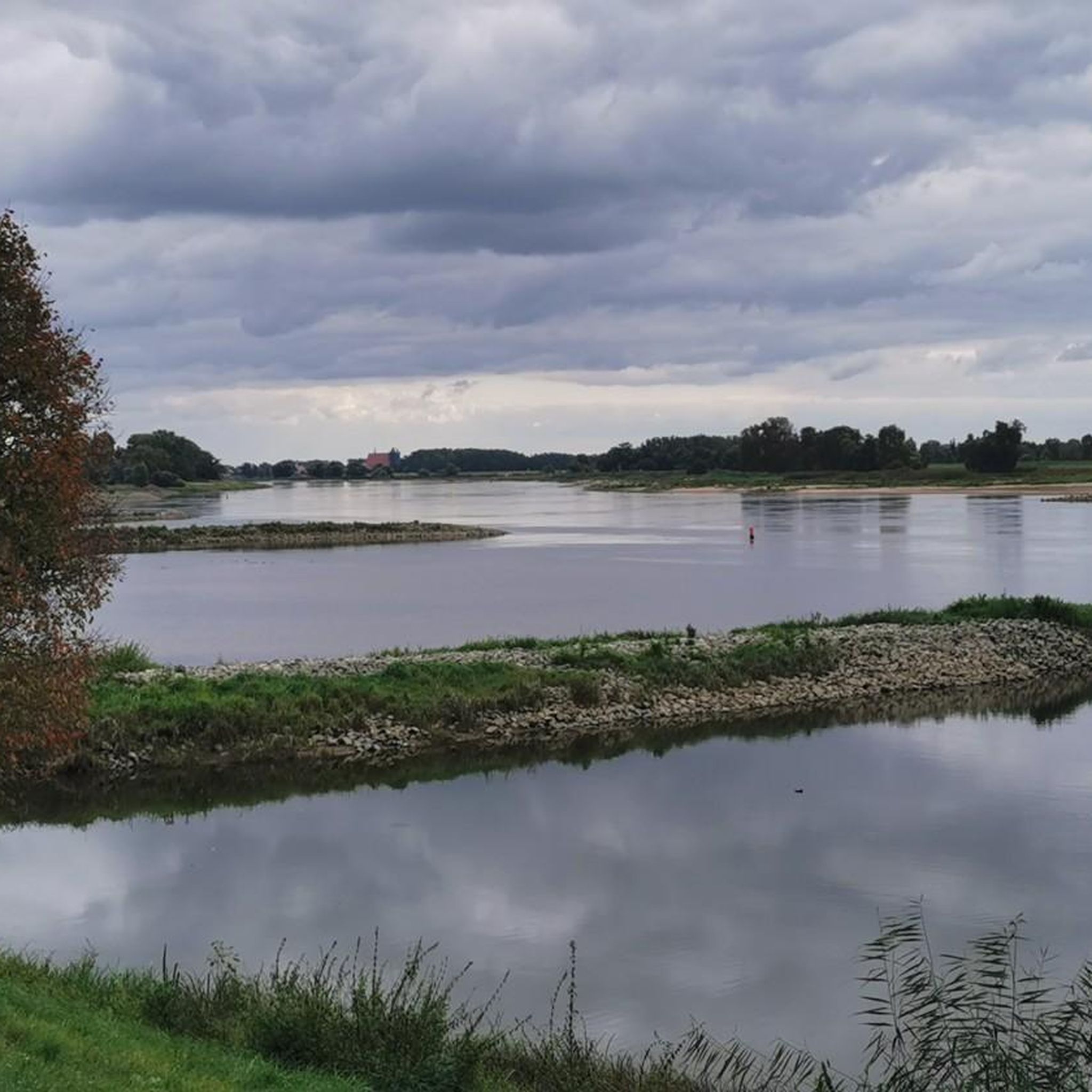
Confluence of the Gnevsdorfer Vorfluter and the Elbe
Highlight • River
Translated by Google •
Tip by

Sign up now to discover places like this
Get recommendations on the best single tracks, peaks, & plenty of other exciting outdoor places.
Sign up for free
Stork Village Rühstädt
Highlight • Settlement
The place is beautifully decorated and offers several options for a good stop.
Translated by Google •
Tip by

Gnevsdorf Weir
Highlight • Structure
Translated by Google •
Tip by

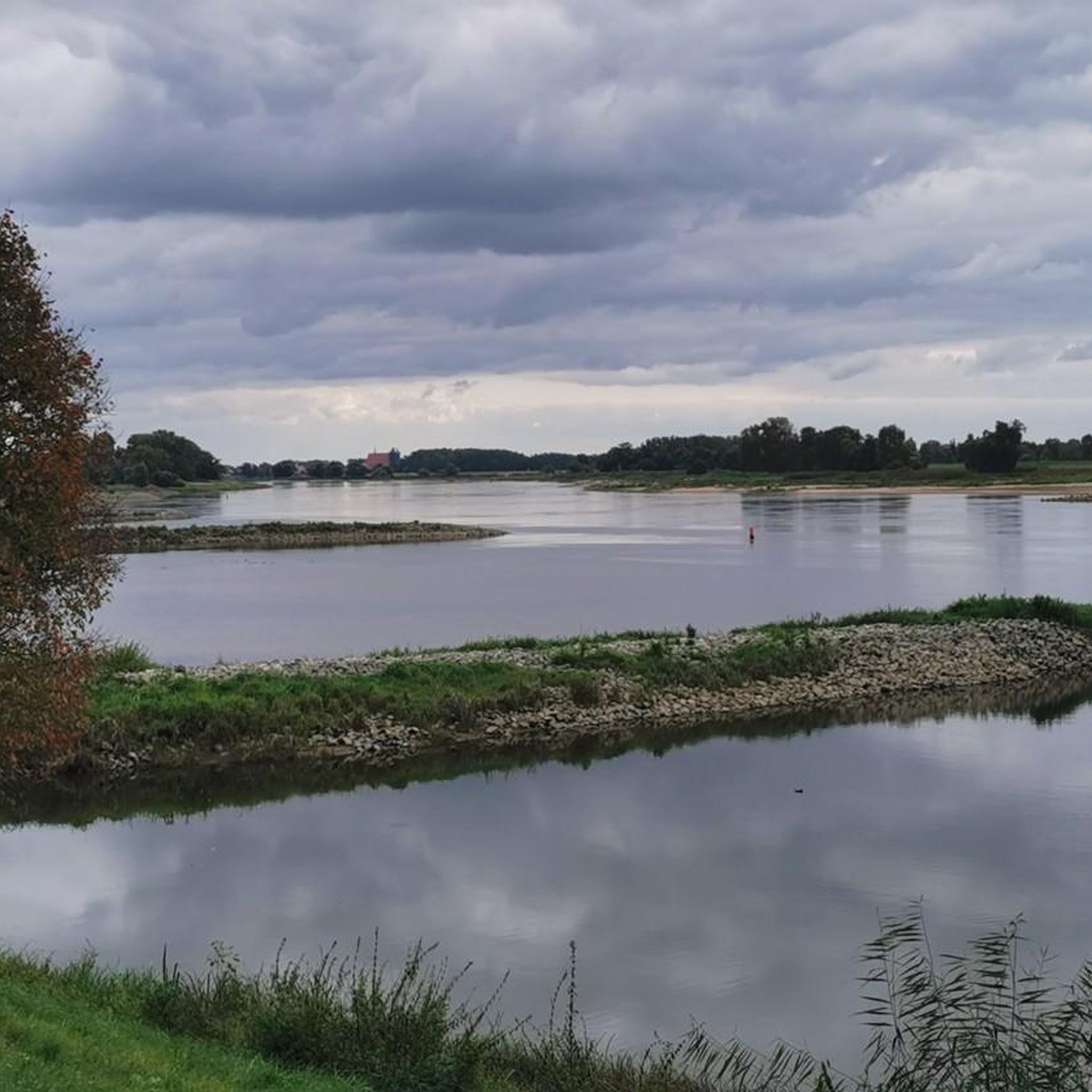
View of the confluence of the Elbe and Havel
Highlight • Viewpoint
Translated by Google •
Tip by

Sign up for free to discover even more attractions around Legde/Quitzöbel.
Sign up for free
Already have an account?
Start today with a free account
Your next adventure awaits.
Login or Signup
Other adventures around Legde/Quitzöbel

Tips from the Community

The Gnevsdorf Weir is located at the end of the approximately 10km stretch on the island between the receiving waters and the Elbe River. It has been passable again since 2024. Impressive engineering.
2
0

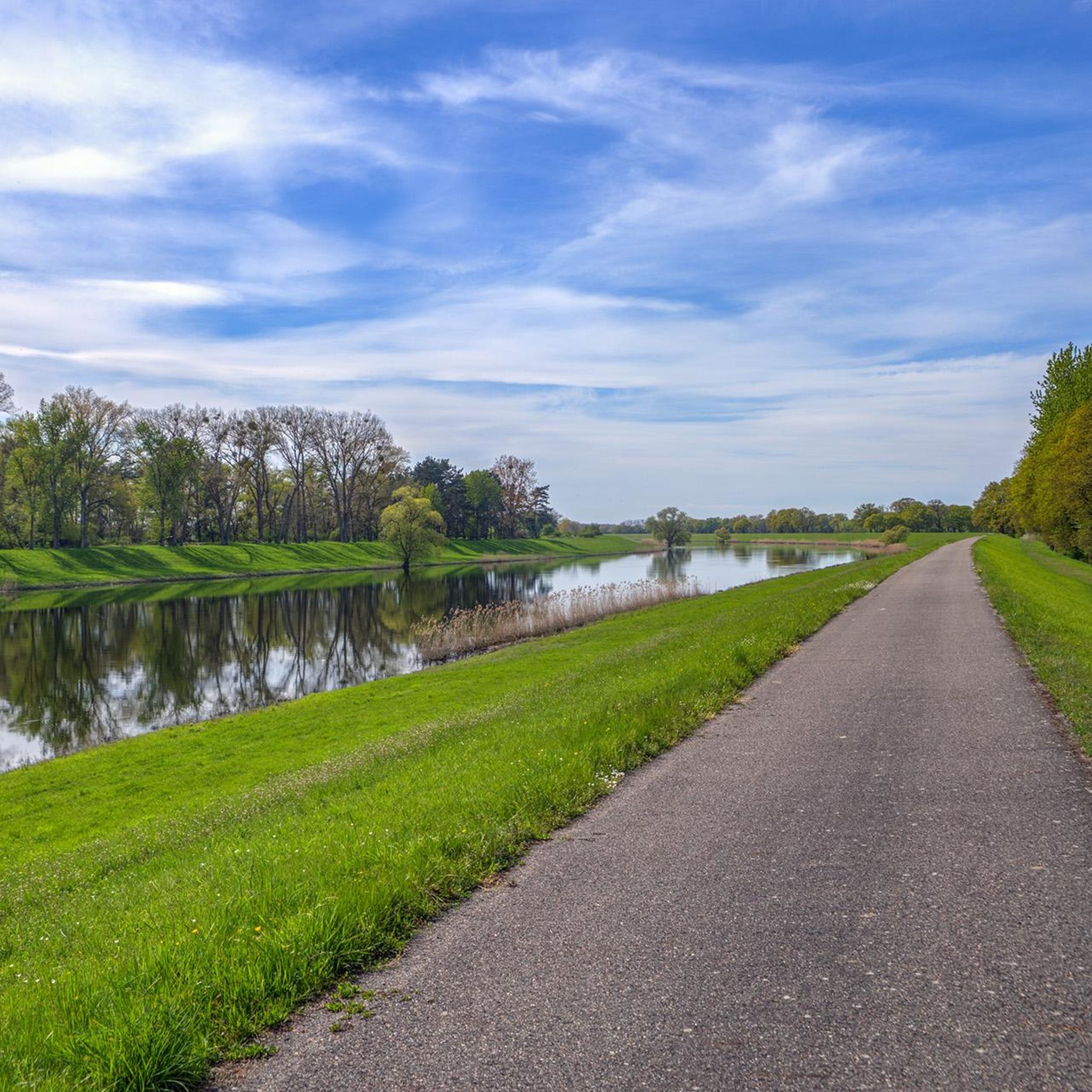
I particularly like the cycle path between the Elbe and the Havel tributaries, from Gnevsdorf to Quitzöbel. It's pure nature. There are two observation towers from which you can easily observe many animals, especially birds. Coming from Wittenberge, cycle over the Gnevsdorf weir and at the oxbow weir, return to the mainland to Quitzöbel, then cycle back to Wittenberge or to Netzow and then on to Werben and Havelberg.
0
0

Fantastic views and well-developed cycle paths
2
0

Since the Elbe fluctuates much more than the Havel, there is another weir directly at the mouth of the receiving water. It has no function during high water, but when the Elbe is low it prevents the Havel from draining.
2
0

As of today: no more construction site and freely passable 👍
3
0

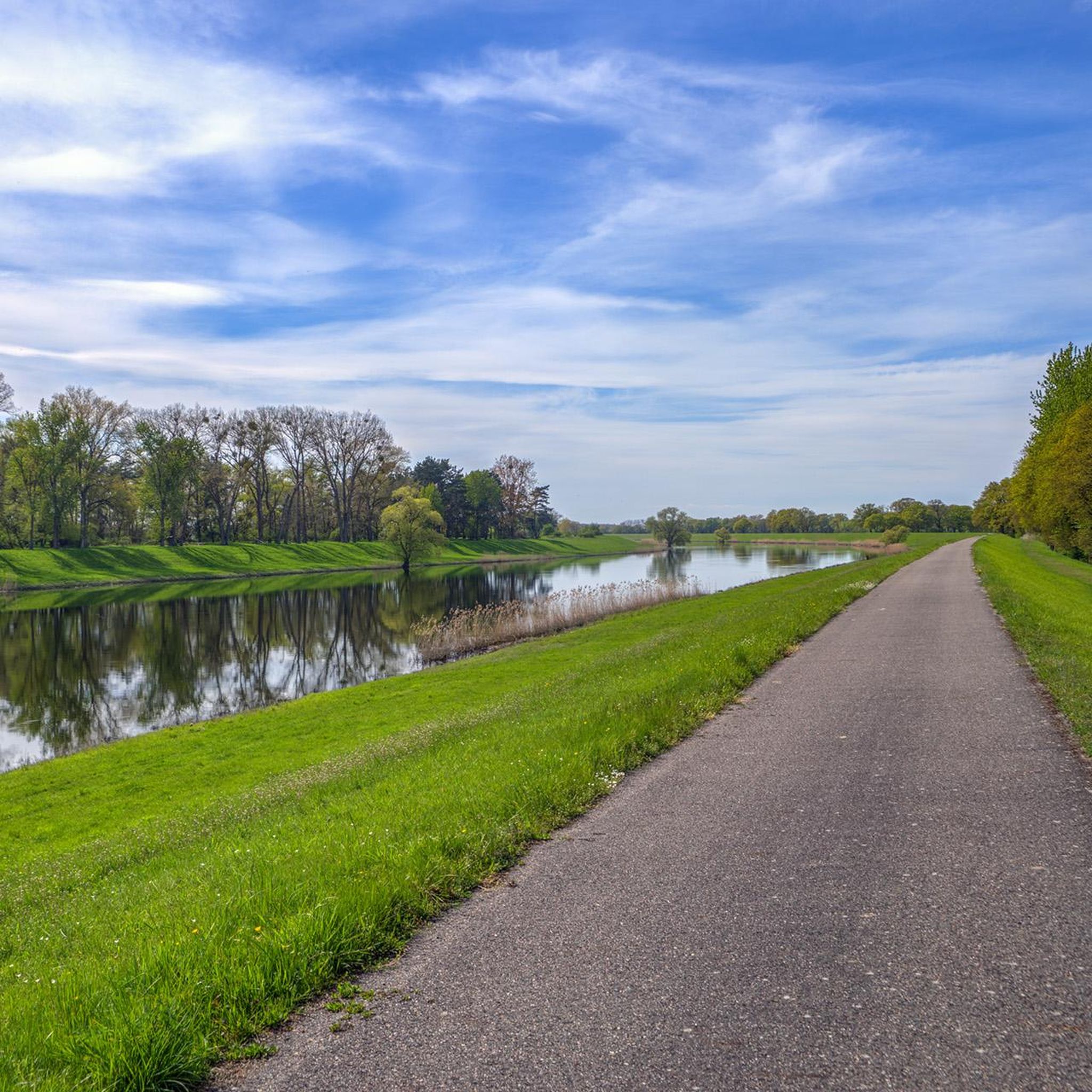
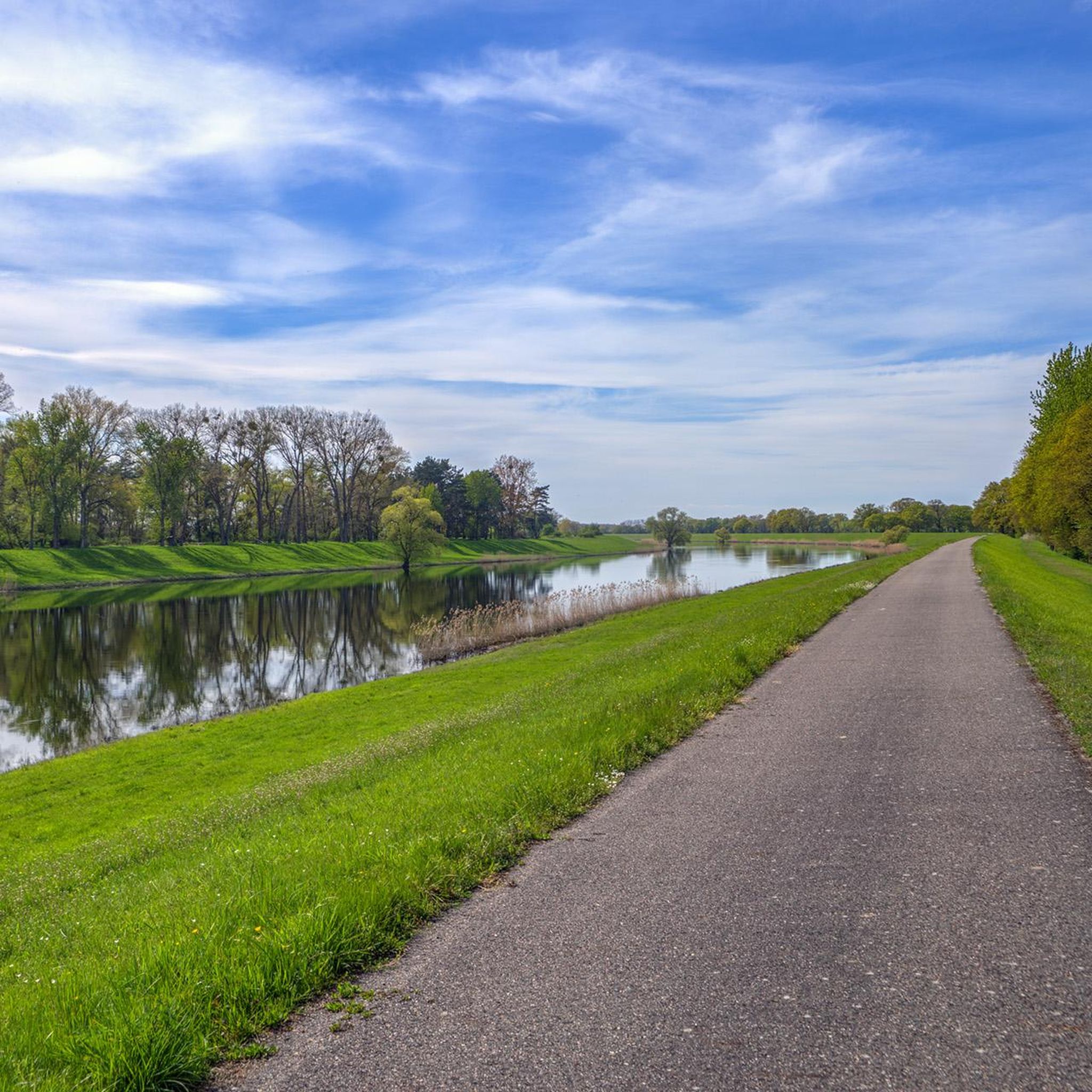
The Gnevsdorf drainage canal is an approximately eleven-kilometer-long, artificially constructed canal between the Havel and Elbe rivers, serving as an additional outlet into the Elbe. Its design aimed to shift the Elbe's backwater level downstream to a lower level, thus effectively relieving pressure on the Lower Havel during floods. Simultaneously, the canal improves the flow of Havel water to the Elbe, which has a steeper gradient. The Gnevsdorf drainage canal is part of a comprehensive flood control system that also includes several weirs and the Havelberg lock. A fantastic route along the Elbe Cycle Path, a relaxed tour with no significant difficulties. The scenery is beautiful, always by the water, pure nature. The old farmhouses are charming, and the route is very varied.
8
1
Top section of the route! If you don't know the area, you move almost imperceptibly from the Elbe to the Havel. It's good that there is very good signage here in addition to the “Komoot navigation voice”. Fantastic views are guaranteed. It's worth it!
4
1
It looks quite interesting when storks become such close neighbors. The clattering could also be funny. Nice to be able to see something like that.
6
0
Frequently Asked Questions
What natural features can I explore around Legde/Quitzöbel?
The region offers several significant natural features. You can visit the Confluence of the Gnevsdorfer Vorfluter and the Elbe, where the Elbe and Havel rivers meet, a popular spot for cyclists. The Gnevsdorf Weir is an impressive engineering marvel related to flood control. The area is also part of the Westhavelland Nature Park and the Elbe River landscape, offering diverse scenery for nature lovers. Don't miss the View of the confluence of the Elbe and Havel for scenic vistas.
Are there historical castles to visit in the Legde/Quitzöbel area?
Yes, the region is home to several impressive castles. The Plattenburg is one of northern Germany's largest moated castles, with a history dating back to the 12th century. Rühstädt Castle, also known as a Castle Hotel, is surrounded by well-maintained gardens and is located in the famous 'European Stork Village'. Additionally, Grube Castle, a Baroque castle from 1740, serves as an open house for art and culture and is a starting point for cycling tours.
What cultural or historic sites are worth visiting?
Beyond the castles, you can explore historic churches such as the 13th-century St. Katharinen church with its Gothic architecture and valuable art treasures. The St. Nicholas' Church of the Holy Blood is another significant religious site. For a day trip, consider Havelberg Old Town and Cathedral, uniquely situated on an island and rich in Hanseatic history.
Are there family-friendly attractions around Legde/Quitzöbel?
Many attractions in the region are suitable for families. The Stork Village Rühstädt offers a unique opportunity for nature observation, especially for children, with its high concentration of nesting storks. Exploring Havelberg Old Town and Cathedral can also be an engaging experience for all ages, with its island setting and historical information boards. The various cycle paths are also great for family outings.
What outdoor activities can I do near these attractions?
The Legde/Quitzöbel area is ideal for outdoor enthusiasts. You can enjoy extensive cycling on routes like the Elbe Cycle Path and the Havel Cycle Path, which pass through the region. There are also numerous well-marked trails for hiking and running. For specific cycling routes, check out the Cycling around Legde/Quitzöbel guide, and for running, explore the Running Trails around Legde/Quitzöbel guide.
How can I observe storks in the region?
The best place to observe storks is the Stork Village Rühstädt. It's famous for having the highest concentration of nesting storks in Germany, with over 30 pairs breeding there annually. The village is beautifully maintained and offers excellent opportunities to watch these birds in their natural habitat, especially in the wet meadows of the Elbtalaue where they find plenty of food.
Are there specific cycling routes recommended in the area?
Yes, the region is a paradise for cyclists. Popular routes include sections of the Elbe Cycle Path and the Havel Cycle Path. You can find routes like the 'Stork Village Rühstädt – Havel and Elbe Cycle Path loop' or the 'View of the Havel River – Quitzöbel Sluice Weir loop'. For more detailed options, consult the Cycling around Legde/Quitzöbel guide.
What do visitors enjoy most about Legde/Quitzöbel?
Visitors particularly appreciate the blend of natural beauty and historical sites. The well-paved cycle paths along the Elbe and Havel rivers are highly praised for their scenic views and smooth riding. The unique experience of observing storks in Stork Village Rühstädt and the charm of Havelberg Old Town are also frequently highlighted as memorable experiences.
What is the best time to visit Legde/Quitzöbel?
The region is generally appealing from spring to autumn, especially for outdoor activities like cycling and hiking. Spring and summer are ideal for observing storks in Rühstädt. Autumn offers beautiful natural spectacles, such as the gathering of gray geese on the dyke meadows, particularly between the Havel and Elbe rivers. The weather is generally mild during these seasons, making it pleasant for exploring.
Are there any viewpoints to enjoy scenic vistas?
Absolutely. The area offers several excellent viewpoints. The View of the confluence of the Elbe and Havel provides fantastic panoramic views of both rivers. The middle dike between the Havel and Elbe, on the way from Havelberg to Gnevsdorf, is also known for offering beautiful panoramas. Additionally, observation towers are located along the cycle paths, particularly between the Elbe and Havel tributaries, perfect for birdwatching and enjoying the landscape.
What are the options for accommodation or dining near the attractions?
The region offers various options for accommodation and dining. Rühstädt Castle and Quitzow Castle both operate as hotels, providing a historic stay. Grube Castle also offers gastronomy and accommodation. In villages like Rühstädt, you'll find several restaurants and beautifully renovated buildings, making it a good stop for refreshments. For a wider selection, nearby towns like Havelberg also offer diverse choices.
Is public transport available to reach attractions in Legde/Quitzöbel?
While some larger towns like Havelberg are connected by bus to the rail network (e.g., to Glöwen, Schönhausen (Elbe), Tangermünde, or Stendal), direct public transport to every specific attraction within Legde/Quitzöbel might be limited. Cycling is a very popular and scenic way to get around and connect between many of the natural and historical sites.
Most popular routes around Legde/Quitzöbel
Most popular attractions around Legde/Quitzöbel

Get inspired with the komoot mobile app


Explore more
Still not found the Highlight you’re looking for? See guides of the top attractions in other regions:
