Attractions and Places To See around Am Großen Bruch - Top 20
Best attractions and places to see around Am Großen Bruch are found within this municipality in Saxony-Anhalt, Germany. The region is characterized by Das Große Bruch, an expansive wetland that serves as a significant nature reserve. It features a blend of natural beauty, historical landmarks, and cultural sites. This area offers diverse points of interest, from ancient monasteries to unique geological formations.
Best attractions and places to see around Am Großen Bruch
- The most popular attractions is Daneil's Cave,…
Last updated: October 9, 2026
Benedictine monastery Huysburg (HWN)
Highlight • Religious Site
Translated by Google •
Tip by

Daneil's Cave
Highlight • Cave
Translated by Google •
Tip by

Sign up now to discover places like this
Get recommendations on the best single tracks, peaks, & plenty of other exciting outdoor places.
Hötensleben Border Memorial
Highlight • Historical Site
Translated by Google •
Tip by

Röderhöfer Pond
Highlight • Lake
Translated by Google •
Tip by
Hötensleben Border Memorial
Highlight • Historical Site
Translated by Google •
Tip by

Sign up for free to discover even more attractions around Am Großen Bruch.
Already have an account?
Start today with a free account
Your next adventure awaits.
Tips from the Community

Abbot Jasper Bernwinkel of the Huysburg monastery had the pond dug out at the end of the 14th century. It was a fish pond. Source: Wikipedia
11
0
The monastery complex, enclosed by a dry-stone wall and covering over six hectares, is situated at the highest point of the Huywald forest. The monastery buildings, including the church and cloister, stand to the west on the hilltop. The farm buildings and the monastery garden are located in the area to the east, which lies almost four meters lower. Source: Wikipedia
13
0
According to legend, the robber Daneil lived here. The three hollow spaces were artificially expanded and may have once been storage rooms.
11
1

Here the past is real. Strangely enough, the ferry tower, the only house in Hötensleben that stood in the west, has not survived the times.
0
0
The Hötensleben border memorial is a monument that commemorates the time of German division. It includes an original section of the GDR border fortifications in Hötensleben in Saxony-Anhalt and is part of the European cultural heritage.
0
0

Great presentation. Interesting with many impressions of our history.
24
1

Here you can see 👀 how the border barriers were built and how they separated people in the East and West. You could only get through here at the risk of your life. That's why it's so interesting to see what states do to protect their ideology. Highly recommended!
11
0

In Hötensleben there is part of the former border system in its original condition from 1989. Over a length of 350m and an area of 6.5ha there are, among other things, a blind wall, signal fence, field of vision and firing with light line, patrol path and vehicle obstacle, border wall and the Guide tower with motor vehicle position has been preserved. The course of the barrier at this point is also impressive because it was set up directly behind the houses in the village.
12
0
Frequently Asked Questions
What natural features can I explore in Am Großen Bruch?
The defining natural feature is Das Große Bruch itself, an extensive wetland and former glacial valley stretching approximately 45 kilometers. It's a significant nature reserve with diverse flora and fauna, including over 200 bird species. You can also visit Daneil's Cave, a point of interest with three artificially expanded hollow spaces, or the peaceful Röderhöfer Pond, a historic fish pond.
Are there any historical or cultural sites to visit in the region?
Yes, the area is rich in history. A prominent site is the Huysburg Benedictine Monastery, located at the highest point in the Huywald, with its Romanesque monastery church. You can also explore the Hötensleben Border Memorial, which preserves a section of the former border system from 1989. Other notable sites include the Stiftskirche St. Pankratius in Hamersleben with its Baroque pipe organ, and the Optical Telegraph Station in Neuwegersleben, a preserved station from the Prussian optical telegraph line.
What kind of outdoor activities can I do near Am Großen Bruch attractions?
The region offers various outdoor activities. You can find numerous routes for hiking, cycling, and mountain biking. For example, there are easy to moderate hiking trails like the 'Breitmeyer Post Mill – Rest Area at Größtdorf Marker loop' or the 'Picnic Spot by the Lake – Monastery Park Wetlands loop'. Mountain bikers can explore routes such as the 'Sargstedt Watchtower – Röderhöfer Pond loop'. For more details on routes, check the hiking guide, MTB trails guide, or running trails guide for Am Großen Bruch.
Are there family-friendly attractions in Am Großen Bruch?
Many attractions in Am Großen Bruch are suitable for families. Natural sites like Daneil's Cave and Röderhöfer Pond offer engaging outdoor experiences. Historical sites such as the Hötensleben Border Memorial provide educational insights into history in an accessible way. The extensive wetlands also offer opportunities for nature observation and gentle walks suitable for all ages.
What is the best time of year to visit Am Großen Bruch for nature and wildlife spotting?
The spring and autumn months are ideal for experiencing the natural beauty and wildlife of Am Großen Bruch. Spring brings blooming flora and the return of many bird species, while autumn offers vibrant colors and pleasant temperatures for hiking and cycling. The wetland is a vital habitat for over 200 bird species, making it excellent for birdwatching, especially during migration periods.
What do visitors enjoy most about the attractions in Am Großen Bruch?
Visitors frequently praise the historical depth and natural beauty of the region. They appreciate the informative presentation at the Hötensleben Border Memorial, finding it educational and impactful. The serene atmosphere and architectural significance of sites like the Huysburg Benedictine Monastery are also highly valued. Many enjoy the unique experience of exploring Daneil's Cave and the peacefulness of the natural landscapes.
Can I find traditional architecture or local heritage in Am Großen Bruch?
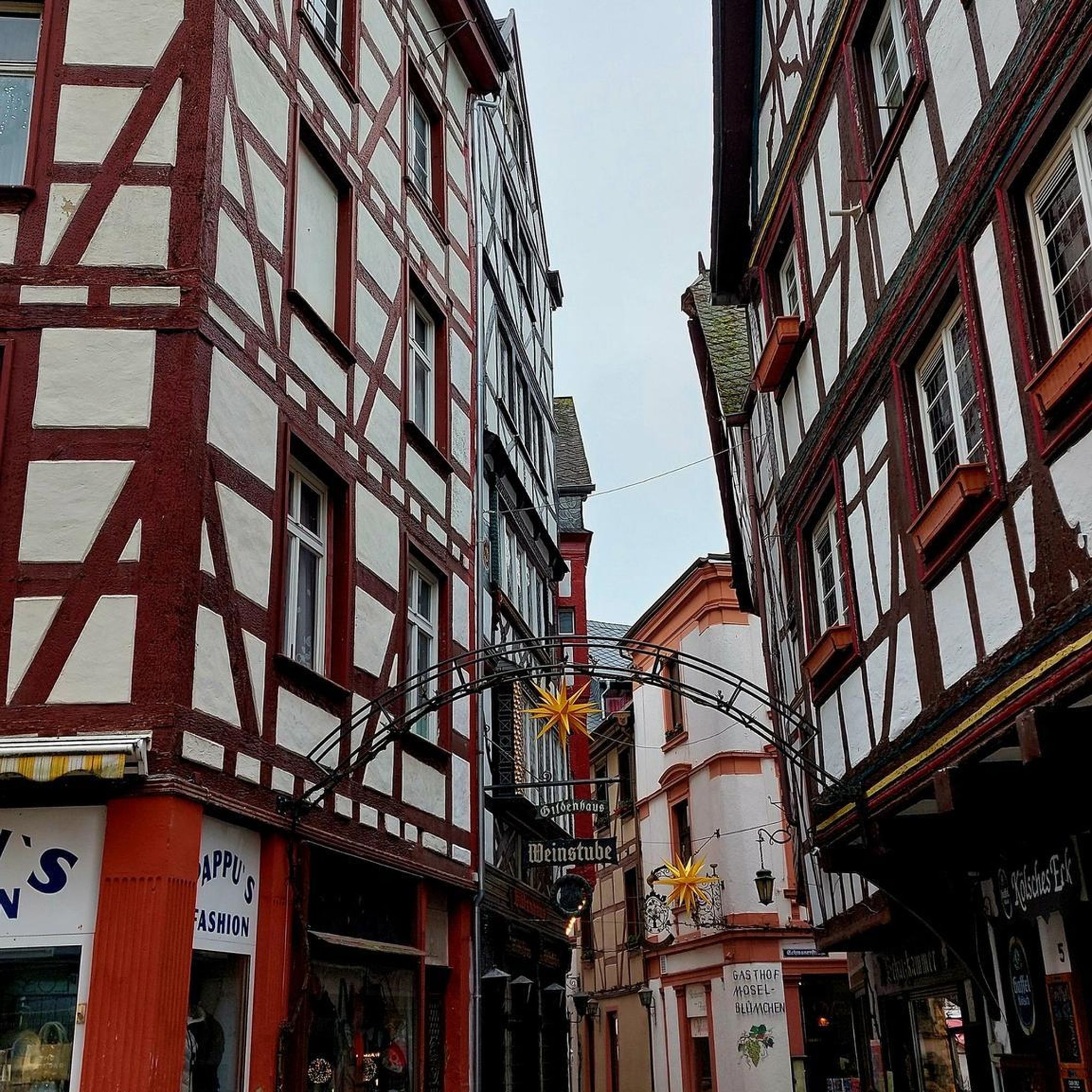
Yes, the village of Wulferstedt offers a glimpse into traditional architecture with its half-timbered houses and a local heritage museum (Heimatstube). You can also see post windmills there. Additionally, the Hanse'sche Ritterhof in Hadmersleben, built between 1649 and 1652, features decorative Renaissance elements and remnants of an old castle.
Are there any castles or manor houses in the area?
Yes, the region has several historical estates. Schloss Gunsleben (Gunsleben Castle/Manor House) was rebuilt in a Baroque style in 1754 and later enlarged, featuring a park. You can also find Burg Gröningen (Gröningen Castle), which dates back to around 933-940 and was rebuilt into a significant Renaissance castle in the 16th century, with remnants of its moat still visible.
What is the significance of Das Große Bruch wetland?
Das Große Bruch is a landscape conservation area, with a core zone designated as a nature reserve. It's crucial for biodiversity, supporting over 300 plant species (many endangered), 200 bird species, and numerous amphibians, insects, and spiders. It's an important ecological corridor and a testament to the region's natural heritage.
Are there any unique historical transportation sites?
Yes, the Optical Telegraph Station in Neuwegersleben is a unique historical site. It's one of the few preserved stations of the Prussian optical telegraph line that connected Berlin to Koblenz in 1833. The building has been partly reconstructed, with its signals reinstalled, and now houses a small museum.
Where can I find information about local churches or religious buildings?
Besides the Huysburg Benedictine Monastery, the Stiftskirche St. Pankratius in Hamersleben is a significant Romanesque monastic church known for its Baroque pipe organ and is a stop on the scenic Romanic Road. The Dorfkirche Gunsleben (Village Church in Gunsleben) is also notable for its baroque organ.
Are there any specific rest stops or scenic points within the wetlands?
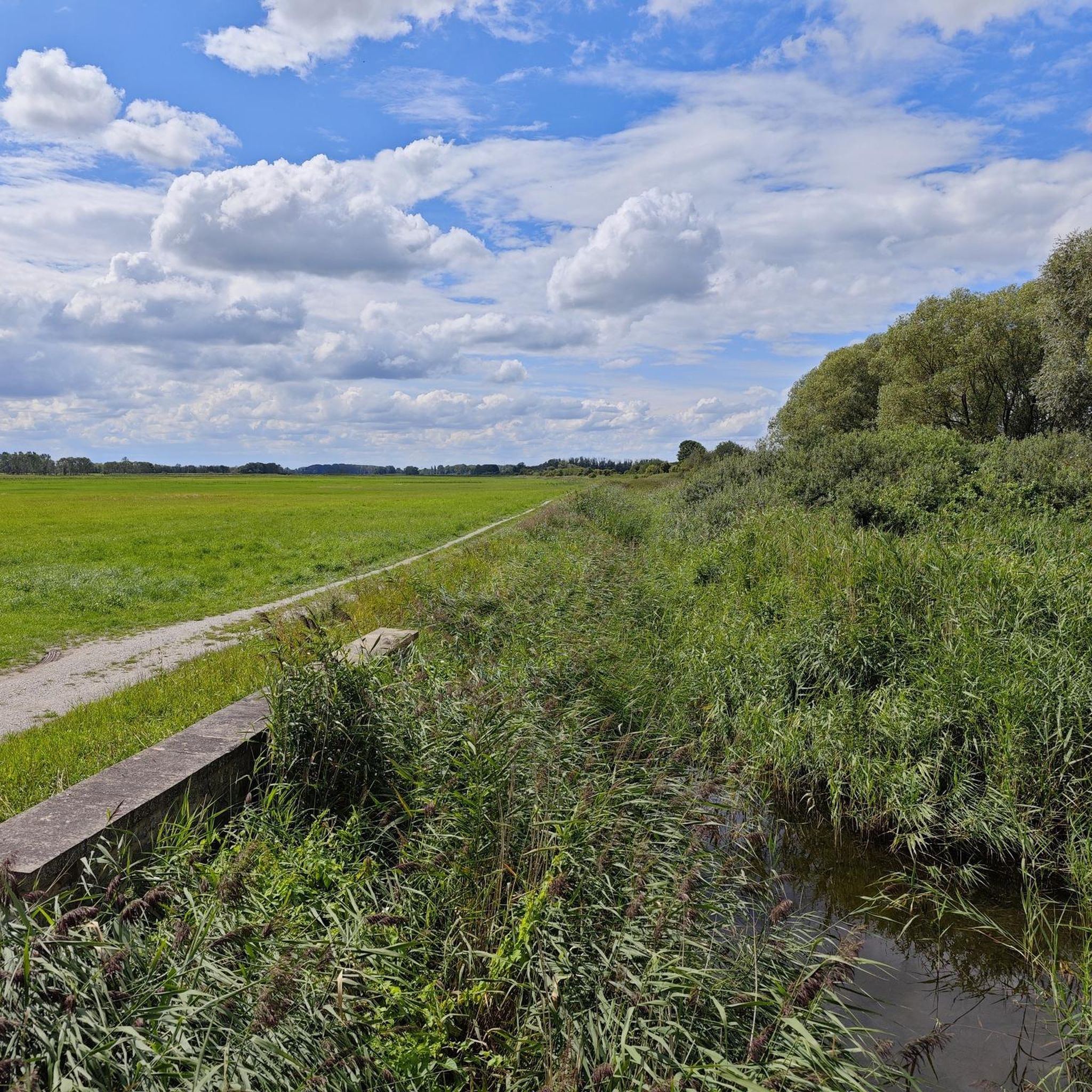
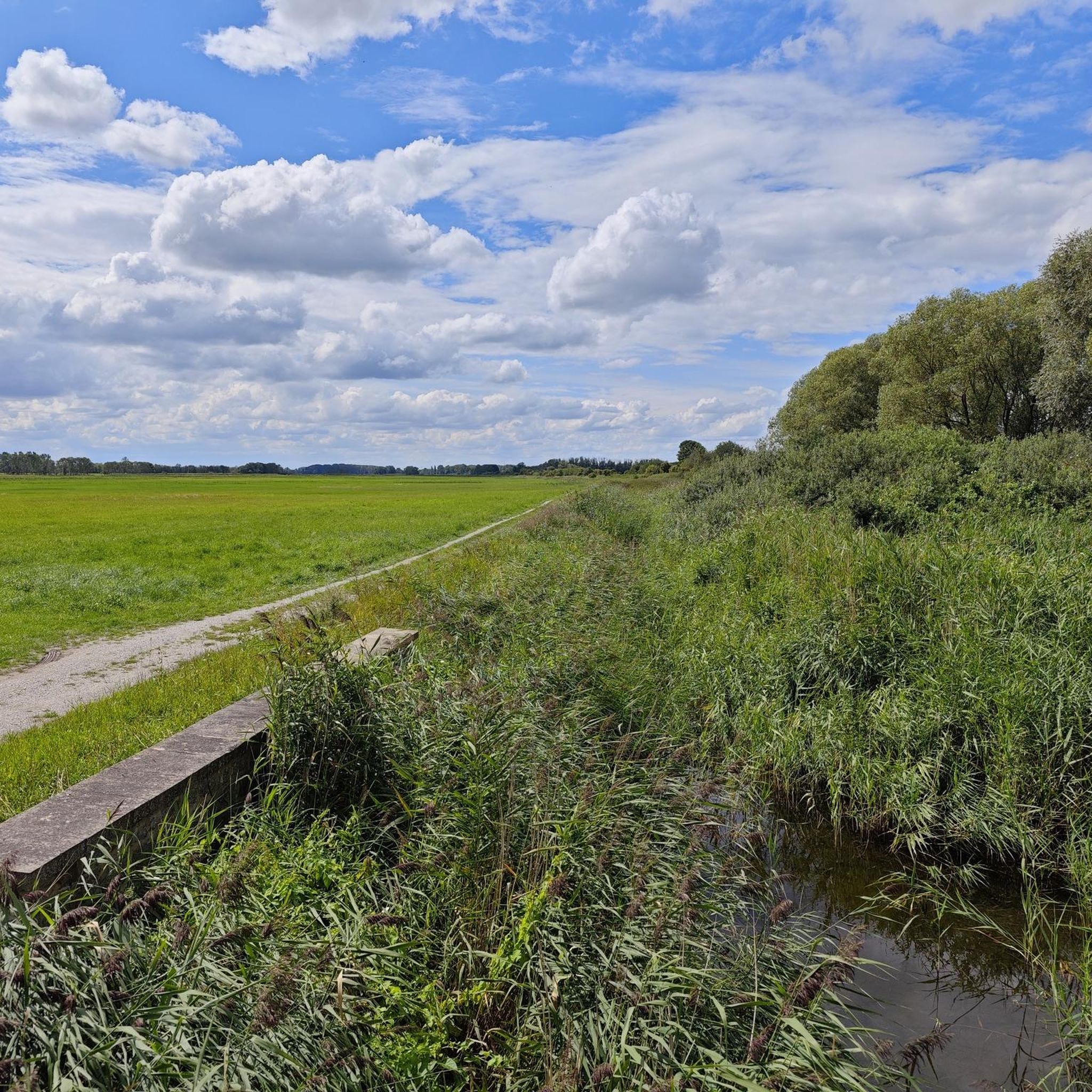
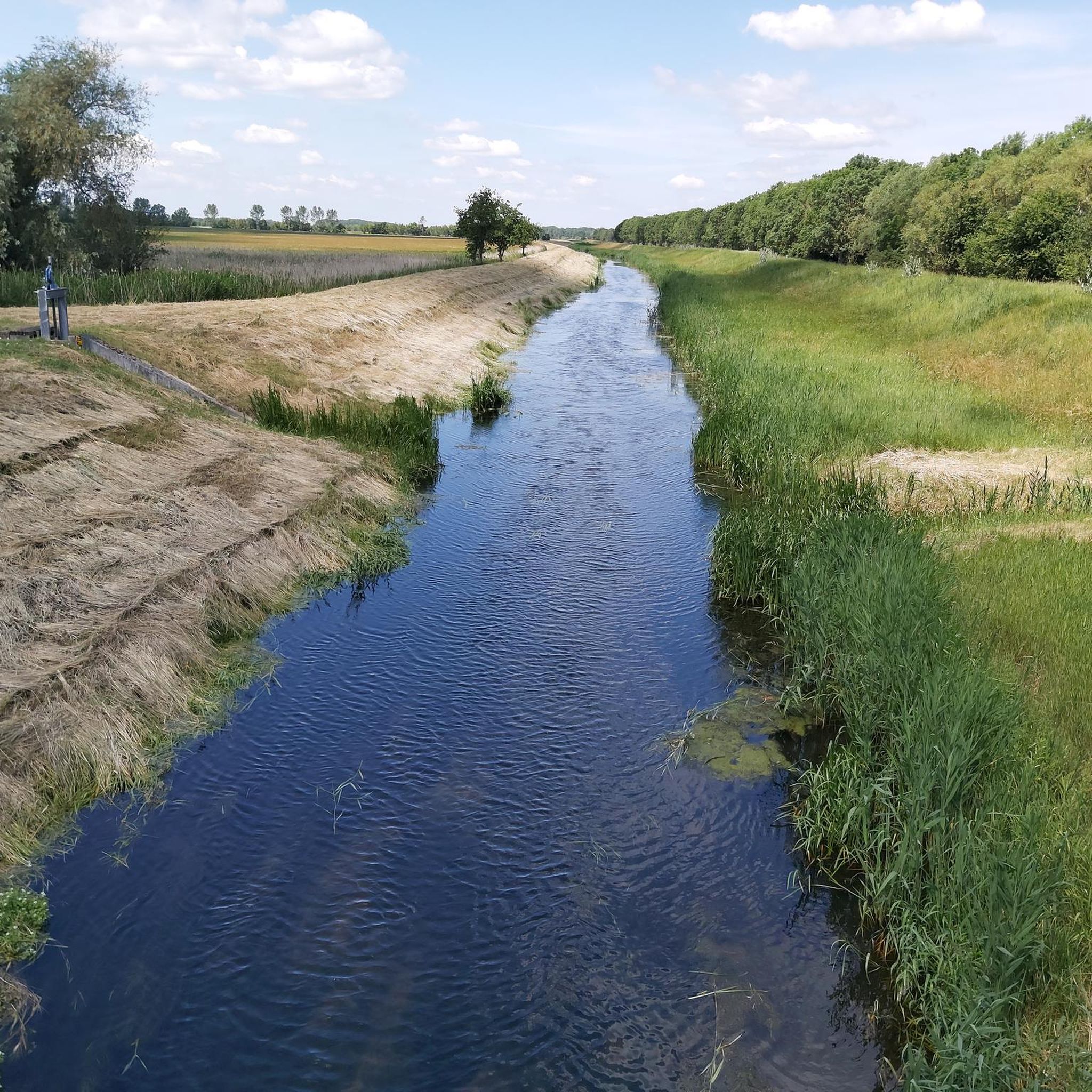
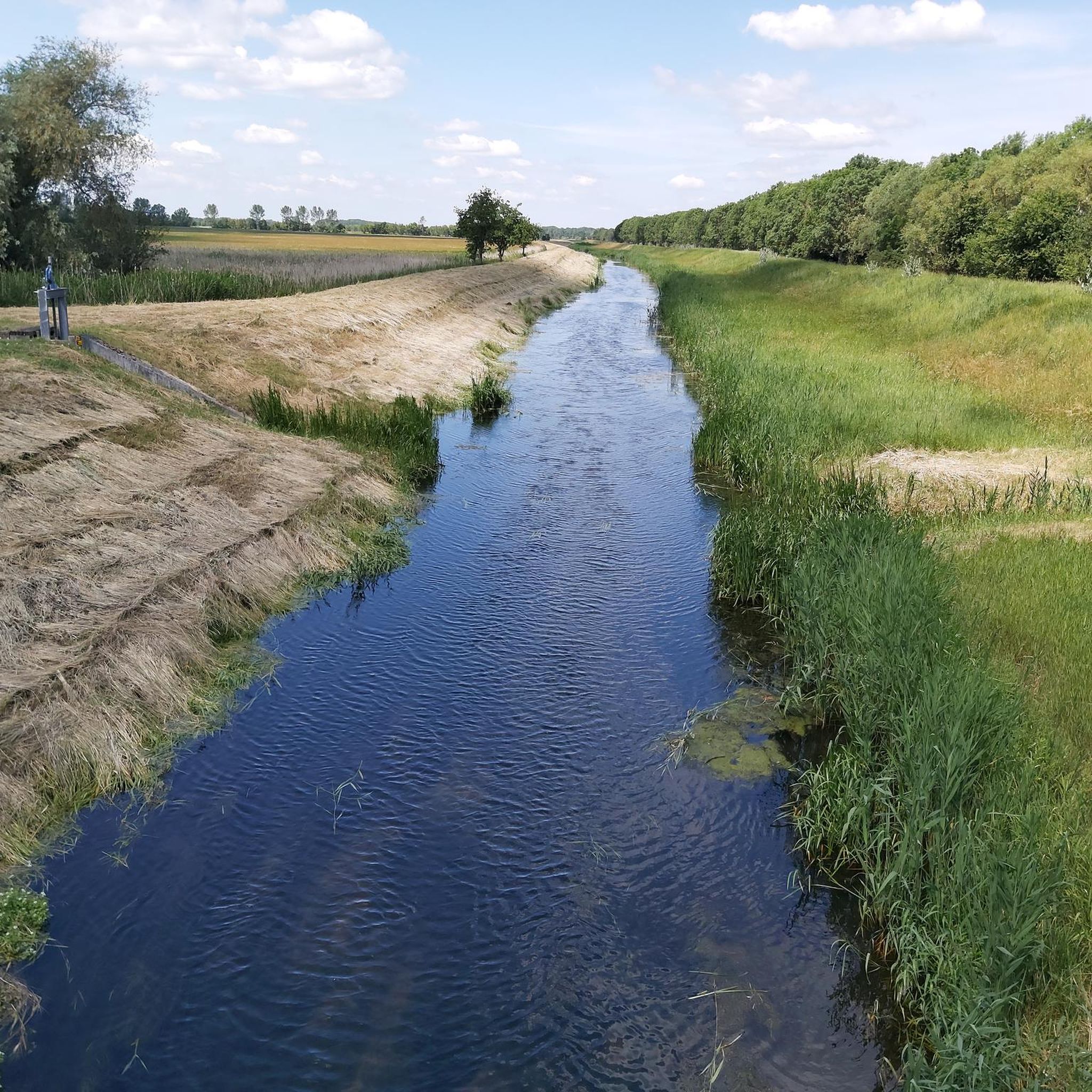
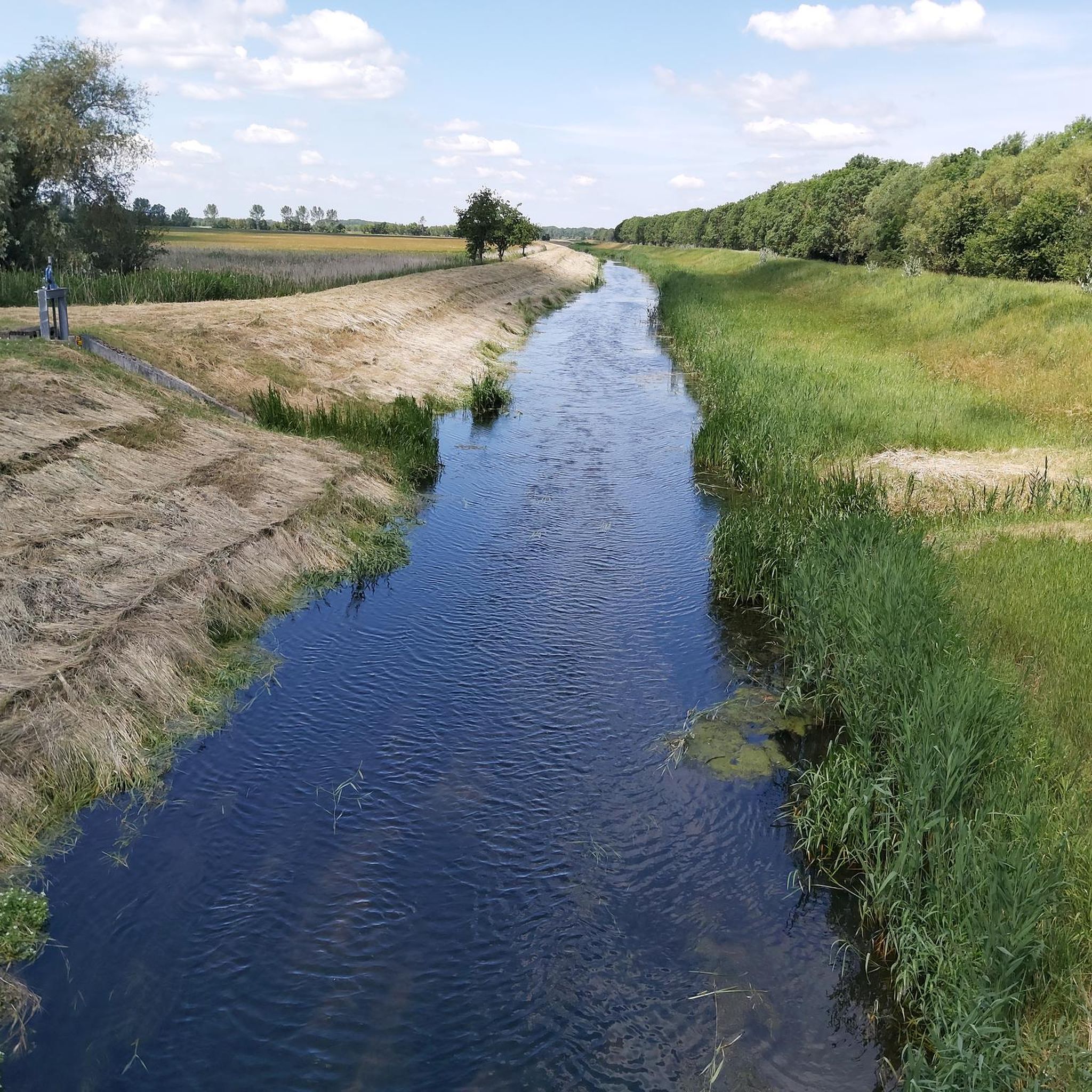
Yes, within the Große Bruch, you can find the Schleusentor am Großen Graben (Lock Gate on the Great Ditch), which offers a peaceful spot in a scenic environment. Additionally, the Rastplatz an der Feuchtwiese Petershagen (Rest Stop at Petershagen Wetland Meadow) provides a place to relax and learn about the surrounding wetlands through an information board.
Most popular routes around Am Großen Bruch
Most popular attractions around Am Großen Bruch

Get inspired with the komoot mobile app


Explore more
Still not found the Highlight you’re looking for? See guides of the top attractions in other regions:
