The best cycling routes in Visbeekvallei
4.3
(898)
15,666
riders
716
rides
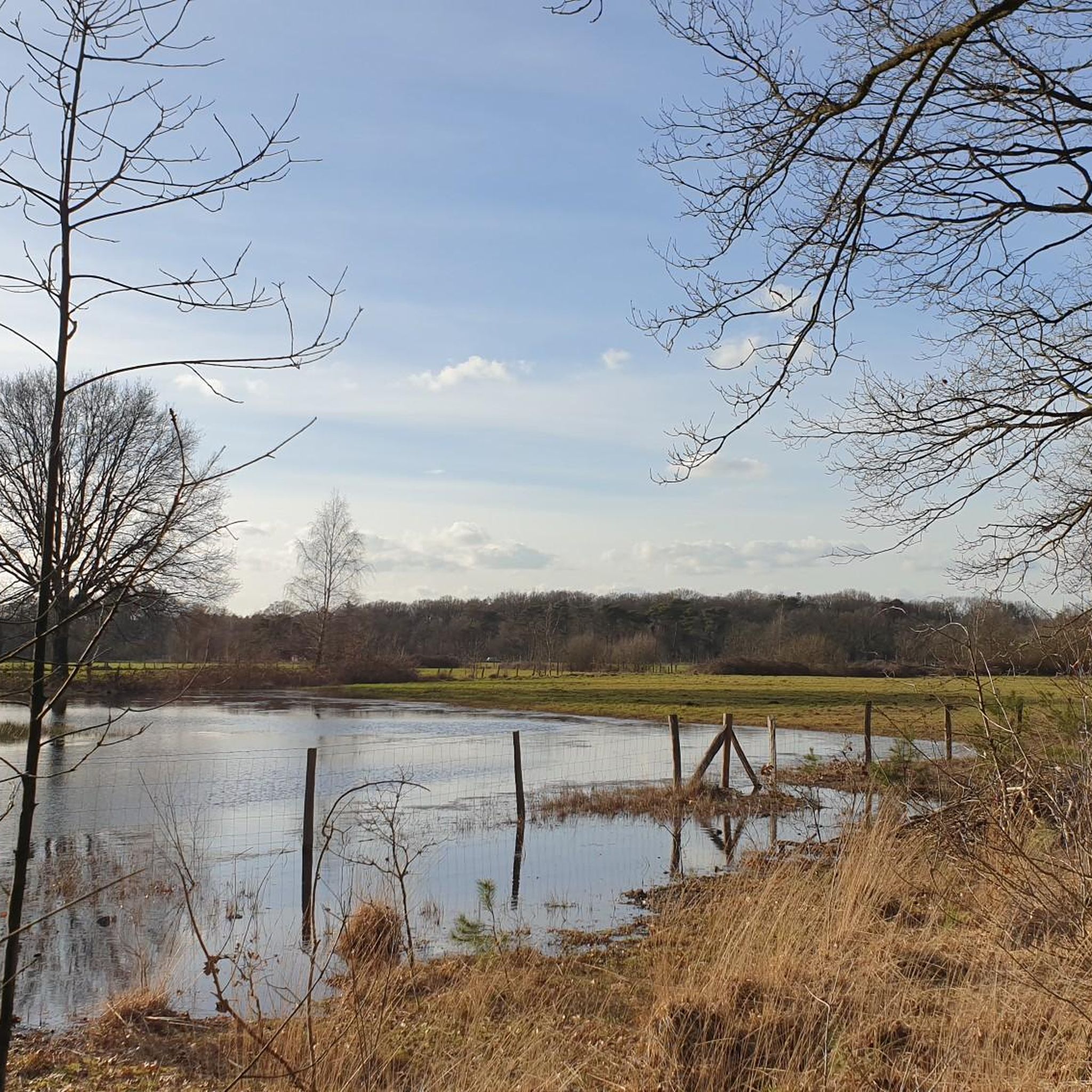
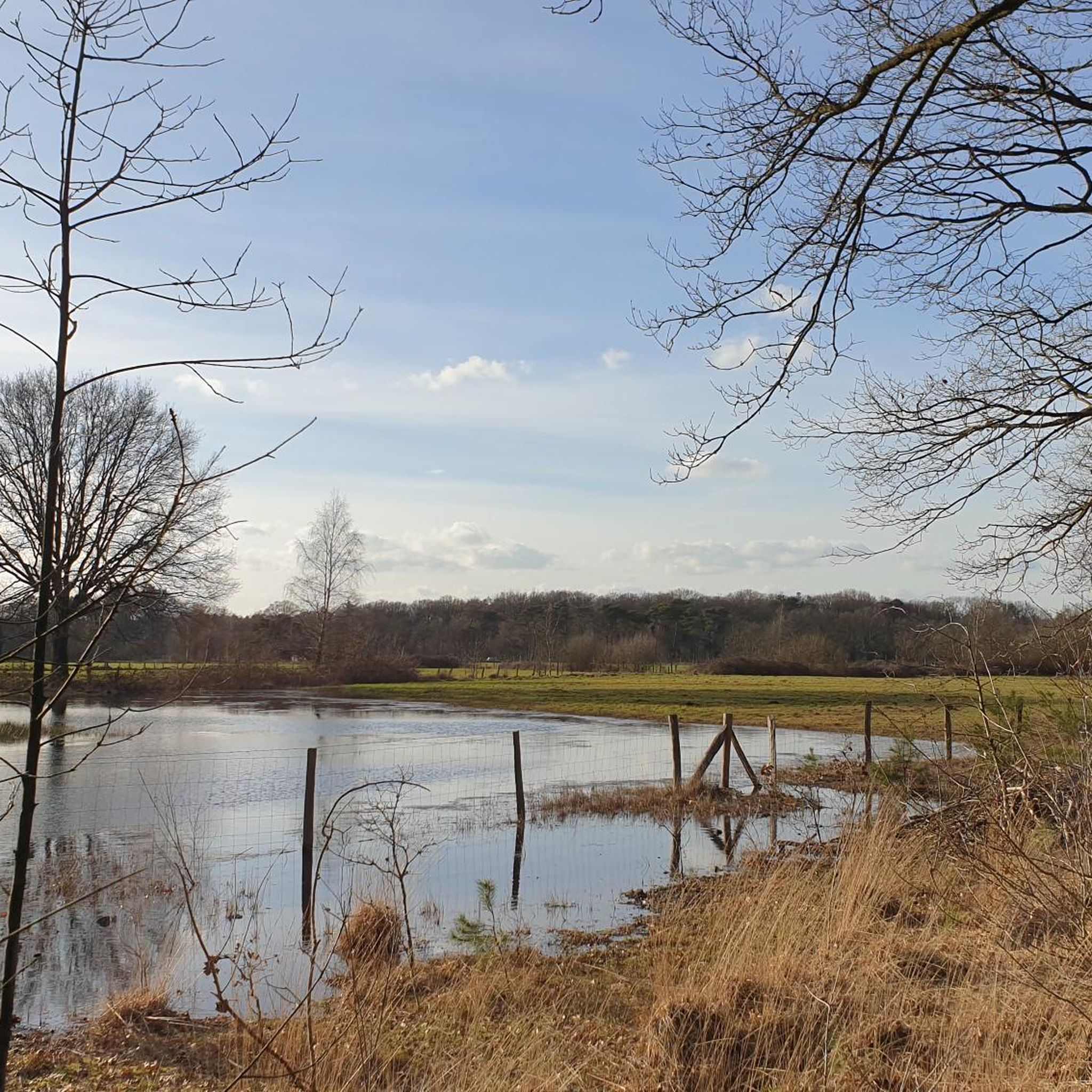
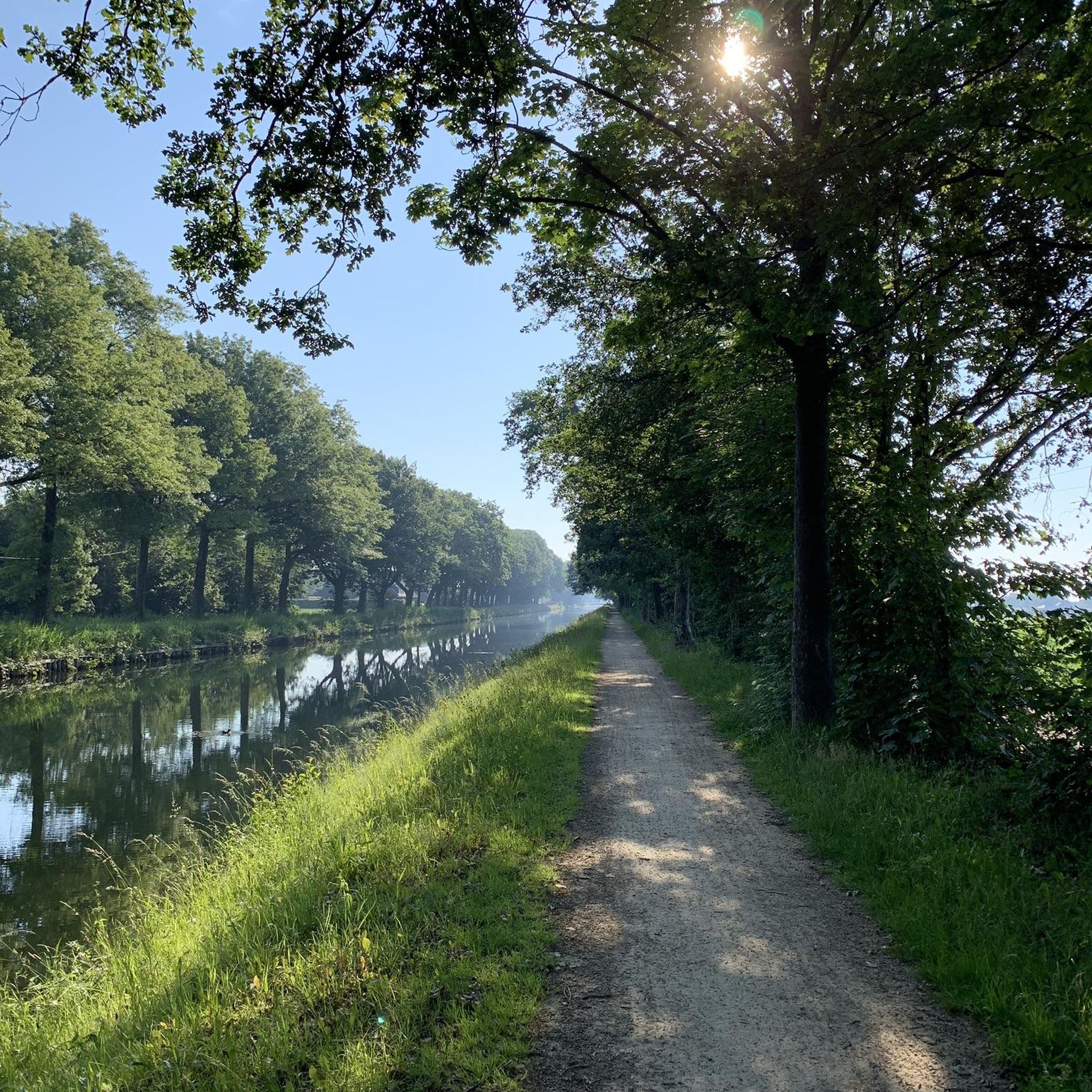
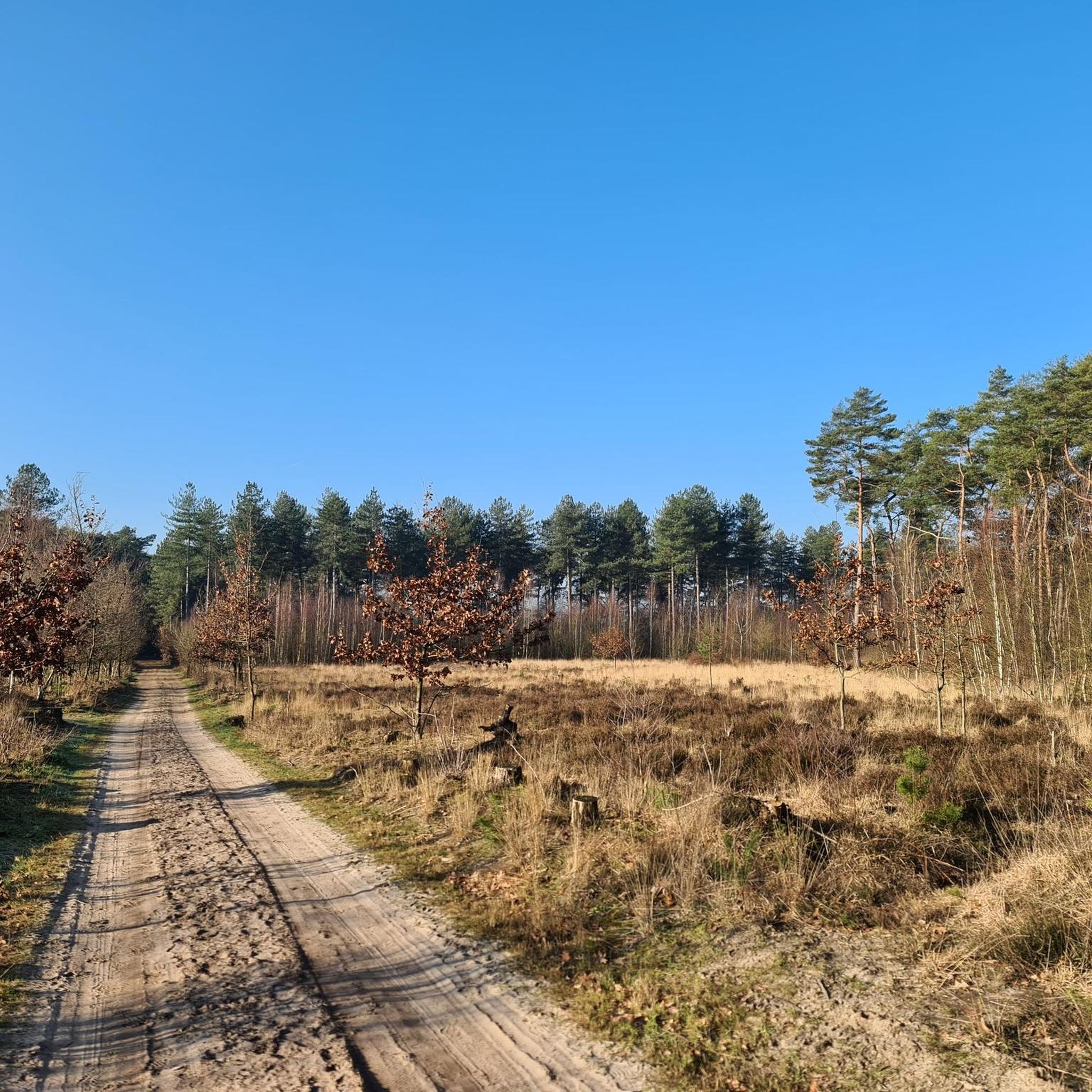
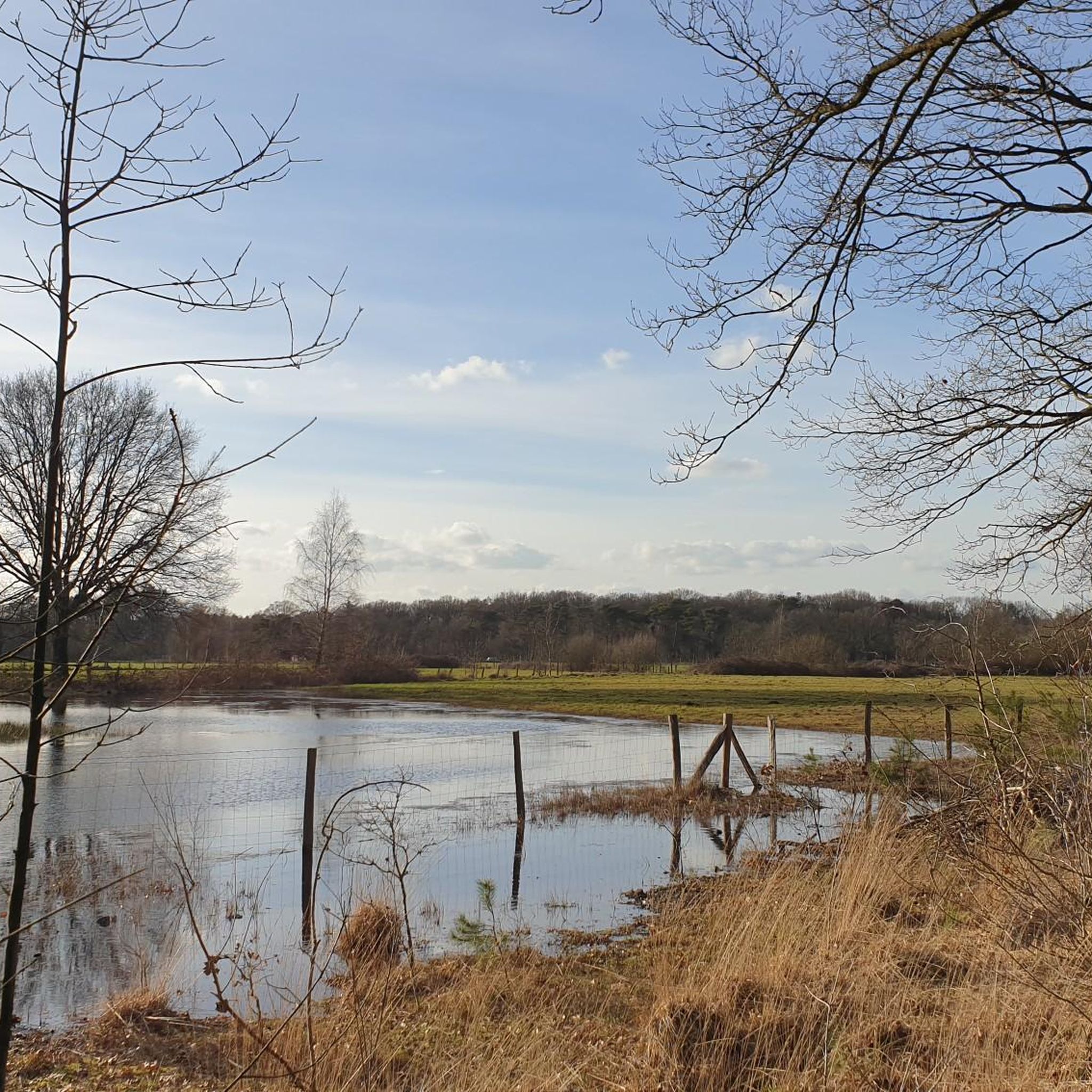
Touring cycling in Visbeekvallei offers routes through a diverse and well-preserved natural landscape in the Kempen region of Belgium. The area features a mosaic of ecosystems, including marshes, moorlands, and both coniferous and deciduous forests. Cyclists will encounter stretches of heathland, flower-rich grasslands, and wide, sandy roads characteristic of the Kempen. The Visbeek stream, the valley's lifeline, contributes to the moist environments and overall biodiversity.
Best touring cycling routes in Visbeekvallei
- The most popular touring cycling route is Warandeplas –…
Last updated: August 1, 2026
3.0
(1)
38
riders
10.4km
00:52
10m
10m
Easy bike ride. Great for any fitness level. Mostly paved surfaces. Suitable for all skill levels.
13
riders
5.87km
00:32
10m
10m
Hard bike ride. Great for any fitness level. You may need to push your bike for some segments of this route.

Sign up for free
4.4
(5)
21
riders
Easy bike ride. Great for any fitness level. Mostly paved surfaces. Suitable for all skill levels.
4.3
(3)
15
riders
28.4km
01:40
50m
50m
Easy bike ride. Great for any fitness level. Mostly paved surfaces. Suitable for all skill levels.
5.0
(6)
22
riders
19.4km
01:18
30m
30m
Easy bike ride. Great for any fitness level. Mostly paved surfaces. Suitable for all skill levels.
Get access to more routes and recommendations from other explorers.
Sign up for free
Already have an account?
Our route recommendations are based on thousands of hikes, rides, and runs completed by other people on komoot.
Start today with a free account
Your next adventure awaits.
Login or Signup
Tips from the Community

The Grotenhoutbos, also known as the Gierlese Bos, is a forest in Flanders, southwest of Turnhout, on the border of the municipalities of Vosselaar and Gierle. It covers an area of 375 hectares and is part of the Natura 2000 area "Forest and heathland areas east of Antwerp." https://nl.wikipedia.org/wiki/Grotenhoutbos
0
0

Kilometers of gravel roads through the woods. Wonderful cycling.
0
0


Generations of castle lords and the village community have cared for the magnificent heritage we have today. We must cherish this legacy with care. Everyone has a responsibility in this regard: the government, the owners, and certainly also the visitors. We all want to safeguard this for future generations. VORSELAAR: Proposal to protect the castle "de Borrekens", the rectory, the immediate surroundings of the castle, and the linden avenue as a village landmark. The castle was built in the thirteenth century as a military fortification for the Duke of Brabant, granted as a fief to the Lord Van Rotselaer. The latter gave the fortification, which had the character of a moated castle, the ground plan that can still largely be seen today. Little is known about its evolution since the thirteenth century. The castle is depicted in a print by Ertinger in the second half of the seventeenth century and published by Jacques Le Roy. This shows that the current castle's core still largely reflects this condition. The building's military character was lost in the eighteenth century, and it was converted into a "house of pleasure." This involved the demolition of several surrounding walls and defensive towers, and the moat separating the forecourt from the castle was filled in. Simultaneously or shortly before, several embellishments were carried out on the castle, with J.P. van Baurscheit as the architect. The buildings in the forecourt were constructed during the same period. In the 1850s and 1860s, restoration work was carried out in keeping with the fashion of the time. Several dormers, stepped gables, fireplaces, turrets, and battlements were added in the Neo-Gothic style. The interior was also altered during this period and in the same style. Although this renovation significantly altered the castle's appearance, the renovation itself is remarkable as a testament to the Neo-Gothic style that emerged in our region around 1850.
0
0

During dry spells, walking becomes more difficult due to the amount of loose sand. But that's just the nature of sand dunes.
13
0

This tree was once magnificent. Now it seems to be dying... 😟
1
0

This neo-Gothic church was built in 1877 to a design by Pieter Jozef Taeymans. The old church tower was preserved and dates from 1430. The church and the organ were recognized as a protected monument in 1975. In the church we find the miraculous statue of Our Lady, carved from pear tree and then gilded. According to legend, the statue was found around 1220 and has been venerated for many hundreds of years by the population of Vosselaar and pilgrims from the surrounding area. What we can say with certainty is that the statue dates from the 13th century. Even today, devout worshippers come to ask for help from the "Consoler of the Afflicted". The veneration of Mary declined sharply in the second half of the 20th century, but remained alive in the many neighborhood chapels. To the left of the entrance to the Church of Our Lady you will find the memorial stone of Adriaen Ghys. The church houses the restored Jacobus Verbuecken organ from 1739. Unique in this organ is the Voix Humaine 8v, it is the only example that has been preserved. More information about this can be found on the website of the Vosselaar Organ Committee. The devotion to Our Lady became known mainly through the interest and involvement of Mary of Hungary. She stimulated, among other things, the arrival of pilgrims from Turnhout. The importance of Vosselaar can also be deduced from the fact that she is mentioned in the ‘Brabantia Mariana’ by Wichmans (1632) and in the ‘Diva Virgo Candida’ by Gerardus Van Herdegom (1650). Source: https://www.vosselaar.be/onze-lieve-vrouwkerk Duplicate: https://www.komoot.com/nl-nl/highlight/7440248
3
0

Frequently Asked Questions
What kind of landscapes can I expect to see while touring cycling in Visbeekvallei?
Visbeekvallei offers a diverse and well-preserved natural landscape. You'll cycle through a mosaic of ecosystems, including extensive marshes and moorlands, coniferous and deciduous forests, and picturesque heathland. The region is also characterized by flower-rich grasslands and wide, sandy roads, all shaped by the meandering Visbeek stream.
How many touring cycling routes are available in Visbeekvallei?
There are over 600 touring cycling routes available in Visbeekvallei. The majority, more than 400, are considered easy, with about 170 moderate routes and around 40 more challenging options, catering to various skill levels.
Are there any circular touring cycling routes in Visbeekvallei?
Yes, many of the touring cycling routes in Visbeekvallei are designed as loops, allowing you to start and end at the same point. For example, the Warandeplas – Picnic area junction 80 loop from Vlimmeren is a popular circular route exploring the area around Warandeplas.
What are some notable natural attractions or points of interest along the touring cycling routes?
Along the routes, you can explore several natural highlights. The Warandeplas is an expansive body of water surrounded by forests, and the Visbeek Valley itself is a protected landscape. You might also encounter the Lilse Zegge Nature Reserve, known for its biodiversity.
Are there any family-friendly touring cycling routes in Visbeekvallei?
Visbeekvallei is well-suited for family cycling, with many routes considered easy and accessible. The Grotenhoutbos Lake – Konijnenberg Sand Dune loop from P 4 is an easy 12.3-mile (19.8 km) path that navigates through forests and heathland, offering varied scenery suitable for families.
What do other touring cyclists enjoy most about cycling in Visbeekvallei?
The area is highly rated by the komoot community, with an average score of 4.3 stars from over 700 reviews. Cyclists often praise the diverse and well-preserved natural landscapes, the variety of ecosystems from marshes to forests, and the accessible paths that make for an engaging cycling experience.
Is it possible to bring dogs along on touring cycling trips in Visbeekvallei?
Yes, Visbeekvallei is generally welcoming to dogs. Notably, the Warandeplas area includes specific zones where dogs can enter the water, making it a great spot for a break with your canine companion. Always ensure dogs are kept on a leash where required and respect local regulations.
Where can I park my car when visiting Visbeekvallei for a touring cycling trip?
While specific parking locations are not detailed for every route, the region is known for accessible paths, suggesting various entry points. For routes like the Grotenhoutbos Lake – Konijnenberg Sand Dune loop from P 4, parking is often available near the starting points or trailheads, such as designated spots like 'P 4'.
What is the best time of year to go touring cycling in Visbeekvallei?
Visbeekvallei offers beautiful cycling experiences throughout the year. Spring and autumn provide pleasant temperatures and vibrant colors, while summer allows you to see the heathland in full bloom. Even in winter, the forests and sandy roads offer a unique, tranquil atmosphere, though some paths might be damp due to the stream's presence.
Are there any longer touring cycling routes for more experienced cyclists?
Yes, Visbeekvallei offers longer routes for those seeking a more extensive ride. The Picnic area junction 80 – De Lilse Bergen loop from Wechelderzande is a moderate 22.2-mile (35.8 km) route that takes you through varied landscapes, suitable for experienced touring cyclists.
Can I find cafes or pubs near the cycling routes in Visbeekvallei?
While the Visbeekvallei itself is a natural reserve, the surrounding Kempen region has a strong cycling culture, meaning you'll often find cafes and pubs in nearby towns and villages. These establishments are typically located within a short cycling distance from many trail access points, perfect for a refreshment stop.
Most popular routes in Visbeekvallei
Most popular attractions in Visbeekvallei

Get inspired with the komoot mobile app


Explore more
Browse the best Cycling routes in other regions.
