The best cycling routes in Bourgoyen-Ossemeersen
4.2
(3339)
42,122
riders
1,160
rides
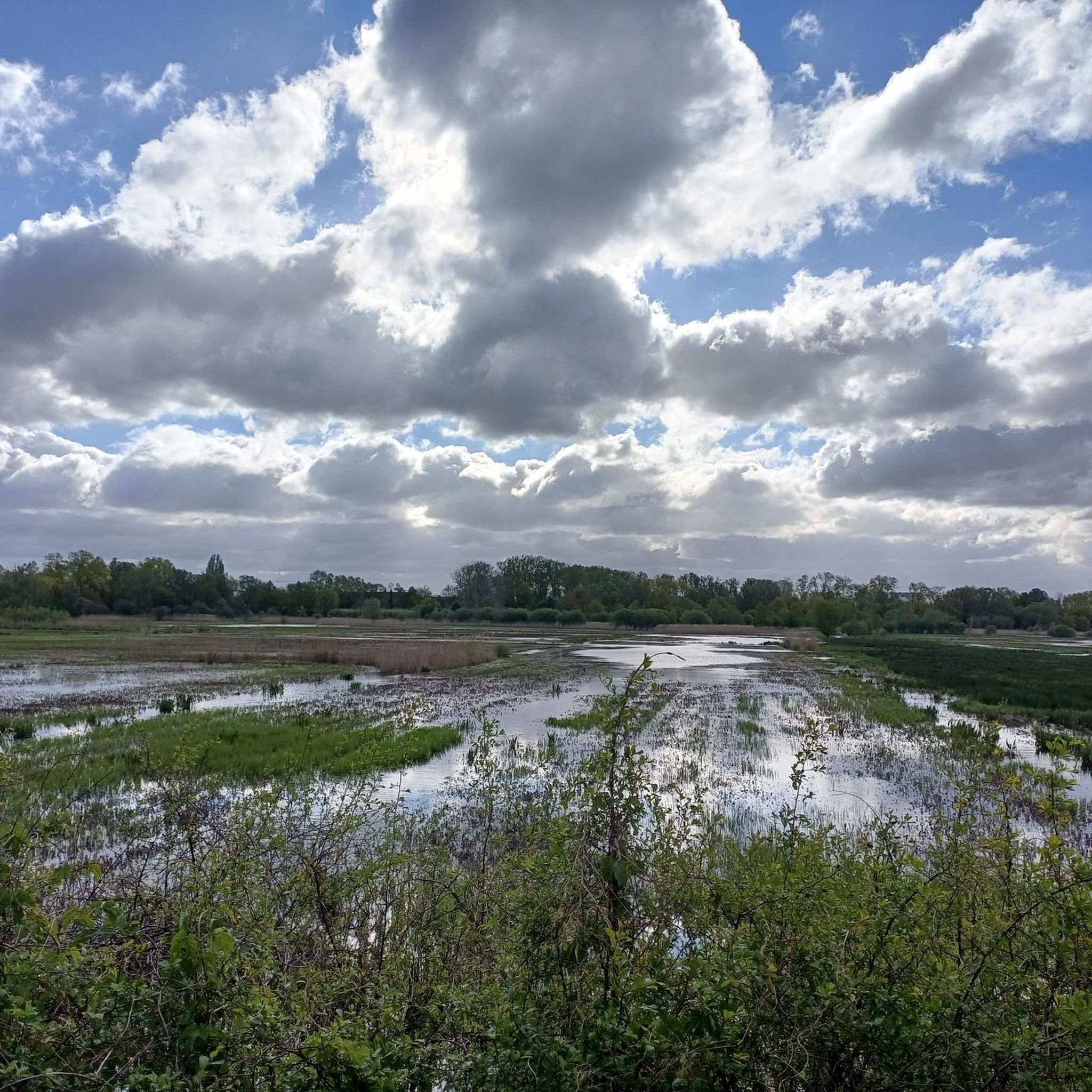
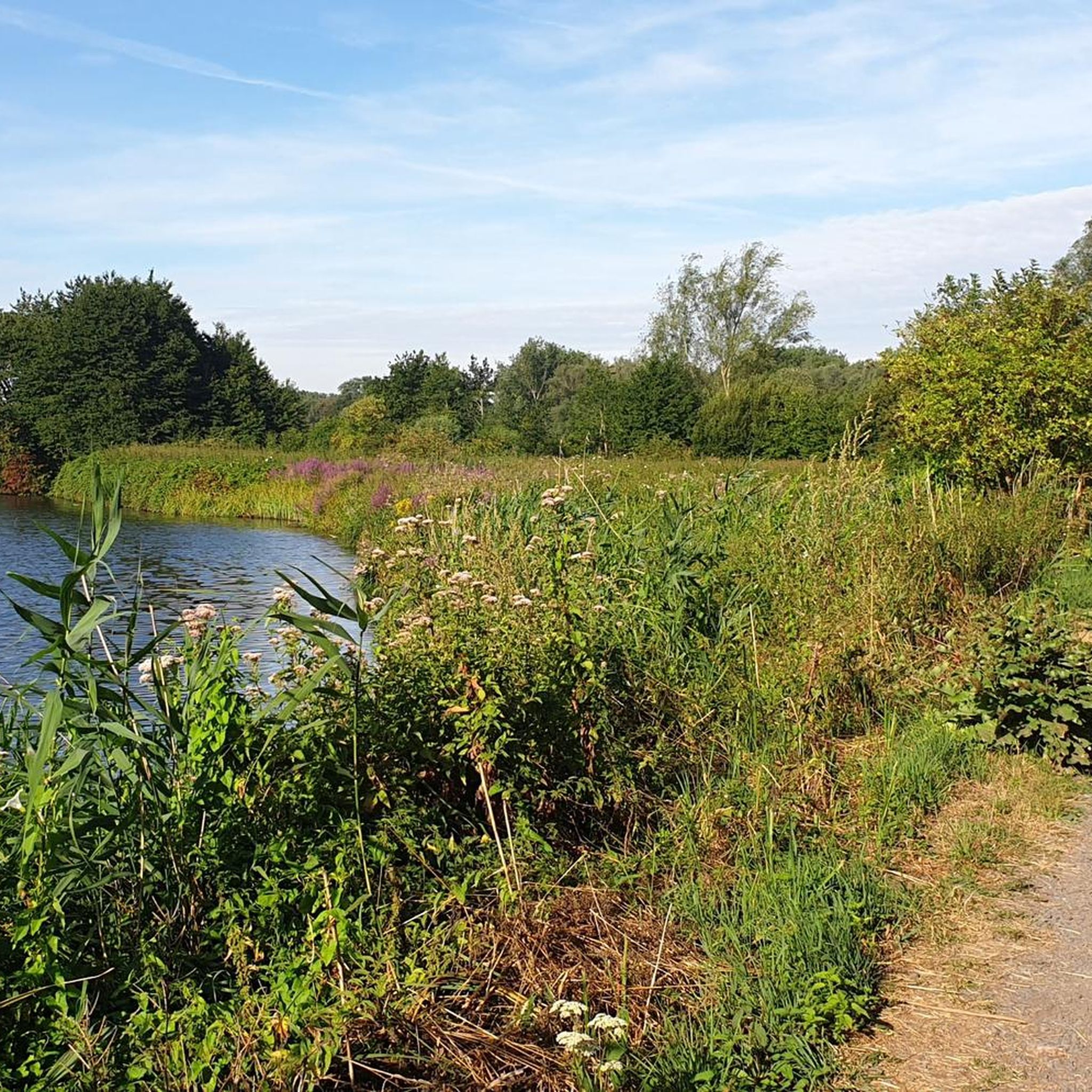
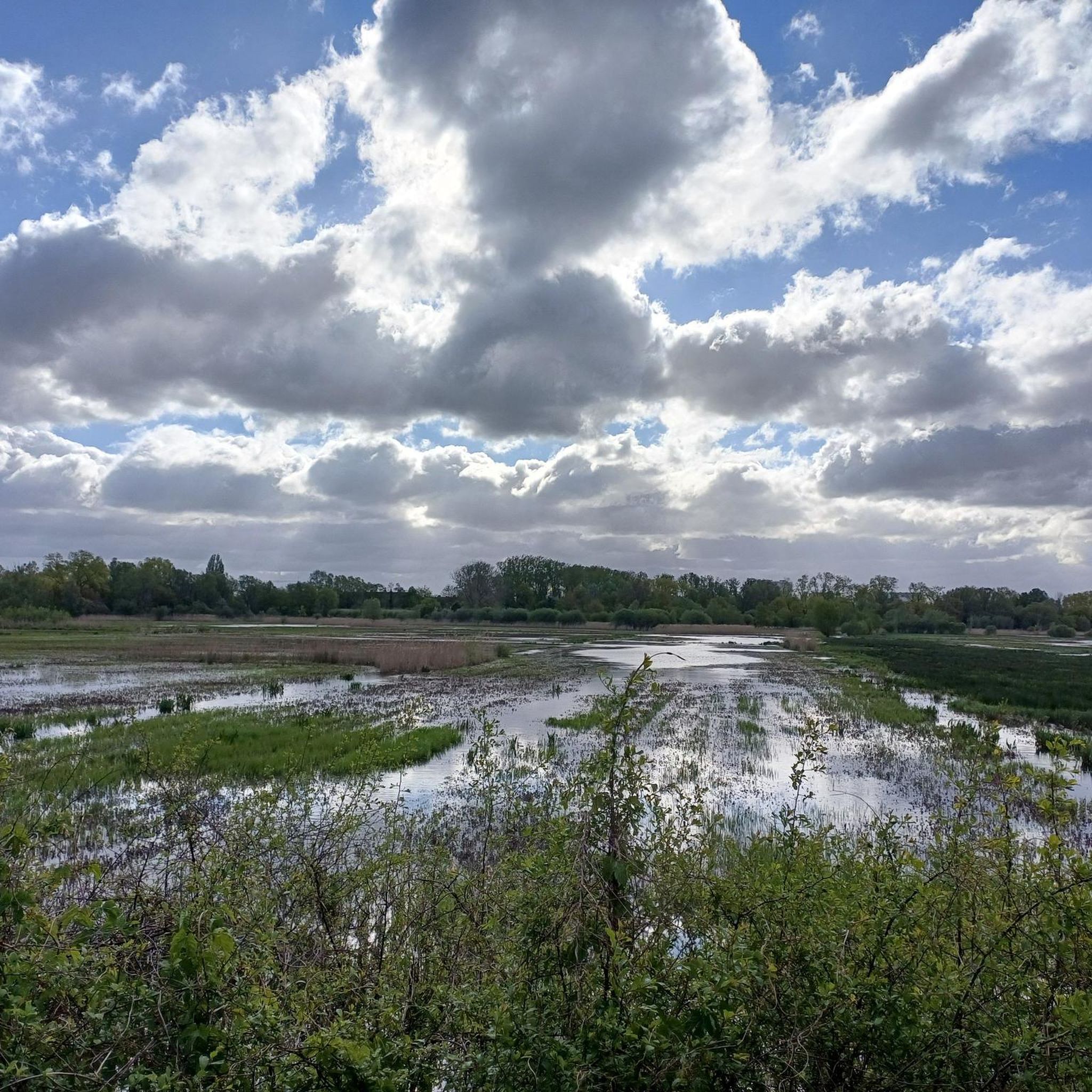
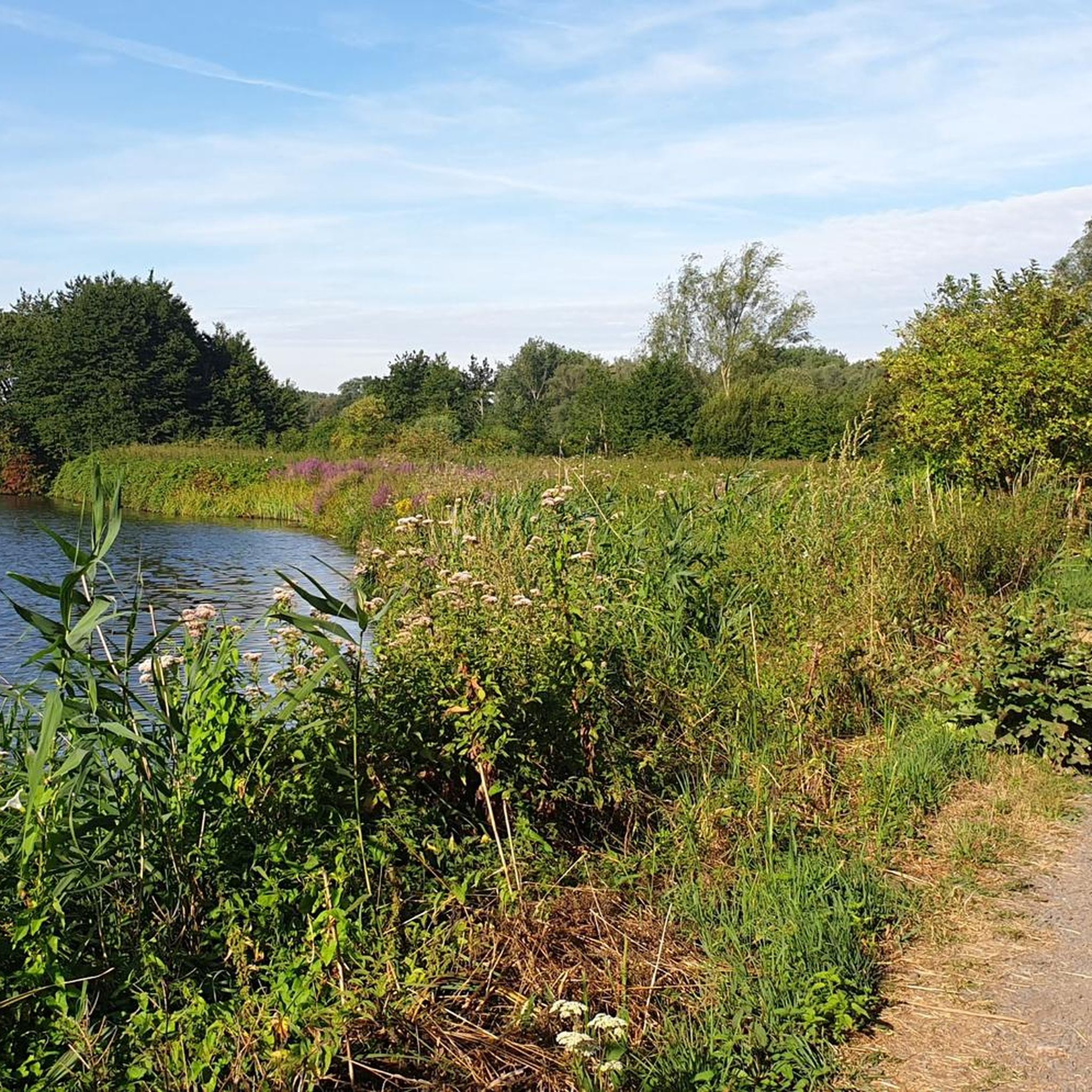
Touring cycling in Bourgoyen-Ossemeersen is characterized by its expansive, flat terrain, making it suitable for leisurely rides. The region features a unique wetland environment of wet, marshy meadows, frequently intersected by a network of ditches and canals. This medieval river meadow complex is divided into three sections: the Bourgoyen, Ossemeersen, and Meerskant, separated by the Leie River. The area is known for its rich birdlife and diverse plant species, offering a natural setting for cycling.
Best touring cycling routes in…
Last updated: October 8, 2026
5.0
(2)
166
riders
9.02km
00:34
20m
20m
Easy bike ride. Great for any fitness level. Mostly paved surfaces. Suitable for all skill levels.
76
riders
8.69km
00:34
20m
20m
Easy bike ride. Great for any fitness level. Mostly paved surfaces. Suitable for all skill levels.

4.0
(3)
41
riders
22.6km
01:22
30m
30m
Hard bike ride. Great for any fitness level. You may need to push your bike for some segments of this route.
22
riders
Easy bike ride. Great for any fitness level. Mostly paved surfaces. Suitable for all skill levels.
21
riders
Easy bike ride. Great for any fitness level. Mostly paved surfaces. Suitable for all skill levels.
Get access to more routes and recommendations from other explorers.
Already have an account?
Our route recommendations are based on thousands of hikes, rides, and runs completed by other people on komoot.
Start today with a free account
Your next adventure awaits.
Tips from the Community

The Drongenplein is the heart of the old village center of Drongen. The design of the Drongenplein with its pollarded lime trees and footpaths is full of nods to the past. The corten steel fencing shows the boundaries of the churchyard that was located here until the 19th century. The paths follow a route that is still visible on old city maps, and the curved bench at the war memorial is a reference to the meandering Leie.
2
0
The Asselsbrug is a railway and cycle bridge over the Noordelijke Leie between Drongen and Assels on the west side of Ghent. The bridge is located on railway line 50A, which connects Ghent with Bruges. When railway line 50A was expanded from two to four tracks, a new railway bridge was added on both sides of the original bridge.
3
0
For those wondering why there was never a wider bridge to connect Assel to the civilized world: this 1927 four-part bridge is a protected monument and was restored quite recently. It therefore remains millimeter work for trucks that need to get to the other side. The name Pontbrug points to a further past when there was only a pontoon or ferry service here.
3
0

The Gravensteen (Dutch; lit. 'the Counts' stone [castle]') is a medieval castle in the city of Ghent, East Flanders in Belgium. The current castle dates from 1180 and was the residence of the Counts of Flanders until 1353. It was subsequently re-purposed as a court, prison, mint, and even as a cotton mill. It was restored over 1893–1903 and is now a museum and a major landmark in the city.
0
0

The Gravensteen owes its existence to the Counts of Flanders. To protect themselves from enemy attacks, Count Baldwin II had fortifications built at all strategic locations in the empire in the 9th century. His son Arnulf I continued his father's work and built a fortress in Ghent. This is where the Gravensteen stands today. At that time, it was a rectangular wooden structure consisting of a two-story main building and some outbuildings, including a grain store. The fortress soon proved to be a magnet for trade and crafts in the region. Ghent grew into the largest city of the newly founded Flanders. In the 11th century, the wooden structure gave way to a luxury residence made of precious Tournai limestone. The wooden outbuildings served as storage, where the yields from the surrounding (countly) lands were stored and processed by craftsmen from various guilds. In the following century, the castle became a motte. This type of castle is characterized by an artificially created earth mound, piled up 3 meters high. The former first floor thus became the ground floor. In addition, a stone ring wall was built around the castle. A gate now separated the upper castle, or inner bailey, from the outer bailey, the present-day Sint-Veerleplein. Philip of Alsace had the motte raised and widened. The main building became a 30-meter-high residential and defensive tower, a so-called keep. The interior of the tower was also expanded. Around the upper castle, a wall with 24 turrets and a projecting gate was built, where the following inscription can still be read today: "In the year 1180, Philip, Count of Flanders and Vermandois, son of Count Dietrich (Diederik) and Sibylla, had this castle built." The use of various types of stone created a multi-colored complex with a more luxurious appearance. Apart from that, there was no skimping on decorations. The castle's architecture is reminiscent of the famous Crac des Chevaliers castle in northern Syria, which is inextricably linked to the Crusades. Phillips may have drawn inspiration from there. Source: historischehuizen.stad.gent/de/grafenburg/geschichte-und-geschichten
2
0
The Old Palace of Justice in Ghent (Gerechtshof) is an impressive courthouse built in the 19th century. It is a neoclassical building that played a prominent role in the cityscape in the 1880s. Today, the historic building still houses the Assize Court and the Court of Appeal.
3
0
The Old Palace of Justice in Ghent (Gerechtshof) is an impressive courthouse built in the 19th century. It is a neoclassical building that played a prominent role in the cityscape in the 1880s. Today, the historic building still houses the Assize Court and the Court of Appeal.
2
0
The Zuivelbrug is the elegant bridge over the Leie, which allows passage between two historically valuable districts. On the one hand, the Oudburg with the Patershol district, which belonged to the county property of the Grafenburg, and on the other hand, the Vrijdagmarkt. From the 13th century until 1476, this bridge was also known by the name Boudinsbrug, after a resident of the "Suvelsteghe". Initially, it was made of wood, then it was built of stone between 1363 and 1426. To allow the passage of seagoing vessels, a swing bridge was built between 1751 and 1754, which was renewed several times over time. On July 1, 1987, a completely renovated metal swing bridge was installed to replace the outdated bridge, which had been out of operation since 1968. Source: https://gentdekuip.com/zuivelbrug/
3
0
Frequently Asked Questions
What is the general terrain like for touring cycling in Bourgoyen-Ossemeersen?
Bourgoyen-Ossemeersen is characterized by its expansive, flat terrain, making it ideal for leisurely touring cycling. The region features a unique wetland environment of wet, marshy meadows, frequently intersected by a network of ditches and canals. While some paths are paved, others may include unpaved segments, but the overall elevation gain is minimal.
Are there many touring cycling routes available in Bourgoyen-Ossemeersen?
Yes, there are nearly 1000 touring cycling routes in Bourgoyen-Ossemeersen. This includes over 600 easy routes, 280 moderate routes, and around 80 more challenging options, catering to various skill levels.
What kind of natural features and landmarks can I expect to see along the cycling routes?
The region is known for its unique medieval river meadow complex, rich birdlife, and diverse plant species. You can explore the Bourgoyen-Ossemeersen Nature Reserve itself, or pass by the historic Hoosmolen Water Pumping Mill and the tranquil Schepvijver lake. The Lieve River also offers picturesque views of the water and classic Flemish countryside.
Are there any family-friendly touring cycling routes in Bourgoyen-Ossemeersen?
Yes, many routes are suitable for families due to the flat terrain. An easy option is the Historic Tram Mural, Ghent – Old Courthouse loop from Mariakerke, which is 5.4 miles (8.6 km) and offers a blend of park scenery and urban elements near Ghent.
Can I bring my dog on the touring cycling trails?
While the region is a nature reserve, specific regulations for dogs on cycling trails can vary. It's generally advisable to keep dogs on a leash, especially given the rich wildlife, particularly birds. Always check local signage for any restrictions on specific paths.
Are there circular touring cycling routes available?
Yes, many of the touring cycling routes in Bourgoyen-Ossemeersen are designed as loops. For example, the Cycle path along the Lieve – Cycle Path Along the Lieve loop from Bourgoyen-Ossemeersen is a 14.8-mile (23.8 km) circular trail that follows the historic Lieve canal.
What is the best time of year to go touring cycling in Bourgoyen-Ossemeersen?
The reserve is beautiful year-round, but spring and autumn offer pleasant temperatures for cycling and excellent opportunities for birdwatching, as it's an important wintering ground for many water birds. During winter, lower parts of the reserve may experience seasonal flooding, which can affect some paths.
Where can I park or access the routes by public transport?
Bourgoyen-Ossemeersen is conveniently located just a short 10-minute bike ride from Ghent city center. The Jan Hublé Nature Center often serves as a good starting point and may have parking facilities or be accessible via local public transport routes from Ghent.
What kind of wildlife can I expect to see while cycling?
Bourgoyen-Ossemeersen is one of the most bird-rich nature reserves in Flanders. Cyclists can often spot a variety of water birds like wigeon, teal, shovelers, ducks, and geese. Birdwatching huts are strategically placed for observation. Beyond birds, the area is home to amphibians, insects, and diverse plant life.
Are there any easy touring cycling routes for beginners?
Absolutely. The region offers over 600 easy routes. A good option for beginners is the Cycle path along Seingeverspark – Lampistenpark Cycle Path loop from Mariakerke, a 6.9-mile (11.1 km) trail leading through local parks and cycle paths, typically completed in about 40 minutes.
What do other touring cyclists say about the routes in Bourgoyen-Ossemeersen?
The routes in Bourgoyen-Ossemeersen are highly rated by the komoot community, with an average score of 4.3 stars from over 2800 reviews. Cyclists often praise the tranquil escape, the rich natural environment, and the well-maintained paths that offer a peaceful experience close to Ghent.
Are there cafes or refreshment stops near the cycling routes?
While the nature reserve itself is primarily natural, its proximity to Ghent means that cafes and refreshment options are readily available in the nearby city center or surrounding neighborhoods. The Jan Hublé Nature Center might also offer basic facilities.
Most popular routes in Bourgoyen-Ossemeersen
Most popular attractions in Bourgoyen-Ossemeersen

Get inspired with the komoot mobile app


Explore more
Browse the best Cycling routes in other regions.
