Attractions and Places To See in Kravaalbos En Omgeving - Top 20
Best attractions and places to see in Kravaalbos En Omgeving, situated at the border of East Flanders and Flemish Brabant, is known for its natural beauty and historical significance. The region is centered around the ancient Kravaalbos forest, a protected landscape with diverse terrain and rich biodiversity. Visitors can explore remnants of the vast "Kolenwoud" and discover areas with significant relief, springs, and wetlands. It offers a tranquil escape for nature lovers and those interested in local history and culture.
…Last updated: October 9, 2026
Kravaalbos Forest
Highlight • Forest
Translated by Google •
Tip by

Pond of the Old Sandstone Quarry Kravaalbos
Highlight • Lake
Translated by Google •
Tip by

Sign up now to discover places like this
Get recommendations on the best single tracks, peaks, & plenty of other exciting outdoor places.
Living Hop Monument, Meldert
Highlight • Monument
Heemkundige Kring De Faluintjes. It was unveiled on 2 September
2006 by Yves Leterme (then Prime Minister and …
Translated by Google •
Tip by

Saint Walburga's Church - Meldert (Aalst)
Highlight • Religious Site
Translated by Google •
Tip by
Historic permanent grassland
Highlight • Natural
Translated by Google •
Tip by
Sign up for free to discover even more attractions in Kravaalbos En Omgeving.
Already have an account?
Start today with a free account
Your next adventure awaits.

Tips from the Community

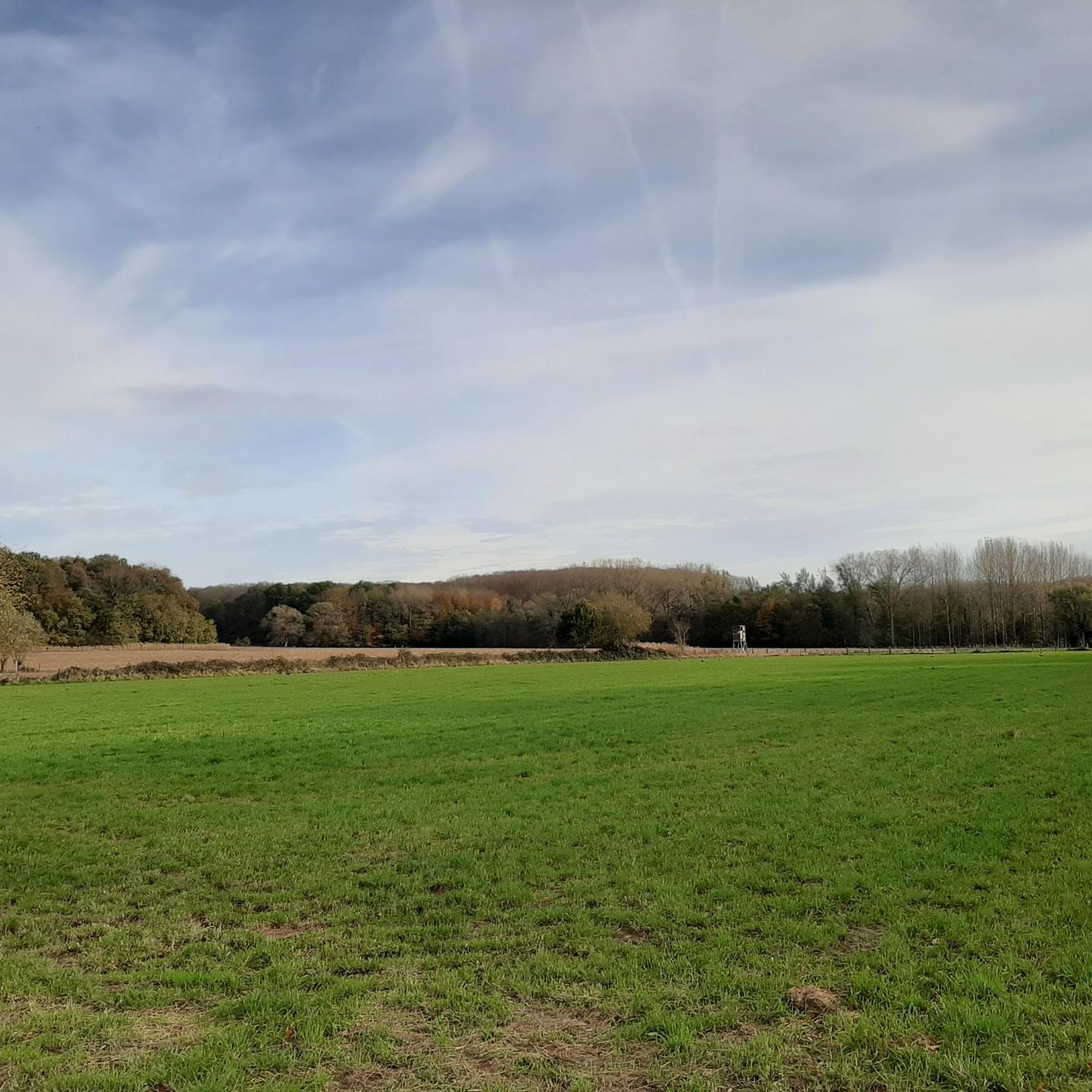
To maintain grassland, some form of management is necessary: mowing, grazing, or a combination of both. This grassland has long been used as pasture, formerly for horses, now for sheep. Grazing causes less disruption and provides more structure to the vegetation than mowing. Animals don't graze everywhere or with the same intensity. It also kills fewer beneficial insects and other fauna than when using machinery. The manure produced by grazers is useful for many invertebrate dung-eaters, and therefore also for insectivores. (Brochure: Discover the Kravaal Forest)
11
0

The St. Walburga's Church in Meldert, near Aalst, dates from 1363, but the aisle with the mural was built in the 15th century. The painting is likely part of the church's earliest decorations. The scene was successively covered by a Gothic reredos and the current Baroque altar from the 17th century. The painting was hidden for no less than 400 years. Ilona Hans-Collas, an expert in medieval art, dates the painting to around 1550, which would make it one of the oldest in the region. Source: https://erfgoedceldenderland.be/ https://www.otheo.be/nieuws/15e-eeuwse-muurschildering-ontdekt-achter-altaar-sint-walburgakerk-meldert Interested in a visit? Check the website: https://www.kerknet.be/parochie-aalst-hopparochie/informatie/geen-vieringen-maar-wel-open-kerken
3
0
The Sint-Walburgakerk is situated on a hill at the intersection of the main streets of the village. Opposite the church you can see the rectory; it was rebuilt in 1717 after being destroyed. It was given its current form at the beginning of the 19th century. The building was recently given a new function: it is being converted into a 'Huis van de Streek' with a museum café, a tourist information point and a regional shop. Source: https://toerismeaffligem.be/blikvangers/meldertdorp.html
7
0
Where once one of Meldert's most important quarries lay, now the clear water of a large pond sparkles. At first this was a marshland, but in 1962 a stream was dammed and the quarry filled up.
7
0
The artwork is not a classical figurative image, but an installation in the public space that links to the cultural history of the place itself, an ode to a historical fact. It is public art that is accessible, an arbor when the hop vines are in full bloom, art in dialogue with nature. The great master artist here is Nature. It is also an ‘eye-catcher’ on the Meldert village square.
6
0
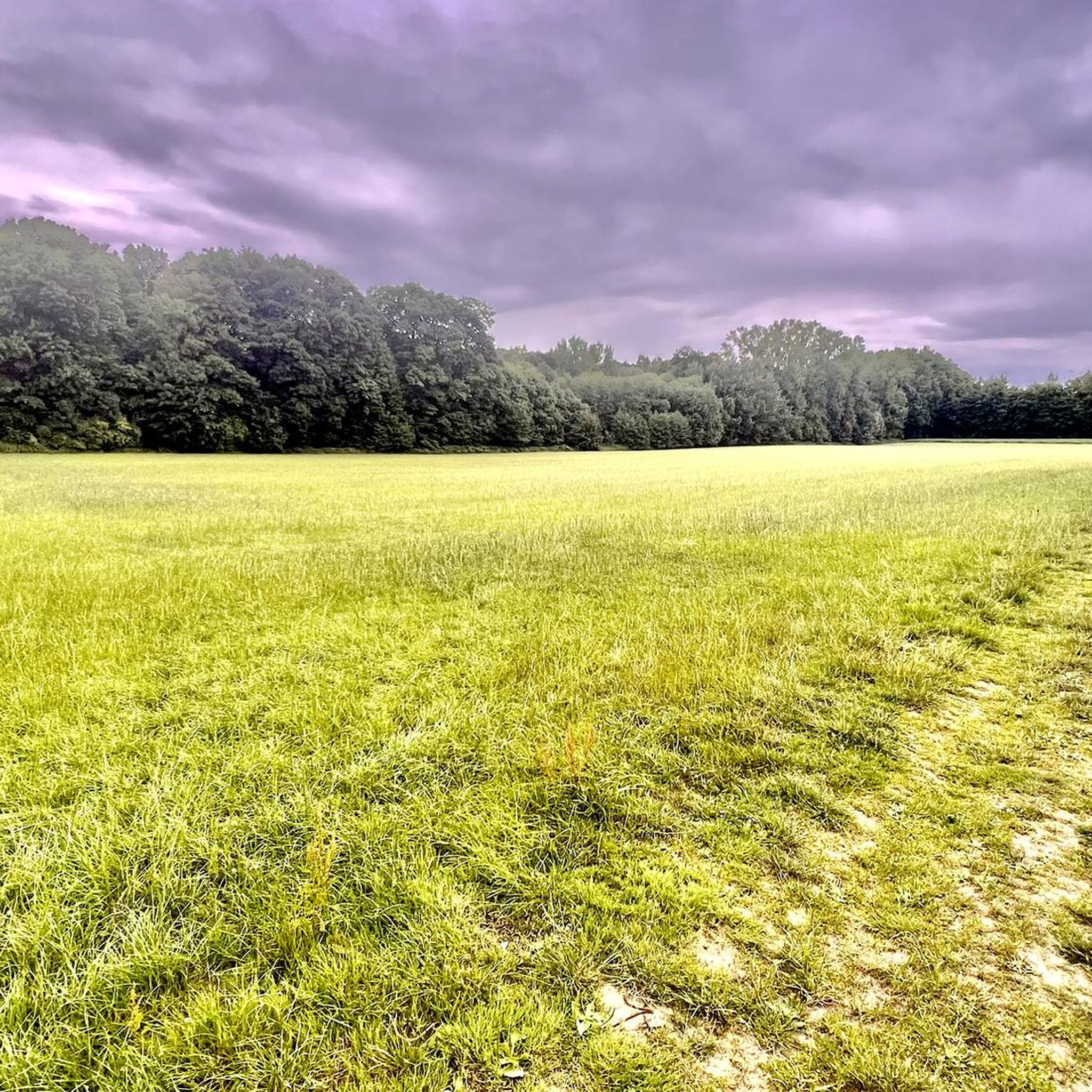
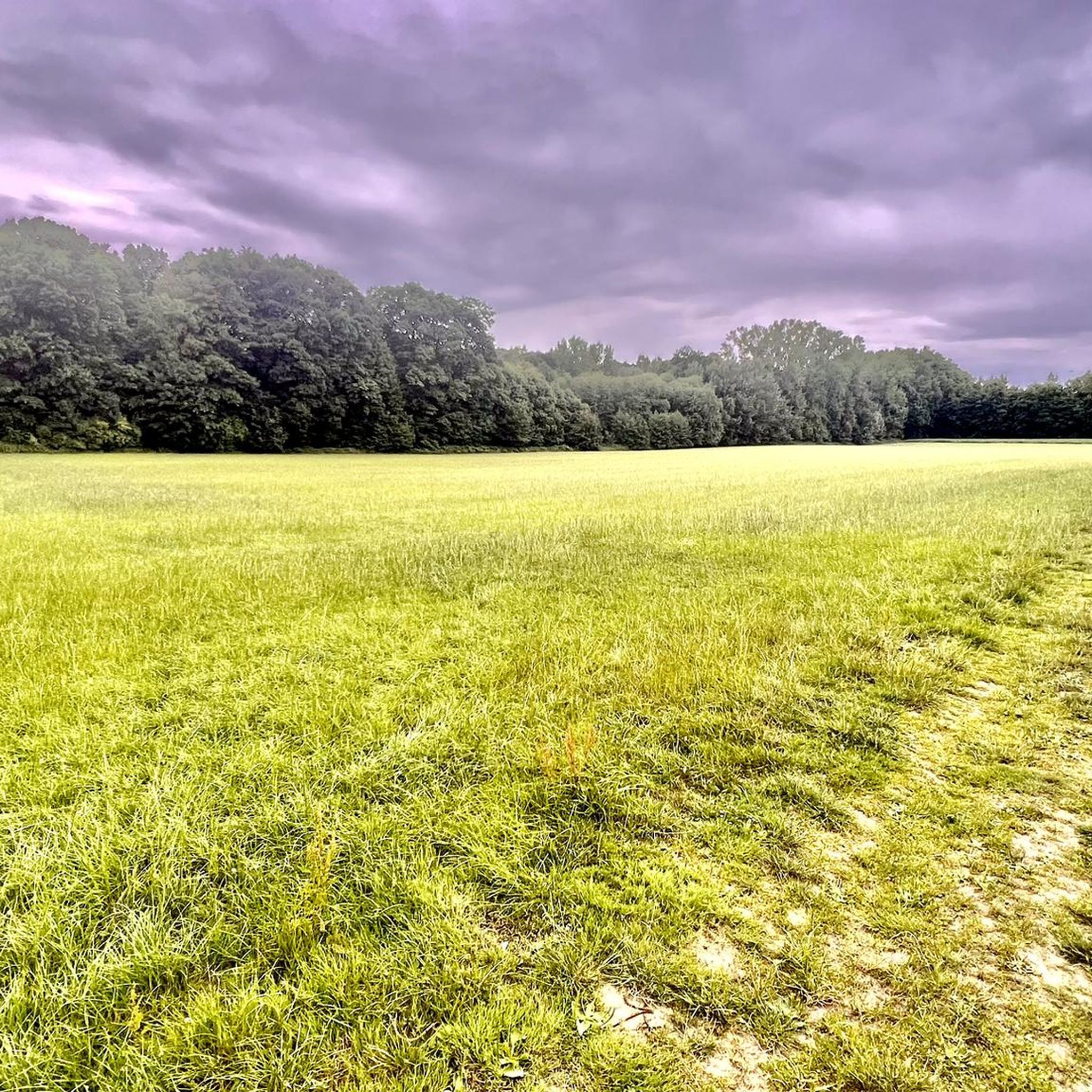
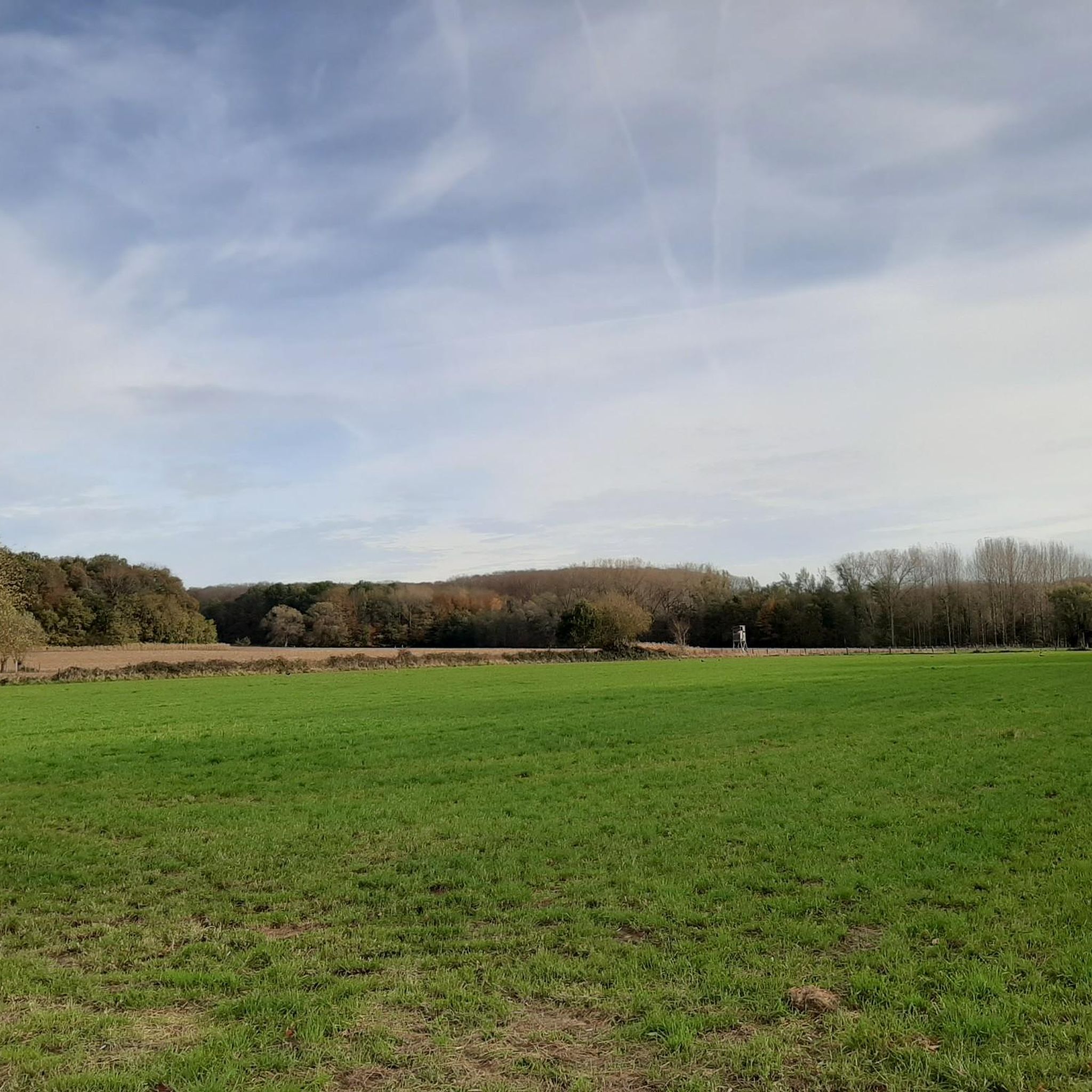
Enjoy the view. Some grasslands are more valuable to nature than others. Some grasslands have an exceptionally high natural value due to their age, unique location or because they have been managed as a nature reserve for many years. We call these grasslands 'historically permanent grasslands'. You can read more information on the information board on site.
6
0

beautiful views, easy country roads, extension possible in the Kravaal forest
3
1
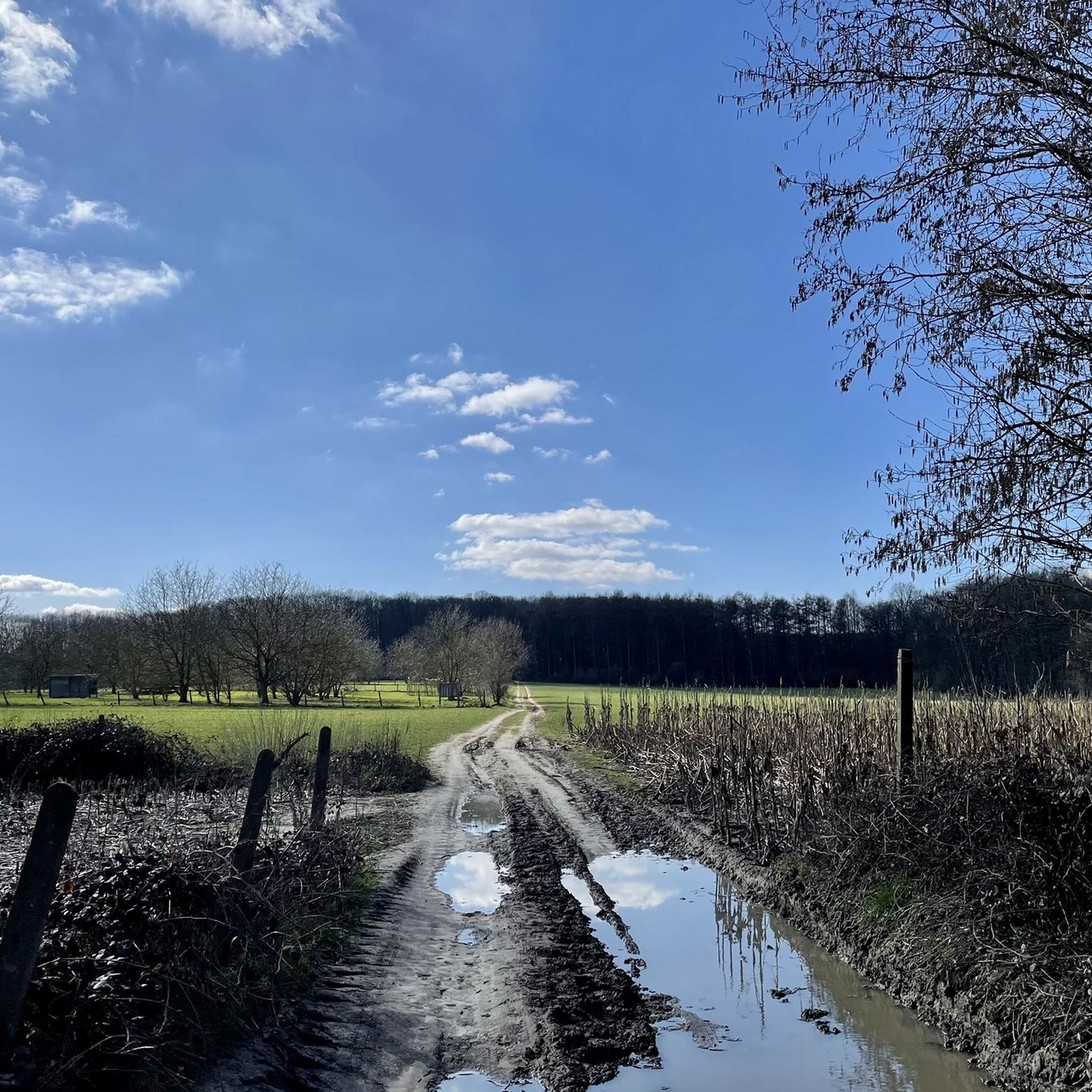
Beautiful, quiet forest. Some very muddy passages due to the persistent rain of the last months.
4
0
Frequently Asked Questions
What kind of natural landscapes can I explore in Kravaalbos En Omgeving?
The region is centered around the ancient Kravaalbos Forest, an 80-hectare protected landscape with diverse terrain. You'll find dry valleys, wetlands, and areas with springs that feed the Molenbeek Stream. Surrounding the forest are picturesque meadows bordered by pollard willows and hedges, offering charming panoramic views.
Are there marked hiking trails in Kravaalbos Forest?
Yes, Kravaalbos Forest offers several well-marked walking routes, ranging from 1.5 km to nearly 8 km. There are also four official walking loops of varying lengths (3.2 km, 3.8 km, and 4.2 km) to help you explore its diverse nature. For more hiking options, you can explore the running trails guide which also includes walking routes.
What historical sites can I visit in the Kravaalbos En Omgeving region?
The region is rich in history. You can visit the Pond of the Old Sandstone Quarry Kravaalbos, a remnant of a quarry initiated by the Abbey of Affligem. Also, explore the Living Hop Monument, Meldert, a unique man-made monument in a historic village square. The Saint Walburga's Church - Meldert (Aalst), built with local sandstone, also holds significant historical value.
When is the best time to visit Kravaalbos En Omgeving for nature observation?
Spring is an excellent time to visit, especially for nature lovers. During this season, the Kravaalbos Forest transforms with a spectacular display of white wood anemones and purple wild hyacinths. You might also spot lily of the valley, herb Paris, and slender cowslip, while wetter areas host marsh marigolds and lesser celandine.
Are there family-friendly attractions or activities in Kravaalbos En Omgeving?
Yes, several spots are suitable for families. The Living Hop Monument, Meldert, is an interesting and accessible site. The Historic permanent grassland offers open spaces and views. Additionally, Hof Den Tuitelaar, a former brewery converted into an inn, features an adventurous garden for all ages.
Can I bring my dog to Kravaalbos Forest?
Dogs are welcome in Kravaalbos Forest, but they must be kept on a leash. Visitors are also asked to stay on the designated paths to protect the vulnerable natural environment.
What unique natural features should I look out for in Kravaalbos En Omgeving?
Beyond the general forest, keep an eye out for the dry valleys formed by meltwater during ice ages and areas with springs and wetlands. The forest is also home to a rich biodiversity, including rare bird species like the middle spotted woodpecker and European honey buzzard. Lucky visitors might spot roe deer or red squirrels.
What outdoor activities, besides hiking, can I do near these attractions?
While the Kravaalbos Forest itself is primarily for walking, designated paths run along its edges for cycling and horseback riding. You can find various options for road cycling, mountain biking, and running in the broader Kravaalbos En Omgeving area.
Are there any local cafes or places to eat near the Kravaalbos attractions?
Yes, the village of Meldert, close to the Kravaalbos Forest, offers a few options. Café "Bij Stinne" is a traditional folk café and a popular starting point for walks. Hof Den Tuitelaar, a former brewery, is now a cozy neighborhood inn offering local products. Brasserie 't Vertier also provides a stylish dining experience.
What makes the Kravaalbos Forest ecologically valuable?
The Kravaalbos Forest is an ecologically valuable area due to its diverse landscape and rich biodiversity. It's a haven for various bird species, including the middle spotted woodpecker, black woodpecker, and European honey buzzard. Its varied flora, especially the spring bloom of wood anemones and wild hyacinths, further contributes to its ecological significance.
What is the significance of the Pond of the Old Sandstone Quarry Kravaalbos?
The Pond of the Old Sandstone Quarry Kravaalbos is a large pond that marks the site of a historic sandstone quarry. This quarry gained fame in the Middle Ages, with sandstone extraction initiated by the Abbey of Affligem. The stone was crucial for building many structures in Flanders, including parish churches and even parts of St. Michael's Cathedral in Brussels.
What can I learn about the local history and culture of Kravaalbos En Omgeving?
The region has a rich past. You can explore the historical significance of the sandstone quarries at the Pond of the Old Sandstone Quarry Kravaalbos and visit the historic Saint Walburga's Church - Meldert (Aalst). For a deeper dive, consider listening to the 'De Kravaalverhalen' podcast, which features seven stories about the area's history, including tales of smuggling, conspiracies, and local figures.
Most popular routes in Kravaalbos En Omgeving
Most popular attractions in Kravaalbos En Omgeving

Get inspired with the komoot mobile app


Explore more
Still not found the Highlight you’re looking for? See guides of the top attractions in other regions:
