Maalbeekvallei Ten Westen Van Grimbergen
Maalbeekvallei Ten Westen Van Grimbergen
Attractions and Places To See in Maalbeekvallei Ten Westen Van Grimbergen - Top 12
Best attractions and places to see in Maalbeekvallei Ten Westen Van Grimbergen offers a blend of natural beauty, historical landmarks, and cultural sites. The region features a picturesque valley with a winding stream, historic mills, and chapels. It provides opportunities to explore nature, delve into local history, and engage in outdoor activities.
Best attractions and places to see in Maalbeekvallei Ten Westen Van Grimbergen
- The most popular attractions is Maalbeek Trail, a trail that offers views along fields. This sandy road can be muddy and is suitable for mountain biking.
- Another must-see spot is 's Gravenmolen, a man-made monument and historical site. This former water grain mill, dating from the 18th century, is protected as a monument and village cityscape.
- Visitors also love Cycle Highway F28, a cycle way connecting Willebroek with Brussels. It is known for its smooth gravel and provides a fast route between cities.
- Maalbeekvallei Ten Westen Van Grimbergen is known for its historical sites, watermills, and diverse trails. The region offers a variety of attractions to see and explore, including religious buildings and cycle routes.
- The attractions in Maalbeekvallei Ten Westen Van Grimbergen are appreciated by the komoot community, with 88 upvotes and 25 photos shared across 10 highlights.
Last updated: May 25, 2026
's Gravenmolen
Highlight • Monument
(Inventory of Immovable Heritage)
Translated by Google •
Tip by

Polder Chapel
Highlight • Religious Site
Round arched niche in which the statue of Mary with child is closed by glass and an iron gate. On the pedestal a diamond-shaped bluestone plate with the inscription "A.(V. E.)/ MARIA/ 1847/ 1947" above which is an iron candle holder.
(Inventory of immovable heritage)
Translated by Google •
Tip by
Sign up now to discover places like this
Get recommendations on the best single tracks, peaks, & plenty of other exciting outdoor places.
Sign up for free
Hof ter Weerde
Highlight • Historical Site
The leasehold and its immediate surroundings were protected as a village scene and monument by Ministerial Decree of 9 July 1980.
Initially leasehold of the lords of Grimbergen, but acquired by the abbey in 1217 in a land exchange. The place name "Spreedt", this is the oldest spelling of Spriet (see Sprietveld), has given its name to both the first name of the farm "Hof ter Spriet" and to the tenants, the Van Den Spreet family (oldest mention 1220). . Spreedt comes from the Middle Dutch verb spreading, spreeden and means spreading field.
Already in 1374 there is mention of the "Hof ter Weerde". "Werde" means diked meadow next to a stream. To the west of the farm ran an elongated valley where the water of the Voorste and Middelste Spriet was collected (see Ferraris map: 1771-1778).
Translated by Google •
Tip by

Cycle Highway F28
Highlight • Cycleway
The bicycle highway will also be extended in the other direction to Willebroek. When constructing the express tram along the A12, we will make the stops easily accessible from the F28.
Translated by Google •
Tip by

Het Spiegelhof
Highlight • Historical Site
The farm was restored in 1971 and M.B. of 9 July 1980 protected as a monument within the village view "the maelbeek valley".
Translated by Google •
Tip by
Sign up for free to discover even more attractions in Maalbeekvallei Ten Westen Van Grimbergen.
Sign up for free
Already have an account?
Start today with a free account
Your next adventure awaits.
Login or Signup
Popular around Maalbeekvallei Ten Westen Van Grimbergen
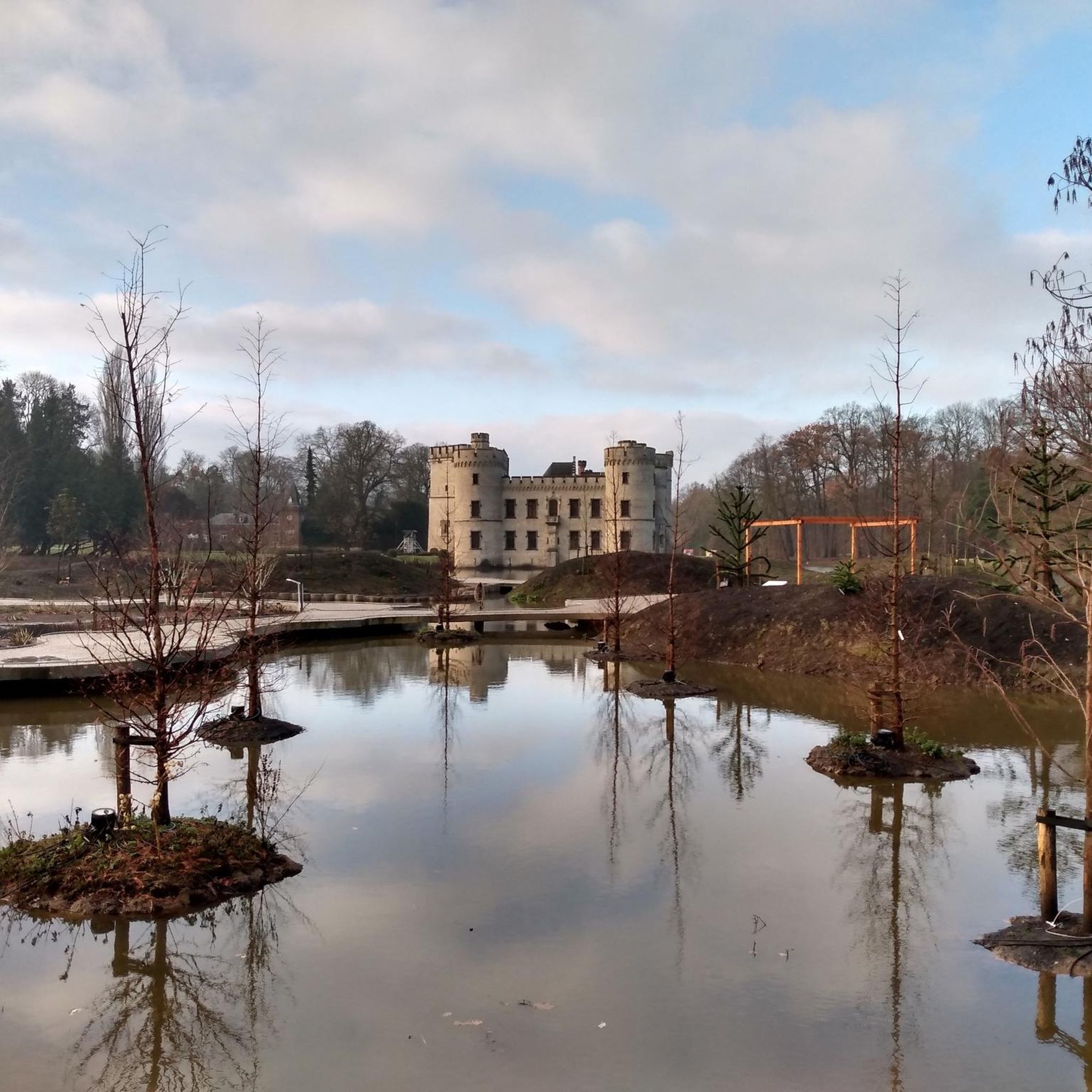
Hiking in Maalbeekvallei Ten Westen Van Grimbergen
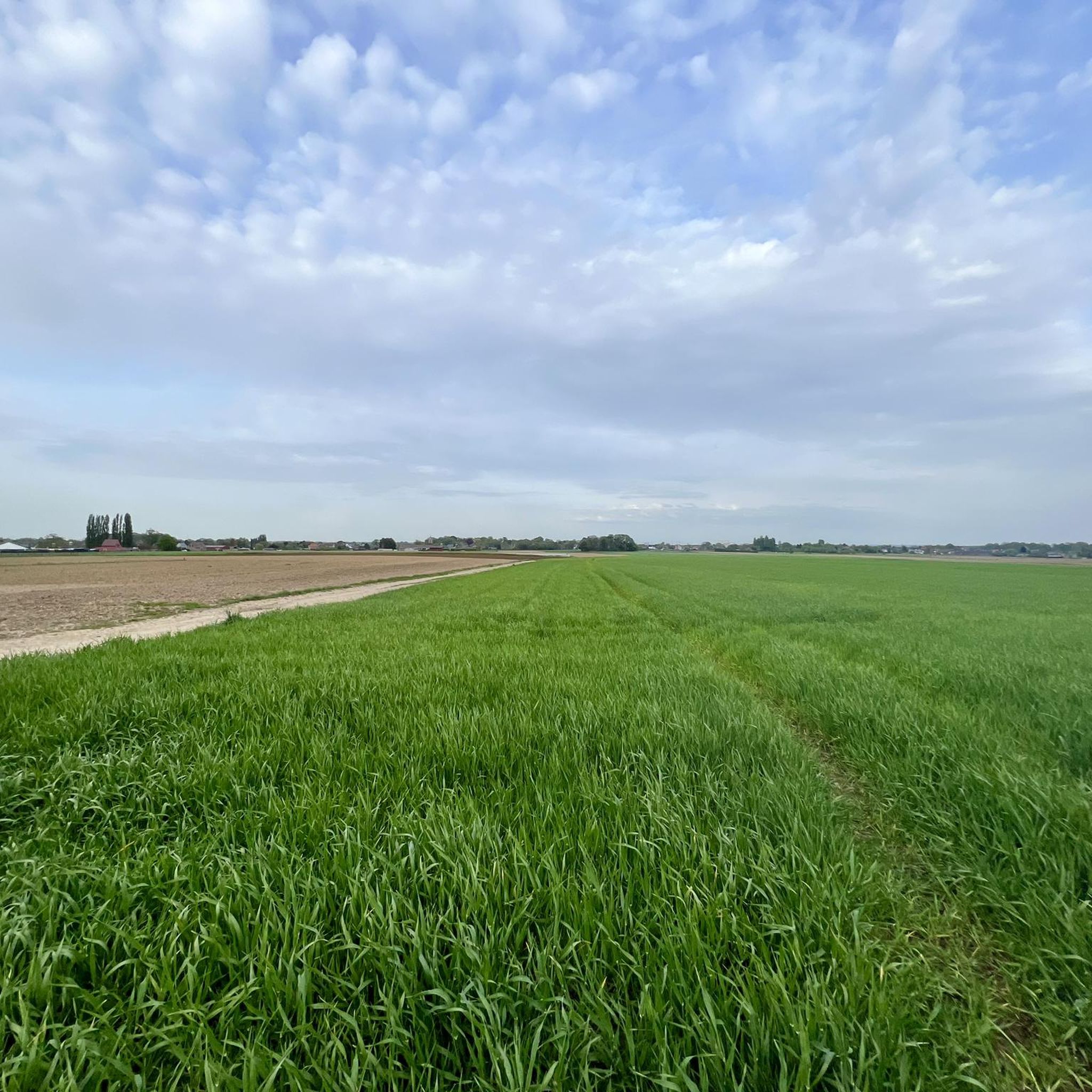
Running Trails in Maalbeekvallei Ten Westen Van Grimbergen
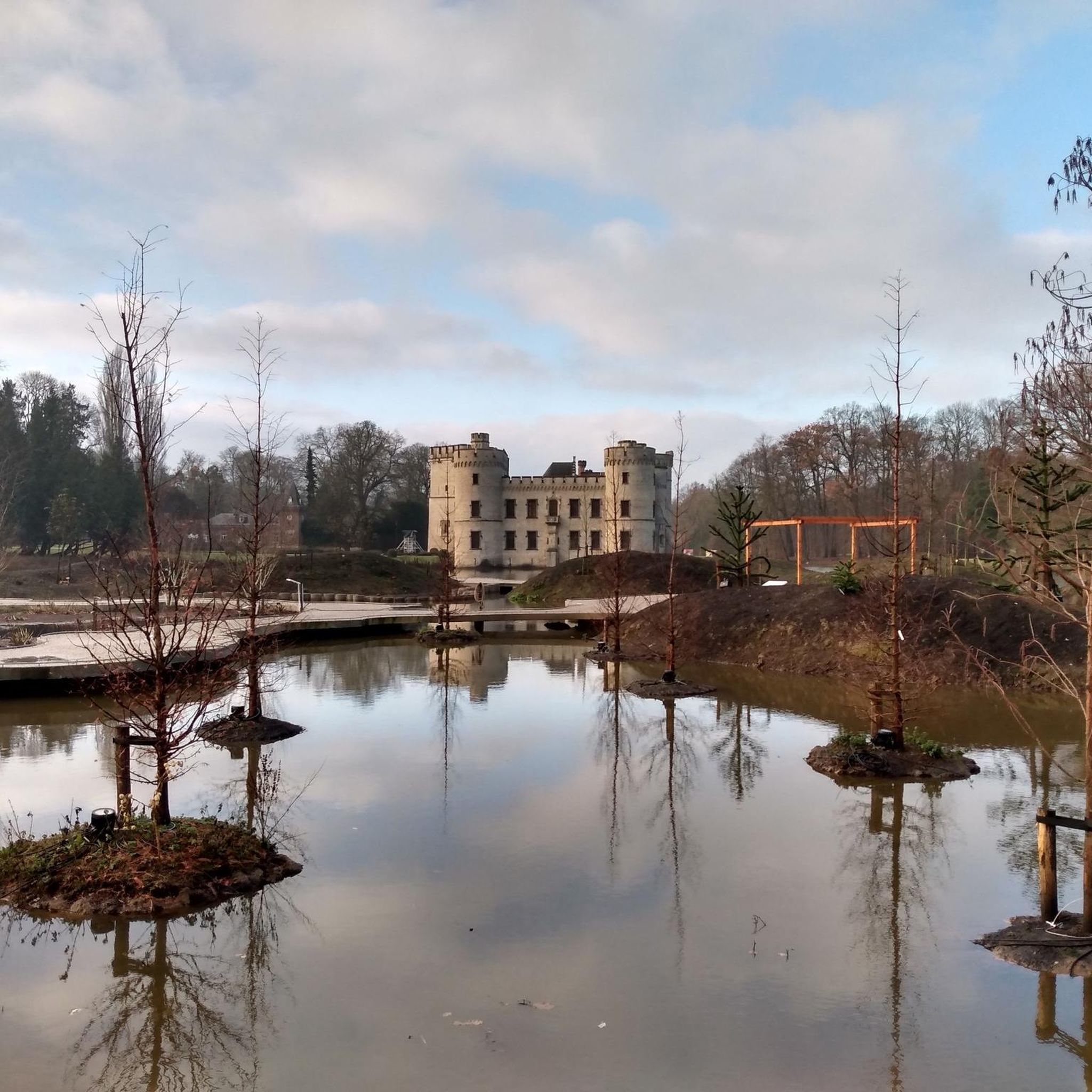
Cycling in Maalbeekvallei Ten Westen Van Grimbergen
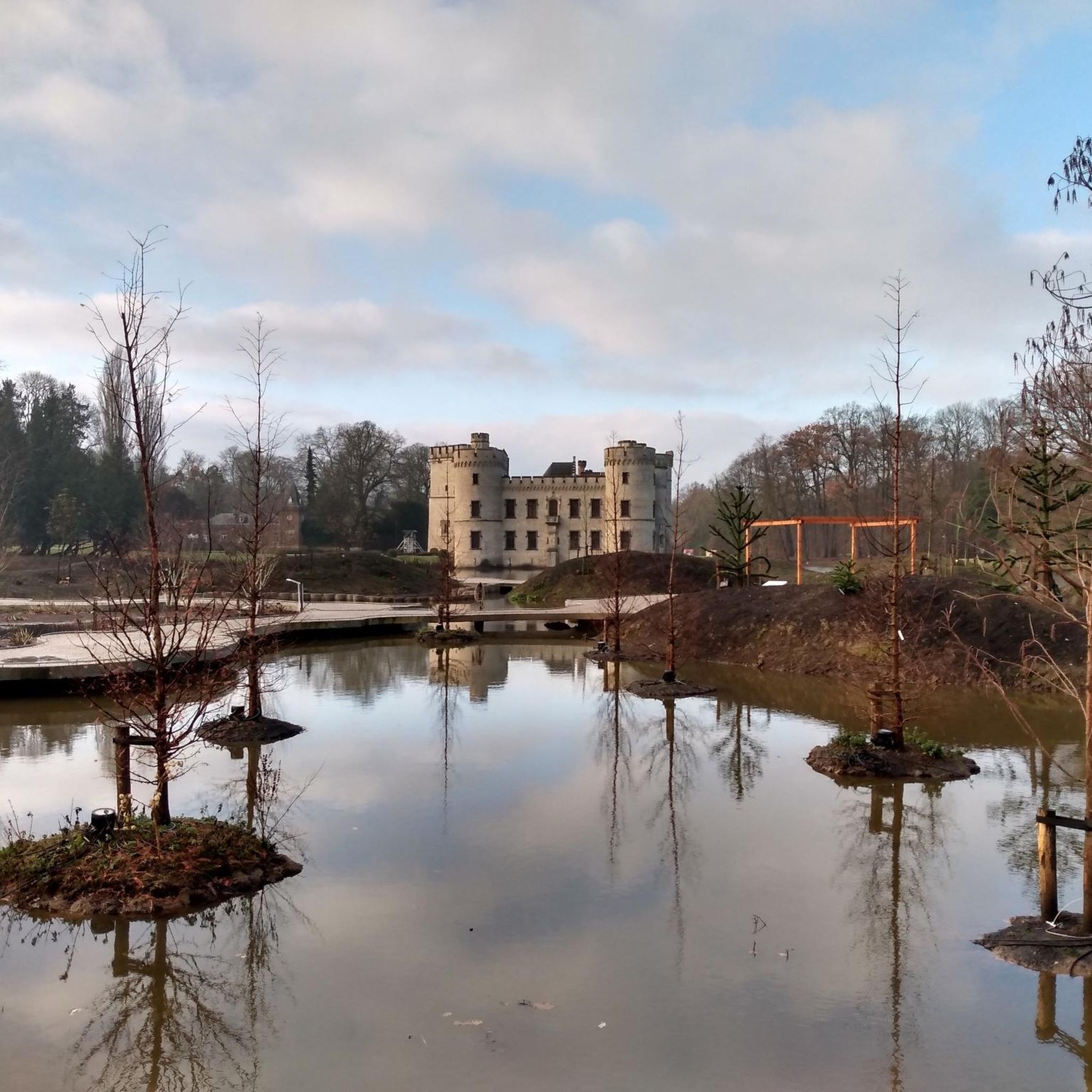
Road Cycling Routes in Maalbeekvallei Ten Westen Van Grimbergen
Gravel biking in Maalbeekvallei Ten Westen Van Grimbergen
MTB Trails in Maalbeekvallei Ten Westen Van Grimbergen
Tips from the Community

Quietly and lightning fast (especially with an electric bike) from one city to the next.
1
0

Founded in 1847 in the Polderweide and rebuilt in 1947 by Jan Pirein on the corner with the Roostbaan in memory of the Second World War and dedicated to Mary. Brick chapel with natural stone substructure on a bluestone plinth under an artificial slate gable roof crowned by an iron cross. Round arched niche in which the statue of Mary with child is closed by glass and an iron gate. On the pedestal a diamond-shaped bluestone plate with the inscription "A.(V. E.)/ MARIA/ 1847/ 1947" above which is an iron candle holder. (Inventory of immovable heritage)
16
0
Former ban mill of the lords of Grimbergen, located west of the village centre in the protected village view "De Maalbeekvallei" (Ministerial Decree of 9-7-1980). This water grain mill of the medium-speed type dates in its current appearance from the first half of the 18th century, reportedly previously dated "1745", and was in use until around 1949. Today heavily modified. (Inventory of Immovable Heritage)
16
0

The F28, the bicycle highway that connects Willebroek with Brussels, was constructed along the A12. The first part of the route has been constructed and will connect Meise with Brussels in the future. The bicycle highway will also be extended in the other direction to Willebroek. When constructing the express tram along the A12, we will make the stops easily accessible from the F28.
4
0

Long and smooth white gravel road on your way to/from Brussels city.
3
1

The Spiegelhof or Hof ter Spiegele is a Grimberg semi-closed farm in the Maalbeek valley and is named after the inhabitants from the 15th century. It used to be a leasehold of the lords of Grimbergen, the oldest mention of which dates back to 1433. Older names for the farm are "Hoff te Spieghel" and "Hoefakker". The house rises up to the beginning of the 17th century. The farm was restored in 1971 and M.B. of 9 July 1980 protected as a monument within the village view "the maelbeek valley".
4
0
Closed farm complex called "Hof ter Weerde" or "Hof ter Spriet" of which the house and the longitudinal barn go up to the third quarter of the 17th century (see year 1661 above barn gate) and the other buildings date from the 19th century. Located in the southwest of the municipality on the former Sprietveld, surrounded by meadows, but buildings advancing from the center. The leasehold and its immediate surroundings were protected as a village scene and monument by Ministerial Decree of 9 July 1980. Initially leasehold of the lords of Grimbergen, but acquired by the abbey in 1217 in a land exchange. The place name "Spreedt", this is the oldest spelling of Spriet (see Sprietveld), has given its name to both the first name of the farm "Hof ter Spriet" and to the tenants, the Van Den Spreet family (oldest mention 1220). . Spreedt comes from the Middle Dutch verb spreading, spreeden and means spreading field. Already in 1374 there is mention of the "Hof ter Weerde". "Werde" means diked meadow next to a stream. To the west of the farm ran an elongated valley where the water of the Voorste and Middelste Spriet was collected (see Ferraris map: 1771-1778).
7
0
The 's Gravenmolen is the oldest mill in the Flemish Brabant municipality of Grimbergen. This watermill on the Maalbeek is already mentioned in writings from the 1220s, but is certainly even older. It takes its name from the counts of Grimbergen and served as a ban mill: the residents of the county were obliged to have their grain milled here. It was not until 1912 that the original wooden wheel was replaced by a metal one. In the mid-20th century, Louis Thomas turned it into an industrial mill. The mill remained in operation until 1964. Louis Thomas had meanwhile become a baker in Koekelberg. In the end he only grinded electrically. The building was well maintained, but burned down on February 8, 1991. The mill then fell into complete disrepair and came into private ownership and was converted into a villa. The mill was protected as a monument and as a village and cityscape on 9 July 1980 and is not accessible. Contrary to what one might think, the nearby eatery is not the 's Gravenmolen.
15
0
Frequently Asked Questions
What kind of natural landscapes can I explore in Maalbeekvallei Ten Westen Van Grimbergen?
The Maalbeekvallei is a nature reserve characterized by its picturesque valley and the winding Maalbeek stream. You can discover diverse ecosystems, including alder carr forests, thickets, marsh marigold grasslands, hayfields, and pools. The area also features the Maalbeek Trail, offering scenic views along fields, and the Nekkerbos forest.
Are there any historical sites or cultural landmarks to visit?
Yes, the region is rich in history. You can find several historic watermills, such as the protected 's Gravenmolen, which dates back to the 18th century and is mentioned in writings from the 1220s. Other notable mills include the Tommenmolen, which houses the old technology department of the Museum for Older Techniques (MOT), and the Oyenbrugmolen. The Polder Chapel, founded in 1847, is another significant cultural site.
What outdoor activities are popular in Maalbeekvallei Ten Westen Van Grimbergen?
The area is ideal for hiking and cycling. Popular routes include the Maalbeek Trail, known for its views and suitability for mountain biking, and the Cycle Highway F28, connecting Willebroek with Brussels. You can also enjoy the Maalbeekwandeling, a 3 km walk passing by several mills and historic farmsteads. For more detailed hiking options, explore the hiking routes in Maalbeekvallei Ten Westen Van Grimbergen.
Are there family-friendly attractions or activities?
The natural setting of the Maalbeekvallei offers great opportunities for family walks and exploring. The Polder Chapel is listed as a family-friendly historical site. The Tommenmolen, with its Museum for Older Techniques (MOT) and cafeteria, can also be an engaging stop for families. Additionally, the Charleroyhoeve grounds are excellent for nature walks, accessible only to pedestrians.
Where can I find information about local flora and fauna or tourist routes?
The Natuur.huis Maalbeekvallei, located in the heart of the eastern Maalbeekvallei, serves as a nature center. It offers a small exhibition on local flora and fauna, as well as folders, cycling and walking routes, and general tourist information.
What are the best places for scenic views in the region?
For panoramic views, head south where the terrain climbs steeply towards a ridge separating the Maalbeekvallei from the Tangebeekvallei. From its highest point of 67 meters, you can enjoy beautiful vistas of the village, its surroundings, the northern edge of Brussels, and the Zennevallei.
What kind of cycling routes are available?
Cyclists can enjoy various routes, including the Cycle Highway F28, a smooth gravel path connecting Willebroek with Brussels, offering a fast route between cities. The Maalbeek Trail is also suitable for mountain biking.
Can I visit any of the historic farmsteads?
The historic farmsteads of Hof ter Spriet and Hof ter Weerde are significant parts of the valley's history, with mentions dating back to the 13th and 14th centuries. While some are privately owned, the Charleroyhoeve's barn now houses the municipal library and courthouse, and its grounds are open for pedestrian nature walks.
What do visitors enjoy most about Maalbeekvallei Ten Westen Van Grimbergen?
Visitors particularly appreciate the blend of natural beauty and historical charm. The scenic views along trails like the Maalbeek Trail and the historical significance of sites like the 's Gravenmolen are highly rated. The smooth gravel of the Cycle Highway F28 is also a favorite for cyclists.
Are there any newly developed parks or natural areas?
Yes, the Oyenbrugpark is a newly developed public park of 4 hectares, opened in September 2025. It focuses on natural design, water buffering, and rainwater infiltration, offering another green space to explore in the region.
What is the Maalbeek stream and its significance?
The Maalbeek stream is the 'artery' of Grimbergen, flowing from the National Botanic Garden in Meise to the Brussels-Scheldt Sea Canal. It connects various villages and is a crucial link in a network of nature areas, giving the valley its name and character.
Most popular routes in Maalbeekvallei Ten Westen Van Grimbergen

Get inspired with the komoot mobile app


Explore more
Still not found the Highlight you’re looking for? See guides of the top attractions in other regions:
