Attractions and Places To See in Amsterdamse Waterleidingduinen - Top 20
Best attractions and places to see in Amsterdamse Waterleidingduinen include a protected nature reserve spanning 34 square kilometers between Zandvoort and Noordwijk. This area serves as the oldest water catchment for Amsterdam, filtering water through its dynamic dune landscape, forests, and open fields. It is characterized by abundant wildlife, including the largest fallow deer population in the Netherlands, and over 100 bird species. The reserve also features historical World War II bunkers and extensive walking trails.
Best attractions and places…
Last updated: October 9, 2026
Zuiderduin Path – Amsterdam Water Supply Dunes
Highlight (Segment) • Cycleway
Translated by Google •
Tip by

Zuiderduinpad Cycle Path
Highlight • Cycleway
Showing Translation
Tip by

Sign up now to discover places like this
Get recommendations on the best single tracks, peaks, & plenty of other exciting outdoor places.
Dune Cycle Path between Noordwijk and Zandvoort
Highlight (Segment) • Cycleway
Translated by Google •
Tip by

Langeveld Glider Airfield
Highlight • Structure
Translated by Google •
Tip by

Space pad
Highlight • Trail
Translated by Google •
Tip by

Sign up for free to discover even more attractions in Amsterdamse Waterleidingduinen.
Already have an account?
Start today with a free account
Your next adventure awaits.
Popular around Amsterdamse Waterleidingduinen
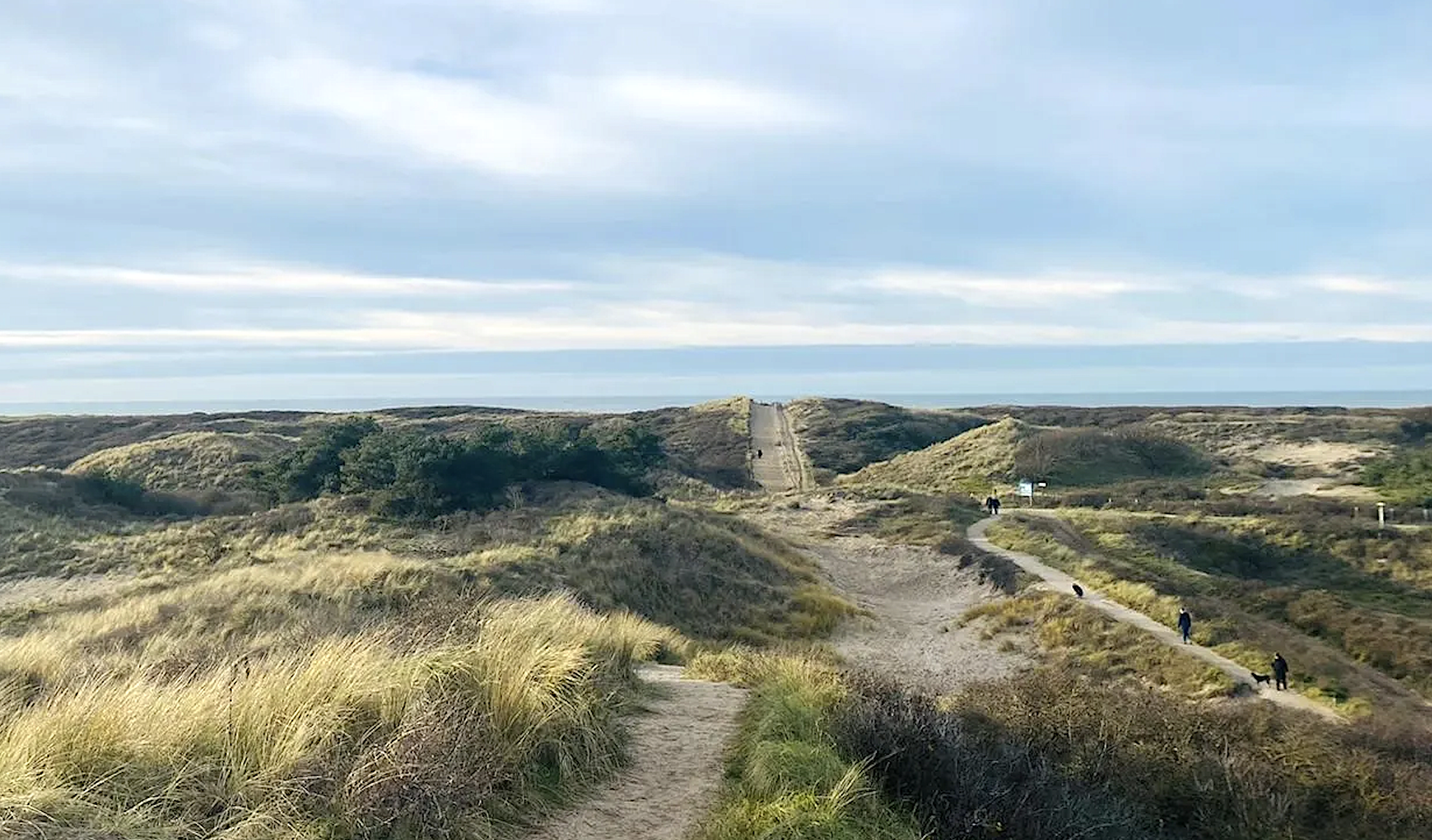
The Hollands Duin on foot – walking between forests, dunes and sea
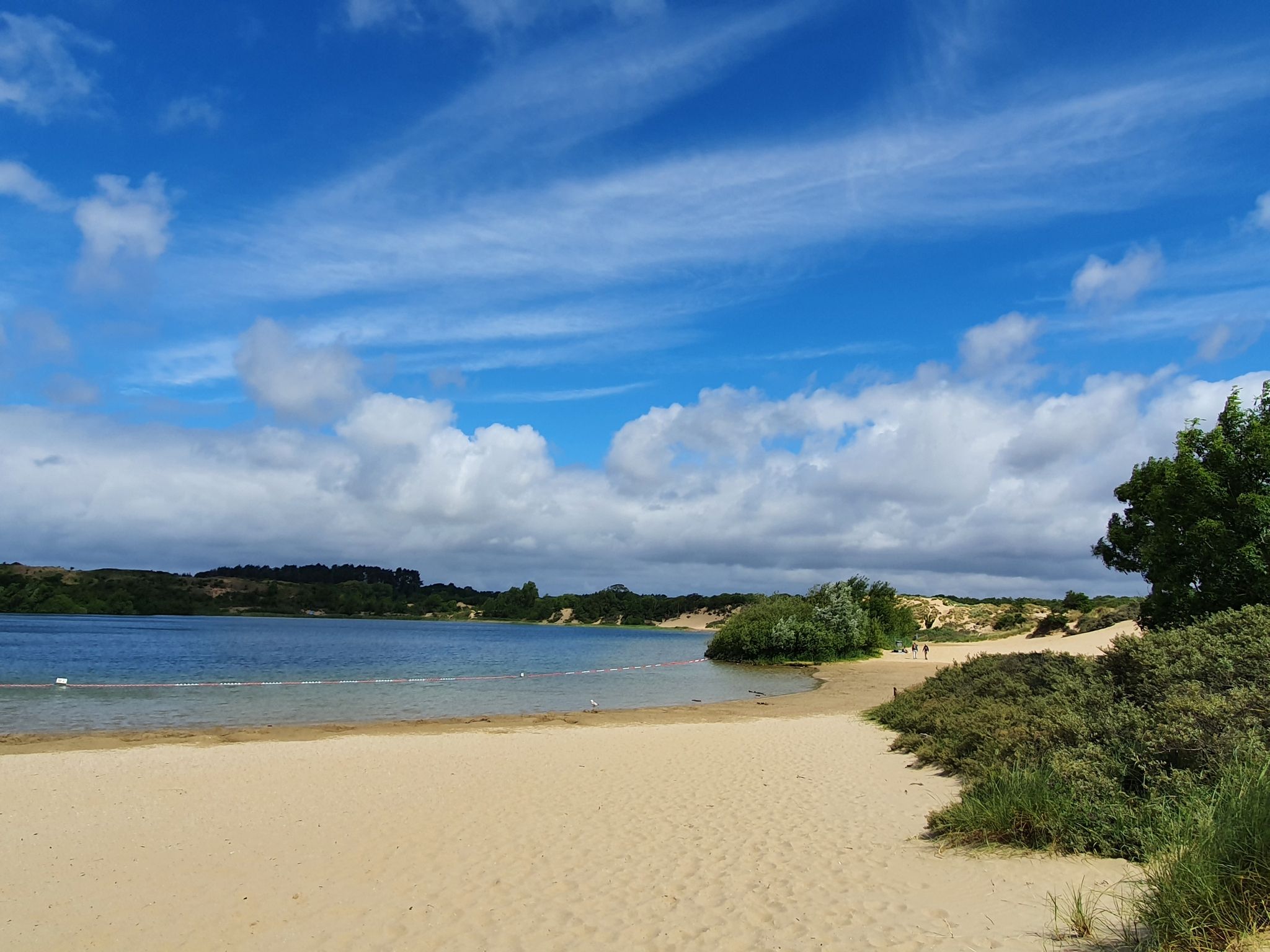
All year round in the beach tent - 5x hiking in N-Holland
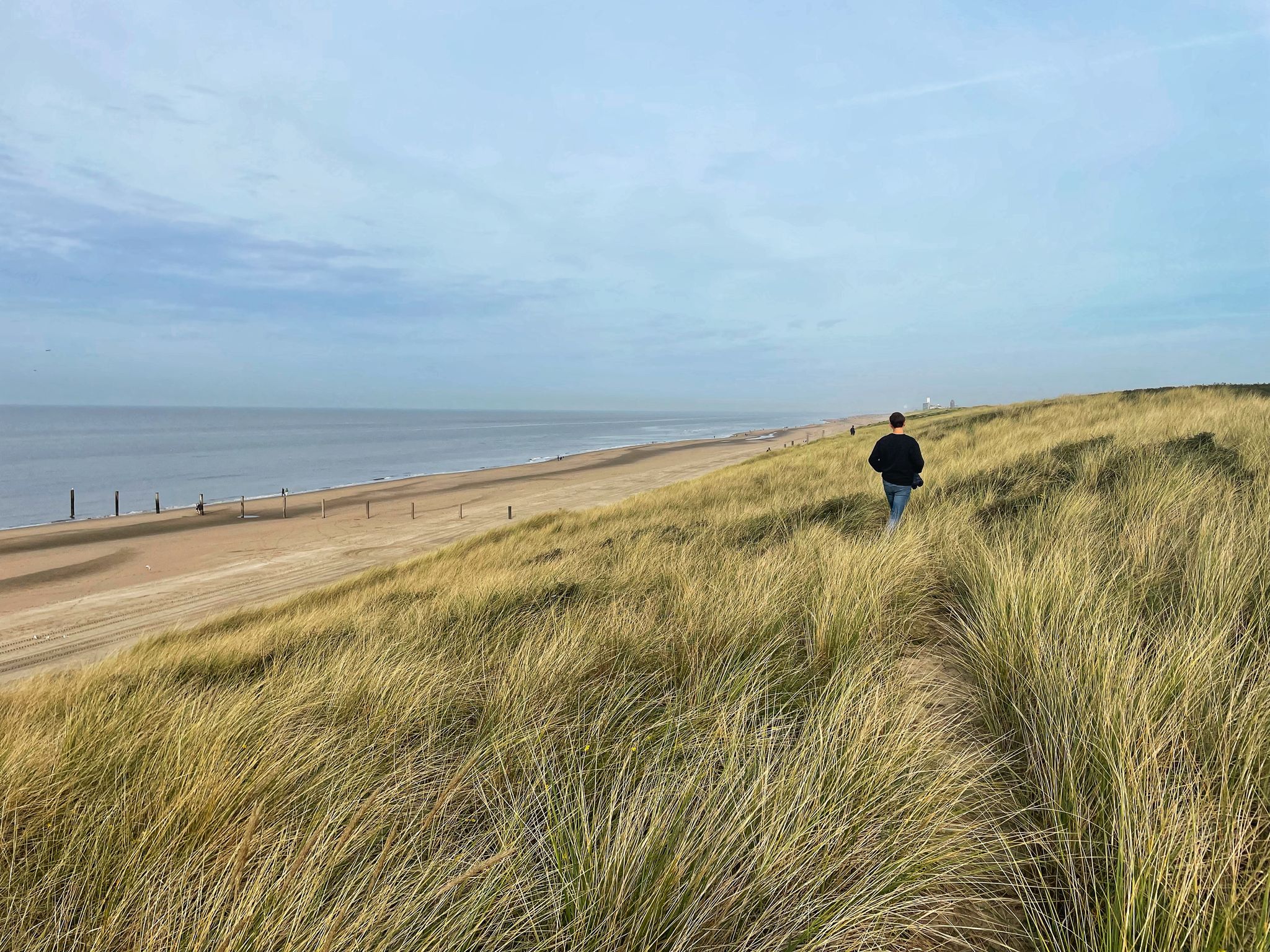
Beach walks and animal encounters – hiking in Zandvoort
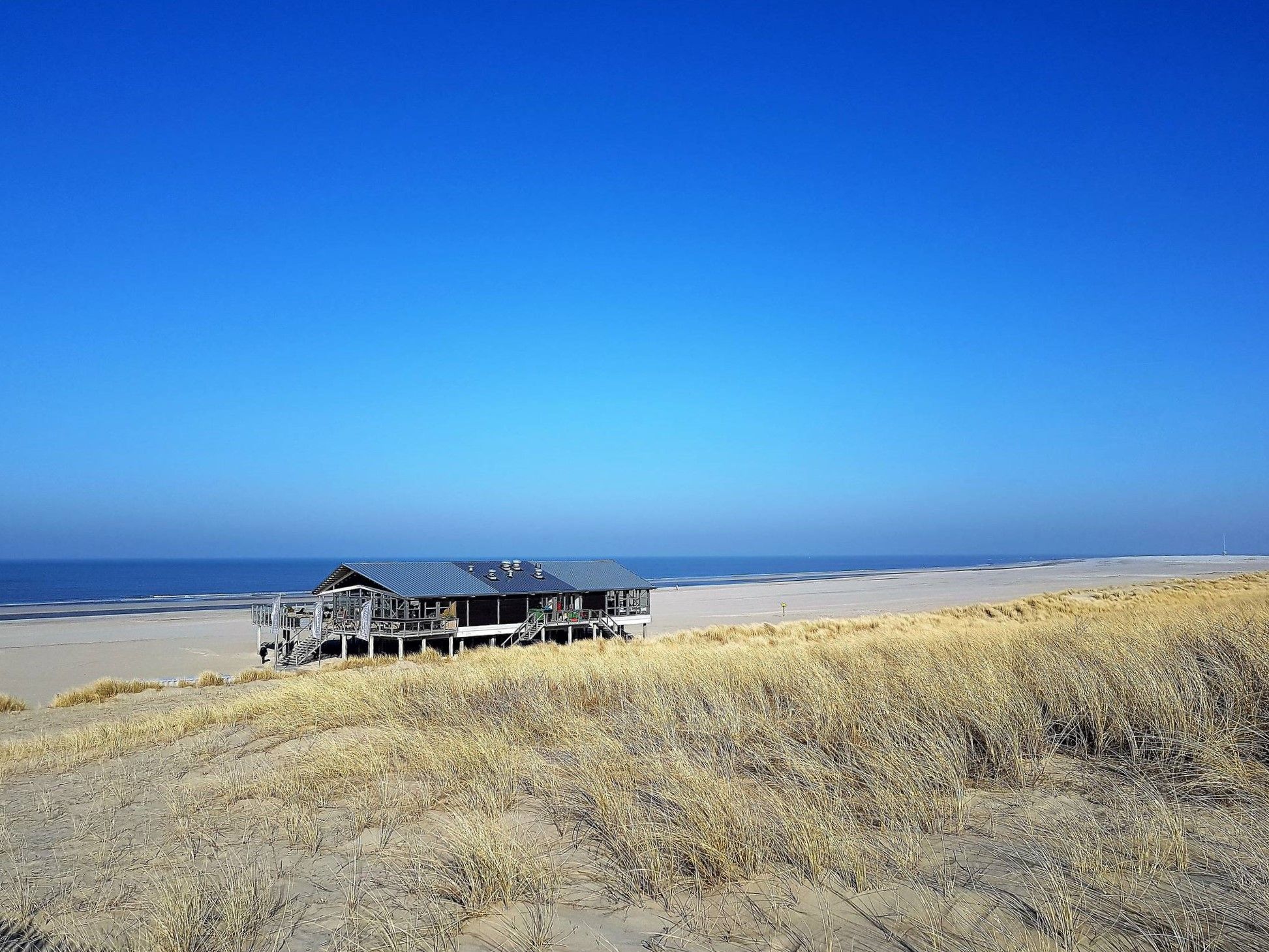
From Hook of Holland to Den Oever — part 2: Dutch Coastal Path
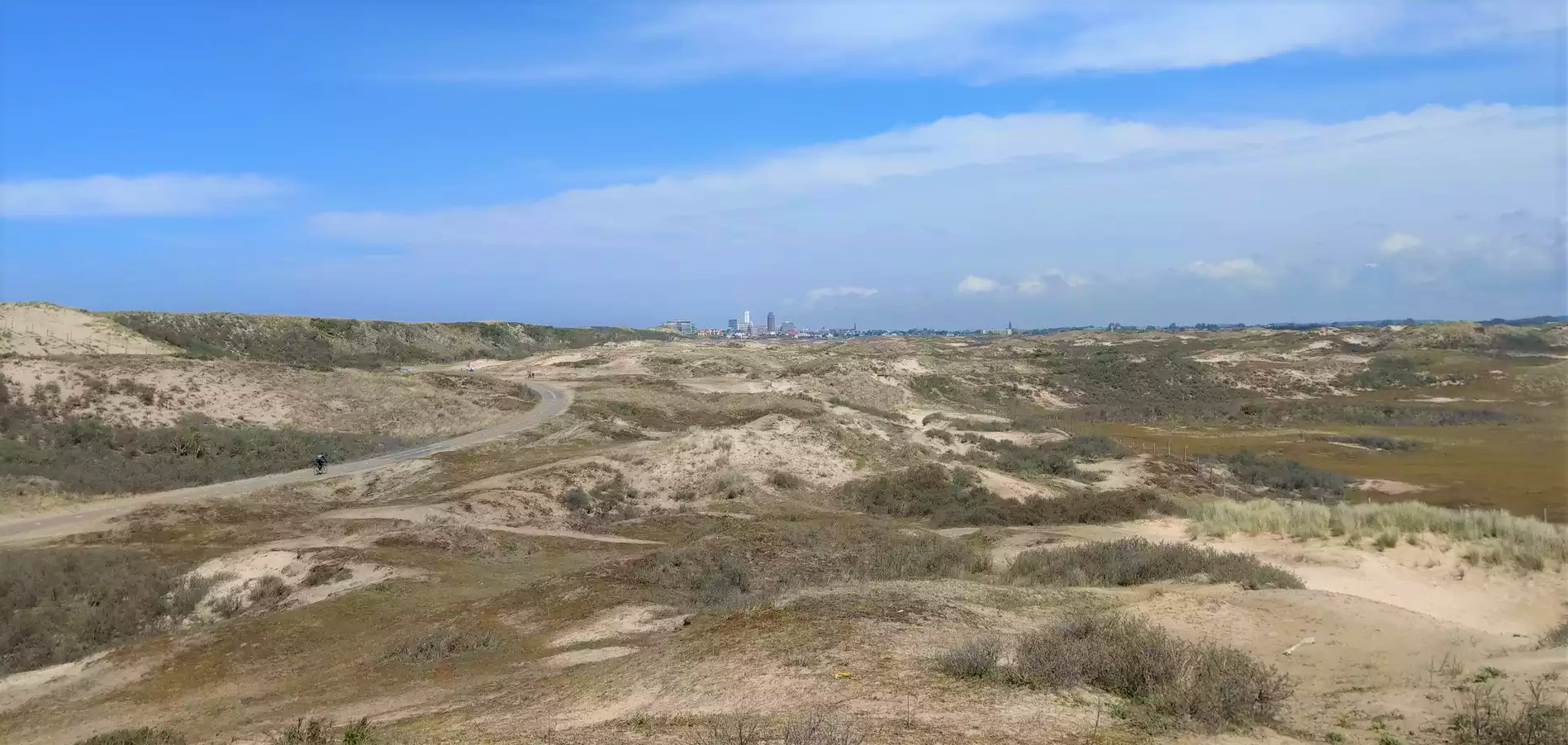
Escape the city – Fantastic beach hikes close to Amsterdam
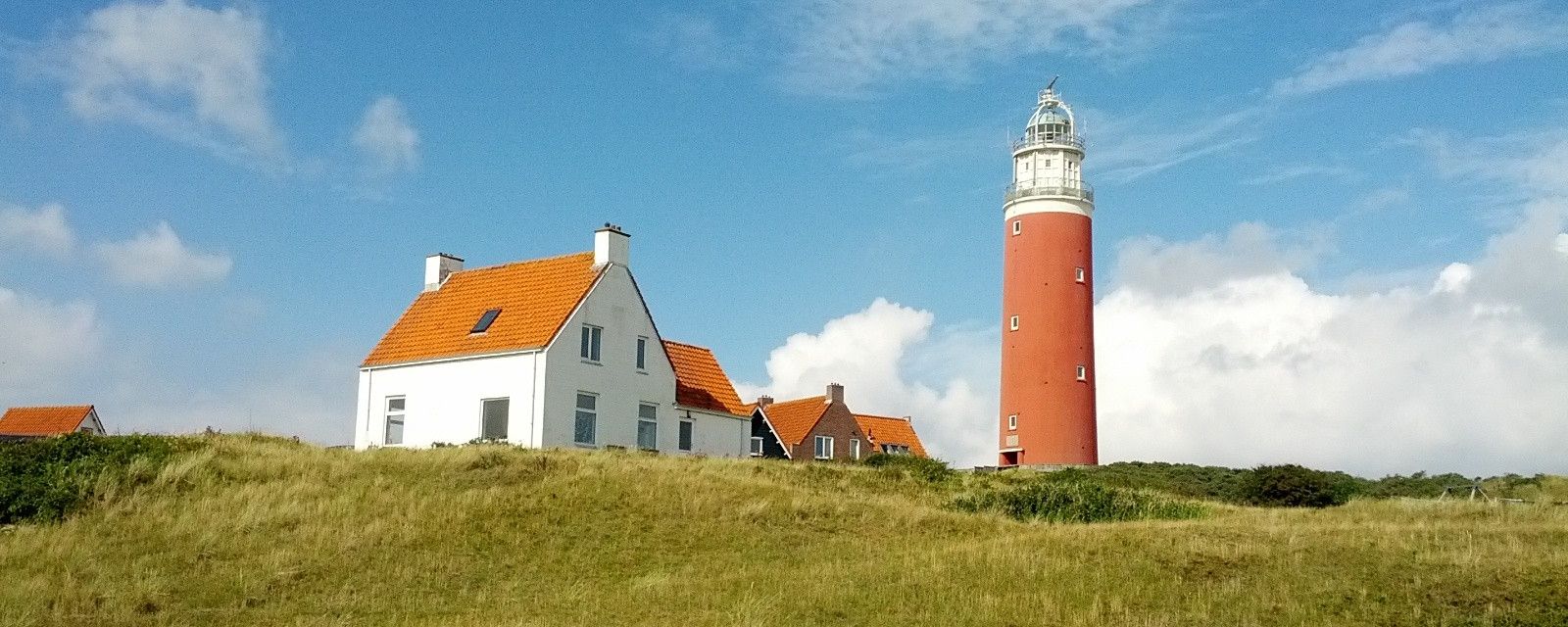
Sand dunes and beaches – best hikes along Netherland’s west coast
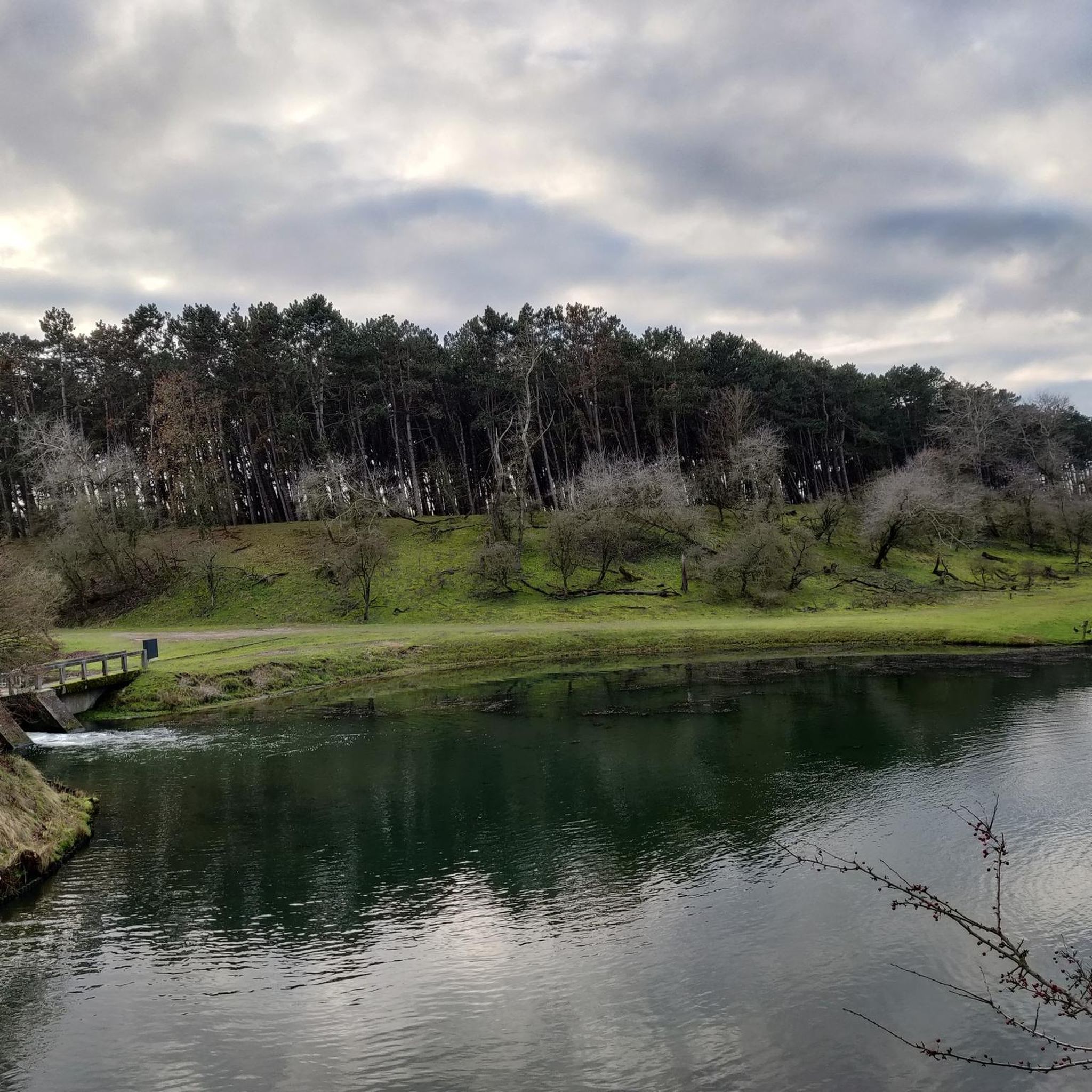
Hiking in Amsterdamse Waterleidingduinen
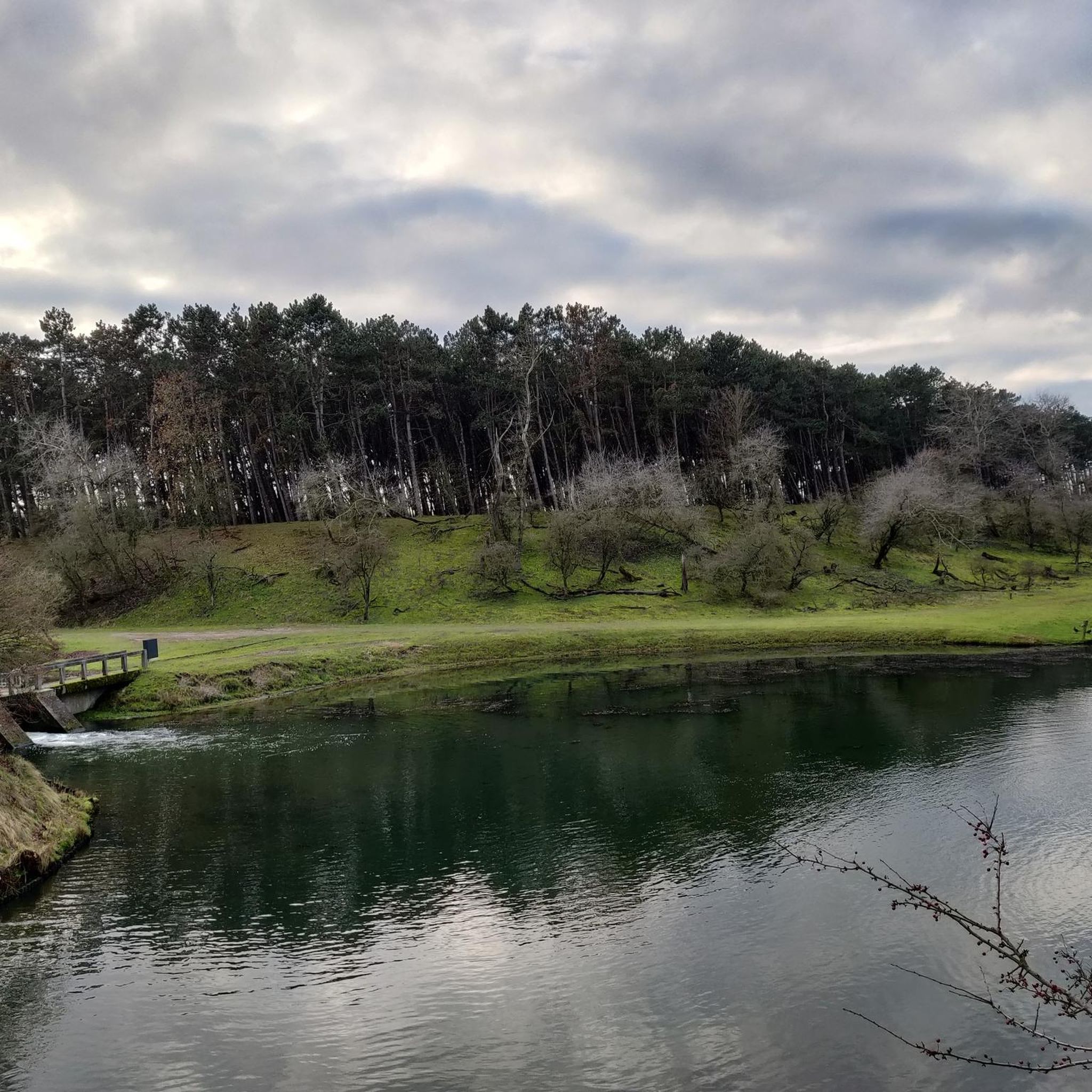
Road Cycling Routes in Amsterdamse Waterleidingduinen
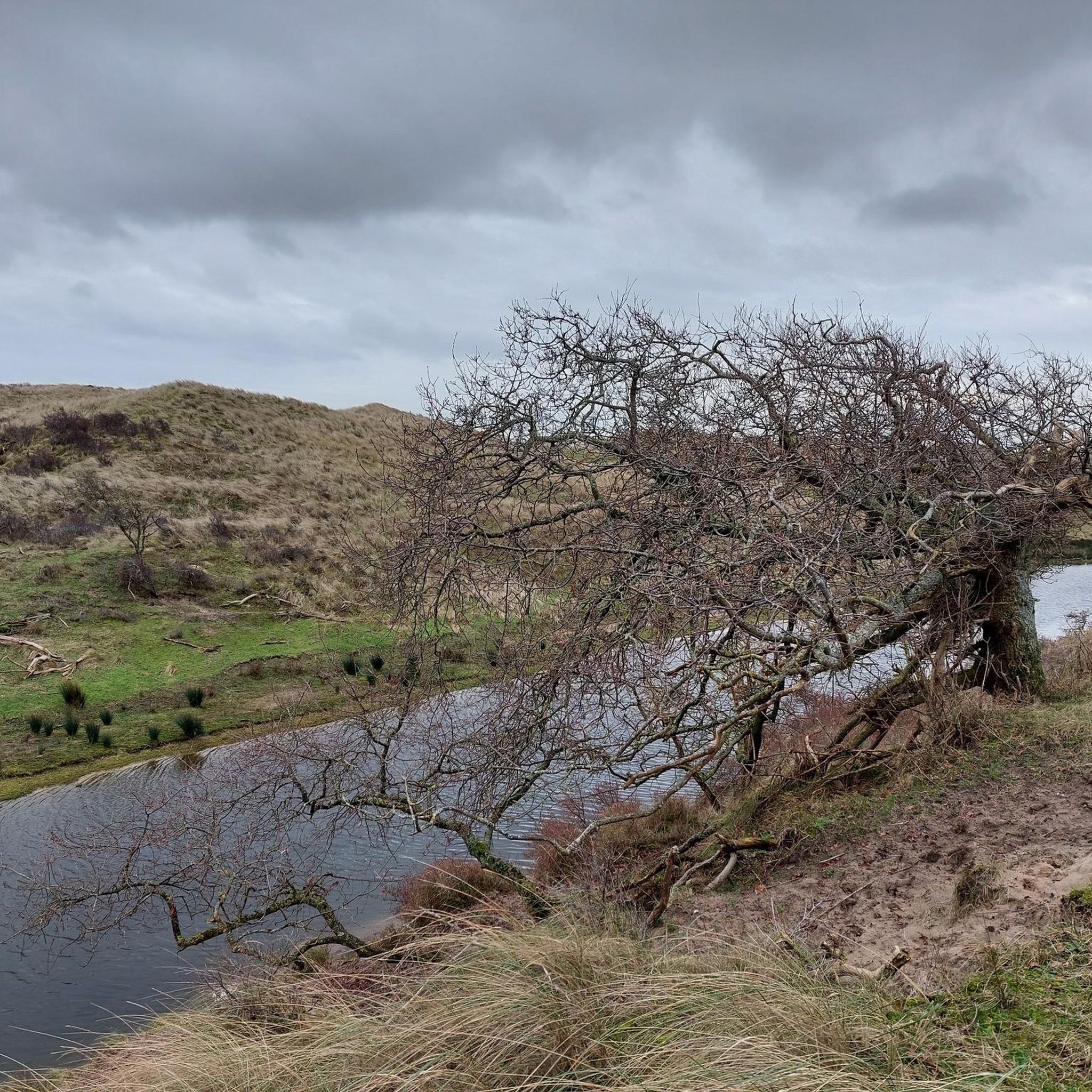
Running Trails in Amsterdamse Waterleidingduinen
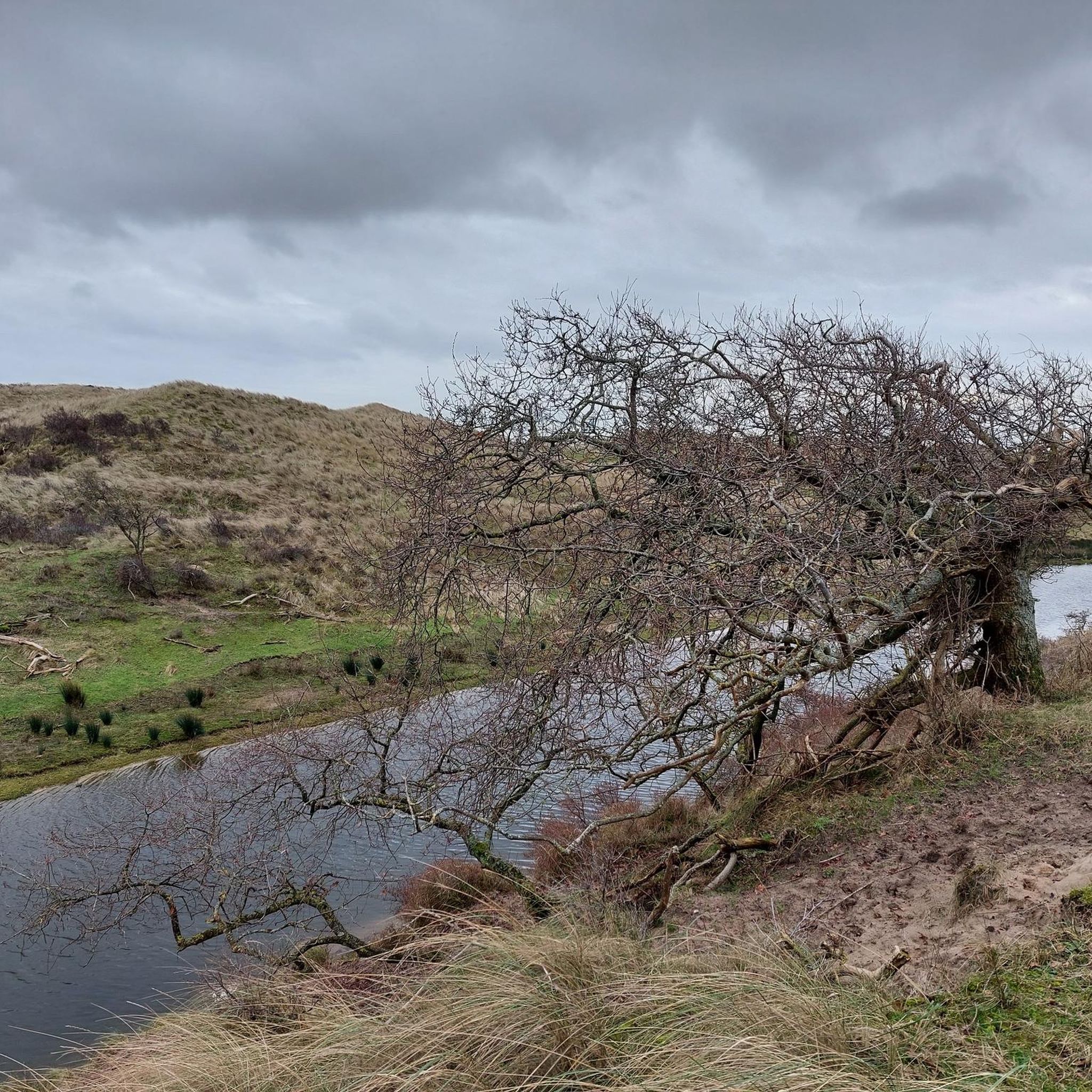
Cycling in Amsterdamse Waterleidingduinen
Other adventures in Amsterdamse Waterleidingduinen


Tips from the Community

The nature around the coastal town is ideal for a bike tour through the dunes. Uphill, downhill. Gentle hills, breathtaking views and, incidentally, something for fitness. The most beautiful cycling tours in otherwise flat Holland lead along the coast. Discover the extensive dune area and the wonderful cycle paths in and around Zandvoort.
13
0

Beautiful dune landscape and great North Sea coast cycle path.
4
0

The Zuiderduinpad is a beautiful cycle route along the coast of Zandvoort. Enjoy impressive dunes, vast beaches and beautiful viewpoints.
3
0

This cycle path is wonderful. Nice and quiet with gentle ups and downs.
4
0

Flights take place on Wednesdays, Saturdays and Sundays from March to November
1
0

The meadow in front of the runway is very popular for picnics.
8
0
With a bit of luck, the deer will be right next to the cycle path.
7
0

There is also a bunker from the Atlantic Wall to visit here. But you should be a bit sporty for the descent and ascent. Another serves as a bat roost. The Waterleidingduins are open from sunrise to sunset. More information at: https://awd.waternet.nl/bezoek/toegangskaarten/
13
0
Frequently Asked Questions
What kind of wildlife can I expect to see in the Amsterdamse Waterleidingduinen?
The Amsterdamse Waterleidingduinen is a haven for wildlife. It boasts the largest population of fallow deer in the Netherlands, making sightings very common. You can also spot over 100 different bird species, including woodpeckers and owls, as well as foxes, rabbits, and squirrels. The area is also known for its diverse plant life, including a wide array of toadstools and mushrooms.
Are there good walking trails in the Amsterdamse Waterleidingduinen?
Yes, the area is a paradise for walkers, with over 50 kilometers of well-marked paths. Uniquely, you are permitted to walk off the paths for a more immersive experience. Popular routes include the "Herten Route" for deer spotting and the "Bunkerwandeling" which explores historical bunkers. For more walking options, you can explore various running trails that also cater to hikers.
Can I cycle within the Amsterdamse Waterleidingduinen reserve?
Cycling is generally not permitted within the core of the reserve to protect the delicate dune landscape. However, dedicated cycle paths surround the area, offering scenic routes. Highlights like the Langevelderslag Bike Path and the Zuiderduin Path – Amsterdam Water Supply Dunes are popular for cycling. For more cycling routes, refer to the Cycling in Amsterdamse Waterleidingduinen guide.
Are there any historical sites to explore in the dunes?
Yes, scattered throughout the dunes are approximately 400 historical bunkers, remnants from World War II. These structures, once part of the German Wehrmacht's coastal defenses, have now been largely reclaimed by nature, with some even serving as homes for bats. The "Bunkerwandeling" is a popular walking route that explores these sites. You can also find a bunker from the Atlantic Wall near the Space pad.
How do I access the Amsterdamse Waterleidingduinen and is there an entrance fee?
There are four main entrances: Panneland in Vogelenzang, De Oase in Vogelenzang (which has a visitor center), De Oranjekom in Zandvoort, and De Zilk in De Zilk. An entrance fee is required for visitors over 18. Tickets can be purchased at payment posts near the entrances or online. The reserve is open daily from sunrise to sunset.
What are the parking and public transport options for visiting?
Each of the four main entrances (Panneland, De Oase, De Oranjekom, De Zilk) offers parking facilities. For public transport, specific bus routes serve the areas around the entrances, connecting to nearby towns like Zandvoort, Noordwijk, and Haarlem. It's advisable to check local public transport schedules for the most current information.
Is the Amsterdamse Waterleidingduinen suitable for families?
Absolutely. The reserve is very family-friendly, offering ample space for children to explore nature. The Langevelderslag Bike Path and Zuiderduin Path – Amsterdam Water Supply Dunes are popular for family cycling (on the surrounding paths), and the Langeveld Glider Airfield is a great spot for picnics. The opportunity to spot fallow deer and other wildlife is also a big draw for families.
When is the best time of year to visit the Amsterdamse Waterleidingduinen?
The Amsterdamse Waterleidingduinen can be enjoyed year-round. Spring brings blooming flora, while summer offers pleasant weather for long walks. Autumn is particularly beautiful with changing foliage and is an excellent time for mushroom spotting. Winter provides a serene, quiet experience, often with clearer views. Wildlife, especially deer, can be seen throughout the year.
What is the significance of the water supply aspect of the dunes?
The Amsterdamse Waterleidingduinen is not just a nature reserve; it's also Amsterdam's oldest water catchment area, operating since 1853. The dynamic dune landscape naturally filters water from the Rhine River, a process that has been ongoing for over 170 years. In the northern part of the reserve, you can observe the complex of infiltration channels where river water is introduced for this natural purification.
Are there any viewpoints or scenic spots within the reserve?
Yes, the reserve offers several scenic spots. The eastern parts feature extensive forested areas, while the southern section boasts magnificent sand dunes. The central area showcases a unique landscape of "dune blurred soils." While just outside the main area, the historical Buitenplaats Leyduin, accessible from the dunes, features the fascinating, roofless Belvédère lookout tower, offering historical panoramic views.
Are there cafes or restaurants near the entrances of the Amsterdamse Waterleidingduinen?
Yes, three of the four main entrances offer catering facilities. You can find cafes or restaurants at the Panneland, De Oase, and De Oranjekom entrances, providing convenient spots for refreshments before or after your visit.
Can I bring my dog to the Amsterdamse Waterleidingduinen?
No, dogs are generally not permitted within the Amsterdamse Waterleidingduinen reserve, even on a leash. This rule is in place to protect the abundant wildlife, especially the large fallow deer population, and to maintain the natural tranquility of the area. There are, however, dedicated cycle paths surrounding the area where dogs might be allowed, but always check local signage.
Are there any wheelchair-friendly paths in the Amsterdamse Waterleidingduinen?
While the reserve features many natural, unpaved paths and allows walking off-path, dedicated wheelchair-friendly paths are limited. Some of the main cycle paths surrounding the area might be more accessible, but the core walking trails within the dunes often involve uneven terrain, sand, and inclines. It's best to contact the visitor center at De Oase for specific accessibility information.
Most popular routes in Amsterdamse Waterleidingduinen
Most popular attractions in Amsterdamse Waterleidingduinen

Get inspired with the komoot mobile app


Explore more
Still not found the Highlight you’re looking for? See guides of the top attractions in other regions:
