Attractions and Places To See around Havelberg - Top 20
Best attractions and places to see around Havelberg include a rich array of notable landmarks, natural features, and cultural sites. This historic island town is situated at the confluence of the Havel and Elbe rivers, offering picturesque river landscapes. Its over 1000-year history is evident in its medieval structure and well-preserved architecture. Havelberg serves as a hub for water tourism and a significant junction for popular long-distance cycling paths.
Best attractions and places to see around Havelberg
- The most popular…
Last updated: August 16, 2026
Havelberg Old Town and Cathedral
Highlight • Settlement
Translated by Google •
Tip by

Havelberg Lock
Highlight • Structure
Translated by Google •
Tip by

Sign up now to discover places like this
Get recommendations on the best single tracks, peaks, & plenty of other exciting outdoor places.
Sign up for free
Elbe Gate, Werben
Highlight • Settlement
Translated by Google •
Tip by

Räbel Reaction Ferry
Highlight (Segment) • Bridge
Translated by Google •
Tip by

Octagonal Half-timbered Church, Garz
Highlight • Religious Site
Translated by Google •
Tip by

Sign up for free to discover even more attractions around Havelberg.
Sign up for free
Already have an account?
Start today with a free account
Your next adventure awaits.
Login or Signup
Popular around Havelberg
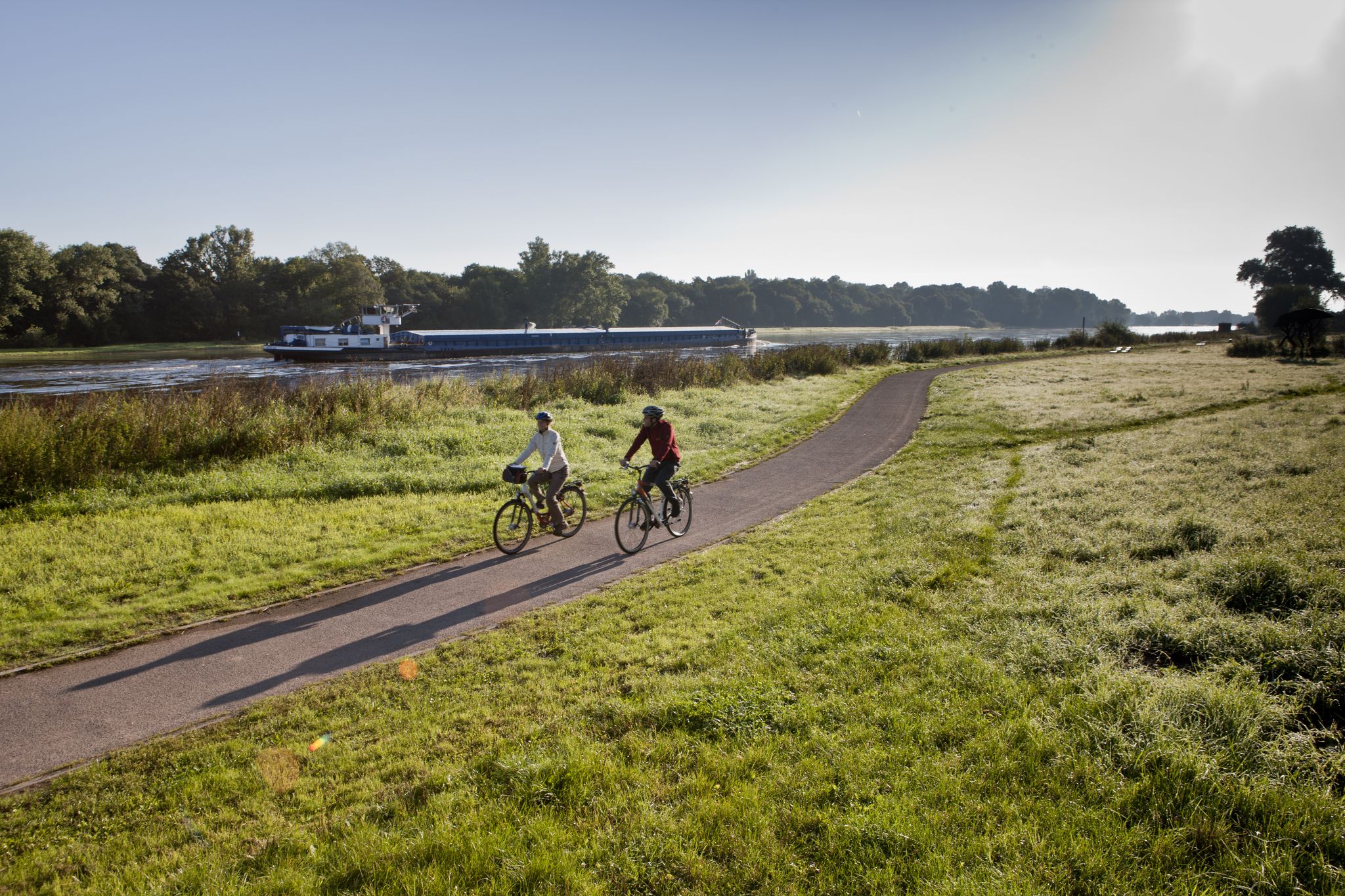
Elbe Cycle Route – Ride through Saxony-Anhalt
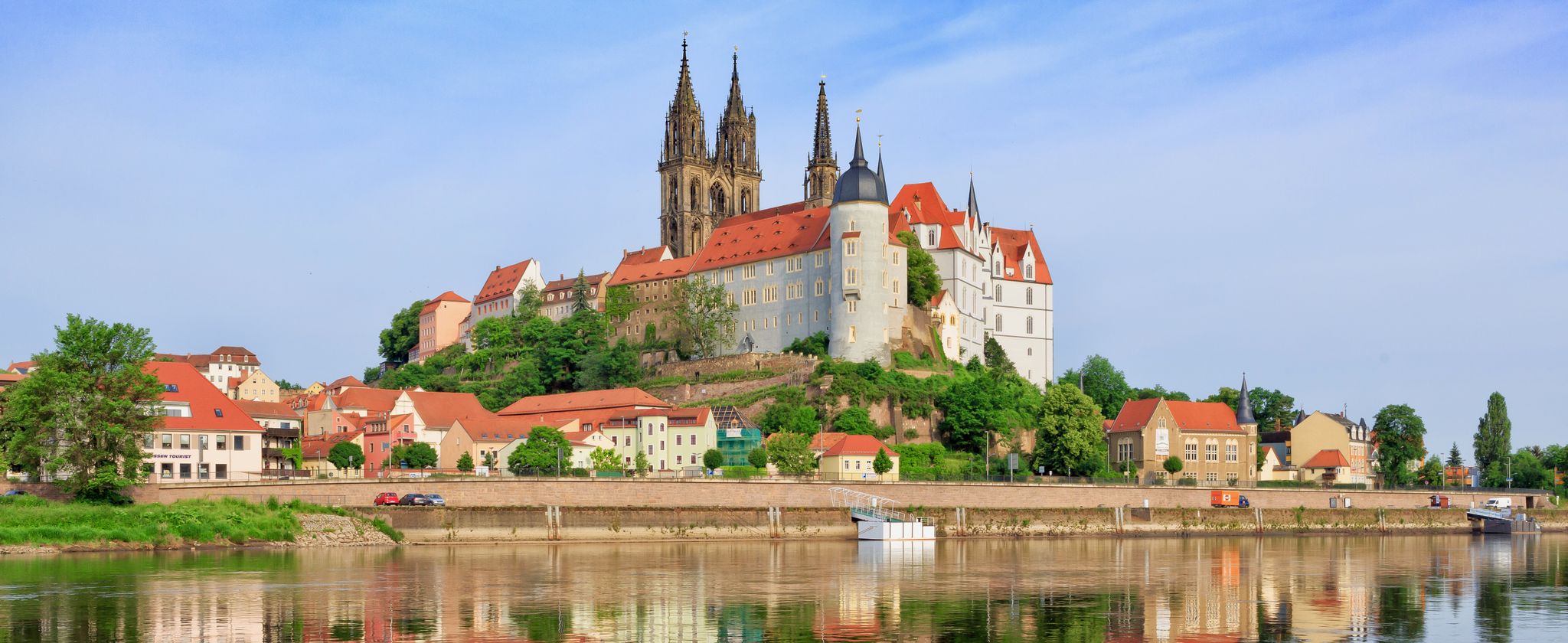
The Elbe Cycle Path — cross-border cycling pleasure
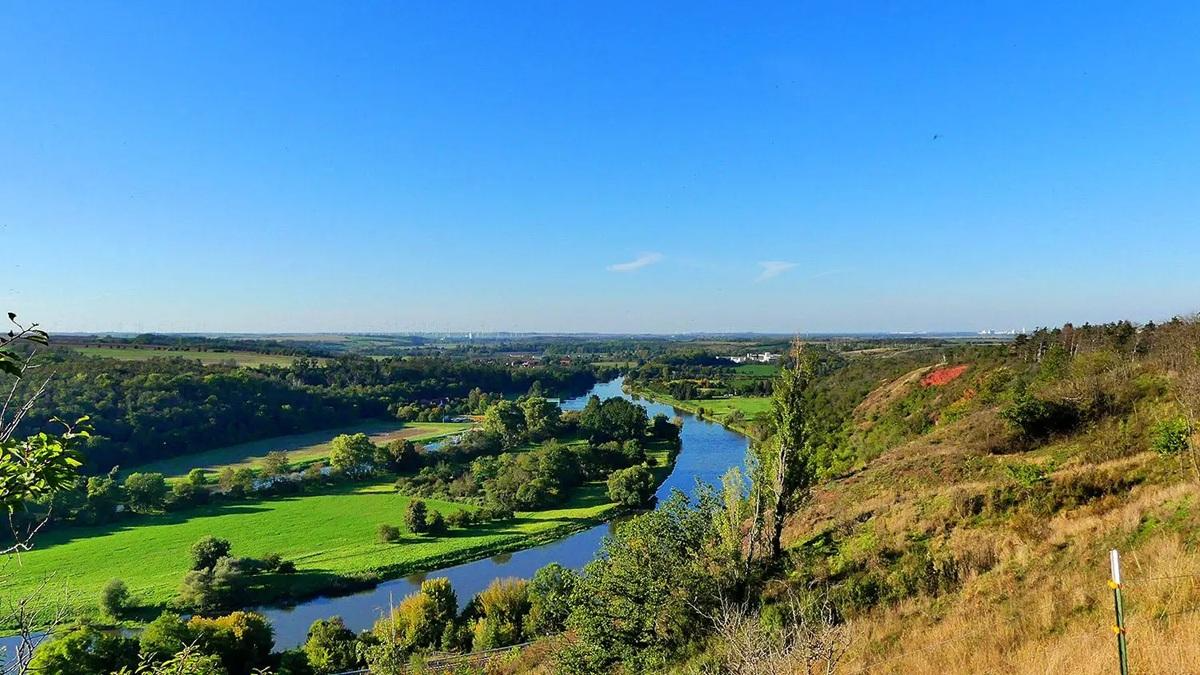
The National Natural Landscapes in Saxony-Anhalt
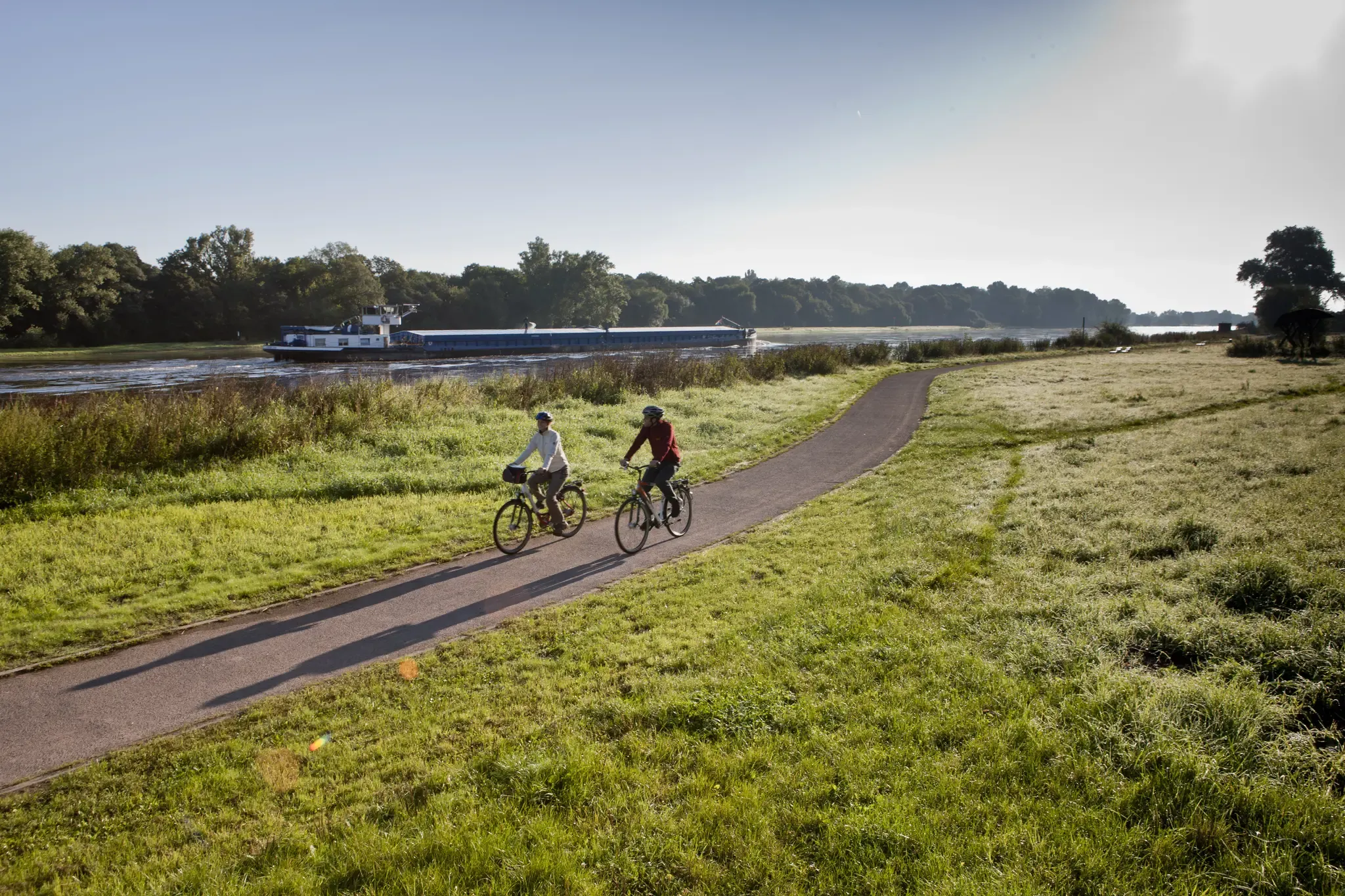
Ride the Elbe Cycle Route through Saxony-Anhalt
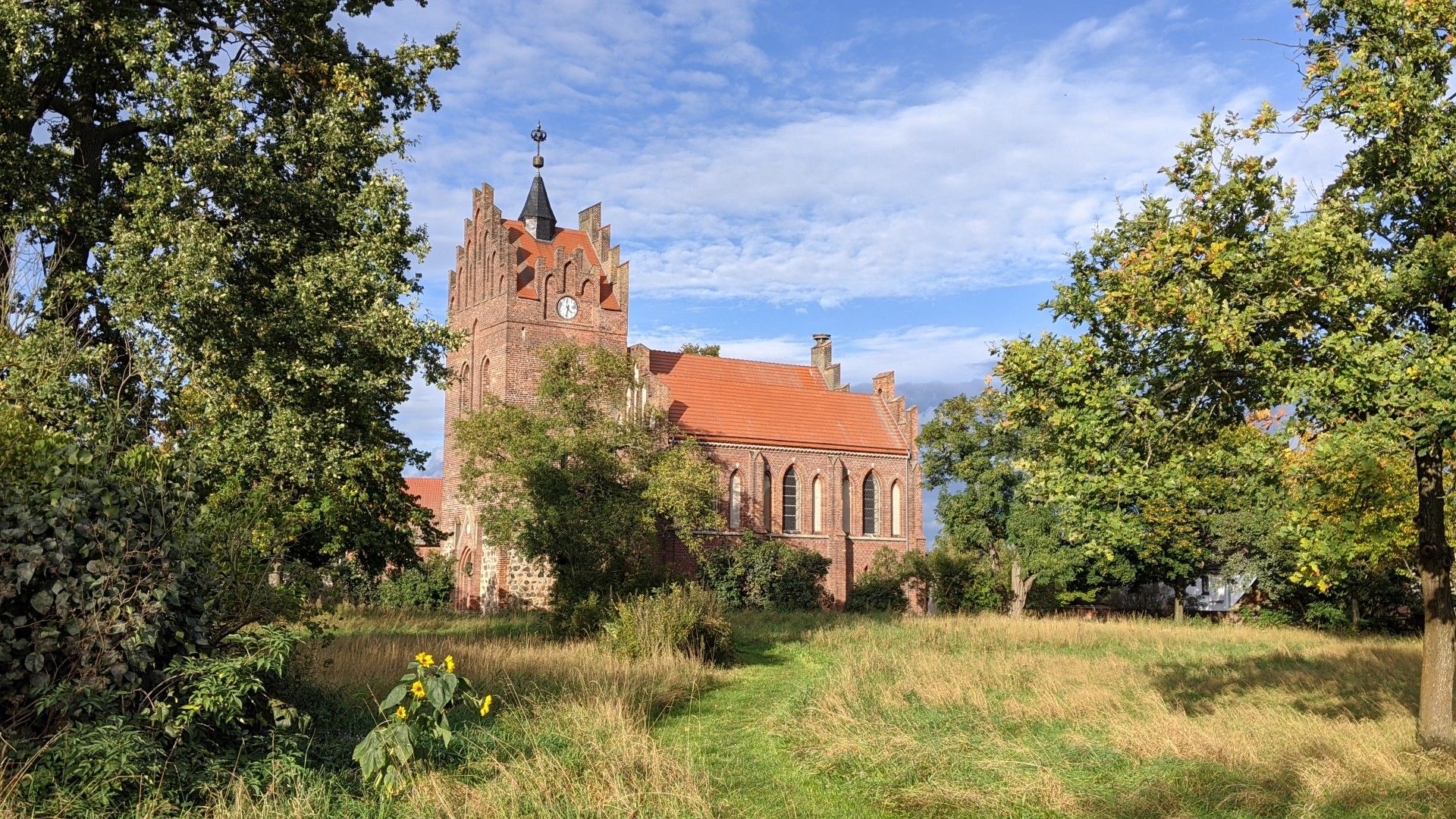
Pilgrimage route Berlin ► Bad Wilsnack ► Tangermünde
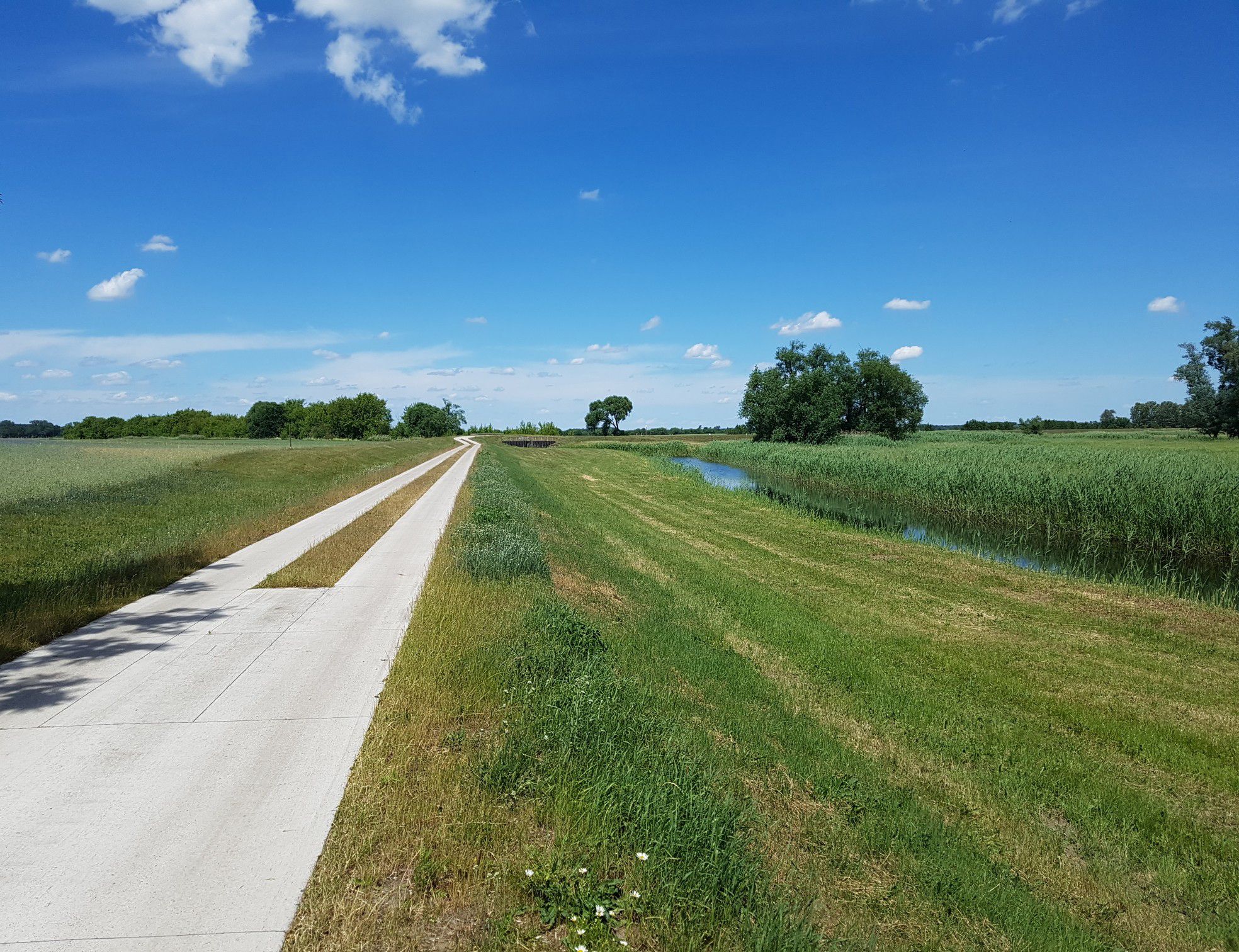
Through vast grasslands – Germany’s Havelland Cycle Route

Wintery river rides – from the Ruhr to the Elbe
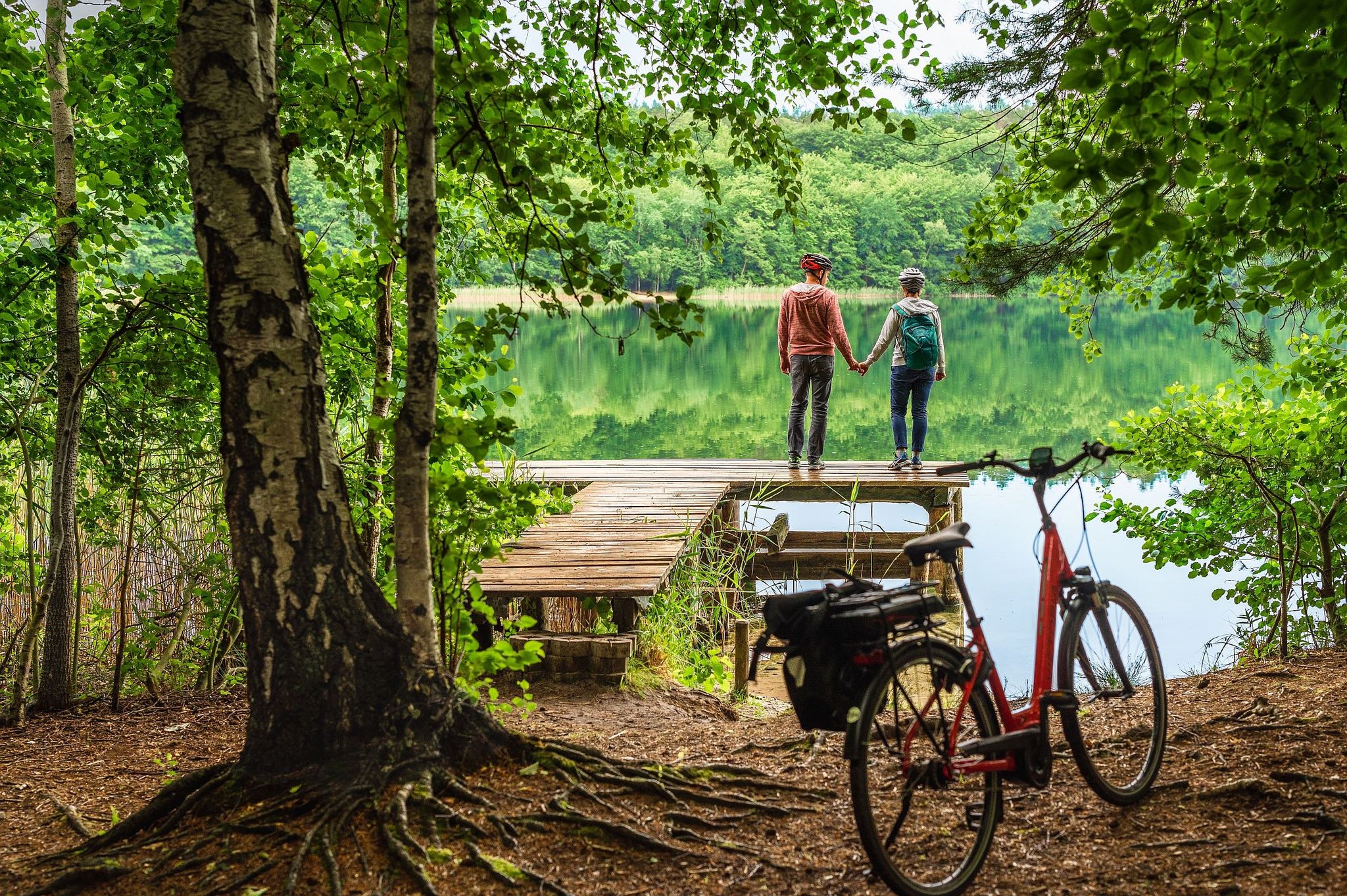
Havel-Radweg: Entdecke die Natur, erlebe Freiraum!
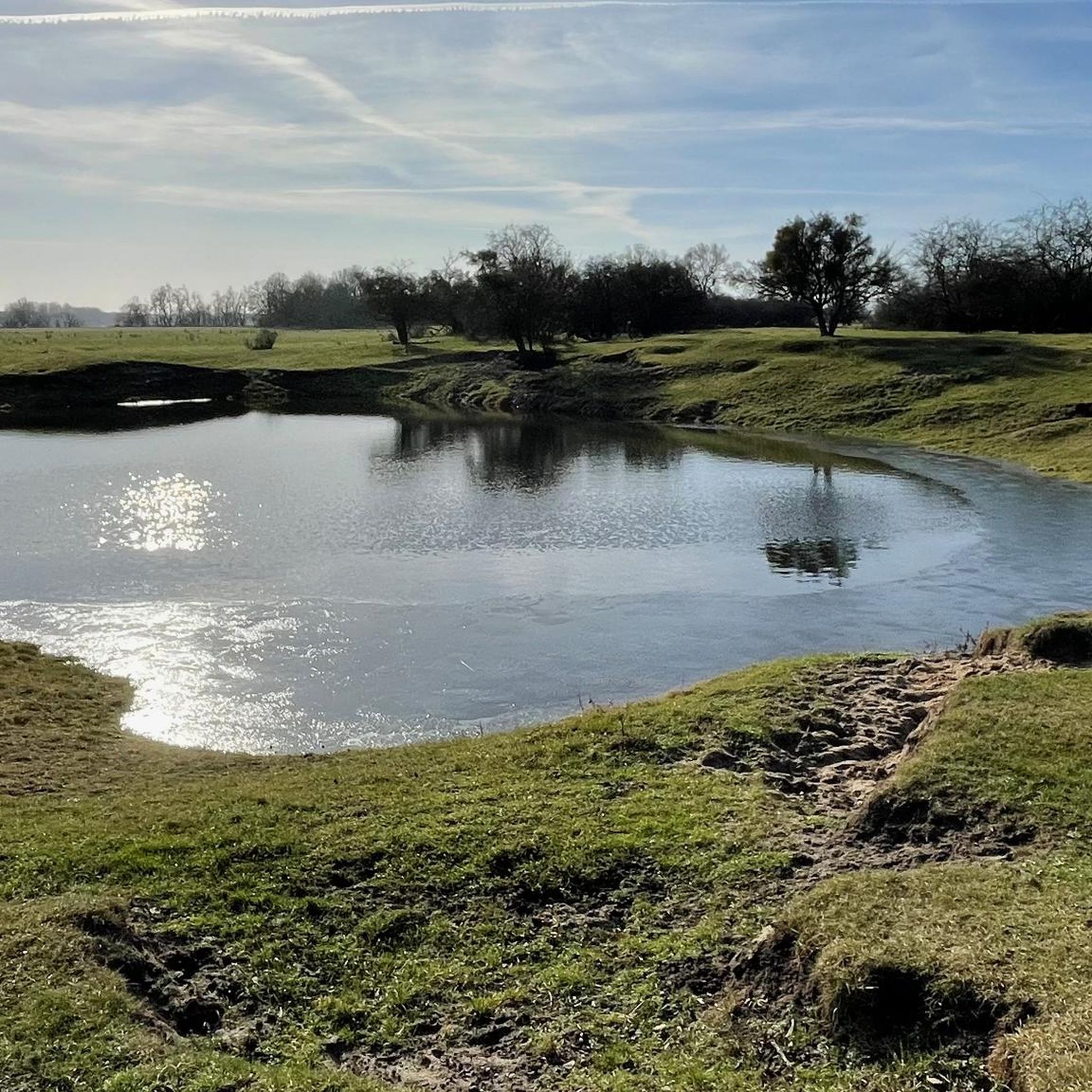
Cycling around Havelberg
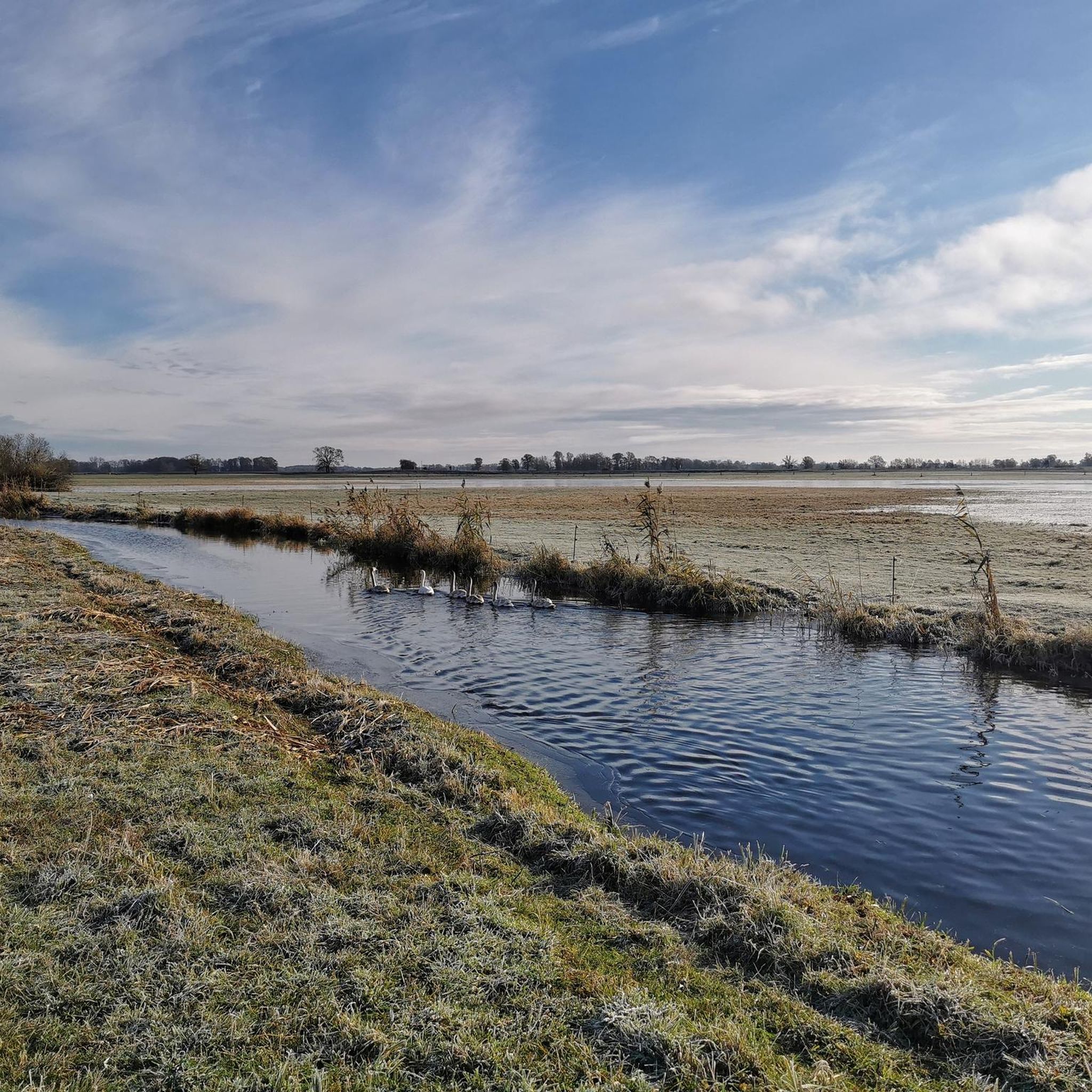
Hiking around Havelberg
Other adventures around Havelberg


Tips from the Community

From the lock, you can already see the first confluence of the Elbe and Havel rivers (connecting canal). From here, you continue on the approximately 20 km long section of the Havel Cycle Path, where you're accompanied by water on both sides: the Elbe on the left, the Havel on the right, and then the Gnevsdorf Outfall.
2
0

Unfortunately, the ferry will not be running again until the beginning of August at the earliest.
1
0

Half-timbered church in Gartz near Havelberg with its octagonal floor plan was built in 1688 and today appears to be a completely crooked structure. Inside there is a baroque altar and a Lütkemüller organ from 1871.
1
0

The Havelberg lock is an inland lock. It was built in 1936 and has connected the Havel waterway with the Elbe ever since.
5
0

Havelberg belonged to Brandenburg until 1952, but a territorial reform in the GDR brought it to Saxony-Anhalt. A vote carried out in the city council in 1990 with the aim of being re-affiliated to Brandenburg was unsuccessful with a narrow result.
13
0

The center of the village is the octagonal half-timbered church with cemetery built in 1688. The stately ensemble of four-sided courtyards of the upper Garz village is grouped in a semicircle around the church. open church, a short stop to visit is worthwhile
4
0

Idyllic little place with an imposing church, beautiful city gate and an enormous number of stork nests.
5
0
Frequently Asked Questions
What historical sites can I explore in Havelberg?
Havelberg boasts a rich history, evident in its medieval structure and well-preserved architecture. You can explore the historic center on the island, known as Havelberg Old Town and Cathedral, which features traditional German architecture and narrow cobblestone streets. The impressive Romanesque basilica, Dom St. Marien, consecrated in 1170, is a significant stop on the 'Straße der Romanik'. Other notable historical sites include the Beguinenhaus, Havelberg's oldest building, and the Former Synagogue House, a memorial site.
Are there any family-friendly attractions in Havelberg?
Yes, Havelberg offers several family-friendly attractions. The Havelberg Old Town and Cathedral is suitable for families to explore. You can also visit the Havelberg Lock, which connects the Havel waterway and the Elbe, offering an interesting sight. For active fun, consider the Abenteuerspielplatz Slawendorf (Slavic Village Adventure Playground) or the Erlebnisbad Havelberg, an outdoor adventure pool open during the high season.
What natural features define the Havelberg region?
Havelberg's unique location at the confluence of the Havel and Elbe rivers is its defining natural feature, offering picturesque river landscapes. You can enjoy walks, cycling, or boating along these rivers. Petroleuminsel (Petroleum Island), connected to the Old Town by a pedestrian bridge, provides one of the most beautiful viewpoints. The Haus der Flüsse (House of Rivers) on Petroleum Island offers interactive exhibits about the Elbe-Havel river landscape and its nature.
What cycling routes are available around Havelberg?
Havelberg is a significant junction for popular long-distance cycling paths, including the Elberadweg (Elbe Cycle Route) and Havelland-Radweg (Havelland Cycle Route). For more specific routes, you can find various options in the area, such as the 'View of Havelberg – Neuwerben Weir loop' or the 'Havel Cycle Path – View of Havelberg loop'. Discover more road cycling routes around Havelberg on komoot: Road Cycling Routes around Havelberg.
Are there hiking or walking trails near Havelberg's attractions?
Yes, there are several easy hiking and walking trails around Havelberg. You can explore routes like the 'View of the Aderlanke loop' or the 'Havelberg Town Hall – Havelberg River Gauge House loop'. These trails offer a great way to experience the local scenery. For a comprehensive list of options, check out the easy hikes around Havelberg on komoot: Easy hikes around Havelberg.
What cultural experiences does Havelberg offer?
Beyond its historical architecture, Havelberg offers various cultural experiences. The Prignitz-Museum, housed within the ancient monastery rooms of the Dom St. Marien, provides insights into the region's history and sacred art. The KunstQuartier ArtHotel Kiebitzberg® features art exhibitions and hosts events. The town also hosts traditional festivals, including 'Dommusiken' (cathedral music) and a wind music festival, throughout the year.
Is Havelberg accessible for visitors with wheelchairs?
Yes, some attractions in Havelberg are designed to be wheelchair accessible. For instance, the Havelberg Lock is listed as wheelchair-friendly, offering an opportunity to observe the inland waterway traffic. It's advisable to check specific accessibility details for other sites before your visit.
What is the Havelberger Pferdemarkt?
The Havelberger Pferdemarkt (Havelberg Horse Market) is an annual, large public festival with a history dating back to 1750. Held in early September, it attracts around 200,000 visitors and combines a folk festival, shopping event, and camping, making it a significant cultural highlight for the region.
Where can I learn about the local flora and fauna?
You can learn about the local nature at the Naturlehrpfad und Ausstellung im Forsthaus 'Heimische Flora & Fauna' (Nature Trail and Exhibition in the Forester's Lodge 'Native Flora & Fauna'). Additionally, the Haus der Flüsse (House of Rivers) on Petroleum Island offers interactive exhibits dedicated to the Elbe-Havel river landscape and its diverse ecosystem.
Are there any unique religious buildings to visit?
Absolutely. Besides the prominent Dom St. Marien, you can visit the Octagonal Half-timbered Church in Garz. Built in 1688, this church features striking architecture and forms the center of the village. Another site of interest is the Hospitalkapelle St. Spiritus.
What is the Räbel Reaction Ferry?
The Räbel Reaction Ferry is a unique yaw cable ferry that allows you to cross the Elbe River between Havelberg and Werben. It uses the river's current to propel itself, offering an impressive and traditional way to traverse the water. It's a practical and interesting experience for cyclists and pedestrians alike.
What is the best time of year for outdoor activities in Havelberg?
The warmer months, particularly summer, are ideal for outdoor activities in Havelberg. The river landscapes are perfect for cycling, boating, and walking. The Erlebnisbad Havelberg (adventure pool) is also open during the high season. The annual Havelberger Pferdemarkt in early September is another popular time to visit for a lively atmosphere.
Most popular routes around Havelberg
Most popular attractions around Havelberg

Get inspired with the komoot mobile app


Explore more
Still not found the Highlight you’re looking for? See guides of the top attractions in other regions:
