Attractions and Places To See in Stellmoorer Tunneltal - Top 19
Best attractions and places to see in Stellmoorer Tunneltal include a significant nature reserve spanning 217 hectares, shaped by Ice Age meltwater tunnels. This area is recognized for its geological and archaeological importance, providing insights into natural and environmental developments over the last 15,000 years. It features diverse habitats such as wet meadows, heaths, and ancient streams, supporting rare animals like moor frogs and kingfishers. The region is also an internationally significant archaeological site, known for evidence of late Ice…
Last updated: May 25, 2026
Wandse stream in the Höltigbaum Nature Reserve
Highlight (Segment) • River
Translated by Google •
Tip by

Stellmoorer Tunneltal Nature Reserve
Highlight • Natural Monument
Translated by Google •
Tip by

Sign up now to discover places like this
Get recommendations on the best single tracks, peaks, & plenty of other exciting outdoor places.
Sign up for free
Wandseteich Pond
Highlight • Lake
Forest trails in the Höltigbaum Nature Reserve
Highlight (Segment) • Forest
Call barrier Nornenweg
Highlight • Structure
Sign up for free to discover even more attractions in Stellmoorer Tunneltal.
Sign up for free
Already have an account?
Start today with a free account
Your next adventure awaits.
Login or Signup
Tips from the Community

I read the sign after I had crossed the open barriers. Wonder if this sign is obsolete, and also if it isn't, if it would really occur to anyone to call somebody on the phone when the barriers are OPEN, which the sign advises you to do. :D
0
0

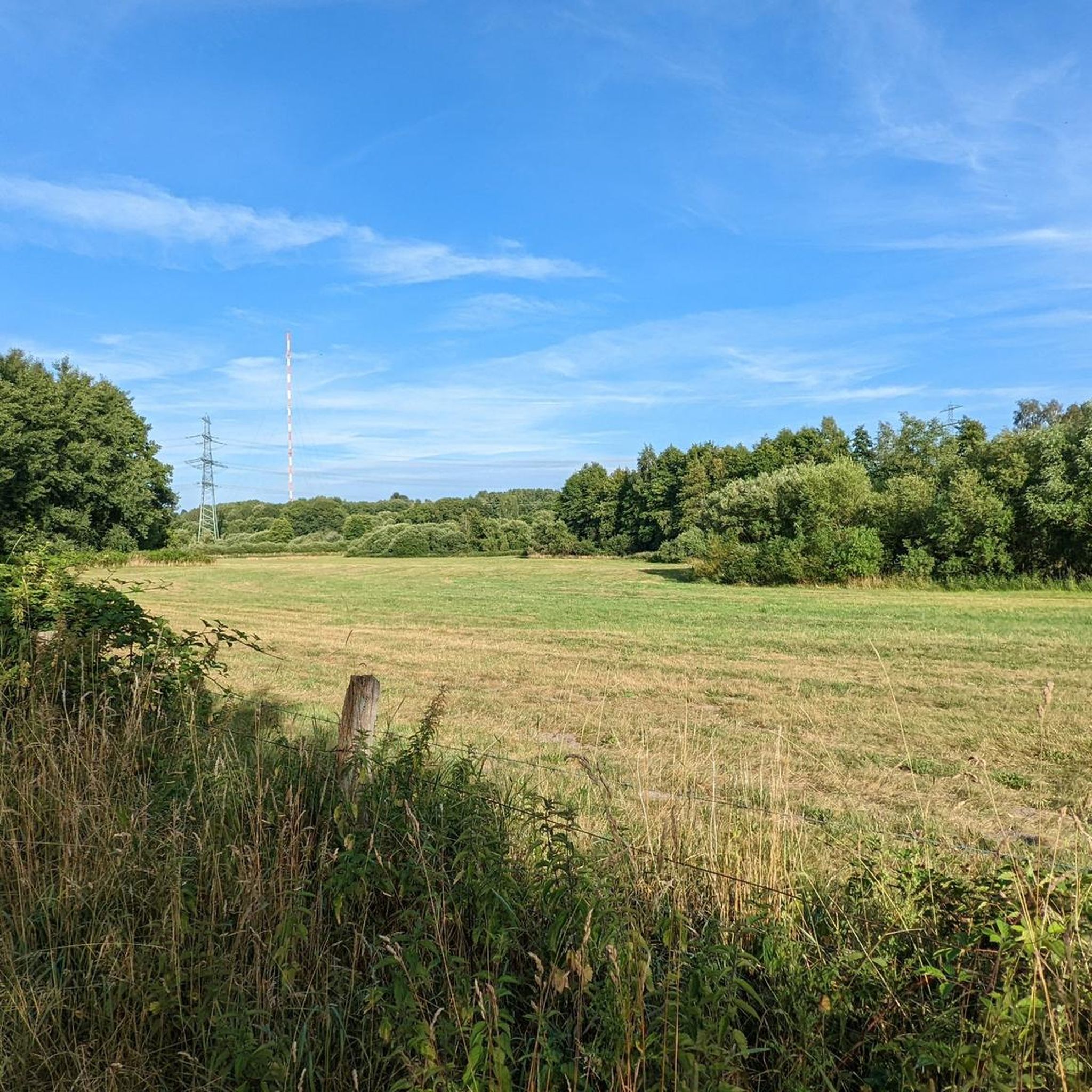
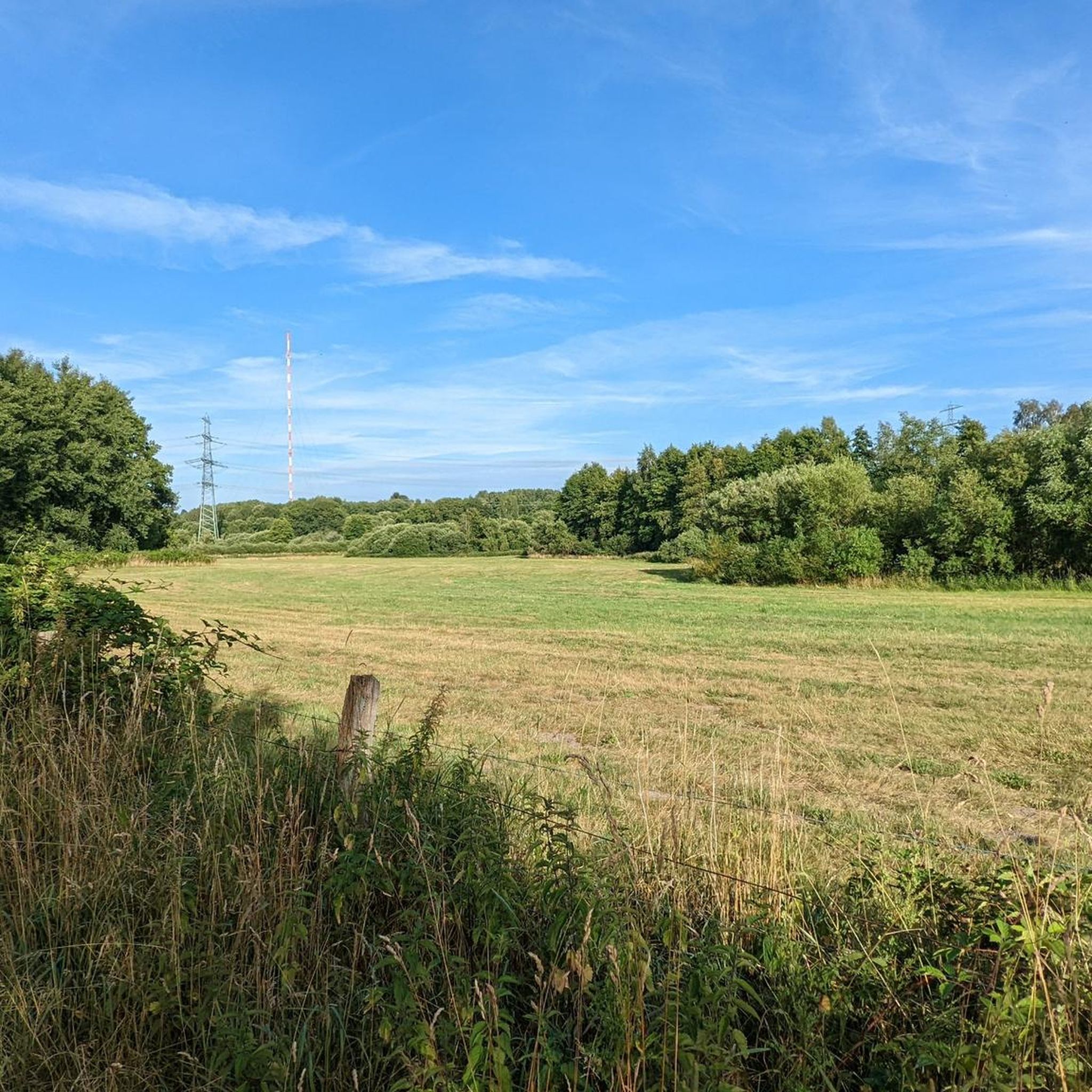
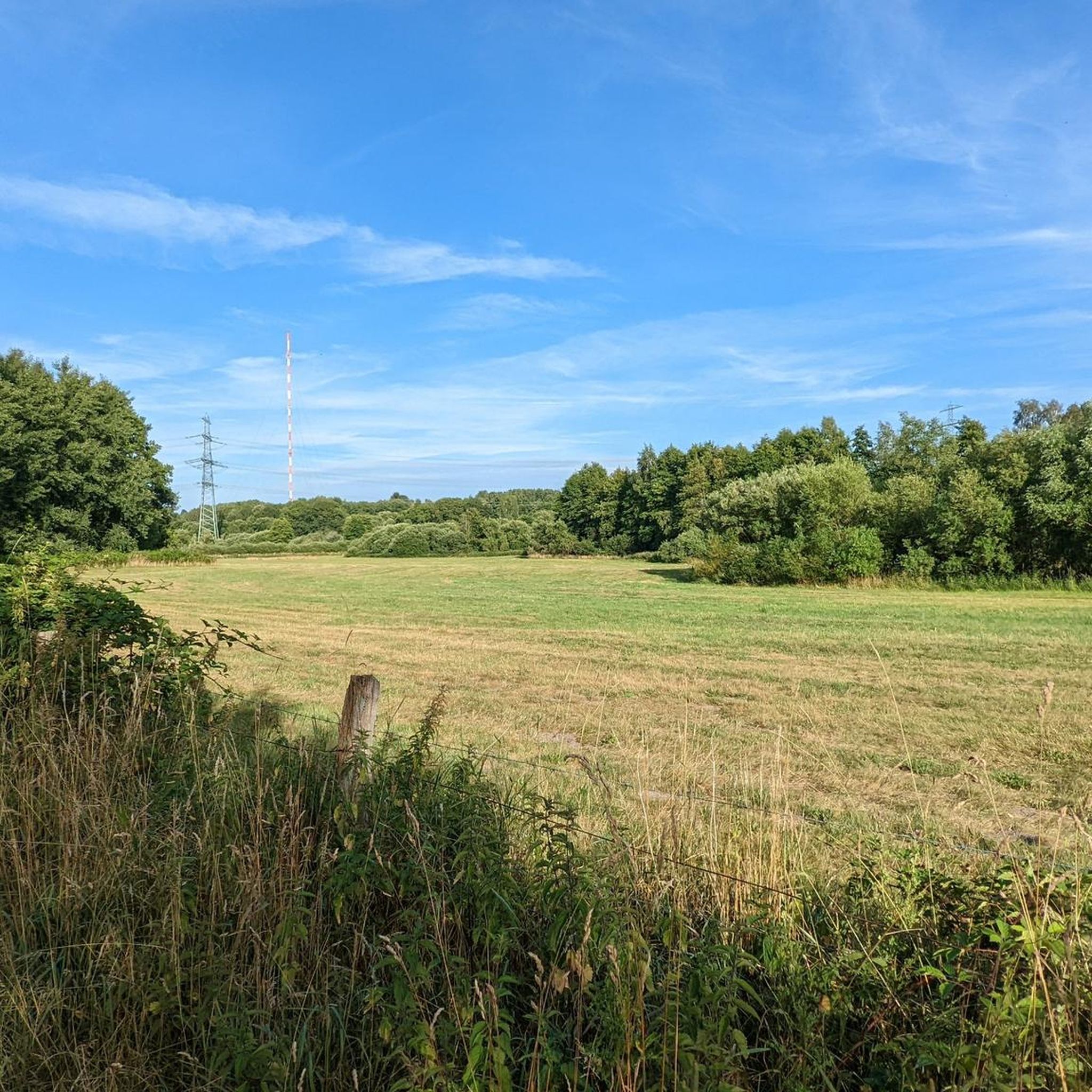
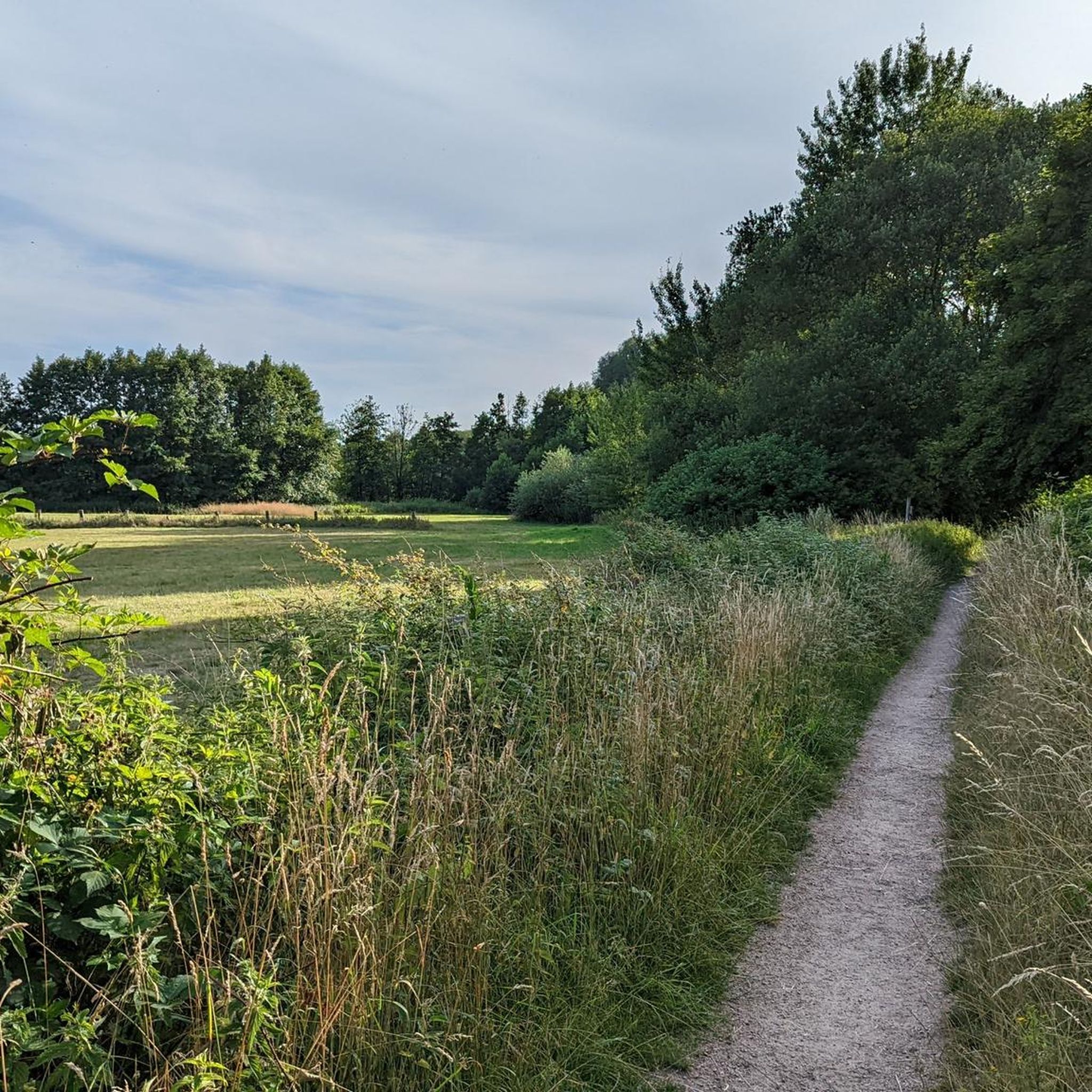
The Stellmoorer Tunneltal, a 217 hectare nature reserve, is located in the Hamburg district of Rahlstedt. The landscape with wet meadows, heaths and old streams was created during the Ice Age. Rare animals such as moor frogs and kingfishers live here. The area is also archaeologically significant - traces of reindeer hunters have been found here. Many natural habitats have been preserved through renaturation.
1
0

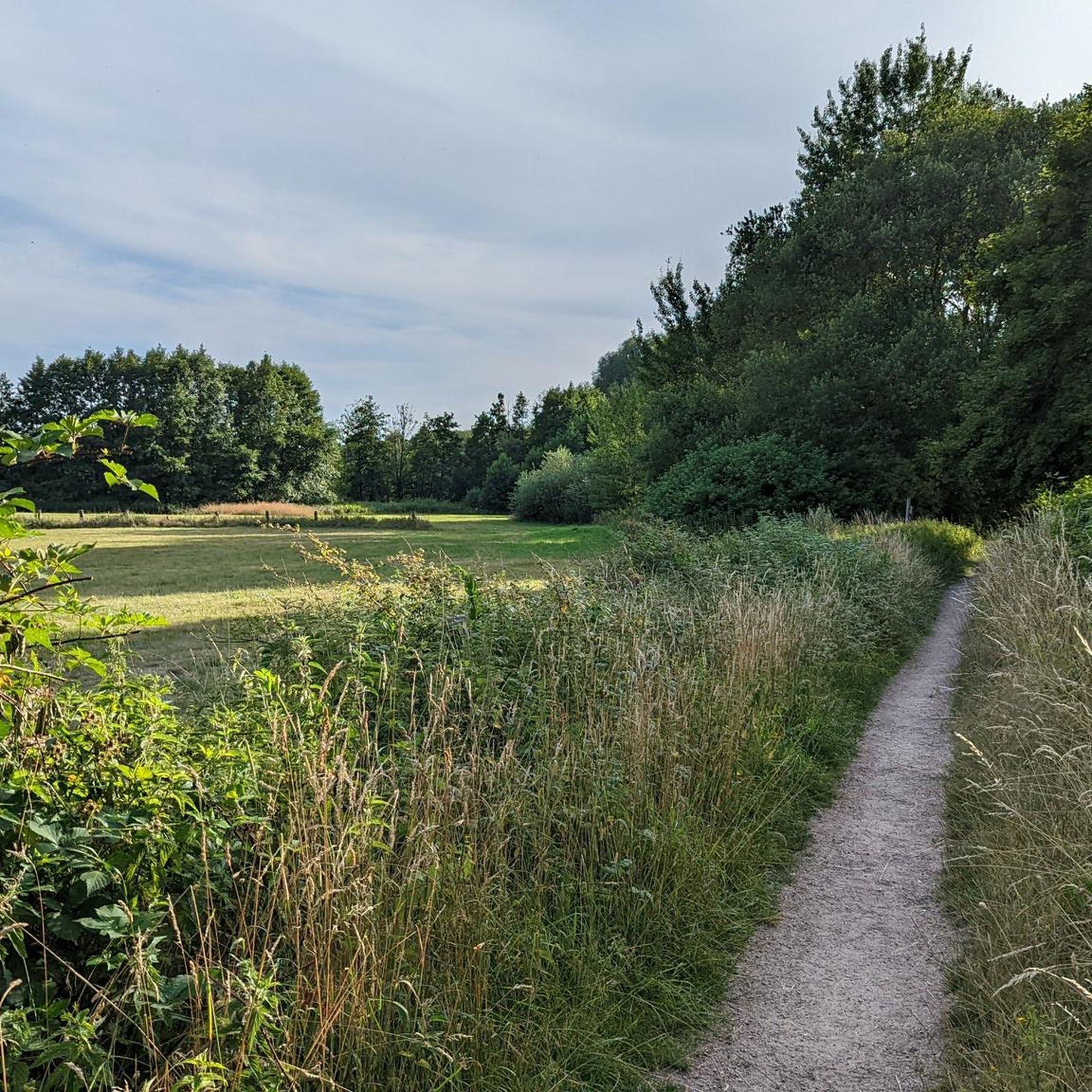
In the entire Höltigbaum, whether it's the Panzerringstraße or the many small trails, there's always something new to discover...it's never boring...and every season has its own charm!
1
0

It doesn't really happen that often! A need barrier to call upon to get over the rails. However, I have already experienced that the barrier is not manned, then you have to accept a detour of a good 2 km
2
0
A beautiful (forest) area where you can spend a lot of time and observe nature in all its rich facets
1
0

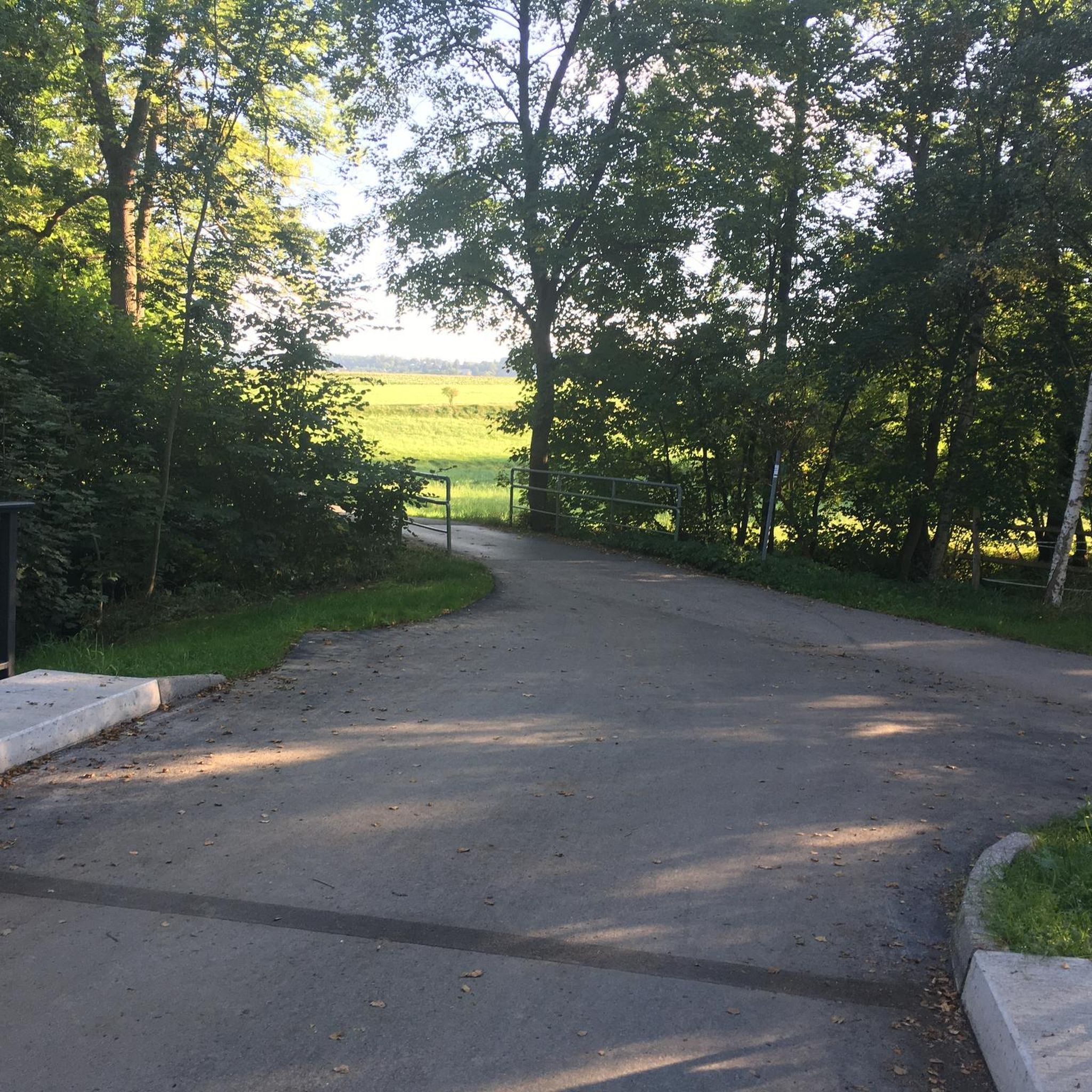
You have to ring the bell at this barrier. It only opens if there is no train coming. After crossing you have to ring the bell again and release the barrier.
2
0

The Tunneltal, around 7 kilometres long and 0.2 to 2 kilometres wide, lies on the Rahlstedt/Ahrensburg axis and includes the lowlands through which the Wandse, the Stellmoorer Quellfluss and the Hopfenbach flow. The Tunneltal is completely protected. Strictly speaking, there are two adjacent nature reserves: The Hamburg part, the Stellmoorer Tunneltal nature reserve, is 202 hectares in size, while the Stellmoor-Ahrensburger Tunneltal nature reserve in Schleswig-Holstein has an area of 339 hectares. The Tunneltal forms a natural unit with the adjacent Höltigbaum nature reserve. Due to its archaeological and geological uniqueness, this area is particularly worthy of protection. The Tunneltal was formed towards the end of the last Ice Age (around 15,000 years ago) by flowing meltwater that made its way through a tunnel under the ice. The landscape created by this is now characterized by hedgerows, wet meadows and wooded areas. With its dry grasslands, coppice forests and wet biotopes, the Tunnel Valley is an important refuge for plants and animals threatened with extinction. The Tunnel Valley is known for its unique concentration of prehistoric sites from the late Paleolithic period. Excavations by Alfred Rust in the 1930s have revealed stone, wood and bone tools used by reindeer hunters as well as large quantities of hunting spoils. In the northwestern part of the Hagen forest you can find the remains of the medieval Arnesvelde Castle, which existed until 1594. The walled main castle with its oval floor plan is located in the Hopfenbach valley. On a tongue of land that projects into the valley from the east is a spacious outer castle protected by a section wall and moat.
2
2

Who wouldn't like to live (nest) here?
1
0
Frequently Asked Questions
What natural features define the Stellmoorer Tunneltal?
The Stellmoorer Tunneltal is characterized by its unique Ice Age landscape, shaped by meltwater tunnels. It features wet meadows, heaths, and ancient streams, making it a significant nature reserve. A prominent natural monument is the Stellmoorer Tunneltal Nature Reserve itself, spanning 217 hectares.
What is the historical and archaeological significance of Stellmoorer Tunneltal?
The Stellmoorer Tunneltal is an internationally significant archaeological site. It is renowned for evidence of late Ice Age reindeer hunter cultures and the discovery of the world's oldest arrows, with archaeological finds from the Stone Age confirming early human settlement. The Stellmoorer Tunneltal Nature Reserve holds traces of these reindeer hunters.
Are there hiking trails in Stellmoorer Tunneltal?
Yes, the Tunneltal is a popular destination for hikers. There are various circular hiking trails, including the 'Glacier Trace' and 'Gallo-Way.' You can find several hiking routes, such as the 'Stellmoorer Tunnel Valley – Wandseteich Pond loop,' by exploring the Hiking in Stellmoorer Tunneltal guide.
What kind of wildlife and flora can I expect to see?
As a Flora-Fauna-Habitat (FFH) area, Stellmoorer Tunneltal supports diverse habitats. It is home to rare animals such as moor frogs and kingfishers, as well as bats, various amphibians, reptiles, cranes, and marsh harriers. The forests feature a variety of trees, including oaks, beeches, birches, alders, and conifers.
What activities are available for families in Stellmoorer Tunneltal?
Families can enjoy exploring the diverse landscapes and spotting wildlife. The Stellmoorer Tunneltal Nature Reserve and Wandseteich Pond are considered family-friendly. Additionally, the Haus der Wilden Weiden Visitor Center offers information and features a show enclosure with Bentheimer Land sheep, forest goats, and cattle.
What is special about the Wandseteich Pond?
The Wandseteich Pond is the largest body of water in the Stellmoor tunnel valley, serving as a retention basin for the Wandse river. It is known for its greatly varying water levels, and water birds can often be observed here. Visitors have noted it as a place where the water can almost dry out in summer or back up over paths in wet seasons.
Are there cycling routes in the area?
Yes, the Hagener Allee is a cycleway that divides the tunnel valley and offers access to the nature reserve. For more detailed routes, you can explore the Gravel biking in Stellmoorer Tunneltal guide or the MTB Trails in Stellmoorer Tunneltal guide, which list various routes like the 'Gravel Path in Höltigbaum' or 'MTB Trail Rahlstedter Heide'.
What is the 'Call barrier' at the railway crossing?
The Call barrier at the railway crossing in Hamburg (and also Call barrier Nornenweg) is a unique man-made structure that provides access across railway tracks. It requires interaction, typically by pressing a button, to open. Visitors describe it as a quaint and distinctive experience.
Is there a visitor center for more information about the area?
Yes, the Haus der Wilden Weiden Visitor Center, located in Hamburg-Rahlstedt, offers information about the formation of the Höltigbaum and Stellmoorer Tunneltal, as well as their flora and fauna.
What is a unique landscape feature in Stellmoorer Tunneltal?
A unique feature is the floating wooden bridge, which is composed of 77 individual pontoon-like elements. This bridge provides a distinctive experience across the moor and is considered unique in Germany.
What do visitors enjoy most about the Stellmoorer Tunneltal Nature Reserve?
Visitors appreciate the untouched nature and the opportunity for peaceful exploration. Many find the 'over hill and dale' stretches rewarding, despite being arduous, as the natural beauty compensates. The presence of rare animals like moor frogs and kingfishers also adds to the appeal.
Are there any historical ruins to explore?
Yes, the Arnesvelde Castle Ruins are located in the Hopfenbach valley. These ruins were once an important administrative center for the Counts of Stormarn in the late Middle Ages. Today, the remains consist of a mound protected by a moat and a rampart.
Most popular routes in Stellmoorer Tunneltal
Most popular attractions in Stellmoorer Tunneltal

Get inspired with the komoot mobile app


Explore more
Still not found the Highlight you’re looking for? See guides of the top attractions in other regions:
