The best cycling routes in Mittlere Dumme Und Püggener Moor
4.6
(1673)
6,516
riders
637
rides
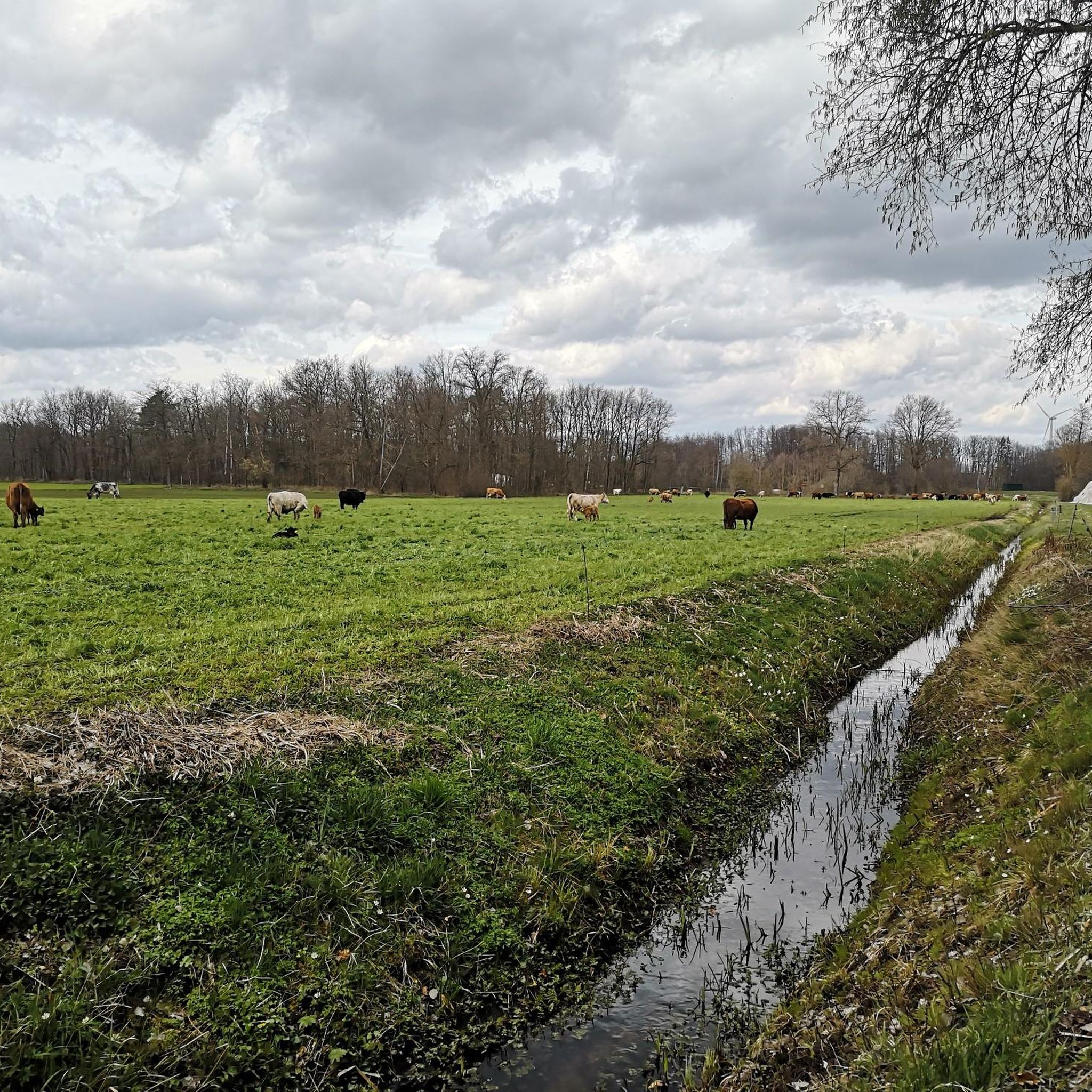
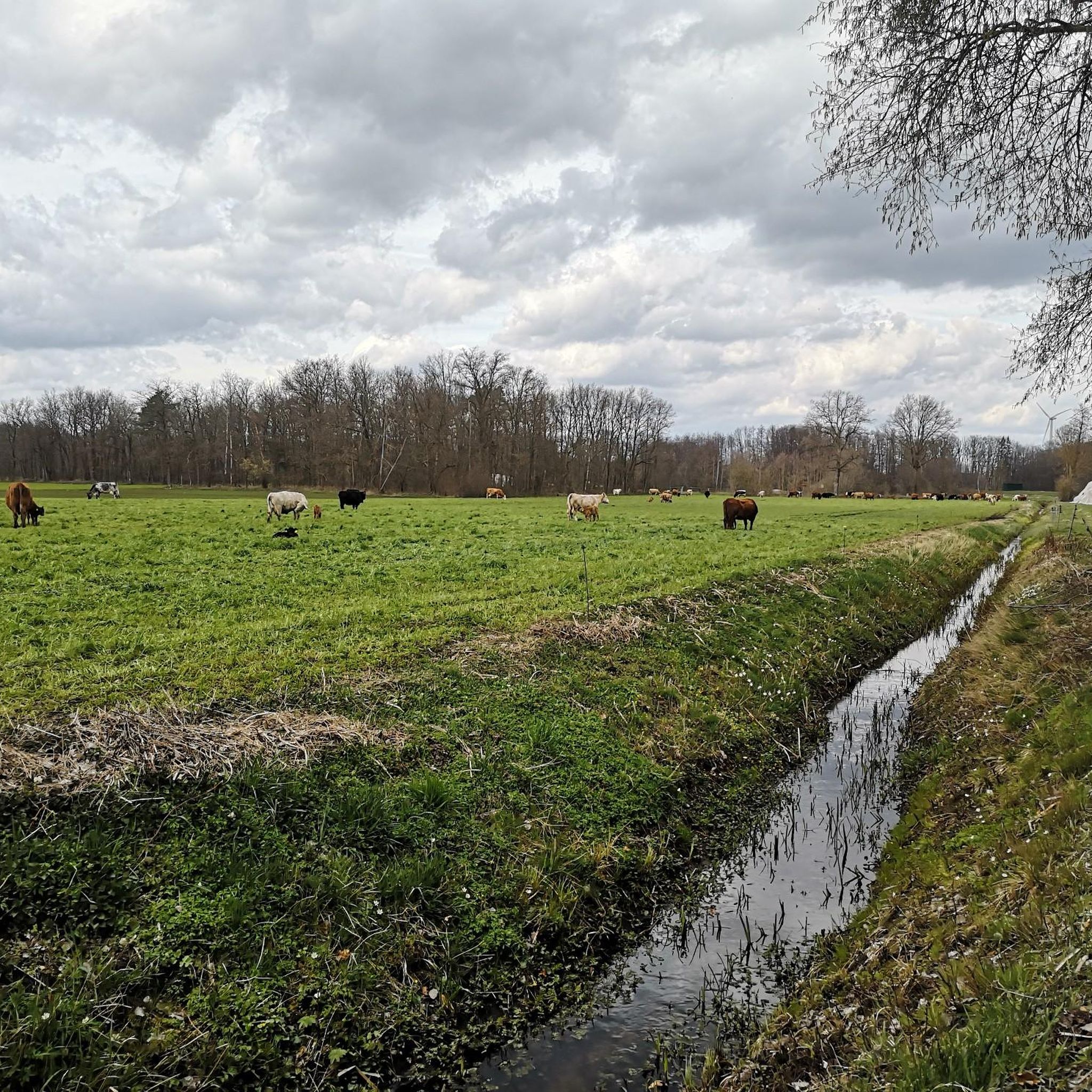
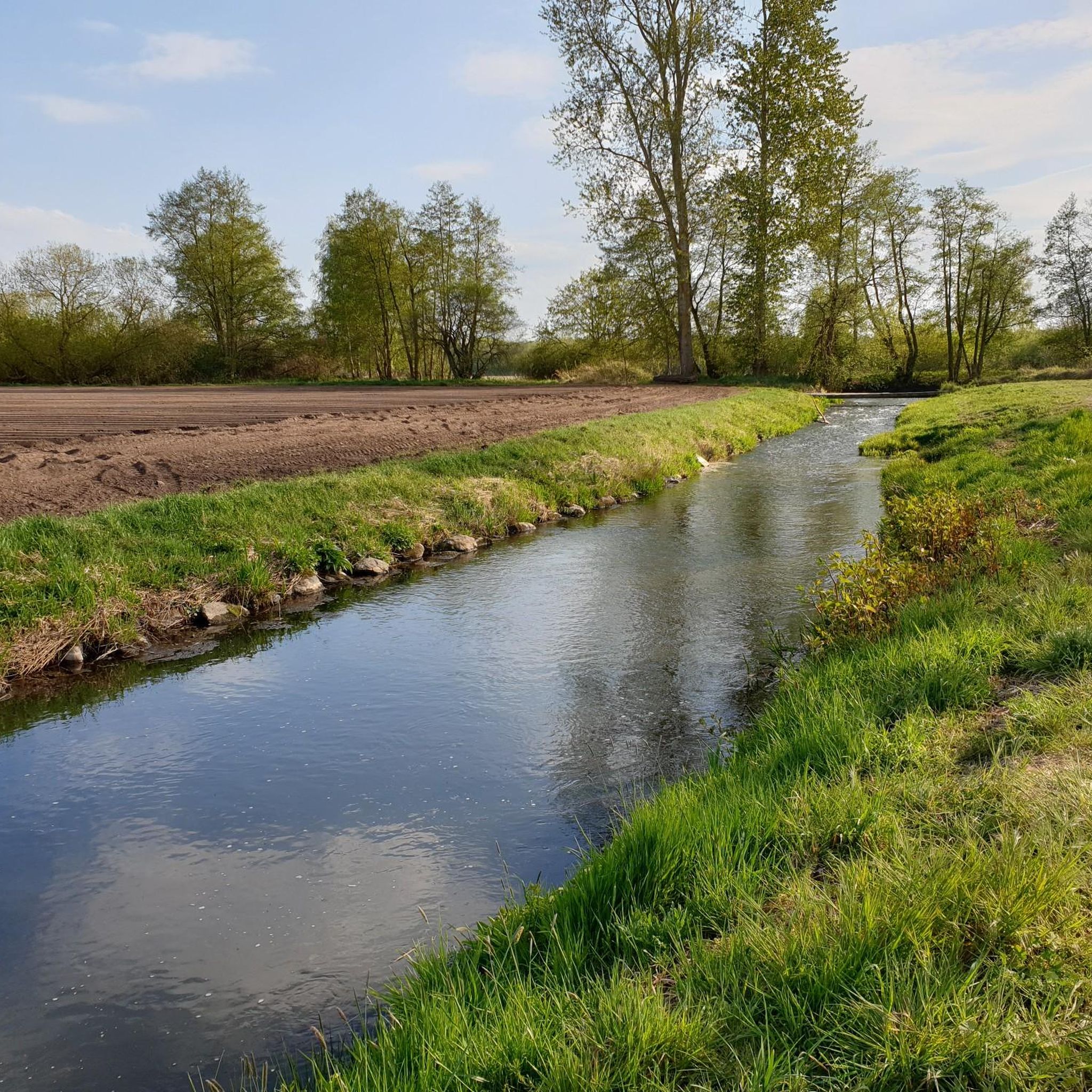
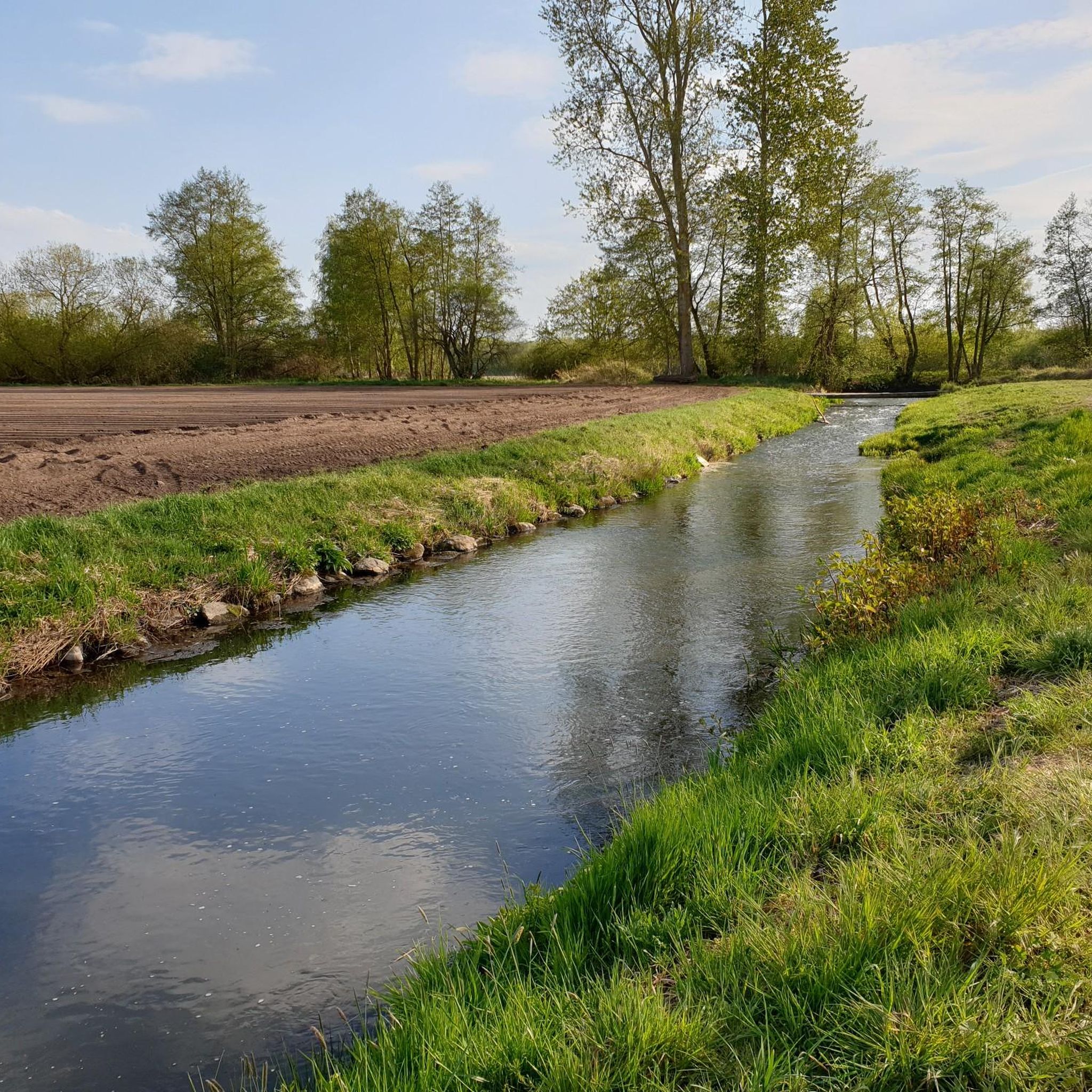
Touring cycling in Mittlere Dumme Und Püggener Moor offers routes through an expansive, semi-open river and moor lowland. The terrain is characterized by wet to moist, groundwater-influenced gley and moor soils, making it well-suited for cycling. This nature reserve features diverse vegetation, including mesophilic and wet grasslands, wet forests, and near-natural flowing waters. The landscape is predominantly flat, providing accessible cycling experiences.
Best touring cycling routes in Mittlere Dumme Und Püggener Moor
- The most popular touring cycling route is Gühlitz…
Last updated: November 11, 2026
4.9
(28)
100
riders
Moderate bike ride. Good fitness required. Mostly paved surfaces.
4.8
(11)
38
riders
Easy bike ride. Mostly paved surfaces.

4.3
(3)
9
riders
23.9km
01:31
60m
60m
Easy bike ride. Mostly paved surfaces.
4.6
(17)
52
riders
26.8km
01:36
80m
80m
Easy bike ride. Mostly paved surfaces.
4.8
(4)
17
riders
Easy bike ride. Mostly paved surfaces.
Get access to more routes and recommendations from other explorers.
Already have an account?
Our route recommendations are based on thousands of hikes, rides, and runs completed by other people on komoot.
Start today with a free account
Your next adventure awaits.
Tips from the Community

Cafe in the Markthof, good coffee and good cake
0
0

Timber-framed chapel from the 17th century. Square west tower with pyramid roof
0
0

Most beautiful circular village with studio, definitely worth a visit and chat with the artist
0
0

Simply beautiful here
0
0

The Schnega mill originally stood west of Schnega at the Dullborn spring near Gledeberg. It was first mentioned in 1360. In 1668 it appears in documents in Schnega, but is still referred to as the Gledeberg mill. After the Lords of Bodendieck, the Barons Grote came into possession of the Schnega estate and mill. In addition to the grain grinding, the mill also had a hammer mill for beating oil and was also used as a baking mill for baking flax. The mill was finally driven by a turbine. The mill often changed owners: Pletke in 1679, Wilke in 1708, Ude in 1721, Köthke in 1754, Schulz in 1776, Pletke in 1801 and Möller in 1823. This list is certainly not complete. This mill may have been a leased mill, which is suggested by its proximity to the estate. In 1901, the mill was bought by Heinrich Niefind, whose heirs sold it in 2005 to Mr. Ingo Timm from Berlin and Mr. Jürgen Zaak from Sommerland near Elmshorn. The new owners have extensively renovated the mill, repaired the turbine and partially got the grinding mechanisms working again. Interested visitors can see for themselves on the annual Mill Day (Whit Monday) and experience a piece of old mill romance with coffee and butter cake. Source: Information board at the site
2
0
Historical washing area The washing area at the Schnega Mill was renovated in 1998. Until 1948, the washing area next to the stately half-timbered building of the water mill, which was then owned by the Niefind family, was still regularly used to wash laundry. The laundry was soaked long before it was brought to the mill stream on regular washing days. The clothes were boiled thoroughly in the kettle and particularly dirty areas were pre-cleaned with soap. The laundry items were moved in the water again at home and wrung out well before being loaded onto the wooden cart and taken to the stream to be washed. The laundry basket and tub were carried over a narrow footbridge onto the wooden platform. In a bent position, bed linen and clothing were vigorously moved in the flowing stream water and then wrung out. The whole family had to help. Source: Information board at the site
2
0

In Satemin a very nice stop with delicious cakes or tarte flambée
0
0

It is framed by old oaks and linden trees.It dates back to the 13th century
2
0
Frequently Asked Questions
How many touring cycling routes are available in Mittlere Dumme Und Püggener Moor?
There are nearly 600 touring cycling routes in Mittlere Dumme Und Püggener Moor, offering a wide variety of options for exploration. Over 390 of these are rated as easy, making the region very accessible for casual rides.
What kind of terrain can I expect when cycling in Mittlere Dumme Und Püggener Moor?
The terrain in Mittlere Dumme Und Püggener Moor is predominantly flat, characterized by expansive river and moor lowlands. You'll cycle through areas with wet to moist, groundwater-influenced gley and moor soils, alongside mesophilic and wet grasslands, and wet forests. This makes for generally easy and pleasant cycling.
Are there any easy touring cycling routes suitable for beginners?
Yes, a significant portion of the routes are easy. For example, the Meuchefitz Rundling Village – Markthof Satemin loop from Guhreitzen is an easy 20.3-mile (32.7 km) path that winds through characteristic moor and river lowlands. Another easy option is the Wendlandbräu Brewery – Zeetzer Mill loop from Clenze, covering about 14.8 miles (23.8 km).
What natural features or landmarks can I see along the cycling routes?
The region is rich in natural beauty, including several significant moors like Püggener Moor and Schreyahner Moor, and the lowlands of the Dumme River. You might also encounter the rare inland salt flora near Schreyahn. For historical interest, consider visiting the St. Johannis Church Zeetze or the Rundling village Bussau. The View of the Wustrower Dumme – View of the Jeetzel River loop from Luckau (Wendland) offers scenic river views.
Is Mittlere Dumme Und Püggener Moor suitable for family cycling trips?
Yes, with its predominantly flat terrain and numerous easy routes, Mittlere Dumme Und Püggener Moor is well-suited for family cycling. The natural environment provides a tranquil setting for all ages to enjoy. Always ensure children are comfortable with the chosen distance.
Can I bring my dog on the cycling trails?
While cycling is generally permitted in the nature reserve, visitors are typically advised to stay on designated paths to protect the sensitive environment. If bringing a dog, it's crucial to keep them on a leash to protect the rich biodiversity, especially ground-nesting birds and other wildlife. Always check local signage for specific regulations.
Are there any circular cycling routes in the area?
Yes, many routes in Mittlere Dumme Und Püggener Moor are designed as loops. For instance, the Gühlitz Round Village – Wendlandbräu Brewery loop from Clenze is a popular circular route, as is the Gühlitz Round Village – Meuchefitz Rundling Village loop from Bussau.
What is the best time of year to go touring cycling in Mittlere Dumme Und Püggener Moor?
The spring and summer months (April to September) are generally ideal for touring cycling in Mittlere Dumme Und Püggener Moor, offering pleasant temperatures and lush green landscapes. Autumn can also be beautiful with changing foliage. Given the wet moorland characteristics, checking the weather forecast for rain is always advisable, especially outside of peak summer.
Are there places to eat or drink along the routes?
While the primary focus of the region is its natural beauty, you can find amenities in nearby villages. The Wendlandbräu Brewery is a notable stop mentioned in some routes, offering a place for refreshment. It's always a good idea to plan your route and check for specific establishments in advance.
What do other touring cyclists say about their experience in Mittlere Dumme Und Püggener Moor?
The touring cycling routes in Mittlere Dumme Und Püggener Moor are highly rated by the komoot community, with an average score of 4.6 stars from over 1,200 reviews. Cyclists often praise the tranquil natural surroundings, the flat and accessible terrain, and the opportunity to immerse themselves in the region's unique moor and river landscapes.
Is public transport available to reach the cycling areas?
Information on specific public transport links directly into the heart of the nature reserve is limited. It is advisable to research local bus services to nearby towns such as Clenze or Luckau (Wendland) and plan your cycling route from there. Parking options are generally available in these surrounding villages if you arrive by car.
Are there any specific regulations for cycling within the nature reserve?
As Mittlere Dumme Und Püggener Moor is a designated nature reserve, cyclists are generally required to stay on marked paths and trails to protect the sensitive ecosystems and wildlife. This helps preserve the crucial breeding and feeding grounds for endangered bird species and other unique flora and fauna. Always respect local signage.
Most popular routes in Mittlere Dumme Und Püggener Moor
Most popular attractions in Mittlere Dumme Und Püggener Moor

Get inspired with the komoot mobile app


Explore more
Browse the best Cycling routes in other regions.
