Attractions and Places To See in Heiden Und Magerrasen In Der Südheide - Top 20
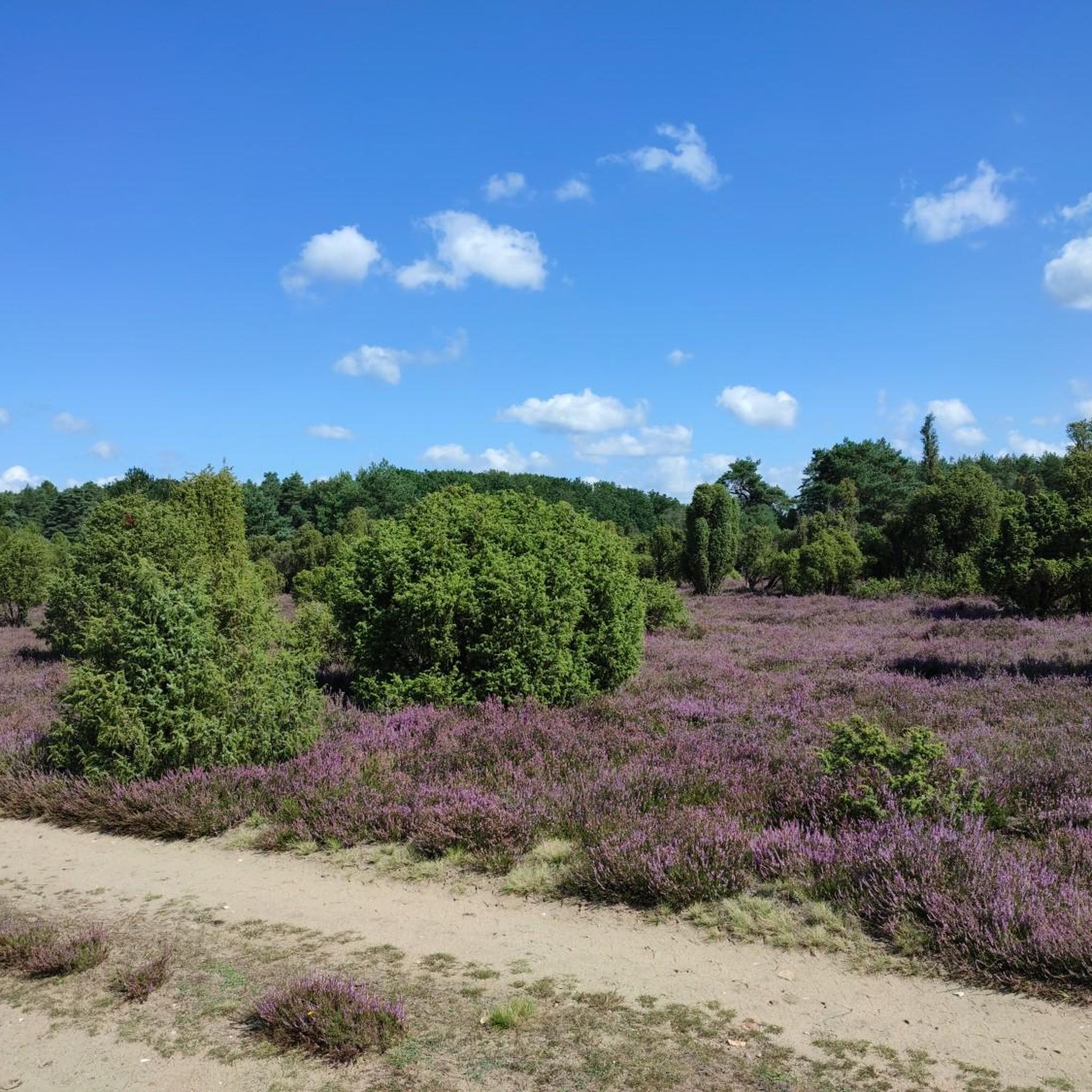
Best attractions and places to see in Heiden Und Magerrasen In Der Südheide include a diverse landscape of heaths, grasslands, and forests. This nature reserve, spanning approximately 753 hectares, is characterized by extensive dry and wet heaths, juniper heaths, and species-rich borstgrass grasslands. Visitors can explore small moors, various forest types, and a unique juniper forest near Schmarbeck. The area is also known for its traditional heathland management, which helps preserve this cultural landscape.
Best attractions and places to see…
Last updated: October 9, 2026
Misselhorner Heath
Highlight • Natural
Translated by Google •
Tip by

Misselhorner Heath – Tiefental
Highlight (Segment) • Natural
Although the deep valley …
Translated by Google •
Tip by

Sign up now to discover places like this
Get recommendations on the best single tracks, peaks, & plenty of other exciting outdoor places.
Tiefental in the Misselhorner Heath
Highlight • Gorge
Translated by Google •
Tip by

Kettle in the Misselhorner Heath
Highlight • Natural Monument
Translated by Google •
Tip by

Heath Trail in Südheide Nature Park
Highlight (Segment) • Trail
Translated by Google •
Tip by

Sign up for free to discover even more attractions in Heiden Und Magerrasen In Der Südheide.
Already have an account?
Start today with a free account
Your next adventure awaits.
Popular around Heiden Und Magerrasen In Der Südheide

The National Natural Landscapes in Niedersachsen
Hiking in Heiden Und Magerrasen In Der Südheide
Cycling in Heiden Und Magerrasen In Der Südheide
Road Cycling Routes in Heiden Und Magerrasen In Der Südheide
MTB Trails in Heiden Und Magerrasen In Der Südheide
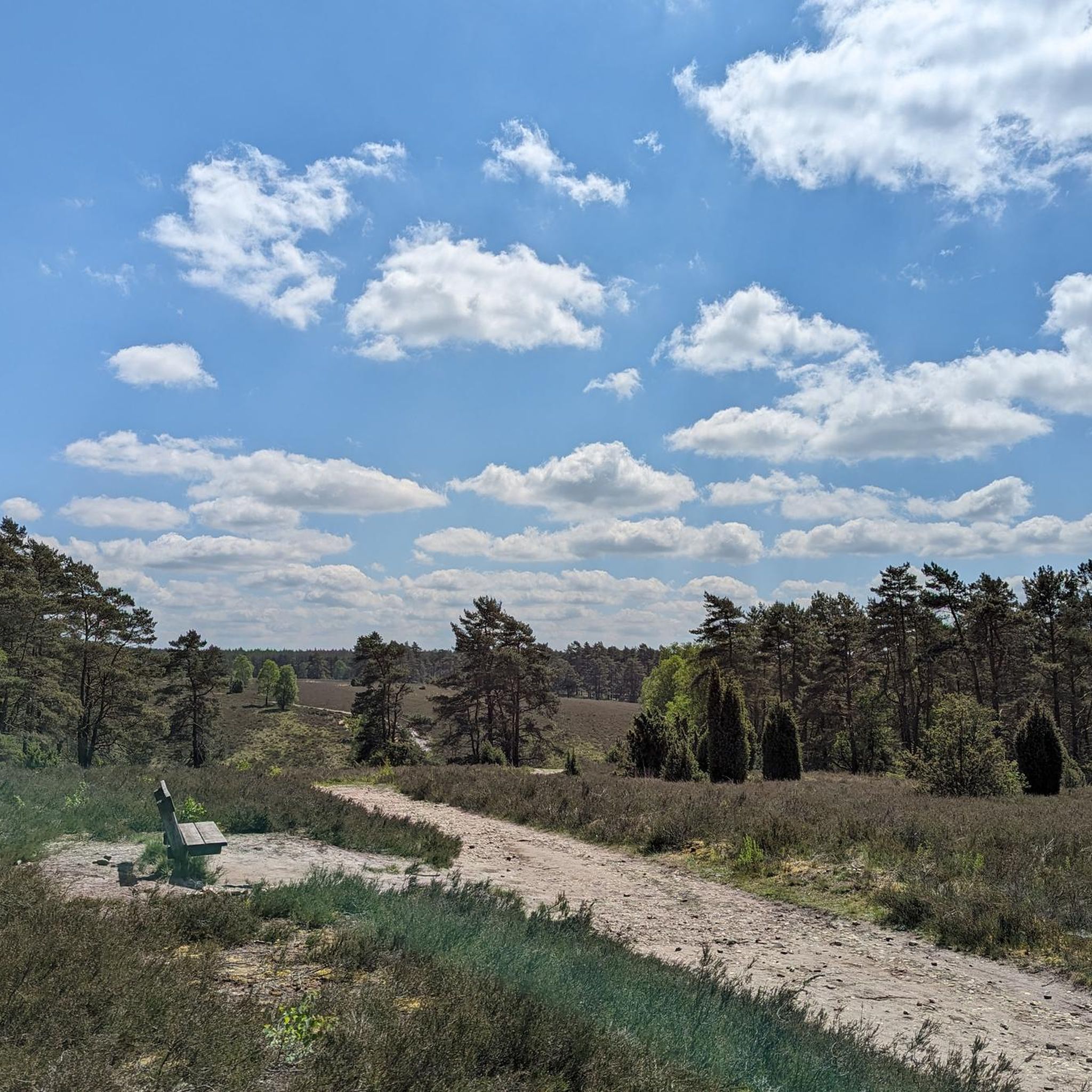
Running Trails in Heiden Und Magerrasen In Der Südheide
Gravel biking in Heiden Und Magerrasen In Der Südheide
Other adventures in Heiden Und Magerrasen In Der Südheide

Tips from the Community

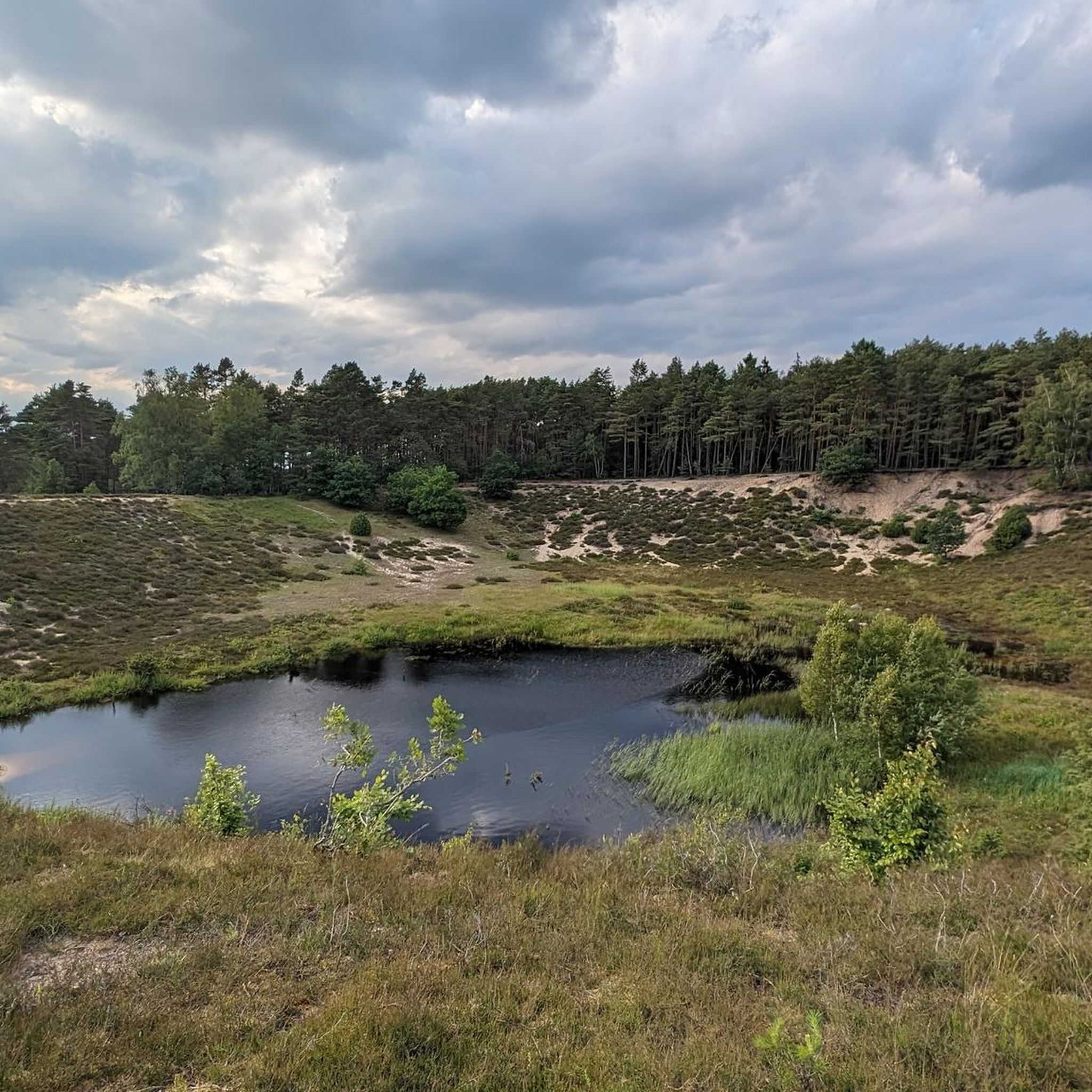
After a wet period, a pond forms here in the hollow... but it often dries up in summer
1
0

It's unusual to have such a large circular hole, it would be really interesting to know how it came about.
1
1

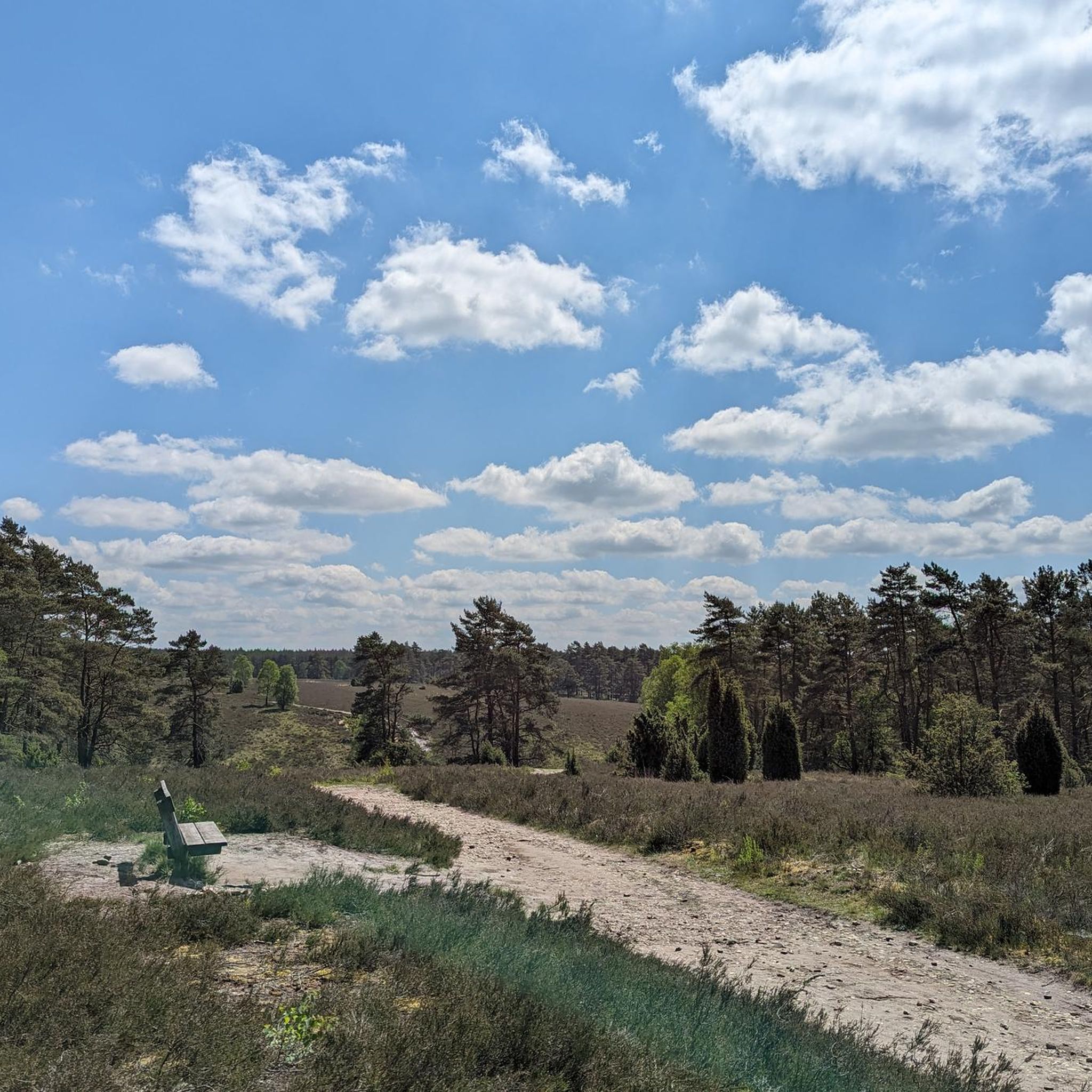
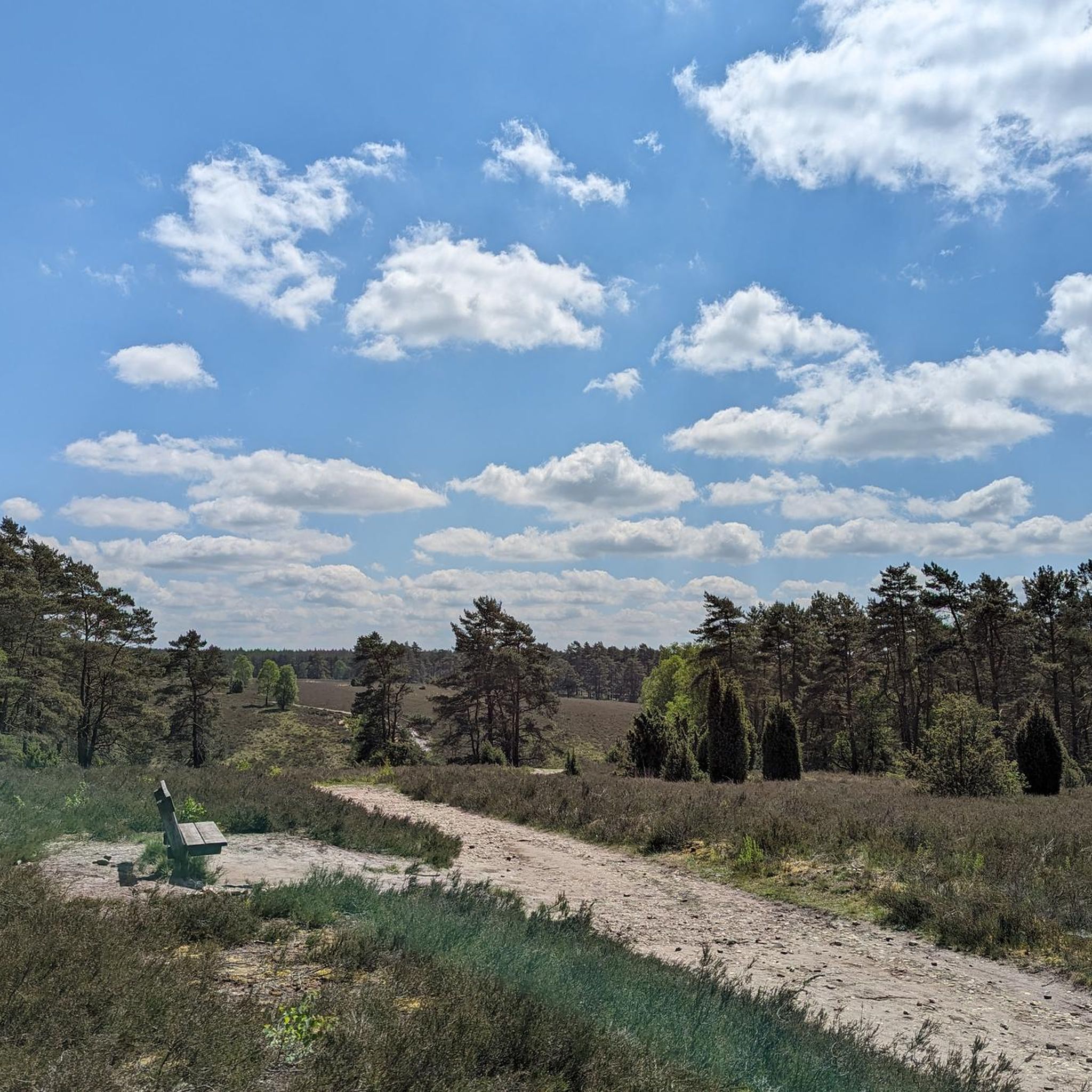
The Tiefental in the Südheide is a particularly charming section of the route. The dry valley, formed during the ice age, with its gentle hills and wide heathlands, shows a different landscape depending on the time of day and season. For centuries, the surroundings were kept open by heath farmers and grazing with moorland sheep, and still shape the typical landscape today.
5
0

Small landscape feature - and on the day of our hike everything is covered with fresh small sheep hoof prints, seems to be a popular grazing spot. 😄
2
1

The narrow Misselhorn Heath and the adjoining Tiefental in the coniferous forest lie like a snail shell. The "red-legged wasp bee" also lives here, a so-called cuckoo bee: It does not store honey and lays its eggs in the nests of other bee species.
4
0
The rule of thumb for the heather blooms is August 8th. until September 9th, but of course that always depends on the overall weather situation. In the last two years the heather began to bloom in the last days of July. The large sea of flowers appears from around the 3rd to 4th. week, so around mid/end of August. The heather needs rain and sun at certain times to sprout well. The first forecasts about the heather blossom can be made in June. Heather blossom barometer: https://www.lueneburger-heide.de/natur/artikel/3452/heideblueten-barometer-wann-blueht-die-heide.html
3
1
The narrow Misselhorner Heide and the adjacent Tiefental lie like a snail shell in a coniferous forest. Always great views.
5
0

Always nice to hike through the somewhat hilly heathland.
5
0
Frequently Asked Questions
What unique natural features can I explore in Heiden Und Magerrasen In Der Südheide?
The region is characterized by extensive dry and wet heaths, juniper heaths, and species-rich borstgrass grasslands. You can also explore small moors, various forest types, and a unique juniper forest near Schmarbeck. A notable feature is the Misselhorner Heath – Tiefental, a deep dry valley created during the ice age, offering a multifaceted landscape.
Where can I find the most scenic viewpoints in Heiden Und Magerrasen In Der Südheide?
For expansive views of the heathlands, the Haußelberg is a great spot, especially on clear days. Another popular viewpoint is the View of the heathland in Naturpark Südheide, which offers beautiful vistas and is often quieter during the week.
What is the significance of the juniper forests in this area?
The juniper forests, particularly the Juniper Forest Faßberg–Schmarbeck, are a unique natural feature. They contain ancient, gnarled juniper trees, with the southern part featuring particularly beautiful, park-like specimens. These forests are integral to the diverse landscape of the nature reserve.
Are there family-friendly activities or trails in Heiden Und Magerrasen In Der Südheide?
Yes, many areas are suitable for families. The Misselhorner Heath – Tiefental and the Kettle in the Misselhorner Heath are both marked as family-friendly highlights. There are numerous easy hikes available, and carriage rides offer a leisurely way to experience the heathlands with children. When hiking, it's recommended to stay on designated paths.
What is the best time of year to visit Heiden Und Magerrasen In Der Südheide?
The heathlands are particularly picturesque during the heather blossom, which typically occurs from August to early September, transforming the landscape into a vibrant purple. Autumn also offers stunning scenery, especially in areas like the Tiefental in Misselhorner Heide, with its rich fall colors.
What outdoor activities can I do near these attractions?
The region offers a variety of outdoor activities. You can find numerous hiking trails, including easy and moderate options like the Misselhorner Heath – Tiefental loop. There are also extensive networks for cycling and mountain biking within the wider Südheide Nature Park.
Are there specific hiking trails recommended for exploring the heathlands?
Absolutely. Popular options include the Misselhorner Heath – Angelbeck Pond loop and various routes through the Misselhorner Heath – Tiefental, such as the 7.29 km easy loop from Weesen. The Misselhorner Heath – Tiefental itself is a great starting point for guided panoramic hikes.
What is the 'Kettle in the Misselhorner Heath'?
The Kettle in the Misselhorner Heath is a natural monument, a small landscape feature characterized by a depression within the heathland. It's often visited by Heidschnucken sheep for grazing, and you might spot their hoof prints there.
What is the role of traditional heathland management in the region?
Traditional heathland management, often involving grazing by Heidschnucken (a local sheep breed), is crucial for preserving this unique cultural landscape. These practices help maintain the open heath character and prevent overgrowth, supporting the rare plant and animal species that thrive here.
Are there any cultural or historical points of interest related to the heathlands?
While primarily a natural attraction, the preservation of the heathlands reflects a rich cultural history tied to the Lüneburg Heath region. The Misselhorner Heath – Tiefental was historically a site for sermons by the well-known missionary founder Ludwig Harms around 1860. The nearby towns and villages also feature impressive old heath farms and typical small churches, offering glimpses into the area's heritage.
What should I know about accessibility for visitors with limited mobility?
While many trails are natural paths, some areas within the Südheide Nature Park are working towards better accessibility. For specific barrier-free or wheelchair-accessible paths, it's advisable to check local visitor information centers for the most up-to-date details on suitable routes.
Can I bring my dog to the attractions in Heiden Und Magerrasen In Der Südheide?
Yes, dogs are generally welcome in the nature reserve. However, to protect the sensitive environment and local wildlife, it is recommended to keep dogs on a leash, especially when exploring the heathlands and designated paths.
Where can I park when visiting the attractions?
There are designated parking areas available for visitors. For instance, the Juniper Forest Faßberg–Schmarbeck has a hiking parking area with a large rest area and information boards. The View of the heathland in Naturpark Südheide is also near a wanderparkplatz (hiking car park) with a rest area.
Most popular routes in Heiden Und Magerrasen In Der Südheide
Most popular attractions in Heiden Und Magerrasen In Der Südheide

Get inspired with the komoot mobile app


Explore more
Still not found the Highlight you’re looking for? See guides of the top attractions in other regions:
