Attractions and Places To See in Werderland - Top 10
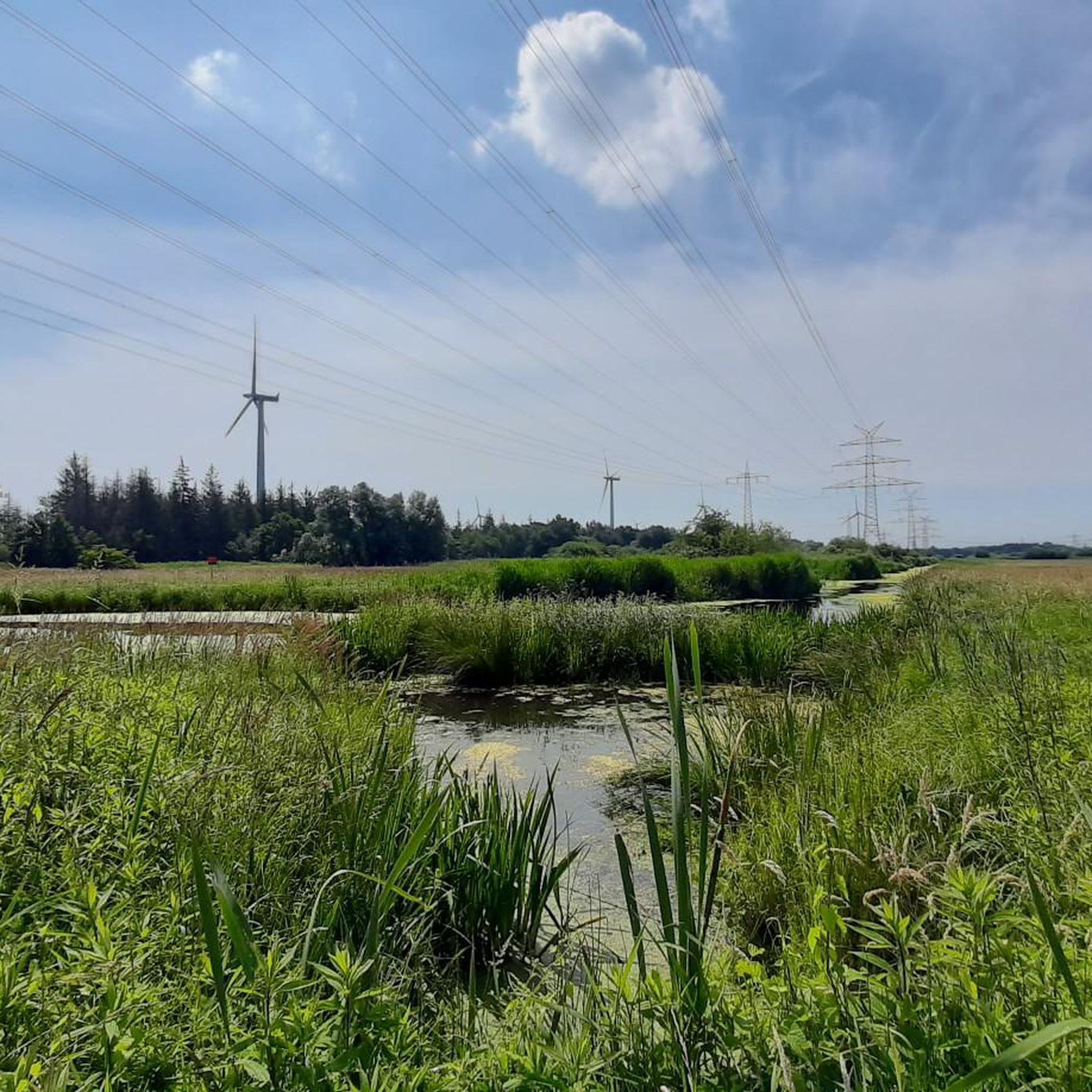
Best attractions and places to see in Werderland include a low-lying marshland situated in the northern part of Bremen, Germany. This region is characterized by its natural beauty and tranquil atmosphere, nestled between the Weser and Lesum rivers. Much of Werderland is a designated nature reserve, providing a habitat for diverse flora and fauna. The area offers opportunities for outdoor recreation, particularly for nature enthusiasts.
Best attractions and places to see in Werderland
- The most popular attractions is Eco Trail…
Last updated: October 9, 2026
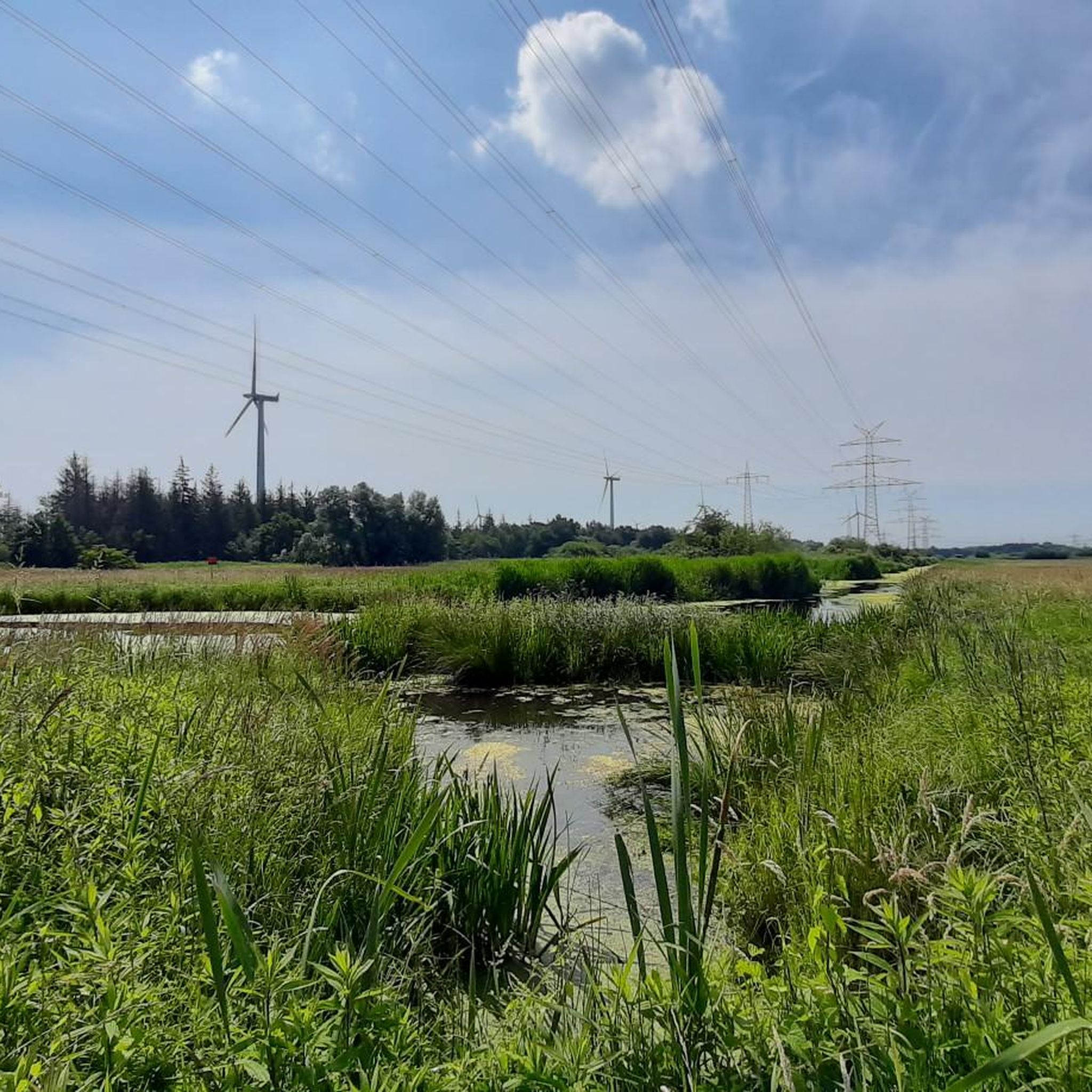
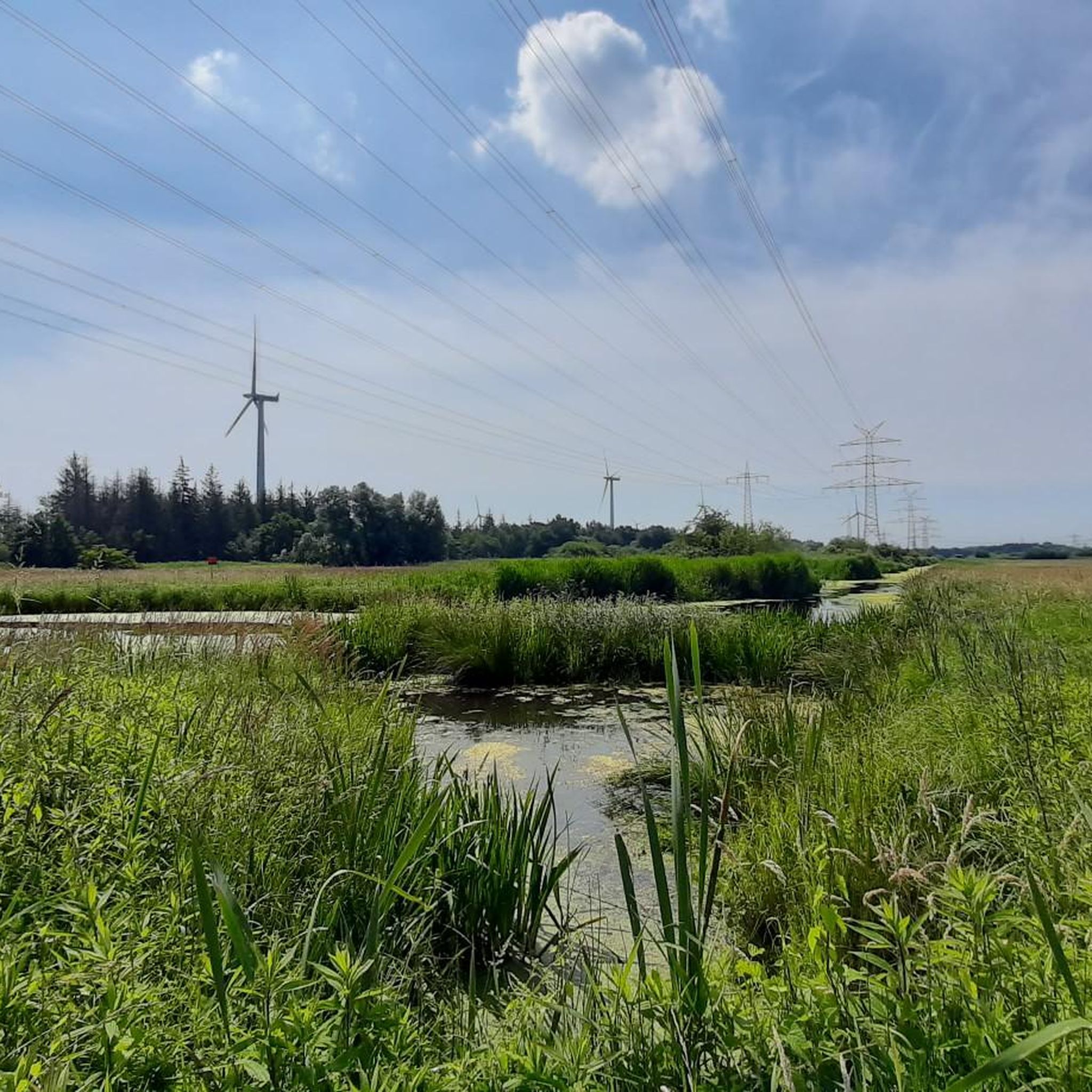
Eco Trail in Werderland
Highlight (Segment) • Trail
Translated by Google •
Tip by

Ilsenburger Hut
Highlight • Mountain Hut
A district partnership has existed between …
Translated by Google •
Tip by

Sign up now to discover places like this
Get recommendations on the best single tracks, peaks, & plenty of other exciting outdoor places.
Translated by Google •
Tip by

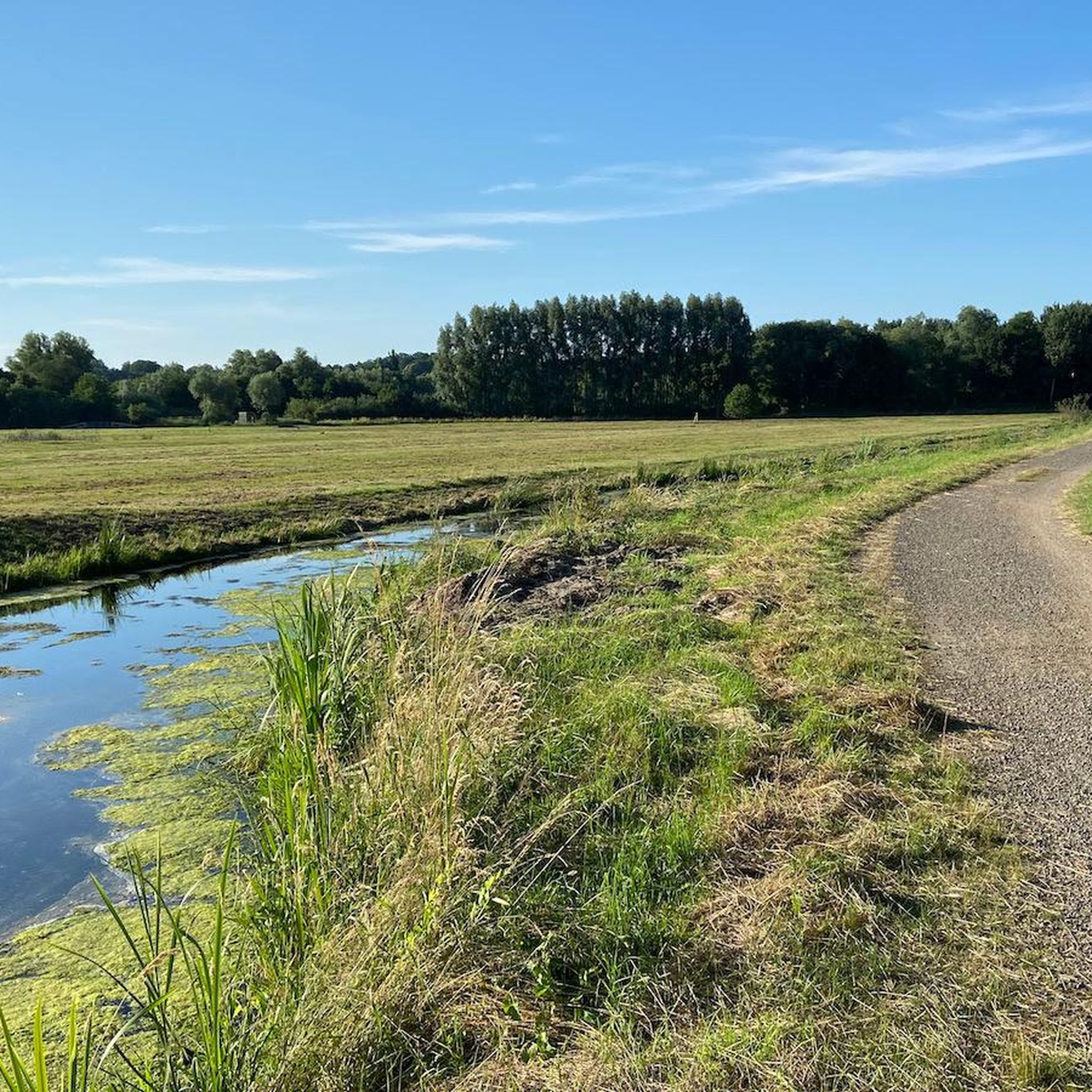
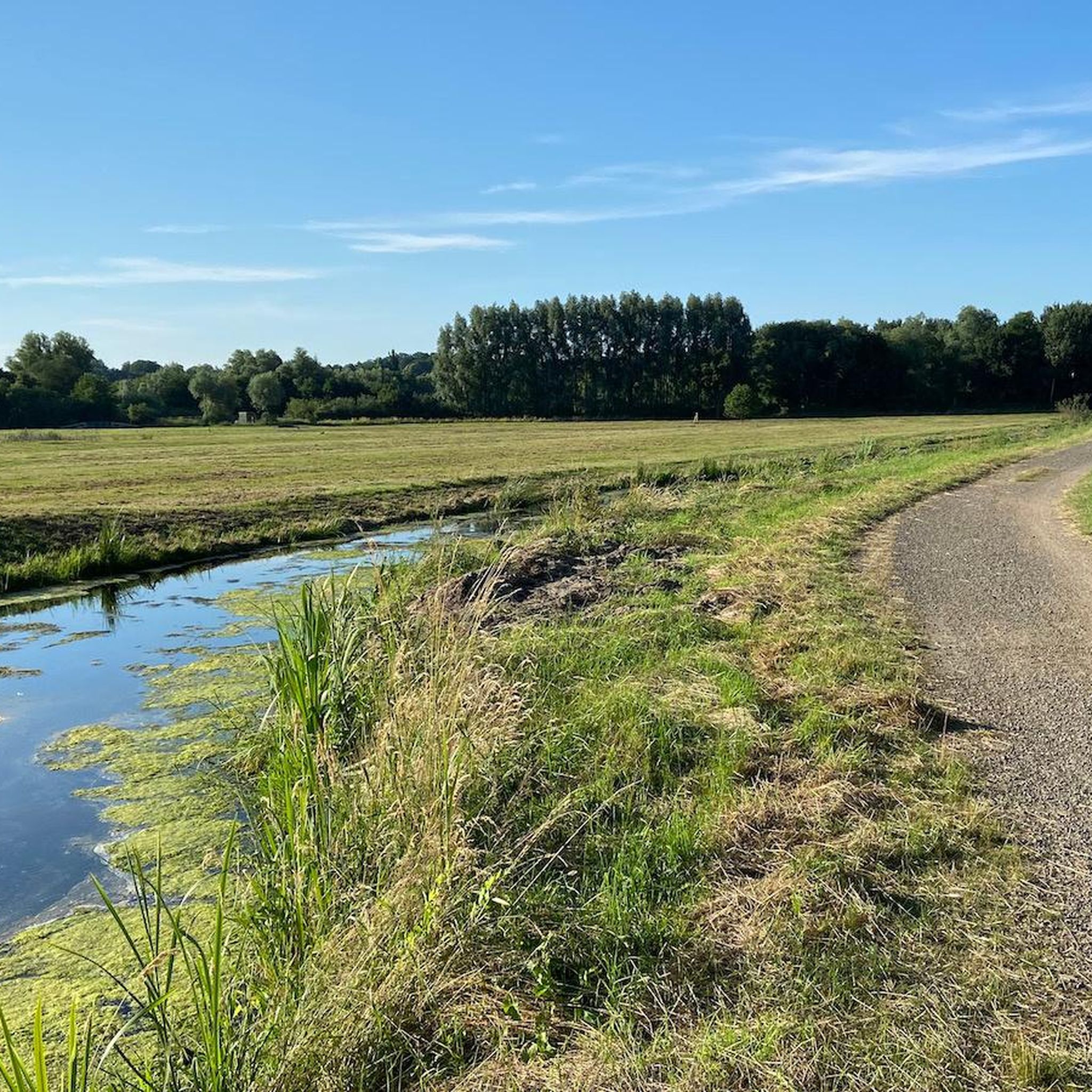
Werderland Nature Reserve at Dunger Lake
Highlight • Natural Monument
Translated by Google •
Tip by

Dülmen Wild Horses in Werderland
Highlight • Natural Monument
Translated by Google •
Tip by

Sign up for free to discover even more attractions in Werderland.
Already have an account?
Start today with a free account
Your next adventure awaits.
Tips from the Community

The boardwalk was destroyed. It is neither passable on foot nor by bike.
0
0

One should have seen it once.
0
0

As of March, the boardwalk is closed due to dilapidation until late summer 2026 - and because incorrigible people have nevertheless removed the barriers - it has now also been dismantled. Impassable on foot and especially by bicycle, nevertheless there are daredevils who shoulder their bicycles and balance over the wooden struts.
1
0

The boardwalk is currently closed (as of January 25th). However, it is still possible to cross it.
1
1

Best with rubber boots on s
2
0


The eco-trail also runs along here. All information about the eco-trail (Werderland) can be found at the following link: https://www.alltrails.com/de/route/germany/bremen/okopfad-im-werderland (as of May 12, 2024).
3
0

Elegant wild horses graze on the Werderland.
0
0
Frequently Asked Questions
What natural features can I explore in Werderland?
Werderland is rich in natural beauty, primarily centered around the extensive Werderland Nature Reserve, which features vast wet meadows, ditches, and marshland. You can also explore the dikes along the Weser and Lesum rivers, offering expansive views. The Werderland Nature Reserve at Dunger Lake is an important resting and breeding ground for waterfowl, while the Eco Trail in Werderland provides a natural hiking path through meadows with information about local flora and fauna.
What kind of wildlife can I observe in Werderland?
Werderland is a vital habitat for diverse wildlife. In the nature reserve, you might spot rare birds like the bluethroat and kingfisher, as well as various waterfowl at Werderland Nature Reserve at Dunger Lake. During non-winter months, you can also see Dülmen wild horses grazing in the Mittelsbüren sand field, part of a conservation effort. Learn more about them at Dülmen Wild Horses in Werderland.
Are there good hiking trails in Werderland?
Yes, Werderland offers several opportunities for hiking. The Eco Trail in Werderland is a popular natural hiking trail through meadows, though some sections may be seasonally wet. The dikes along the Weser and Lesum rivers also provide excellent walking paths. For more structured routes, you can find various options in the Hiking in Werderland guide, including routes like the "Werderland Eco Trail – Moorlosenkirche loop".
Can I cycle in Werderland?
Absolutely. The dikes along the Weser and Lesum rivers are ideal for cycling, offering scenic views and a tranquil experience. The Ökopfad also allows cyclists in some sections. For dedicated cycling routes, explore the Cycling in Werderland guide, which features routes such as the "Bremer-Norden-Runde".
Where can I find the best views in Werderland?
For panoramic views of the expansive Werderland landscape, visit the Ilsenburger Hut. This observation pavilion offers a peaceful resting point for hikers and cyclists. Additionally, the dikes along the Weser and Lesum rivers provide broad vistas of the marshland and waterways.
Are there family-friendly attractions in Werderland?
Many attractions in Werderland are suitable for families. The Eco Trail in Werderland offers an engaging walk with information boards. The Werderland Nature Reserve at Dunger Lake is great for bird watching, and seeing the Dülmen Wild Horses in Werderland is a unique experience for all ages. The Ilsenburger Hut also provides a pleasant stop with views.
What historical or cultural sites are in Werderland?
Werderland features subtle cultural markers. The Moorlosen Kirche is a notable historical church in the area. Along the Lesumbroker Landstraße, you can find isolated historic farmhouses, and the area is affectionately known as the "Bremer Riviera" due to its boat clubs and jetties, alongside stately merchant villas on the opposite bank of the Lesum.
What is the best time to visit Werderland?
Werderland is enjoyable throughout the warmer months, particularly from spring to autumn. Spring brings blooming flora and active birdlife, while summer offers pleasant conditions for cycling and hiking. Autumn provides beautiful colors and comfortable temperatures. Some sections of trails, like the Eco Trail in Werderland, may be under water seasonally, so appropriate footwear is recommended, especially after heavy rainfall.
Are there options for mountain biking in Werderland?
Yes, mountain biking is possible in Werderland. While the terrain is generally flat, there are routes designed for MTB enthusiasts. You can find various trails in the MTB Trails in Werderland guide, including routes like the "Weser Ferry Vegesack–Lemwerder – Ochtum Oxbow loop".
What is the Ökopfad (Eco-path) in Werderland?
The Ökopfad is an unpaved nature trail that winds through the Werderland nature reserve. It allows pedestrians and, in some sections, cyclists to explore the unique riverine landscape up close. It's designed to offer insights into the local flora and fauna, with information boards along the way. Visitors are advised to stay on the path to protect the delicate ecosystem.
What is the significance of the Dülmen wild horses in Werderland?
The Dülmen wild horses in Werderland are part of a conservation effort. These horses, a rare pony breed, graze in the Mittelsbüren sand field during non-winter months. Their presence helps manage the landscape and maintain biodiversity within the nature reserve, contributing to the unique ecological balance of the area. You can observe them at Dülmen Wild Horses in Werderland.
Are there any unique natural areas besides the main reserve?
Beyond the main Werderland Nature Reserve, you can find unique spots like the Niederbürener Sandspülfeld, a sand field that now supports various drought-loving plant species. There's also the Große Dunge, home to Bremen's most significant fruit meadow with over 200 different fruit varieties, showcasing a different aspect of the region's natural diversity.
Most popular routes in Werderland

Get inspired with the komoot mobile app


Explore more
Still not found the Highlight you’re looking for? See guides of the top attractions in other regions:
