Attractions and Places To See in Hohes Moor - Top 19
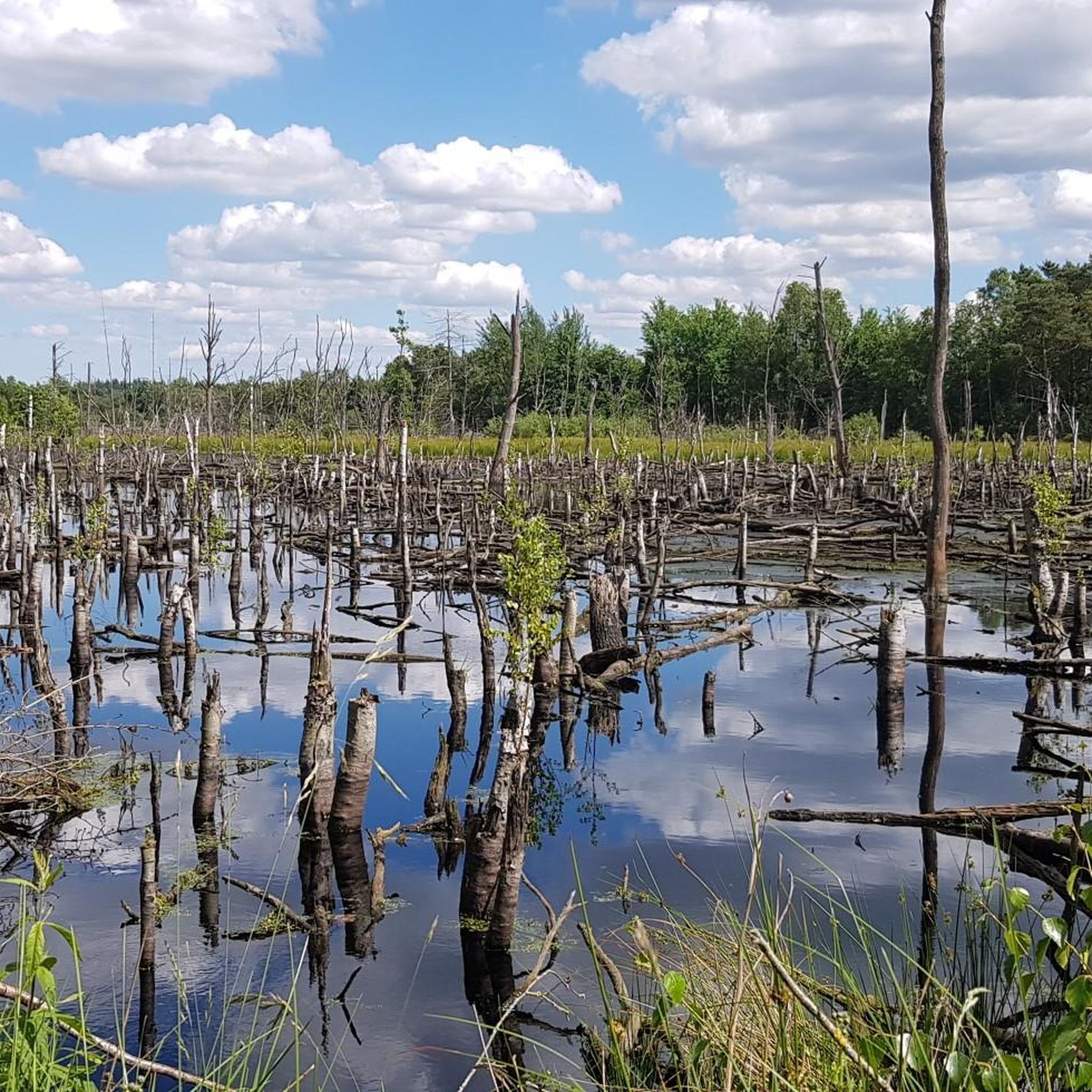
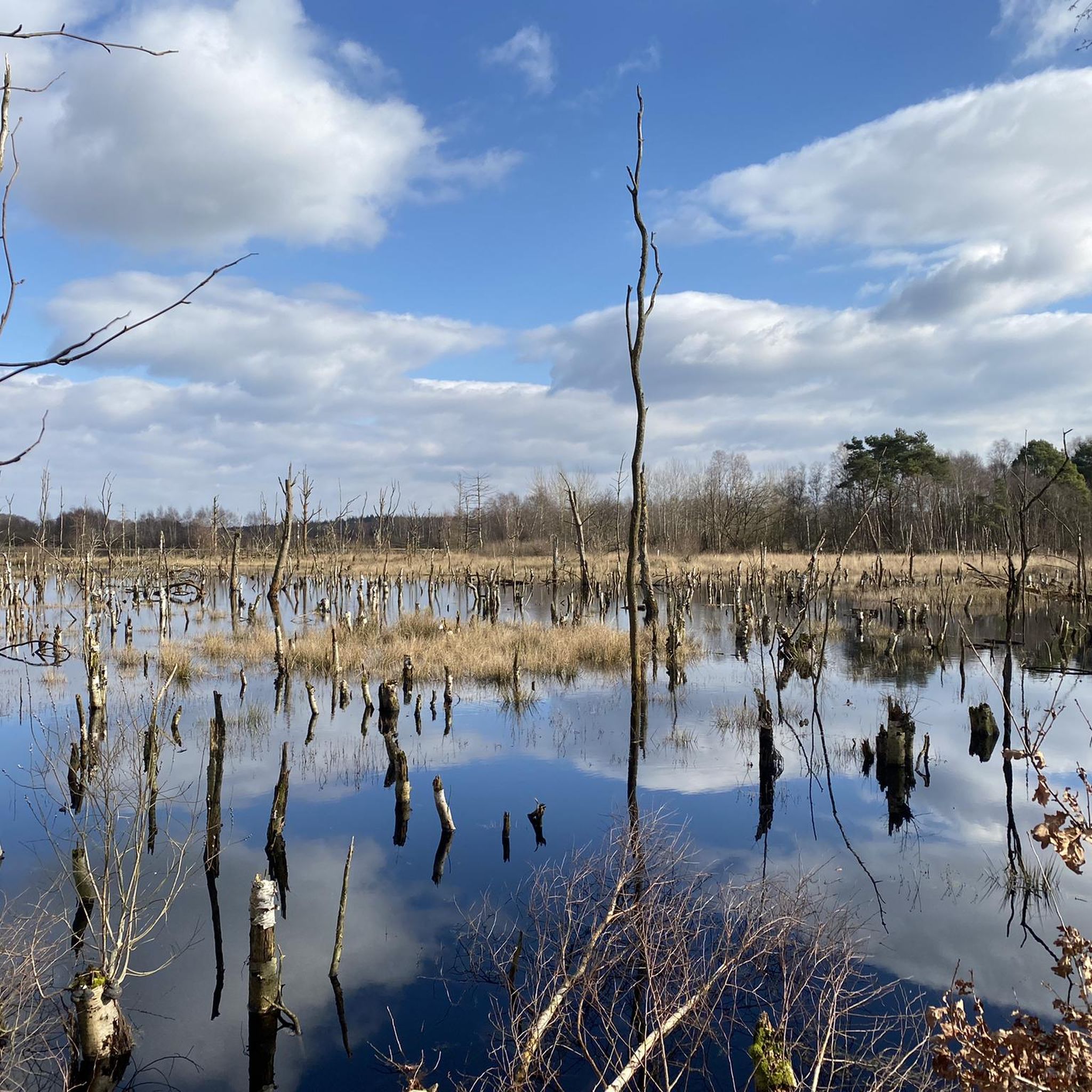
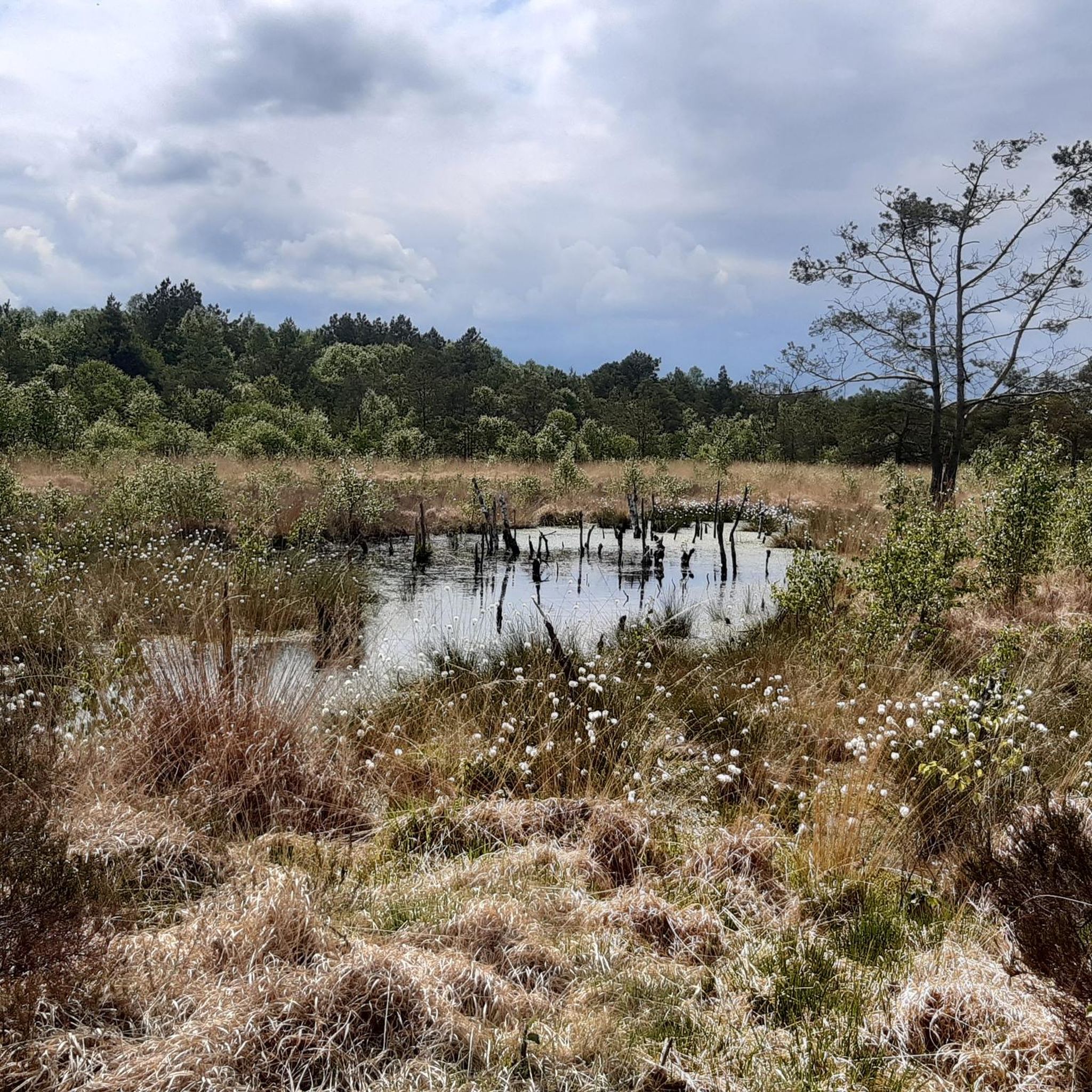
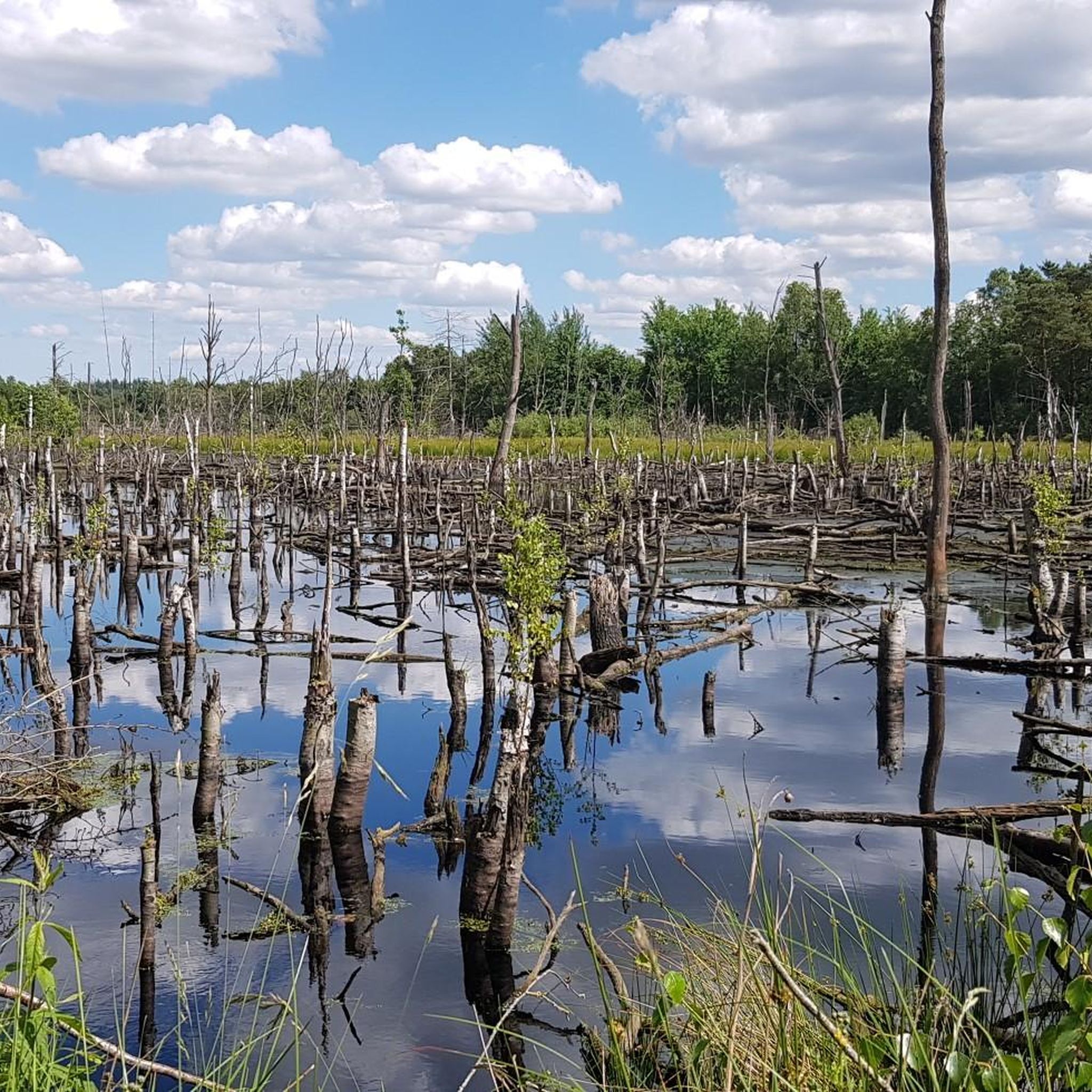
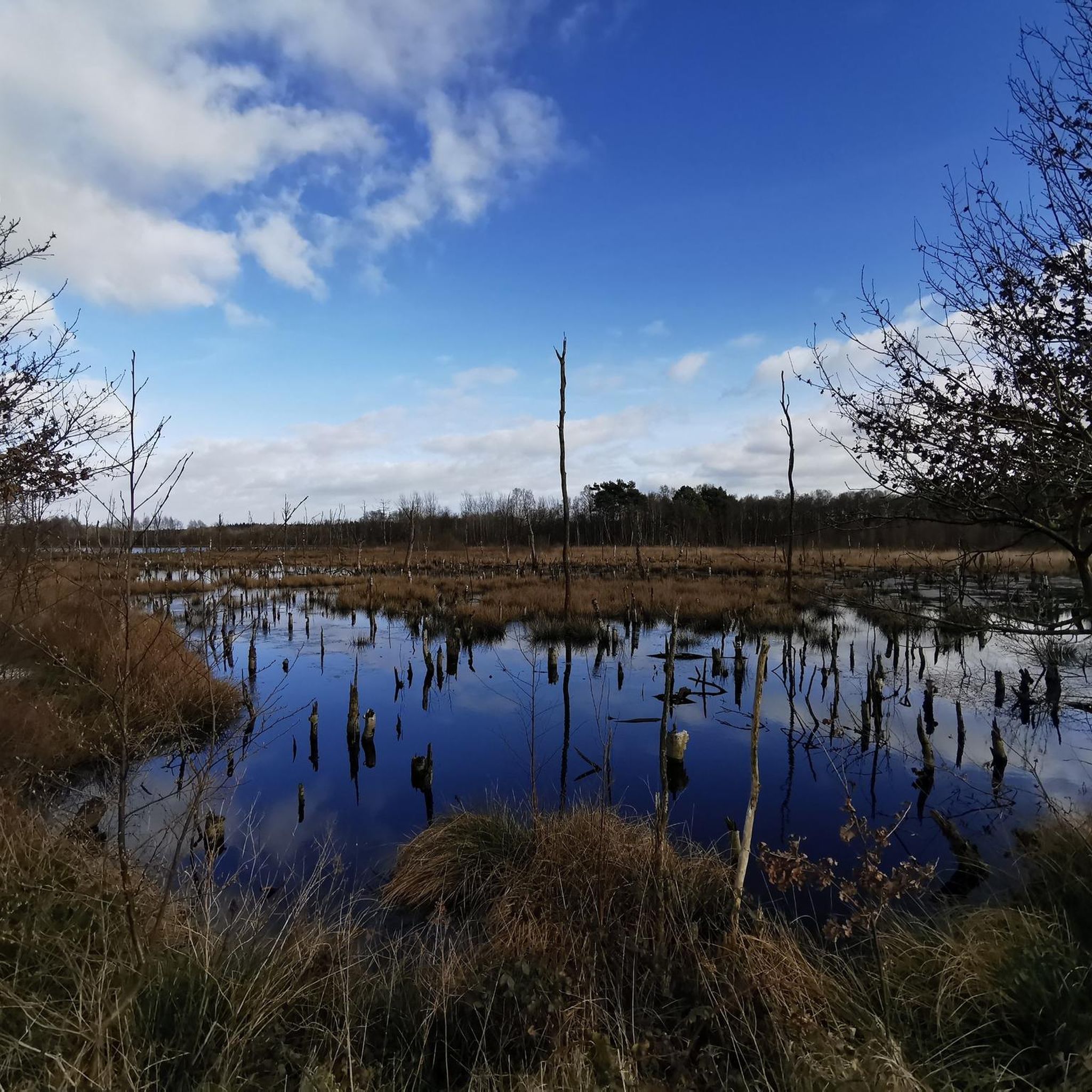
Best attractions and places to see in Hohes Moor include a unique landscape shaped by its 5000-year history as a raised bog. This significant nature reserve, located in the districts of Stade and Rotenburg (Wümme), Lower Saxony, features a mosaic of open water surfaces, wet meadows, peat moss lawns, and moor forests. Extensive renaturation efforts have transformed the area into a diverse and ecologically valuable habitat. Visitors can explore a landscape marked by former peat cutting, now showcasing high moor…
Last updated: May 25, 2026
Hohes Moor Nature Reserve
Highlight • Natural
Translated by Google •
Tip by

Information board at Hohes Moor
Highlight • Rest Area
Sign up now to discover places like this
Get recommendations on the best single tracks, peaks, & plenty of other exciting outdoor places.
Sign up for free
Lake Oldendorf
Highlight • Lake
Herbert's Hut
Highlight • Mountain Hut
Translated by Google •
Tip by

Sign up for free to discover even more attractions in Hohes Moor.
Sign up for free
Already have an account?
Start today with a free account
Your next adventure awaits.
Login or Signup
Tips from the Community

Parking lot for the start of the circular tour.
0
0

Lots of crooked information boards in the parking lot
2
0
Great view over Lake Oldendorf, with luck you can also see cranes.
1
0

Very informative and provides an overview.
2
0
Brilliant landscape... very varied and fascinating at the same time!
3
0

Beautiful high moor area, but only recommended with the bike at the beginning. After 1 km you should turn back or go on foot. The trails were very muddy and slippery so even pushing is a challenge. Scenic but worth seeing.
2
0

Nice parking lot with rest hut, from here you can go directly to the Hohe Moor
5
0

Frequently Asked Questions
What makes the Hohes Moor Nature Reserve a unique place to visit?
The Hohes Moor Nature Reserve is a significant natural area, recognized as one of Lower Saxony's notable moors. It's a 5000-year-old raised bog that underwent extensive renaturation between 2001 and 2006. This has transformed it into a diverse landscape featuring a mosaic of open water surfaces, wet meadows, peat moss lawns, and moor forests, showcasing both high moor areas and fen woods alongside flooded peat cutting pits and natural moor lakes.
What natural features can I explore in Hohes Moor?
Hohes Moor is defined by its diverse moor landscape. You can discover natural moor lakes like Lake Oldendorf and Elmer See, which are nutrient-poor and brown due to humic acids. The Blumenthaler Moor offers a glimpse of the open, treeless high moor, while renaturated areas feature dead trees creating a unique, ghostly appearance. The landscape also bears marks of former peat extraction sites, now filled with water.
Are there hiking trails suitable for different skill levels in Hohes Moor?
Yes, numerous well-maintained hiking trails lead through the moor, offering fantastic views. Visitors can find several circular routes, including a 7 km and a shorter 2.5 km option. Some paths feature small fords with stepping stones and handrails, and small wooden bridges. For more detailed routes, you can explore the Hiking in Hohes Moor guide, which includes easy and moderate trails like the "Herbert's Hut – Wooden bridge in Hohes Moor loop" (2.4 km, easy).
What kind of wildlife and plants can I observe in Hohes Moor?
Hohes Moor is a habitat for various moor-typical species. You might spot dragonflies like the Moon Bluet and Arctic Emerald, as well as the High Moor Blue butterfly. Reptiles such as adders and grass snakes, and numerous moor frogs, are also present. Rare high moor plant species like cranberry, bog rosemary, and intermediate sundew have re-established themselves. The trumpet call of the crane is also heard here, symbolizing successful conservation.
Where can I find information about the Hohes Moor area during my visit?
Along the circular routes, you'll find Information boards at Hohes Moor that provide insights into the flora, fauna, and the development of the landscape. These boards offer details about the moor's formation and its ecological significance.
Are there facilities like parking or shelters available for visitors?
Yes, at the edge of Hohes Moor, you'll find Herbert's Hut. This spot offers a very well-maintained parking lot, best approached from the northeast via the Oldendorf settlement. A newly built refuge (2021) is also available here, along with information about the Hohes Moor.
What outdoor activities, besides hiking, can I do near these attractions?
Beyond hiking, Hohes Moor and its surroundings offer opportunities for other outdoor activities. You can explore MTB Trails in Hohes Moor or discover various Running Trails in Hohes Moor. These guides provide routes of varying distances and difficulties, allowing you to experience the diverse landscape on two wheels or by running.
What is the best time of year to visit Hohes Moor?
The Hohes Moor offers a beautiful landscape in every season, as noted by visitors. However, for observing specific flora like cranberries and bog rosemary, or for birdwatching, spring and late summer/early autumn might be particularly rewarding. The paths can be soft, rooty, or mushy depending on the weather, so appropriate footwear is always recommended.
Are there any historical or archaeological points of interest in Hohes Moor?
The landscape still bears the marks of a 130-year period of peat extraction between 1830 and the 1960s, evident in the numerous small, water-filled peat cutting pits and former drainage ditches. Additionally, the area around Elmer See has archaeological importance, with Stone Age finds from post-glacial hunters and gatherers discovered there in the 1930s. These finds are now presented in the Bachmann Museum Bremervörde.
What do visitors enjoy most about Hohes Moor?
Visitors frequently praise the Hohes Moor for its unique and beautiful landscape, describing it as one of the most beautiful and tranquil moors in Lower Saxony. Many appreciate the bizarre yet great areas, especially the diverse paths and the opportunity for both small and extensive tours. The information boards are also valued for providing good insights into the moor's formation and ecology.
Is Hohes Moor suitable for families with children?
Yes, Hohes Moor can be family-friendly. The shorter circular routes, like the 2.5 km option, are manageable for children. The Lake Oldendorf is also listed as family-friendly. The Moor-Water-Forest Adventure Trail (Erlebnispfad Moor-Wasser-Wald) offers an engaging experience for younger visitors, leading to the lake and through narrow paths towards the forest.
Most popular routes in Hohes Moor
Most popular attractions in Hohes Moor

Get inspired with the komoot mobile app


Explore more
Still not found the Highlight you’re looking for? See guides of the top attractions in other regions:
