The best walks and hikes in Veenhuizen
4.5
(4421)
24,880
hikers
70
hikes
Hiking in Veenhuizen offers diverse landscapes, characterized by expansive raised bogs, heathlands, and dense forests. The region features prominent natural areas like Fochteloërveen and Boswachterij Veenhuizen, alongside historical peat lakes. Veenhuizen is also recognized as a UNESCO World Heritage site, adding a unique cultural dimension to its outdoor environment. The terrain is generally flat, providing accessible routes for various activity levels.
Best hiking trails in Veenhuizen
- The most popular hiking route is Culture and raised bog in Drenthe – on…
Last updated: June 2, 2026
4.6
(49)
256
hikers
Moderate hike. Good fitness required. Easily-accessible paths. Suitable for all skill levels.
4.4
(33)
124
hikers
18.2km
04:35
20m
20m
Moderate hike. Good fitness required. Easily-accessible paths. Suitable for all skill levels.

Sign up for free
4.7
(20)
192
hikers
Easy hike. Great for any fitness level. Easily-accessible paths. Suitable for all skill levels.
4.9
(16)
95
hikers
Easy hike. Great for any fitness level. Easily-accessible paths. Suitable for all skill levels.
4.0
(10)
52
hikers
Hard hike. Very good fitness required. Easily-accessible paths. Suitable for all skill levels.
Get access to more routes and recommendations from other explorers.
Sign up for free
Already have an account?
Our route recommendations are based on thousands of hikes, rides, and runs completed by other people on komoot.
Start today with a free account
Your next adventure awaits.
Login or Signup
Popular around Veenhuizen
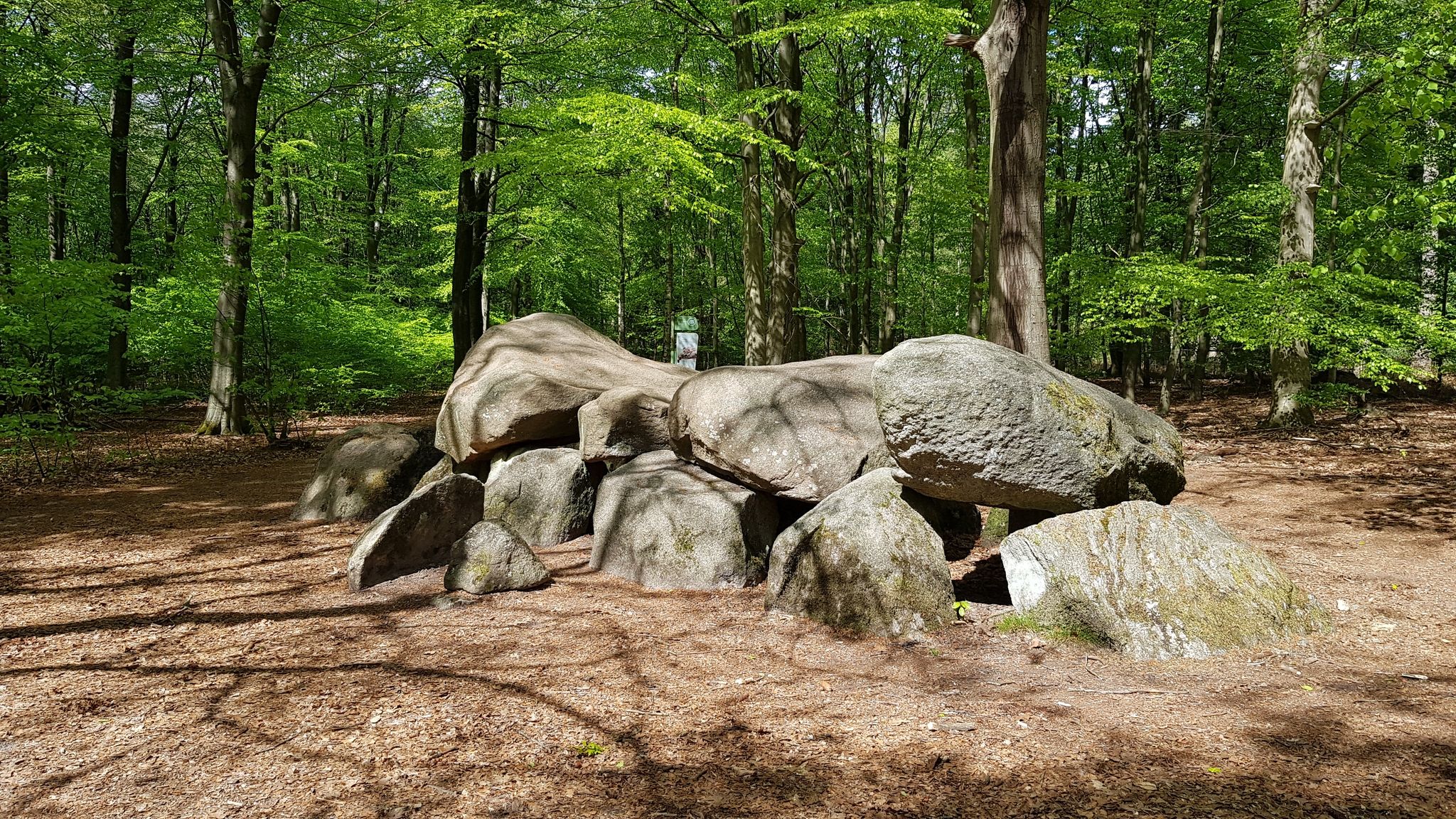
Hunebedden, heath and historic villages – The Drenthepad
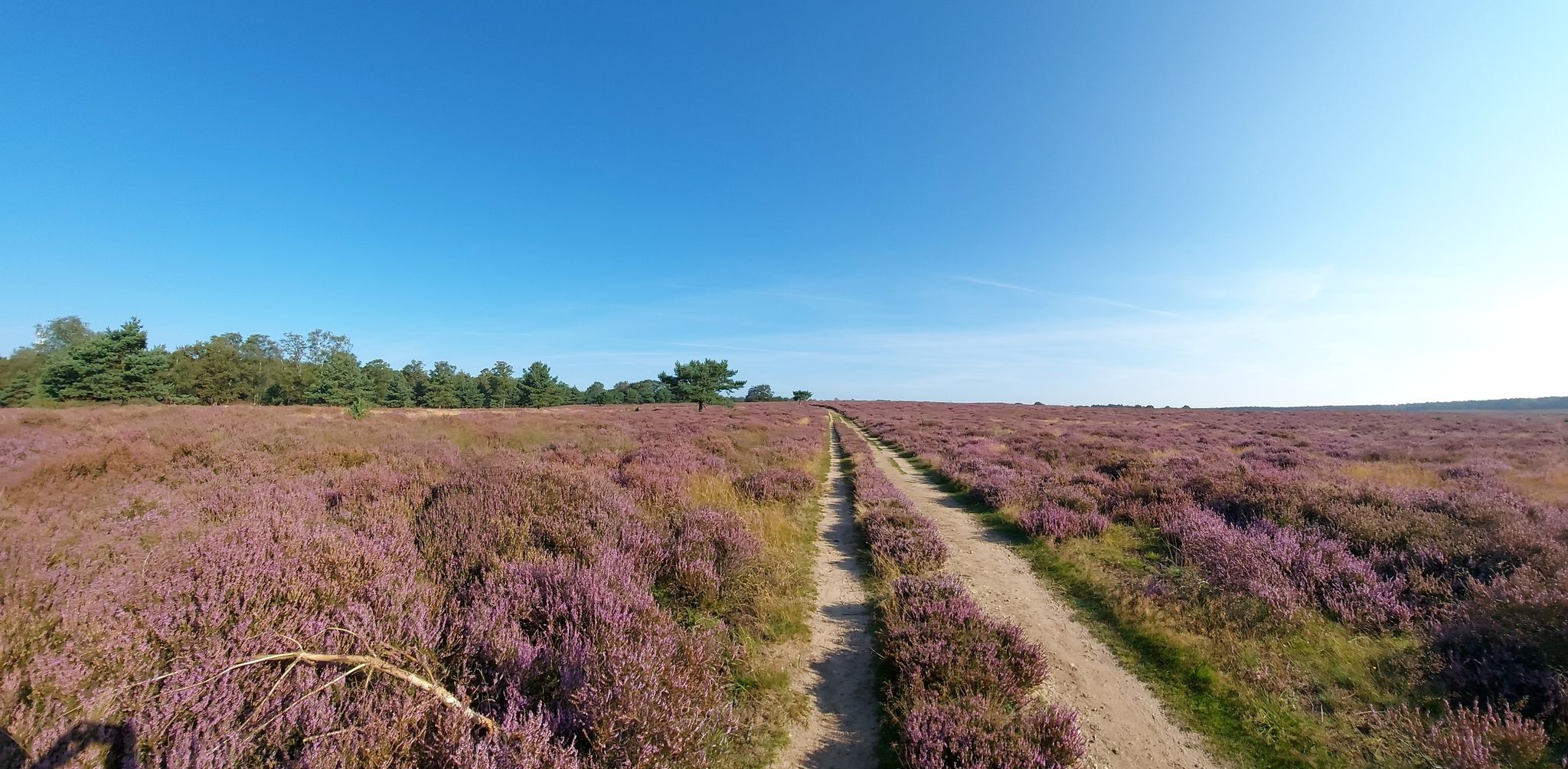
The Netherlands turns purple – 15 walks across the flowering heathlands
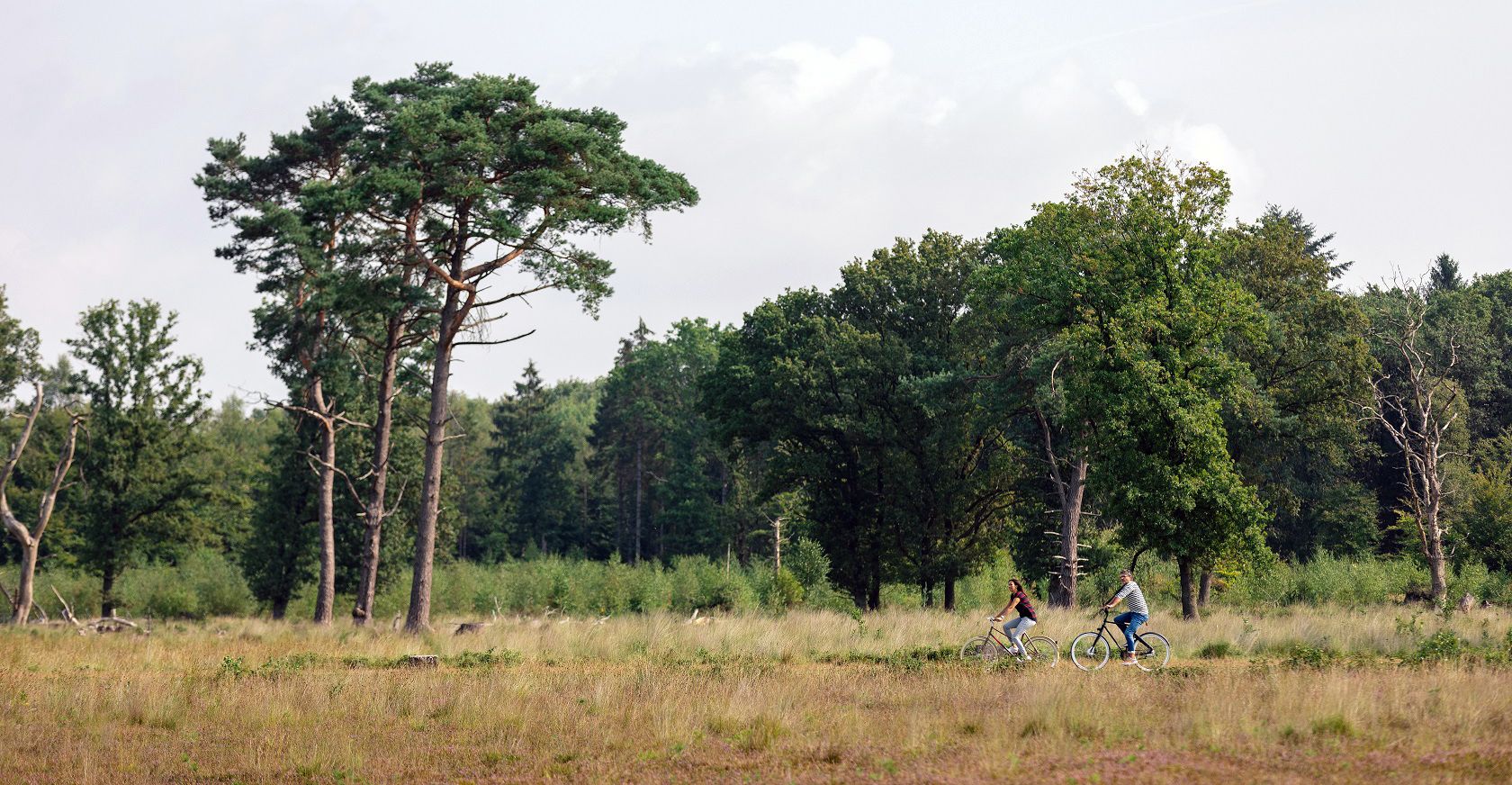
Cycling in Drenthe — Holland's primeval region
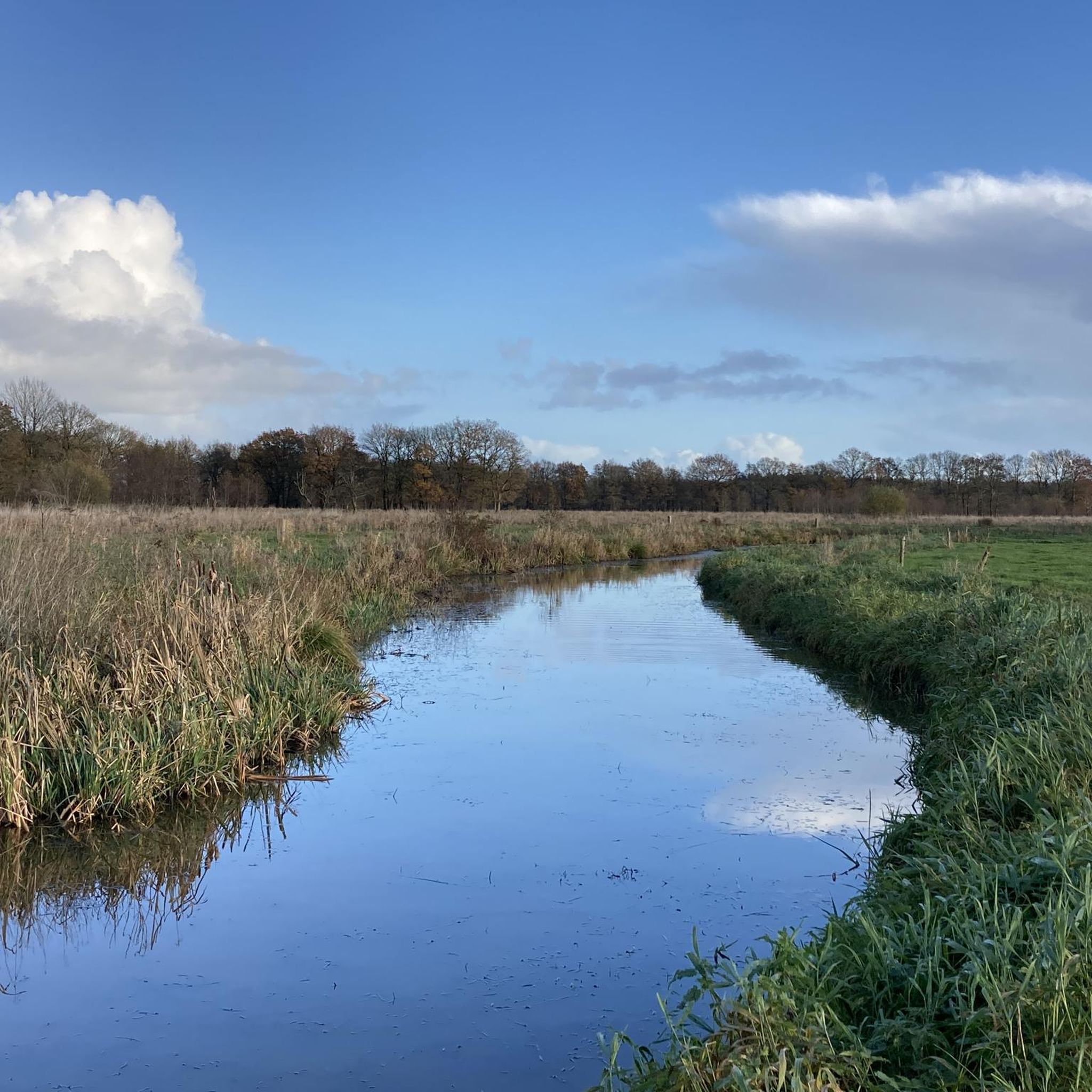
Cycling in Veenhuizen
Road Cycling Routes in Veenhuizen
MTB Trails in Veenhuizen
Running Trails in Veenhuizen

Gravel biking in Veenhuizen
Other adventures in Veenhuizen


Tips from the Community

Between 1796 and 1813, the French ruled the Netherlands. It was a poor time: especially in the cities, many people lost their jobs and homes and had to beg or steal to survive. Johannes van den Bosch sought a solution and founded the experimental colony Frederiksoord in Drenthe in 1818. Poor city dwellers were given a small farm and a piece of land to grow their own food. This way, they no longer had to beg. His plan was called the **Society of Benevolence**, but financial problems arose as early as 1823: helping the poor proved too expensive. Therefore, a new plan was devised: in Veenhuizen, three large institutions were built for orphans from the cities. The buildings were square, with a courtyard, and each could accommodate about a thousand people. Before the first residents arrived, much had to be done: there were no roads, so canals were dug for transport. Shops were also lacking, forcing residents to make their own food, clothing, and furniture. They reclaimed the peatland, cultivated the land, and built farms, a small shop, and workshops such as a smithy, sawmill, and clog-making workshop. However, too few orphans arrived to fill all the institutions. Two institutions were filled with orphans, the third with beggars and vagrants. Families lived in small houses around the buildings. The orphans slept eighty at a time in dormitories, supervised by one dorm mother or father for two dormitories. During the day, they also ate and worked there. At night, they slept in hammocks suspended from the ceiling. They received two hours of lessons daily in reading, writing, and arithmetic — unusual for the time — but also had to work hard in the fields or kitchen. Life was hard. After the age of twenty, they could leave the colony if they found work. Ultimately, the institutions proved too expensive again. The Society of Benevolence found itself in financial trouble once more. In 1859, the government took over the institutions in Veenhuizen. See also: https://historiek.net/weeskinderen-kinderkolonie-veenhuizen/64393/ and: https://gevangenismuseum.nl/groepen/kinderkolonie-veenhuizen/
1
0
The power station was built in 1909, but after about twenty years it was only used as an emergency power station. At the beginning of this century, everything was restored and it is possible to attend a demonstration here. In the past, no less than 200 kilos of peat were burned here every hour to generate energy. The building was designed by architect W.C. Metzelaar, who designed more buildings in this village. The power station is a national monument and nowadays belongs to the Prison Museum. A club of enthusiastic volunteers will gladly tell you much more about this gem! See also: https://gevangenismuseum.nl/groepen/rondleiding-door-de-electriciteitscentrale/
1
0
The National Prison Museum has been located at its current site in Veenhuizen since 2005; the only remaining non-free institution of the Society of Benevolence, a UNESCO World Heritage site since 2021. The 1823 building is one of the few tangible reminders from the era of the Colonies of Benevolence in the village. In addition to permanent and temporary exhibitions, the Prison Museum offers engaging activities for young and old. From a visit to a notorious disciplinary prison, a ride through the village with the old Boevenbus (crooks' bus), to in-depth events and activities. See also: https://gevangenismuseum.nl/
1
0


The electric conveyor belt and chutes on the Bonghaar were used as a central location in the Fochteloërveen to enable quay restoration
0
0

Here, in collaboration with Wageningen University, research is being conducted into the effects of nature restoration measures on our climate. This measuring cabinet measures the absorption of CO2 and the emission of methane in this part of the Fochteloërveen.
1
0
This picnic table also features a beautiful wooden sculpture of a crane.
0
0

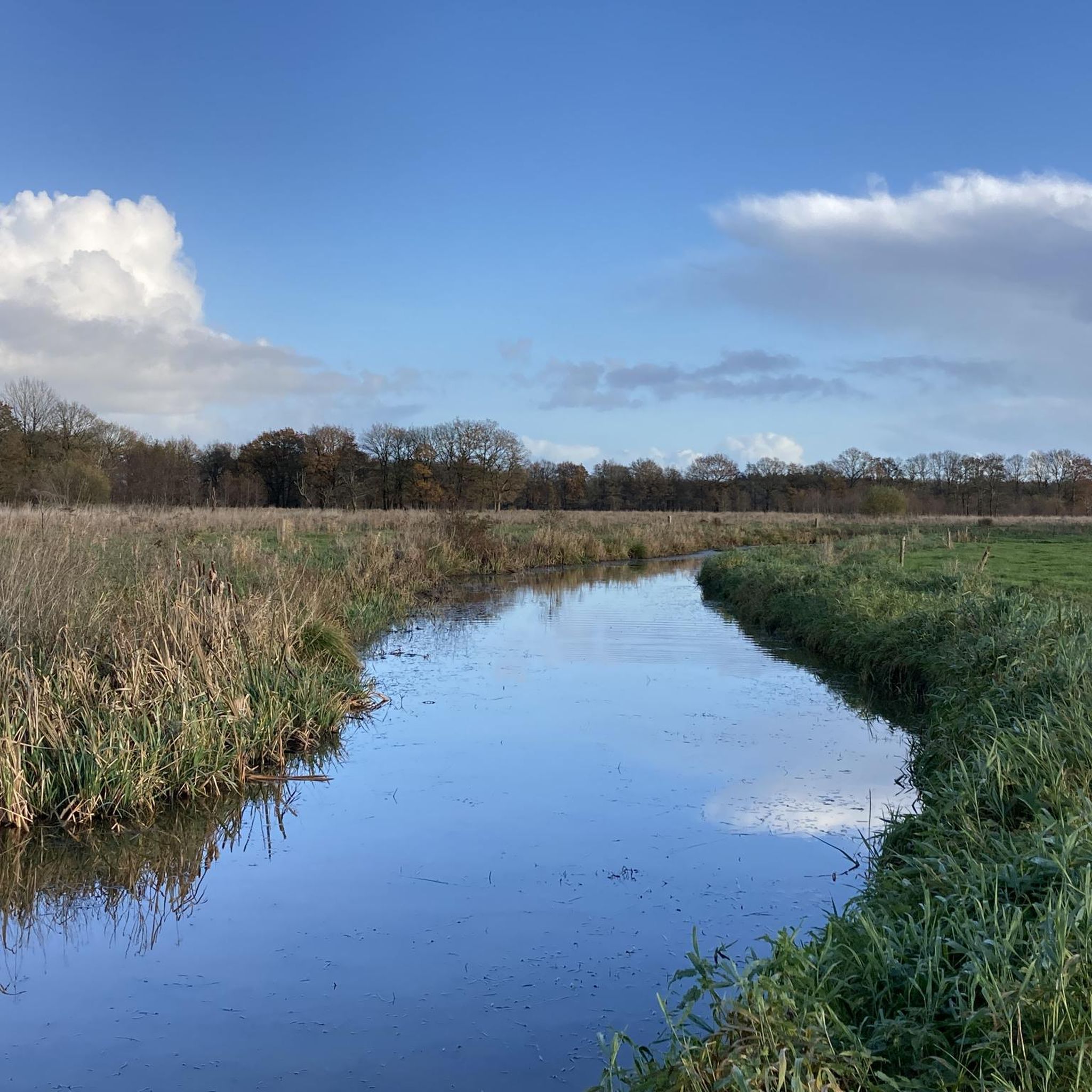
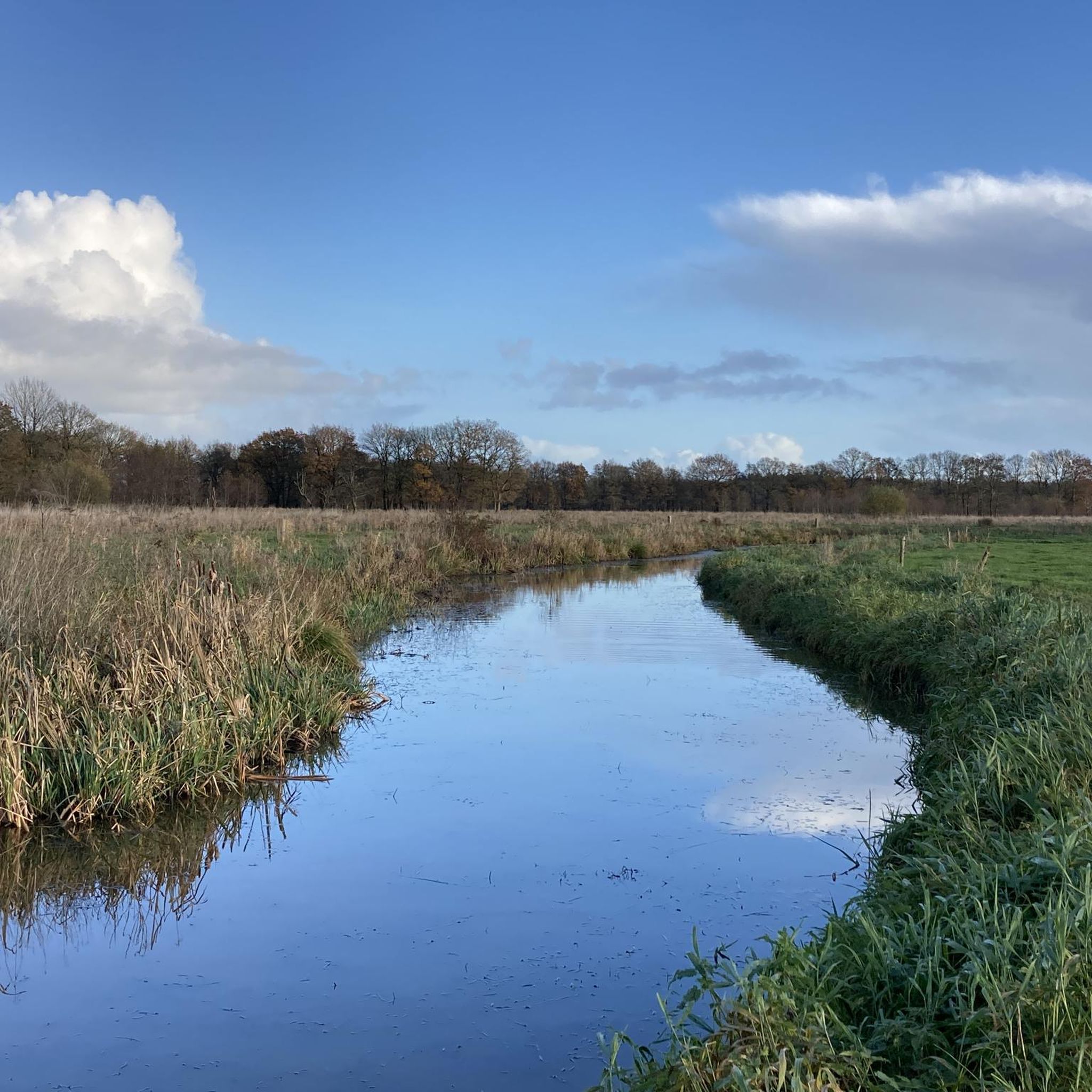
Great views in every season
0
0
Frequently Asked Questions
How many hiking trails are available in Veenhuizen, and what are their difficulty levels?
Veenhuizen offers over 60 hiking trails. The majority are easy, with about 47 routes suitable for beginners or casual walkers. There are also 14 moderate trails and 4 more challenging routes for experienced hikers, ensuring options for all fitness levels.
Are there any family-friendly hiking routes in Veenhuizen?
Yes, Veenhuizen has several easy routes perfect for families. A good option is the Veenhuizen Orphanage – Koepelkerk Veenhuizen loop from Veenhuizen, which is about 2.9 miles (4.7 km) long and takes just over an hour, leading through the historical village.
Can I bring my dog on the hiking trails in Veenhuizen?
Many natural areas in Veenhuizen, including parts of Fochteloërveen and Boswachterij Veenhuizen, are generally dog-friendly. However, it's always recommended to keep dogs on a leash, especially in nature reserves to protect wildlife and ensure a pleasant experience for all visitors. Check local signage for specific rules.
What kind of landscapes can I expect to see while hiking in Veenhuizen?
Veenhuizen's hiking trails showcase a diverse mix of landscapes. You'll encounter expansive raised bogs and heathlands, particularly in areas like Fochteloërveen, as well as dense forests within Boswachterij Veenhuizen. The region also features historical peat lakes and the unique cultural landscape of a UNESCO World Heritage site.
Are there any circular hiking routes in Veenhuizen?
Yes, many of the hiking routes in Veenhuizen are designed as loops, allowing you to start and end at the same point. For example, the View of Fochteloërveen – Koepelkerk Veenhuizen loop from Veenhuizen is a popular circular path offering scenic views.
What historical or cultural attractions can I explore while hiking in Veenhuizen?
Veenhuizen is a UNESCO World Heritage site, part of the 'Colonies of Benevolence'. You can explore the village's unique grid-patterned roads and historical buildings. The Prison Museum Veenhuizen offers insight into its past as a penal colony, and the historic Koepelkerk Veenhuizen is a notable landmark.
What do other hikers enjoy most about hiking in Veenhuizen?
The area is highly rated by the komoot community, with an average score of 4.4 stars from over 240 reviews. Hikers frequently praise the quiet nature of the Fochteloërveen, the varied forest paths, and the unique historical atmosphere of the village itself. The well-maintained trails and diverse scenery are also often highlighted.
Are there opportunities for wildlife spotting along the trails?
Yes, especially in the Fochteloërveen, which is known for its quiet nature and diverse ecosystem. This expansive raised bog and heathland area provides habitats for various bird species and other wildlife, offering good opportunities for observation, particularly during quieter times of the day.
Is there public transport available to reach the hiking trailheads in Veenhuizen?
While Veenhuizen is a village, public transport options exist, though they might require some planning. It's advisable to check local bus schedules to see connections from larger towns in Drenthe. Many hikers prefer to arrive by car, as parking is generally available near popular trail starting points.
What is the best time of year to go hiking in Veenhuizen?
Veenhuizen offers enjoyable hiking experiences throughout the year. Spring brings fresh greenery, while summer is ideal for long days exploring the heathlands. Autumn provides beautiful foliage, and even winter can be picturesque, especially in the quiet Fochteloërveen. The blooming heathlands in late summer (August/September) are particularly stunning.
Are there any longer, more challenging routes for experienced hikers?
Yes, for those seeking a longer challenge, routes like the Peat lake in the Norgerholt – Hunebed D2 in Westervelde loop from Veenhuizen offer a more difficult experience. This route covers over 20 km and explores diverse natural features, including a peat lake and a hunebed (megalithic tomb).
Can I find places to eat or drink near the hiking trails?
Veenhuizen village itself has facilities where you can find refreshments. For instance, the Maallust Brewery is a local highlight. It's always a good idea to check opening times, especially if you're hiking in more remote areas or during off-peak seasons.
Most popular routes in Veenhuizen
Most popular attractions in Veenhuizen

Get inspired with the komoot mobile app


Explore more
Browse the best Hikes in other regions.
