Attractions and Places To See in Frederiksoord-Wilhelminaoord - Top 20
Best attractions and places to see in Frederiksoord-Wilhelminaoord offer a unique insight into 19th-century social reform as part of the UNESCO World Heritage-listed Colonies of Benevolence. These twin villages in the Dutch province of Drenthe were established in 1818 to combat poverty by providing land and work. Visitors can explore historical sites, natural landscapes, and cultural experiences, including original colony homes and officials' residences. The area is also an ideal base for exploring nearby national parks like Drents-Friese Wold, Weerribben-Wieden,…
Last updated: October 9, 2026
Doctor's House, Frederiksoord
Highlight • Historical Site
Translated by Google •
Tip by

Colony Store
Highlight • Historical Site
Translated by Google •
Tip by

Sign up now to discover places like this
Get recommendations on the best single tracks, peaks, & plenty of other exciting outdoor places.
Museum The Proefkolonie
Highlight • Historical Site
For more info, see proefkolonie.nl
Translated by Google •
Tip by

Basketry Workshop Wilhelminaoord
Highlight • Historical Site
Over time, it became clear that not everyone …
Translated by Google •
Tip by
Wilhelminaoord colony church
Highlight • Religious Site
Church attendance was compulsory for the colony residents.
Translated by Google •
Tip by
Sign up for free to discover even more attractions in Frederiksoord-Wilhelminaoord.
Already have an account?
Start today with a free account
Your next adventure awaits.
Popular around Frederiksoord-Wilhelminaoord
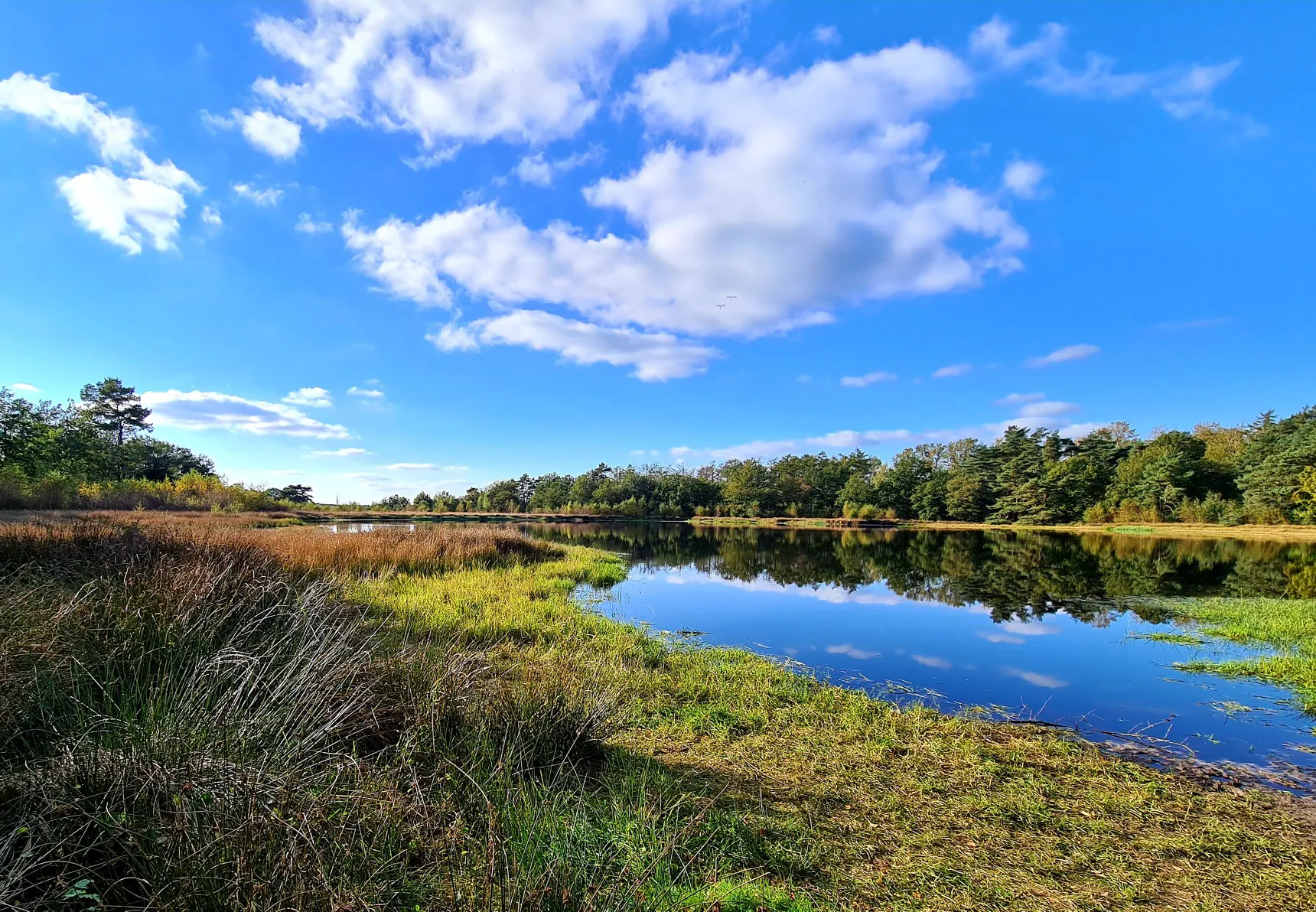
Frisian Forest Trail – walk from the Wadden Sea to Overijssel
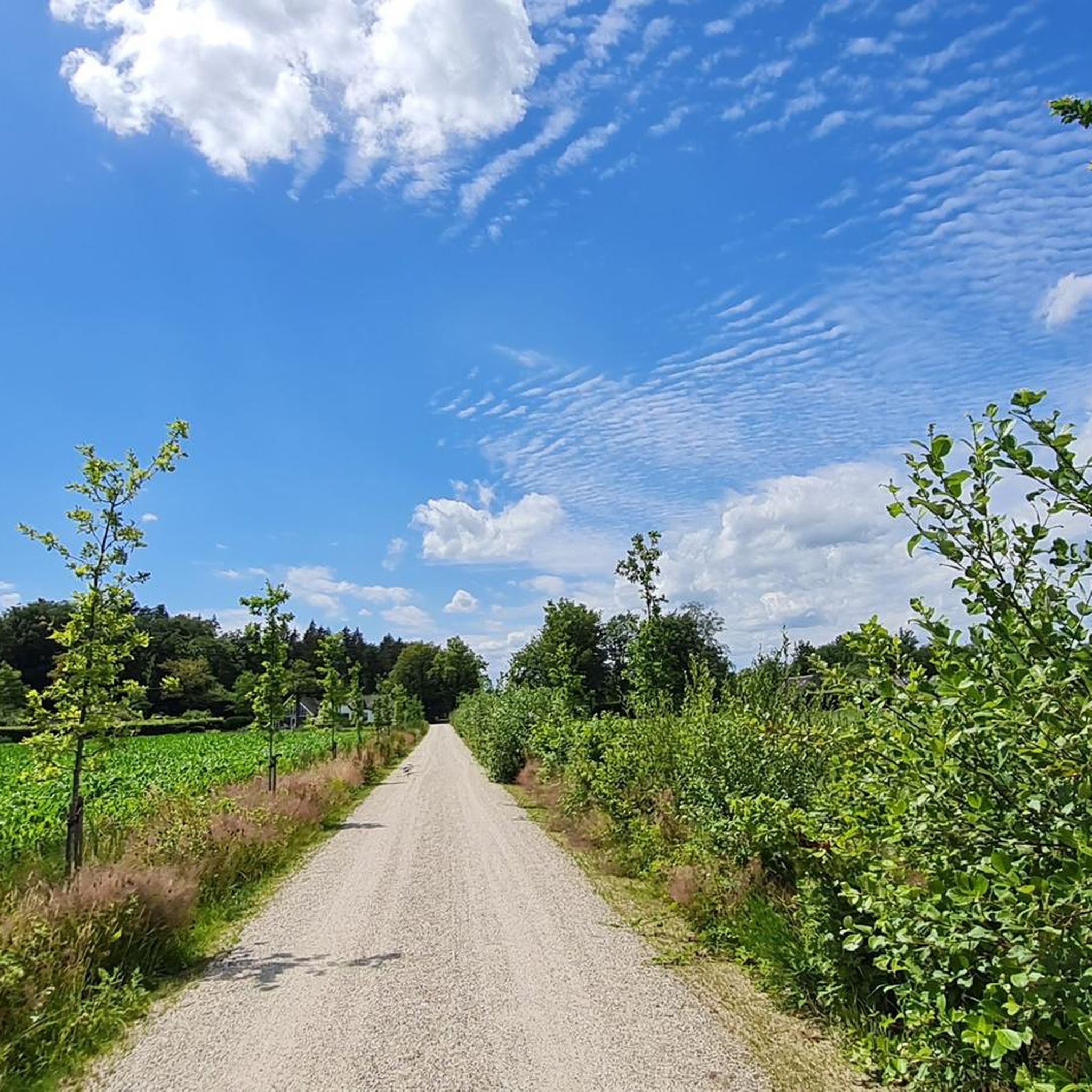
Hiking in Frederiksoord-Wilhelminaoord
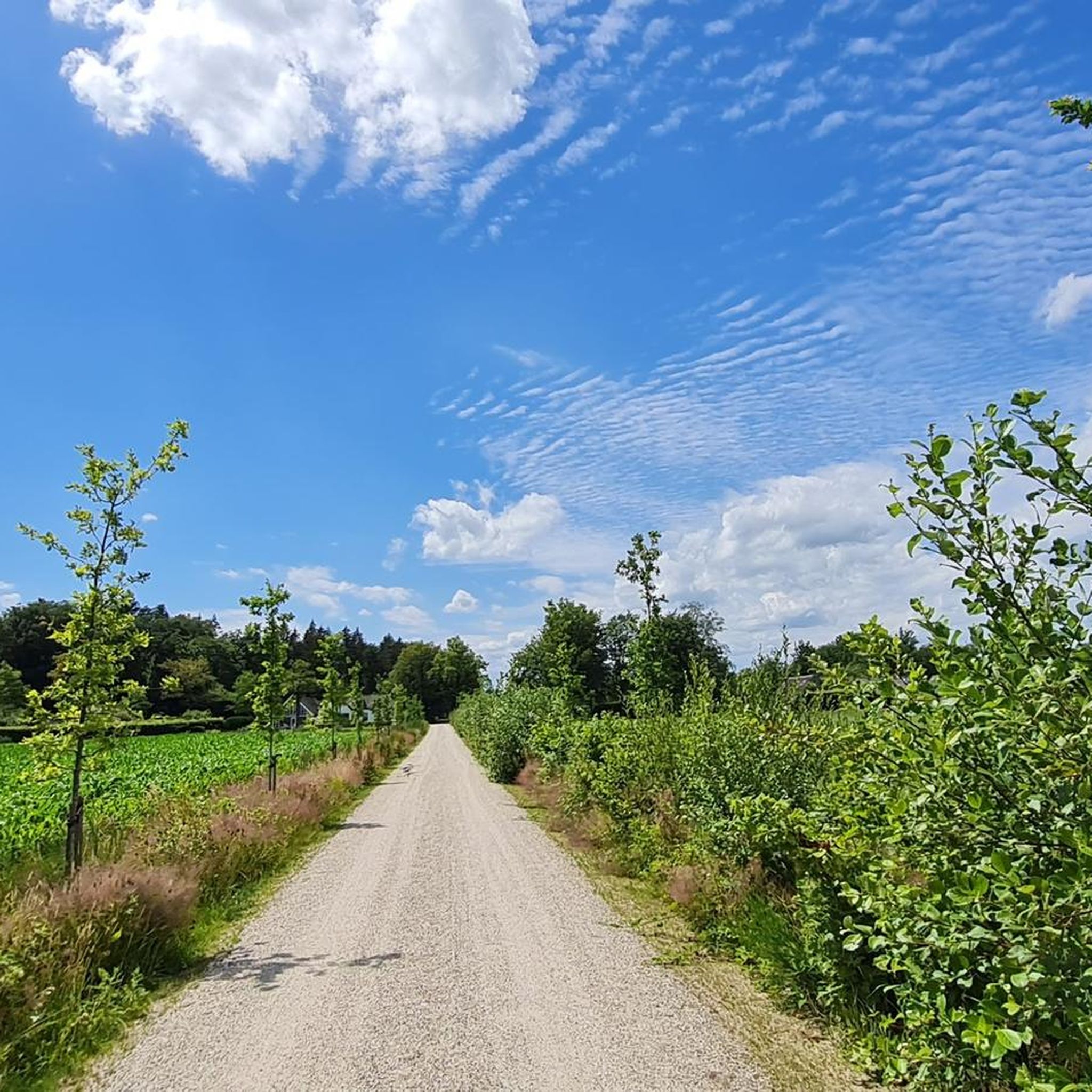
MTB Trails in Frederiksoord-Wilhelminaoord
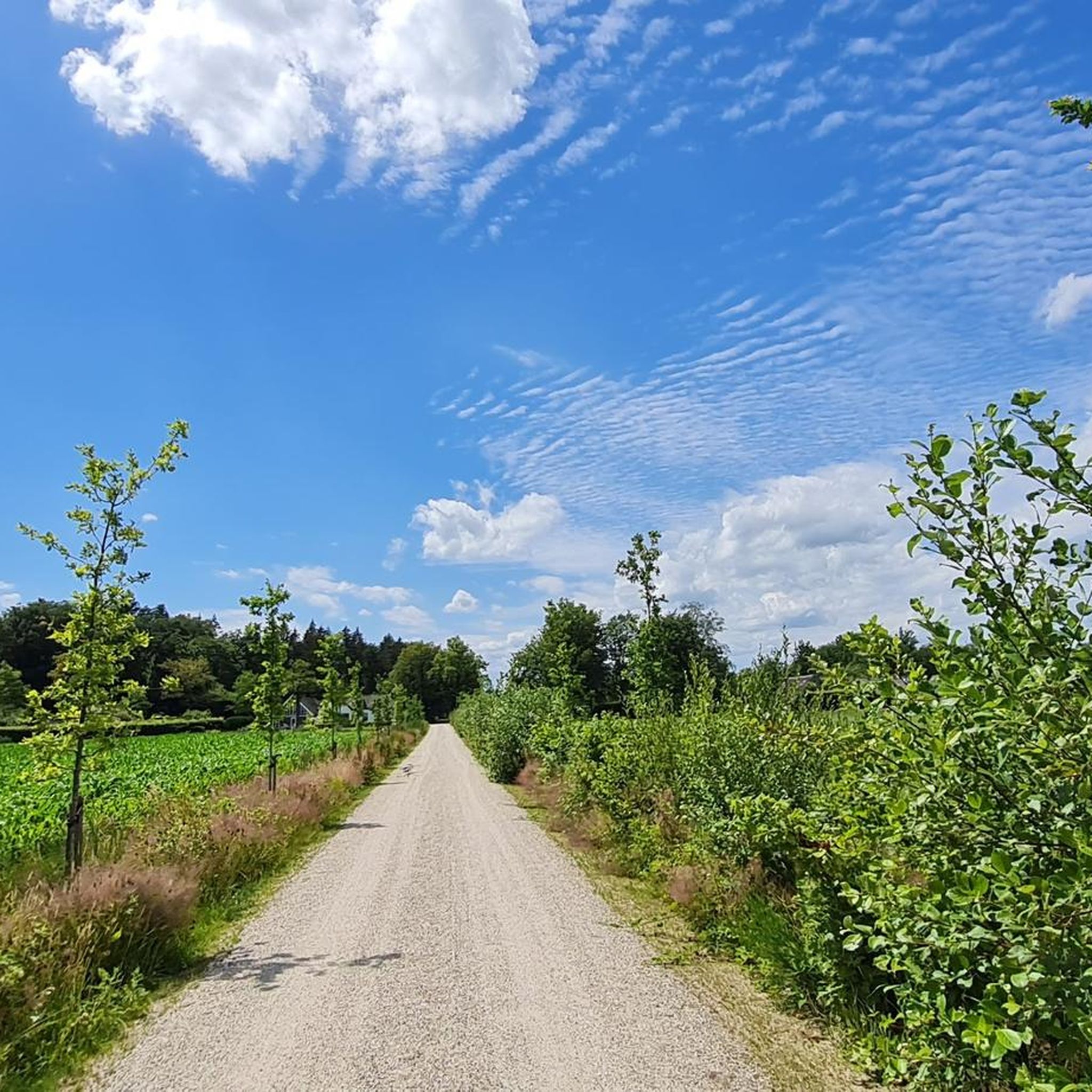
Cycling in Frederiksoord-Wilhelminaoord
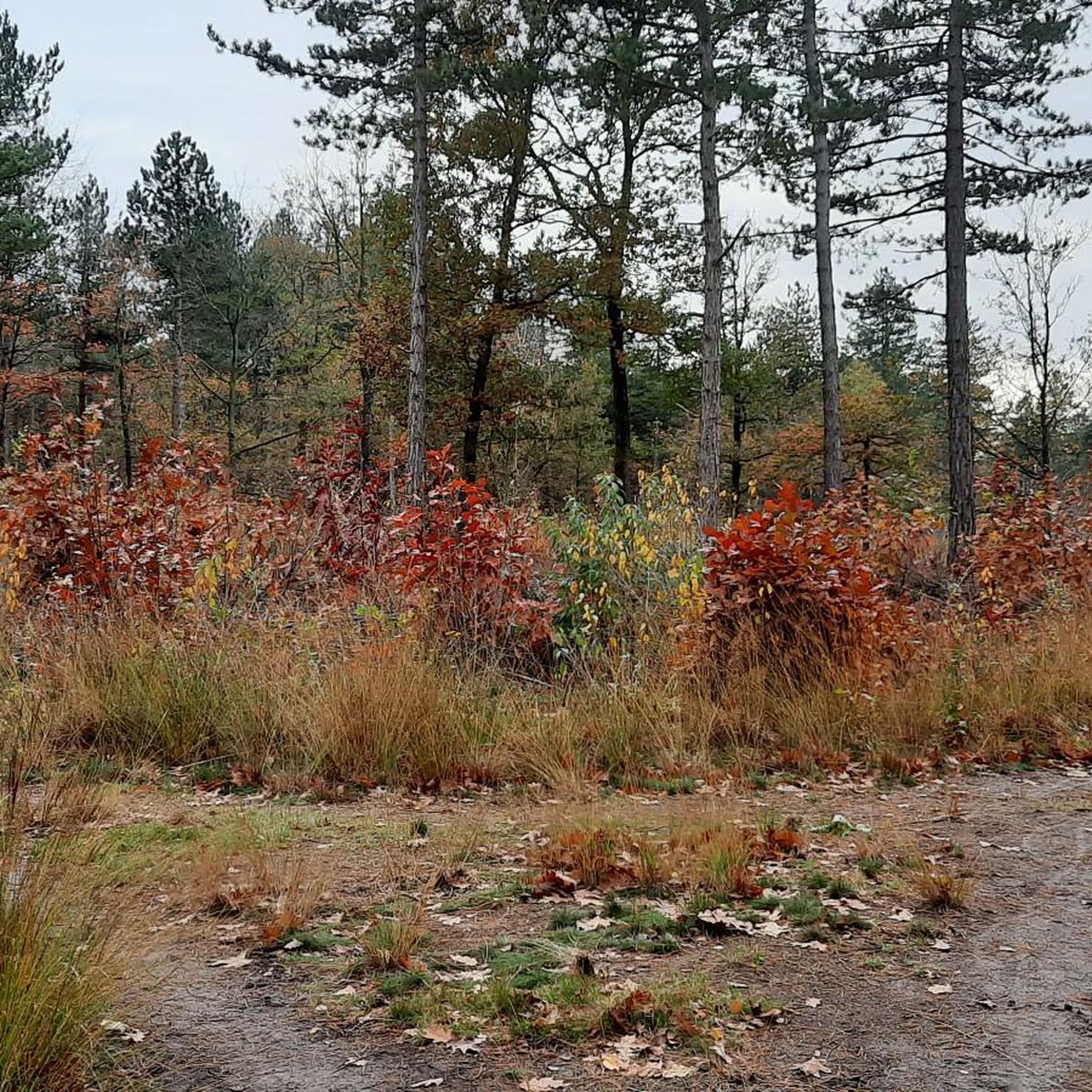
Road Cycling Routes in Frederiksoord-Wilhelminaoord

Gravel biking in Frederiksoord-Wilhelminaoord
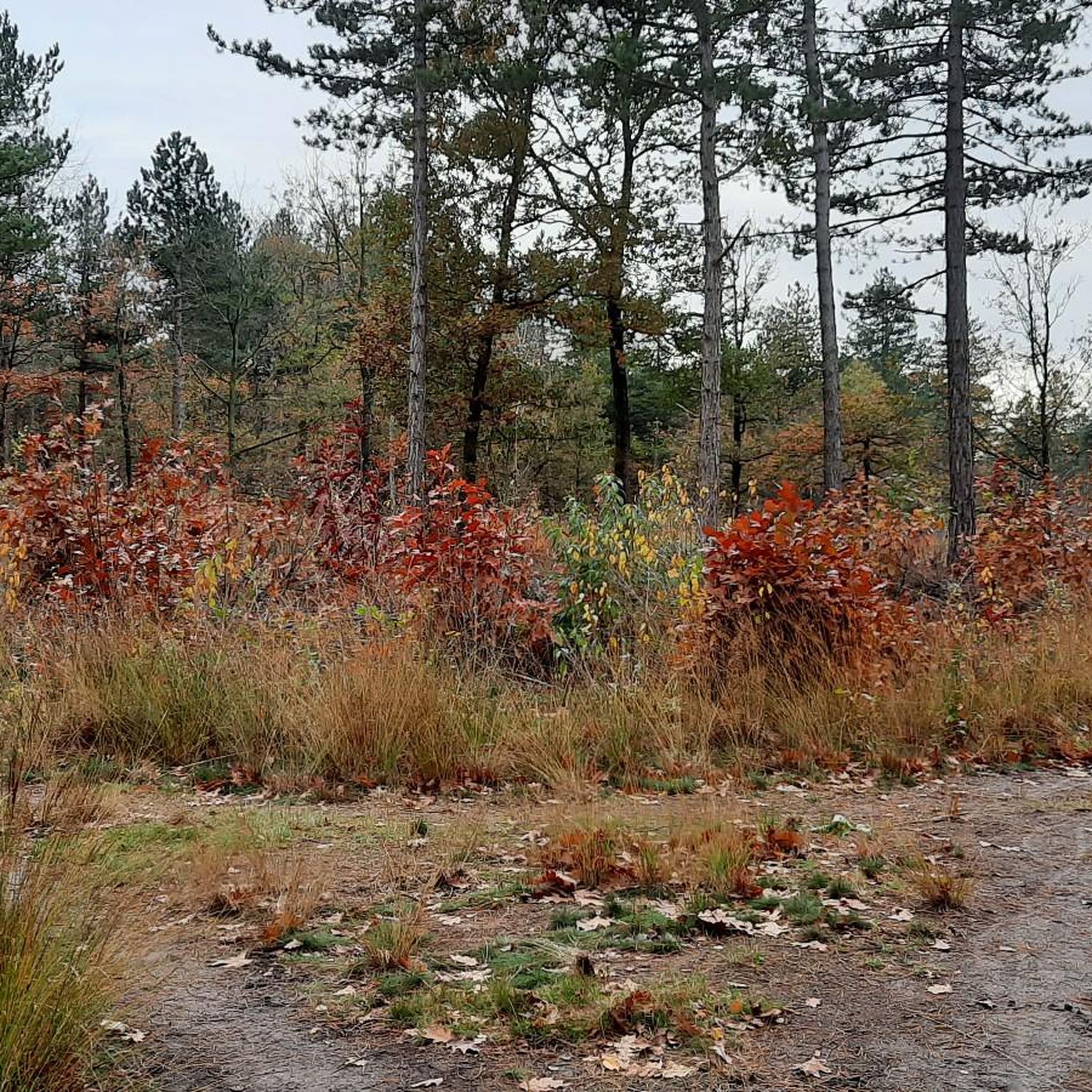
Running Trails in Frederiksoord-Wilhelminaoord
Other adventures in Frederiksoord-Wilhelminaoord

Tips from the Community

First visit the museum and then take a walk around the place where the Colony was founded more than 2 centuries ago.
0
0

Interesting and partly interactive exhibition about the colonies, the people and their way of life. Highly recommended.
0
0

You can charge the batteries & those of the 🚲 yourself here, while your partner visits the museum... 🍻
0
0

The doctor's house (Art Nouveau) was built in 1915 and is characteristic of the level of services provided by the Society of Benevolence. The coach house housed the doctor's horse and carriage, who also had patients in Willemsoord and Boschoord. A health insurance fund was established for the residents of the colonies as early as 1827. Every colonist, including children, contributed one cent per week to this fund. This fund paid for a colony doctor and a midwife, among other things. Every colonist was entitled to healthcare, which was unique at the time. Poor people couldn't afford the doctor. Because Johannes van den Bosch introduced healthcare in the colony, infant mortality in the colony in the 1830s was the lowest in the Netherlands. Until the 1880s, the doctor in Frederiksoord was the doctor for all the colony villages. For example, Dr. Tempelaar recounts that in the 1980s, he still held weekly consultations at Café De Steen in Willemsoord. A separate room was available for him there. If someone needed to be examined lying down, it was done on the billiard table! Since 1915, the following general practitioners have practiced there: W.A. Weisfelt (1913-1947), H. Nijenhuis (1947-1953), A. de Vries (1953-1972), A.F. Tempelaar (1972-1987), K. Leeuw (1987-2018), and J. van der Weel (2018-present).
1
0
In the colony shops of the Benevolent Society, the colonists could buy everything they needed, except spirits. This was actually prohibited. By introducing their own currency, alcohol could be kept out of the area. This money was not accepted in surrounding places, such as Vledder and Steenwijk. Colonists returning from visiting relatives were strictly monitored for illegally bringing alcohol with them. Colonists who wanted to visit relatives, for example in connection with illness or death, usually received permission from the director of the colony. It was known to the management and the district masters that settlers returning from the Schiedam area had to be monitored extremely well. After all, Schiedam was home to the gin distilleries and sometimes the colonists returned with bags full of gin. Since the 1930s, the Specht family has held sway behind the counter of this colony shop.
0
0

The founder Johannes van den Bosch, a confidant of King William I. An idealist who believed that you could put an end to poverty in the cities. Frederiksoord functioned as a test colony. In 1818 there were 52 colony houses.
1
0
During this route you will encounter several traces of the Society of Benevolence. This private organization purchased various lands in Drenthe from 1818 onwards. The aim was to give poor city dwellers the chance for a new life.
0
0

I was pleasantly surprised that I came across a piece of forest on this route! Assen and surroundings are just heathland, right? not so! Delicious!
0
0
Frequently Asked Questions
What historical sites can I visit to learn about the Colonies of Benevolence?
To delve into the history of the Colonies of Benevolence, start with Museum The Proefkolonie in Frederiksoord. This interactive museum tells the story of Johannes van den Bosch and the first settlers. You can also visit the Doctor's House, Frederiksoord, which showcases the progressive healthcare system of the colonies, and the Colony Store, where colonists purchased necessities using their own currency.
Are there any religious buildings or churches worth visiting?
Yes, the Wilhelminaoord colony church is a significant religious building constructed in 1851. Church attendance was compulsory for colony residents, and today it serves as a venue for various events.
What kind of outdoor activities can I do in Frederiksoord-Wilhelminaoord?
The region offers a variety of outdoor activities. You can explore numerous hiking and cycling routes that crisscross the historical landscape and natural beauty. For specific routes, check out the easy hikes, MTB trails, or gravel biking routes available in the area.
Are there family-friendly attractions in Frederiksoord-Wilhelminaoord?
Many of the historical sites are family-friendly, offering an educational experience. The Museum The Proefkolonie is interactive and engaging for all ages. Additionally, the Natuur- en Speelpark De Bijenhoff in Frederiksoord provides recreational opportunities for families.
What natural features or parks can I explore nearby?
Frederiksoord-Wilhelminaoord is an excellent base for exploring three stunning National Parks: the Drents-Friese Wold, Weerribben-Wieden, and Dwingelderveld. Within the villages, you can visit the historical Basketry Workshop Wilhelminaoord, which is now surrounded by nature, or the Fruithof in Frederiksoord, which preserves over 550 unique apple and pear varieties.
Where can I find unique local products or crafts?
The Basketry Workshop Wilhelminaoord, once the region's first industrial building, provided alternative work for colonists. While it now houses apartments, it represents a significant part of the area's craft history. You might also find local products at events held at the Wilhelminaoord colony church.
What is the best time of year to visit Frederiksoord-Wilhelminaoord?
The region is enjoyable throughout the warmer months, from spring to early autumn, when the natural landscapes are lush and outdoor activities are most pleasant. Summer offers opportunities for exploring the national parks and enjoying the historical sites in comfortable weather.
Are there any easy walking trails suitable for all abilities?
Yes, there are several easy walking trails. For example, the 'Westerbeek House – Bridge Over the Westerbeeksloot loop from Frederiksoord' is an easy 3.4 km hike. You can find more options on the easy hikes guide page, which includes routes like the 'Bridge Over the Westerbeeksloot – Dry Basin (Sterrebos) loop from Wilhelminaoord'.
What is the significance of the Doctor's House in Frederiksoord?
The Doctor's House, Frederiksoord, built in 1915, is characteristic of the high level of services provided by the Society of Benevolence. It highlights the progressive healthcare system introduced in the colonies, which included a dedicated doctor and midwife, and a health insurance fund for all residents, unique for its time.
Can I learn about the horticultural history of the region?
Yes, you can explore the Campus De Proef, the old campus of the first horticultural school in the Netherlands, which features extensive botanical gardens. Additionally, the Fruithof in Frederiksoord is dedicated to preserving rare fruit species, with over 550 unique apple and pear varieties.
What are some lesser-known historical points of interest?
Beyond the main museums, consider visiting the Colony Houses and Officials' Houses scattered throughout both villages, which offer a tangible connection to the past. Also, Rustoord I and II in Wilhelminaoord were former convalescent homes, demonstrating the colonies' focus on care for the elderly and infirm.
How can I learn more about the daily life of the colonists?
The Museum The Proefkolonie provides an immersive experience into the lives of the first colonists. Additionally, the Colony Store offers insight into their daily needs and the unique economic system they used, including their own currency.
Most popular routes in Frederiksoord-Wilhelminaoord

Get inspired with the komoot mobile app


Explore more
Still not found the Highlight you’re looking for? See guides of the top attractions in other regions:
