Deichvorland Bei Grieth Mit Kalflack
Deichvorland Bei Grieth Mit Kalflack
The best MTB trails in Deichvorland Bei Grieth Mit Kalflack
4.6
(428)
2,494
riders
290
rides
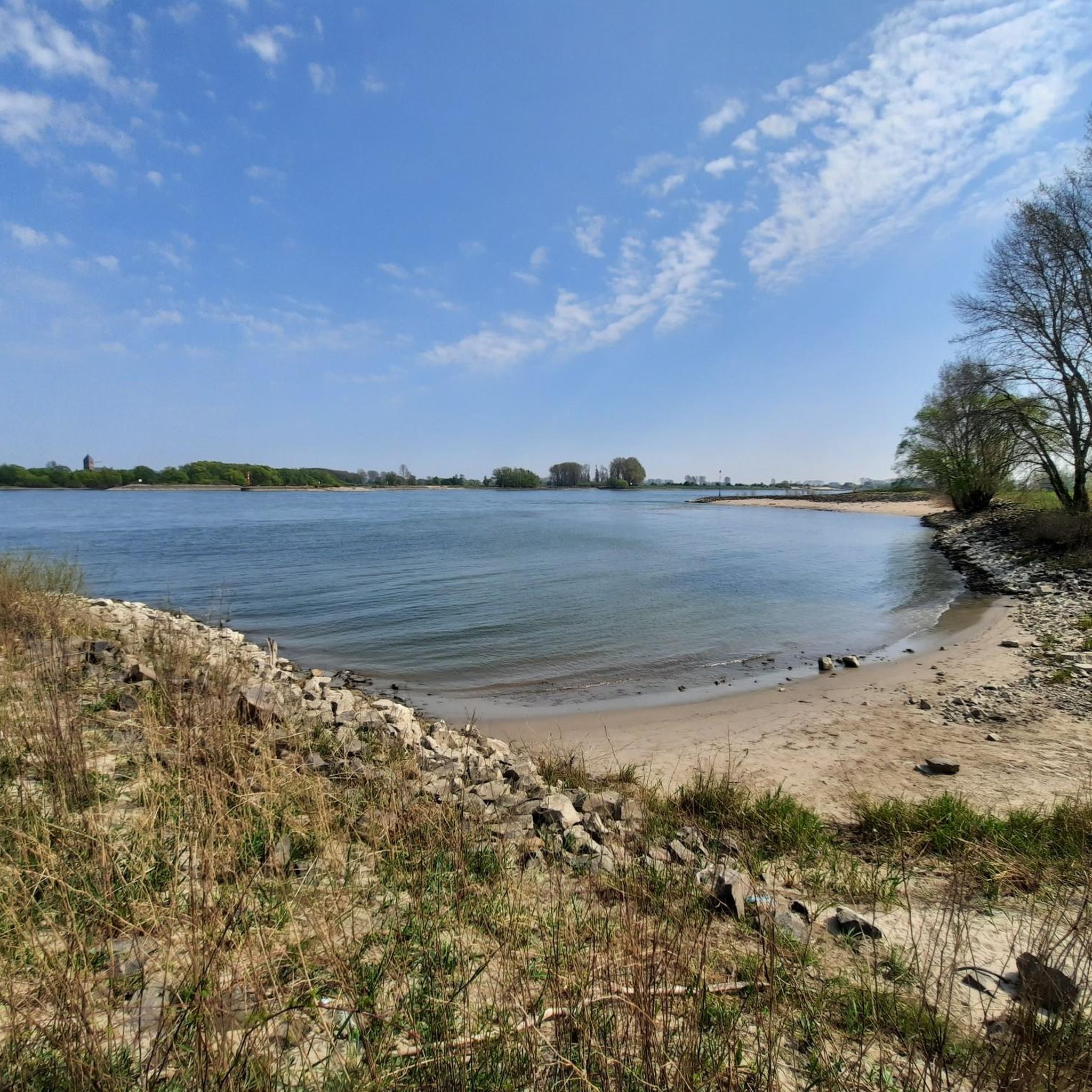
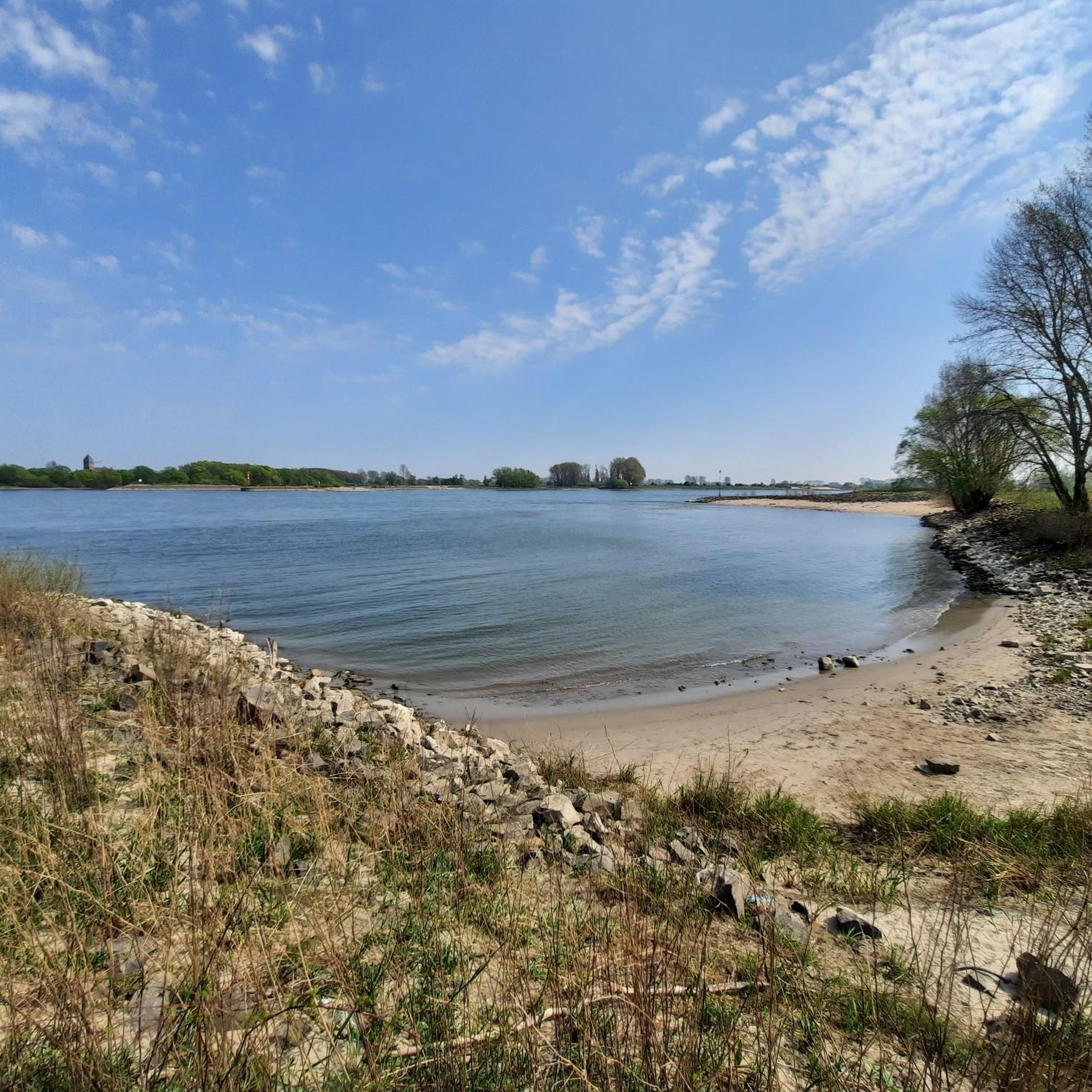
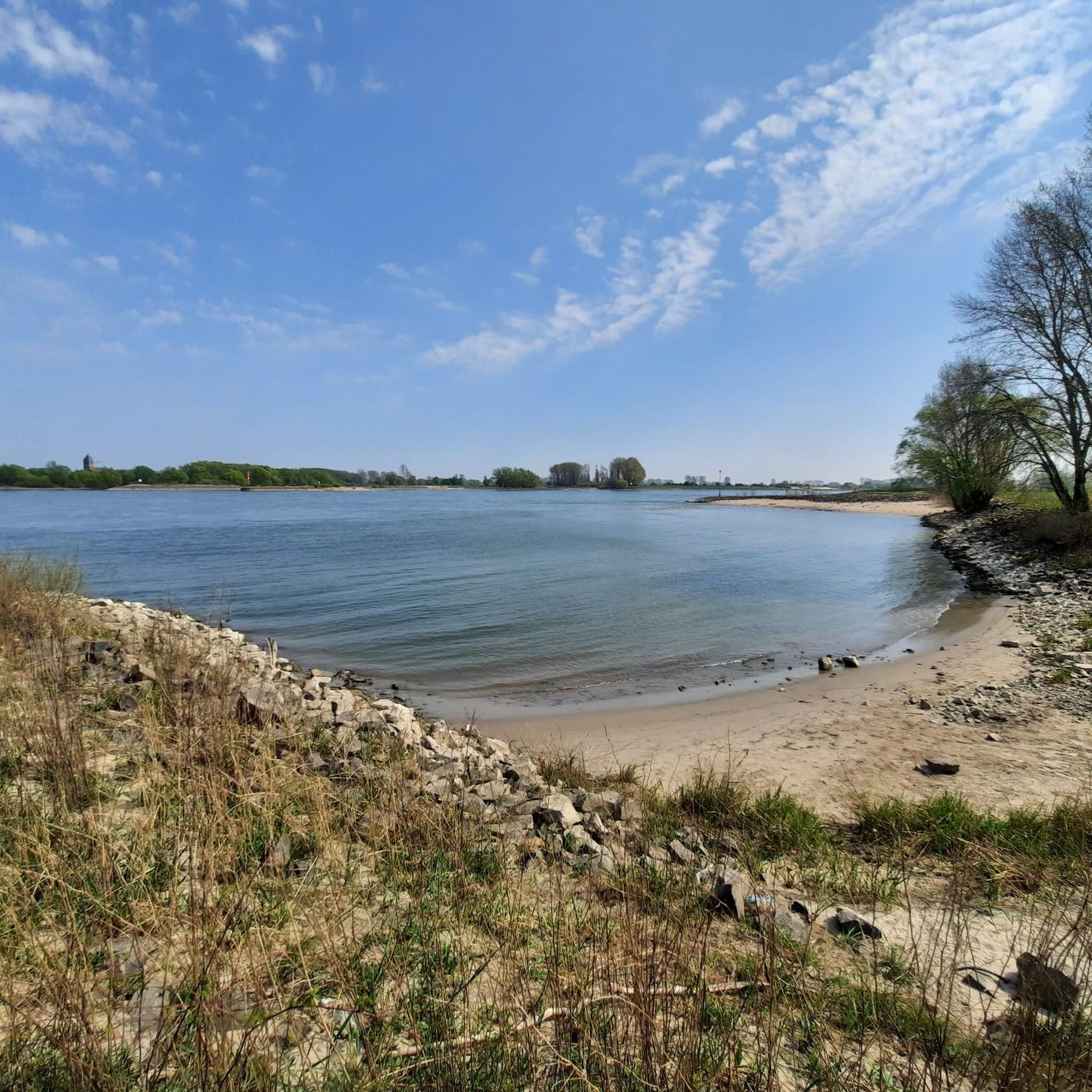
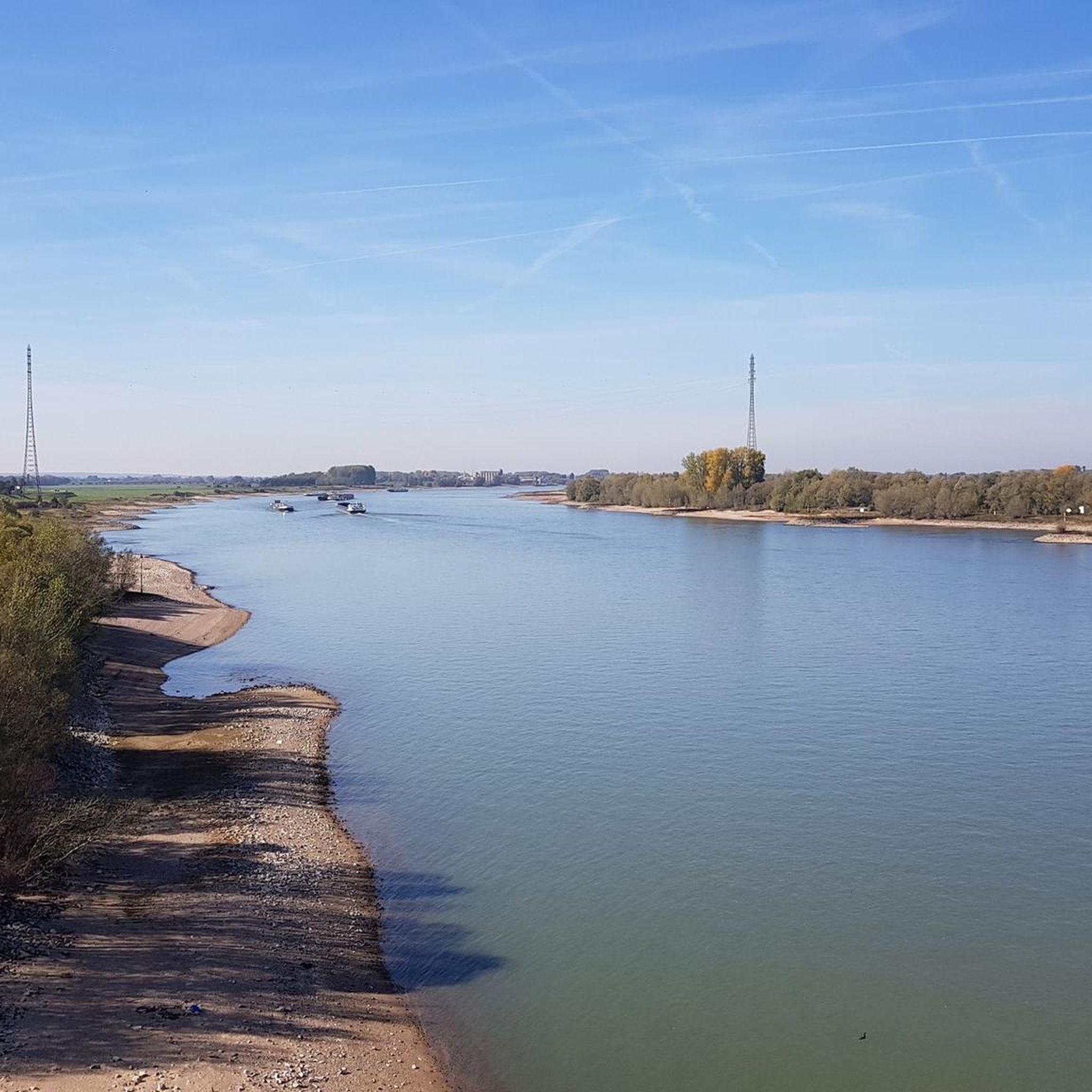
Mountain bike trails in Deichvorland Bei Grieth Mit Kalflack traverse the expansive Rhine floodplains and the Kalflack stream, offering routes through extensive grasslands and along dikes. This region, part of the Lower Rhine Bird Sanctuary, is characterized by its largely undeveloped nature, with gentle elevation changes. While known for nature observation and leisurely cycling, it provides mountain biking opportunities that focus on longer distances across open landscapes rather than technical singletrack.
Best mountain bike trails in Deichvorland Bei Grieth Mit…
Last updated: July 23, 2026
5.0
(2)
26
riders
Moderate mountain bike ride. Good fitness required. Suitable for all skill levels.
4.2
(11)
56
riders
39.1km
02:58
280m
280m
Moderate mountain bike ride. Good fitness required. Advanced riding skills necessary.

Sign up for free
17
riders
Moderate mountain bike ride. Great for any fitness level. Advanced riding skills necessary.
5.0
(1)
12
riders
50.1km
02:45
110m
110m
Moderate mountain bike ride. Good fitness required. Suitable for all skill levels.
7
riders
37.8km
02:30
230m
230m
Moderate mountain bike ride. Good fitness required. Advanced riding skills necessary.
Get access to more routes and recommendations from other explorers.
Sign up for free
Already have an account?
Our route recommendations are based on thousands of hikes, rides, and runs completed by other people on komoot.
Start today with a free account
Your next adventure awaits.
Login or Signup
Popular around Deichvorland Bei Grieth Mit Kalflack
Tips from the Community

Small, but nice, great facility
3
0


It's a bit tricky on a regular bike. But it's incredibly fast on asphalt. A fantastic bike path. Very smooth and with a beautiful view of the surroundings.
1
0

Monument in the park
1
0
A beautiful center and very friendly
0
0

Johanna Sebus (1791–1809) came from Brienen near Kleve. During a dike breach caused by a Rhine flood in 1809, she first rescued her mother from the raging waters. In an attempt to save more lives, she ultimately lost her own. Three months later, when her body was found, the then sub-prefect of Kleve, Baron Karl Ludwig von Keverberg (1768–1841), initiated the construction of a monument. The French occupation government in the Rhineland approved the proposal and had a monument erected in 1811. At the same time, Johanna Sebus was posthumously awarded the "White Rose", an honor established by Napoleon, which was to be awarded annually in all parts of the French dominion to a particularly virtuous maiden. Johanna Sebus soon became a figure of collective memory in literature and music: Johann Wolfgang von Goethe dedicated a ballad to her, and Franz Schubert created a – albeit unfinished – musical setting of this poem. In the 20th century, the musician and painter Béla Lajos (1929-2016) composed an opera for Johanna Sebus. On the occasion of the 175th anniversary of her death, a Johanna Sebus Medal was established in 1984, awarded to individuals or institutions for "help in times of need". Architectural Description The form of the memorial stems from the almost decoration-less repertoire of a Classicism that predominantly operated with stereometric elementary forms. The over-human-height, semi-circularly terminating stele made of bluestone stands on a stepped cornice base and is backed by a semicircular stone bench. The front of the monument bears an inscription in French, above which is an inlaid medallion of white marble depicting a floating rose surrounded by twelve stars. The German translation of the French inscription on the back dates from 1953. It reads: "In memory of the seventeen-year-old, beautiful, and good maiden from the village of Brienen, who perished on January 13, 1809, while rendering aid during the ice drift on the Rhine and the great breach of the Cleverhamm dike." The Johanna Sebus Monument is owned by the state of North Rhine-Westphalia and administered by the Düsseldorf District Government... (Fabian Kröning, Art History Institute of the University of Cologne, 2016) https://www.kuladig.de/Objektansicht/KLD-298086
1
0

A source citation would be fair: https://www.societaet-emmerich.de/de/der-verein/geschichte/
1
0
Frequently Asked Questions
How many mountain bike trails are available in Deichvorland Bei Grieth Mit Kalflack?
There are over 300 mountain bike routes in Deichvorland Bei Grieth Mit Kalflack, catering to various skill levels. You'll find a good mix of easy and moderate trails, with a few more challenging options.
What kind of terrain can I expect on the mountain bike trails in this region?
The terrain primarily consists of expansive Rhine floodplains, extensive grasslands, and dikes. You can expect routes that focus on longer distances across open landscapes, rather than technical singletrack or steep climbs. The area is largely undeveloped, offering a natural, gentle riding experience.
Are there family-friendly mountain bike routes in Deichvorland Bei Grieth Mit Kalflack?
Yes, the region offers many routes suitable for families. With over 100 easy trails and gentle elevation changes, the focus is on leisurely cycling and nature observation, making it ideal for riders of all ages. Many paths are well-suited for a relaxed family outing.
What are some notable natural features or attractions I can see while mountain biking?
While riding, you'll traverse the Rhine floodplains and the Kalflack stream, encountering extensive grasslands and old oxbow lakes. The area is part of the Lower Rhine Bird Sanctuary, offering excellent birdwatching opportunities. You might also spot the unique Steinboot Sculpture in Grieth am Rhein, which appears to float during high water, or relax at the sun loungers at Rhine kilometer 845.
What do other mountain bikers enjoy most about riding in Deichvorland Bei Grieth Mit Kalflack?
The komoot community highly rates the mountain biking experience here, with an average score of 4.6 stars from over 300 reviews. Riders often praise the peaceful, natural environment, the extensive network of paths along the Rhine, and the opportunities for long, scenic rides through the floodplains.
Are there circular mountain bike routes available?
Yes, many of the mountain bike routes in the region are designed as loops. For example, you could try the Heath near the Hulzenberg – Montferland MTB Route loop from Emmerich, which is a moderate 18.1-mile path exploring heathland with varied terrain.
When is the best time of year to go mountain biking in Deichvorland Bei Grieth Mit Kalflack?
The region is enjoyable for mountain biking throughout much of the year. Spring and autumn offer pleasant temperatures and beautiful scenery, especially with the migratory birds. Summer is also suitable, but be prepared for open, sunny stretches along the dikes. Winter riding is possible, but conditions can be damp.
Are there any routes that offer a mix of nature and historical sights?
While the area is primarily natural, some routes connect to nearby points of interest. Consider the Bemmel Casemates – View of the Waal River loop from Emmerich, which is a longer route that offers views of the Waal River and passes by historical elements.
What are the typical distances and durations for mountain bike trails here?
Trail lengths vary significantly. You can find shorter, easy loops, but many routes are designed for longer distances. For instance, the Griethausen Railway Bridge – Emmerich Rhine Bridge loop from Emmerich is about 24.6 miles (39.6 km) and takes around 2 hours to complete, while the Emmerich on the Rhine Promenade – De Mammoet loop from Emmerich covers about 33.4 miles (53.8 km).
Can I find routes that offer a bit more challenge or varied terrain?
While the region is generally flat, some routes do offer more varied terrain and slight elevation changes. The Gully in Elten – Fallen Tree on Trail loop from Emmerich on the Rhine, for example, leads through riverine landscapes and natural features, providing a more dynamic ride than purely flat dike paths.
Is the area suitable for advanced mountain bikers looking for technical trails?
Deichvorland Bei Grieth Mit Kalflack is not primarily known for technical mountain biking with steep climbs or singletrack. The landscape is characterized by expansive floodplains and dikes, making it more suitable for endurance riding, gravel biking, or leisurely tours. Advanced riders seeking technical challenges might find the terrain less demanding.
Are there places to stop for refreshments or food along the trails?
While the nature reserve itself is largely undeveloped, the surrounding towns and villages, such as Grieth am Rhein and Emmerich, offer various cafes, restaurants, and shops where you can stop for refreshments or a meal. It's advisable to plan your route to pass through these areas if you intend to make a stop.
Most popular routes in Deichvorland Bei Grieth Mit Kalflack
Most popular attractions in Deichvorland Bei Grieth Mit Kalflack

Get inspired with the komoot mobile app


Explore more
Browse the best MTB trails in other regions.
