The best road cycling routes in Porphyrlandschaft Bei Gimritz
4.4
(193)
2,972
riders
79
rides
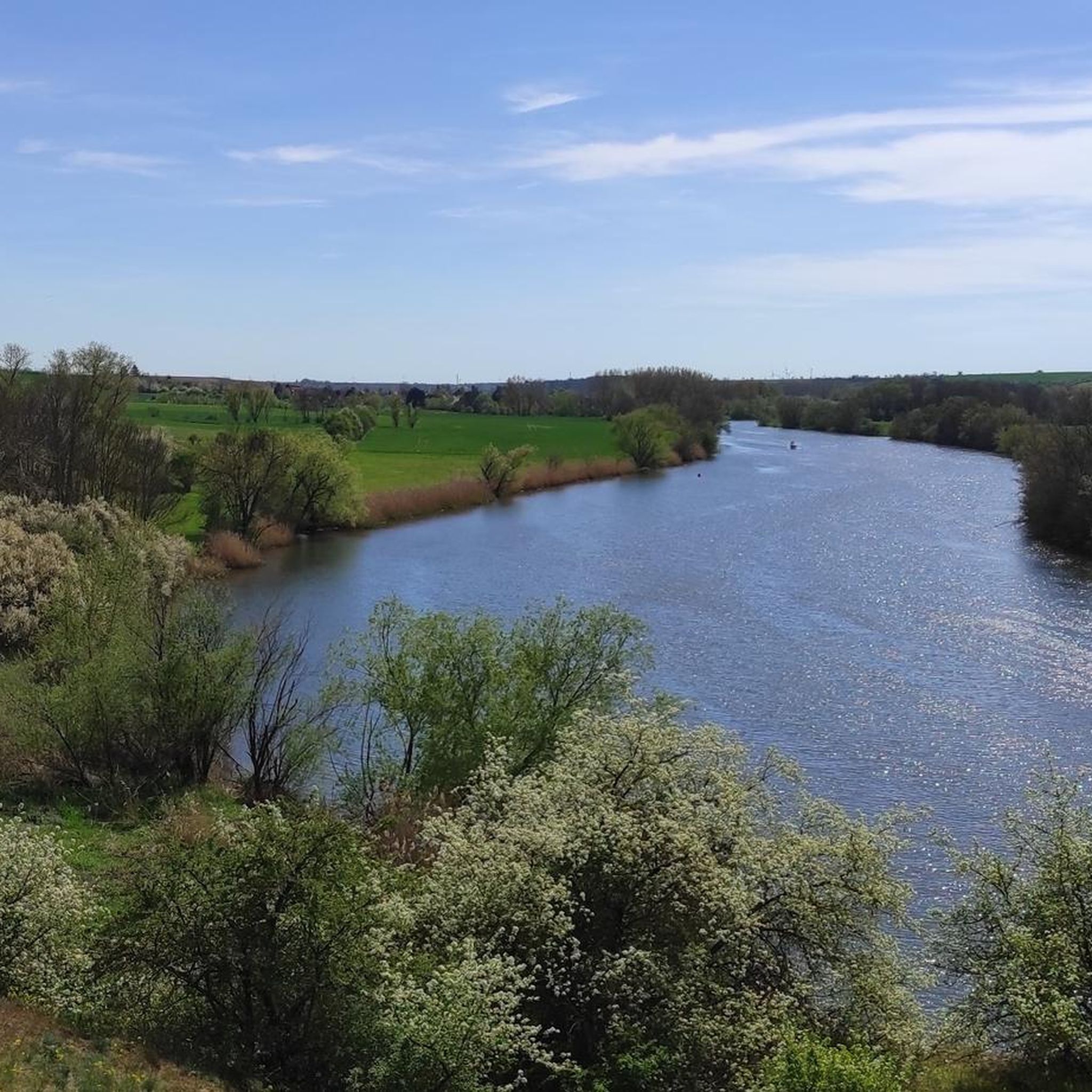
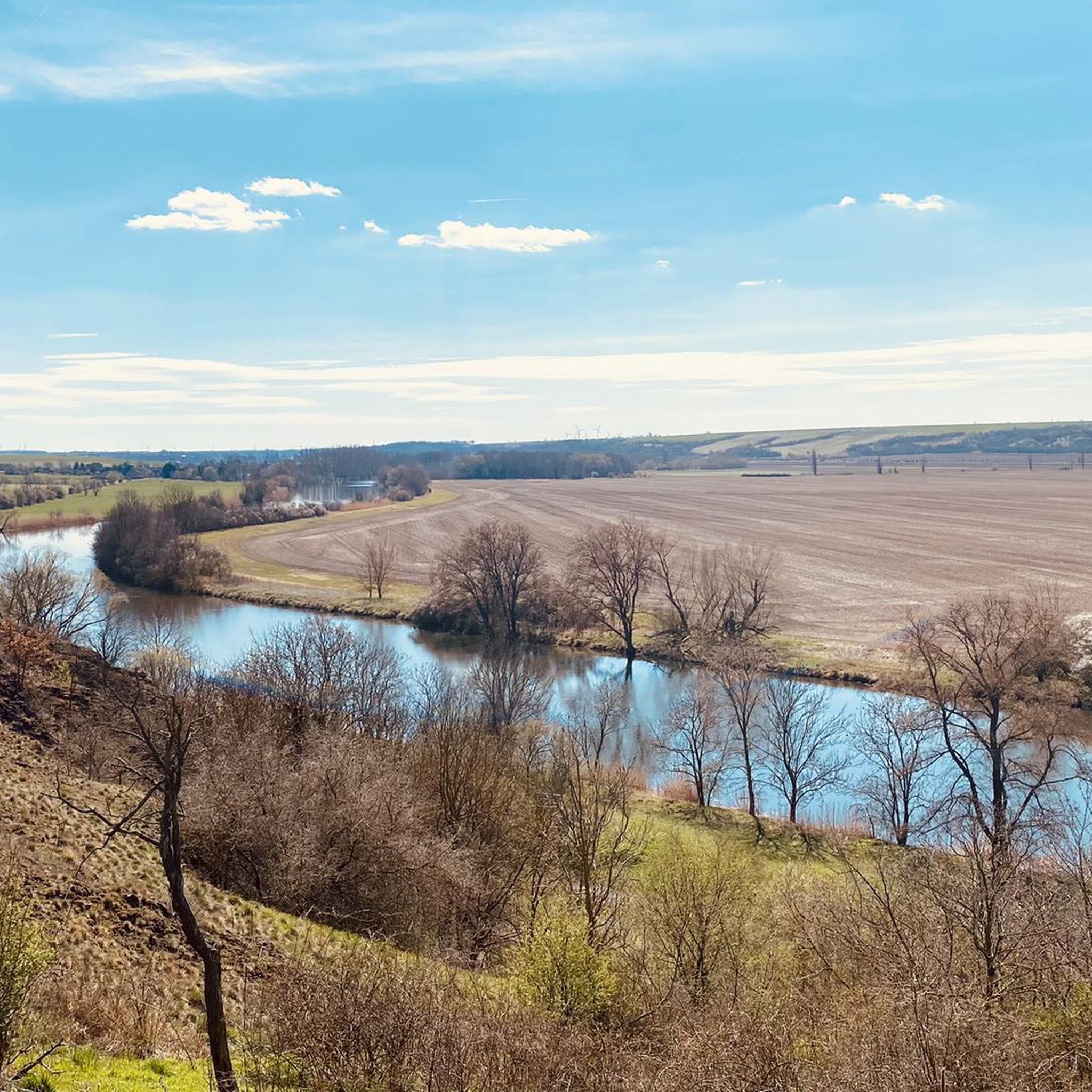
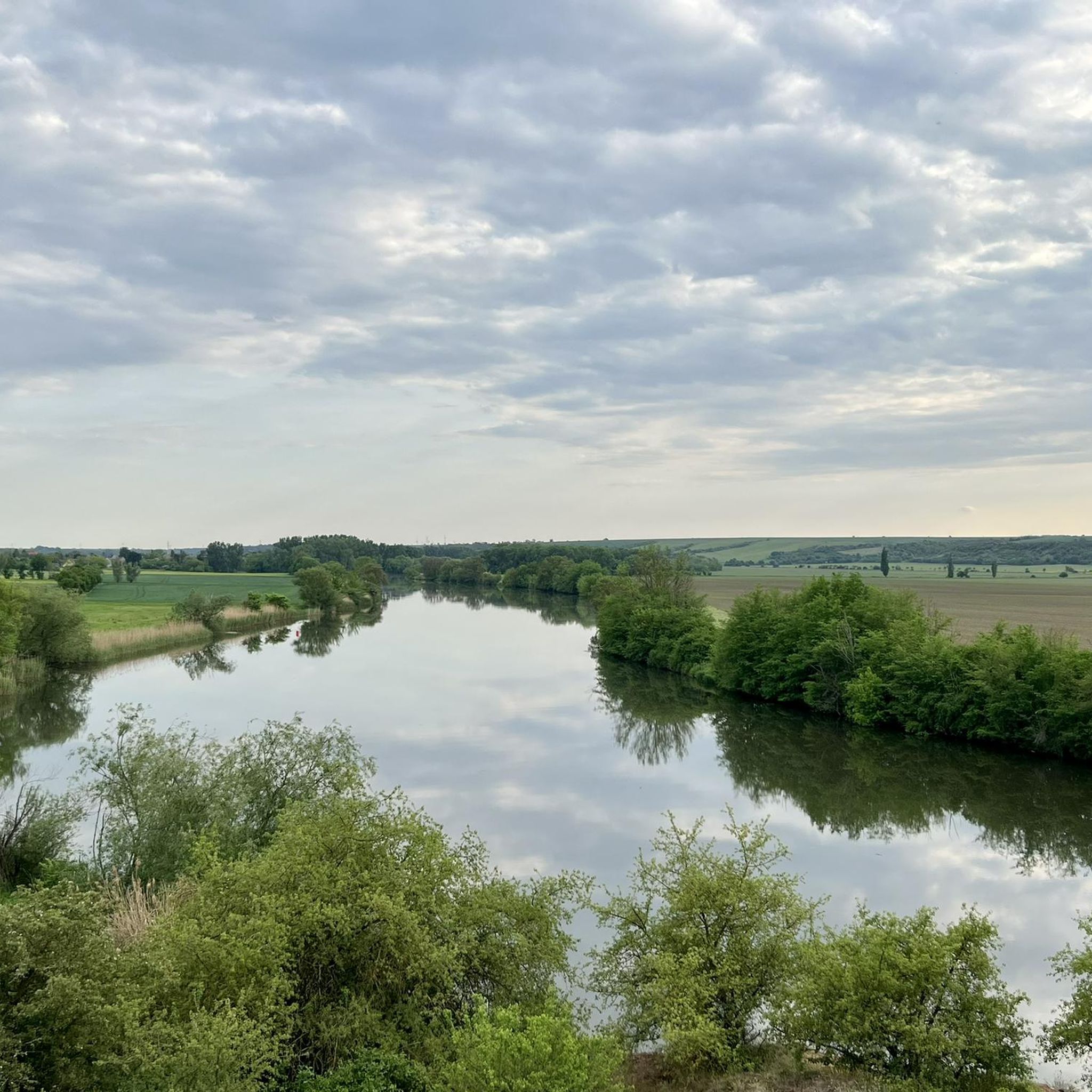
Road cycling in Porphyrlandschaft Bei Gimritz offers routes through a distinctive porphyry landscape characterized by exposed reddish-brown rock formations, fields, and meadows. The region features an open and hilly terrain with varying elevations, providing a diverse cycling experience. Deep erosion valleys cut through the loess plateau, some extending to the Saale River, offering scenic views. Disused railway lines have been converted into cycle paths, integrating the area into a larger cycling network.
Best road cycling routes in Porphyrlandschaft Bei Gimritz
…Last updated: October 7, 2026
4.3
(3)
8
riders
41.6km
01:48
320m
310m
Moderate road ride. Good fitness required. Some segments of this route may be unpaved and difficult to ride.
5.0
(5)
7
riders
22.6km
00:59
140m
140m
Moderate road ride. Great for any fitness level. Some segments of this route may be unpaved and difficult to ride.

5
riders
20.3km
00:53
110m
110m
Moderate road ride. Great for any fitness level. Some segments of this route may be unpaved and difficult to ride.
4.0
(4)
123
riders
28.1km
01:16
190m
190m
Moderate road ride. Great for any fitness level. Some segments of this route may be unpaved and difficult to ride.
5.0
(1)
53
riders
59.3km
02:26
300m
300m
Moderate road ride. Good fitness required. Mostly well-paved surfaces and easy to ride.
Get access to more routes and recommendations from other explorers.
Already have an account?
Our route recommendations are based on thousands of hikes, rides, and runs completed by other people on komoot.
Start today with a free account
Your next adventure awaits.
Tips from the Community

Unfortunately, the inner door was locked at the time I was there.
0
0
A beautiful path that should not tempt you to speed.
0
0

A bit hidden but very interesting with the information board
1
0

A long stretch without intersections. Perfect training conditions.
0
0

Very beautiful old church
5
0
Very beautiful old church
3
0
Flat land but great road
5
0
Frequently Asked Questions
How many road cycling routes are available in Porphyrlandschaft Bei Gimritz?
There are over 95 road cycling routes in Porphyrlandschaft Bei Gimritz, offering a diverse range of experiences. Most routes are classified as moderate, with some easier options also available.
What is the typical terrain and difficulty level for road cycling in this region?
The Porphyrlandschaft Bei Gimritz features an open and hilly landscape with varying elevations, ranging from 80 to 135 meters above sea level. This provides a diverse cycling experience with gentle climbs and descents. Most routes are considered moderate, but there are also easy options for a more relaxed ride.
What are some notable natural features or landmarks I can see while road cycling?
The region is characterized by its distinctive reddish-brown porphyry formations. You can also enjoy scenic views of the Saale River. Specific points of interest include the View of the Saale River at Porphyrlandschaft near Gimritz and the View of the Saale Valley near Brachwitz. The Nature Trail – Porphyry Landscape Wettin/Gimritz also offers insights into the unique geology.
Are there any circular road cycling routes in Porphyrlandschaft Bei Gimritz?
Yes, many road cycling routes in the region are designed as loops, allowing you to start and end at the same point. For example, the popular Lettewitz Church – Döblitz Church loop from Brachwitz is a 21.2 km circular route, and the Saalebrücke Alsleben – Wettin Ferry loop from Wettin offers a longer 48 km option.
What is the best time of year for road cycling in Porphyrlandschaft Bei Gimritz?
The region is generally pleasant for road cycling from spring through autumn. The open landscape means you can enjoy the scenery, but it's advisable to check weather conditions, especially for wind, as the area can be exposed. Spring and early autumn offer milder temperatures and beautiful natural colors.
Are there any family-friendly road cycling options?
Yes, the region offers routes suitable for families. Disused railway lines, such as the former Wallwitz–Wettin railway, have been converted into cycle paths, providing flatter and often well-maintained surfaces. These paths, including sections of the Saale Cycle Path, are ideal for a more relaxed family ride away from heavy traffic.
Can I bring my dog on road cycling routes in Porphyrlandschaft Bei Gimritz?
While the Porphyrlandschaft is a nature reserve, many cycle paths and trails are accessible. If cycling with a dog, ensure it is well-behaved and kept on a leash, especially in areas with wildlife or near agricultural land. Always respect local regulations and other users of the paths.
What do other road cyclists enjoy most about cycling in Porphyrlandschaft Bei Gimritz?
The area is highly rated by the komoot community, with an average score of 4.4 stars from over 160 reviews. Cyclists often praise the unique porphyry landscape, the scenic views of the Saale River, and the peaceful routes that often follow converted railway lines, offering a blend of natural beauty and accessible paths.
Are there any specific viewpoints along the road cycling routes?
Yes, the region offers several excellent viewpoints. You can find stunning vistas of the Saale River, such as the View of the Saale River at Porphyrlandschaft near Gimritz, which provides ideal spots for short breaks and photo opportunities. The elevated areas near Wettin also offer views of the historic town and its castle.
What are the options for parking when visiting Porphyrlandschaft Bei Gimritz for road cycling?
While specific parking areas for cyclists are not explicitly detailed, towns and villages within and around the Porphyrlandschaft Bei Gimritz, such as Wettin or Brachwitz, typically offer public parking facilities. It is advisable to check local signage for parking regulations and availability upon arrival.
Are there cafes or restaurants available near the cycling routes?
The towns and villages surrounding the Porphyrlandschaft Bei Gimritz, such as Wettin and Mücheln, offer options for cafes, pubs, and restaurants where you can refuel after your ride. These establishments provide opportunities to experience local cuisine and hospitality.
How can I reach Porphyrlandschaft Bei Gimritz using public transport for cycling?
The region is integrated into a larger transport network. While direct train connections to Gimritz might be limited, you can often reach nearby towns like Wettin or Halle (Saale) by train or bus. From there, you can connect to local bus services or cycle directly into the Porphyrlandschaft, which is also part of the Saale Cycle Path network.
Most popular routes in Porphyrlandschaft Bei Gimritz
Most popular attractions in Porphyrlandschaft Bei Gimritz

Get inspired with the komoot mobile app


Explore more
Browse the best Road cycling routes in other regions.
