The best walks and hikes in Mahlpfuhler Fenn
4.5
(78)
378
hikers
82
hikes
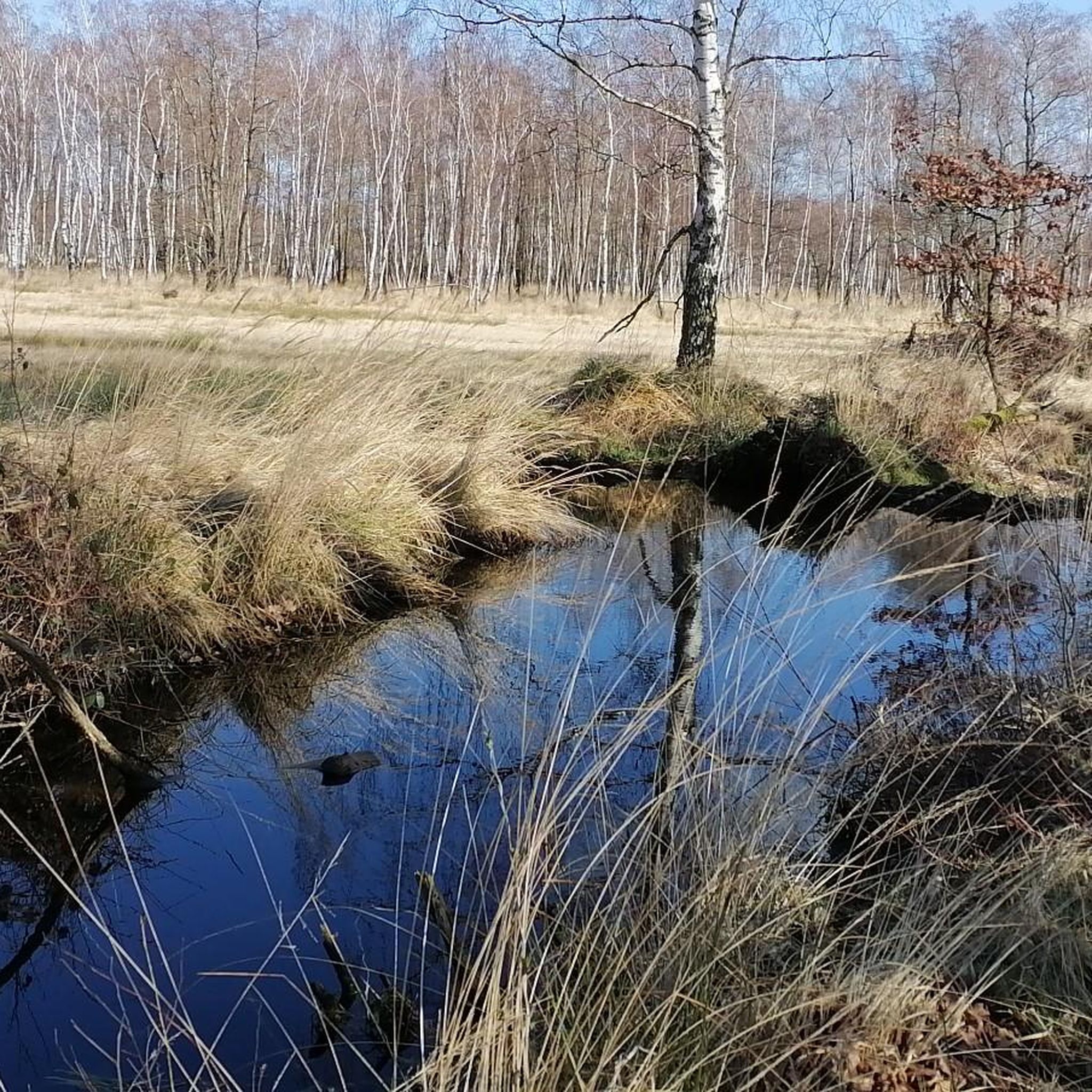
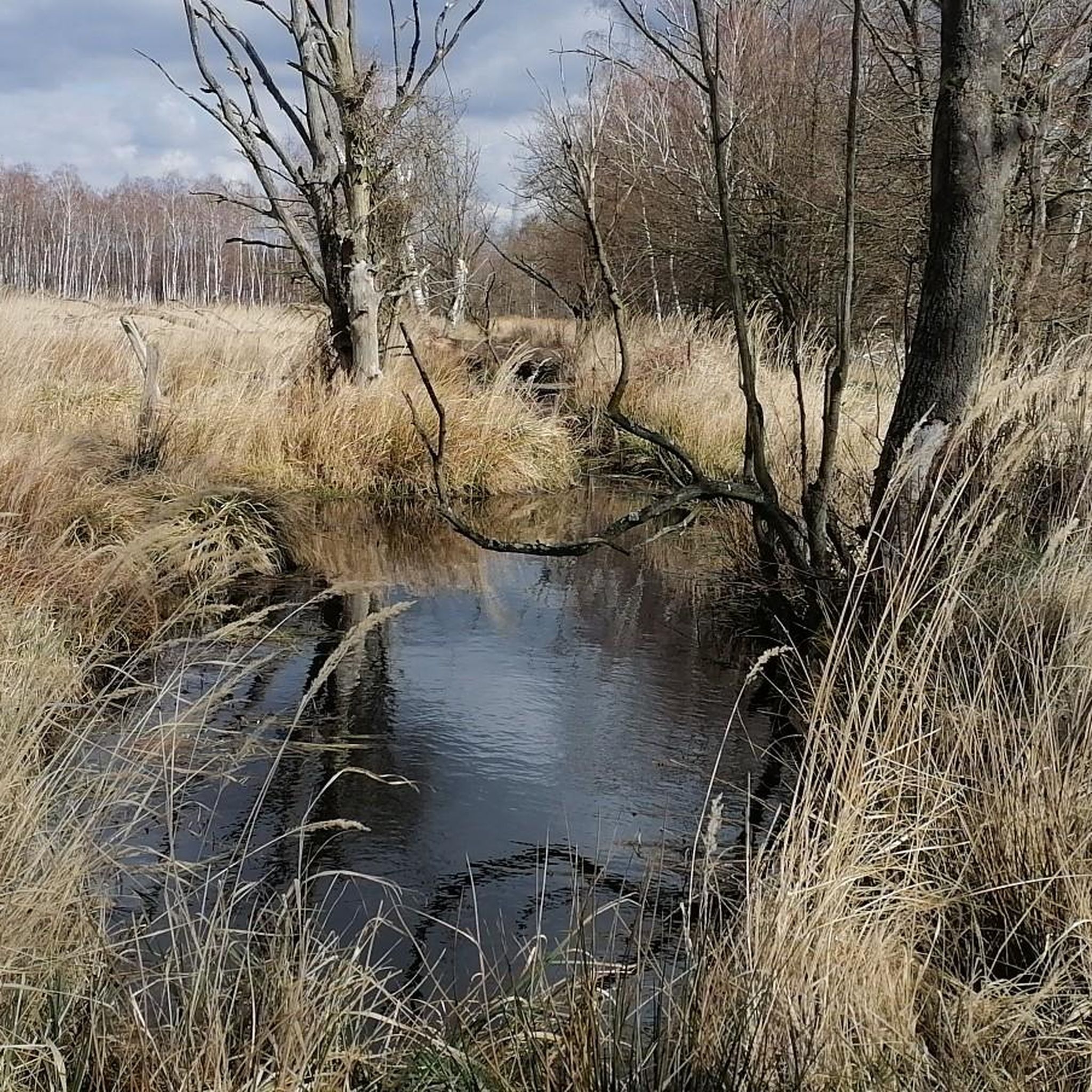
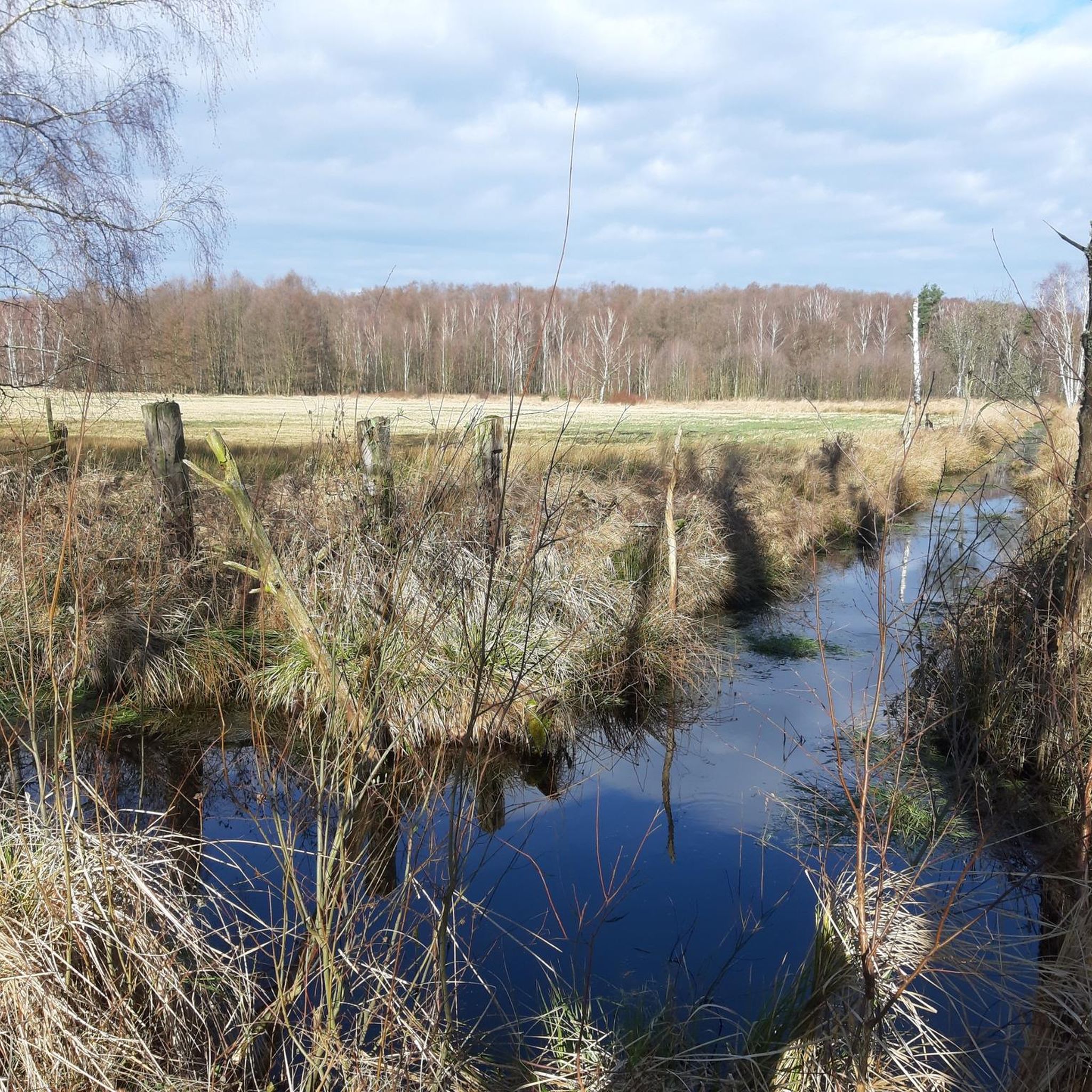
Hiking in Mahlpfuhler Fenn, a nature reserve in Stendal, Saxony-Anhalt, Germany, offers diverse landscapes for outdoor activities. The area is characterized by a significant acidic slope moor, fed by spring streams, alongside varied dune complexes and mixed forests. These forests include valuable oak mixed forests, birch-moor forests, and pine forests, providing a range of natural environments for hikers.
Best hiking trails in Mahlpfuhler Fenn
- The most popular hiking route is Beaver dam in Mahlpfuhler Fenn loop from Mahlpfuhler Fenn,…
Last updated: November 10, 2026
5.0
(2)
7
hikers
12.2km
03:08
50m
50m
Moderate hike. Good fitness required. Easily walkable paths.
3.0
(1)
4
hikers
14.0km
03:35
50m
50m
Moderate hike. Good fitness required. Easily walkable paths.

5.0
(1)
5
hikers
12.2km
03:11
90m
90m
Moderate hike. Good fitness required. Easily walkable paths.
3
hikers
15.3km
04:02
130m
130m
Moderate hike. Good fitness required. Easily walkable paths.
2.5
(2)
11
hikers
Easy hike. Easily walkable paths.
Get access to more routes and recommendations from other explorers.
Already have an account?
Our route recommendations are based on thousands of hikes, rides, and runs completed by other people on komoot.
Start today with a free account
Your next adventure awaits.
Tips from the Community

The former foundry of the Tangerhütte ironworks in the Stendal district, Saxony-Anhalt, is considered the historical birthplace of the industrial town of Tangerhütte. Founded in 1842, the plant developed rapidly under the industrialist Wagenführ family into a world-renowned center for art and machine casting. Around 1900, the plant employed more than 1,500 workers and achieved international fame. Before the construction of the foundry, the then village of Vaethen was a small rural settlement. Only the boom of the ironworks led to the settlement of workers, the construction of schools and infrastructure, and finally, in 1928, the renaming of the place to Tangerhütte. The listed complex comprises six historic brick halls with filigree cast-iron supporting structures. They reflect the typical industrial architecture of the 19th century. The protected ensemble also includes the factory owner's villas and an adjacent landscape park, which houses the famous art casting pavilion from the Paris World's Fair. After the Second World War, operations continued as VEB Eisenwerk. After the political changes in 1989, significant parts of the production facilities fell into disrepair and entered a period of vacancy lasting decades. Today, the approximately 16,000 square meter site between Industriestraße and Gießereistraße is a well-known lost place. As large parts of the roofs have collapsed, facades are unstable, and the halls are heavily overgrown, the town of Tangerhütte launched an unusual initiative in the summer of 2026: the ruinous but historically valuable area is being auctioned off with a symbolic minimum bid of 1 Euro. The town's goal is to find investors with a viable concept for creative, event, or modern commercial locations in order to save the historic building fabric from final decay. The "Aus einem Guss" e.V. support association has been committed to preserving this industrial cultural heritage for years. https://de.wikipedia.org/wiki/Eisenwerk_Tangerh%C3%BCtte
2
0
The mausoleum of the Wagenführ family is an impressive, listed building and one of the central landmarks in the city park of Tangerhütte. The mausoleum was built in 1883 by the Berlin architect Otto March. It was created as a resting place after the death of the industrialist and owner of the ironworks, Franz von Wagenführ. It is located somewhat hidden in the approximately 22-hectare city park of Tangerhütte, directly behind the New Palace. The park was laid out at the time with sightlines so that one could look directly at the mausoleum. The building is characterized by its historic brick construction. While the exterior appears well-maintained, the interior is currently suffering from severe saltpeter damage. Originally, the coffins of the family of manufacturers, who achieved great prosperity through the local Tangerhütte ironworks, were displayed in the basement. Until the 1970s, the building housed the family's remains. Today, the historic building stands empty, and there is currently no fixed plan for its use. As part of guided tours through the city park, the mausoleum can occasionally also be visited from the inside. https://www.euroreiseblog.de/der-stadtpark-in-tangerhuette/
2
0
The Old Castle Tangerhütte is a historic factory owner's villa in the Neo-Renaissance style, built in 1872–1874 in the northwest of the present-day city park of Tangerhütte. The striking building with a mansard roof served the industrialist Wagenführ family, the founders of the local ironworks, as a representative residence for decades. As the family seat became too small for the subsequent generation, the magnificent New Castle was built at the other end of the park just 36 years later (1909–1911). After the family's flight and expropriation in 1945, the building served as a field hospital, convalescent home, and tuberculosis sanatorium. During GDR times, it housed the local district polyclinic. After the fall of the Wall, the stately villa stood empty for a long time and increasingly fell into disrepair, becoming a "lost place". A few years ago, a private investor acquired the estate. Since then, the complex has been gradually renovated to revive it in the future as a hotel, spa, and event location. https://industriekultur-sachsen-anhalt.de/standorte/altmark/tangerhuette-altes-schloss
2
0
The Neues Schloss is located in the southeastern part of the park. It is a massive three-story building with eleven bays and a converted mansard roof. It was built in 1909 based on an Italian model. Above the portal and the outdoor staircase, there is a small balcony, and to the right and left of the staircase, there are sphinx replicas. Above the portal, the coat of arms of the Wagenführ von Arnim family can be seen. https://www.tangerhuette.de/de/sehenswuerdigkeiten/154243,1138,de,1.html
2
0

Founded in 1829, later one of the largest employers in the region.Specialized in cast iron, including stoves, building components, machine components.Large, extensive factory site along the current Industriestraße.Continued after 1990 as Eisenwerk Tangerhütte GmbH.Production was gradually discontinued; parts of the site are now empty or have been repurposed.
0
0

The Old Palace, built in 1888 by the Wagenführ industrial family, stood empty for a long time and fell into disrepair. Improvement is in sight. A Bulgarian investor is renovating it.
1
0
The castle (open only on special occasions) and the park are beautiful and recommended as a running route.
2
0

Unfortunately a forgotten place for some time!
3
0
Frequently Asked Questions
How many hiking trails are available in Mahlpfuhler Fenn?
Mahlpfuhler Fenn offers a wide variety of hiking opportunities, with over 90 routes recorded on komoot. These trails cater to different fitness levels, including 45 easy, 43 moderate, and 2 difficult options.
What kind of landscapes can I expect to see while hiking in Mahlpfuhler Fenn?
The region is characterized by unique and diverse landscapes. You'll encounter a significant acidic slope moor, fed by spring streams, alongside varied dune complexes. The area also features rich mixed forests, including valuable oak forests, birch-moor forests, and pine forests, offering a constantly changing natural environment.
Are there any family-friendly hiking routes in Mahlpfuhler Fenn?
Yes, Mahlpfuhler Fenn has numerous routes suitable for families. With 45 easy trails available, you can find paths that are less strenuous and enjoyable for all ages. One easy option is the Wagenführ Family Mausoleum – Old Castle Tangerhütte loop from Tangerhütte, which is 6.8 km long and takes about 2 hours to complete.
Can I bring my dog on the hiking trails in Mahlpfuhler Fenn?
Generally, dogs are welcome on trails in Mahlpfuhler Fenn. However, as it is a nature reserve known for its diverse wildlife, it's important to keep your dog on a leash to protect the local fauna and flora. Always check local signage for specific restrictions.
What unique wildlife or plants might I encounter in Mahlpfuhler Fenn?
Mahlpfuhler Fenn is a haven for biodiversity. You might spot various breeding birds like the European honey buzzard, woodcock, and crane. The reserve is also renowned for its rich diversity of rare dragonfly species. Botanically, the moors are home to unique plants such as common cranberry, round-leaved sundew, and bog-rosemary.
Are there any circular hiking routes in Mahlpfuhler Fenn?
Yes, many of the trails in Mahlpfuhler Fenn are designed as circular routes, allowing you to start and end at the same point. For example, the popular Bench Near Dolle – Beaver dam in Mahlpfuhler Fenn loop from Burgstall is a moderate 9 km circular trail that takes around 2 hours 20 minutes.
What is the best time of year to go hiking in Mahlpfuhler Fenn?
Mahlpfuhler Fenn offers unique experiences throughout the year. Spring brings blooming flora and active wildlife, while autumn showcases vibrant forest colors. Summer is ideal for longer hikes, and winter can offer serene, snow-covered landscapes, though conditions may vary. The diverse ecosystems make it a rewarding destination in any season.
Are there any specific points of interest or landmarks to look out for?
A notable point of interest within the reserve is a beaver dam, which can be explored as part of a loop trail. The Beaver dam in Mahlpfuhler Fenn loop from Mahlpfuhler Fenn is a popular moderate route that takes you past this natural attraction.
What do other hikers say about their experience in Mahlpfuhler Fenn?
The hiking trails in Mahlpfuhler Fenn are highly regarded by the komoot community, with an average rating of 4.5 stars from over 60 reviews. Hikers often praise the quiet woodlands, the unique moorland landscapes, and the well-maintained paths that make for an enjoyable outdoor experience.
Is there parking available near the trailheads in Mahlpfuhler Fenn?
Yes, parking is generally available near the main access points and trailheads for Mahlpfuhler Fenn. For specific starting points like Mahlpfuhl or Burgstall, you can usually find designated parking areas to begin your hike.
How can I reach Mahlpfuhler Fenn using public transport?
Mahlpfuhler Fenn is located near Tangerhütte. While direct public transport to every trailhead might be limited, you can typically reach nearby towns like Tangerhütte or Burgstall by regional bus or train services. From there, some trailheads may be accessible by a short walk or local connections. It's advisable to check current schedules for the most up-to-date information.
Most popular routes in Mahlpfuhler Fenn

Get inspired with the komoot mobile app


Explore more
Browse the best Hikes in other regions.
