The best cycling routes in Wittenberge-Rühstädter Elbniederung
4.5
(2923)
12,313
riders
277
rides
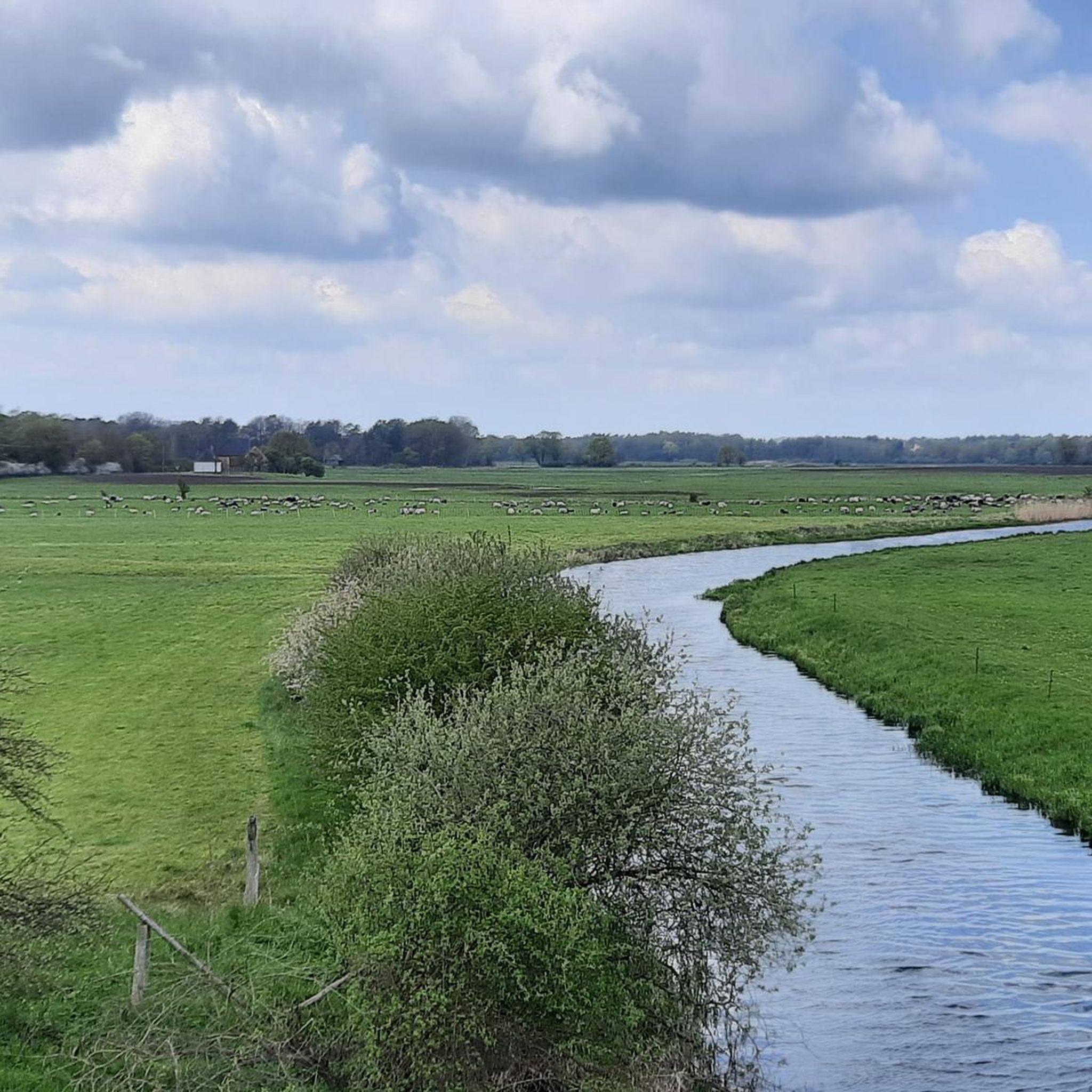
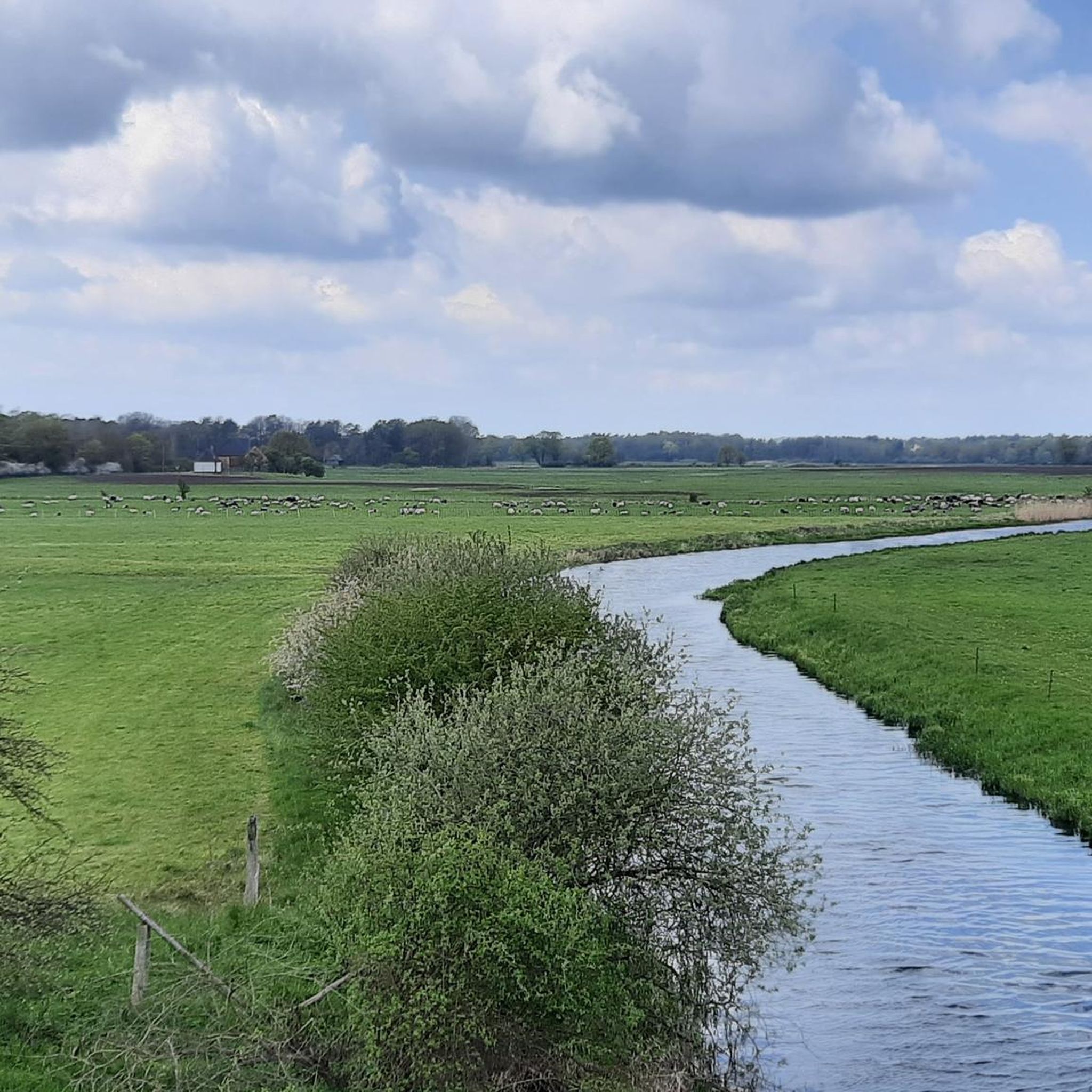
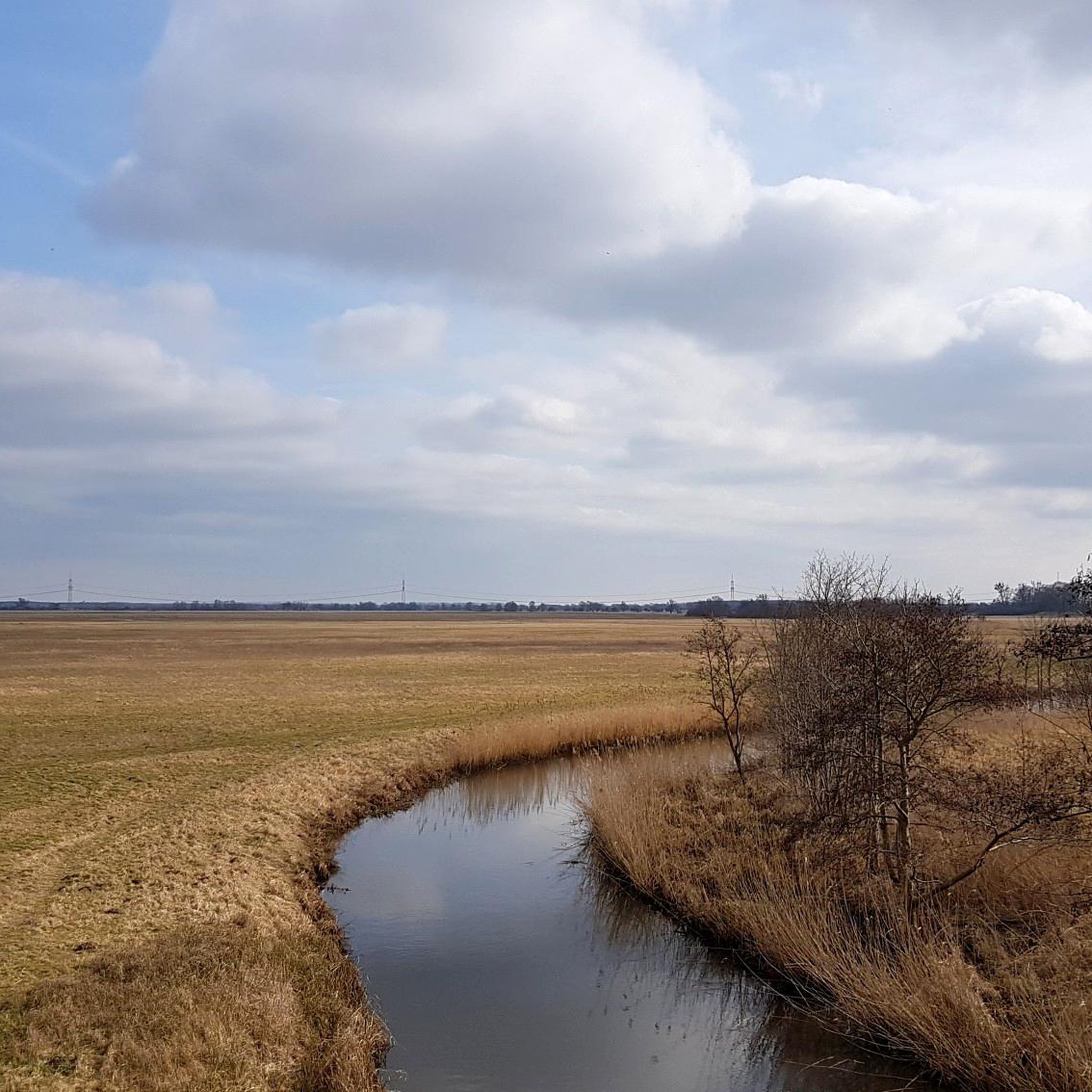
Touring cycling in Wittenberge-Rühstädter Elbniederung is characterized by its flat, riverine landscapes and extensive floodplains. The region is part of the UNESCO Elbe-Brandenburg River Landscape Biosphere Reserve, featuring meadows and forests along the Elbe River. Its well-developed cycling infrastructure includes sections of the Elbe Cycle Path, offering mostly flat terrain suitable for various skill levels. This area is known for its ecological significance and abundant wildlife, particularly bird species.
Best touring cycling routes in Wittenberge-Rühstädter Elbniederung
- The most popular touring…
Last updated: May 16, 2026
4.9
(8)
28
riders
20.1km
01:15
30m
30m
Easy bike ride. Great for any fitness level. Mostly paved surfaces. Suitable for all skill levels.
4.9
(14)
103
riders
Easy bike ride. Great for any fitness level. Mostly paved surfaces. Suitable for all skill levels.

Sign up for free
4.5
(4)
23
riders
Easy bike ride. Great for any fitness level. Mostly paved surfaces. Suitable for all skill levels.
5.0
(1)
22
riders
Easy bike ride. Great for any fitness level. Mostly paved surfaces. Suitable for all skill levels.
4.9
(7)
14
riders
Easy bike ride. Great for any fitness level. Mostly paved surfaces. Suitable for all skill levels.
Get access to more routes and recommendations from other explorers.
Sign up for free
Already have an account?
Our route recommendations are based on thousands of hikes, rides, and runs completed by other people on komoot.
Start today with a free account
Your next adventure awaits.
Login or Signup
Popular around Wittenberge-Rühstädter Elbniederung
Tips from the Community

The Steintor in Wittenberge is the city's oldest landmark, first mentioned in 1297. Rebuilt in its current form after a fire around 1430, it was the northwestern exit of the fortified city. The tower, formerly called "Alter Turm" (Old Tower), served as a prison in the 19th century and has housed a local history museum since 1928.
1
0

Opening hours: Wed–Fri 1–6pm Sat–Sun 11am–6pm Summer opening hours may vary, please check our website.
0
0

The village church of Rühstädt, also known as Quitzow Church, dates back to the 15th century. It was built under the influence of the noble von Quitzow family, who shaped the village for a long time. The original late Gothic brick building with a semicircular apse was remodeled in the Baroque style in the 18th century and a striking west tower was added. Important furnishings have been preserved inside, including a late Gothic carved altarpiece, several tombstones of the von Quitzow family, and a historic organ from 1738. A late Gothic mural of the Last Judgment in the apse is particularly noteworthy. Today, the church is a listed building and part of the Open Churches Initiative, meaning it is often open to visitors.
1
0
The observation tower on the Elbe Cycle Path near Bälow is situated in the heart of the Elbe floodplains and offers a panoramic view of the river landscape, dikes, and meadows of the Prignitz region. It primarily serves as a rest stop and viewpoint for cyclists on the Elbe Cycle Path, as well as an observation point for the diverse birdlife of the Elbe River Landscape Biosphere Reserve. From the elevated platform, numerous water birds and meadow birds can be observed, especially during migration seasons, thus combining landscape observation with a nature experience.
0
0
The Old Main Customs Office in Wittenberge dates back to the 19th century and served to monitor the flow of goods across the Elbe River. After years of disuse, it was renovated and converted into modern apartments, while preserving its historical appearance. The building remains a testament to Wittenberge's economic importance in Elbe River trade.
0
0
A truly brilliant idea! As a cyclist, you immediately feel welcome here. A small measure with a big impact, very well implemented.
0
0

You should definitely take a ride on your road bike here, despite the cobblestones.
2
0

Delicious cakes and coffee in a cozy atmosphere.
0
0
Frequently Asked Questions
What kind of terrain can I expect on touring cycling routes in Wittenberge-Rühstädter Elbniederung?
The region is characterized by its flat, riverine landscapes and extensive floodplains, making for mostly easy cycling. Routes often follow the Elbe River dike, providing well-maintained and perfectly paved paths suitable for all skill levels. You'll find minimal elevation changes, ideal for relaxed touring.
Are there family-friendly cycling routes in Wittenberge-Rühstädter Elbniederung?
Yes, the flat and well-maintained paths make the region highly suitable for families. Many routes, like the Village Church Rühstädt – Stork Village Rühstädt loop from Rühstädt, are classified as easy and offer a pleasant experience for cyclists of all ages. The Elbe Cycle Path section here is particularly known for its family-friendly nature.
What are the best times of year to go touring cycling in this region?
Spring and summer are ideal for cycling, offering mild weather and vibrant natural scenery, especially for observing the famous storks in Rühstädt. Autumn also provides beautiful tours with colorful foliage. The region's flat terrain makes it enjoyable across these seasons.
What wildlife can I expect to see while cycling in Wittenberge-Rühstädter Elbniederung?
The region is an 'eldorado for bird watching' and part of the UNESCO Elbe-Brandenburg River Landscape Biosphere Reserve. You can frequently spot cranes in the meadows around the Karthane river. Rühstädt, known as a 'European Stork Village,' is particularly famous for its numerous stork nests during spring and summer, offering captivating wildlife observations.
Are there any circular touring cycling routes available?
Yes, there are several circular routes designed for touring cyclists. For example, the Bike loop from Rühstädt offers a pleasant 20 km ride through the Elbe lowlands. Another option is the Hafenspeicher Wittenberge – Old Oil Mill Wittenberge loop from Aland-Elbe-Niederung, which explores the Elbe River landscape.
What interesting landmarks or natural features can I see along the cycling routes?
You'll find a variety of sights, from natural wonders to historical architecture. Notable spots include the picturesque Confluence of the Gnevsdorfer Vorfluter and the Elbe, the scenic Bridge Over the Karthane, and the historic town of Wittenberge with its Old Town Hall and Europe's largest clock tower. The village of Rühstädt itself is a landmark, famous for its storks.
How many touring cycling routes are there in Wittenberge-Rühstädter Elbniederung?
There are over 280 touring cycling routes available in Wittenberge-Rühstädter Elbniederung, catering to various preferences. The majority of these, around 170, are classified as easy, making the region very accessible for casual cyclists and families.
What do other touring cyclists enjoy most about cycling in Wittenberge-Rühstädter Elbniederung?
The area is highly rated by the komoot community, with an average score of 4.5 stars from over 2,800 reviews. Reviewers often praise the region's flat, well-maintained paths, the serene riverine landscapes, and the abundant opportunities for wildlife spotting, especially the storks in Rühstädt.
Is it possible to combine cycling with public transport in the region?
Yes, the region is generally well-connected, and many local trains and buses allow for bicycle transport, though it's always advisable to check specific schedules and regulations for bike carriage with the respective transport providers, especially during peak times.
Are there any challenging routes for experienced touring cyclists?
While the region is predominantly flat, offering many easy routes, there are still options for those seeking a bit more distance or a longer day out. Approximately 30 routes are rated as difficult, often involving longer distances rather than significant elevation changes, allowing experienced cyclists to explore more extensively, such as the Wunderblut Church of St. Nikolai – Groß Lüben Village Church loop from Rühstädt.
Can I bring my dog on cycling tours in Wittenberge-Rühstädter Elbniederung?
Generally, dogs are welcome on cycling paths in the region. However, it's essential to keep your dog on a leash, especially in nature reserves and near wildlife, and to ensure they are well-behaved around other cyclists and pedestrians. Always carry water for your pet and clean up after them.
Where can I find parking for my car when starting a cycling tour?
Many towns and villages along the Elbe Cycle Path and other routes, such as Wittenberge and Rühstädt, offer designated parking areas. Look for public parking lots near train stations or town centers, which are often conveniently located for accessing the cycling network.
Are there places to eat and stay along the cycling routes?
Yes, the region features picturesque villages and towns like Rühstädt and Wittenberge, which offer various amenities for cyclists. You'll find cafes, restaurants, and accommodation options ranging from guesthouses to hotels, particularly along the popular Elbe Cycle Path. It's recommended to book accommodation in advance during peak season.
Most popular routes in Wittenberge-Rühstädter Elbniederung
Most popular attractions in Wittenberge-Rühstädter Elbniederung

Get inspired with the komoot mobile app


Explore more
Browse the best Cycling routes in other regions.
