Rezerwat Polder Sątopy-Samulewo
Rezerwat Polder Sątopy-Samulewo
The best cycling routes in Rezerwat Polder Sątopy-Samulewo
4.6
(53)
180
riders
24
rides
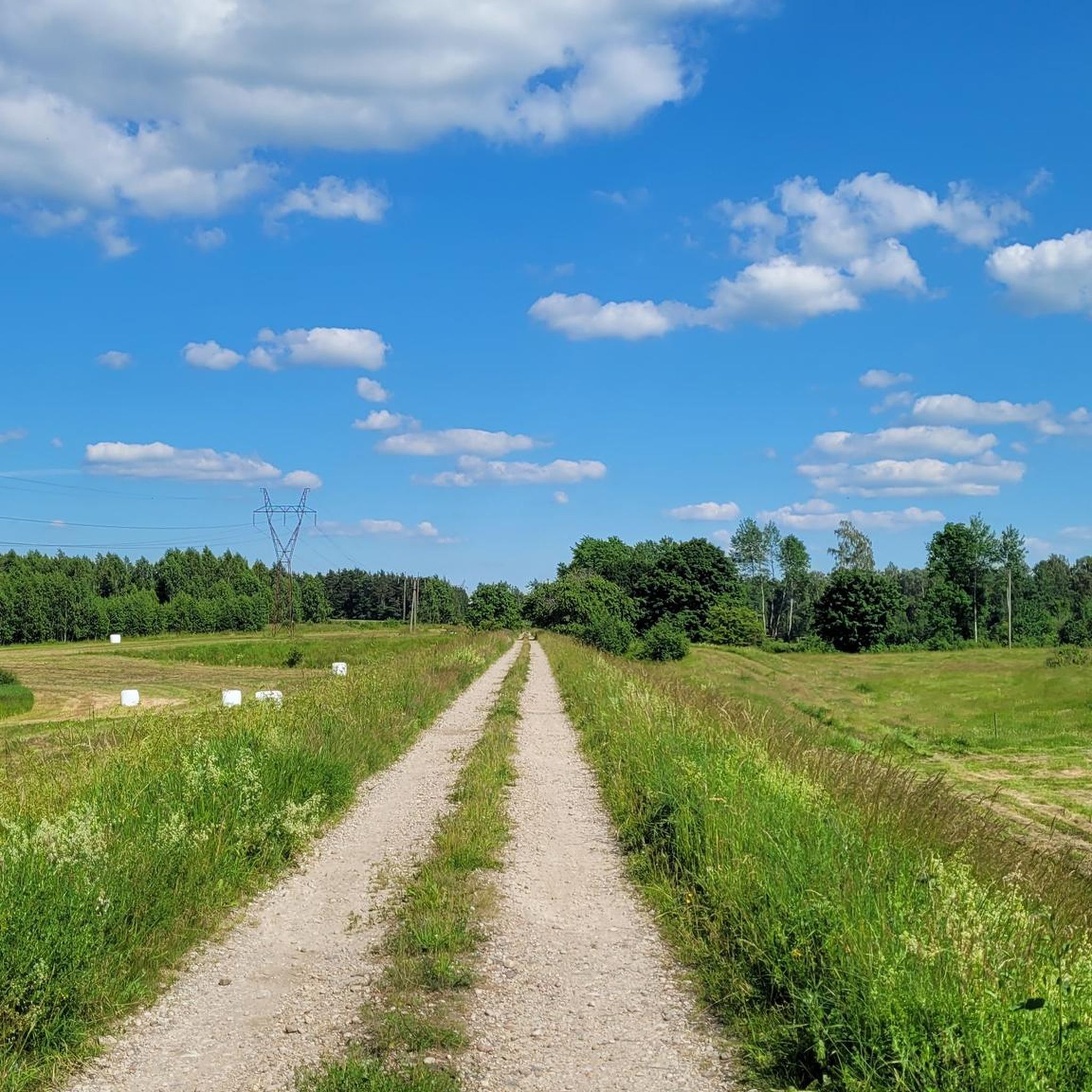
Touring cycling in Rezerwat Polder Sątopy-Samulewo offers routes through a unique wetland landscape, characterized by flat, open terrain. This area, once a drained lake, now features an extensive, shallow reservoir with numerous islands, reed beds, and mud flats. The surrounding agricultural fields contribute to expansive views, providing a serene cycling experience.
Best touring cycling routes in Rezerwat Polder Sątopy-Samulewo
- The most popular touring cycling route is Devil's Stone – 18th-Century Roadside Shrine loop from Unikowo, an easy 17.6 miles…
Last updated: October 1, 2026
4.3
(7)
35
riders
Hard bike ride. Very good fitness required. You may need to push your bike for some segments of this route.
2
riders
31.5km
01:52
200m
200m
Moderate bike ride. Good fitness required. Mostly paved surfaces. Suitable for all skill levels.

4
riders
28.3km
01:39
150m
150m
Easy bike ride. Great for any fitness level. Mostly paved surfaces. Suitable for all skill levels.
5.0
(2)
6
riders
9.54km
00:36
70m
70m
Easy bike ride. Great for any fitness level. Mostly paved surfaces. Suitable for all skill levels.
4.5
(2)
25
riders
11.6km
00:43
70m
70m
Easy bike ride. Great for any fitness level. Mostly paved surfaces. Suitable for all skill levels.
Get access to more routes and recommendations from other explorers.
Already have an account?
Our route recommendations are based on thousands of hikes, rides, and runs completed by other people on komoot.
Start today with a free account
Your next adventure awaits.
Popular around Rezerwat Polder Sątopy-Samulewo
Tips from the Community

The Bernardine Monastery (a branch of the Franciscans) in Stoczek Klasztorny is one of the most important places related to the history of the Church in Poland. In the years 1953–1954, it was the place of internment for Primate Stefan Wyszyński, the head of the Catholic Church in Poland in the mid-20th century, by the communist authorities. Currently, the monastery houses a museum dedicated to his stay and the preserved internment cell. The physical conditions that Wyszyński had in this prison were significantly better than those of other opposition activists. I don't understand why this insignificant 2-year period of imprisonment is the object of such veneration. A place worth visiting. Especially since the sanctuary and monastery are currently under the care of the Marian Fathers (Congregation of Marian Fathers of the Immaculate Conception of the Blessed Virgin Mary), who have served there since 1959.
0
0

On the way to the lost place. There will soon be a way inside. Unfortunately, I was a bit too early.
2
0

The castle in Barciany is an impressive example of Gothic Teutonic architecture from the 14th century, located on a small hill surrounded by former marshes. Although it lacks tall towers, it has retained its massive shape and defensive character, making it an interesting testimony to the evolution of monastic castles. After the war, it served economic functions and is currently closed to visitors, although its silhouette can be admired from the outside. The castle is easy to reach by bike, it is worth planning a short stop here for photos and to learn the history of the place.
3
0

Święta Lipka, although a small village in Kętrzyn County (Reszel commune), is known throughout Poland, thanks to the famous Marian Sanctuary. The Święta Lipka Basilica of the Visitation of the Blessed Virgin Mary, together with the cloister and monastery, is a Baroque monument. Since 2018, it has had the status of a historical monument. The beginning of the cult of the Mother of God in Święta Lipka dates back to the early 14th century. According to legend, a prisoner sentenced by the court in Kętrzyn placed a figure of the Mother of God on a lime tree, and thanks to the prayers offered to her, he was pardoned. Since then, pilgrims have been coming to the village not only from Warmia, but also from further afield, e.g. from Warsaw, Białystok, and even Vilnius.
0
0

In this place, in the mid-14th century, the Augustinians built a church and a monastery. In 1524 they left Reszel. In 1580, after collapsing, it was rebuilt. In the 17th century, the church was managed by the Jesuits, who ran a school here (the Reszel College). In 1798, the church was demolished (it started to crack) and in the years 1799-1800, another one was built, which still stands today. In 1963, the church was handed over to the Greek Catholics.
0
0
The chapel building was founded in 1733 by the Markuszewski family. In 1929, the chapel was expanded. Baroque style, inside there is a Rococo altar designed by Christian Bernard Schmidt and 4 candlesticks made in Königsberg. The chapel is clearly visible from roads no. 590 and 594. A local road leads right to the building.
0
0

There is a restaurant in the castle courtyard - good food, decent beer.
0
0

Lidzbark Castle in Warmia
0
0
Frequently Asked Questions
How many touring cycling routes are available in Rezerwat Polder Sątopy-Samulewo?
There are over 15 touring cycling routes available in Rezerwat Polder Sątopy-Samulewo, catering to various preferences and skill levels.
What is the general difficulty level of touring cycling routes in Rezerwat Polder Sątopy-Samulewo?
The routes in Rezerwat Polder Sątopy-Samulewo are predominantly easy, with 9 easy routes, 6 moderate routes, and 2 more challenging options. This makes the area suitable for a wide range of cyclists.
What kind of landscape can I expect while cycling in Rezerwat Polder Sątopy-Samulewo?
You can expect a flat, open wetland landscape, characterized by extensive reed beds, mud flats, and surrounding agricultural fields. This unique environment, originating from a drained and refilled lake, offers expansive views and a serene cycling experience.
What makes Rezerwat Polder Sątopy-Samulewo unique for touring cyclists?
The reserve is renowned for its exceptional ornithological value, serving as a critical breeding ground and resting area for migratory birds. Cyclists can enjoy observing a diverse array of bird species, including Golden Plovers, Lapwings, and Common Cranes, especially during spring and autumn.
Are there any circular touring cycling routes in the reserve?
Yes, the reserve features several circular trails. For example, the Devil's Stone – 18th-Century Roadside Shrine loop from Unikowo is an easy 17.6-mile route offering views of the open wetland landscape.
Is Rezerwat Polder Sątopy-Samulewo suitable for family cycling trips?
Yes, the flat terrain and wide paths make Rezerwat Polder Sątopy-Samulewo very suitable for family cycling. Many routes are categorized as easy, providing a comfortable and enjoyable experience for all ages. An example is the Chapel. – Very sandy section loop from Reszel, which is an easy 7.3-mile route.
What is the best time of year for touring cycling in Rezerwat Polder Sątopy-Samulewo?
The best seasons for touring cycling, especially for birdwatching, are spring and autumn. During these times, migratory birds are abundant, and the weather is generally pleasant for cycling. The flat landscape also makes it accessible for cycling in most conditions.
Are there options for parking near the touring cycling routes?
While specific parking areas are not detailed, the accessibility of the reserve suggests that parking is generally available in nearby towns or designated areas around the reserve's entry points. It's advisable to check local information for the most convenient parking spots before your visit.
How accessible are the touring cycling routes in Rezerwat Polder Sątopy-Samulewo?
The touring cycling routes are highly accessible due to the flat and open landscape. Many paths are wide, making them comfortable for bicycles. This ensures a comfortable experience for riders of various fitness levels.
What do other touring cyclists enjoy the most about touring cycling in Rezerwat Polder Sątopy-Samulewo?
The area is highly rated by the komoot community, with an average score of 4.7 stars from over 50 reviews. Reviewers often praise the serene natural beauty, the opportunities for birdwatching, and the relaxed, flat cycling conditions. The Reszel Old Town – Reszel Castle loop from Reszel is a local favorite, offering a mix of natural scenery and historical landmarks.
Can I combine cycling with exploring historical sites in the region?
Yes, some routes offer a blend of natural scenery and historical landmarks. For instance, the Reszel Castle – Reszel Old Town loop from Reszel is a moderate 33.5-mile trail that allows you to experience both the open fields of the reserve and the historic charm of Reszel.
Are there any routes that focus purely on the natural wetland environment?
Absolutely. Many routes are designed to immerse you in the unique wetland environment. The flat, open terrain and extensive reed beds are central to the cycling experience, offering continuous views of the natural features and opportunities for wildlife spotting.
Most popular routes in Rezerwat Polder Sątopy-Samulewo

Get inspired with the komoot mobile app


Explore more
Browse the best Cycling routes in other regions.
