Attractions and Places To See in Rezerwat Rzeka Drwęca - Top 20
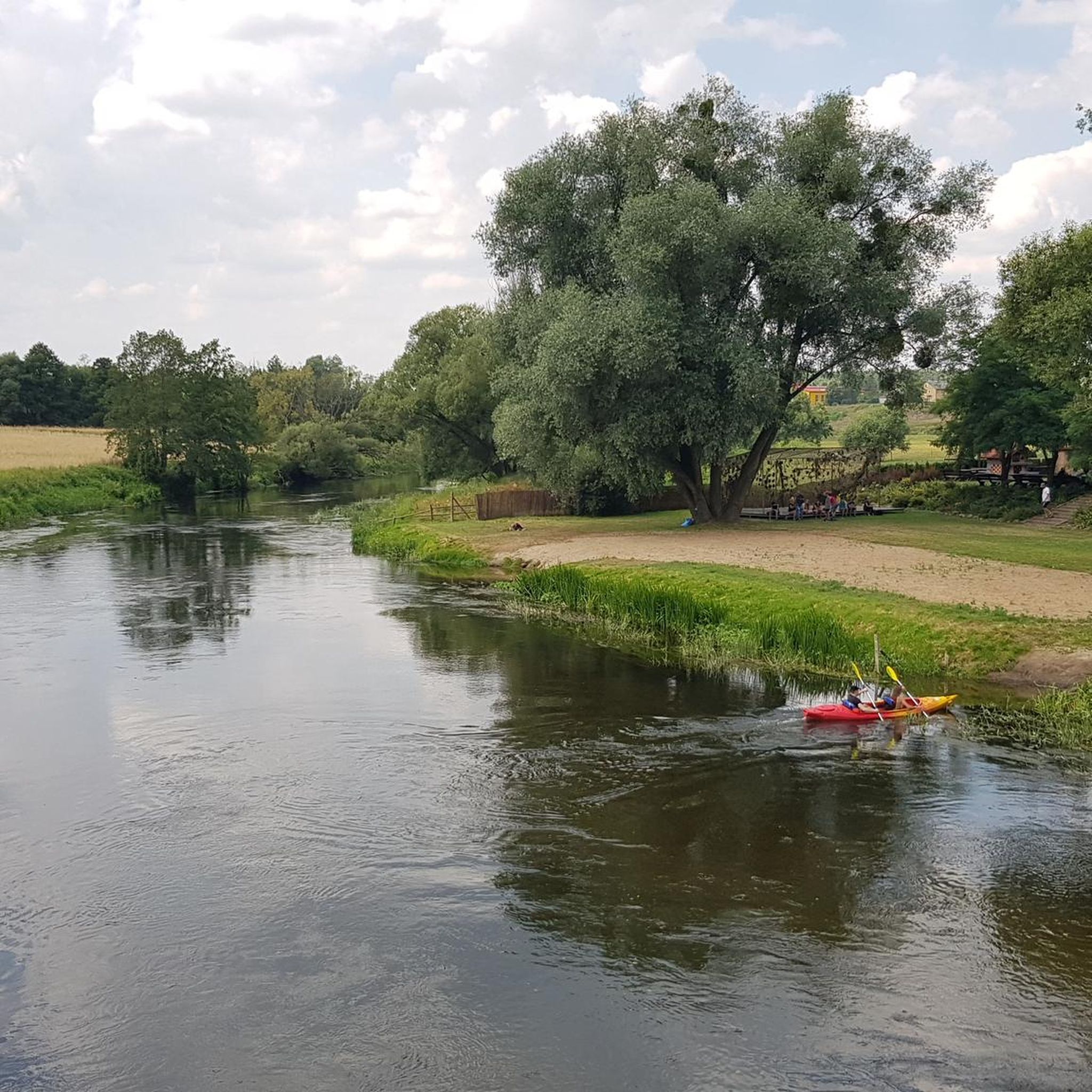
Best attractions and places to see in Rezerwat Rzeka Drwęca are centered around Poland's longest ichthyological nature reserve, the Drwęca River. This region is characterized by its diverse ecosystems, including the protected river, numerous lakes, and the Brodnicki Landscape Park. Visitors can explore natural features and historical sites in the towns adjacent to the river's course. The area offers opportunities to observe wildlife and experience the natural landscape.
Best attractions and places to see in Rezerwat Rzeka Drwęca
- The most…
Last updated: October 9, 2026
Railway Bridge over the Drwęca in Czarny Róg
Highlight • Bridge
Formerly a bridge over the Drwęca River for railway line No. 257 - connecting Ostróda station with Miłomłyn station. In …
Translated by Google •
Tip by

Ostróda Lakeside Promenade
Highlight • Trail
Translated by Google •
Tip by

Sign up now to discover places like this
Get recommendations on the best single tracks, peaks, & plenty of other exciting outdoor places.
Ostróda Teutonic Castle
Highlight • Castle
Translated by Google •
Tip by
Fountain With Child Statue
Highlight • Monument
Translated by Google •
Tip by

Historic Border Crossing on the Drwęca Bridge
Highlight • Historical Site
Translated by Google •
Tip by

Sign up for free to discover even more attractions in Rezerwat Rzeka Drwęca.
Already have an account?
Start today with a free account
Your next adventure awaits.

Tips from the Community

You have to drive sideways because the gate is closed.
0
0

The Zamek Krzyżacki Castle is part of the long history of the Teutonic Order, a powerful military and religious organization that had great influence in Eastern Europe during the Middle Ages. Originally founded as a hospital order in the Holy Land, the Teutonic Order began conquering and Christianizing the pagan territories in what is now Poland and the Baltic States from the 13th century onwards, building numerous castles as administrative centers and military bases. The castle itself served as an important fortress and administrative seat in the region, especially during the conflicts between the Teutonic Order and the Kingdom of Poland-Lithuania. The famous Battle of Grunwald (1410), in which the Teutonic Knights suffered a decisive defeat against the combined Polish-Lithuanian forces, marked a turning point for the Order. Even though the castle was not abandoned afterward, the Teutonic Order gradually lost power. Over the centuries, the castle underwent numerous changes and reconstructions, especially after the secularization of the Order in the 16th century, when it served various purposes, including as a residence and later as a storage facility. Today it is a testimony to this eventful history and an important place of remembrance of the region's medieval past.
0
0
While the water features gently bubble up from the ground, you can make yourself comfortable on one of the surrounding benches. The small fountains provide a pleasant cooling effect, especially on warmer days, and conjure up a playful atmosphere. The sculpture in the center of the fountain attracts curious glances, while children frolic excitedly between the water jets. Even though it inevitably gets wet, the fun seems to be worth the small risk. A beautiful place that is ideal for a short break when exploring the city. Whether for a refreshment or just to watch the people passing by, this is a great place to enjoy the moment.
0
0
The Ostróda seafront promenade is a beautiful place that offers more than just a path along the water. The wide footpath and cycle path runs right along the shore and opens up new views of the lake, whose surface shimmers in different colors depending on the time of day. As you stroll, you can feel the fresh breeze and enjoy the hustle and bustle of people walking, cycling or simply sitting on one of the benches and enjoying the view. Just a few steps away, the old Teutonic castle towers up, telling its own story. From the masters of the Teutonic Order to Gustav Adolf of Sweden and Napoleon - many famous people have left their mark here. The castle forms an exciting contrast to the modern promenade and is worth a detour to immerse yourself a little in the history of the region. At the pier, you have the opportunity to take a boat trip across the lake district or even to the Elbląg Canal. These tours offer a relaxed opportunity to experience the surrounding nature from a different perspective. The promenade itself is a lively place that invites you to linger, be it for a break by the water or a longer walk along the lake.
0
0
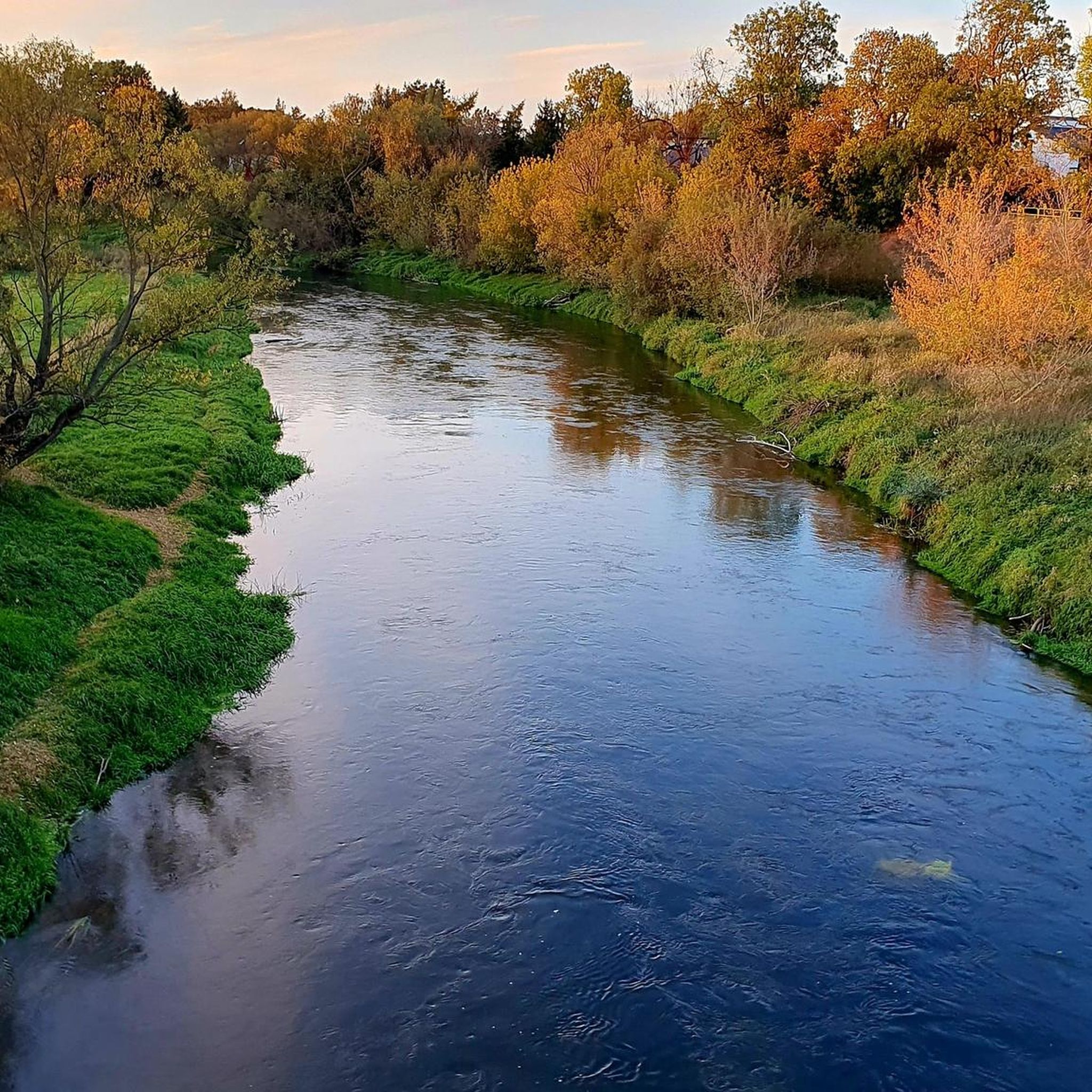
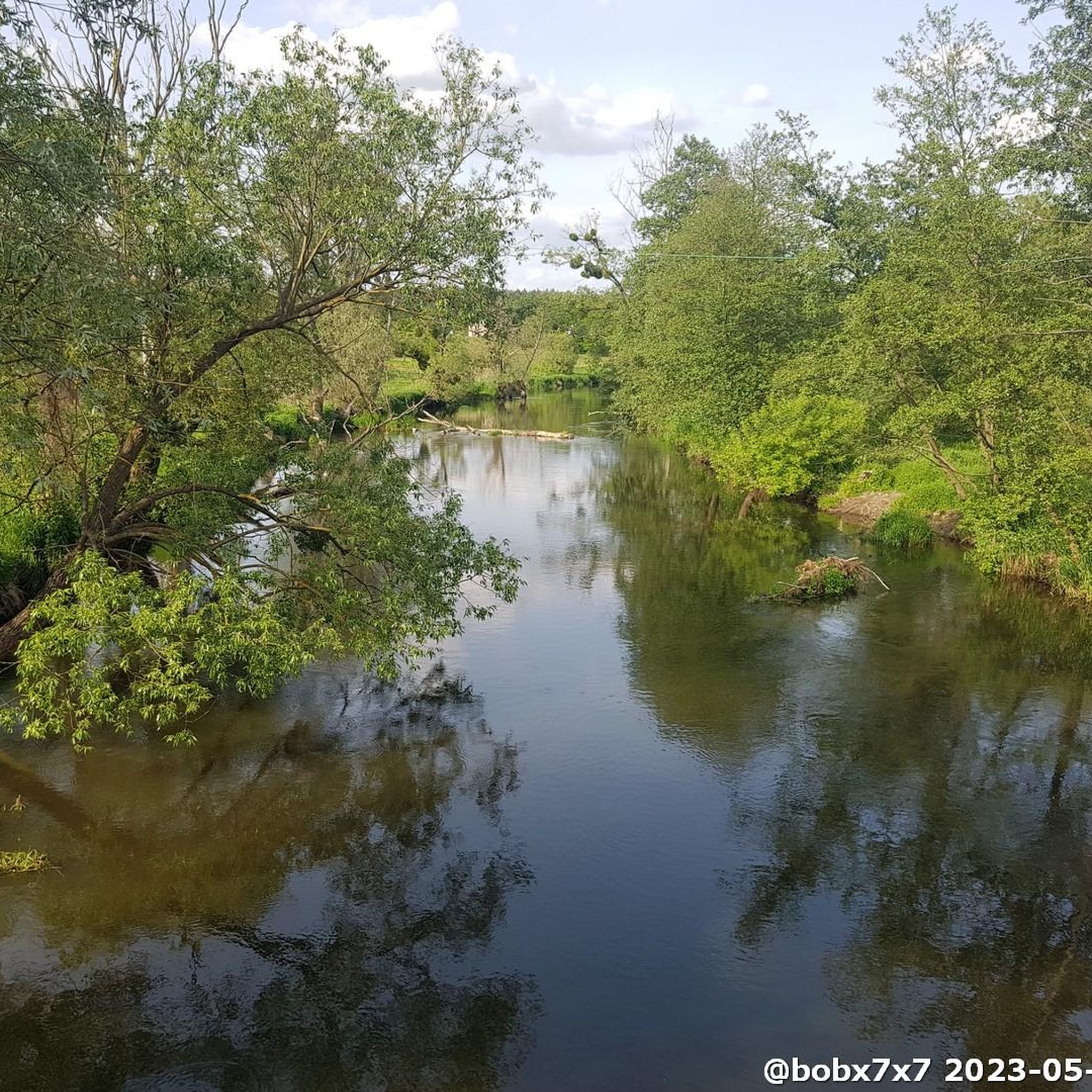
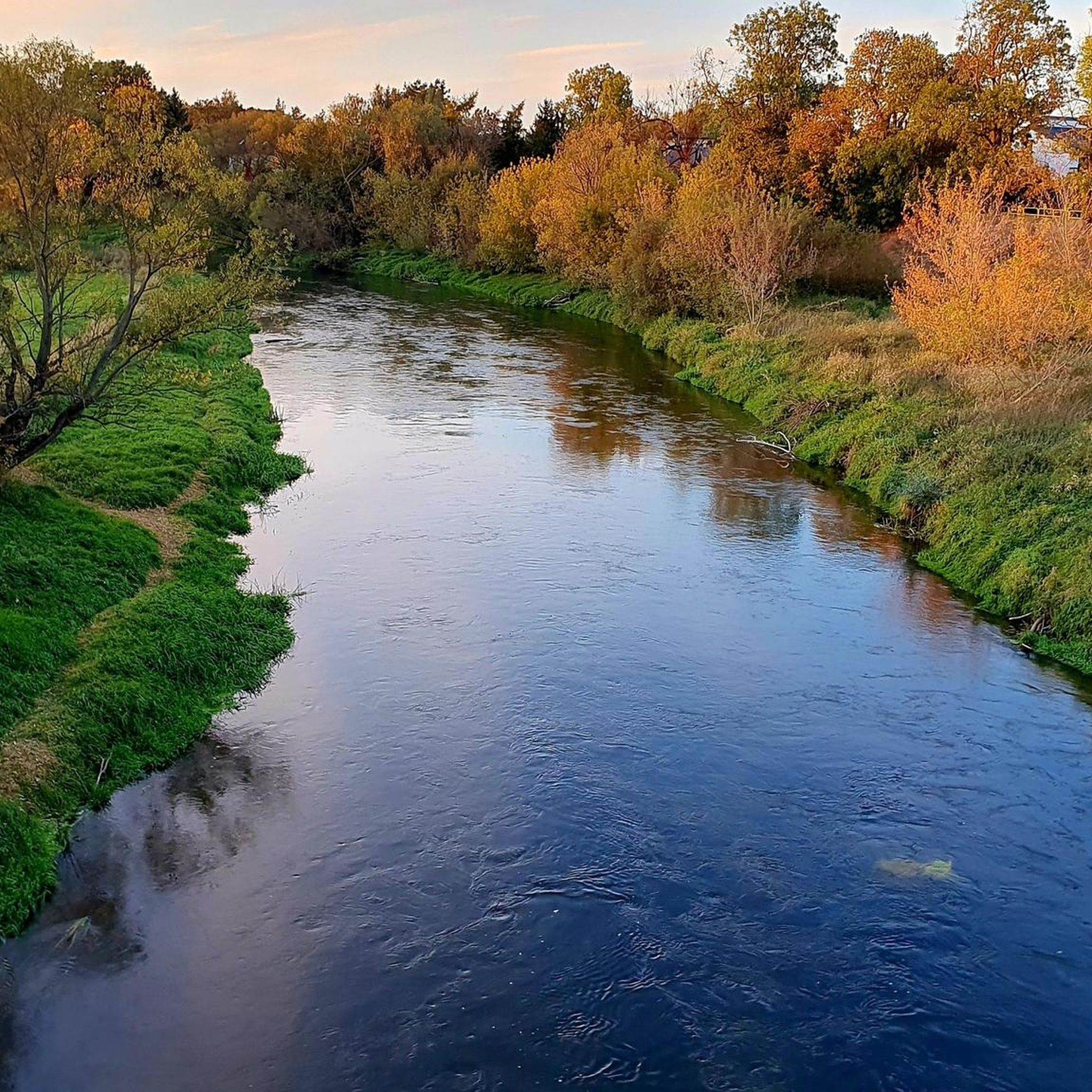
The old railway bridge has something abandoned about it, as if it has already witnessed many a story. The rails have long been overgrown with moss and grass, and the beams creak quietly in the wind. Here, in the middle of the greenery, the former railway traffic is only a memory that resonates in the rusty railings and faded wooden planks. It almost feels like you are walking through a time capsule. The bridge not only connects the banks of the small river, but also the past with the present. You can literally feel how the trains once rattled here - a thought that gives the place a certain melancholy. The view from the bridge offers a charming view of the surrounding nature, which is reflected in the water and offers a moment of silence. Although the bridge is no longer passable, it remains a silent witness to history and a worthwhile detour for anyone who wants to discover the forgotten places on their hikes. A bit of a sense of adventure is required here, because the path is bumpy and the traces of time are unmistakable.
0
0

The gate standing in this place commemorates the state border. It was built in January 2020 on the occasion of the 100th anniversary of the liberation of Golub by the Blue Army of General Haller (hence the name of 17 Stycznia Street). For years, the Drwęca was a border river, the crossing was located in this place. The Middle Ages was the border between the Kingdom of Poland and the state of the Teutonic Order. The time of partitions was the border between the Kingdom of Prussia (Golub) and the Russian Empire (Dobrzyń). Before WWII, both cities administratively belonged to different voivodeships, they merged in 1951 and the border of these voivodeships was of course the Drwęca. Today, the river separates two church dioceses - Golub and the local parish belong to the Toruń diocese, Dobrzyń to the Płock diocese.
2
0

Bridge over the Drwęca River in Czarny Róg, tourist path. Formerly a bridge over the Drwęca River for railway line No. 257 - connecting Ostróda station with Miłomłyn station. In June 1992, passenger traffic was suspended and freight traffic in 1994.
2
0

A nice place and fun for children in summer.
1
0
Frequently Asked Questions
What natural attractions can I explore in Rezerwat Rzeka Drwęca?
The core natural attraction is the Drwęca River itself, recognized as Poland's longest ichthyological nature reserve, vital for various fish species and wetland birds. You can also visit the Bagienna Dolina Drwęcy, a significant bird sanctuary, and explore several flow-through lakes like Jezioro Drwęckie. A large part of the reserve lies within the Brodnicki Landscape Park, offering diverse post-glacial landscapes with numerous lakes and forests.
Are there opportunities for canoeing or kayaking on the Drwęca River?
Yes, the Drwęca River is highly regarded as one of Poland's most scenic canoeing routes. It offers varied scenery, from calm stretches to sections with rapids, making it suitable for both beginners and experienced paddlers. The river winds through picturesque forests, meadows, and gorges.
What historical sites are located near the Drwęca River attractions?
Several historical sites are found in towns adjacent to the Drwęca River. These include the significant Ostróda Teutonic Castle, the impressive 14th-century Brodnica Castle Ruins with its octagonal tower, and the Golub-Dobrzyń Castle. Additionally, the old, disused Railway Bridge over the Drwęca in Czarny Róg offers a historical feel and views of the surrounding nature.
Are there family-friendly activities or attractions in Rezerwat Rzeka Drwęca?
Yes, the region offers several family-friendly options. The Ostróda Lakeside Promenade is great for walks and cycling, with boat trips available. The Fountain With Child Statue in Ostróda is a playful spot where children can cool off. Many hiking trails, especially in the Brodnicki Landscape Park, are suitable for families, and educational paths like "Bobrowiska" allow for wildlife observation.
What kind of hiking and walking trails can I find in the area?
The region boasts a network of trails suitable for hiking and Nordic walking, particularly around Lake Bachotek and within the Brodnicki Landscape Park. These trails offer opportunities to explore varied terrain, including moraine ridges and extensive forests. For easy walks, consider routes like the Ostróda Lakeside Promenade – Fountain With Child Statue loop or the Ostróda Teutonic Castle – Ostróda Lakeside Promenade loop.
What outdoor activities can I do near these attractions?
Beyond exploring the attractions, you can enjoy various outdoor activities. The Drwęca River is excellent for canoeing and kayaking. The surrounding areas offer extensive networks for hiking, cycling, and mountain biking. You can find specific routes, such as MTB trails and running trails, in the guides for Rezerwat Rzeka Drwęca.
What is the best time to visit Rezerwat Rzeka Drwęca for outdoor activities?
The best time to visit for outdoor activities like canoeing, hiking, and birdwatching is typically during the warmer months, from spring to early autumn. In spring, the Bagienna Dolina Drwęcy is particularly vibrant with hundreds of swans, wild geese, and cranes visible on its floodplains.
Are there any viewpoints or scenic spots in Rezerwat Rzeka Drwęca?
Yes, the region offers several scenic spots. The Ostróda Lakeside Promenade provides beautiful views of the lake. From the octagonal tower of the Brodnica Castle Ruins, you can enjoy panoramic views of the town and the Drwęca valley. The Railway Bridge over the Drwęca in Czarny Róg also offers charming views of the surrounding nature reflected in the water.
What kind of wildlife can I expect to see in Rezerwat Rzeka Drwęca?
As an ichthyological nature reserve, the Drwęca River is home to diverse fish species, including trout, salmon, grayling, vimba, and river lamprey. The Bagienna Dolina Drwęcy is a crucial habitat for water and wetland birds, where you can observe swans, wild geese, and cranes. Educational paths like "Bobrowiska" on the Skarlanka River also offer opportunities for beaver observation.
Can I find places to eat or stay near the attractions?
While the reserve itself is focused on natural preservation, the towns adjacent to the Drwęca River, such as Ostróda, Brodnica, and Nowe Miasto Lubawskie, offer various amenities including cafes, pubs, restaurants, and accommodation options. These towns are well-equipped to cater to visitors exploring the region.
Is public transport available to reach attractions in Rezerwat Rzeka Drwęca?
Public transport options may vary depending on the specific attraction within the broader Rezerwat Rzeka Drwęca area. Major towns like Ostróda and Brodnica are generally accessible by regional buses or trains. For reaching more remote natural areas or trailheads, personal transport is often recommended for greater flexibility.
Are there any specific permits required to visit Rezerwat Rzeka Drwęca?
Generally, no specific permits are required for general access to the public areas of Rezerwat Rzeka Drwęca or the Brodnicki Landscape Park for activities like hiking or canoeing. However, certain activities, such as fishing, may require appropriate licenses. It's always advisable to check local regulations for any specific activities you plan to undertake.
Most popular routes in Rezerwat Rzeka Drwęca

Get inspired with the komoot mobile app


Explore more
Still not found the Highlight you’re looking for? See guides of the top attractions in other regions:
