The best cycling routes in Rezerwat Stawy Broszkowskie
4.7
(258)
1,444
riders
177
rides
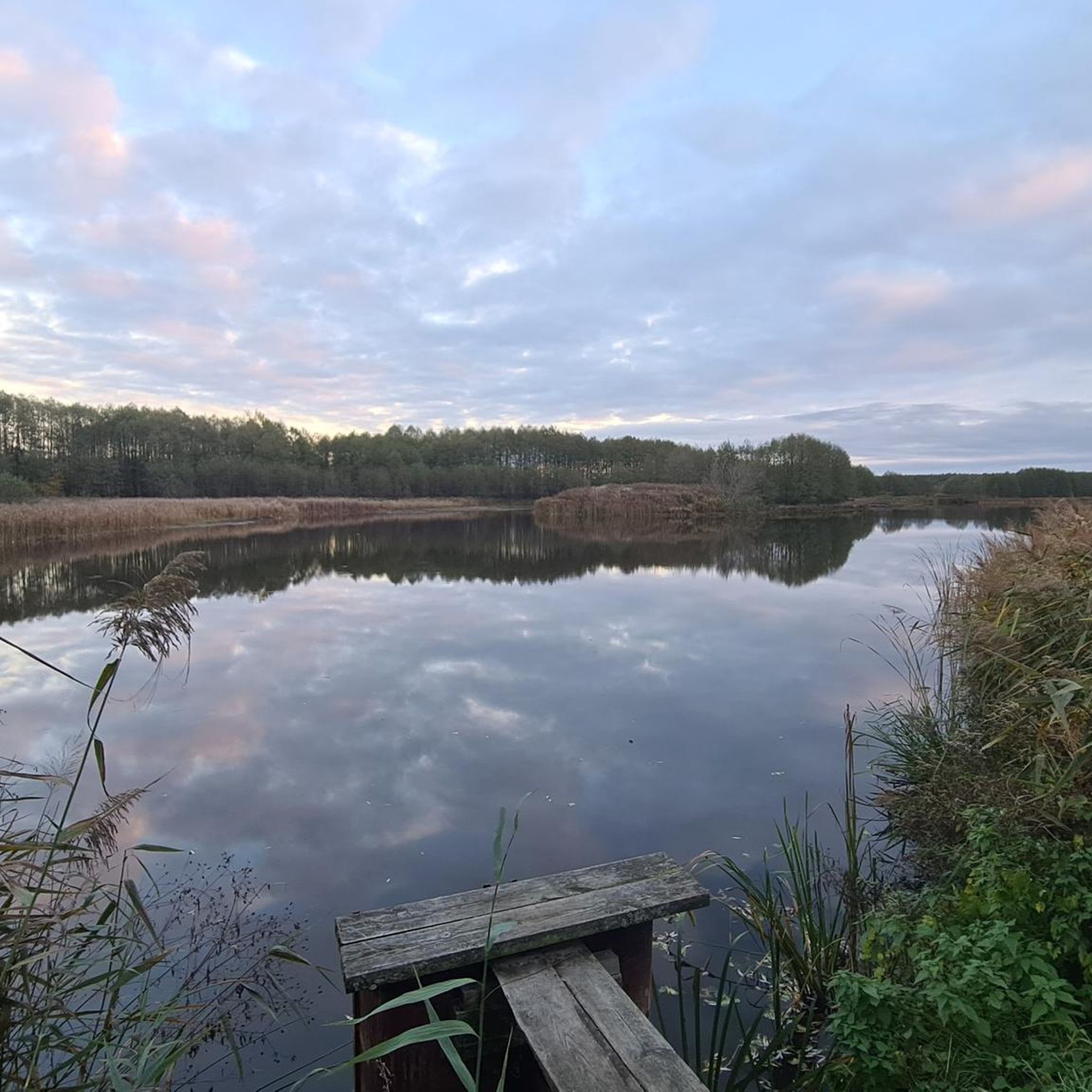
Touring cycling in Rezerwat Stawy Broszkowskie offers routes through a unique natural setting, characterized by a complex of former fish ponds now transformed into a nature reserve. The terrain features numerous ponds separated by dikes, extensive reed beds, and diverse forested areas including currant-alder carrs and ash-alder riparian forests. These varied ecosystems provide relatively flat and scenic routes, ideal for exploring the region's rich biodiversity. The reserve's landscape is shaped by its wetland environment, offering a dynamic journey through different…
Last updated: May 21, 2026
4.0
(1)
9
riders
12.9km
00:53
60m
60m
Easy bike ride. Great for any fitness level. Mostly paved surfaces. Suitable for all skill levels.
5.0
(1)
6
riders
47.7km
03:08
100m
100m
Hard bike ride. Good fitness required. You may need to push your bike for some segments of this route.

Sign up for free
5.0
(2)
6
riders
42.1km
02:37
140m
140m
Moderate bike ride. Good fitness required. Mostly paved surfaces. Suitable for all skill levels.
6
riders
28.8km
01:38
100m
100m
Easy bike ride. Great for any fitness level. Mostly paved surfaces. Suitable for all skill levels.
5.0
(1)
4
riders
8.35km
00:30
30m
30m
Easy bike ride. Great for any fitness level. Mostly paved surfaces. Suitable for all skill levels.
Get access to more routes and recommendations from other explorers.
Sign up for free
Already have an account?
Our route recommendations are based on thousands of hikes, rides, and runs completed by other people on komoot.
Start today with a free account
Your next adventure awaits.
Login or Signup


Tips from the Community

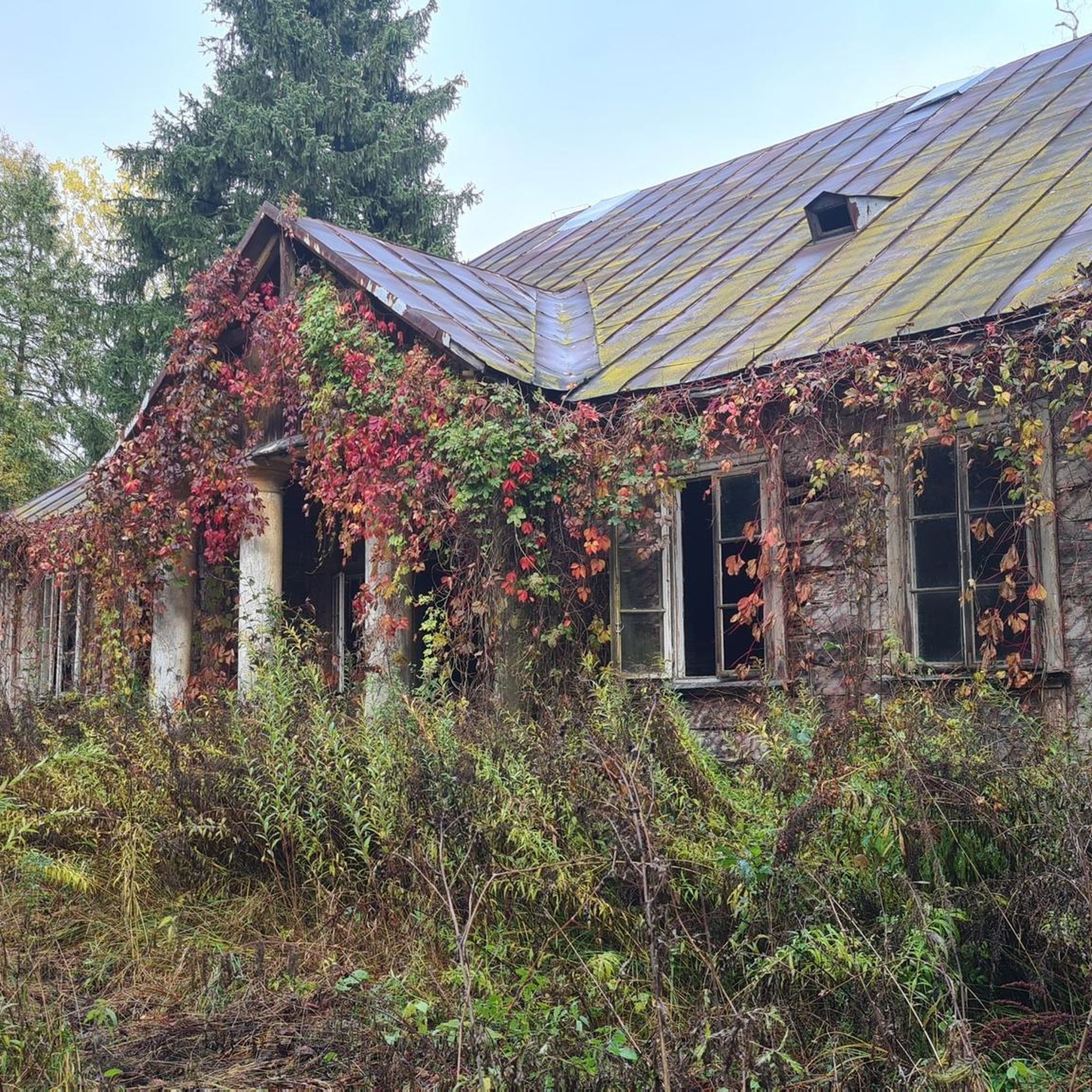
On the grounds of the manor in Chlewiska
0
0

Watch out for frogs! Frogs return to their ponds to mate, be careful not to step on them or run them over with your bike.
0
0

A small chapel near the entrance to the "Reymontówka" Creative Work House
0
0
The belfry next to the church is "younger", it was placed here in 1951. There is a certain story associated with the bells. During each wartime turmoil, the church bells were melted down to make cannons. In 1794, the bells from the previous church were given to the Kościuszko insurgents. Also during the November Uprising, the parish offered its bells to the Polish army. The next bells were requisitioned in 1915. The Germans stole them for the last time in 1941. The current bells were consecrated in 1957 and bear the names of Jakub and Franciszek.
2
0
The church is of log construction, with three naves separated by cast iron columns and a chancel separated from the main nave. There are two chapels on its sides. In the years 1907-1910, i.e. during the renovation, the church also gained two sacristies. It was then that the ceiling was covered with illusionistic paintings with rich ornamentation. The interior is well lit with natural light thanks to the fact that the main nave is higher than the side naves, and the windows were placed above their roofs. The ceiling of the church makes a huge impression above all. It is covered with illusionistic paintings and coffers with rosettes. It is impossible to tell what is painted and what is real. In the chancel there are three beautiful, oak, twentieth-century altars. In the main altar there is a painting of the Assumption of the Mother of God. The Rococo altars in the chapels from around 1770 are also beautiful. In the right one there is a painting of the Blessed Virgin Mary Immaculate Conception, while in the left one – an eighteenth-century sculpture of the Crucified Christ, once surrounded by worship. This is evidenced by the numerous votive offerings hanging around the cross. The organ prospect also comes from that year. The church's equipment also includes two beautiful, historic feretrons, two Rococo confessionals, a baptismal font in the shape of a chalice and eighteenth-century paintings from the school of Szymon Czechowicz. One of them – the Coronation of the Blessed Virgin Mary decorates the wall of the presbytery, and the other – the Crucifixion of the Lord Jesus is hung next to the organ.
2
0
The Church of the Holy Trinity in Żeliszew Podkościelne was built of pine wood on a rectangular plan in the years 1770-1777. The first church in Żeliszew existed already in the first half of the 16th century, but it was burned down during the Swedish Deluge. The parish of the Holy Trinity was established in 1769. The current church was built thanks to the foundation of a local heir. In 1906, most of the village residents converted to Mariavitism - it was then that they occupied the church. A year later, by court order, they had to leave the temple.
2
0
In Chlewiska there is a complex of the House of Creative Work "Reymontówka". The focal point is a historic manor house, built in the mid-19th century for the Różański family on the foundations of the previous one, dated 1807. The next owner of the estate was the famous ichthyologist Józef Helbich, who established fish ponds here. In 1926, the manor house together with 300 ha of land was bought by Władysław Reymont's widow, Aurelia, who allocated part of the money from the Nobel Prize that the writer received for the novel Chłopi (The Peasants) for this purpose. During her time, Chlewiska experienced the period of greatest splendor, including the addition of the eastern part of the manor house, a gardener's cottage and a new entrance gate with a fence in the Podhale style. On the orders of Aurelia Reymontowa, the park and garden were also tidied up, and a People's House for peasants was created in one of the buildings. In 1939, the manor house and its estate were bought by Feliks Tymieniecki, president of the coal company "Węgloblok". After several changes of ownership, the manor and park complex was purchased in 1981 by the Voivodeship Office in Siedlce. A House of Creative Work was established here, which is currently owned by the District Office in Siedlce. On May 20, 2007, "Reymontówka" celebrated the 200th anniversary of the manor house. On this occasion, a bust of Władysław Reymont was unveiled, designed by Jerzy Necl.
1
0

Monumental cathedral visible from afar
1
0
Frequently Asked Questions
How many touring cycling routes are available in Rezerwat Stawy Broszkowskie?
The region offers over 160 touring cycling routes, catering to various skill levels. You'll find more than 100 easy routes, around 40 moderate options, and nearly 20 routes for more experienced cyclists.
What kind of terrain can I expect on touring cycling routes in Rezerwat Stawy Broszkowskie?
The terrain is characterized by a unique complex of former fish ponds, now a nature reserve. You can expect relatively flat and scenic routes along dikes separating numerous ponds, extensive reed beds, and diverse forested areas including currant-alder carrs and ash-alder riparian forests. This mosaic of ecosystems provides a dynamic and visually interesting journey.
Are there any circular touring cycling routes in Rezerwat Stawy Broszkowskie?
Yes, many routes in the reserve are circular, allowing you to start and end at the same point. For example, the Mini Graduation Tower – Granite Globe of Kotun loop from Sabinka is a popular 47.6 km option, or the shorter Muchawka Stream – Lake Access Point loop from Sabinka at 12.7 km.
What natural features or wildlife can I observe while cycling in Rezerwat Stawy Broszkowskie?
Rezerwat Stawy Broszkowskie is renowned for its rich biodiversity. As one of the largest bird breeding grounds in central-eastern Poland, you can observe approximately 100 species of water, marsh, and meadow birds, including black-headed gulls, tufted ducks, swans, and various raptors. Mammals such as elk, otters, badgers, and foxes also inhabit the reserve, offering opportunities for wildlife spotting.
Are there any family-friendly touring cycling routes in the reserve?
Yes, there are numerous easy routes suitable for families. The relatively flat terrain around the pond complexes and dikes makes for pleasant cycling. An example of an easy route is the Road Among Blooming Rapeseed – Muchawka Stream loop from Nowe Opole, which is 12.7 km long.
What is the best time of year to go touring cycling in Rezerwat Stawy Broszkowskie?
The reserve is particularly appealing during spring and autumn for birdwatching, as it hosts both migratory and nesting populations. Spring also brings blooming flora, while autumn offers vibrant foliage. Summer provides warm weather for cycling, though it can be busier. Consider visiting during the shoulder seasons for a tranquil experience with abundant wildlife.
What do other touring cyclists enjoy most about cycling in Rezerwat Stawy Broszkowskie?
The area is highly rated by the komoot community, with an average score of 4.7 stars from nearly 300 reviews. Reviewers often praise the tranquil nature-focused experience, the diverse landscapes, and the excellent opportunities for birdwatching along the routes.
Are there any specific access rules or restrictions for cyclists in Rezerwat Stawy Broszkowskie?
As a nature reserve, it's important to respect the natural environment. Cyclists should generally stick to marked paths and dikes, avoid disturbing wildlife, and refrain from littering. Specific rules regarding off-path cycling or restricted areas may be posted locally. For detailed information on the reserve, you can consult resources like Wikipedia's page on Rezerwat przyrody Stawy Broszkowskie.
Where can I find parking facilities near the touring cycling routes?
While specific dedicated cycling infrastructure directly within the reserve is not explicitly detailed, the nature of the area suggests that parking might be available in nearby villages or designated visitor areas. For routes starting from Sabinka or Cisie-Zagrudzie, you would typically look for local parking options in those vicinities.
Are there any longer touring cycling routes for experienced riders?
Yes, for more experienced cyclists seeking longer rides, there are several options. The Granite Globe of Kotun – Mini Graduation Tower loop from Cisie-Zagrudzie is a moderate route spanning 48.9 km, offering a substantial journey through the region's varied landscapes.
Can I combine cycling with birdwatching in Rezerwat Stawy Broszkowskie?
Absolutely. The reserve is a prime location for birdwatching, with its extensive pond complex and diverse habitats attracting numerous bird species. Many cycling routes traverse areas ideal for observing birds, making it easy to combine your ride with opportunities to spot various waterfowl, marsh birds, and raptors.
Are there any facilities like cafes or restaurants near the cycling routes?
The reserve itself is a natural area, so facilities like cafes and restaurants are not typically found directly within it. However, you can find dining options in nearby towns and villages such as Kotuń or Siedlce, which are accessible from various points around the reserve.
Most popular routes in Rezerwat Stawy Broszkowskie

Get inspired with the komoot mobile app


Explore more
Browse the best Cycling routes in other regions.
