Attractions and Places To See in Historische Weinberglandschaft Radebeul - Top 20
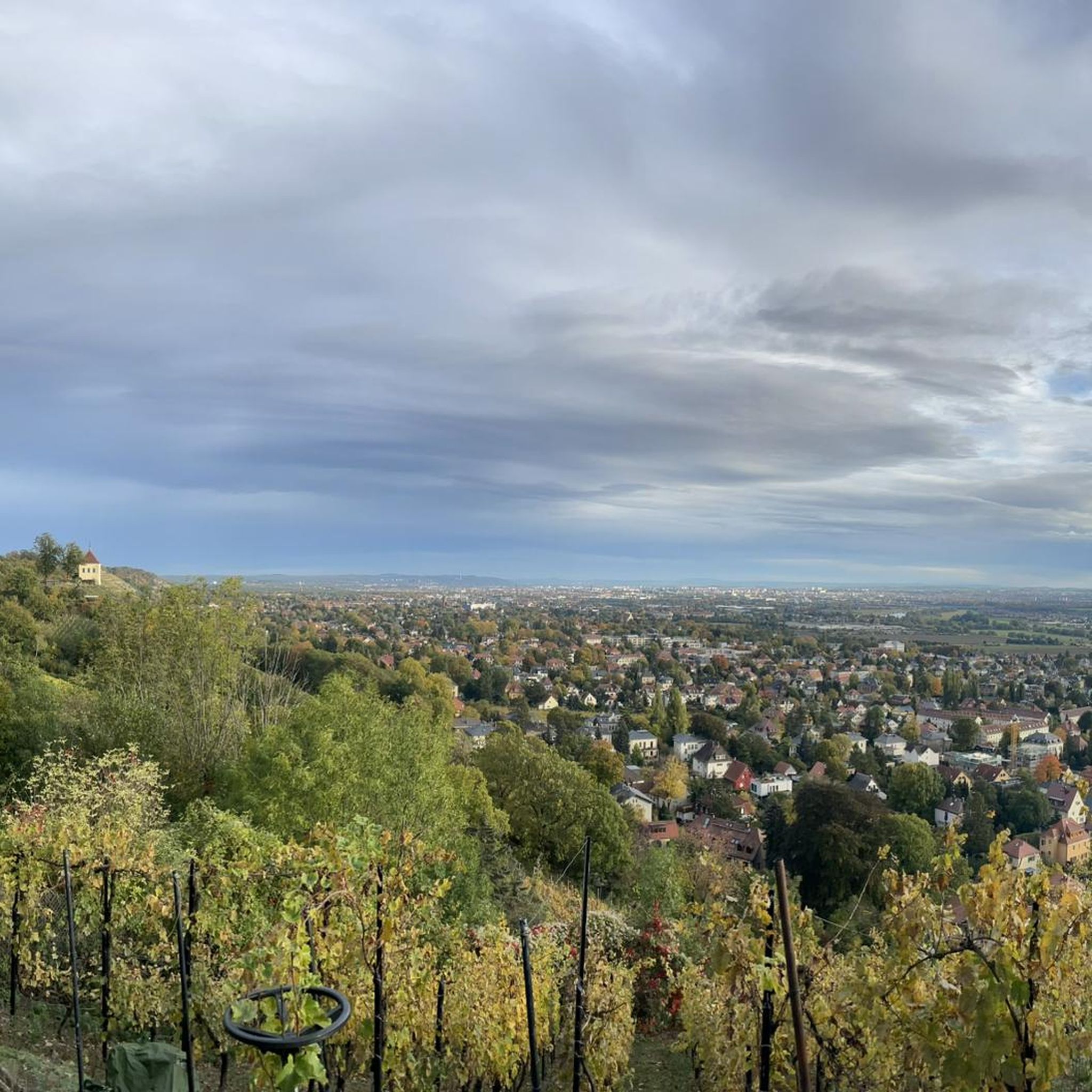
Best attractions and places to see in Historische Weinberglandschaft Radebeul include a protected cultural landscape known for traditional wine production and scenic beauty. This region features vineyards on south-facing slopes, historic estates, and cultural institutions. The landscape is characterized by dry-stone terraced walls and offers panoramic views across the Elbe Valley. It provides a variety of sites ranging from historic castles to natural features.
Best attractions and places to see in Historische Weinberglandschaft Radebeul
- The most popular attractions is Bismarck…
Last updated: October 9, 2026
Bismarck Tower, Radebeul
Highlight • Monument
Translated by Google •
Tip by

Schloss Wackerbarth Winery and Vineyard
Highlight • Castle
Translated by Google •
Tip by

Sign up now to discover places like this
Get recommendations on the best single tracks, peaks, & plenty of other exciting outdoor places.
Spitzhaus Staircase
Highlight (Segment) • Structure
Translated by Google •
Tip by

Adolph Diesterweg Public Observatory Radebeul
Highlight • Monument
Translated by Google •
Tip by

Hoflößnitz Castle and Saxon Wine Museum
Highlight • Castle
Translated by Google •
Tip by
Sign up for free to discover even more attractions in Historische Weinberglandschaft Radebeul.
Already have an account?
Start today with a free account
Your next adventure awaits.
Popular around Historische Weinberglandschaft Radebeul
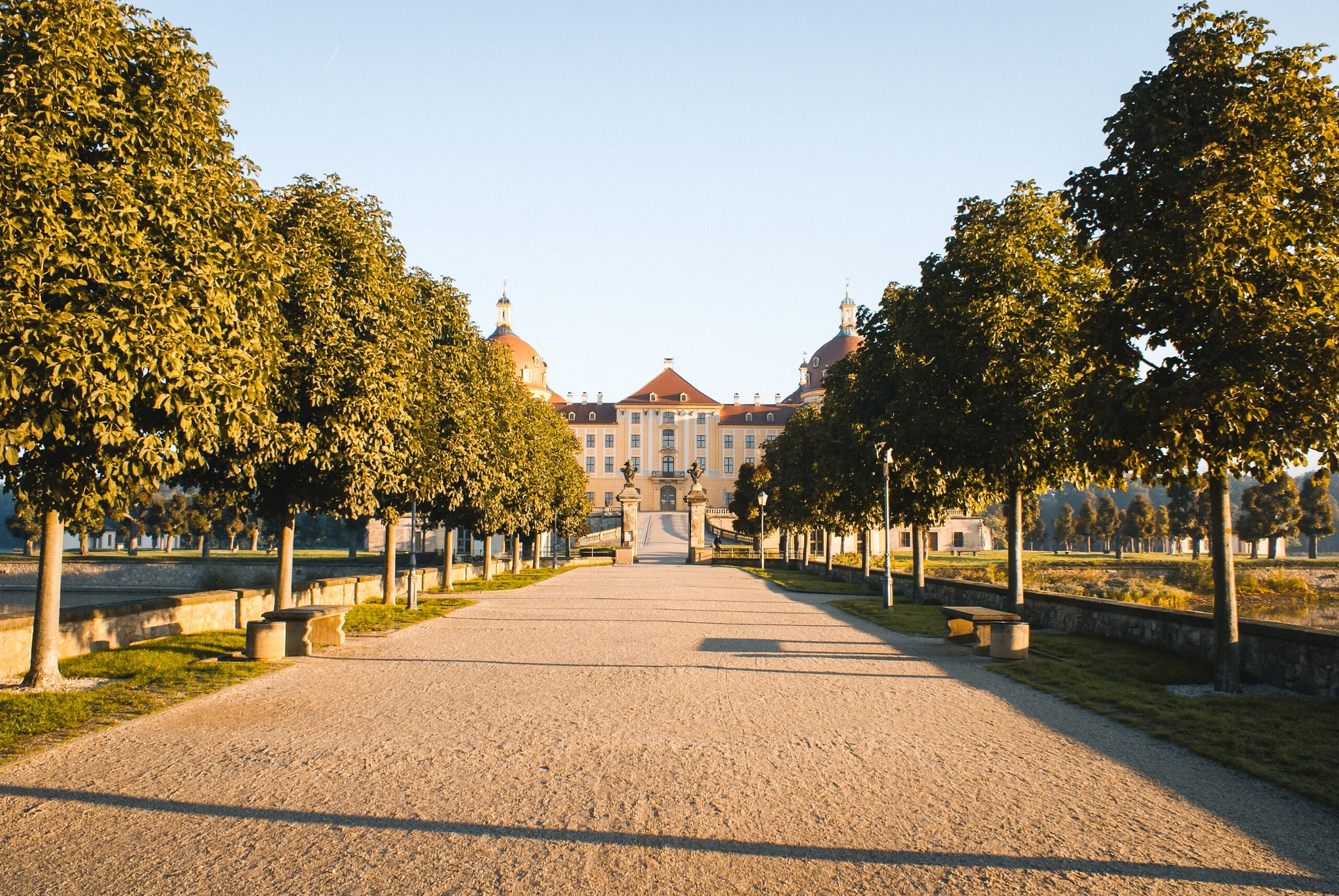
Wanderlieblinge – hiking favourites in Dresden Elbland
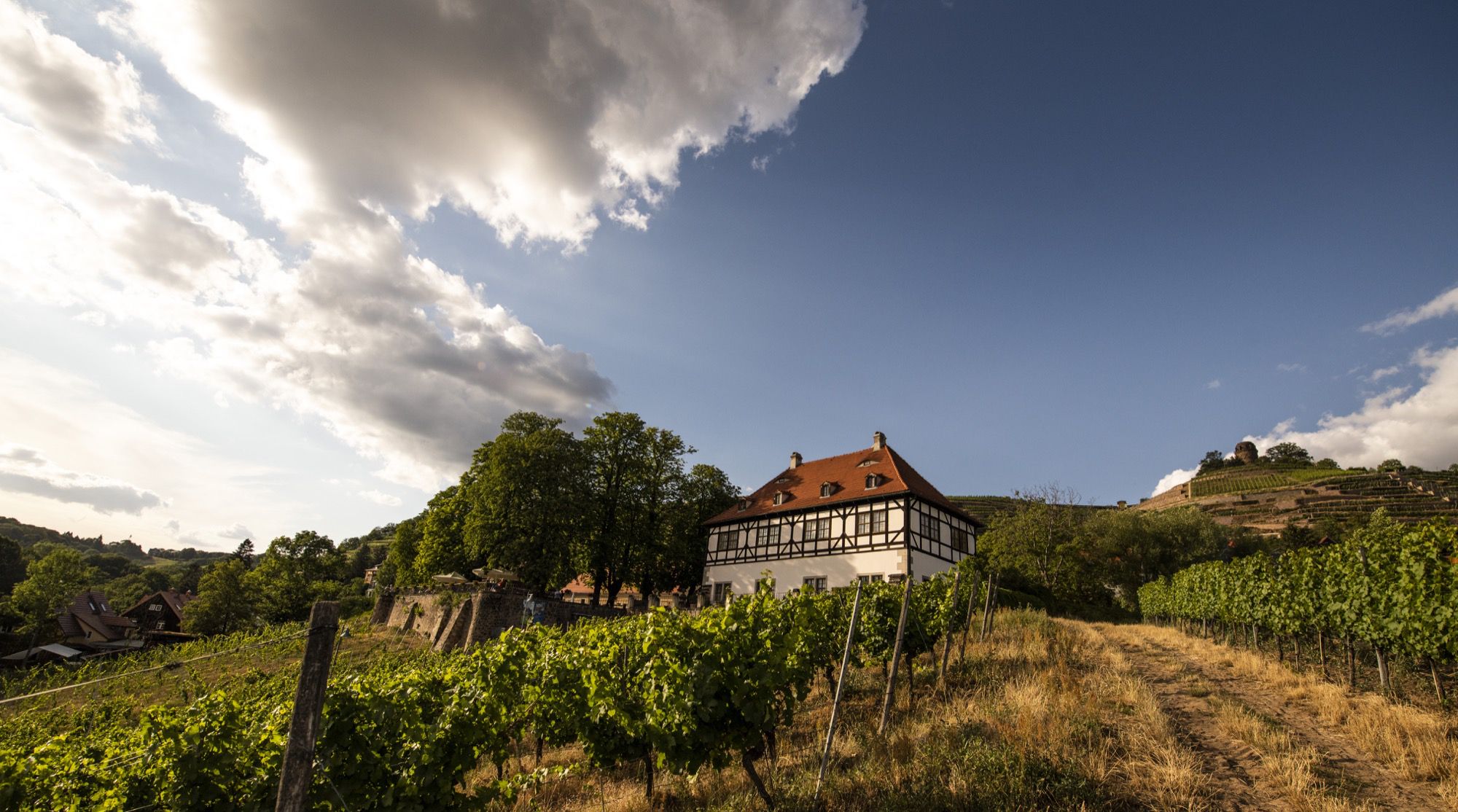
On the road in wine — leisure Tours around Radebeul
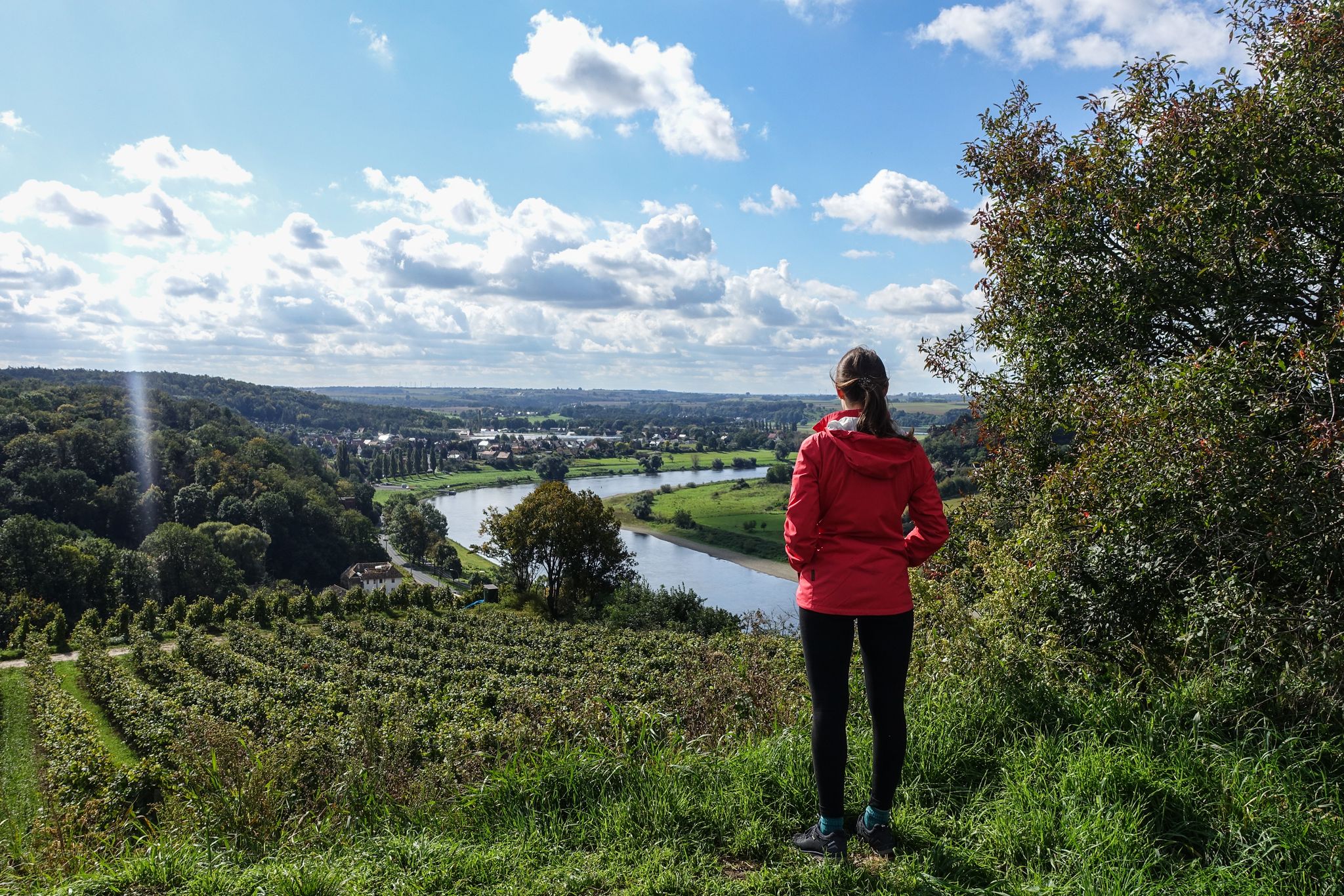
Saxon Wine Trail – late summer in the Dresden Elbland region
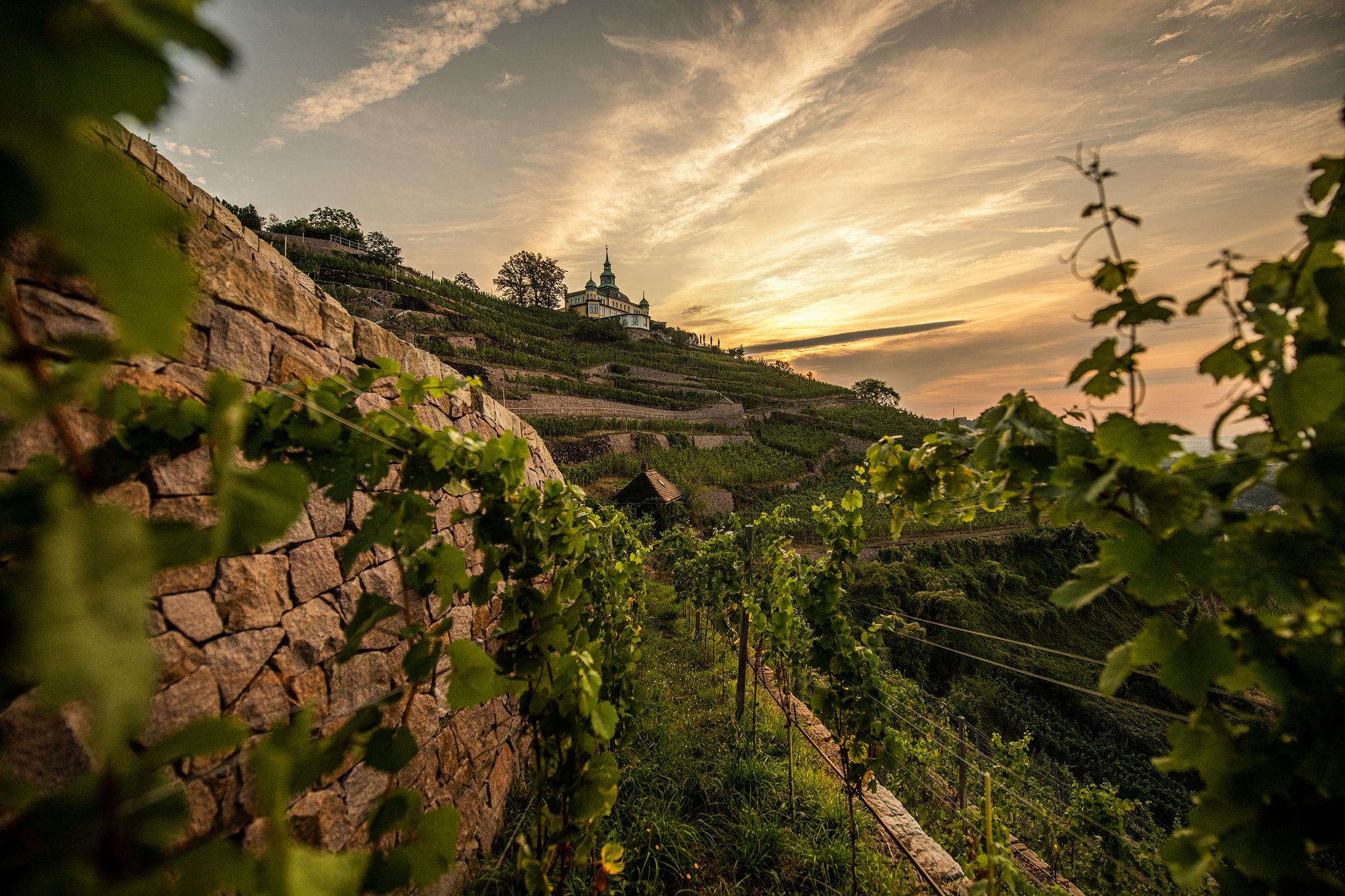
Saxon Wine Trail – discover Germany’s 800-year old wine tradition
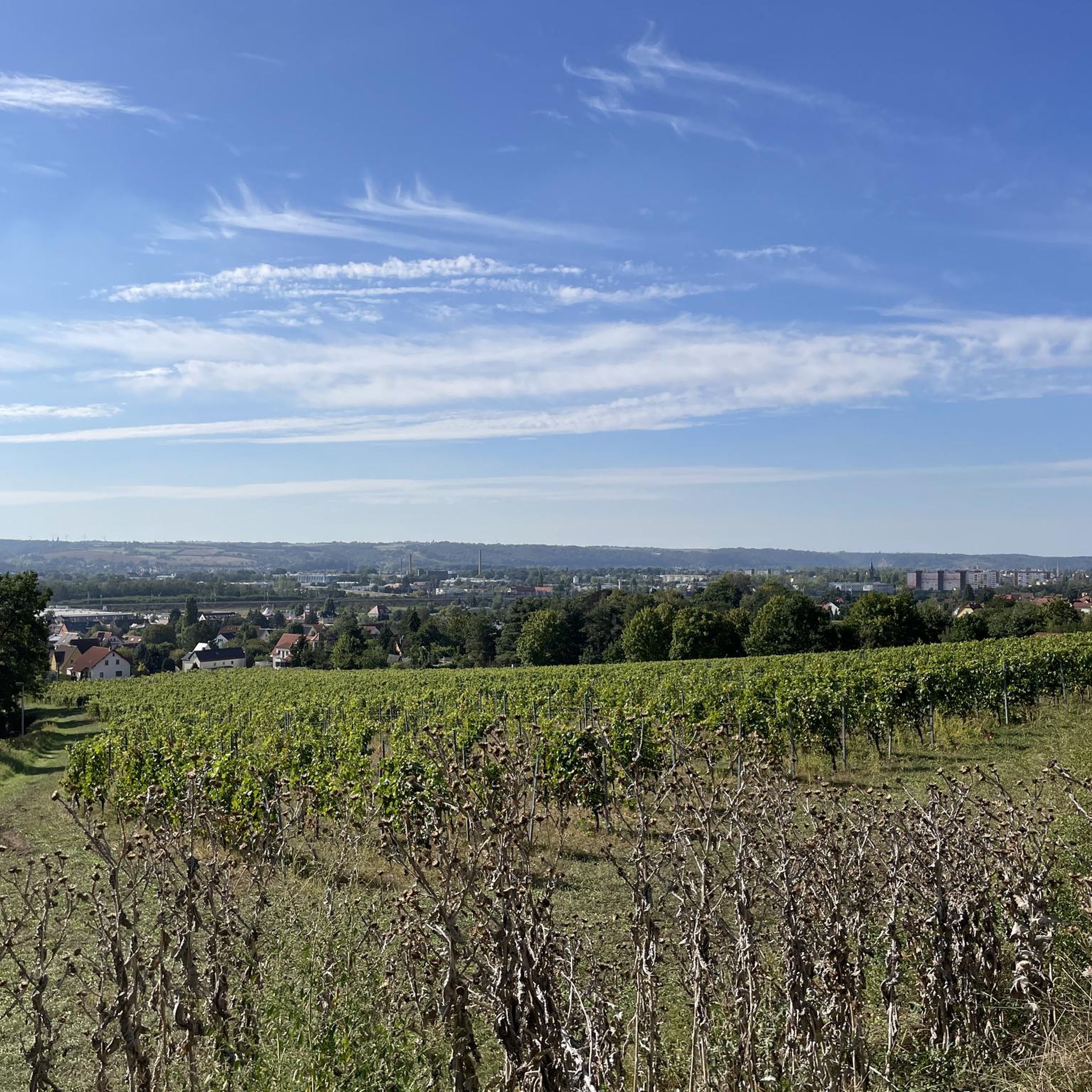
Cycling in Historische Weinberglandschaft Radebeul
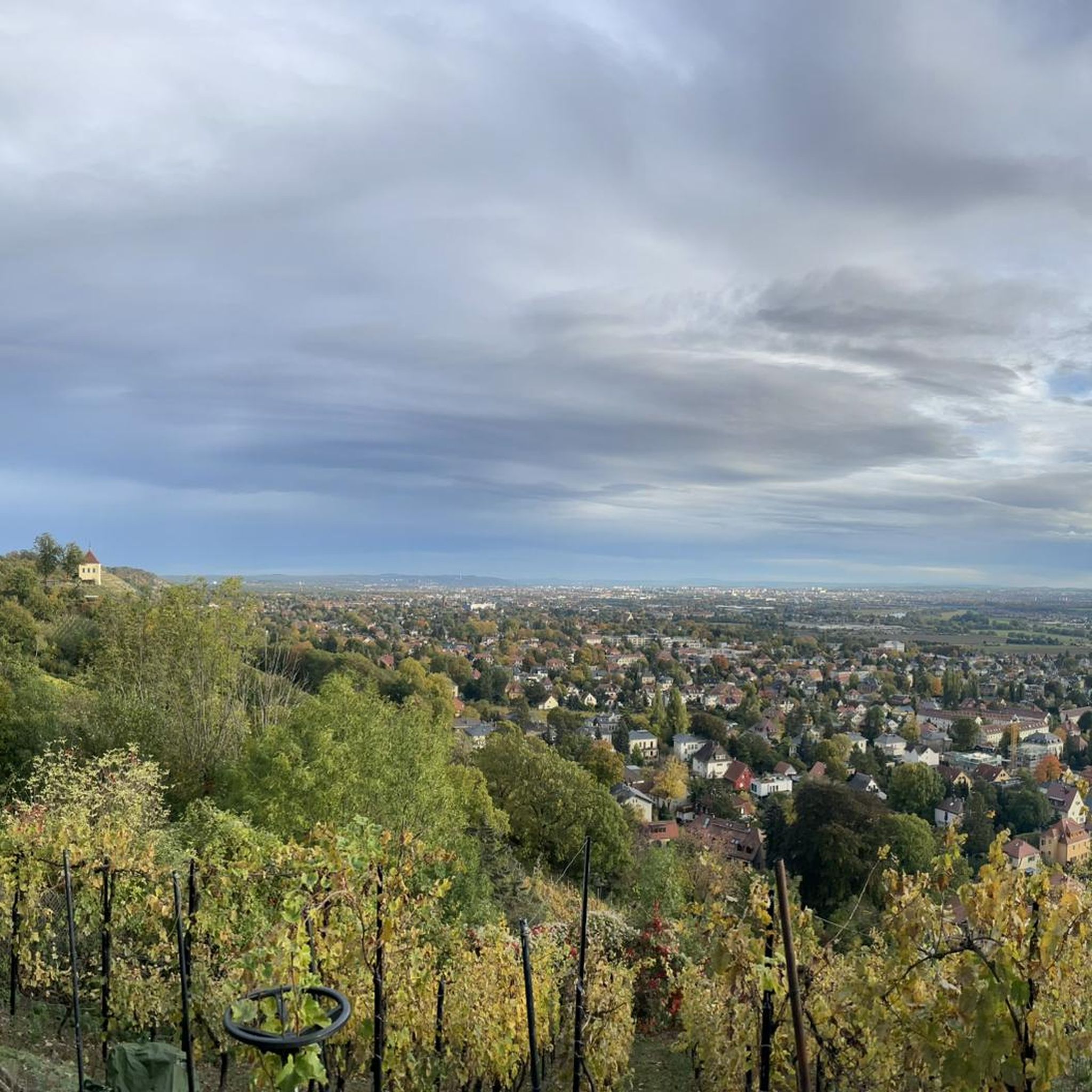
Hiking in Historische Weinberglandschaft Radebeul
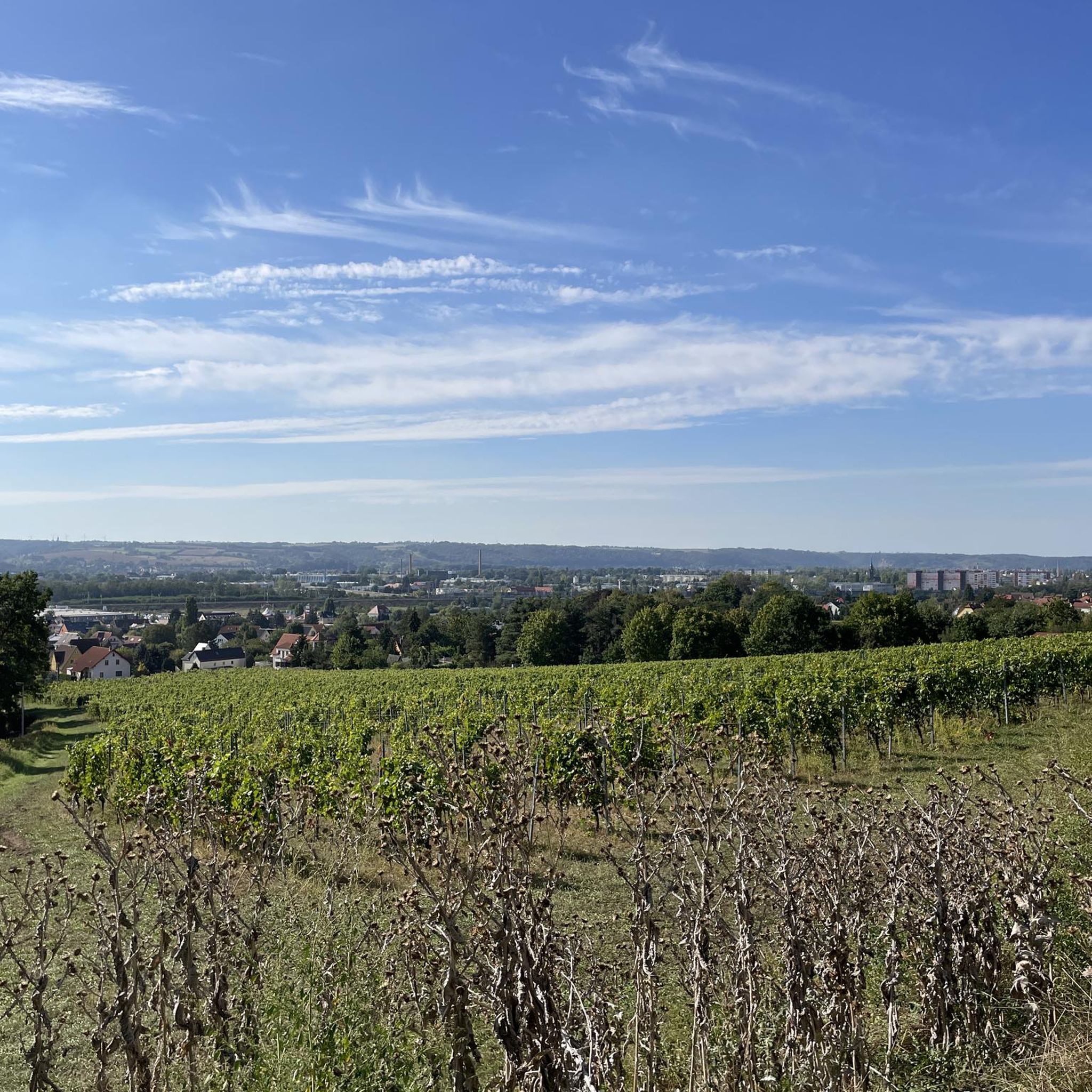
MTB Trails in Historische Weinberglandschaft Radebeul
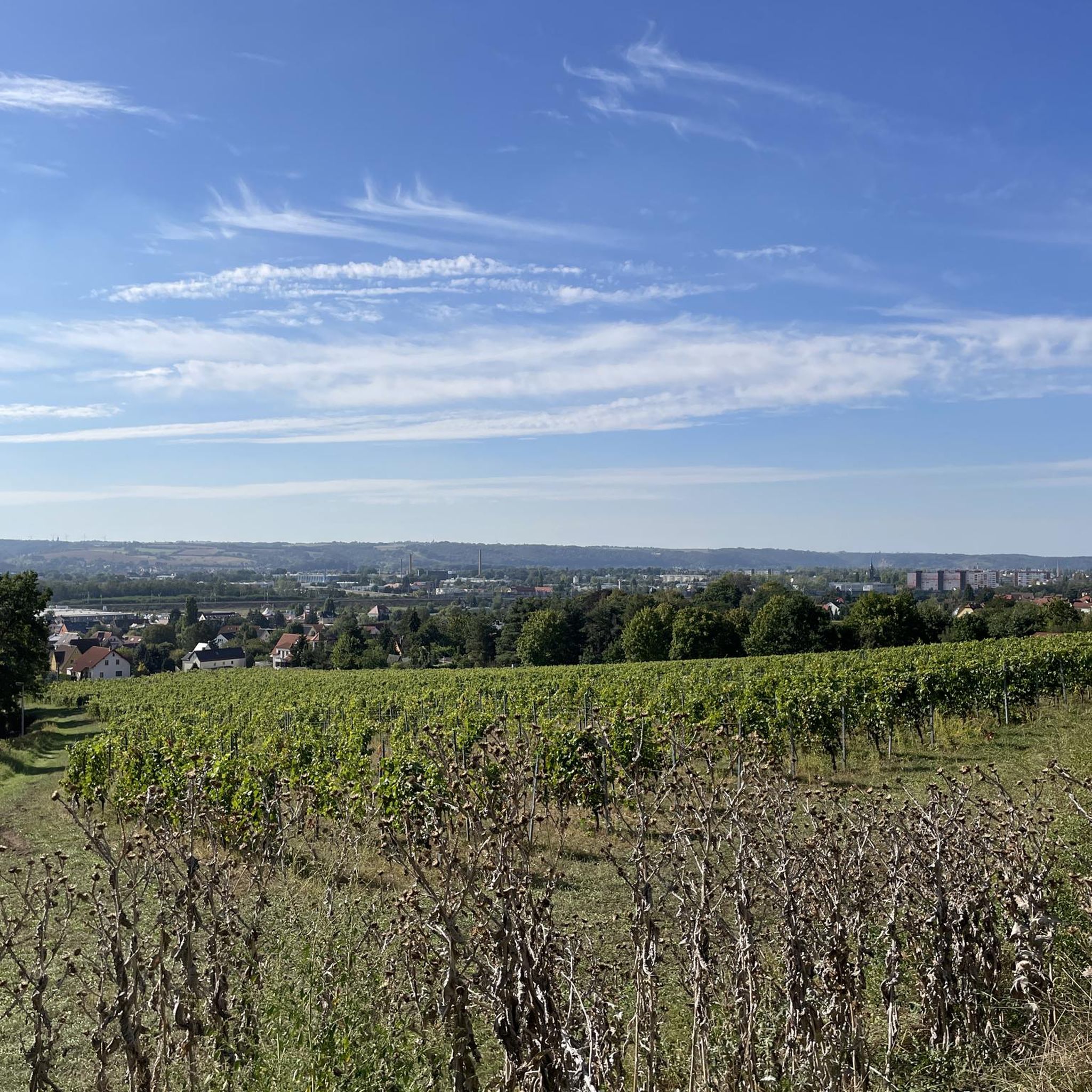
Road Cycling Routes in Historische Weinberglandschaft Radebeul
Gravel biking in Historische Weinberglandschaft Radebeul
Running Trails in Historische Weinberglandschaft Radebeul
Other adventures in Historische Weinberglandschaft Radebeul


Tips from the Community

Bismarck Tower/Bismarck Column in Radebeul. Information: The Radebeul tower was designed individually and inaugurated on September 2, 1907. It stands 18 meters tall. It is one of approximately 145 Bismarck Towers still standing in Germany, erected in honor of Prince Otto von Bismarck.
3
0

From the castle there is a beautiful climb up the vineyard and you walk directly between the 🍇 vines. From the top you have a wonderful view 🤩.
13
1

Small winery with guided tours and tastings, as well as a restaurant and summer festivals in the well-kept park.
15
1

Wine culture since 1401 In 1401, Margrave Wilhelm I founded the Wettin vineyard property in Lößnitz. As early as the middle of the 16th century, there was evidence of an electoral wine press in the area of Hoflößnitz, which was first so-called in 1622. With the development of the steep slopes through dry stone wall construction in the Württemberg style that began in the early 17th century and the rounding off of the electoral vineyards in the east of the Lößnitz, Hoflößnitz developed into one of the most important state-owned wineries in Saxony. Immediately after the end of the Thirty Years' War, Elector Johann Georg I commissioned the construction of a representative pleasure house in his winery. Completed in 1650, this small castle, magnificently decorated with wall and ceiling paintings, was the scene of courtly festivals during the grape harvest until the end of the 18th century. The most elaborate festivals were organized by August the Strong, who also founded the tradition of winegrowers' parades in Lößnitz in 1715. In the 19th century, the vineyards in Lößnitz, near Cossebaude and Pillnitz that remained state-owned were managed from Hoflößnitz. In 1840, the wine-growing society in the Kingdom of Saxony organized the first national festival of Saxon winemakers here. The wine procession designed by the painter Moritz Retzsch has had a lasting impact on the wine festival culture in the Elbe Valley to this day. The large-scale phylloxera infestation discovered in 1887 led to the estate being closed down two years later. In 1998, the Hoflößnitz property and the wine-growing history museum collections were transferred to the property of the newly founded Hoflößnitz Foundation, whose main tasks are the preservation and maintenance of the facility and the operation and further development of the Saxon Wine Museum. Thanks to the support of the large district town of Radebeul, the Free State of Saxony, the support association “Kulturlandschaft Hoflößnitz” e.V. and other private and public sponsors, essential renovation goals have since been achieved. The associated vineyards as well as the wine bar and guest house are managed by Weingut Hoflößnitz GmbH, which was founded in 1997. Text / Source: Hoflößnitz Foundation, Knohllweg 37, Radebeul / Saxony https://www.hofloessnitz.de/
10
1
The Saxon Viticulture Museum The history of the museum goes back to 1912, when the Hoflößnitz Association, which was founded specifically for this purpose, acquired the castle property, which had been privatized in 1889, and began renovating the buildings and building a collection of wine-growing history. After a delay due to the war, the Lust- und Berghaus opened its doors at Whitsun 1924 as a local history museum for the community of Oberlößnitz. The plan to expand the local history museum into a city museum, which had been pursued since the mid-1930s after the incorporation of Oberlößnitz into Radebeul, was thwarted by the Second World War. In 1967, the Dresden District Council decided to profile the house as a wine-growing museum in the Elbe Valley. As part of the comprehensive renovation of the facility that began in 1977, the new concept has been gradually implemented since the beginning of the 1980s. OPENING HOURS - Tue – Sun from 10 a.m. to 6 p.m. - Entry €3.50 per person Text / Source: Saxon Viticulture Museum https://www.hofloessnitz.de/museum/
12
1
Hoflößnitz Castle / Pleasure Palace - History In 1401, a large winery, Hoflößnitz, was founded in what is now Radebeul in Saxony-Anhalt. Over time, the estate was expanded with numerous buildings, including a pleasure palace built between 1648 and 1650 by Elector Johann Georg I. A welcome guest in the 17th century was August the Strong, who invited his hunting parties here. After several changes of ownership, a Russian general came into possession in 1899. He redesigned the castle and added a tower structure in the neo-Rococo style. Now that the winery has been parceled out, plans were made to develop the surrounding land. In 1912, an association was finally founded to take care of the renovation of the castle, which had by then been in serious disrepair. In 1924, the community had a local history museum set up in Hoflößnitz Castle. In the same year, the Oberlößnitz youth hostel also moved into the castle. During the Second World War, prisoners of war were housed in the castle, after which the Soviet occupying forces took over the building, which had survived the war unscathed. From 1949 you could visit the local history museum again, which had specialized in viticulture since the mid-1980s. The facility in Hoflößnitz Castle, which has now been upgraded to the Saxon Wine Museum, can still be visited today. Text / Source: Burgen und Schlösser GmbH, Paderborn https://burgen-und-schloesser.net/sachsen/schloss-hofloessnitz/geschichte.html
13
1

Very nicely made, standards are not completely correct. But nice to explain our solar system to our children.
3
1

Under the old, beautifully shady chestnut trees you can enjoy a wonderful glass of different wines Enjoy wineries in the area. There is also a wonderful view for complete enjoyment, as well as a few small things to buy for consumption.
6
1
Frequently Asked Questions
What historical sites can I explore in Historische Weinberglandschaft Radebeul?
The region is rich in history. You can visit Schloss Wackerbarth Winery and Vineyard, a baroque castle and the seat of the Saxon State Winery. Another significant site is Hoflößnitz Castle and Saxon Wine Museum, considered the historic heart of Saxon viticulture. Don't miss the Spitzhaus Staircase, a historic baroque staircase offering impressive views, or the Karl May Museum dedicated to the adventure writer.
Are there good viewpoints in the Radebeul vineyards?
Yes, the area offers numerous panoramic views. The Bismarck Tower, Radebeul provides sweeping panoramas across the vineyards, the town, and Dresden's skyline. The Spitzhaus Staircase also offers impressive vistas, especially of Wackerbarth Castle and the Elbe Valley. For a broader perspective, the Albrechtshöhe viewpoint extends from the Dresden Heath to the Dresden TV tower and Saxon Switzerland.
What kind of outdoor activities can I do in the Historische Weinberglandschaft Radebeul?
The region is perfect for outdoor enthusiasts. You can hike along the Saxon Wine Trail, which offers numerous scenic rambles through the vineyards. The 'RebkulTour' and 'Historische Waldroute' are popular themed hiking routes. For more specific routes, explore options like the 'RebkulTour in Radebeul' or the 'Bismarck Tower, Radebeul – View of Spitzhaus loop' on komoot's Hiking in Historische Weinberglandschaft Radebeul guide. Running and road cycling routes are also available, such as those found in the Running Trails in Historische Weinberglandschaft Radebeul guide and Road Cycling Routes in Historische Weinberglandschaft Radebeul guide.
Are there family-friendly attractions in the area?
Yes, several attractions cater to families. The Adolph Diesterweg Public Observatory Radebeul hosts many events on various topics and offers a view from its balcony. A ride on the historic Lößnitzgrundbahn, a narrow-gauge steam railway, is also a delightful experience for all ages, offering nostalgic journeys through the wine country to Moritzburg Castle.
Where can I experience local wine culture and tastings?
The Historische Weinberglandschaft Radebeul is synonymous with wine. Schloss Wackerbarth Winery and Vineyard, the Saxon State Winery, offers guided tours and tastings. Similarly, the Hoflößnitz Castle and Saxon Wine Museum not only preserves the region's winemaking heritage but also provides opportunities to taste local wines. Many smaller wineries and estates throughout the landscape also offer tours and tastings.
What is the best time of year to visit Historische Weinberglandschaft Radebeul?
The region is beautiful year-round, but the best time to visit largely depends on your interests. Spring and summer offer lush green vineyards and pleasant weather for hiking and outdoor activities. Autumn is particularly scenic during the grape harvest season, with vibrant colors and wine festivals. Even winter offers charm, with opportunities for peaceful walks through the snow-dusted vineyards.
What natural features characterize the Historische Weinberglandschaft Radebeul?
The landscape is defined by its traditional wine-growing features, including vineyards on south-facing slopes and dry-stone terraced walls, primarily made of syenite. It's part of the broader Elbe Landscape of Lößnitz, offering scenic views along the Radebeul steep slopes. You can also explore the Lößnitzgrund valley or the idyllic Fiedlergrund with its nature trail through forests and past old quarries.
Are there any unique cultural monuments besides castles and museums?
Beyond the castles and museums, you can discover the charming Altkötzschenbroda Village Square, a well-preserved historic village green with colorful old houses, inns, and boutiques. The Wasserturm Radebeul, also known as the Franzosenturm, is a prominent white water tower with a red conical roof, visible from afar and a cultural monument in Radebeul-West.
What do visitors enjoy most about Historische Weinberglandschaft Radebeul?
Visitors frequently praise the stunning panoramic views, especially from spots like the Bismarck Tower, Radebeul, and the scenic walks through the vineyards. The combination of historic estates, such as Schloss Wackerbarth, with opportunities for wine tasting and the tranquil atmosphere of the Elbe Valley, makes for a highly appreciated experience. The community has shared over 1300 photos and given more than 2200 upvotes to the attractions here.
Can I find places to eat or drink within the vineyard landscape?
Yes, there are several options. Schloss Wackerbarth Winery and Vineyard features a restaurant within its well-kept garden. At Hoflößnitz Castle and Saxon Wine Museum, you can enjoy wines and the view at the wine tavern or on its terrace. The Altkötzschenbroda Village Square is also lined with inns, restaurants, and cafes, offering a variety of culinary choices.
Is public transport available to reach the Radebeul vineyards?
Radebeul is well-connected by public transport, making it accessible. You can use local trains or trams from Dresden to reach various points in Radebeul, from where the vineyard landscape is often within walking distance or a short bus ride. Specific routes and schedules can be checked with local transport providers for the most up-to-date information.
Most popular routes in Historische Weinberglandschaft Radebeul
Most popular attractions in Historische Weinberglandschaft Radebeul

Get inspired with the komoot mobile app


Explore more
Still not found the Highlight you’re looking for? See guides of the top attractions in other regions:
