The best road cycling routes in Werbeliner See
4.6
(271)
3,952
riders
138
rides
Road cycling in Werbeliner See offers routes through a landscape transformed from a former opencast mine into a diverse recreation area. The region features wide, grassy expanses, a varied lake landscape with ponds and reed beds, and savannah-like semi-open land. Cycling paths are generally flat and well-developed, with many sections on asphalt, making them suitable for road cyclists. This area is characterized by its unique renaturation process, creating numerous small habitats and connecting to larger regional cycling networks.
Best road…
Last updated: May 23, 2026
4.8
(12)
100
riders
Easy road ride. Great for any fitness level. Mostly well-paved surfaces and easy to ride.
4.8
(10)
91
riders
8.49km
00:20
30m
30m
Easy road ride. Great for any fitness level. Mostly well-paved surfaces and easy to ride.

Sign up for free
5.0
(3)
27
riders
34.9km
01:30
80m
80m
Easy road ride. Great for any fitness level. Mostly well-paved surfaces and easy to ride.
4.0
(1)
16
riders
Easy road ride. Great for any fitness level. Mostly well-paved surfaces and easy to ride.
11
riders
Easy road ride. Great for any fitness level. Mostly well-paved surfaces and easy to ride.
Get access to more routes and recommendations from other explorers.
Sign up for free
Already have an account?
Our route recommendations are based on thousands of hikes, rides, and runs completed by other people on komoot.
Start today with a free account
Your next adventure awaits.
Login or Signup
Popular around Werbeliner See
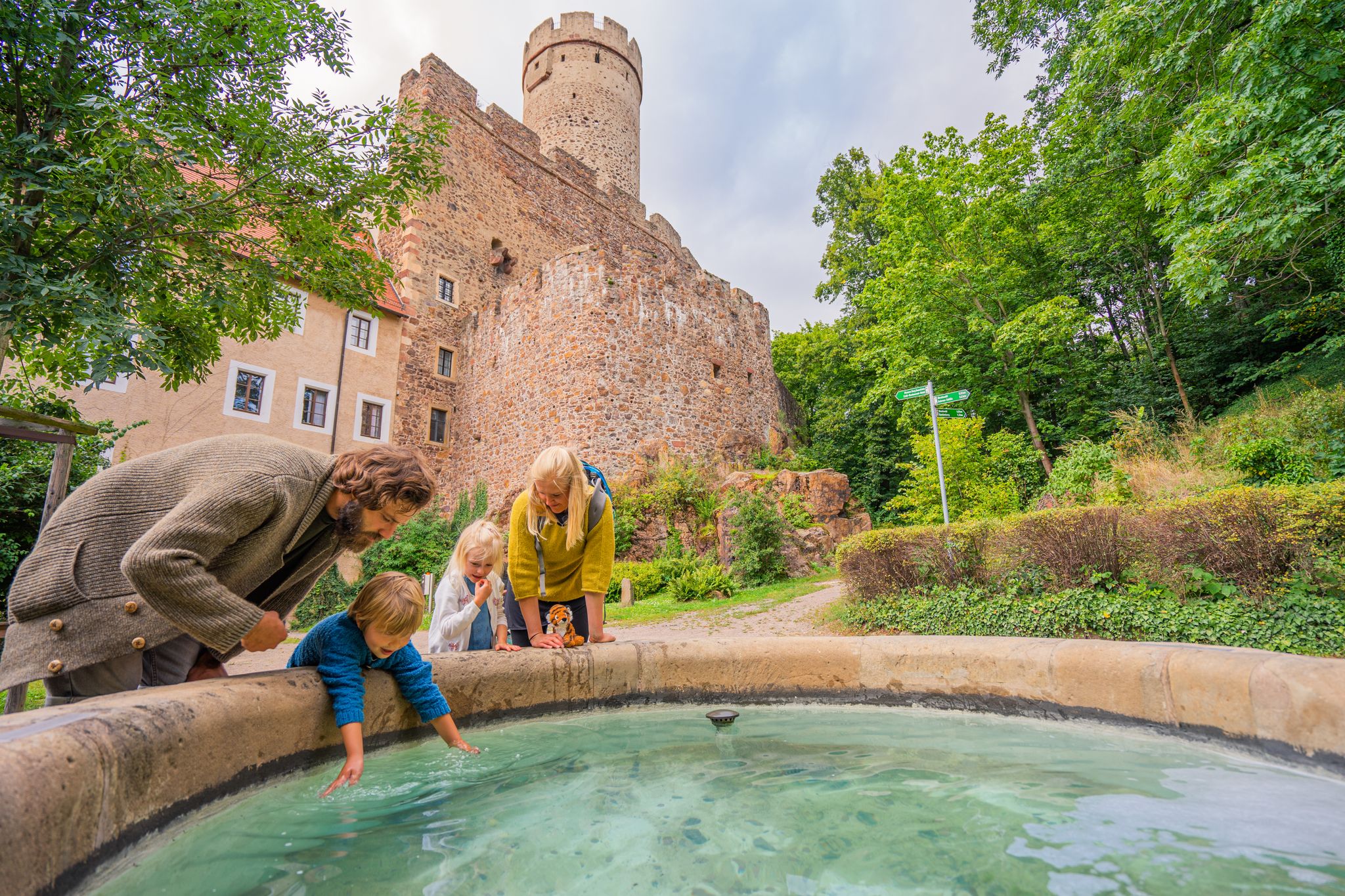
Time for little adventures – family hikes in the Leipzig region
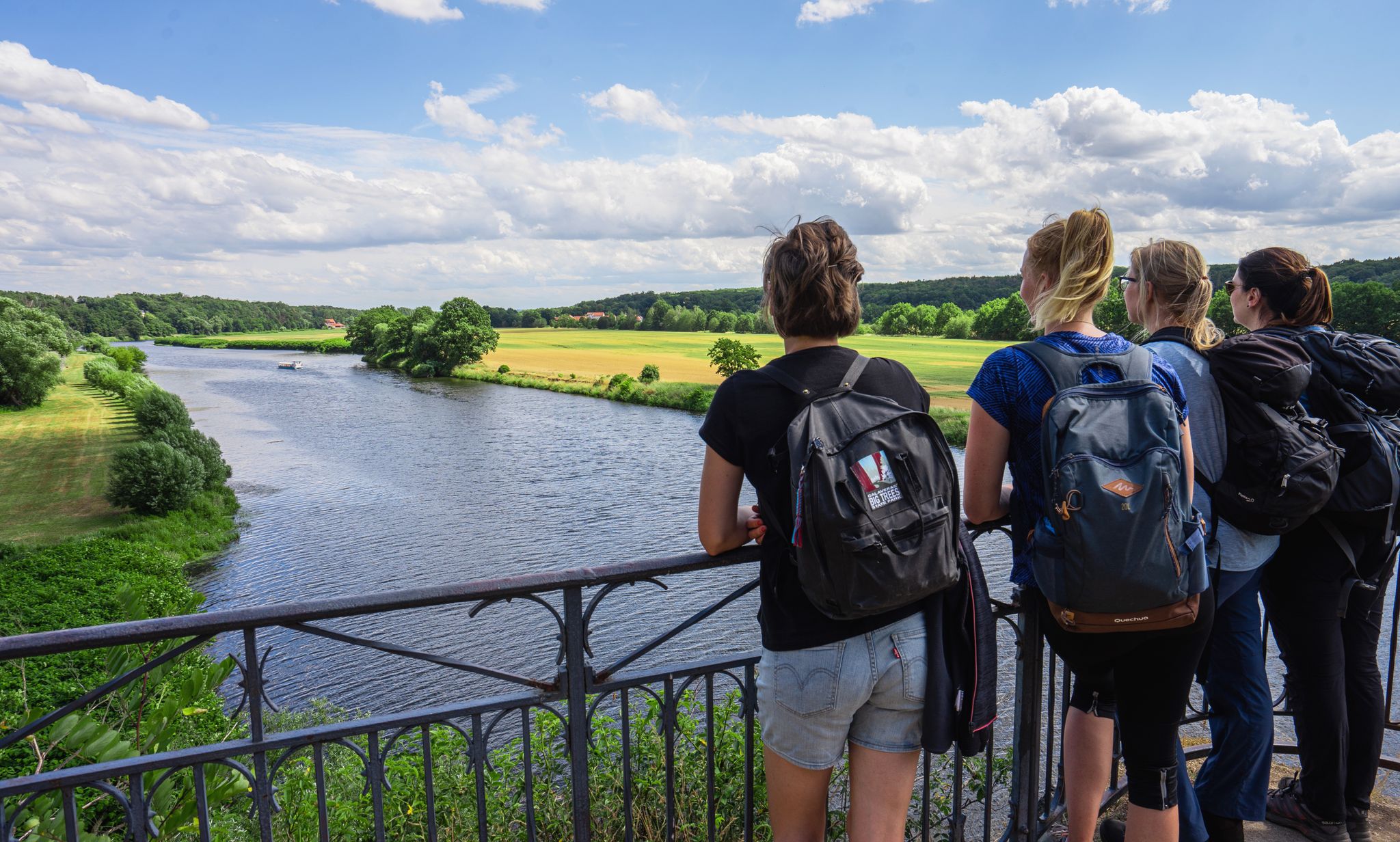
Hiking between big city and nature – urban escapism Leipzig
Vast forests & pretty lakes – discovering Leipzig’s surroundings on foot
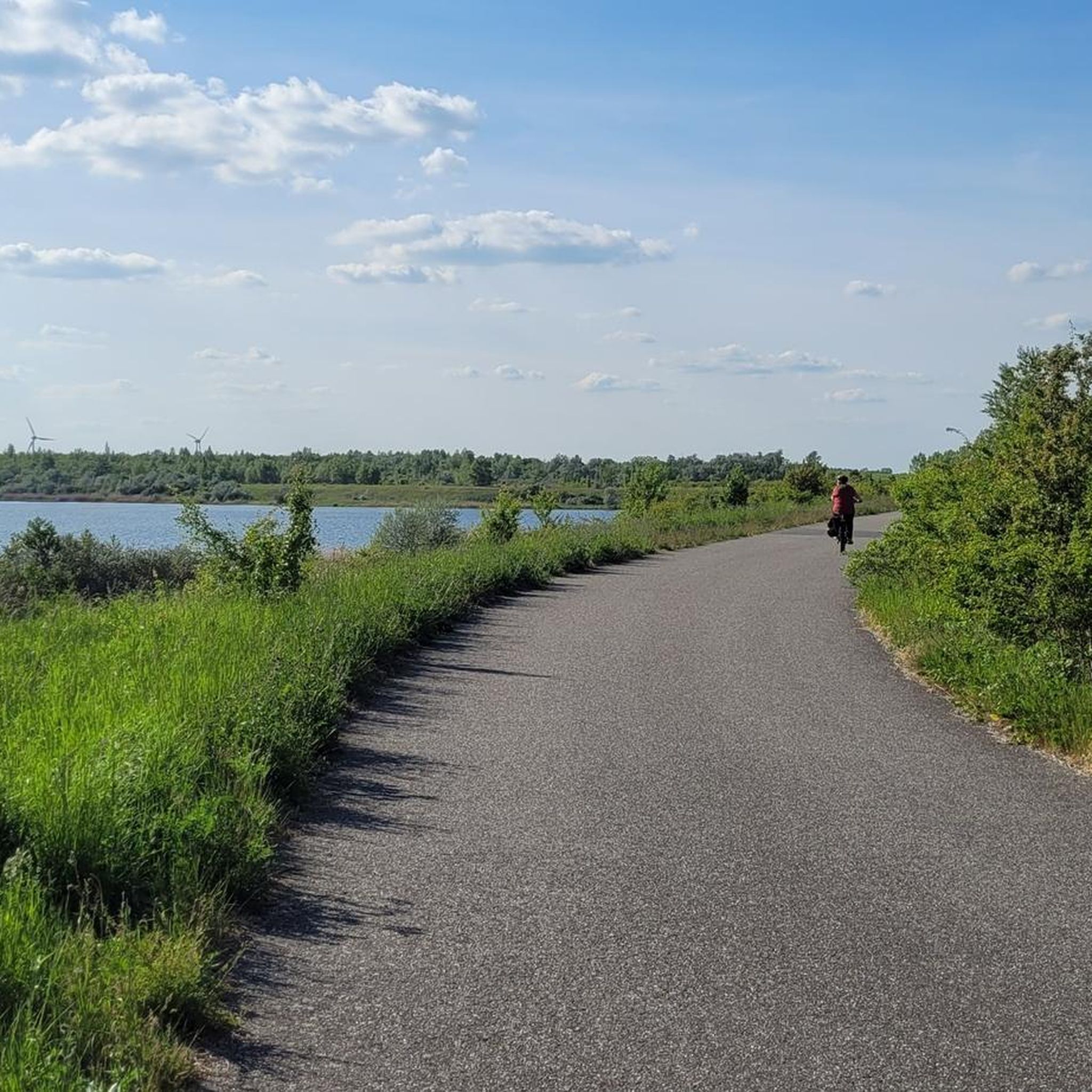
Hiking in Werbeliner See
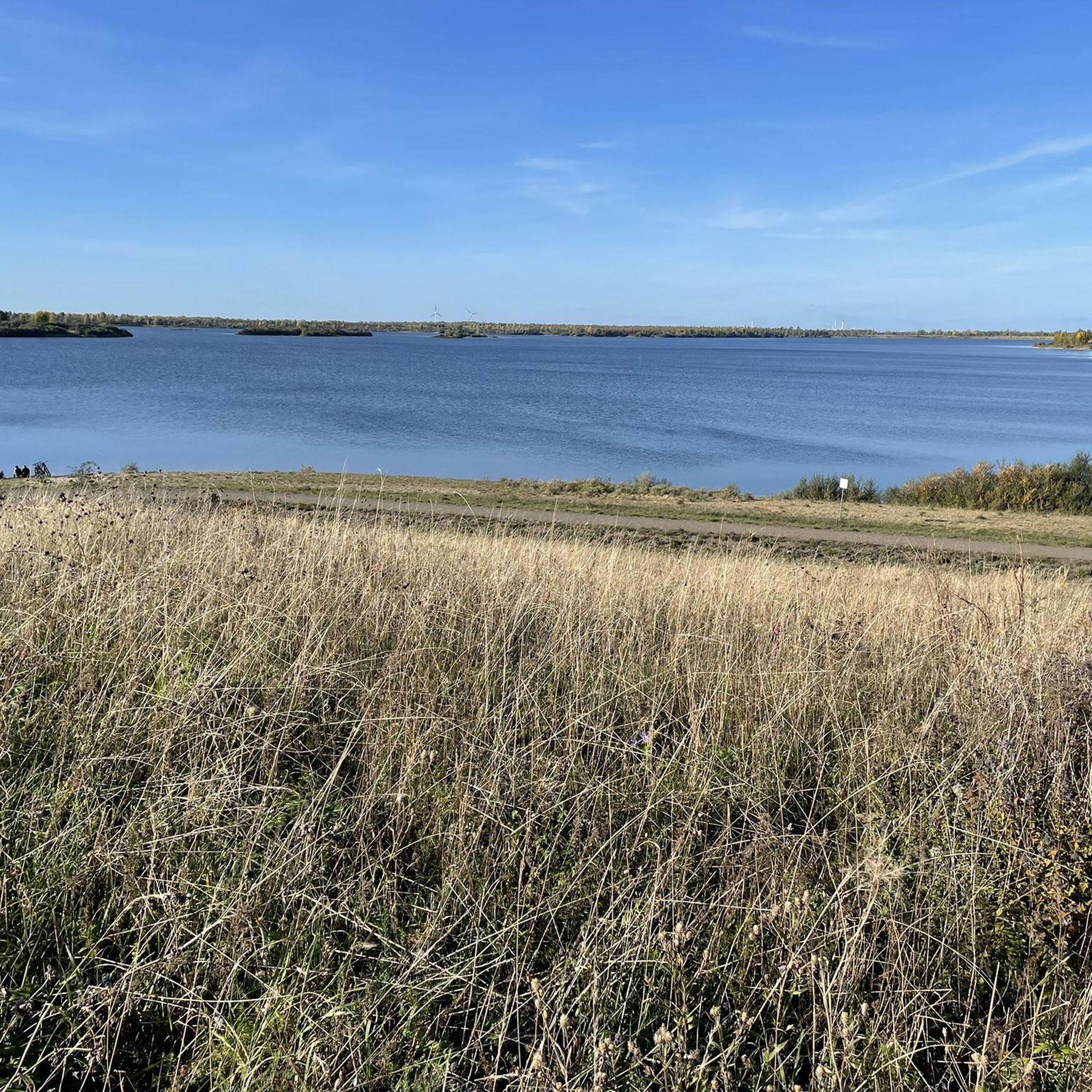
MTB Trails in Werbeliner See
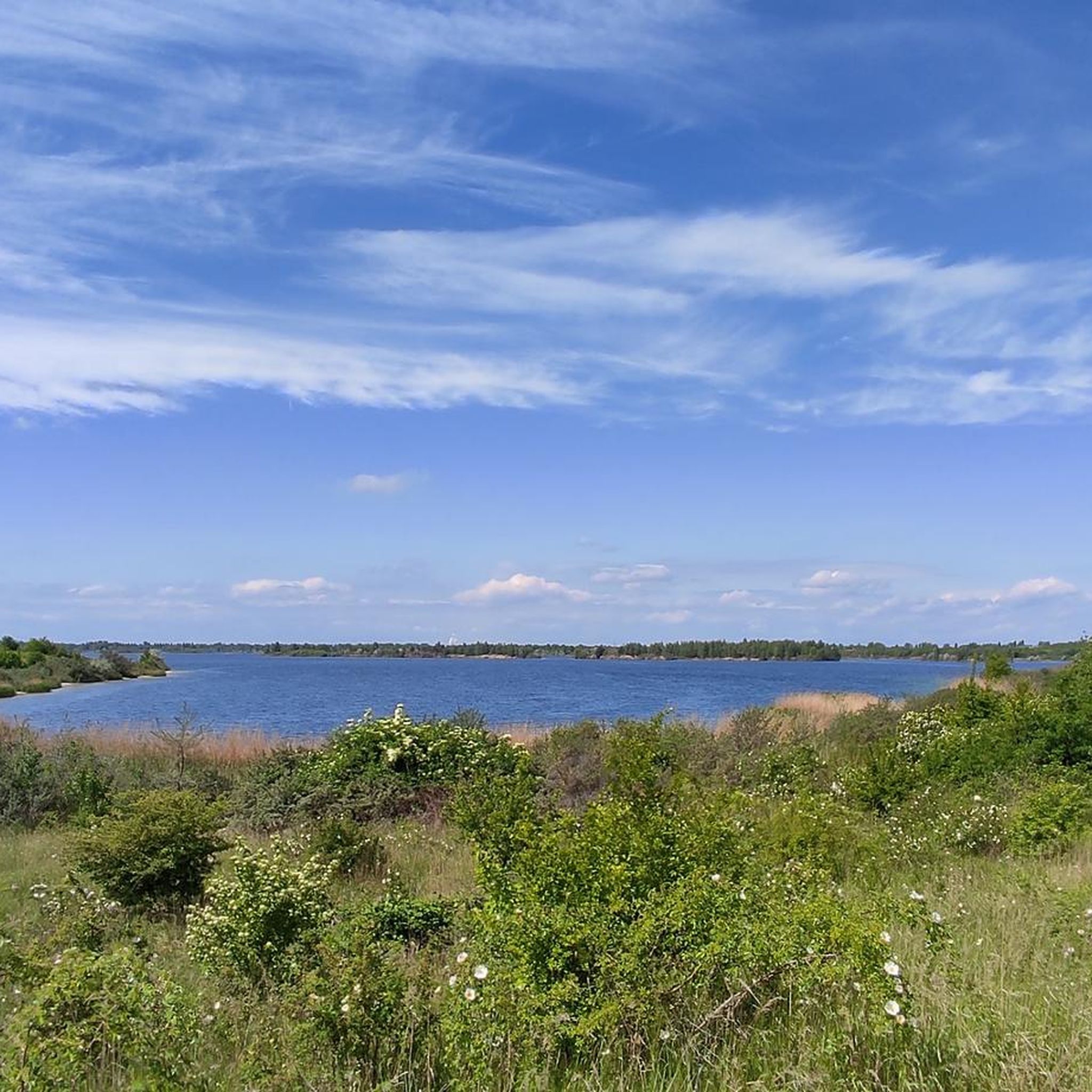
Running Trails in Werbeliner See
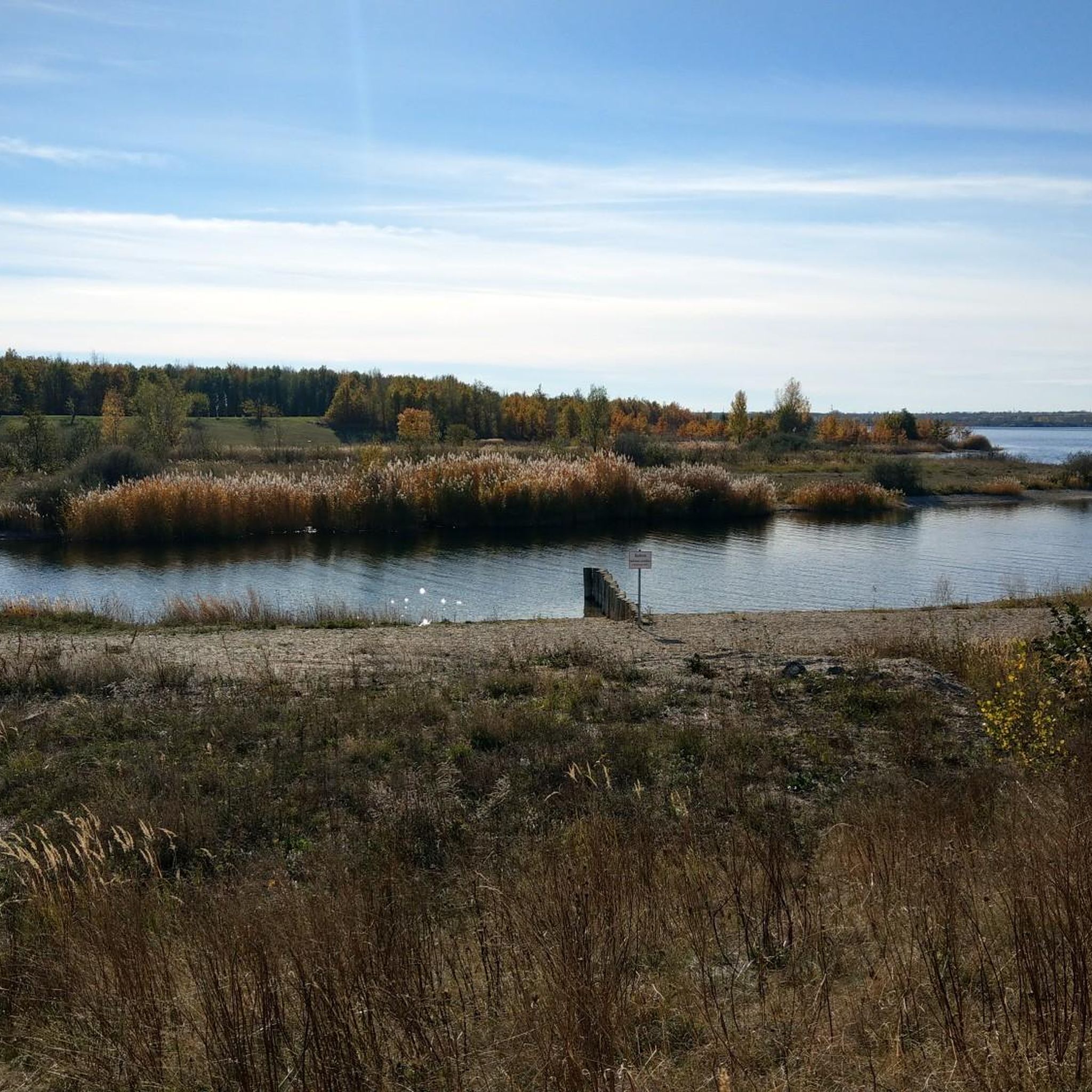
Cycling in Werbeliner See
Gravel biking in Werbeliner See
Other adventures in Werbeliner See

Tips from the Community

Beautiful rest area above the Lober-Leine Canal with a view of Lake Seelhausen
1
0

quiet country road, good surface
0
0
The interior furnishings of Brinnis Church include: In the chancel of Brinnis Church, a tabernacle (circa 1480) and two figurative gravestones (second half of the 17th century); at the altar, a late Gothic, life-size crucifix (first half of the 16th century); in the south (beneath the tall, round triumphal arch of the 16th century, which connects the chancel and nave) a neo-Gothic wooden pulpit from 1830, which only received its current location during the last renovation; furthermore (from 1830): galleries in the south, west, and north of the nave; a classicist wooden baptismal font and a neo-Gothic organ with a five-part facade. The old Brinnis altar, a triptych, is lost. It was already out of use and partially damaged by the end of the 19th century and was later sold. Let us not mourn what is lost, but rather listen to what the bell from the tower calls us. There were once three bells; only one remains: the bronze bell from 1782, 128 cm in diameter. It bears the inscription: "The sermon announces the dead, as well as the sorrows, and is carried forth, and only my bell's sound awakens the heavy hearts everywhere." Source: https://www.pfarrbereich-schenkenberg.de/index.php/kirche-brinnis
3
0
What sustains the church and propels it forward are the dates of its renovations. A distinctive, difficult-to-decipher inscription stone on the outer eastern chancel wall reveals the year 1518. At that time, the church in Brinnis, with its 12th-century Romanesque nave and west tower (whose south wall still retains Romanesque round-arched windows), was extended by this three-sided, late Gothic chancel. A short time later, in 1557 – as an inscription stone on the north wall of the church tells us – the nave was raised. Further renovations took place in 1830, 1914, and 1968/69. At the end of 1968, Pastor Heine, who served in Brinnis for almost half a century, reported with great joy in a church newsletter on the painstakingly initiated and ultimately successful restoration of the Brinnis church. Past generations have repeatedly built upon this house of God, striving to preserve it – leaving their mark in stone as a reminder to us to continue the work. Source: https://www.pfarrbereich-schenkenberg.de/index.php/kirche-brinnis
4
0

Old church in the middle of town. Worth a look.
0
0
The organ with a richly decorated case[1] is a work by Johann Scheibe from 1745–1746 with 13 stops on one manual and pedal. It was tested in 1746 by Johann Sebastian Bach and found to be "efficient, diligent and well built". The original acceptance certificate is in the British Museum in London (Add. 33965, fol. 168–169, until 1872 in the possession of Consul General Clauss in Leipzig).[2] In 1870, the organ was moved to the lower gallery by Eduard Offenhauer and a rear organ with four stops was added. In 1954, Hermann Eule Orgelbau Bautzen returned the instrument to its original location, rearranged the rear organ and added several stops to the main organ.[2] In 2000, Eule restored the organ again and returned it to its original condition. The pedal coupler, installed in 1870, was preserved. Source: https://de.wikipedia.org/wiki/Dorfkirche_Zschortau
5
0
A carved altar with four panels and delicate, slender figures was probably created in a Halle workshop in 1517. In the predella, two high reliefs depict the birth and adoration of Christ. The shrine depicts Mary with Child and Saints Gertrude and Nicholas. The panels bear two rows of depictions of Saints Anthony, Wolfgang, Andrew, Stephen, Blaise, Catherine, Anne, Barbara, Dorothea, Margaret, and another saint. The altarpiece features important paintings by a Leipzig master influenced by Hans Baldung Grien. The left wing depicts Saints George, Maurice, Sebastian, and Christopher; the inner panels depict a bishop, James the Elder, Paul, presumably Benedict, and Bartholomew; and the right wing depicts a deacon, Pope Gregory, Ottilia, and Apollonia. The neo-Gothic sandstone baptismal font was created in the second half of the 19th century. The sandstone baptismal font was created in the second half of the 19th century. Source https://de.wikipedia.org/wiki/Dorfkirche_Zschortau
5
0
The village church dates back to the 12th/13th century. The Romanesque, transversely rectangular west tower survives from this period. The church was rebuilt around 1500. The nave and chancel were significantly enlarged, and the sacristy was added. The church was restored in 1975. The building is constructed of quarry stone with a brick interior. Large, double-track tracery windows and buttresses characterize the exterior. A two-story sacristy is attached to the north side of the chancel. A reticulated vault with colored ribs and remnants of flame and radiant paintings at the intersections completes the interior. The hall is separated from the chancel by a pointed arch and from the tower ground floor by a rounded arch supported by imposts. Simple wooden galleries from 1870 are built on three sides. A groined vault completes the sacristy. Source: https://de.wikipedia.org/wiki/Dorfkirche_Zschortau
5
0
Frequently Asked Questions
How many road cycling routes are available in Werbeliner See?
There are over 140 road cycling routes in Werbeliner See, offering a wide range of options for exploring the region's unique landscapes.
What types of terrain can I expect on road cycling routes around Werbeliner See?
The terrain around Werbeliner See is generally flat, making it ideal for road cycling. You'll experience wide, grassy expanses, diverse lake landscapes with ponds and reed beds, and savanna-like semi-open land. The paths are largely well-maintained, with many sections on asphalt and dedicated cycle paths, not on roads.
Are there any easy road cycling routes suitable for beginners or families?
Yes, many routes are suitable for beginners and families due to the flat terrain. For example, the View of Lake Schladitz – Lake Schladitz loop from Wolteritz is an easy 9.7 km route offering scenic views. Another easy option is the Lake Schladitz – Schladitzer Lake Loop loop from Hayna, which is 8.5 km long.
What are some interesting sights or landmarks to see along the road cycling routes?
Along the routes, you can explore the unique renatured landscapes of Werbeliner See, a former open-cast mine. Points of interest include the Brodauer Zinken at Lake Werbeliner and Lake Grabschütz. An impressive industrial monument, the 17-meter-high paddle wheel of the SRs 6300 bucket-wheel excavator, is also a notable landmark near Gerbisdorf.
Are there any circular road cycling routes around Werbeliner See?
Yes, many routes are designed as loops, allowing you to start and end at the same point. A popular circular route is the View of Seelhausener Lake – Lober-Leine Canal Bridge loop from Delitzsch ob Bf, an easy 21.3 km path that guides cyclists past Seelhausener Lake.
What is the best season for road cycling in Werbeliner See?
The region is enjoyable for road cycling throughout the warmer months, from spring to autumn. The generally flat terrain and well-maintained paths make it accessible, but checking weather conditions is always recommended, especially for wind, as the landscape can be quite open.
Can I find places to eat or rest along the road cycling routes?
While Werbeliner See itself is a nature reserve, the surrounding towns and villages offer opportunities for refreshments. The region is connected to larger cycling networks, and you can often find cafes and restaurants in nearby communities. It's advisable to plan your route to include stops in places like Delitzsch or Zschortau.
What do other road cyclists think about the routes in Werbeliner See?
The road cycling routes in Werbeliner See are highly rated by the komoot community, with an average score of 4.6 stars from over 250 reviews. Cyclists often praise the varied landscape, the well-developed dedicated cycle paths, and the peaceful natural environment.
Is Werbeliner See connected to larger regional cycling networks?
Yes, the region is well-connected to larger, interregional cycling routes. You can link to paths like the KOHLE | DAMPF | LICHT path, which further connects to the Elster bike path, Grüner Ring Leipzig, and extends towards Goitzsche, Ferropolis, and even Lutherstadt Wittenberg, allowing for longer, varied tours.
Are there any specific viewpoints or scenic spots recommended for road cyclists?
The entire area offers scenic views due to its unique renatured landscape. The wide-open spaces, diverse lake scenery, and the contrast between former mining areas and new nature reserves provide many picturesque spots. The paths around the various lakes, such as Lake Werbellin, offer excellent vantage points.
Where can I park my car when starting a road cycling tour in Werbeliner See?
Parking is generally available in the towns and villages surrounding Werbeliner See, such as Delitzsch or Wolteritz, which serve as common starting points for many routes. It's recommended to check specific parking options for your chosen starting location.
Most popular routes in Werbeliner See
Most popular attractions in Werbeliner See

Get inspired with the komoot mobile app


Explore more
Browse the best Road cycling routes in other regions.
