Attractions and Places To See in Slavkovské Bojiště - Top 7
Attractions and places to see in Slavkovské Bojiště encompass a historically significant region in the Czech Republic, primarily known as the site of the Battle of Austerlitz in 1805. This area features a blend of historical landmarks, cultural sites, and scenic points of interest. Visitors can explore battlefields, chateaus, and natural reserves. The region offers insights into 19th-century European history and diverse landscapes.
Best attractions and places to see in Slavkovské Bojiště
- The most popular attractions is Mohyla Míru, a man-made monument that stands on Prace Hill, built to honor the victims of the Battle of Austerlitz. It features a multimedia exhibition and serves as a poignant reminder of the conflicts.
- Another must-see spot is Slavkov Castle (Austerlitz Castle), an impressive Baroque chateau. Visitors can explore historical rooms and a beautiful park, and it was the site of the armistice signing after the battle.
- Visitors also love Monument to the Battle of the Three Emperors (Austerlitz Memorial), a significant man-made monument commemorating the Battle of Austerlitz. This battle, also known as the Battle of the Three Emperors, was a decisive victory for Napoleon I.
- Slavkovské Bojiště is known for its historical landmarks, cultural sites, and natural areas. The region offers a mix of historical sites, cultural landmarks, and natural reserves to see and explore.
- The attractions in Slavkovské Bojiště are appreciated by the komoot community, with 10 upvotes and 9 photos shared by visitors.
Last updated: October 9, 2026
Mohyla Míru
Highlight • Monument
More information: mohylamiru.muzeumbrnenska.cz and de.wikipedia.org/wiki/Schlacht_bei_Austerlitz
Translated by Google •
Tip by

Slavkov Castle (Austerlitz Castle)
Highlight • Castle
Originated from a castle of the Teutonic Knights, converted into a Renaissance castle in the 18th century.
More information: zamek-slavkov.cz and de.wikipedia.org/wiki/Schloss_Slavkov
Translated by Google •
Tip by
Sign up now to discover places like this
Get recommendations on the best single tracks, peaks, & plenty of other exciting outdoor places.
Monument to the Battle of the Three Emperors (Austerlitz Memorial)
Highlight • Monument
Translated by Google •
Tip by

Špice Nature Reserve
Highlight • Natural Monument
Translated by Google •
Tip by

1962 Air Disaster Memorial at Špidlák Hill
Highlight • Monument
Translated by Google •
Tip by
Sign up for free to discover even more attractions in Slavkovské Bojiště.
Already have an account?
Start today with a free account
Your next adventure awaits.
Tips from the Community

The Battle of Austerlitz (French: Bataille d’Austerlitz, Czech: Bitva u Slavkova, Russian: Битва под Аустерлицем), also called the Battle of the Three Emperors, although the Austrian Emperor Franz I was not present on the battlefield, took place on Monday, December 2, 1805, exactly one year after the imperial coronation of Napoleon I in Paris. It is one of the most famous battles of the Napoleonic Wars. At Pratzeberg between Brünn (Czech: Brno) and Austerlitz (Czech: Slavkov u Brna) in Moravia, Emperor Napoleon I of France defeated an alliance of Austrian and Russian troops - the latter under Emperor Alexander I.
0
0

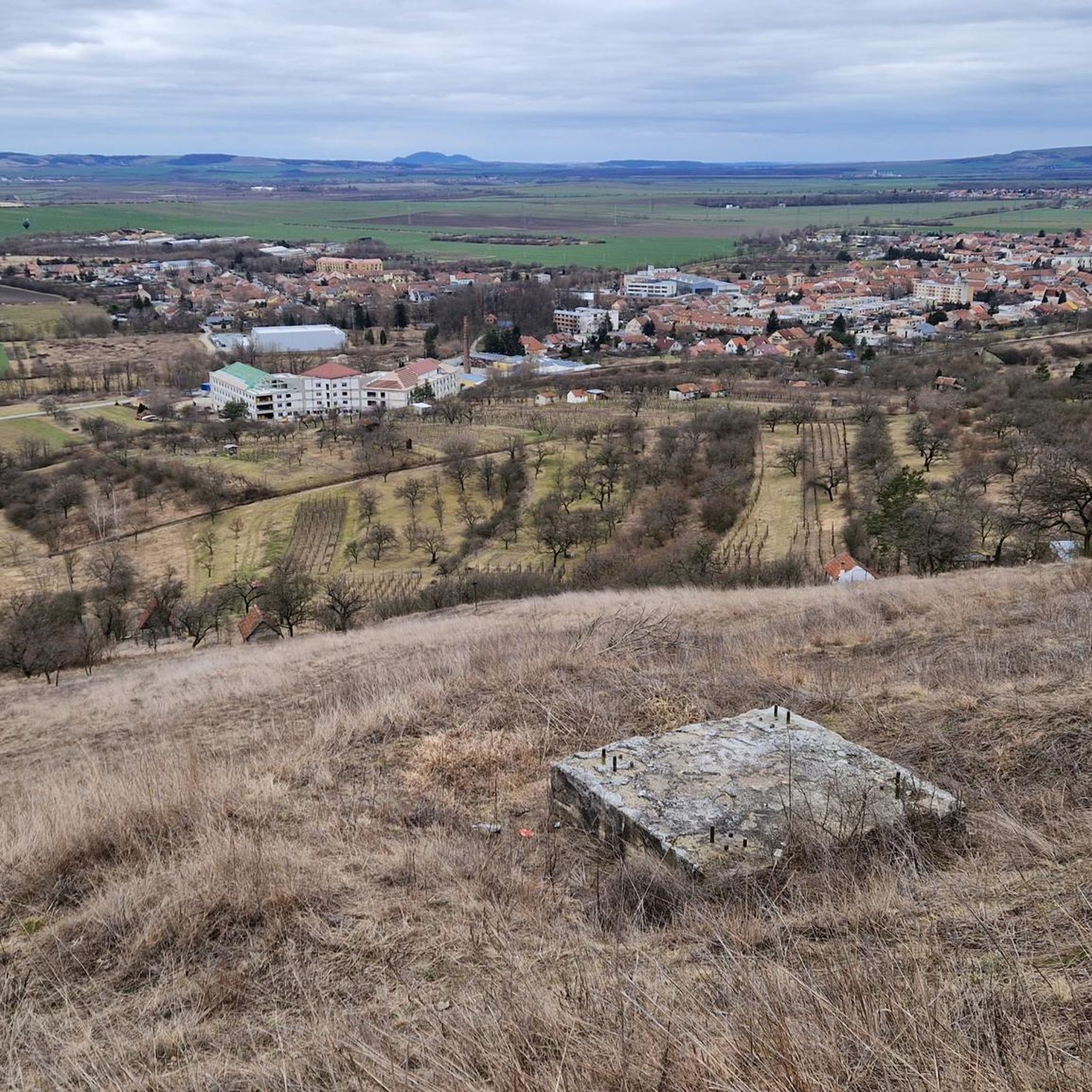
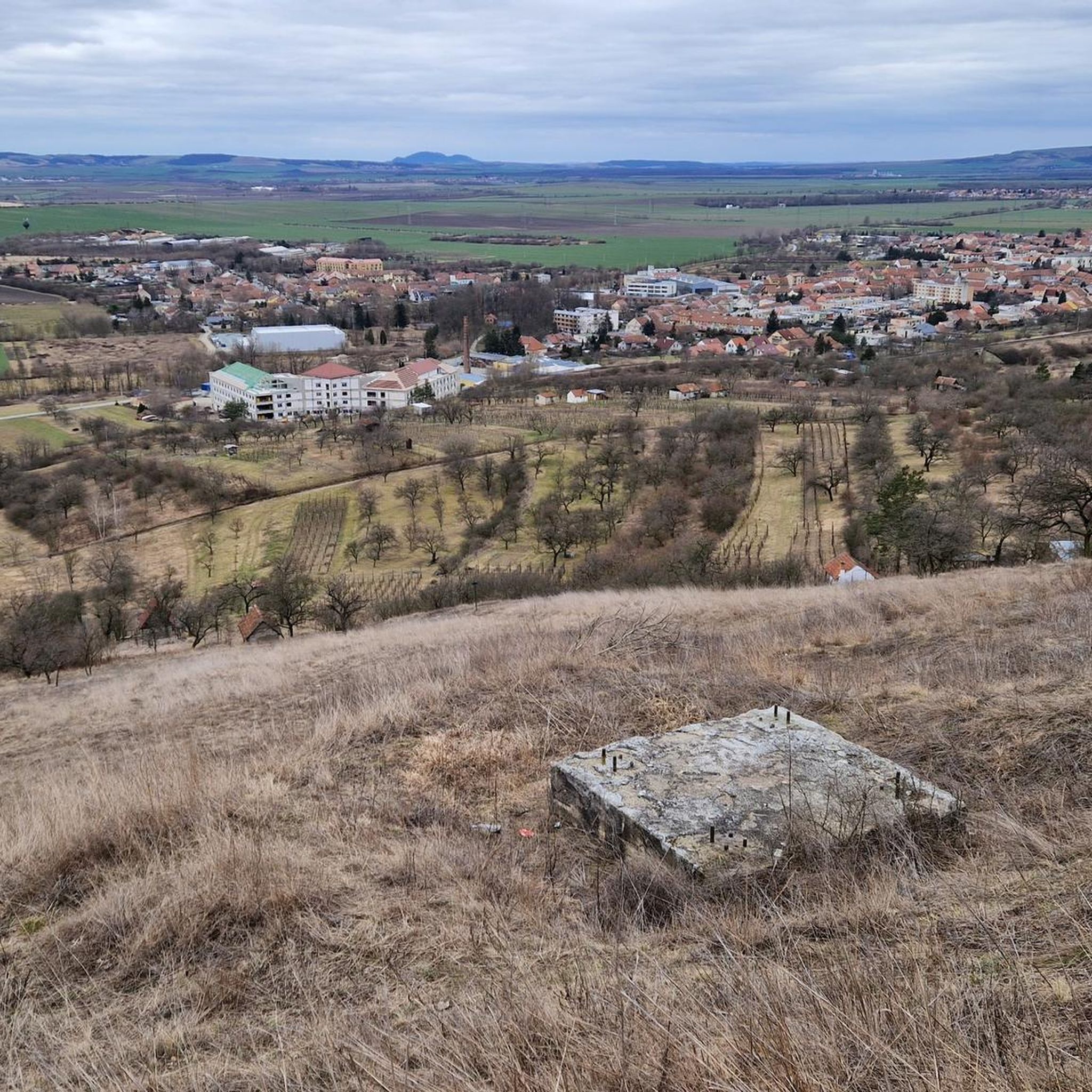
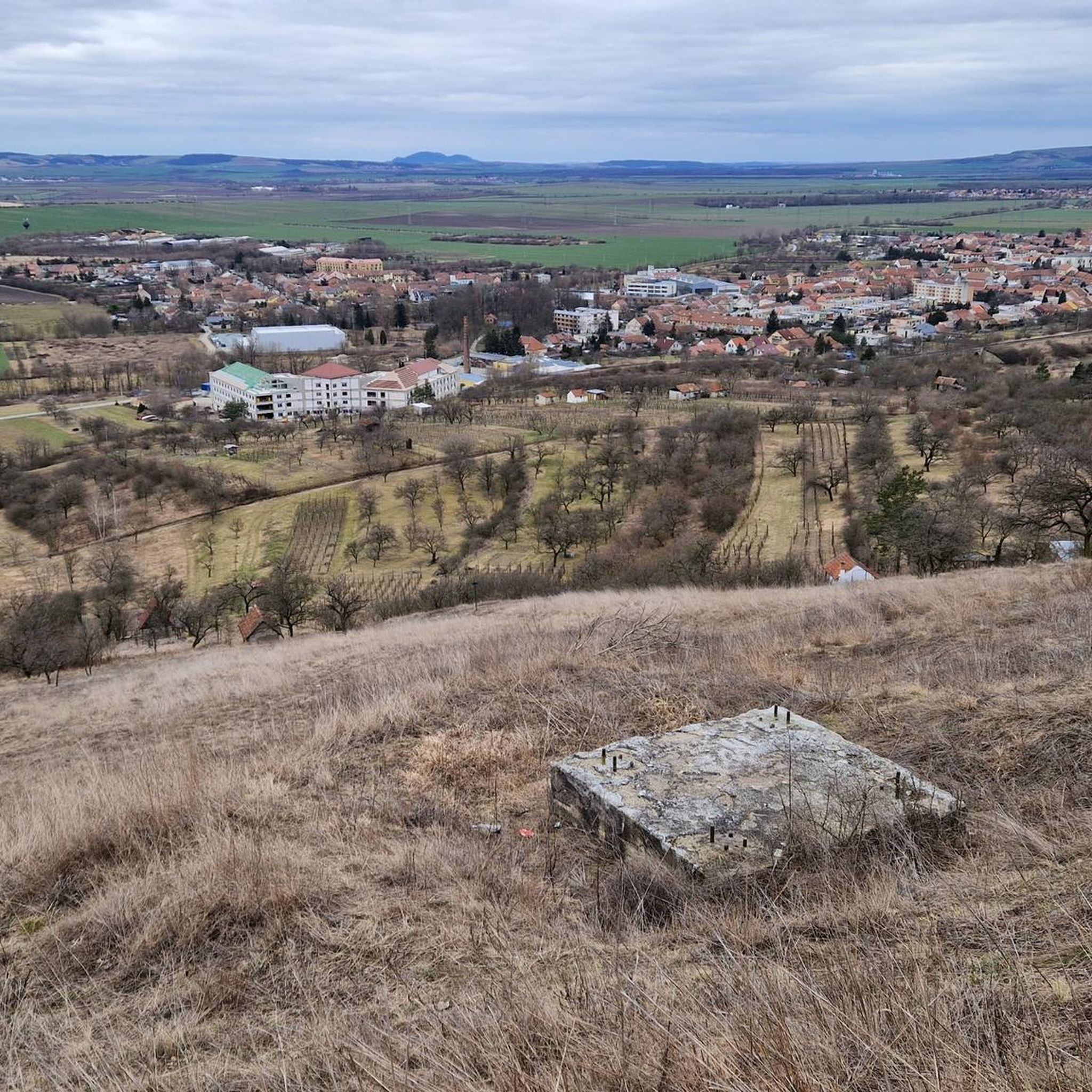
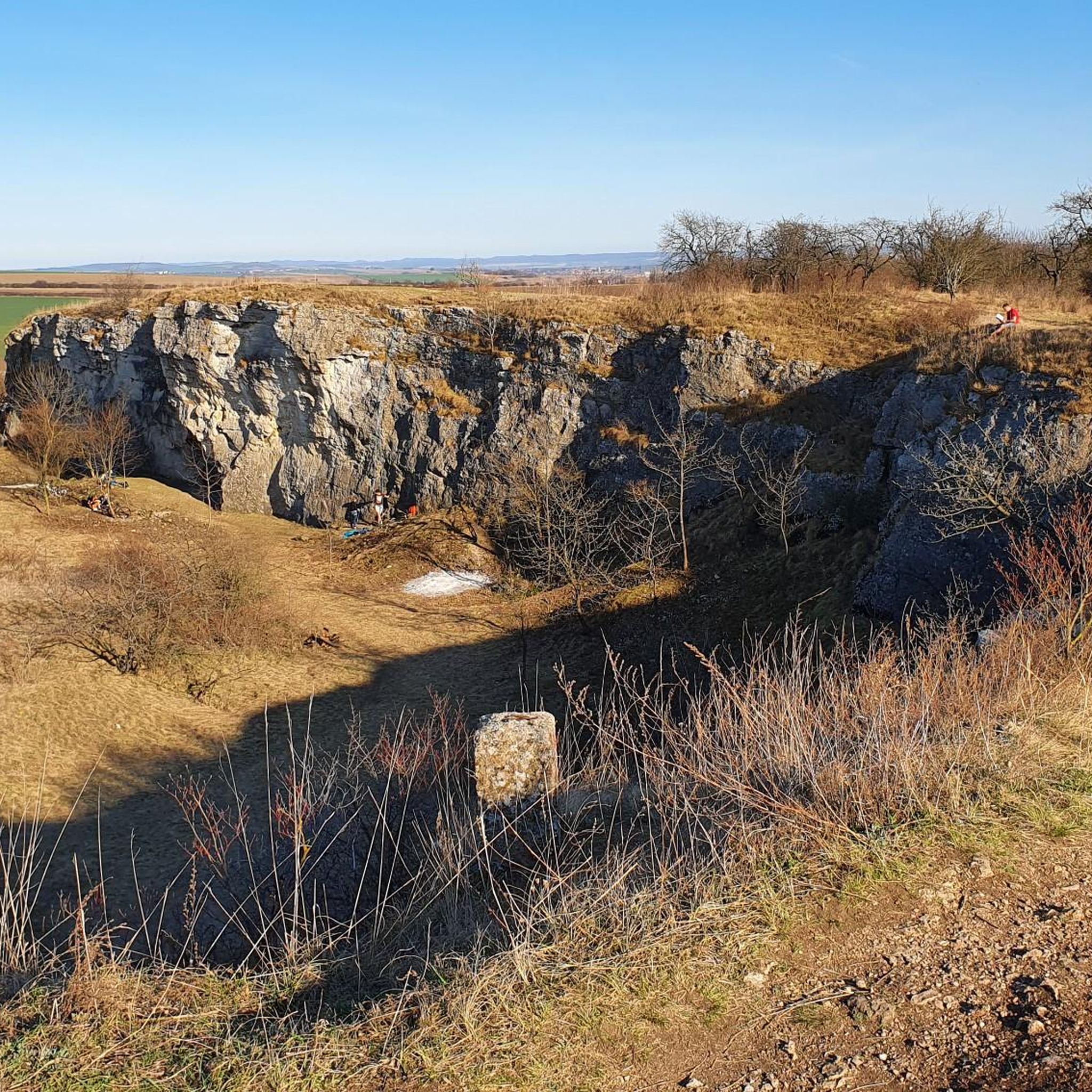
Natural monument Špice na Stará hora - in the middle of orchards and vineyards we find open lawns inhabited by steppe communities and heat-loving flora. In particular, this is the northernmost locality of the Tatar tarantula. There are also willow-leaved sedges, Austrian goat's sedge, and sandy sedge. Low iris blooms here in spring. Over the lawns you can see the nuptial flights of the fruit flycatcher and the fennel flycatcher. The location is an important entomological habitat, within our state it is a unique place of occurrence of the hollyhock.
0
0
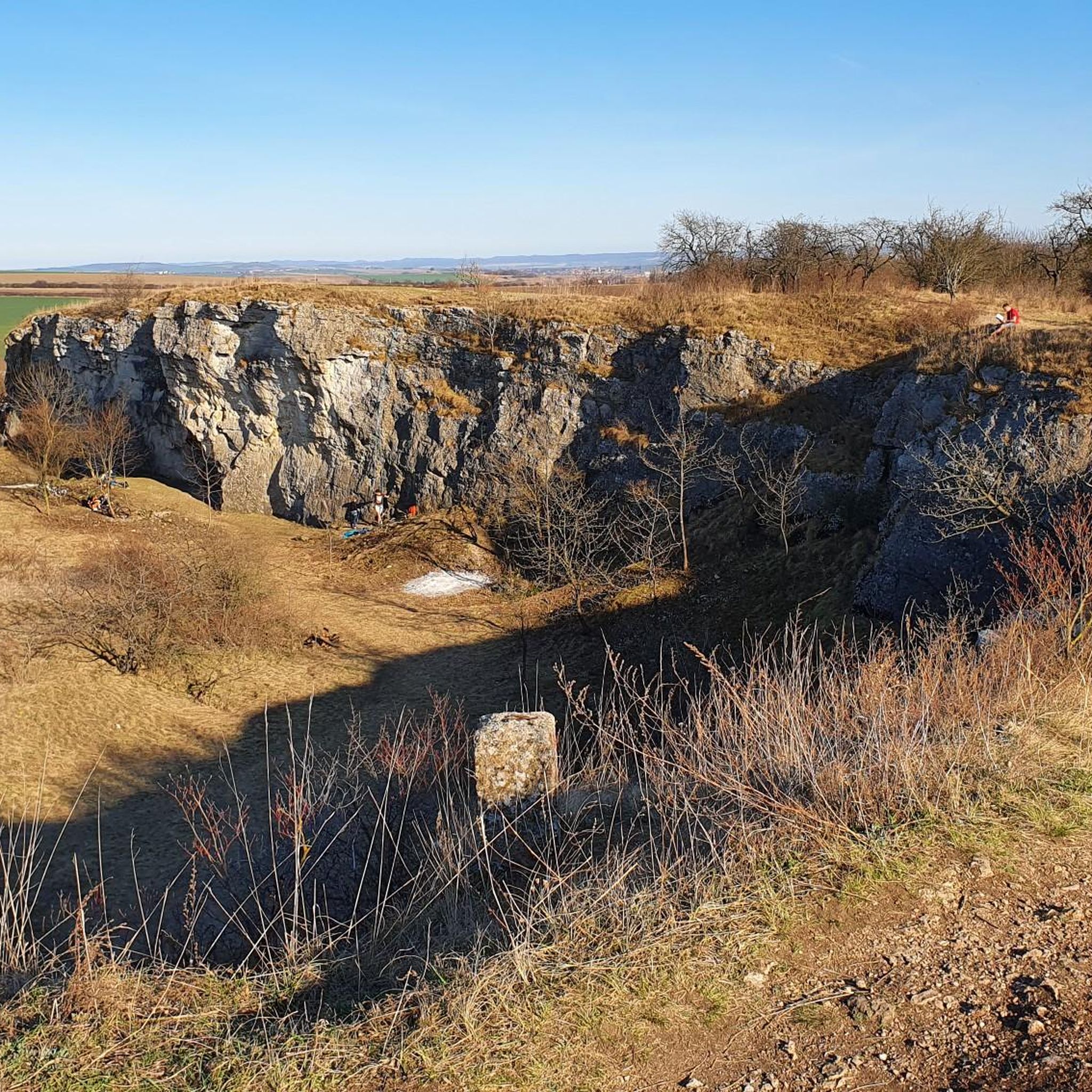
In 2013, the monument to the plane crash of October 10, 1962 was unveiled. It is the biggest plane crash in South Moravia so far - 13 people died in the wreckage of the ČSA plane. The plane on the regular Košice-Prague route hit the Špidlák hill with its wing in thick fog.
0
0

Slavkov Castle (Zámek Slavkov), remarkable castle complex with a beautiful park. Originated from a castle of the Teutonic Knights, converted into a Renaissance castle in the 18th century. More information: http://www.zamek-slavkov.cz/ and https://de.wikipedia.org/wiki/Schloss_Slavkov
2
0
Mohyla Míru, Peace Memorial to the Fallen of the Battle of Austerlitz 1805. More information: http://mohylamiru.muzeumbrnenska.cz/ and https://de.wikipedia.org/wiki/Schlacht_bei_Austerlitz
2
0
Frequently Asked Questions
What historical landmarks are essential to visit in Slavkovské Bojiště?
The region is rich in history, particularly related to the Battle of Austerlitz. Key historical landmarks include the Mohyla Míru (Cairn of Peace) on Prace Hill, which honors the battle's victims and features a multimedia exhibition. You should also visit Slavkov Castle (Austerlitz Castle), a Baroque chateau where the armistice was signed, and Žuráň Hill, Napoleon Bonaparte's command post during the battle.
Beyond the main battle memorials, what other historical sites can I explore?
While the battle memorials are central, you can also visit Santon Hill, an important French artillery position topped by a chapel. Additionally, the Monument to the Battle of the Three Emperors provides another significant commemoration of Napoleon's decisive victory.
Are there opportunities for outdoor activities like hiking or cycling in the area?
Yes, Slavkovské Bojiště offers various outdoor activities. You can find numerous routes for cycling and gravel biking. For detailed maps and route information, explore the Cycling in Slavkovské Bojiště guide or the Gravel biking in Slavkovské Bojiště guide.
What attractions are suitable for families with children?
Many historical sites are family-friendly. Mohyla Míru offers an engaging multimedia exhibition. Slavkov Castle with its beautiful park is great for leisurely strolls. Battle reenactments, often held on the field below Santon, provide an immersive historical experience for all ages.
Are there any natural areas or reserves to visit in Slavkovské Bojiště?
Yes, the Špice Nature Reserve is a notable natural monument. It features open lawns with steppe communities and heat-loving flora, including the northernmost locality of the Tatar tarantula. It's also an important entomological habitat.
Where can I find trails for running near the attractions?
The region provides several running trails. You can find various loops, such as a running loop from Slavkov u Brna or longer routes like the Mokerská nádrž loop from Pozořice. For more options and detailed routes, check out the Running Trails in Slavkovské Bojiště guide.
When is the best time of year to visit Slavkovské Bojiště?
The best time to visit is generally during the spring (April-May) and autumn (September-October) when the weather is pleasant for exploring historical sites and outdoor activities. Summer (June-August) is also popular, especially for battle reenactments, but can be warmer. Winter visits are possible, but some outdoor activities might be limited.
Can I bring my dog to the attractions or on walks in the region?
Many outdoor areas and walking paths in Slavkovské Bojiště are dog-friendly. However, it's advisable to check specific rules for indoor attractions like Slavkov Castle or the exhibition at Mohyla Míru, as pets might not be allowed inside buildings. Always keep dogs on a leash and clean up after them.
Are there places to eat or stay near the main attractions?
Yes, the town of Slavkov u Brna, where Slavkov Castle is located, offers various cafes, pubs, and restaurants. You can also find local accommodation options in Slavkov u Brna and surrounding villages, providing convenient access to the battlefield sites.
Is parking available at the main historical sites?
Parking is generally available at the major historical sites such as Mohyla Míru and Slavkov Castle. Specific parking information might vary, so it's always good to check local signage upon arrival.
What is the significance of the 1962 Air Disaster Memorial at Špidlák Hill?
The 1962 Air Disaster Memorial at Špidlák Hill commemorates the biggest plane crash in South Moravia, which occurred on October 10, 1962. Thirteen people died when a ČSA plane, on its Košice-Prague route, hit Špidlák Hill in thick fog. The monument was unveiled in 2013 to honor the victims.
Can I take a guided tour of the Austerlitz battlefield?
Yes, guided tours of the battlefield are available and highly recommended to gain in-depth information about the 'Battle of the Three Emperors' in 1805. These tours often include visits to key locations like Mohyla Míru, Žuráň Hill, and Santon Hill, explaining their strategic importance.
Most popular routes in Slavkovské Bojiště

Get inspired with the komoot mobile app


Explore more
Still not found the Highlight you’re looking for? See guides of the top attractions in other regions:
