Attractions and Places To See in Osterseen - Top 20
Best attractions and places to see in Osterseen include a unique lake district in Upper Bavaria, comprising 20 to 24 individual lakes. This region is characterized by its turquoise-blue waters, set against an Alpine backdrop, and interconnected by moors and canals. Much of the area has been a nature reserve since 1981, preserving its ecological value and offering varied scenery for exploration.
Best attractions and places to see in Osterseen
- The most popular attractions is Wooden footbridge between Fohnsee and Eishaussee, a bridge that leads over the canal between the Fohnsee and Eishaussee. This narrow wooden bridge allows for a shorter route around the Fohnsee.
- Another must-see spot is Great Ostersee, a lake that is the largest of the 24 lakes in the glacial Osterseen area. Visitors can find a small beach here for swimming and refreshment.
- Visitors also love View of the Fohnsee, a viewpoint offering clear water and a quiet, relaxing environment. This spot provides an impressive panorama of the surrounding nature.
- Osterseen is known for its diverse natural features, including lakes, natural monuments, and viewpoints. The region offers a variety of attractions to see and explore, from interconnected water bodies to scenic overlooks.
- The attractions in Osterseen are appreciated by the komoot community, with more than 1100 upvotes and over 300 photos shared.
Last updated: September 25, 2026
Great Ostersee
Highlight • Lake
Translated by Google •
Tip by

Wooden footbridge between Fohnsee and Eishaussee
Highlight • Bridge
Translated by Google •
Tip by

Sign up now to discover places like this
Get recommendations on the best single tracks, peaks, & plenty of other exciting outdoor places.
Großer Ostersee
Highlight • Lake
Translated by Google •
Tip by
Blue Gumpe Spring (Osterseen)
Highlight • Natural Monument
Have fun
Translated by Google •
Tip by

Along the Osterseen
Highlight (Segment) • Lake
Showing Translation
Tip by

Sign up for free to discover even more attractions in Osterseen.
Already have an account?
Start today with a free account
Your next adventure awaits.


Tips from the Community

With two panniers and wide handlebars, it's a challenge. But absolutely doable! So unload, bike over and catch up on luggage. By the way, the water is lukewarm in summer! I was in after the 🚴🏻♂️ water bottle fell in.
4
0

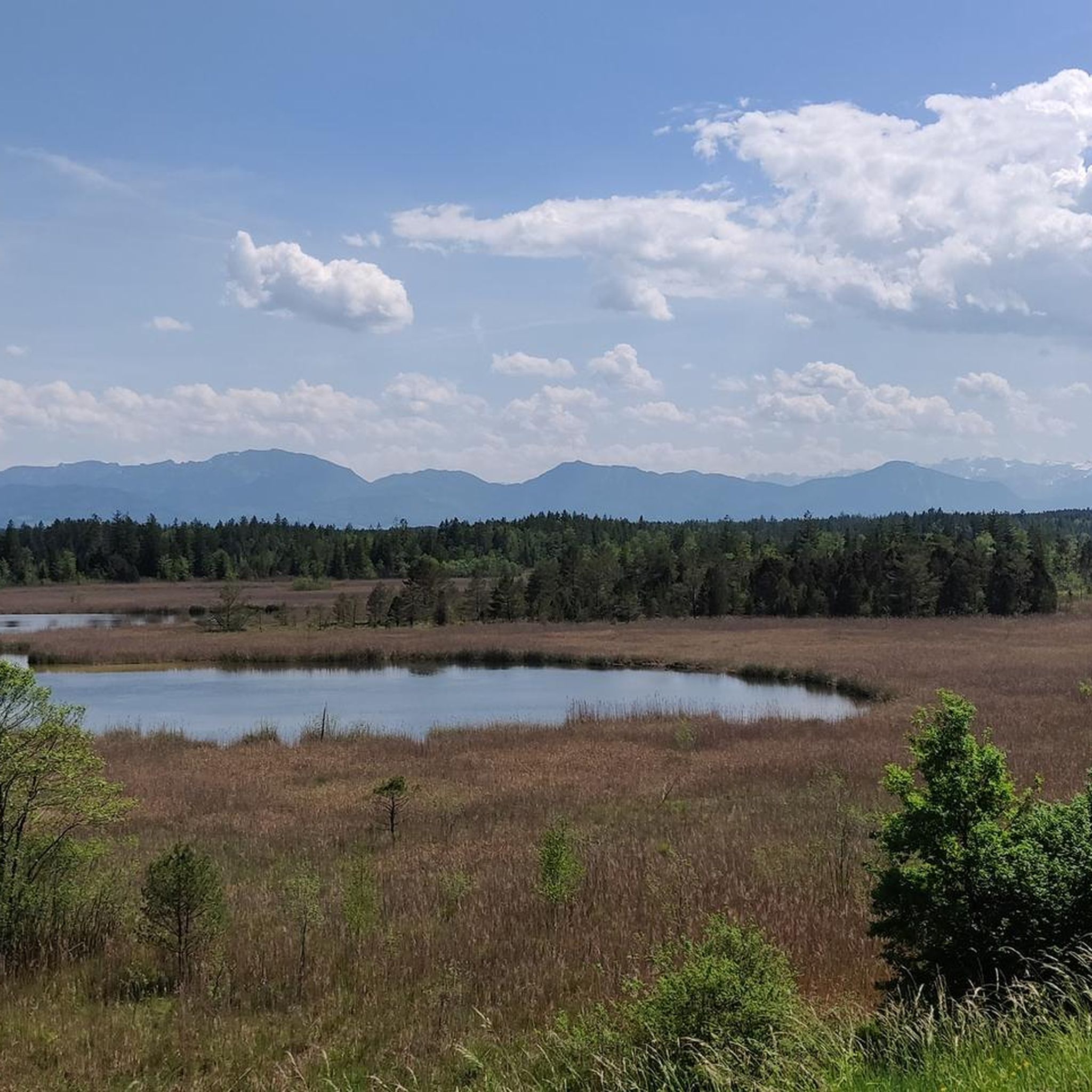
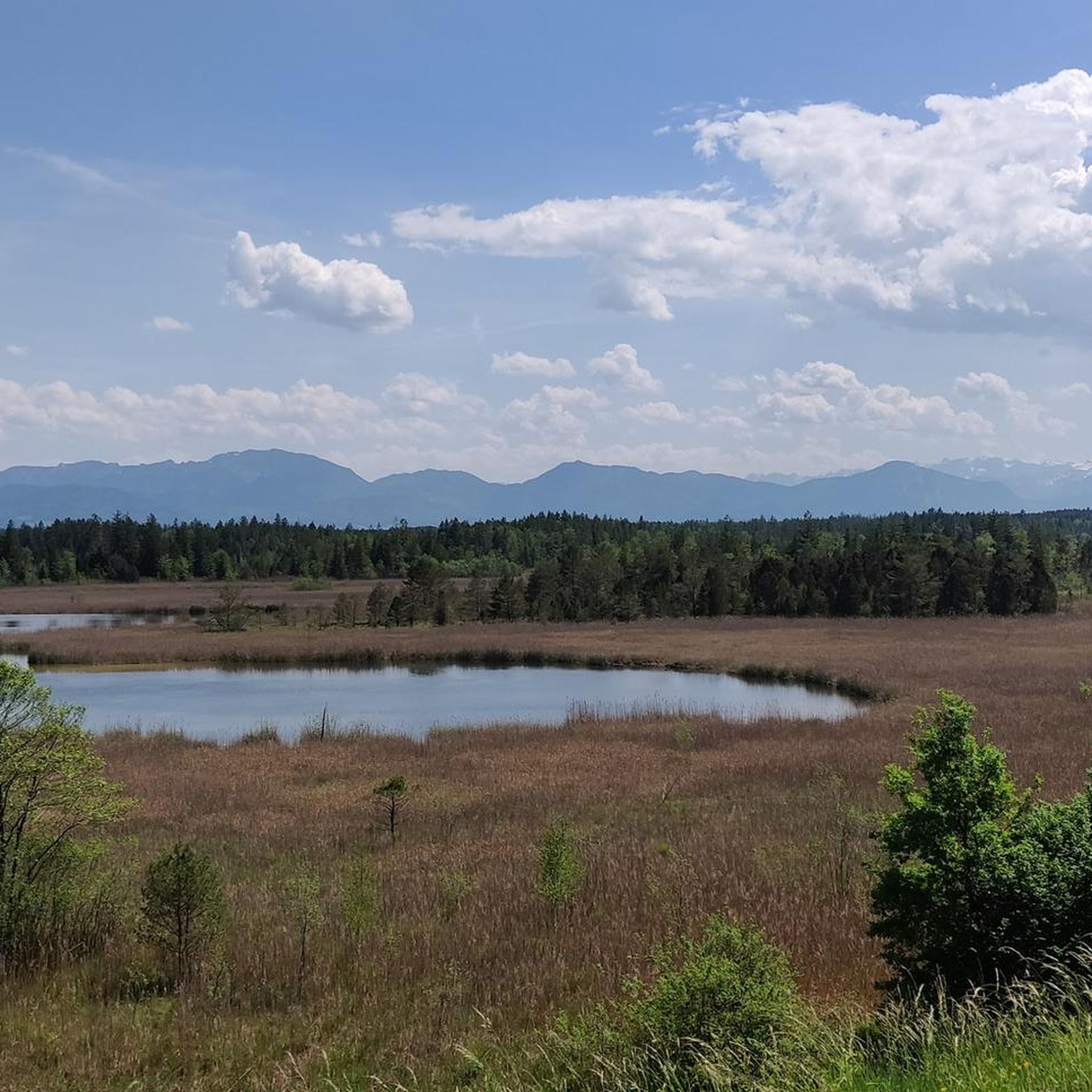
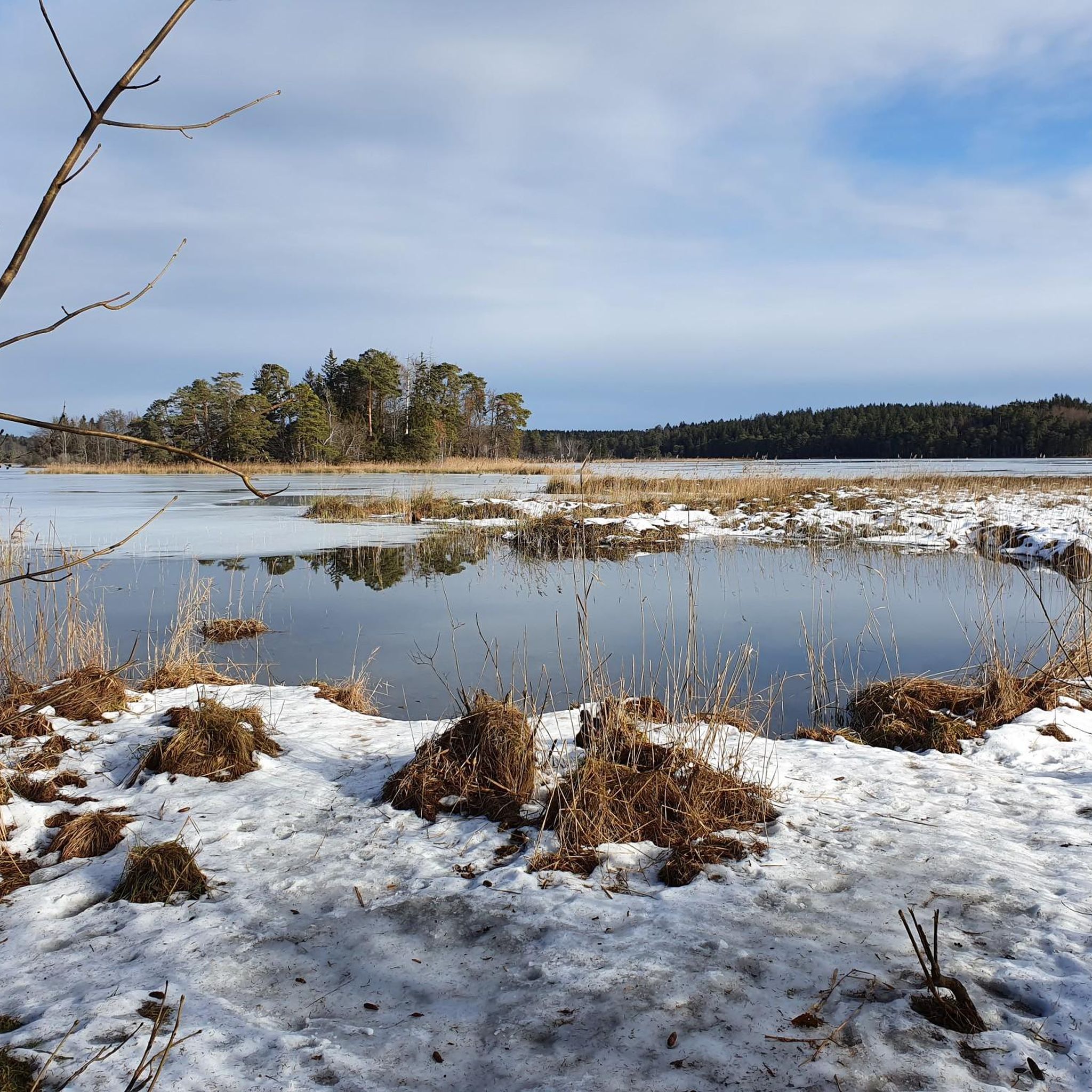
View of the Great Easter Lake 🌊 - north/east side - beautiful moorland - Iffeldorf - LKR. Weilheim-Schongau
2
0
The Osterseen are a group of bodies of water south of Lake Starnberg in the Weilheim-Schongau district in Upper Bavaria. The southern and central Osterseen with the Großer Ostersee belong to the municipality of Iffeldorf, the northern Osterseen from the Stechsee and the Frechensee to the municipality of Seeshaupt. Iffeldorf is around five kilometers by road northwest of Penzberg, 20 km southeast of the district town of Weilheim and 50 km south-southwest of Munich city centre. The 20 larger individual lakes have a total area of around 225 hectares and an average depth of a good nine metres. The Kleiner Gröbensee and about 15 unnamed smaller lakes, each with an area of only a few hundred square meters, are not included here, seven of which are already heavily silted up. The Osterseen and the silting-up zone bordering to the west are located in the landscape protection area "Protection of the Osterseen and their surroundings in the communities of Frauenrain, Iffeldorf and Seeshaupt". The area received this protection status as early as 1955. Since 1981 there has also been the Osterseen nature reserve with an area of 1,083 hectares. About a third of this is on the surface of the water bodies, 494 hectares are high, low and intermediate moors, 172 hectares consist of semi-natural mixed forest. Around five percent of the Osterseen landscape consists of riparian regions, silted-up areas and meadows. The nature reserve is divided into three parts, which are separated from each other by the train line of the Kochelseebahn and the state road 2063: Südliche Osterseen, Nordliche Osterseen and Frechensee. In May 1997, the Osterseen were reported to Brussels as a SPA (European bird sanctuary) and FFH area according to the Fauna-Flora-Habitat Directive. In addition to the Eggstätt-Hemhofer lake district and the Seeoner lakes, the area is the largest and most structured icefall landscape in the Bavarian Alpine foothills. The complex of boggy and nutrient-poor lakes, low, transitional and raised bogs alongside bog and swamp forests with its extraordinary diversity of species in the networked habitats, biotopes and ecological niches is of Europe-wide importance for basic scientific research. The beauty of this landscape has always attracted artists. The painter Georg Schrimpf in particular, a main representative of the New Objectivity art movement, created several oil paintings of the Osterseen in the 1930s. Source: https://de.wikipedia.org/wiki/Osterseen
6
0

Very narrow, steep pedestrian bridge over the gap between Eishaussee and Fohnsee. Wikipedia (Osterseen, history, 2023-01-03): https://de.wikipedia.org/wiki/Osterseen#History “... After 1861, the Munich industrialist Joseph Anton von Maffei, who had previously bought the three Staltach farms, had two tunnels built: from the Staltach lakes to the Fohnsee and from the Fohnsee to the Ostersee. …”
7
1
Bavarian State Office for the Environment (Osterseen Icefall Landscape): https://www.lfu.bayern.de/geologie/bayerns_schoenste_geotope/33/index.htm https://www.lfu.bayern.de/geologie/bayerns_schoenste_geotope/33/doc/33_schautafel.pdf “The Blue Pump The Osterseen are mainly fed by groundwater, which emerges in numerous spring funnels. The best known is the Blaue Gumpe south of the Großer Ostersee. The walls of its spring funnel are covered with white deposits of freshwater lime, which is excreted from the lime-rich spring water. Since the groundwater has a relatively constant temperature of 10°C, the water surface does not freeze in winter. Steam hangs over the spring on cold winter days.” Bank 51 is nearby.
3
0
Bavarian State Office for the Environment (Osterseen Icefall Landscape): https://www.lfu.bayern.de/geologie/bayerns_schoenste_geotope/33/index.htm https://www.lfu.bayern.de/geologie/bayerns_schoenste_geotope/33/doc/33_schautafel.pdf “The Blue Pump The Osterseen are mainly fed by groundwater, which emerges in numerous spring funnels. The best known is the Blaue Gumpe south of the Großer Ostersee. The walls of its spring funnel are covered with white deposits of freshwater lime, which is excreted from the lime-rich spring water. Since the groundwater has a relatively constant temperature of 10°C, the water surface does not freeze in winter. Steam hangs over the spring on cold winter days.” Bank 51 is nearby.
5
1

This of many other springs in the Osterseen is located in the shore area. You can go directly over this groundwater source via a footbridge. Crystal clear water lets you see down to the bottom. Very beautiful!
10
1

Frequently Asked Questions
What unique natural features can I explore in the Osterseen region?
The Osterseen are renowned for their unique chain of 20 to 24 individual lakes, characterized by their turquoise-blue waters and interconnected by moors and canals. A notable natural monument is the Blue Gumpe Spring (Osterseen), a well-known spring funnel where calcareous groundwater emerges, offering a stunning photographic opportunity. The region also features extensive moorland landscapes and mixed forests, providing diverse scenery.
Are there opportunities for swimming in the Osterseen?
Yes, in warmer months, visitors can enjoy swimming in the crystal-clear waters of the lakes. The Great Ostersee, the largest of the lakes, has a small beach where you can refresh yourself.
What kind of hiking trails are available around the Osterseen?
The Osterseen offer a variety of hiking trails, including a popular circular tour around the lakes, approximately 12 kilometers long, suitable for leisure hikers and families. Trails lead through forests and along the shimmering blue waters. For easy walks, you can explore routes like the "Great Ostersee – View of the Fohnsee loop from Iffeldorf" or the "East Shore of Großer Ostersee – Shaded Forest Path loop from Iffeldorf." You can find more options in the Easy hikes in Osterseen guide.
What cultural or historical sites are near the Osterseen?
In the nearby village of Iffeldorf, you can visit the Parish Church of St. Vitus, known for its distinctive grey onion dome, which creates a classic Bavarian postcard motif with the Alpine panorama. Additionally, the Gut Aiderbichl Animal Sanctuary, located about 500 meters above the eastern shore of the Großer Ostersee, provides a home for over 300 rescued animals.
Are there family-friendly activities or attractions in Osterseen?
Absolutely. The circular hiking trails around the lakes are generally suitable for families. The Great Ostersee offers a small beach perfect for swimming and relaxation. The Gut Aiderbichl Animal Sanctuary is also a popular family destination where children can interact with rescued animals.
What is the best time of year to visit the Osterseen?
The Osterseen are beautiful year-round. In warmer months, they are ideal for swimming and hiking. During colder months, the smaller lakes become popular for ice skating. The spring and autumn offer a quiet and relaxing environment with impressive panoramas, making them great for hiking and photography.
What do visitors enjoy most about the Osterseen?
Visitors frequently praise the "Caribbean flair" of the turquoise-blue waters and the stunning Alpine backdrop. The quiet, relaxing environment and the impressive panoramas, such as those from the View of the Fohnsee, are highly appreciated. The area is also loved for its diverse natural beauty, including the unique moorland and forests, perfect for extensive discovery tours.
Are there any cycling routes available in the Osterseen area?
Yes, the region offers various cycling opportunities. You can find routes for gravel biking, such as the "View of Großer Ostersee – View of the Osterseen loop from Iffeldorf," in the Gravel biking in Osterseen guide. For road cycling enthusiasts, there are routes like the "Walchensee – South Shore of Walchensee loop from Iffeldorf" listed in the Road Cycling Routes in Osterseen guide.
Where can I find a good viewpoint to appreciate the Osterseen's beauty?
The View of the Fohnsee offers an impressive panorama of the surrounding nature and clear water. Another popular spot for photography, especially in the morning or evening, is the Blue Gumpe Spring (Osterseen), where the calm water surface reflects the surroundings beautifully.
Is there a way to shorten the circular route around the Fohnsee?
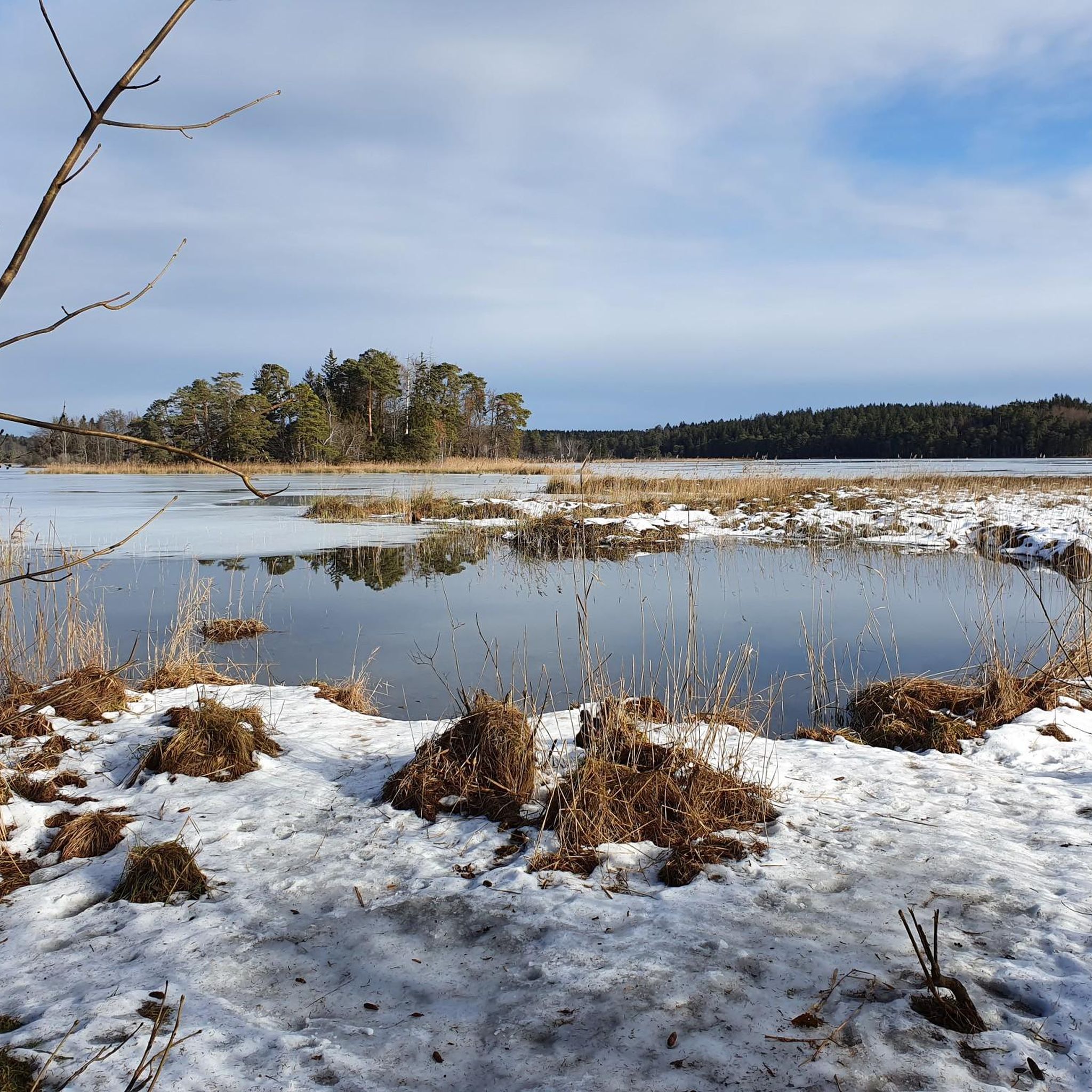
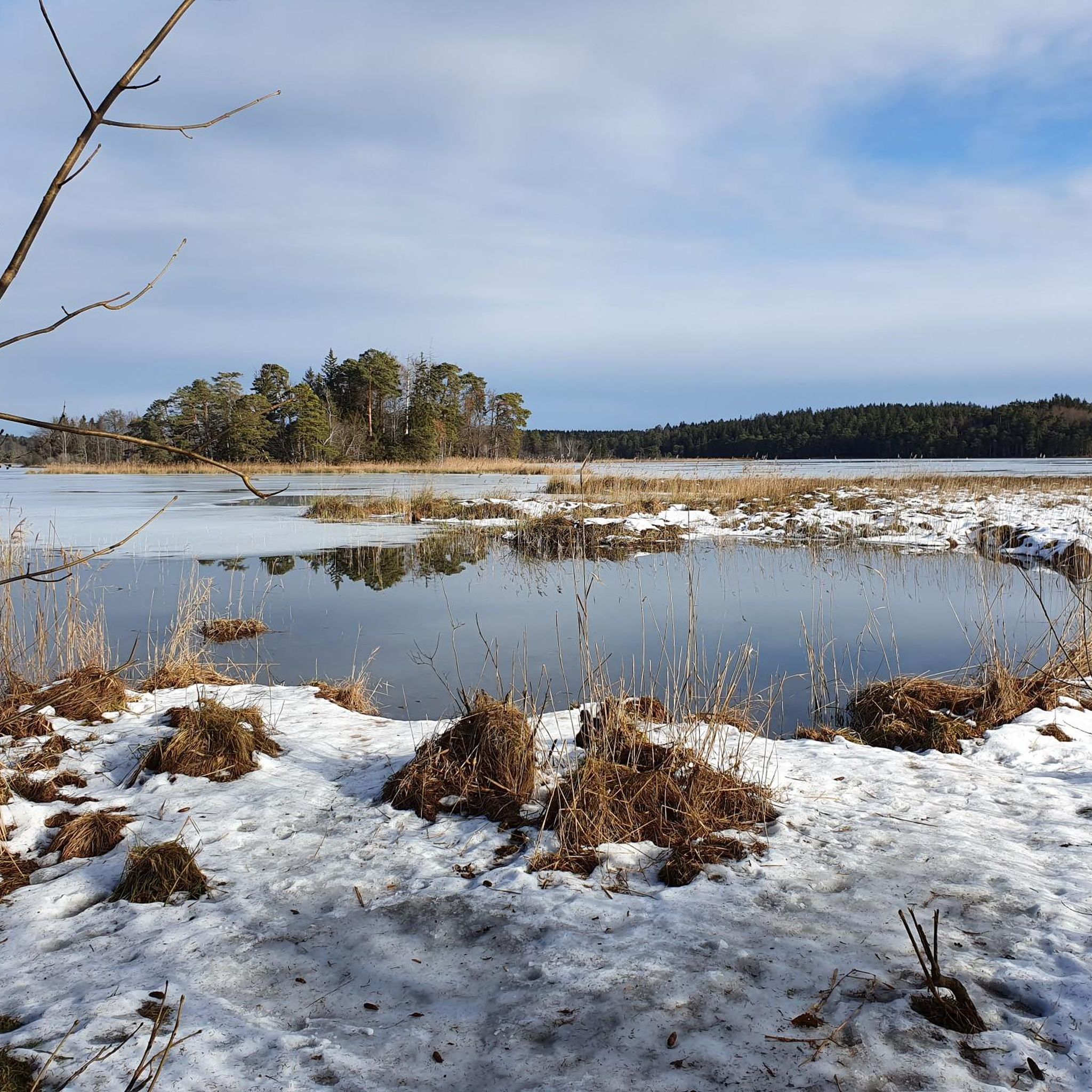
Yes, the Wooden footbridge between Fohnsee and Eishaussee allows for a shorter route around the Fohnsee by crossing the canal between the two lakes. Be aware that this narrow bridge can be tricky in wet or snowy conditions.
What is the significance of the moorland around the Osterseen?
The moorland landscape surrounding the Osterseen is ecologically valuable and has been part of a nature reserve since 1981. It is home to unique animals like wild geese and ospreys, contributing significantly to the region's biodiversity and offering varied scenery for exploration.
Can I see the Alps from the Osterseen area?
Yes, on clear days, the Osterseen region offers breathtaking views of the Alps, including Germany's highest mountain, the Zugspitze, and the Herzogstand. This spectacular Alpine panorama provides a stunning backdrop to the picturesque lakes.
Most popular routes in Osterseen
Most popular attractions in Osterseen

Get inspired with the komoot mobile app


Explore more
Still not found the Highlight you’re looking for? See guides of the top attractions in other regions:
