Attractions and Places To See around Gusterath - Top 20
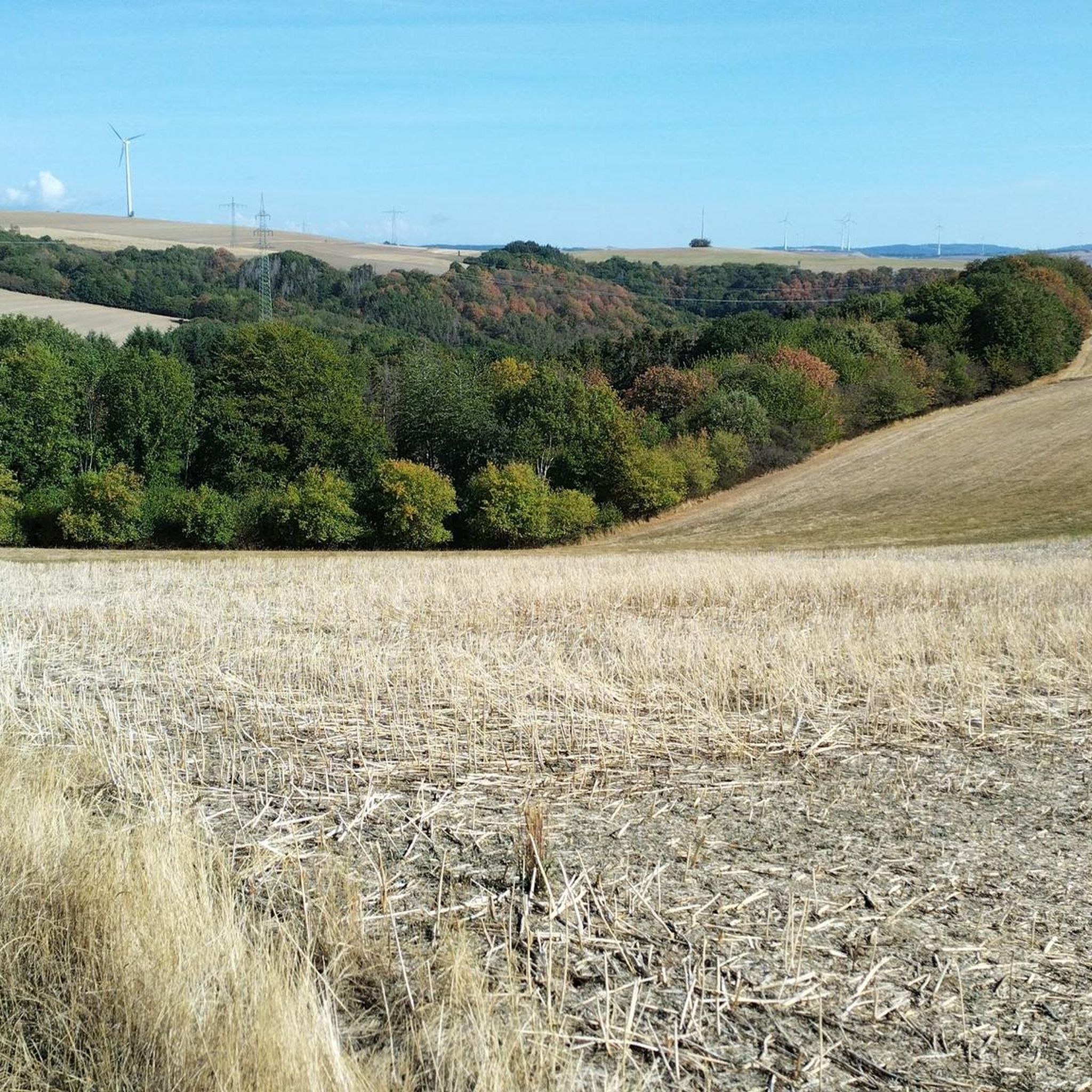
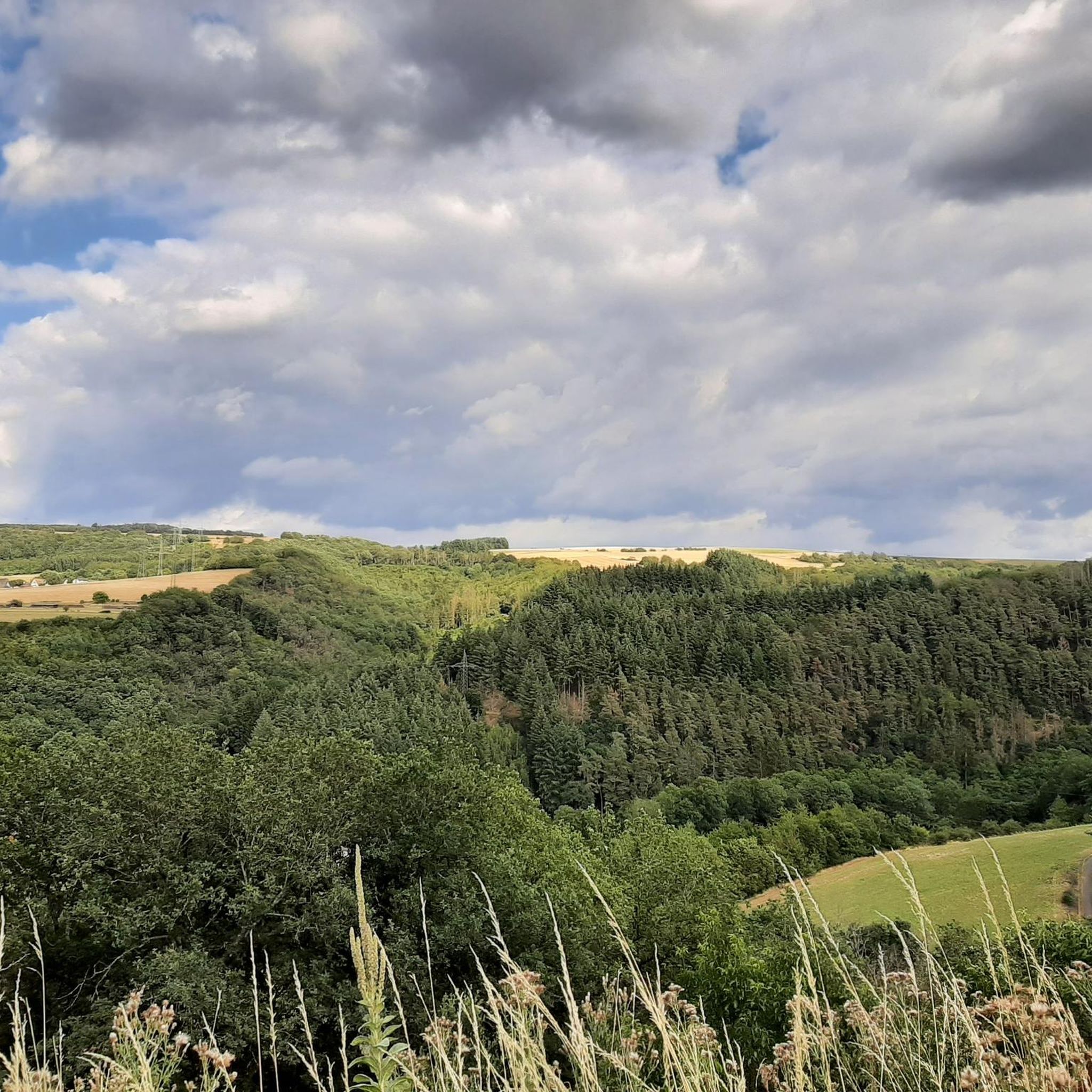
Best attractions and places to see around Gusterath include a range of historical, cultural, and natural sites. Situated in the Ruwer valley, Gusterath is a municipality in the Trier-Saarburg district of Rhineland-Palatinate, Germany. Its proximity to Trier, approximately 7-9 km away, provides access to significant historical and cultural attractions. The region offers opportunities to explore the local landscape, including the Ruwer valley.
Best attractions and places to see around Gusterath
- The most popular attractions is Porta Nigra, a historical…
Last updated: September 26, 2026
Confluence of the Saar and Moselle
Highlight • River
Translated by Google •
Tip by

Porta Nigra
Highlight • Historical Site
Showing Translation
Tip by

Sign up now to discover places like this
Get recommendations on the best single tracks, peaks, & plenty of other exciting outdoor places.
Trier Main Market
Highlight • Historical Site
Showing Translation
Tip by

Trier Cathedral (Cathedral of St. Peter)
Highlight • Religious Site
Showing Translation
Tip by

Church of Our Lady
Highlight • Religious Site
Translated by Google •
Tip by

Sign up for free to discover even more attractions around Gusterath.
Already have an account?
Start today with a free account
Your next adventure awaits.
Tips from the Community

The Church of Our Lady in Trier is located next to Trier Cathedral in the city center. It is considered the oldest Gothic church in Germany. The garden between the church and the cathedral is particularly fascinating. It is a magical yet tranquil place.
4
0

Very impressive building 🫨⛪️ In direct connection to Trier Cathedral - huge facade 🫨📸 Considered to be the oldest Gothic church in Germany. Free entry. Since 1986, the Church of Our Lady has been part of the UNESCO World Heritage Site of Roman Monuments, Cathedral and Church of Our Lady in Trier.
7
2

Possibly the oldest surviving picture in Trier Cathedral is the tympanum in the south wall at the portal to the Church of Our Lady. It is a sandstone relief from around 1180, showing Christ enthroned in the middle, Mary, the patroness of the Liebfrauenkirche, on the left, and Peter, the patron saint of the cathedral, on the right. The figures stand out three-dimensionally, while the frame ornament is kept flat. In the course of the restoration, which was completed in 1974, the original colors of the sculpture were uncovered, which had been whitewashed over several times over the past few years and covered with a thick layer. Subtleties of the representation such as hair and the folds of the robes are clearly recognizable again.
8
1

Where the Saar and Moselle meet The Moselle and Saar originate in France and meet in Konz after a long journey through varied landscapes. The two rivers give our holiday region its name and have shaped a unique landscape. At the mouth of the Saar there is a triangular sculpture as a place of peace and meditation. You can sit in the stone, shielded from external influences. It is quieter in the stone and the sound of the water is amplified.
15
0

Here the Saar flows into the Moselle and forms a small German Corner. There is a pyramid-shaped stone here as a monument to Kaiser Wilhelm.
12
0

With a length of 235 kilometers, the Saar is the longest tributary of the Moselle. more: https://de.wikipedia.org/wiki/Saar#:~:text=Mit%20235%20Kilometern%20Flie%C3%9Fstrecke%20ist,mit%202.569%2C69%20km%C2%B2%20Fl%C3%A4che.
8
0
The Liebfrauenkirche in Trier is located right next to the Trier Cathedral in the center of the city. Together with the Elisabeth Church in Marburg, it is the oldest Gothic church in Germany and the most important and earliest Gothic central building in the country.
12
2
The Imperial Cathedral of Saint Peter in Trier is the oldest bishop's church in Germany and the mother church of the Diocese of Trier. With a length of 112.5 meters and a width of 41 meters, the structure is the largest church building in the city of Trier and an important testament to Western sacred architecture. Since 1986, the Trier Cathedral has been part of the UNESCO World Heritage site Roman Monuments, Cathedral and Church of Our Lady in Trier, and it is also a protected cultural asset under the Hague Convention.
24
2
Frequently Asked Questions
What historical sites can I explore near Gusterath?
Gusterath's proximity to Trier offers access to numerous historical sites. You can visit the iconic Porta Nigra, the best-preserved Roman city gate north of the Alps. Other significant Roman structures include the Kaiserthermen (Imperial Roman Baths), the Trier Amphitheater, and the Konstantinbasilika, Emperor Constantine's throne hall. The ancient Roman Bridge across the Moselle is also a notable landmark.
Are there any Roman ruins to visit in the area?
Yes, the area around Gusterath is rich in Roman history. Besides the well-preserved Porta Nigra, you can explore the extensive ruins of the Kaiserthermen (Imperial Roman Baths) and the Trier Amphitheater, where you can walk into its center and underground sections. The Konstantinbasilika, originally Emperor Constantine's throne hall, is another impressive Roman structure still standing.
What natural attractions are there around Gusterath?
The region offers beautiful natural features. A notable highlight is the Confluence of the Saar and Moselle, offering scenic views of the wide river basin and the city of Konz, with meadows and benches along the bank. Gusterath itself is situated in the picturesque Ruwer valley, providing opportunities to enjoy the local landscape.
Can I find family-friendly activities near Gusterath?
Many attractions near Gusterath are suitable for families. The Porta Nigra, Trier Cathedral, Church of Our Lady, and Trier Main Market are all marked as family-friendly. The Confluence of the Saar and Moselle also provides a pleasant outdoor spot for families to relax by the river.
Are there options for hiking around Gusterath?
Yes, Gusterath is an excellent base for hiking. You can find several easy hiking routes, such as the 'Geisterbank loop from Gusterath' (5.9 km) or the 'Waldbach Stream loop from Gusterath' (6.7 km). For more options, explore the Easy hikes around Gusterath guide.
What about cycling routes in the Gusterath area?
The region around Gusterath offers various cycling opportunities. You can find routes like the 'Ruwer-Hochwald Cycle Path – Ruwer Cycle Path loop from Irsch' (38.3 km) or the 'Ruwertal Cycle Path – Heid Castle loop from Pluwig' (18.8 km). Discover more routes in the Cycling around Gusterath guide.
Are there any wheelchair-accessible attractions?
Yes, some attractions are noted for their accessibility. The Porta Nigra and Trier Main Market are both marked as wheelchair-accessible. When visiting other sites, it's advisable to check specific accessibility details beforehand.
What is the significance of the Trier Cathedral and Church of Our Lady?
The Trier Cathedral (Cathedral of St. Peter) is Germany's oldest episcopal church and a significant example of Western sacred architecture, part of a UNESCO World Heritage Site. Adjacent to it, the Church of Our Lady is the oldest Gothic church in Germany, renowned for its impressive Gothic architecture and also part of the UNESCO World Heritage site.
Where can I experience local life or markets?
The Trier Main Market is the central and one of the largest squares in Trier's historic city center. It features a market cross from 958 AD and is a vibrant place for selling goods and trading, still hosting weekly markets. During late November to December, it transforms into the Trier Christmas Market.
What do visitors particularly enjoy about the attractions near Gusterath?
Visitors appreciate the unique blend of ancient history and natural beauty. The Porta Nigra is praised for its incomparable connection between the ancient past and the modern city. The Confluence of the Saar and Moselle is enjoyed for its scenic views and peaceful atmosphere. The historical depth of sites like the Trier Cathedral and Church of Our Lady also leaves a lasting impression.
Are there mountain biking trails available near Gusterath?
Yes, mountain biking enthusiasts can find trails in the vicinity. Moderate routes include the 'Mattheiser Forest – Mattheiser Wald Singletrack loop from Korlingen' (25.5 km) and the 'View of the Ruwer – Zerf Station loop from Gusterath' (28.2 km). More options are detailed in the MTB Trails around Gusterath guide.
What is the best time of year to visit Gusterath for outdoor activities?
The spring and autumn months generally offer pleasant weather for outdoor activities like hiking and cycling in the Ruwer valley and around Trier. Summers are also popular, though can be warmer. Winter offers a different charm, especially with events like the Trier Christmas Market, but outdoor activities might be limited by colder temperatures.
Most popular routes around Gusterath
Most popular attractions around Gusterath

Get inspired with the komoot mobile app


Explore more
Still not found the Highlight you’re looking for? See guides of the top attractions in other regions:
