Attractions and Places To See around Pellingen - Top 20
Best attractions and places to see around Pellingen include natural landscapes and historical sites. Located in Rhineland-Palatinate, Germany, Pellingen offers direct access to nature and serves as a base for exploring the Saar-Obermosel and Mosel Valley regions. The area features numerous hiking and cycling routes, with many notable historical and cultural attractions found in the nearby city of Trier.
Best attractions and places to see around Pellingen
- The most popular attractions is Porta Nigra, a historical site that is…
Last updated: August 2, 2026
View of Saarburg and Saarburg Castle
Highlight • Viewpoint
Translated by Google •
Tip by

Confluence of the Saar and Moselle
Highlight • River
Translated by Google •
Tip by

Sign up now to discover places like this
Get recommendations on the best single tracks, peaks, & plenty of other exciting outdoor places.
Sign up for free
Porta Nigra
Highlight • Historical Site
Showing Translation
Tip by

Trier Main Market
Highlight • Historical Site
Showing Translation
Tip by

Trier Cathedral (Cathedral of St. Peter)
Highlight • Religious Site
Showing Translation
Tip by

Sign up for free to discover even more attractions around Pellingen.
Sign up for free
Already have an account?
Start today with a free account
Your next adventure awaits.
Login or Signup
Popular around Pellingen


Tips from the Community

Where the Saar and Moselle meet The Moselle and Saar originate in France and meet in Konz after a long journey through varied landscapes. The two rivers give our holiday region its name and have shaped a unique landscape. At the mouth of the Saar there is a triangular sculpture as a place of peace and meditation. You can sit in the stone, shielded from external influences. It is quieter in the stone and the sound of the water is amplified.
15
0

Here the Saar flows into the Moselle and forms a small German Corner. There is a pyramid-shaped stone here as a monument to Kaiser Wilhelm.
12
0

With a length of 235 kilometers, the Saar is the longest tributary of the Moselle. more: https://de.wikipedia.org/wiki/Saar#:~:text=Mit%20235%20Kilometern%20Flie%C3%9Fstrecke%20ist,mit%202.569%2C69%20km%C2%B2%20Fl%C3%A4che.
8
0
The Imperial Cathedral of Saint Peter in Trier is the oldest bishop's church in Germany and the mother church of the Diocese of Trier. With a length of 112.5 meters and a width of 41 meters, the structure is the largest church building in the city of Trier and an important testament to Western sacred architecture. Since 1986, the Trier Cathedral has been part of the UNESCO World Heritage site Roman Monuments, Cathedral and Church of Our Lady in Trier, and it is also a protected cultural asset under the Hague Convention.
24
2
The main market of Trier is the central and one of the largest squares in the city. It is located in the historic city center directly in front of the cathedral city in today's Mitte/Gartenfeld district. The most important urban commercial streets come together here. In 958, Archbishop Henry I equipped the main market with the market cross as a symbol of sovereignty. The main market was a place for selling goods and trading in the medieval city.
17
0

The Trier Cathedral of St. Peter is not only the oldest church in Germany, but also the oldest building in Germany, which has served its original purpose as a bishop's church without interruption in its 1700-year history and is still used today. From its oldest building core, the "square building" from the 4th century, to the present of the 21st century, all phases of the history of construction, art and belief in Europe can be traced back.
23
2

Ideal place to have a picnic and enjoy the view. Think about the fact that the Saar is the longest tributary of the Moselle with over 230 km and flows through this into the Rhine into the North Sea👍
11
0
Nice view to Saarburg castle. Especially in the evening.
9
1
Frequently Asked Questions
What historical sites can I visit near Pellingen?
The region around Pellingen, particularly the nearby city of Trier, is rich in historical sites. You can explore the impressive Roman city gate, Porta Nigra, a UNESCO World Heritage site. Also in Trier, visit Trier Cathedral (Cathedral of St. Peter), Germany's oldest church site, and the Trier Main Market, surrounded by historic buildings. Other notable Roman sites include the Trier Amphitheater, Kaiserthermen (Imperial Baths), and Konstantinbasilika (Basilica of Constantine).
Are there any Roman monuments to explore in the area?
Yes, the area is renowned for its Roman heritage, especially in Trier. The most prominent Roman monument is the Porta Nigra, the best-preserved Roman city gate north of the Alps. You can also visit the Trier Amphitheater, the Kaiserthermen (Imperial Baths), and the Konstantinbasilika (Basilica of Constantine), all offering insights into ancient Roman civilization. The Trier Cathedral also incorporates Roman architectural elements.
What natural features are worth seeing around Pellingen?
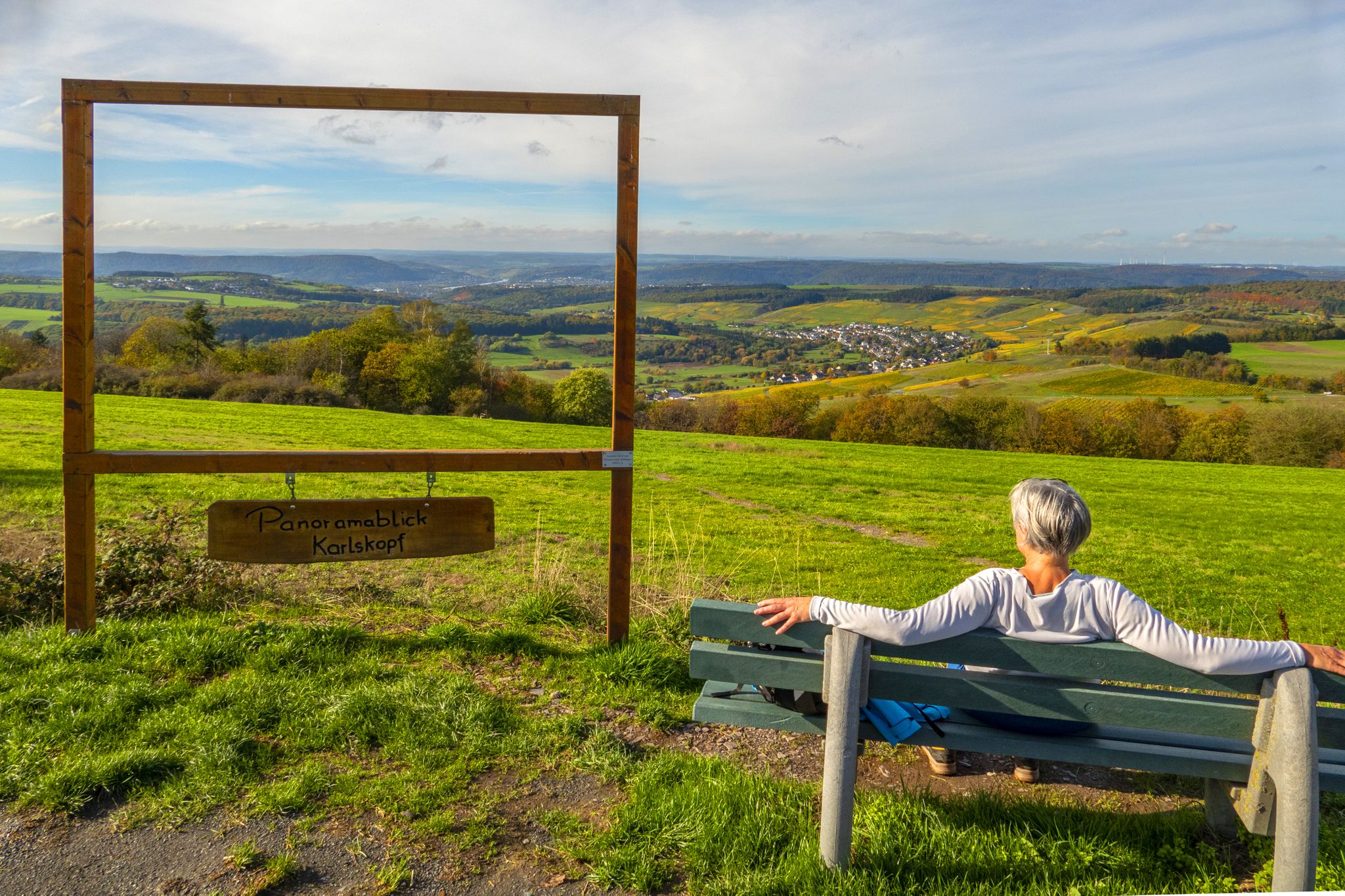
Pellingen offers direct access to beautiful natural landscapes. A significant natural feature is the Confluence of the Saar and Moselle rivers near Konz, where you can enjoy picturesque views and wide meadows. The View of Saarburg and Saarburg Castle offers scenic vistas of the Saar River and the charming town. The Karlskopf Panorama Viewpoint is another highlight for scenic views.
Are there family-friendly attractions around Pellingen?
Many attractions in the region are suitable for families. The Porta Nigra, Trier Main Market, and Trier Cathedral are all marked as family-friendly. Natural sites like the Confluence of the Saar and Moselle provide open spaces for children to enjoy. The numerous hiking and cycling routes around Pellingen also offer great outdoor activities for all ages.
What outdoor activities can I do near Pellingen?
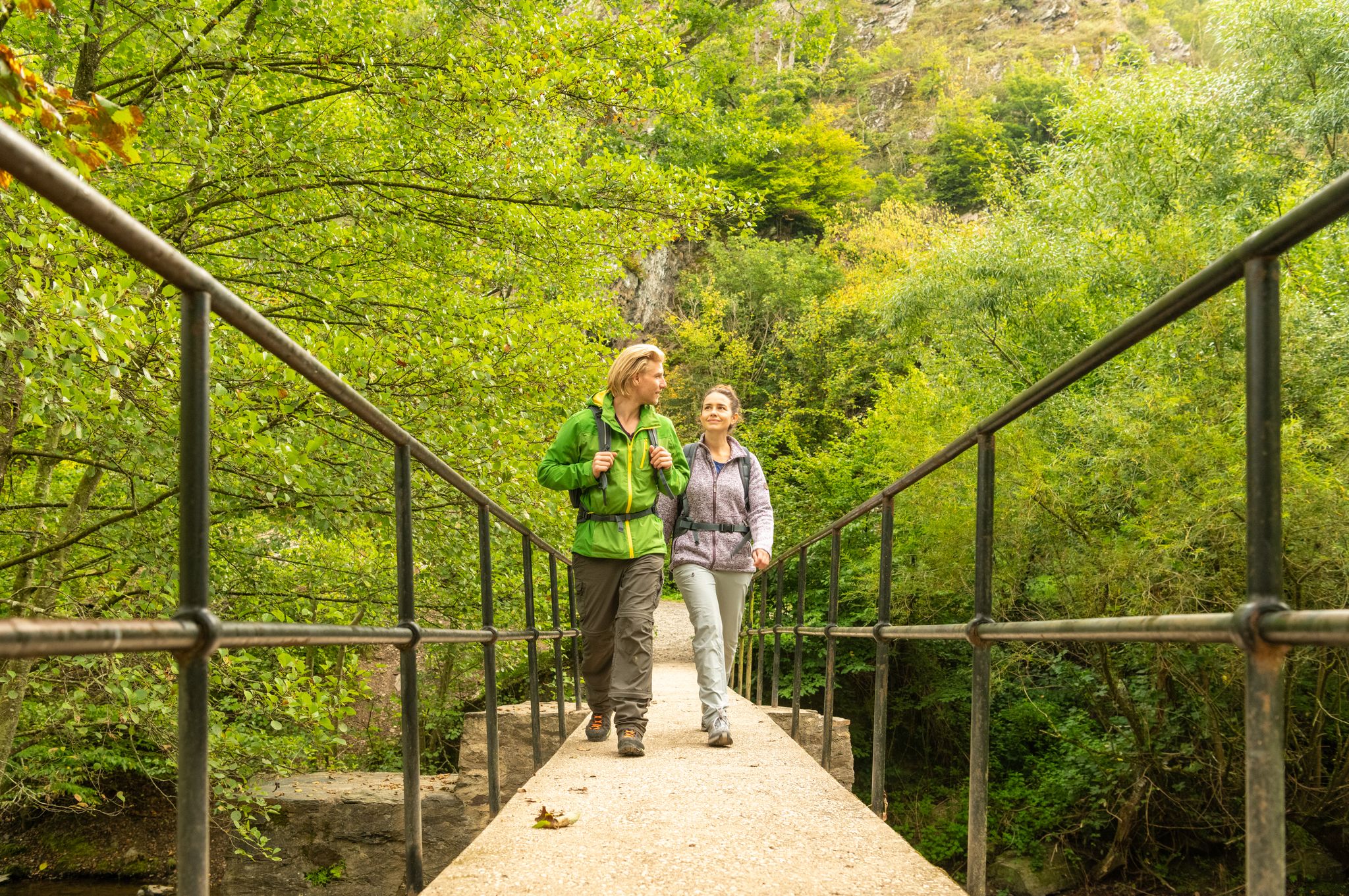
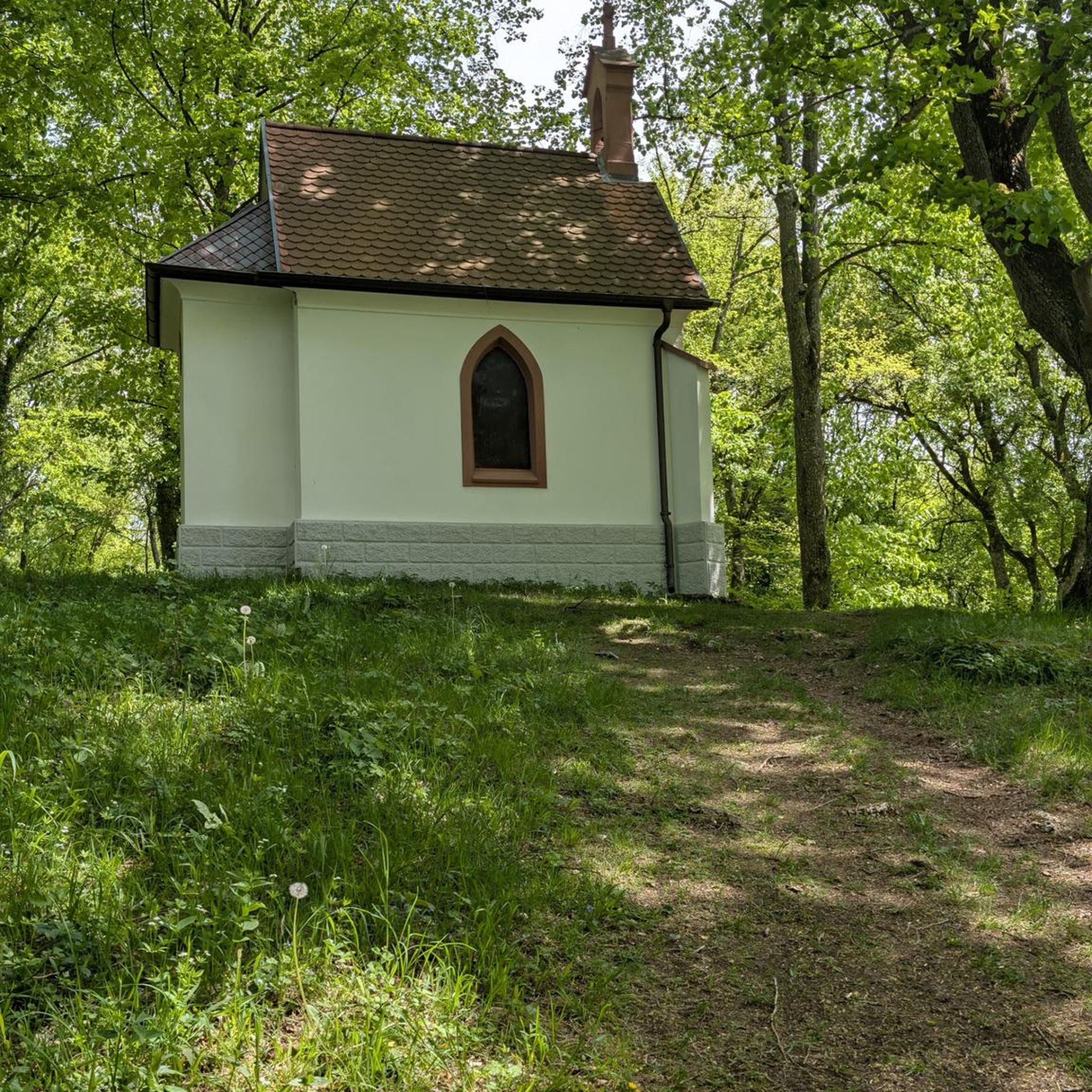
Pellingen is an excellent base for outdoor enthusiasts. You can enjoy extensive hiking and cycling on well-marked routes. For hiking, consider the 'Moselsteig Side Trail: Karlskopf Panoramaweg' or the 'Schanzenhütte Pellingen – Karlskopf Panorama Viewpoint loop'. Cyclists can explore routes like 'The Fischerhaus Pond – Marienkapelle (1910) loop' or the 'Ruwertal Cycle Path'. You can find more details on these activities at the hiking guide and cycling guide for Pellingen.
Are there hiking trails near these attractions?
Yes, Pellingen is surrounded by numerous hiking trails. Popular options include the 'Moselsteig Side Trail: Karlskopf Panoramaweg' and various loops around the Karlskopf Panorama Viewpoint, such as the 'Schanzenhütte Pellingen – Karlskopf Panorama Viewpoint loop from Pellingen'. These trails offer beautiful views and vary in difficulty. For more hiking options, visit the hiking guide around Pellingen.
What are the best viewpoints in the Pellingen area?
The region offers several excellent viewpoints. The View of Saarburg and Saarburg Castle provides a magnificent perspective of the castle ruins and St. Laurentius Church. The Karlskopf Panorama Viewpoint is another popular spot for scenic vistas. Additionally, the Confluence of the Saar and Moselle offers wide views of the river basin.
What do visitors enjoy most about the attractions around Pellingen?
Visitors particularly appreciate the blend of rich history and stunning natural beauty. The well-preserved Roman sites like Porta Nigra are often highlighted for their historical significance. The picturesque views from spots like the View of Saarburg and Saarburg Castle and the tranquility of the river confluence are also highly rated. The region's extensive network of hiking and cycling paths is a major draw for those seeking active exploration.
Is the area around Pellingen suitable for cycling?
Absolutely. Pellingen is an ideal starting point for various cycling tours, including road cycling, gravel biking, and mountain biking. Popular routes include those along the Saar Cycle Path, which leads to the Confluence of the Saar and Moselle, and the Ruwertal Cycle Path. You can find more detailed routes in the cycling guide around Pellingen and the gravel biking guide.
Are there any UNESCO World Heritage Sites near Pellingen?
Yes, the nearby city of Trier is home to several UNESCO World Heritage Sites. These include the Porta Nigra, the Trier Amphitheater, Kaiserthermen (Imperial Baths), Konstantinbasilika (Basilica of Constantine), and the Trier Cathedral, which is part of the 'Roman Monuments, Cathedral of St. Peter and Church of Our Lady in Trier' World Heritage Site. You can learn more about these sites on the Rhineland-Palatinate Tourism website.
What is the best time to visit Pellingen and its attractions?
The region is enjoyable throughout much of the year. Spring and autumn offer pleasant temperatures for hiking and cycling, with beautiful natural scenery. Summer is ideal for outdoor activities and exploring the towns, though it can be busier. The Trier Christmas Market, held on the Trier Main Market, is a popular attraction in late November and December.
Are there any attractions that are wheelchair accessible?
Yes, some key attractions in Trier are noted as wheelchair accessible. The Porta Nigra and the Trier Main Market are among those that offer accessibility. It's always advisable to check specific venue details for the most up-to-date information on accessibility.
Most popular routes around Pellingen
Most popular attractions around Pellingen

Get inspired with the komoot mobile app


Explore more
Still not found the Highlight you’re looking for? See guides of the top attractions in other regions:
