The best walks and hikes around Hilst
4.6
(13827)
47,727
hikers
572
hikes
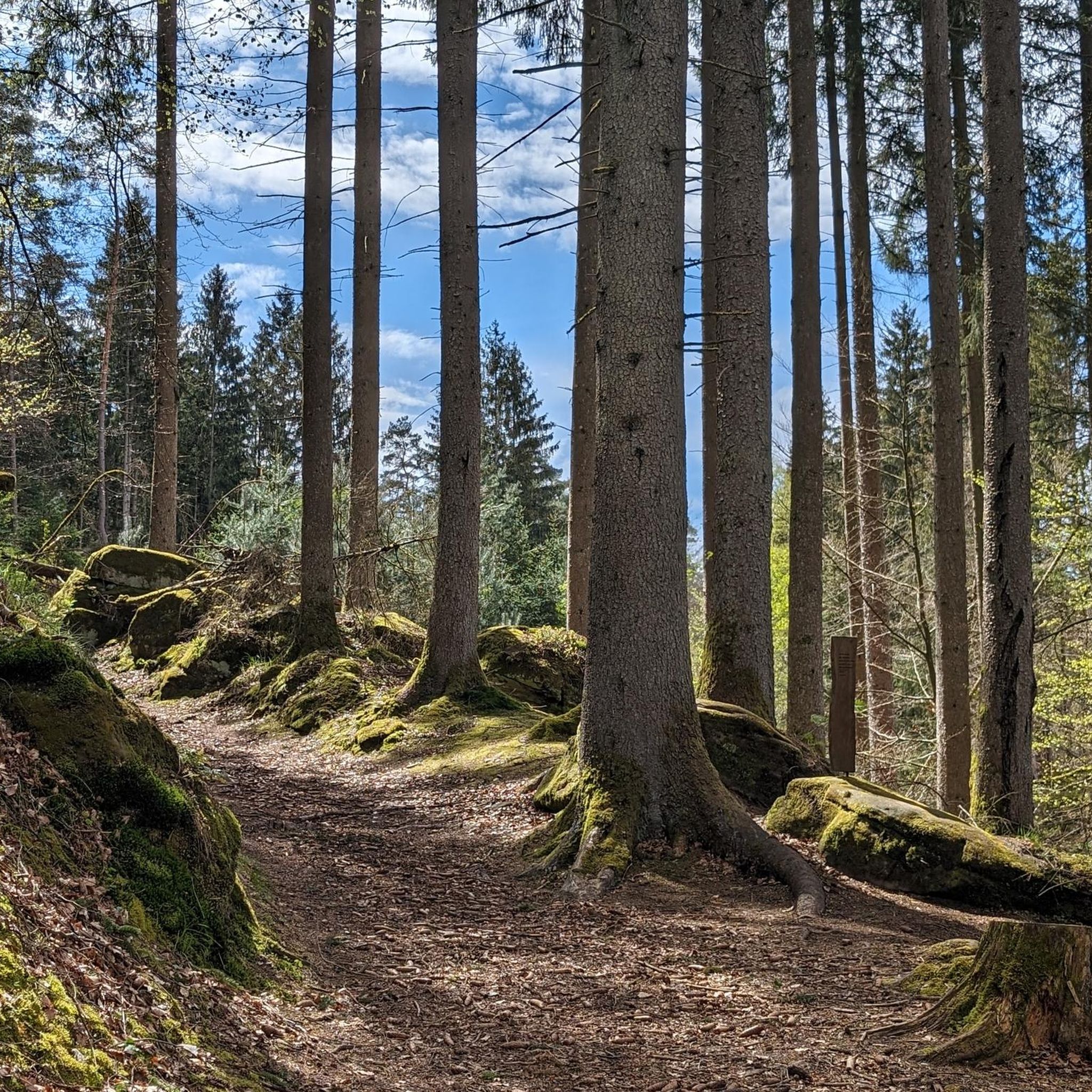
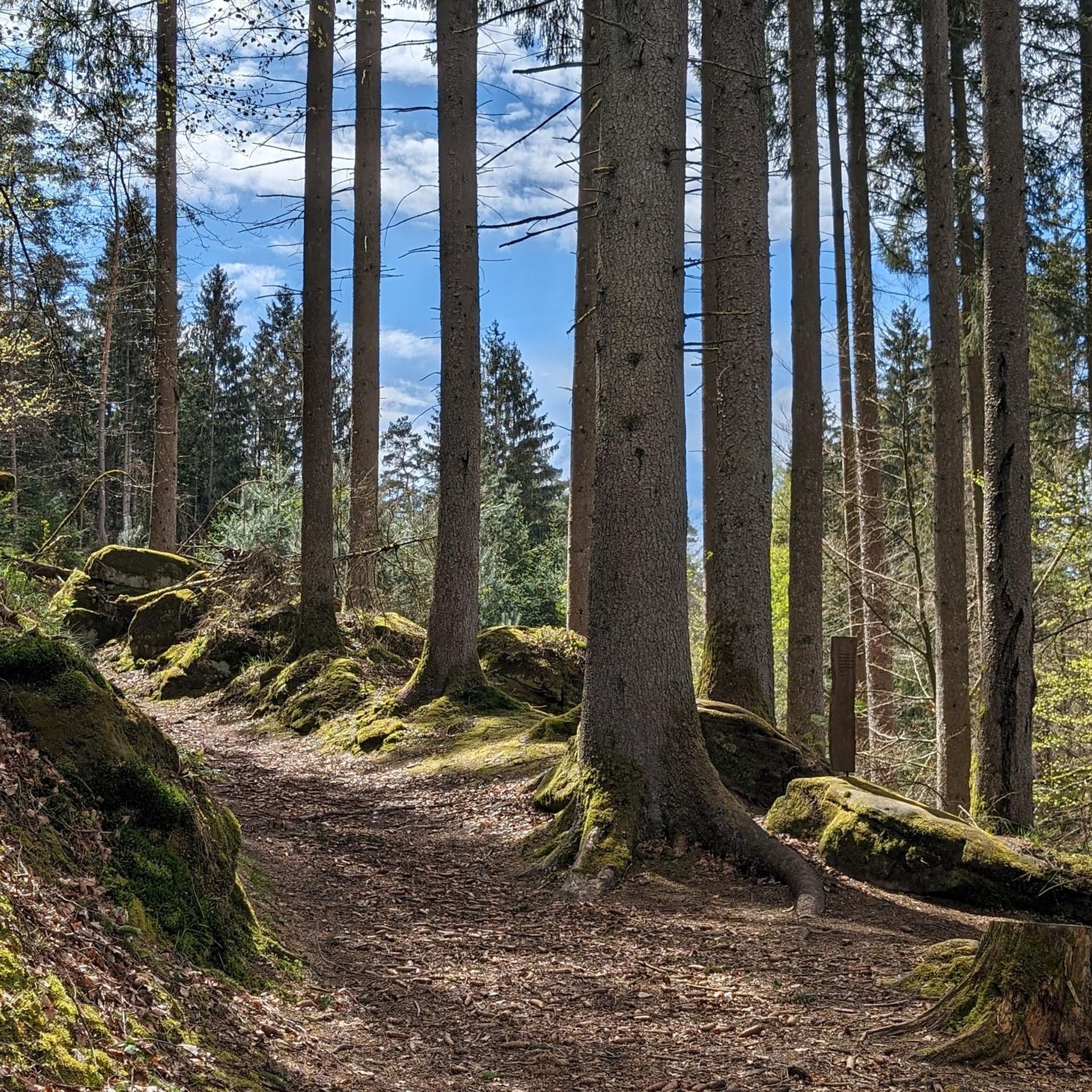
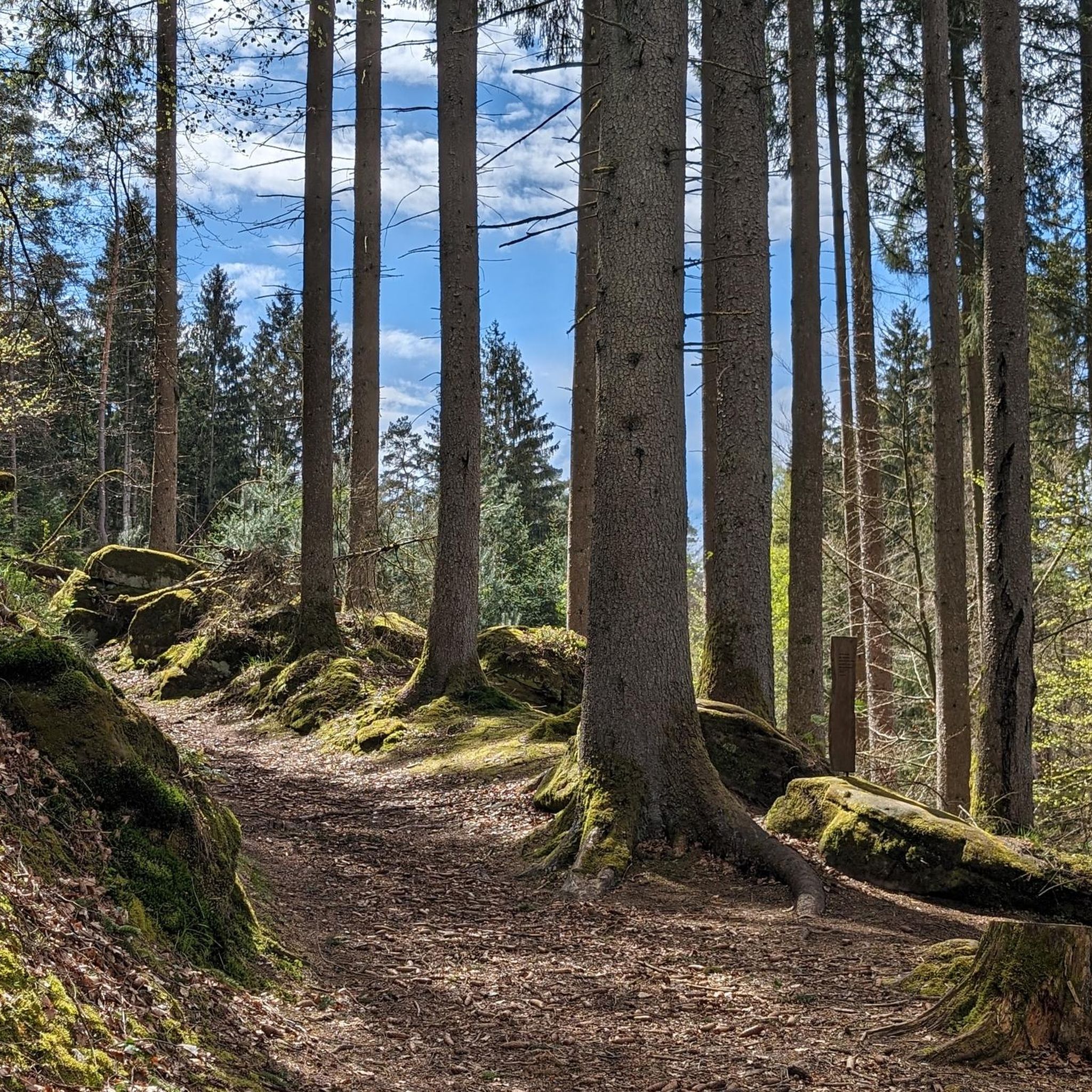
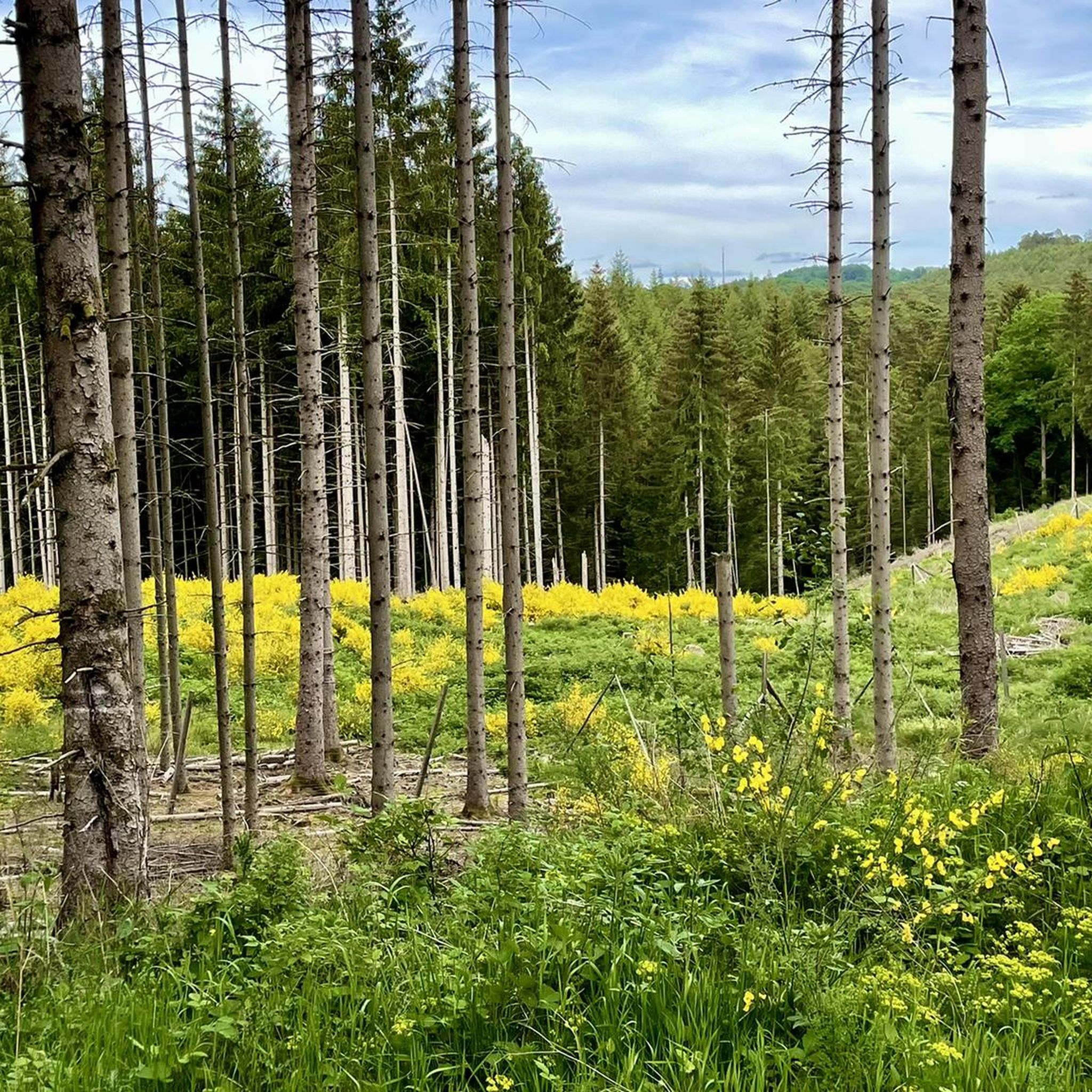
Hiking around Hilst offers access to trails within the Palatinate Forest, characterized by its extensive woodlands. The region features notable rock formations, such as those found along the Altschloss Rocks, providing varied terrain for hikers. Paths often lead through forested areas and past natural features like ponds. The landscape provides a mix of moderate ascents and descents suitable for outdoor exploration.
Best hiking trails around Hilst
- The most popular hiking route is Altschloßpfad - Palatinate Forest, a 6.3 miles…
Last updated: September 30, 2026
4.8
(1308)
4,108
hikers
10.2km
02:47
160m
160m
Moderate hike. Good fitness required. Easily-accessible paths. Suitable for all skill levels.
4.8
(582)
1,814
hikers
7.58km
02:05
120m
120m
Moderate hike. Good fitness required. Easily-accessible paths. Suitable for all skill levels.

4.8
(362)
1,191
hikers
14.4km
04:00
260m
260m
Moderate hike. Good fitness required. Easily-accessible paths. Suitable for all skill levels.
4.8
(327)
1,031
hikers
13.0km
03:37
230m
230m
Moderate hike. Good fitness required. Easily-accessible paths. Suitable for all skill levels.
4.9
(144)
435
hikers
8.61km
02:22
150m
150m
Moderate hike. Good fitness required. Easily-accessible paths. Suitable for all skill levels.
Get access to more routes and recommendations from other explorers.
Already have an account?
Our route recommendations are based on thousands of hikes, rides, and runs completed by other people on komoot.
Start today with a free account
Your next adventure awaits.
Tips from the Community

There are several in the region, some larger, but less accessible for most
0
0

A play of colors that is second to none. From strong red, depending on the light, orange, between gray and mossy rocks. And again and again the different shapes, caves and passages.
5
0
The rocks are only accessible on foot, e.g. from Eppenbrunn or nearby hiking parking lots. An absolute natural spectacle and highlight.
7
0
Rethinking hiking classic forest floor. Hiking is fun here. The many roots across or criss-crossing the path should be noted, risk of falling.
9
0

The Altschlossfelsen (also known as Eppenbrunn Castle) are a group of red sandstone rocks designated as a natural monument (ND) ND-7340-205 and a cultural monument (KD) in the municipality of Eppenbrunn in the Palatinate Forest on the border with France, and are the largest rock formation in the Palatinate. They are located on the eastern slope of the Brechenberg (406 m) near Eppenbrunn and Roppeviller at an elevation of approximately 365 m above sea level at the northeast end and 380 m above sea level at the southwest end of the rock band. The Altschlossfelsen are a group of red sandstone rocks approximately one and a half kilometers long and up to 30 meters high. The group consists of sandstone towers and walls. The Altschlossfelsen are crisscrossed by cracks and joints, some of which are wide enough to climb through. They are known primarily for their diverse weathering phenomena and rare lichens. The summit plateau can be reached from the north and south on narrow paths. There, you'll find a sparse forest and moss-covered rocks. A special lighting situation created by the sun, the "rock glow," is best seen around 7:00 p.m. in the first half of April, depending on weather conditions, vegetation, and the position of the sun. In the morning hours, the glow occurs around 8:45 a.m. Finds from the Hallstatt and Roman periods attest to earlier settlement of the rock group. In 1964, for example, shards from the La Tène period (c. 450–50 BC) were found. Traces of a medieval castle from the 11th or 12th century are found on the four main rocks. These include the remains of a stepped structure, post holes, remains of masonry, and notches for beams in the rock. A depression with a diameter of four meters is located on a rock, which may have served as a cistern. Additionally, on the southern and northern slopes around the rock formation, humped blocks, which may have originated from the structure of a former castle, as well as shards from the High Middle Ages were found in a wall groove. A more precise dating of the castle complex is difficult, as the castle was not mentioned before 1297 or later in the 1605 border description between Lorraine and the County of Hanau-Lichtenberg. Source: https://de.wikipedia.org/wiki/Altschlossfelsen
2
0
The Altschlossfelsen (also known as Eppenbrunn Castle) are a group of red sandstone rocks designated as a natural monument (ND) ND-7340-205 and a cultural monument (KD) in the municipality of Eppenbrunn in the Palatinate Forest on the border with France, and are the largest rock formation in the Palatinate. They are located on the eastern slope of the Brechenberg (406 m) near Eppenbrunn and Roppeviller at an elevation of approximately 365 m above sea level at the northeast end and 380 m above sea level at the southwest end of the rock band. The Altschlossfelsen are a group of red sandstone rocks approximately one and a half kilometers long and up to 30 meters high. The group consists of sandstone towers and walls. The Altschlossfelsen are crisscrossed by cracks and joints, some of which are wide enough to climb through. They are known primarily for their diverse weathering phenomena and rare lichens. The summit plateau can be reached from the north and south on narrow paths. There, you'll find a sparse forest and moss-covered rocks. A special lighting situation created by the sun, the "rock glow," is best seen around 7:00 p.m. in the first half of April, depending on weather conditions, vegetation, and the position of the sun. In the morning hours, the glow occurs around 8:45 a.m. Finds from the Hallstatt and Roman periods attest to earlier settlement of the rock group. In 1964, for example, shards from the La Tène period (c. 450–50 BC) were found. Traces of a medieval castle from the 11th or 12th century are found on the four main rocks. These include the remains of a stepped structure, post holes, remains of masonry, and notches for beams in the rock. A depression with a diameter of four meters is located on a rock, which may have served as a cistern. Additionally, on the southern and northern slopes around the rock formation, humped blocks, which may have originated from the structure of a former castle, as well as shards from the High Middle Ages were found in a wall groove. A more precise dating of the castle complex is difficult, as the castle was not mentioned before 1297 or later in the 1605 border description between Lorraine and the County of Hanau-Lichtenberg. Source: https://de.wikipedia.org/wiki/Altschlossfelsen
1
0
The Altschlossfelsen (also known as Eppenbrunn Castle) are a group of red sandstone rocks designated as a natural monument (ND) ND-7340-205 and a cultural monument (KD) in the municipality of Eppenbrunn in the Palatinate Forest on the border with France, and are the largest rock formation in the Palatinate. They are located on the eastern slope of the Brechenberg (406 m) near Eppenbrunn and Roppeviller at an elevation of approximately 365 m above sea level at the northeast end and 380 m above sea level at the southwest end of the rock band. The Altschlossfelsen are a group of red sandstone rocks approximately one and a half kilometers long and up to 30 meters high. The group consists of sandstone towers and walls. The Altschlossfelsen are crisscrossed by cracks and joints, some of which are wide enough to climb through. They are known primarily for their diverse weathering phenomena and rare lichens. The summit plateau can be reached from the north and south on narrow paths. There, you'll find a sparse forest and moss-covered rocks. A special lighting situation created by the sun, the "rock glow," is best seen around 7:00 p.m. in the first half of April, depending on weather conditions, vegetation, and the position of the sun. In the morning hours, the glow occurs around 8:45 a.m. Finds from the Hallstatt and Roman periods attest to earlier settlement of the rock group. In 1964, for example, shards from the La Tène period (c. 450–50 BC) were found. Traces of a medieval castle from the 11th or 12th century are found on the four main rocks. These include the remains of a stepped structure, post holes, remains of masonry, and notches for beams in the rock. A depression with a diameter of four meters is located on a rock, which may have served as a cistern. Additionally, on the southern and northern slopes around the rock formation, humped blocks, which may have originated from the structure of a former castle, as well as shards from the High Middle Ages were found in a wall groove. A more precise dating of the castle complex is difficult, as the castle was not mentioned before 1297 or later in the 1605 border description between Lorraine and the County of Hanau-Lichtenberg. Source: https://de.wikipedia.org/wiki/Altschlossfelsen
1
0

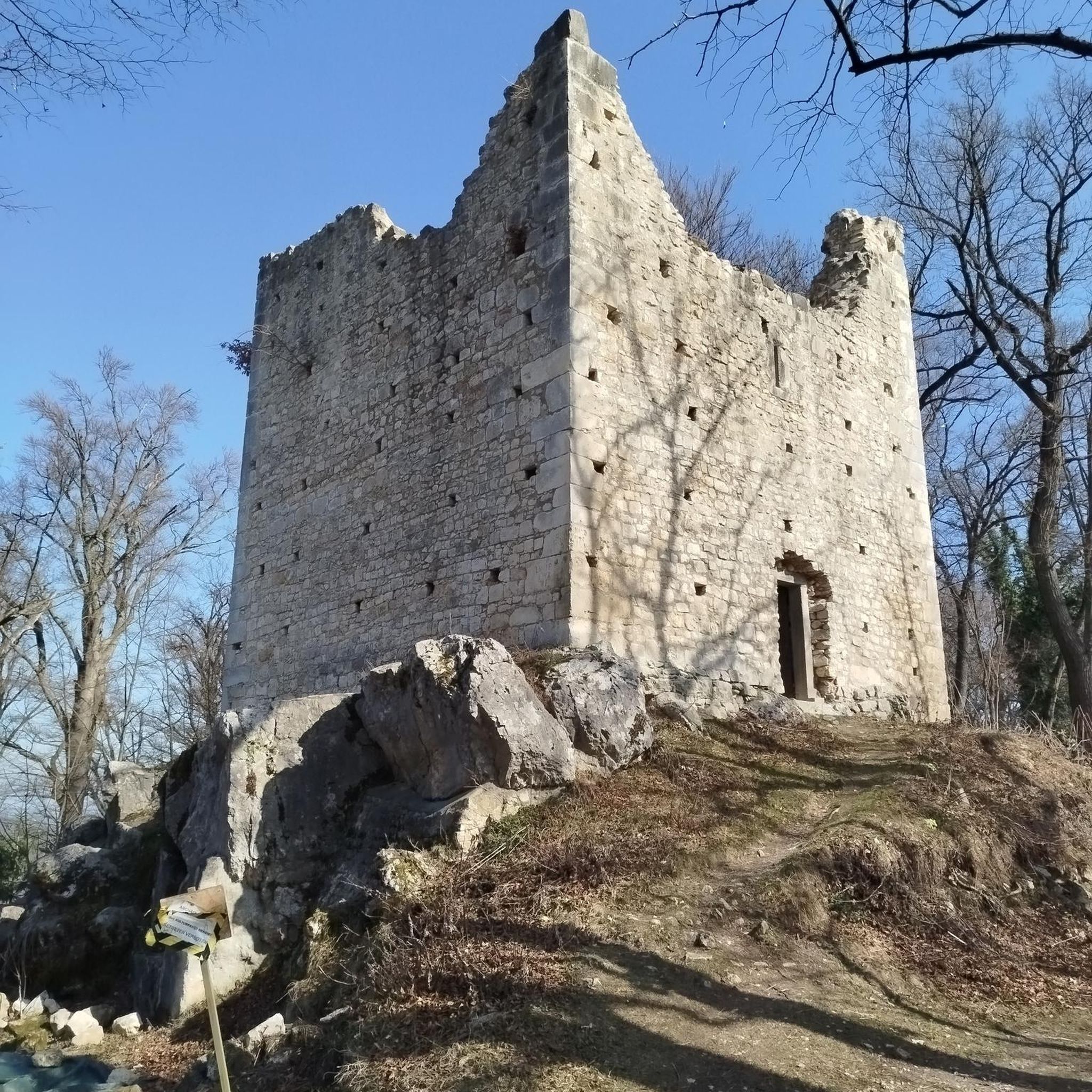
Nice eye-catcher, only the tree on the rock is missing 🌳
0
1
Frequently Asked Questions
How many hiking trails are available around Hilst?
Hilst offers a wide variety of hiking opportunities, with nearly 600 routes available. These range from easy strolls to more challenging moderate trails, ensuring there's something for every hiker.
What kind of landscapes can I expect to see while hiking in Hilst?
Hiking around Hilst primarily features dense woodlands within the Palatinate Forest. You'll encounter varied rock formations, such as the impressive Altschloss Rocks, and scenic natural features like ponds. The terrain includes a mix of moderate ascents and descents.
Are there any easy hiking trails suitable for beginners in Hilst?
Yes, Hilst has over 320 easy hiking routes. These trails are perfect for beginners or those looking for a relaxed walk through the forested landscapes of the Palatinate Forest.
What are some notable natural attractions or landmarks to look out for on hikes in Hilst?
Hikers in Hilst can explore several natural highlights. The Altschloss Rocks and the Altschlossfelsen sandstone rock formation are prominent features. You might also discover the atmospheric Witches' Gorge and the Rest Area at the Small Waterfall in Hexenklamm.
Are there any circular hiking routes in Hilst?
Many of the trails around Hilst are designed as circular routes, allowing you to start and end at the same point. For example, the moderate Spießweiher – Rock glow loop from Roppeviller is a popular choice, featuring rock formations and passing by the Spießweiher pond.
What do other hikers say about the trails in Hilst?
The hiking routes in Hilst are highly regarded by the komoot community, with an average rating of 4.6 stars from over 11,000 reviews. Hikers often praise the varied terrain, the beauty of the Palatinate Forest, and the well-maintained paths.
Can I find trails that feature rock formations?
Absolutely. The region is known for its distinctive rock formations. A great example is the Altschloßpfad - Palatinate Forest, which explores dense woodlands and showcases some of these impressive natural structures.
Are there any trails that pass by water features like ponds or waterfalls?
Yes, some routes incorporate water features. The Spießweiher – Rock glow loop from Roppeviller passes by the Spießweiher pond. Additionally, you can find the Rest Area at the Small Waterfall in Hexenklamm as a highlight along some trails.
Are there any hiking routes that lead to a hiking lodge or a place to rest?
Yes, the PWV Hohe List Hiking Lodge – Little Devil's Table loop from Eppenbrunn is a moderate trail that leads through forested areas and passes by the PWV Hohe List Hiking Lodge, offering a potential resting point.
What is the typical difficulty level of hikes around Hilst?
The majority of hikes around Hilst are classified as easy or moderate. There are 321 easy routes and 247 moderate routes, making the area accessible for a wide range of fitness levels. A smaller number of 31 routes are considered difficult.
Are there any trails that specifically highlight the Altschloss Rocks?
Yes, the Altschloss Rocks – Rock glow loop from Roppeviller is a moderate trail that specifically features the Altschloss Rocks, allowing hikers to experience these unique formations up close.
Most popular attractions around Hilst

Get inspired with the komoot mobile app


Explore more
Browse the best Hikes in other regions.
