Oberhausen an der Appel
Oberhausen an der Appel
The 8 Most Amazing Peaks around Oberhausen an der Appel
Mountain peaks around Oberhausen an der Appel are primarily defined by the Donnersberg massif, the highest mountain in the Palatinate region. This area, located in the Donnersbergkreis district of Rhineland-Palatinate, Germany, features diverse natural landscapes and historically significant elevated points. The Donnersberg, a volcanic formation, offers geological interest and evidence of ancient Celtic settlements. Visitors can explore various summits, viewpoints, and hiking trails that showcase the region's natural features.
Best mountain peaks around Oberhausen an der Appel
- The most popular…
Last updated: May 20, 2026
Königsstuhl (Donnersberg summit)
Highlight • Summit
Showing Translation
Tip by

View from the Gans (Bad Kreuznach)
Highlight • Viewpoint
Translated by Google •
Tip by

Sign up now to discover places like this
Get recommendations on the best single tracks, peaks, & plenty of other exciting outdoor places.
Sign up for free
Lemberg Viewpoint
Highlight • Viewpoint
Translated by Google •
Tip by

Kappelberg Summit (Highest Point in Rheinhessen)
Highlight • Summit
Translated by Google •
Tip by

Shelter on the Way to Kappelberg
Highlight • Mountain Hut
Translated by Google •
Tip by

Sign up for free to discover even more peaks around Oberhausen an der Appel.
Sign up for free
Already have an account?
Start today with a free account
Your next adventure awaits.
Login or Signup
Tips from the Community

358m above sea level Some benches available
1
0

Stay on the main paths, even if it's a few kilometers longer. The single trails and sub-paths are largely overgrown and impassable.
1
1

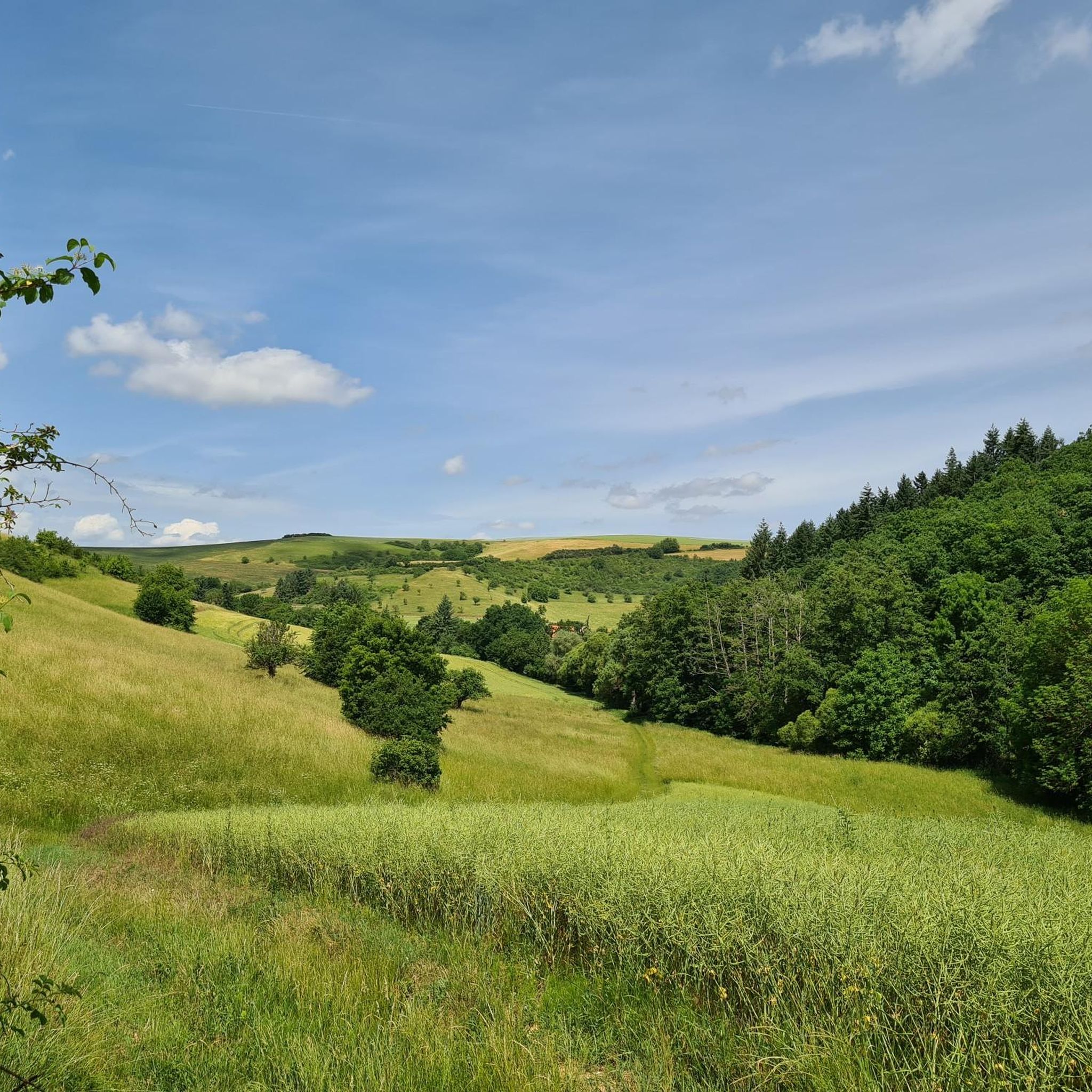
The Kappelberg is 358 m above sea level. NHN the highest mountain in Rheinhessen. It is located in the Saar-Nahe mountains between Offenheim and Oberwiesen in the Rhineland-Palatinate district of Alzey-Worms, close to the Donnersberg district. Wikipedia
2
1

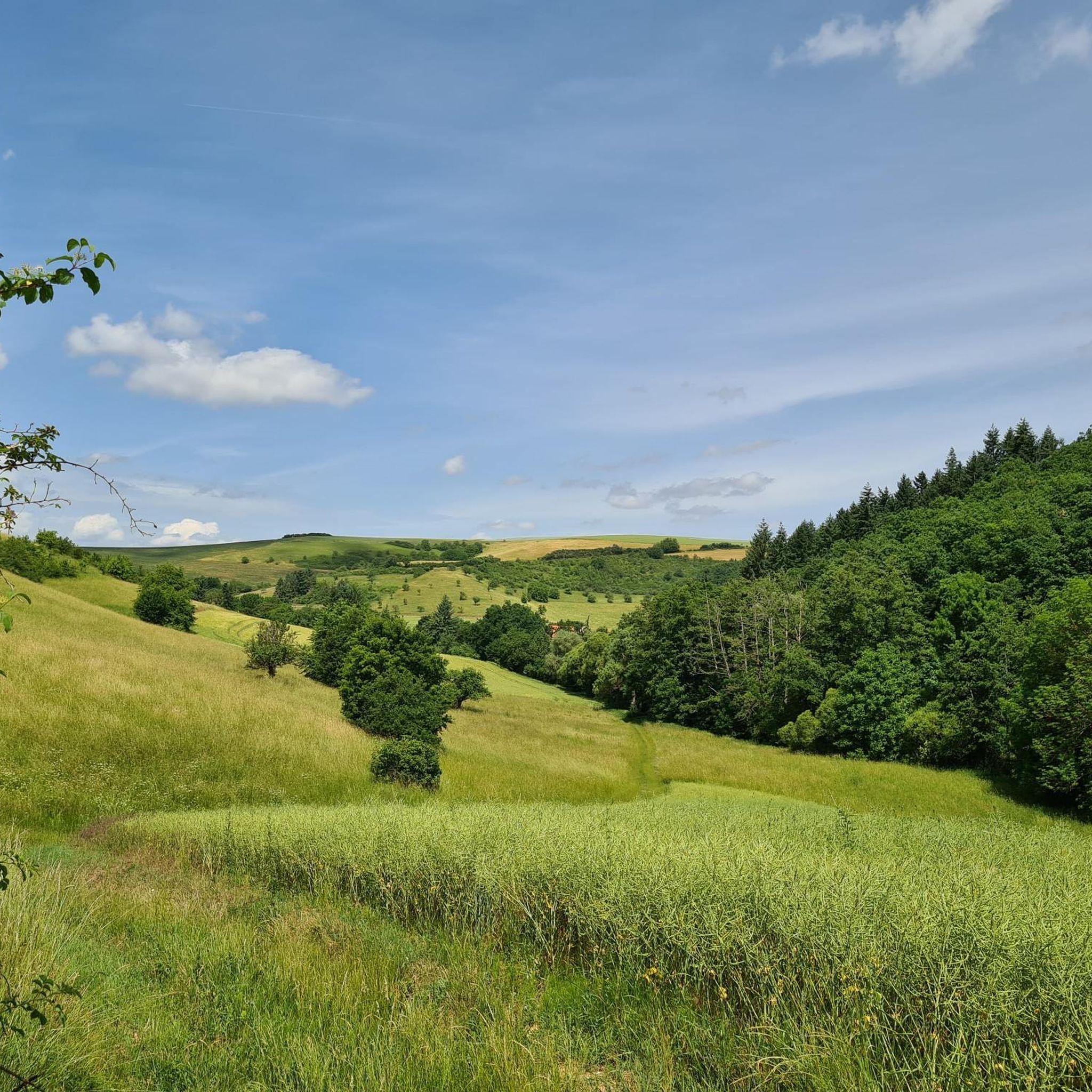
We can really score with our highest elevations in Rheinhessen :-), but for me as a lowland Tyrolean it's almost a mountain. There is a summit cross and a nice place to rest.
2
0

This little hut is on the trail to the Kappelberg.
1
0
The Kappelberg is 358 m above sea level. NHN [1] [2] the highest mountain in Rheinhessen. It is located in the Saar-Nahe-Bergland between Offenheim and Oberwiesen in the Rhineland-Palatinate district of Alzey-Worms in the vicinity of the Donnersbergkreis. The Kappelberg rises within the North Palatinate Uplands - near the border with the Palatinate - in the municipality of Offenheim. The summit of the mountain in the Vorholzwald is 4 km southwest of Offenheim, 3.2 km northwest of Morschheim, 1.8 km north-northwest of Orbis, 1.9 km northeast of Oberwiesen, 2.3 km south of Nieder-Wiesen and 2, 6 km southwest of Bechenheim. Past the Kappelberg to the west, the Wiesbach flows through Oberwiesen and further north-northeast through Nieder-Wiesen. The Selz rises a little south-southeast of the mountain near Orbis. The Kappelberg is located on the edge of the protected landscape area Rheinhessische Schweiz, [2] but is not generally counted as part of the eponymous landscape. The state road 406 runs south past the Kappelberg between Offenheim and Oberwiesen, from which the L 407 branches off east of the mountain, leading north to Bechenheim.
0
0
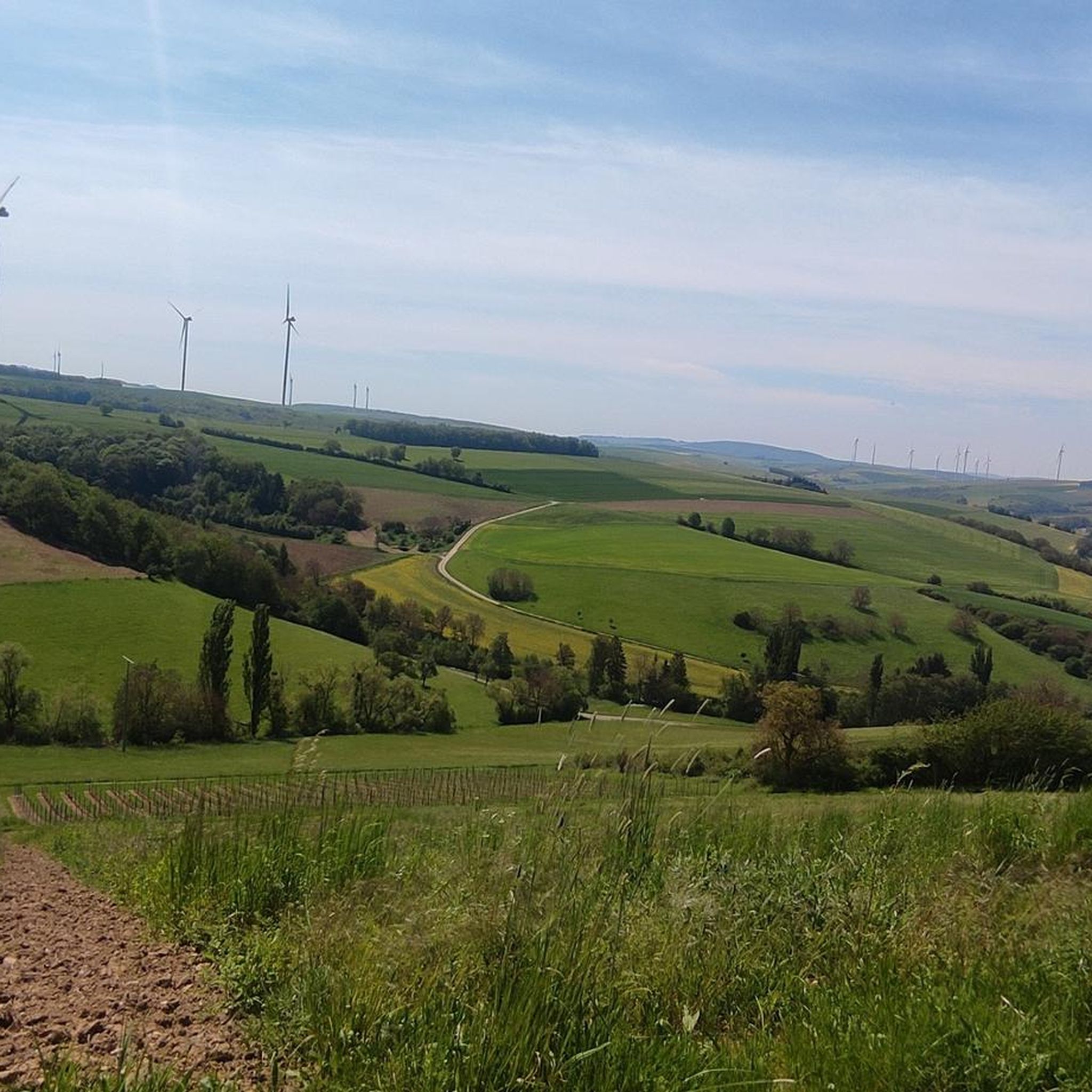
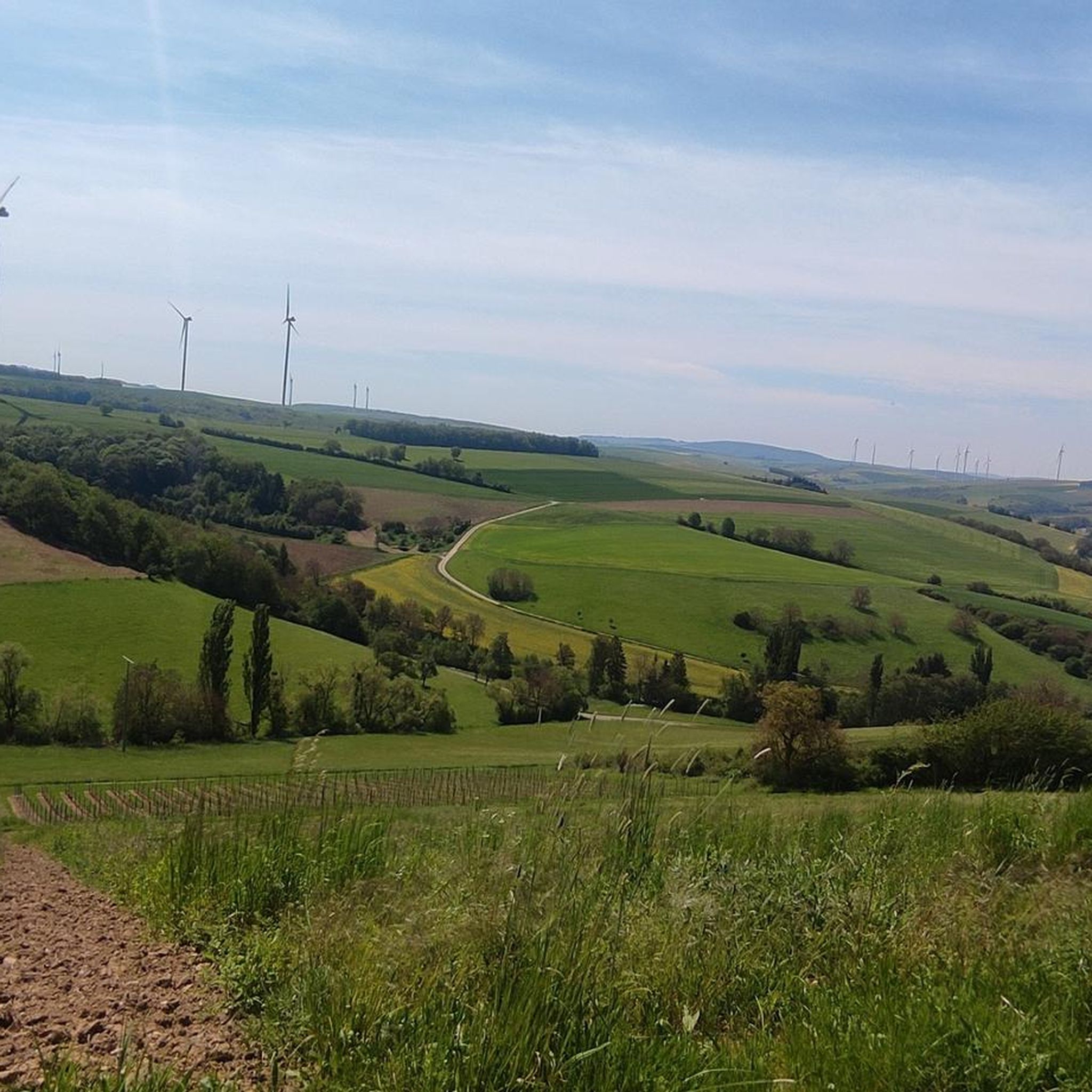
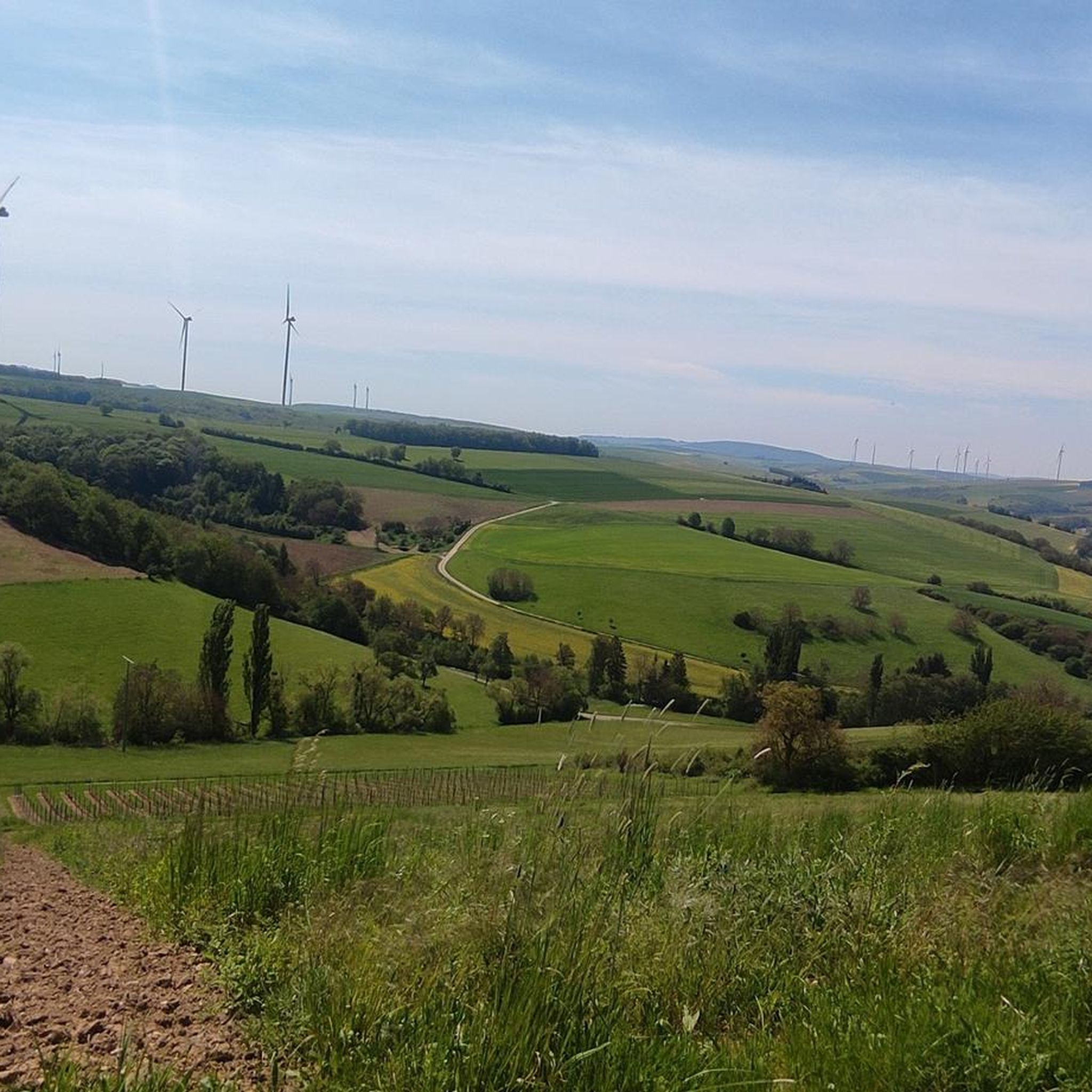
Gigantic view. And I don't find the many wind turbines disturbing either. At least nicer than KKW's.
13
1
A great view from the highest mountain in RLP - a visit is definitely worth it
10
0
Frequently Asked Questions
What are the most notable mountain peaks and elevated points in the region around Oberhausen an der Appel?
The region is dominated by the Donnersberg massif, which is the highest mountain in the Palatinate. Key elevated points include the Donnersberg itself, featuring the Königsstuhl (Donnersberg summit). Other significant spots are the dramatic Rotenfels, known as the highest rock face between the Alps and Scandinavia, and the historic Burgruine Rheingrafenstein with its castle ruins. Additionally, the Kappelberg Summit marks the highest point in Rheinhessen.
What historical sites can I explore on the mountain peaks near Oberhausen an der Appel?
The Donnersberg is rich in history, featuring a significant Celtic settlement. You can explore a reconstructed part of the original Celtic fortification wall (Keltenwall) and various excavation sites along a 5-kilometer Celtic Trail. Additionally, the Burgruine Rheingrafenstein, located on an imposing porphyry rock formation, offers the ruins of an 11th-century castle, providing a glimpse into medieval times.
Are there family-friendly mountain walks or viewpoints in the area?
Yes, several spots are suitable for families. The View from the Gans (Bad Kreuznach) is listed as family-friendly and offers magnificent views. The View of the Nahe Valley from Lemberghütte Observation Platform also provides a well-secured observation deck with benches, making it a pleasant stop for families. The Kappelberg Summit and the Shelter on the Way to Kappelberg also offer family-friendly options with places to rest.
Where can I find the best panoramic views of the surrounding landscape?
For expansive panoramic views, head to the Königsstuhl (Donnersberg summit), the highest point of the Donnersberg, offering vistas over the Naheland, Hunsrück, and even the Taunus mountains on clear days. The 27-meter-tall Ludwigsturm on the Donnersberg also provides excellent regional views. The View from the Gans (Bad Kreuznach) overlooks Bad Münster am Stein-Ebernburg and Bad Kreuznach, while the View of the Nahe Valley from Lemberghütte Observation Platform offers stunning views of the Nahe valley.
What kind of hiking trails are available on the Donnersberg?
The Donnersberg offers numerous well-marked hiking trails suitable for various fitness levels. These include the 5-kilometer Celtic Trail, which allows you to walk along reconstructed ramparts and explore historical sites. Many trails around the Königsstuhl provide stunning views and varying levels of difficulty, making it a paradise for outdoor enthusiasts.
Can I find challenging routes for experienced hikers or cyclists?
Yes, the region offers challenging options. The View from the Gans highlight mentions a descent over the adjacent "Felsenmeer" with S1-S2 difficulty for mountain bikers. For cycling, the nearby Gravel biking around Oberhausen an der Appel guide includes routes like "Nahe River at Rheingrafenstein – View of Rheingrafenstein Castle loop from Nieder-Wiesen" which are rated as difficult.
What unique natural features can I discover on the Donnersberg?
The Donnersberg is a National Geotope due to its unique geological formation, resulting from volcanic activity approximately 300 million years ago where magma rose without erupting. This makes it a fascinating site for those interested in earth sciences. The massif itself, with its diverse natural landscapes covering about 2,400 hectares, offers a rich environment for nature exploration.
Are there opportunities for mountain biking or road cycling near these peaks?
Absolutely. The area around Oberhausen an der Appel is well-suited for cycling. You can find various routes in the MTB Trails around Oberhausen an der Appel guide, including routes like the "Königsstuhl Trail – Keltenhütte loop." For road cyclists, the Road Cycling Routes around Oberhausen an der Appel guide offers options such as the "View of Rotenfels – View of the River Nahe loop." There are also gravel biking opportunities, detailed in the Gravel biking around Oberhausen an der Appel guide.
What is the highest point in the Palatinate region, and what can I expect there?
The highest point in the Palatinate region is the Königsstuhl (Donnersberg summit), reaching 687 meters (2,254 feet) above sea level. Visitors can expect breathtaking, expansive views over the Naheland, Hunsrück, and even the Taunus mountains on clear days. It's a popular spot for hikers, with many trails leading to and from the summit.
What makes the Rotenfels special, and is it accessible for visitors?
The Rotenfels is remarkable as the highest rock face between the Alps and Scandinavia, approximately 200 meters high and 1,200 meters long. Its dramatic scenery and sheer drops offer breathtaking views, especially from viewpoints like the Aussichtspunkt Gans. It's popular with climbers and is a crucial habitat for various plants and animals. While it's a bit further from Oberhausen an der Appel, it's a significant natural landmark in the broader Rhineland-Palatinate region and accessible for visitors seeking impressive vistas and outdoor activities.
What is the Kappelberg Summit, and what does it offer?
The Kappelberg Summit is the highest point in Rheinhessen. It's located in the Saar-Nahe-Bergland and offers a pleasant forest environment. Visitors can find benches to rest and enjoy the tranquility. While not as dramatic as the Donnersberg, it provides a peaceful hiking experience and a sense of accomplishment for reaching the highest elevation in its sub-region.
What do visitors particularly enjoy about the viewpoints in this region?
Visitors consistently praise the stunning and expansive views from the region's viewpoints. For instance, the Königsstuhl (Donnersberg summit) is described as offering a "breathtaking view and a fantastic feeling." The View from the Gans is noted as a "central meeting and viewing point" with a "great view that invites to linger." The Lemberghütte Observation Platform is highlighted for its "surprisingly high number of great views of the Nahe valley."
What is the best time of year to visit the mountain peaks around Oberhausen an der Appel?
The Donnersberg, with its many hiking trails, is worth visiting at any time of year. Spring and autumn offer pleasant temperatures and vibrant foliage, while clear days in summer provide excellent visibility for panoramic views. Even in winter, the landscape can be beautiful, though some trails might require appropriate gear. The diverse natural landscapes ensure there's something to appreciate throughout the seasons.
Most popular routes around Oberhausen an der Appel
Most popular attractions around Oberhausen an der Appel

Get inspired with the komoot mobile app


Explore more
See even more amazing summits around Oberhausen an der Appel with these guides:
