The best road cycling routes around Hienheimer Forst
4.5
(570)
11,795
riders
299
rides
Road cycling around Hienheimer Forst offers a diverse landscape characterized by rolling hills, expansive fields, and dense forests within eastern Baden-Württemberg, Germany. The region features a mix of flat sections and moderate climbs, providing varied route profiles. Picturesque river valleys, such as those along the Brenz River, contribute to scenic rides. The area also includes parts of the Swabian Alb, known for its wooded ridges and green valleys.
Best road cycling routes around Hienheimer Forst
- The most popular road cycling…
Last updated: October 13, 2026
4.2
(37)
1,193
riders
16.8km
00:47
190m
190m
Moderate road ride. Great for any fitness level. Some segments of this route may be unpaved and difficult to ride.
3.7
(3)
75
riders
49.6km
02:18
480m
480m
Moderate road ride. Good fitness required. Some segments of this route may be unpaved and difficult to ride.

3.0
(13)
44
riders
13.2km
00:38
80m
80m
Moderate road ride. Great for any fitness level. Some segments of this route may be unpaved and difficult to ride.
22
riders
80.2km
03:40
870m
870m
Moderate road ride. Good fitness required. Mostly well-paved surfaces and easy to ride.
5.0
(1)
17
riders
47.3km
02:05
450m
450m
Moderate road ride. Good fitness required. Mostly well-paved surfaces and easy to ride.
Get access to more routes and recommendations from other explorers.
Already have an account?
Our route recommendations are based on thousands of hikes, rides, and runs completed by other people on komoot.
Start today with a free account
Your next adventure awaits.
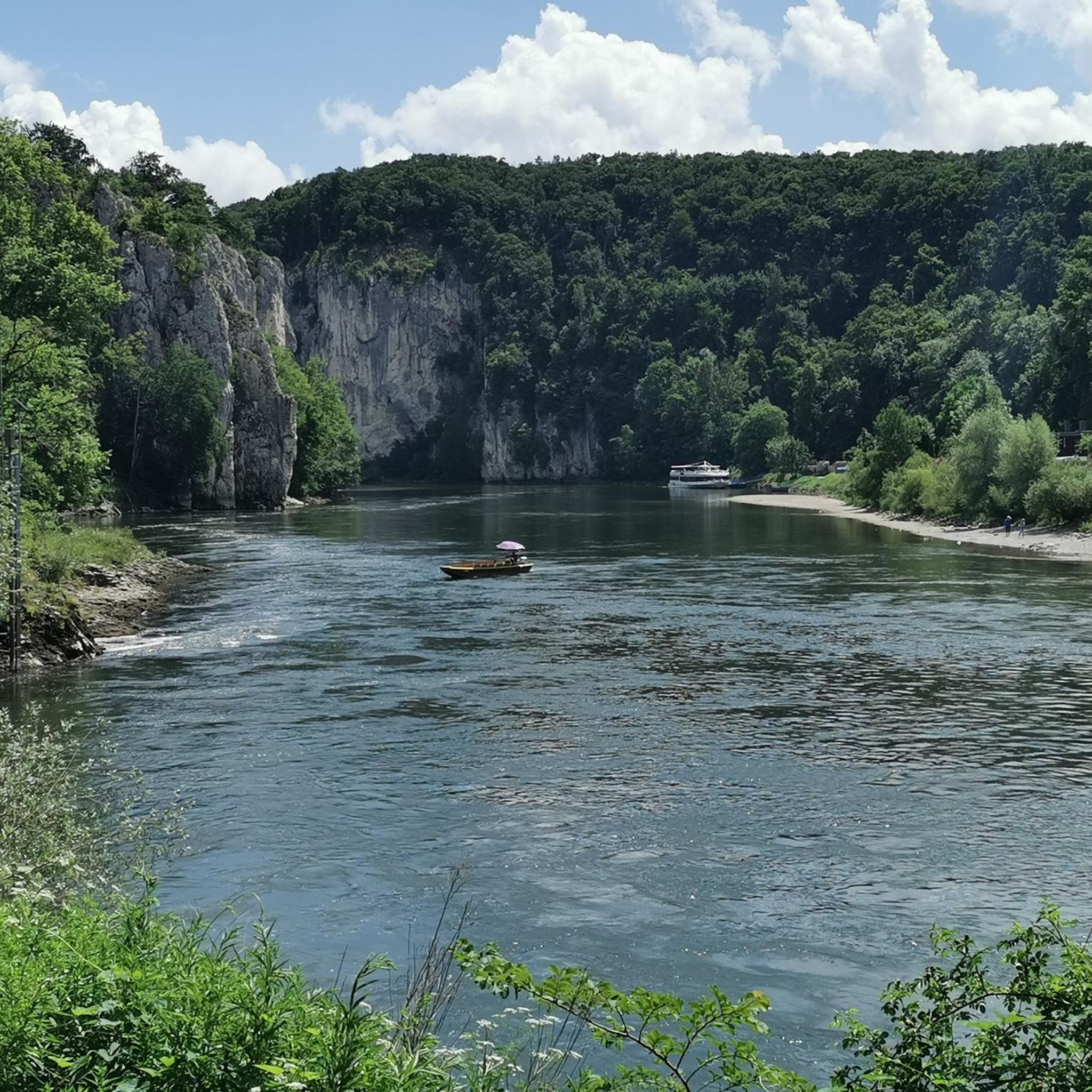
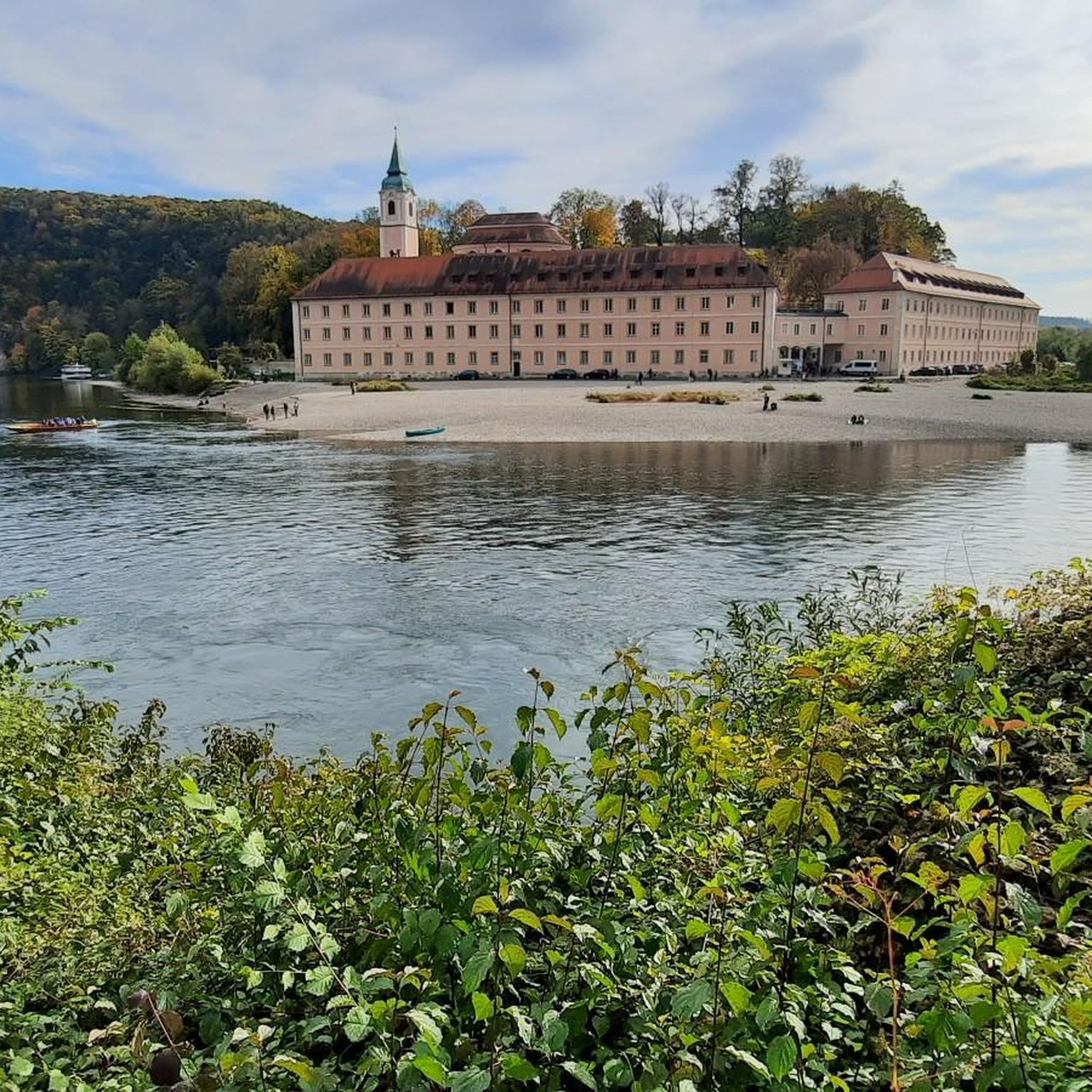

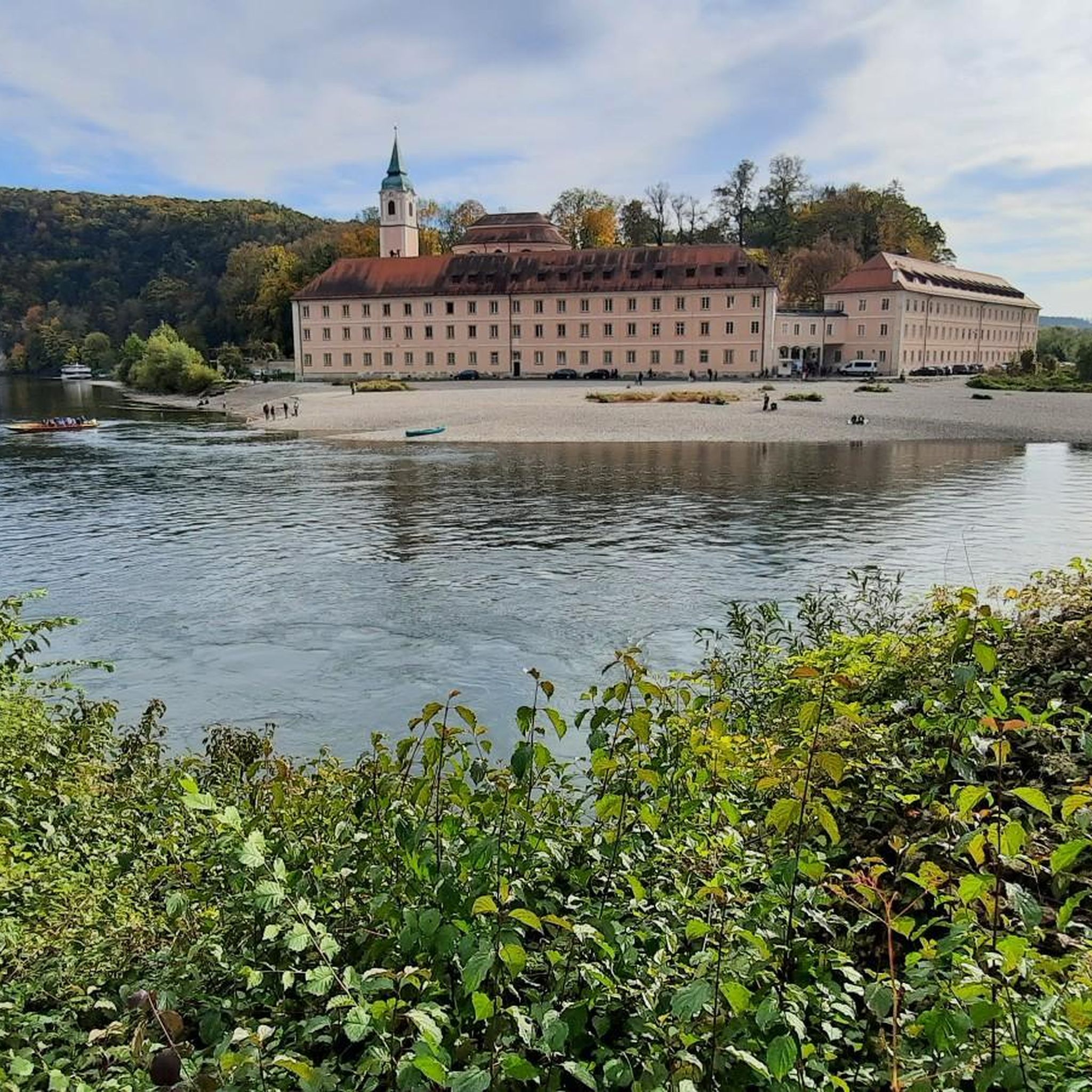
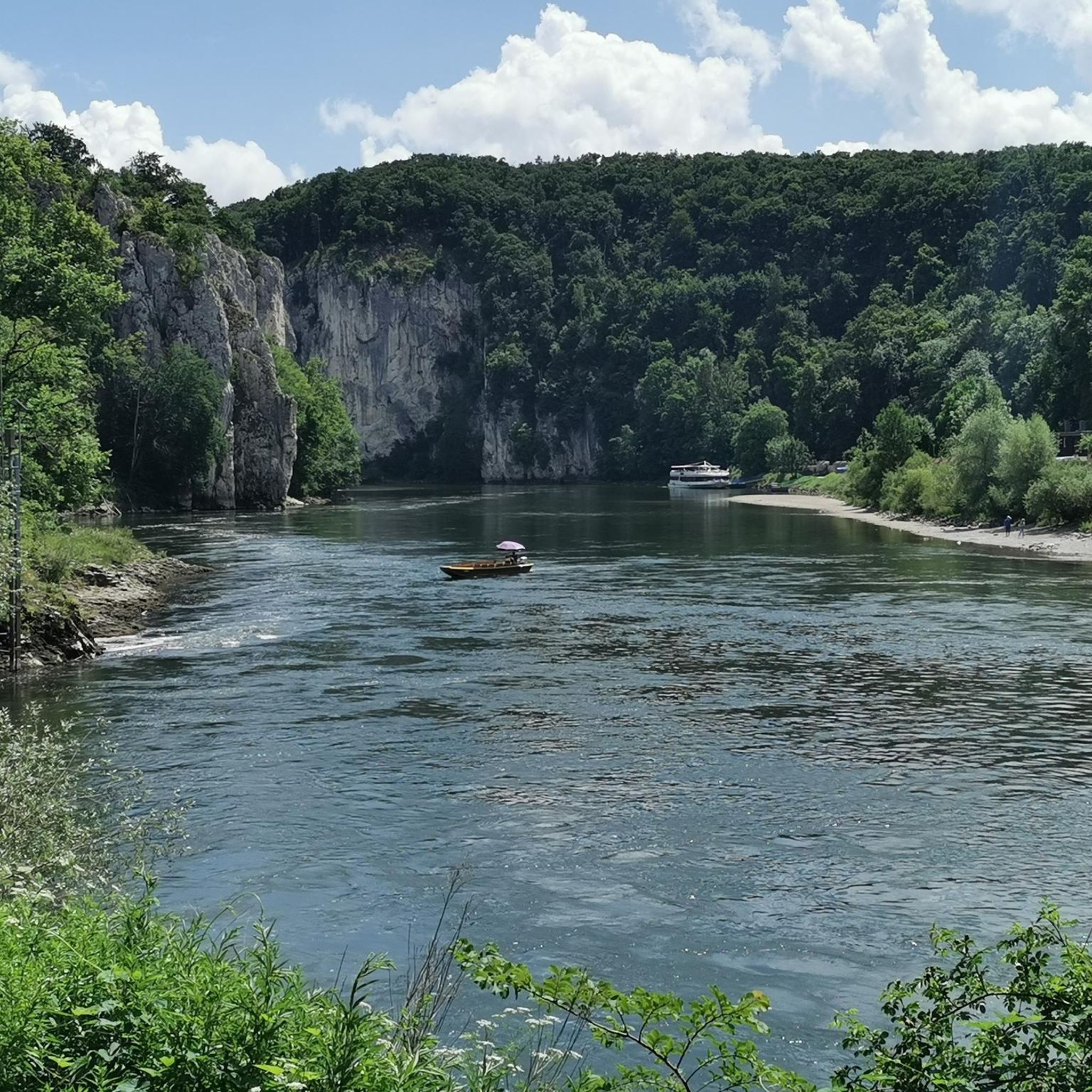
Tips from the Community

Essing is a small, nice market town. You can well imagine what it looked like before the big canal was built.
0
0

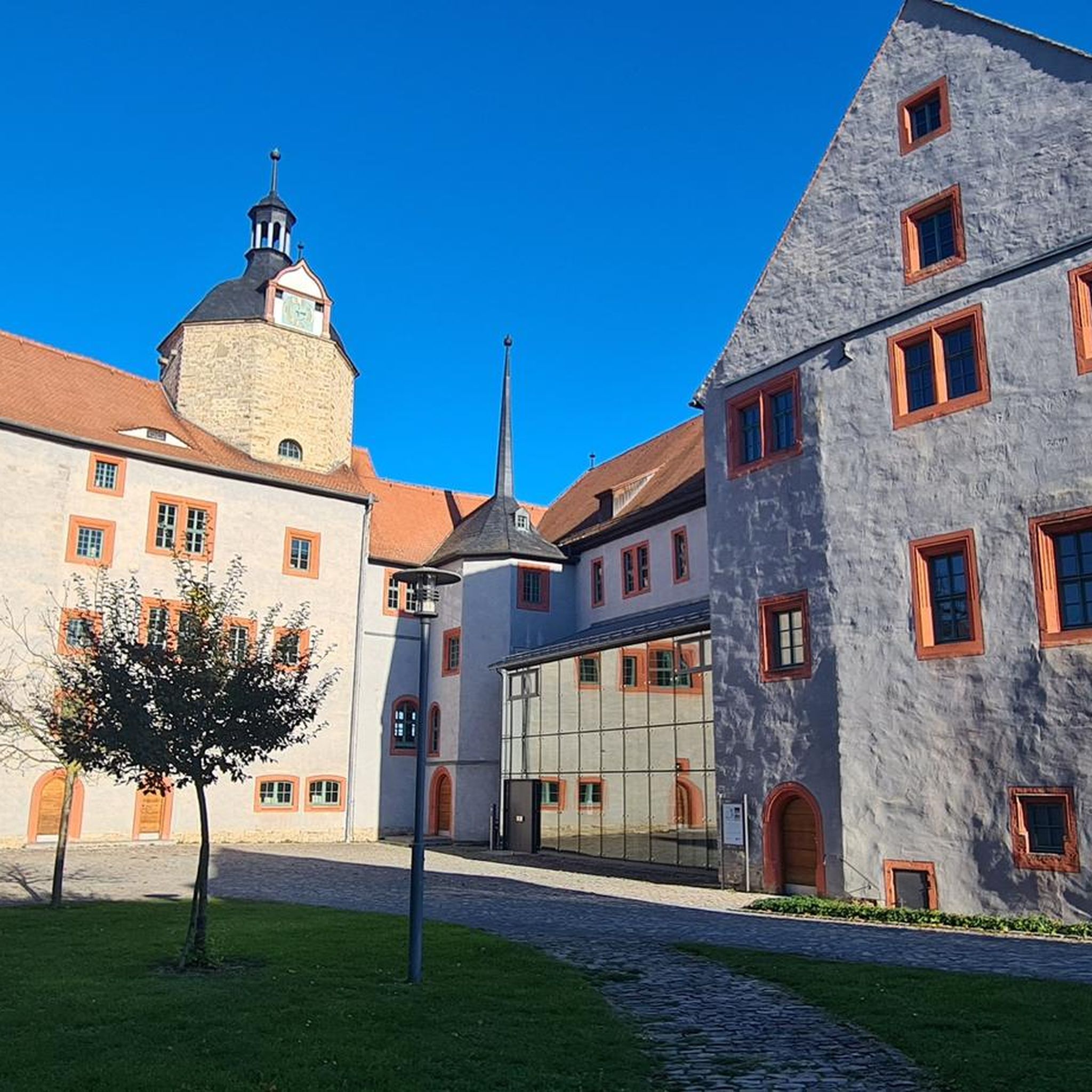
Hexenagger Castle A Dietricus von Haecsenakker is mentioned as early as 928 in a Regensburg document from the St. Emmeram Monastery; further information is scarce. In 1311, Gottfried Hexenacker became Bishop of Freising. He had studied in Bologna and served as dean of the cathedral there for many years. In 1314, he died of an infectious disease while on a tour of inspection in Vienna. In 1485, the castle passed through marriage to the Counts of Helfenstein, who sold the fortress to Duke William of Bavaria in 1528. He gave Hexenagger to the Muggenthal family as a fief. When the castle was destroyed in the Thirty Years' War, the Muggenthal family rebuilt it as a castle. In 1724, the castle was sold to the Bavarian Elector Charles Albert, as the Hexenagger line of the Muggenthal family had died out. In 1731, Elector Karl Albrecht donated the castle to his mistress, Maria Josepha Countess von Morawitzky. Her husband received the castle in 1738, and when he died in 1754, Anton von Kaiserstein became the new owner. Franz Joseph III von Kaiserstein (1792–1893) sold the castle in 1830 and acquired an estate in Sooß (Lower Austria) in exchange. From 1830 to 1951, Hexenagger Castle belonged to the noble family of Weidenbach. Otto Edler von Weidenbach bequeathed it to his niece Ilse von Kalckreuth, who married Wilhelm Leichtfuß, whose son, Eberhard Leichtfuß, owns it today. Hexenagger is a castle between the Renaissance and Baroque periods, built on the foundations of the old castle. In the lower areas and at the corners, ashlars and bossed ashlars, up to several meters high, are still visible on the castle building. The stump of the keep, made of bossed ashlar, is also said to have been preserved, but is not visible from the outside. The defensive character of the complex is best appreciated from the rear, where parts of the curtain wall and wall towers have been preserved. The tall, narrow chapel also still hints at the castle in its form; particularly interesting is the slender, slightly leaning bell tower, which appears to still sit on the older foundations of the medieval chapel tower. The main building itself, with its stepped gable and beautiful garden, presents a romantic sight. The castle is privately owned and not open to the public; the popular Christmas market was relocated to the Wolfgangshof estate near Zirndorf in Middle Franconia in 2023 due to complaints from local residents. Source: www.Burgenseite.de / www.wikipedia.de
2
0


Put it in a light gear and pedal up comfortably, observing the rocks to the right and left in the forest! Even if you don't want to continue through the forest, it's worth the climb and descent! I give it 6 out of 5 stars.
0
0

Beautiful little town. I always enjoy being there.
0
0

Not only does it have old town character, but also history.
1
0

With the impressive rock and Danube backdrop, it is really worth stopping here
0
0
Eichhofen Castle One of the special features of Bavarian country castles is the so-called hammer castles, which were built from the 16th to the 18th century, primarily in the Upper Palatinate, as representative residential buildings for hammer mill owners. Eichhofen Castle is one of these. Eichhofen Castle was built around 1560 by the influential Sauerzapf family as a late Gothic, rectangular and three-storey gabled building, with stepped gables facing north and south. There is a Romanesque chapel on the west side. In 1866, the property was redesigned in a neo-Gothic style, and the onion domes were probably removed. The eaves side building on a slope is characterized by a protruding tower on the northeast side and a bay window on the southeast side. Inside, the generous three-room layout from the time of construction has been preserved. The hallway on the ground floor is a vaulted corridor, with rooms on two sides. The late Gothic planked beam ceiling and the solid fittings from the 18th century have also been preserved. There is a pavilion from the 19th century in the garden. The castle was pretty much destroyed in the Thirty Years' War and rebuilt in the middle of the 16th century. The former iron hammer ceased operations in 1848 and the grain mills built by the Regensburg wholesaler Wilhelm von Neuffer have been idle since 1970. The Eichhofen Castle Brewery, however, which is run independently by the Schönharting family, can look back on a brewing tradition spanning more than 400 years. According to even older documents, the brewery is one of the oldest breweries in Bavaria, as the brewery was mentioned as early as the beginning of 1300. In recent years, the castle and the surrounding farm buildings have been extensively renovated. With the establishment of a workshop and exhibition space for artists on the upper floor of the former mill, Eichhofen also became a small, private cultural center that has been able to present a series of exhibitions to the public in recent years. The castle is listed in the Nittendorf community's monument list as a protected architectural monument and is now privately owned by the family of Dr. Günther and Ingeborg Schönharting. Source: Excerpts from www.wikipedia.de / Castles tell stories... - Book & Art Publishers Oberpfalz
3
0
Frequently Asked Questions
What kind of terrain can I expect when road cycling around Hienheimer Forst?
The Hienheimer Forst region offers a diverse landscape for road cyclists. You'll encounter a mix of rolling hills, expansive fields, and dense forests. The topography includes both flat sections, particularly along river valleys like the Brenz, and moderate climbs, especially as you approach parts of the Swabian Alb. This variety ensures routes suitable for different skill levels, from leisurely rides to more challenging ascents.
How many road cycling routes are available in the Hienheimer Forst area?
There are over 300 road cycling routes available around Hienheimer Forst on komoot. These routes cater to various preferences, with options ranging from easy to challenging, ensuring there's something for every cyclist.
What are the difficulty levels of road cycling routes in Hienheimer Forst?
The routes around Hienheimer Forst offer a good mix of difficulty levels. You can find easy routes, such as the Essing Village and Cliffs – St. Anna Bridge loop from Hacklberg, which covers about 19.7 km with moderate elevation. The majority of routes are moderate, like the Altmühltor Kelheim – Mitter Gate, Kelheim loop from Hacklberg (16.8 km) or the longer Essing Village and Cliffs – Herrnsaal–Lindach Road loop from Essing (49.7 km). There are also more challenging routes for experienced cyclists seeking greater ascents.
Are there any family-friendly road cycling routes in Hienheimer Forst?
Yes, the region offers several easy and moderate routes that are suitable for families. Routes with flatter sections, particularly those following river valleys, are ideal. For example, the Mittertor Kelheim Clock Tower – Altmühl Gate Kelheim loop from Altessing is a relatively short 13.5 km route through the historic town of Kelheim, making it a pleasant option for a family outing.
What historical landmarks or natural attractions can I see along the road cycling routes?
Road cycling routes around Hienheimer Forst often pass by significant landmarks and natural features. You can enjoy views of historical sites like Prunn Castle, or even cycle directly past Prunn Castle itself. Other notable castles in the broader area include Randeck Castle and Rosenburg Castle. The region is also known for its picturesque river valleys and parts of the Swabian Alb, offering scenic views and charming villages.
What is the best time of year for road cycling in Hienheimer Forst?
The best seasons for road cycling in the Hienheimer Forst district are spring and summer, when temperatures are mild and nature is in full bloom. Autumn also offers a beautiful spectacle of colorful deciduous forests, making it another excellent time to explore the region by bike.
Are there specific cycle paths like the Altmühl Valley or Danube Cycle Path that can be accessed from Hienheimer Forst?
While Hienheimer Forst is not directly on the main sections of the Altmühl Valley or Danube Cycle Paths, the region's routes often connect to or run parallel to river valleys, providing similar scenic experiences. The Brenz River plays a central role, with the 'Brenz Cycle Path Tour' being a popular option. Routes like the Altmühltor Kelheim – Mitter Gate, Kelheim loop from Hacklberg offer views of the Altmühl river landscape, indicating proximity to the Altmühl river system.
What do other road cyclists enjoy most about road cycling in Hienheimer Forst?
The road cycling routes around Hienheimer Forst are highly rated by the komoot community, with an average score of 4.5 stars from over 440 reviews. Cyclists often praise the diverse landscape, which includes rolling hills, dense woodlands, and picturesque river valleys. The variety of routes, catering to different ability levels, and the well-maintained paths are also frequently highlighted.
Are there options for circular road cycling routes in the area?
Yes, many of the road cycling routes around Hienheimer Forst are designed as loops, allowing you to start and end your ride at the same point. Examples include the View of Prunn Castle – Prunn Castle loop from Hacklberg and the Mittertor Kelheim Clock Tower – Altmühl Gate Kelheim loop from Altessing. These circular routes make planning your ride convenient.
Where can I find parking for road cycling routes in Hienheimer Forst?
Parking options are generally available near the starting points of many routes, especially in or near the charming villages that routes often pass through, such as Essing or Hacklberg. Specific parking information can often be found in the details of individual komoot tours, helping you plan your starting location.
Are there cafes or pubs along the road cycling routes for a break?
Yes, many road cycling routes around Hienheimer Forst pass through idyllic villages like Nattheim or Königsbronn. These villages often provide opportunities for breaks, where you can find cafes, pubs, or restaurants to refuel and experience local culture during your ride.
Most popular routes around Hienheimer Forst
Most popular attractions around Hienheimer Forst

Get inspired with the komoot mobile app


Explore more
Browse the best Road cycling routes in other regions.
