The best cycling routes in Wellington Park
4.8
(31)
911
riders
55
rides
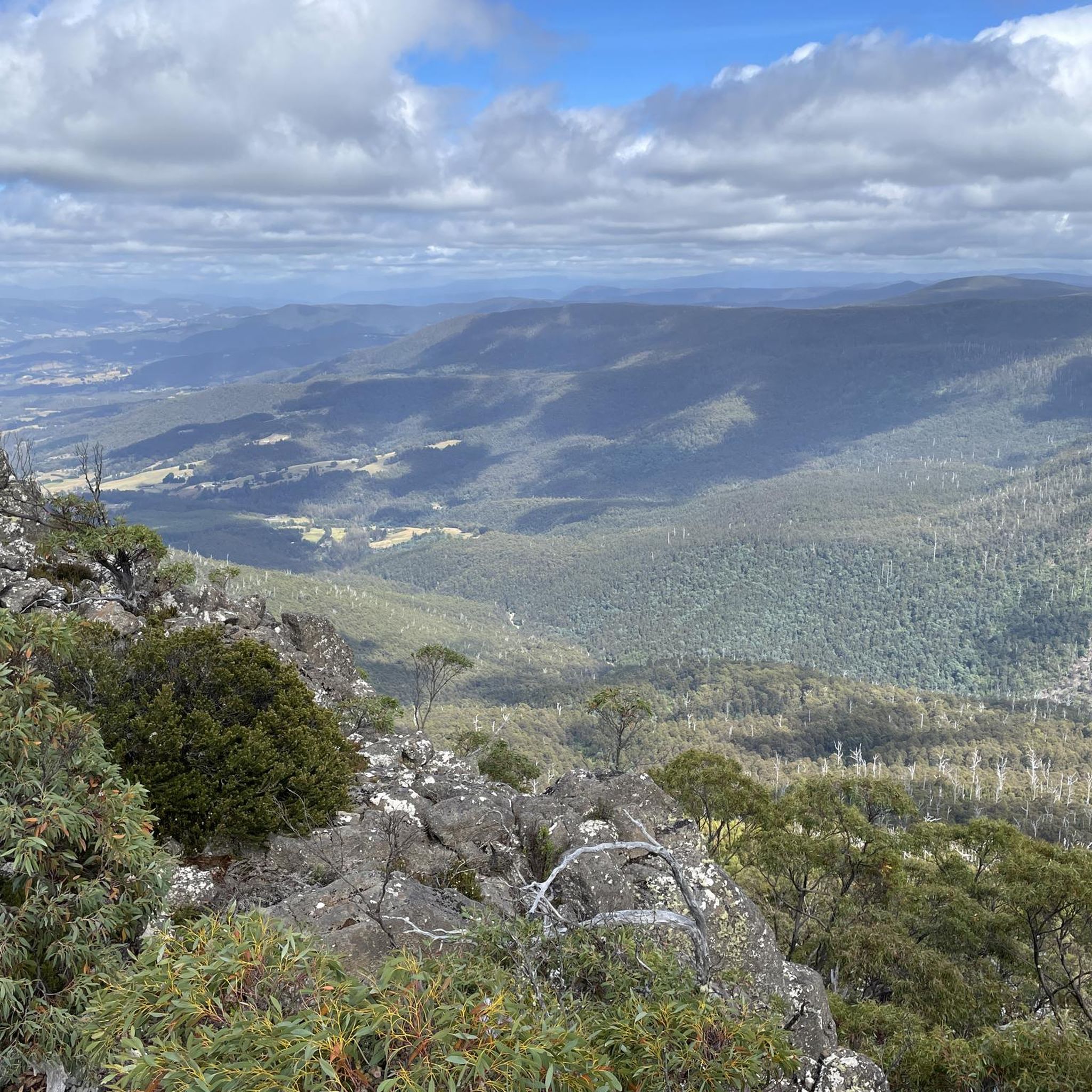
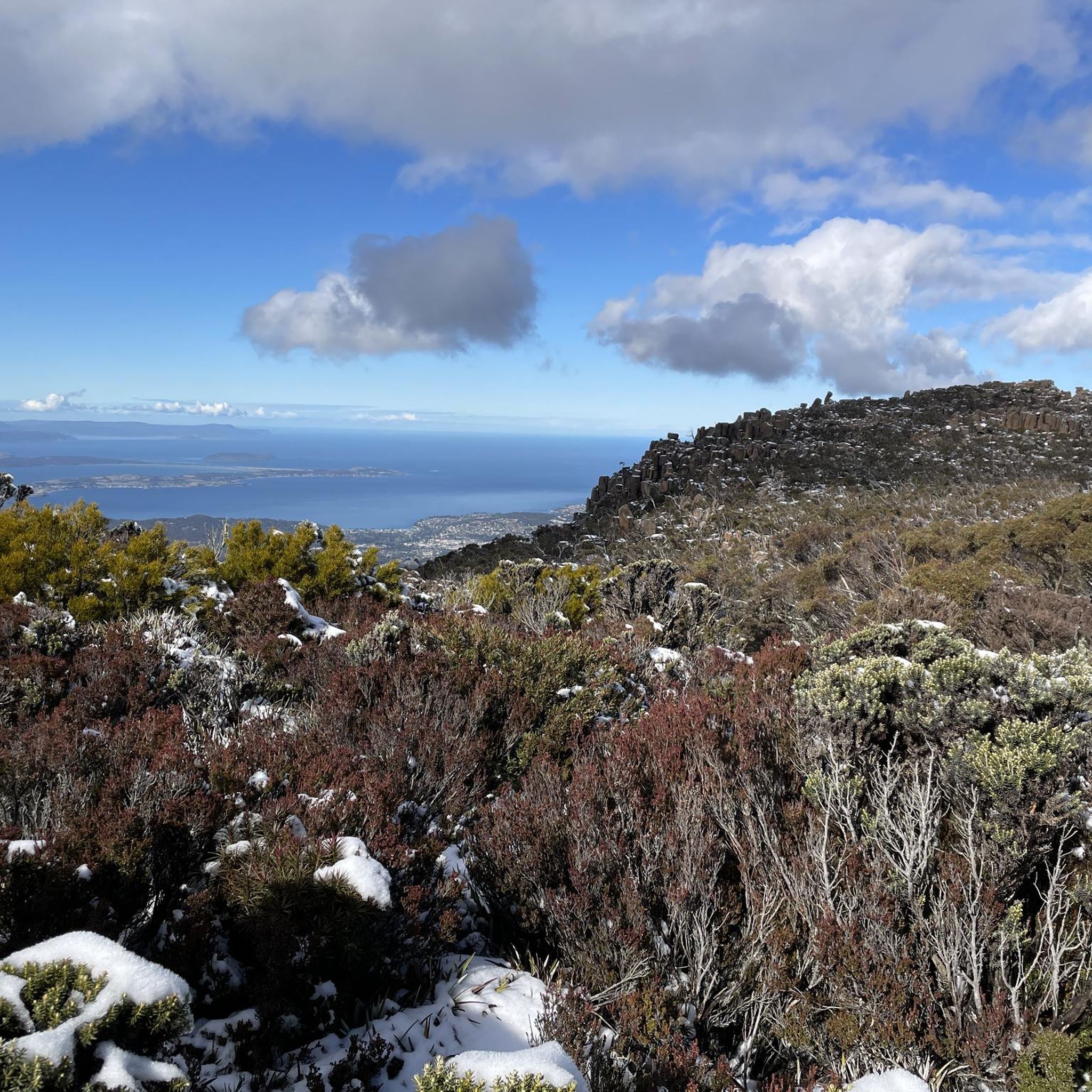
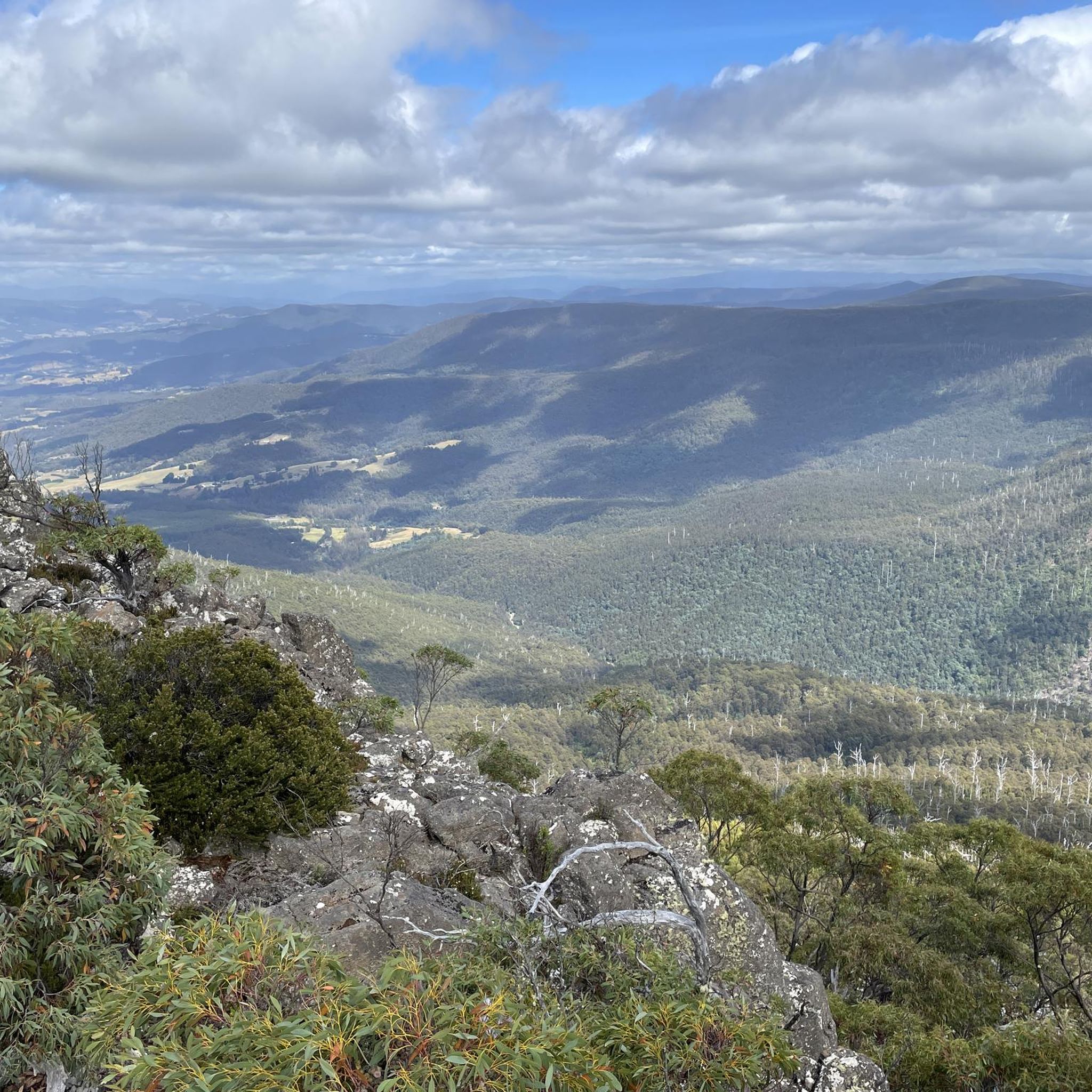
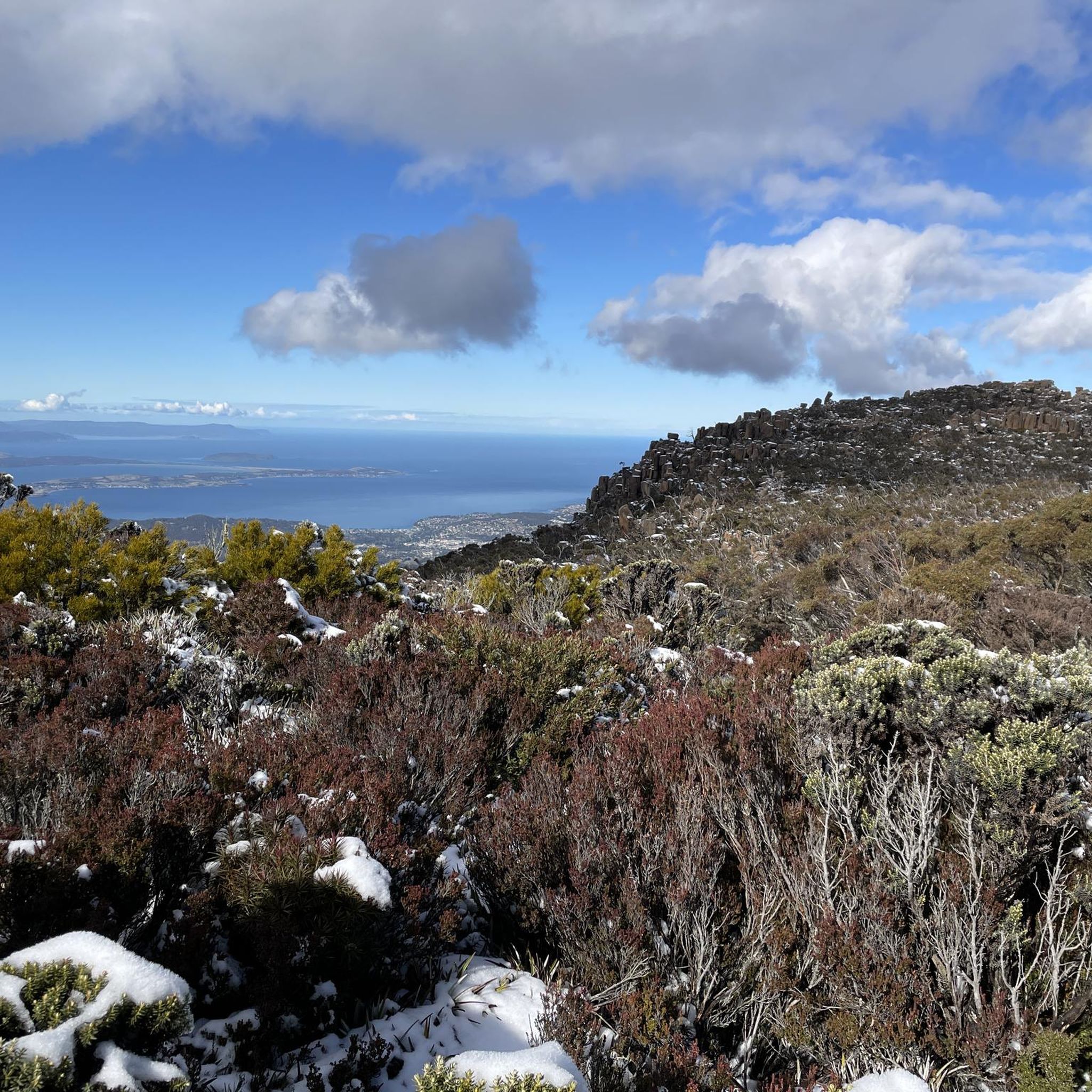
Touring cycling in Wellington Park features a diverse landscape, primarily defined by the slopes of Kunanyi / Mount Wellington. The area includes significant elevation changes, ranging from urban fringes to higher mountain sections. Routes often traverse natural bushland, pass by reservoirs, and offer views across the region. This terrain provides varied conditions for touring cyclists.
Best touring cycling routes in Wellington Park
- The most popular touring cycling route is Kunanyi / Mount Wellington – The Springs Lookout loop from City…
Last updated: November 23, 2026
7
riders
18.6km
01:30
440m
440m
Moderate bike ride. Good fitness required. Mostly paved surfaces.
5.0
(2)
43
riders
Moderate bike ride. Good fitness required. Mostly paved surfaces.

58
riders
17.3km
01:01
110m
110m
Easy bike ride. Mostly paved surfaces.
15
riders
61.1km
03:58
760m
760m
Hard bike ride. Very good fitness required. Mostly paved surfaces.
5.0
(1)
11
riders
28.3km
01:53
390m
390m
Moderate bike ride. Good fitness required. Mostly paved surfaces.
Get access to more routes and recommendations from other explorers.
Already have an account?
Our route recommendations are based on thousands of hikes, rides, and runs completed by other people on komoot.
Start today with a free account
Your next adventure awaits.
Tips from the Community

The Tasmanian Transport Museum sits along the cycleway in Glenorchy, on a section of the old rail corridor where the museum has operated since 1983. Founded in 1962 after a Hobart tram was donated for preservation, the collection has grown to include steam and diesel locomotives, trams, trolley buses, and railway carriages, including the oldest carriage to have operated in Tasmania, built in the UK in 1869. It’s open on Sundays and public holidays, with train rides to Berriedale and heritage bus rides running on selected Sundays. Reaching the entrance involves crossing the museum’s own rail lines, so it’s worth a bit of care if you’re stopping in.
0
0

Simmons Park is one of the best places to pause along the Clarence Foreshore Trail. Set on the shores of Lindisfarne Bay, the park combines expansive lawns, mature trees and uninterrupted views across the River Derwent to kunanyi / Mount Wellington. Picnic areas, barbecues and shaded seating make it an ideal spot to take a break before continuing along the waterfront path.
0
0

The Shot Tower Historic Site is one of the tallest buildings in Tasmania, a circular sandstone tower standing 58 metres high that was once used for producing lead shot. Today, anyone can ascend the 259 steps to the top for amazing views over the River Derwent and Hobart. There is also a café, tearoom, parking and toilets on site. It's free to climb the tower from 10:00 am to 5:00 pm.
0
0
Derwent River is a large estuary flowing from inland Tasmania into Storm Bay, forming the main waterway through Hobart. The river is tidal in its lower sections, with a mix of freshwater and seawater shaping its flow and conditions. It’s used for shipping, recreation, and transport, with wide stretches of open water and long sightlines across to the surrounding shoreline.
0
0
Queens Domain is a large reserve set on a ridge above the Derwent River, directly opposite the city centre. The area has been protected as public land since 1811, making it one of Hobart’s oldest reserves. It includes a network of bush tracks through dry eucalypt forest, along with open spaces and landmarks such as the Hobart Cenotaph. Elevated sections provide views across the river, the city, and toward kunanyi / Mount Wellington.
0
0
Running along the Derwent River in Hobart, the Intercity Cycleway is a shared path linking the city with northern suburbs. The route follows a mostly flat, sealed surface with long stretches beside the river and sections set slightly inland. It’s used by cyclists, walkers, and runners, with open views across the water in parts and more enclosed sections through urban corridors.
0
0
Tasman Bridge is the city’s main link between the eastern and western shores. Opened in 1965, the bridge includes pedestrian walkways on both sides running directly beside traffic lanes. Walking across feels exposed and noisy, but the elevation gives wide views over the river, Hobart skyline, and surrounding hills. The bridge is also closely tied to Hobart’s history following the 1975 Tasman Bridge disaster, when a cargo ship collision caused part of the bridge to collapse and temporarily split the city in two.
0
0

Ryan was super helpful. Easy to book online. The gravel bike was an awesome bike. located a short walk from the dock. https://www.hobartbikehire.com.au/
0
0
Frequently Asked Questions
How many touring cycling routes are available in Wellington Park?
Wellington Park offers a wide selection of touring cycling routes, with over 75 different options to explore. These routes cater to various skill levels, from easy rides to more challenging ascents.
Are there easy touring cycling routes suitable for beginners or families?
Yes, Wellington Park has 10 easy touring cycling routes. A good option for a relaxed ride is the Queen's Domain – Mawson's Huts Replica Museum loop from Glenorchy, which is 18.9 km long and features minimal elevation changes.
What are the most challenging touring cycling routes in Wellington Park?
For experienced touring cyclists seeking a challenge, Wellington Park features 39 difficult routes. The Kunanyi / Mount Wellington – The Springs Lookout loop from City of Hobart is a demanding 28 km trail with significant climbs and panoramic views, while the Queen's Domain – Cascades Female Factory loop from Glenorchy offers a longer, difficult ride at 63.3 km.
Are there circular touring cycling routes in Wellington Park?
Many of the touring cycling routes in Wellington Park are designed as loops, allowing you to start and finish at the same point. Examples include the Lower Reservoir – Waterworks Reserve loop from Fern Tree and the Bury Me Standing (Closed) – Hobart Bike Hire loop from Glenorchy.
What kind of terrain can I expect on touring cycling routes in Wellington Park?
The terrain in Wellington Park is primarily defined by the slopes of Kunanyi / Mount Wellington, meaning you can expect significant elevation changes. Routes often traverse natural bushland, pass by reservoirs, and offer varied conditions, from urban fringes to higher mountain sections.
What do other touring cyclists enjoy most about cycling in Wellington Park?
The komoot community rates touring cycling in Wellington Park highly, with an average score of 4.4 stars from over 30 reviews. Cyclists often praise the diverse landscapes, the challenging climbs, and the rewarding panoramic views across the region.
Are there any notable landmarks or points of interest along the touring cycling routes?
Yes, several routes pass by interesting landmarks. You can cycle through reservoir areas like the Lower Reservoir and Waterworks Reserve, or explore historical sites such as the Mawson's Huts Replica Museum and the Cascades Female Factory, depending on your chosen route.
Is public transport available to access touring cycling routes in Wellington Park?
Access to Wellington Park's trailheads can often be achieved via public transport options from Hobart and surrounding areas. It's advisable to check local bus schedules and routes that service the park's entry points or specific starting locations for tours.
Where can I find parking for touring cycling routes in Wellington Park?
Parking is generally available at various access points and trailheads around Wellington Park, particularly near popular starting locations like Fern Tree or areas on the fringes of Glenorchy and Hobart. Specific parking details can often be found on individual route descriptions.
What is the best time of year for touring cycling in Wellington Park?
The best time for touring cycling in Wellington Park is typically during the warmer months, from spring through autumn (September to May), when the weather is more stable and the higher sections of Kunanyi / Mount Wellington are more accessible. Winter can bring colder temperatures and snow at higher elevations.
Can I cycle in Wellington Park during winter?
While some lower elevation routes may be accessible, touring cycling in Wellington Park during winter can be challenging due to colder temperatures, potential ice, and snow at higher altitudes. It's crucial to check weather conditions and route accessibility before heading out in winter.
Are there viewpoints along the touring cycling routes in Wellington Park?
Many routes in Wellington Park, especially those ascending Kunanyi / Mount Wellington, offer spectacular viewpoints. The Kunanyi / Mount Wellington – The Springs Lookout loop, for instance, is known for its panoramic vistas across Hobart and the surrounding region.
Most popular routes in Wellington Park
Most popular attractions in Wellington Park

Get inspired with the komoot mobile app


Explore more
Browse the best Cycling routes in other regions.
