Top 14 Castles around Mettweiler
Castles around Mettweiler are located in the German state of Rhineland-Palatinate, a region characterized by its historical significance and varied natural landscape. This area features numerous historical sites, from well-preserved complexes to evocative ruins, offering insights into past eras. The terrain around Mettweiler includes rolling hills and forests, providing picturesque settings for these ancient structures.
Best castles around Mettweiler
- The most popular castles is Lichtenberg Castle, a castle that features one of Germany's longest castle ruins, yet is remarkably…
Last updated: October 9, 2026
Lichtenberg Castle
Highlight • Castle
Translated by Google •
Tip by

Frauenburg Castle Ruins
Highlight • Castle
Translated by Google •
Tip by

Sign up now to discover places like this
Get recommendations on the best single tracks, peaks, & plenty of other exciting outdoor places.
Lichtenberg Castle near Thallichtenberg
Highlight • Castle
Translated by Google •
Tip by

Ruins of the Burghaus in the Valley at Frauenberg
Highlight • Historical Site
The "Burghaus im Tal zu Frauenberg", located directly on the Ellenbach, was mentioned in many documents. In 1347, Gottfried von Spohnheim, the youngest son of Countess Loretta von Sponheim-Starkenburg …
Translated by Google •
Tip by

Michelsburg Ruins at Remigiusberg
Highlight • Castle
Translated by Google •
Tip by

Sign up for free to discover even more castles around Mettweiler.
Already have an account?
Start today with a free account
Your next adventure awaits.

Tips from the Community

Unfortunately, not much of it is left, but you can get well informed via the display
0
0

The Counts of Veldenz once reigned supreme over the land here – today, the mighty remains of the walls bear witness to a turbulent past. The Michelsburg Castle was built in the 13th century and later destroyed by French troops. 📌 Tip: Through the narrow window in the main wall, you can gaze directly into the expanse of the West Palatinate – a quiet moment with great symbolic significance. If you like, take a seat on the bench in front and simply let the history take effect.
0
1
This lovingly designed overview panel impressively demonstrates how the Remigiusberg developed from an important monastery and castle site into the cultural landscape it is today. Only a ruin of the Michelsburg remains – but the historical spirit of the place remains. 📌 Tip: If you take a moment to read the panel carefully, you'll gain a historical perspective on the entire area in just a few glances. Ideal for a thoughtful break before visiting the church or stopping at a restaurant.
0
1

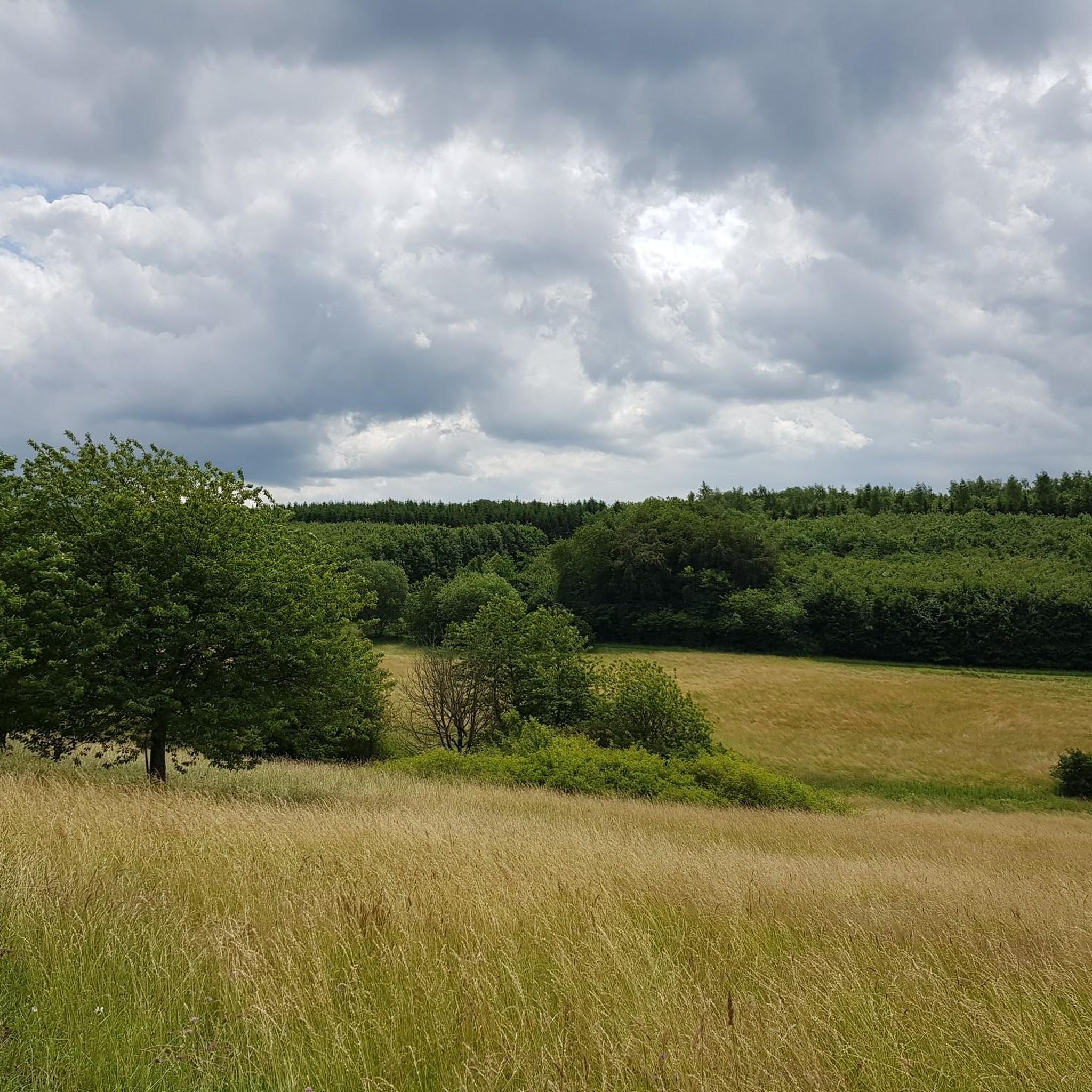
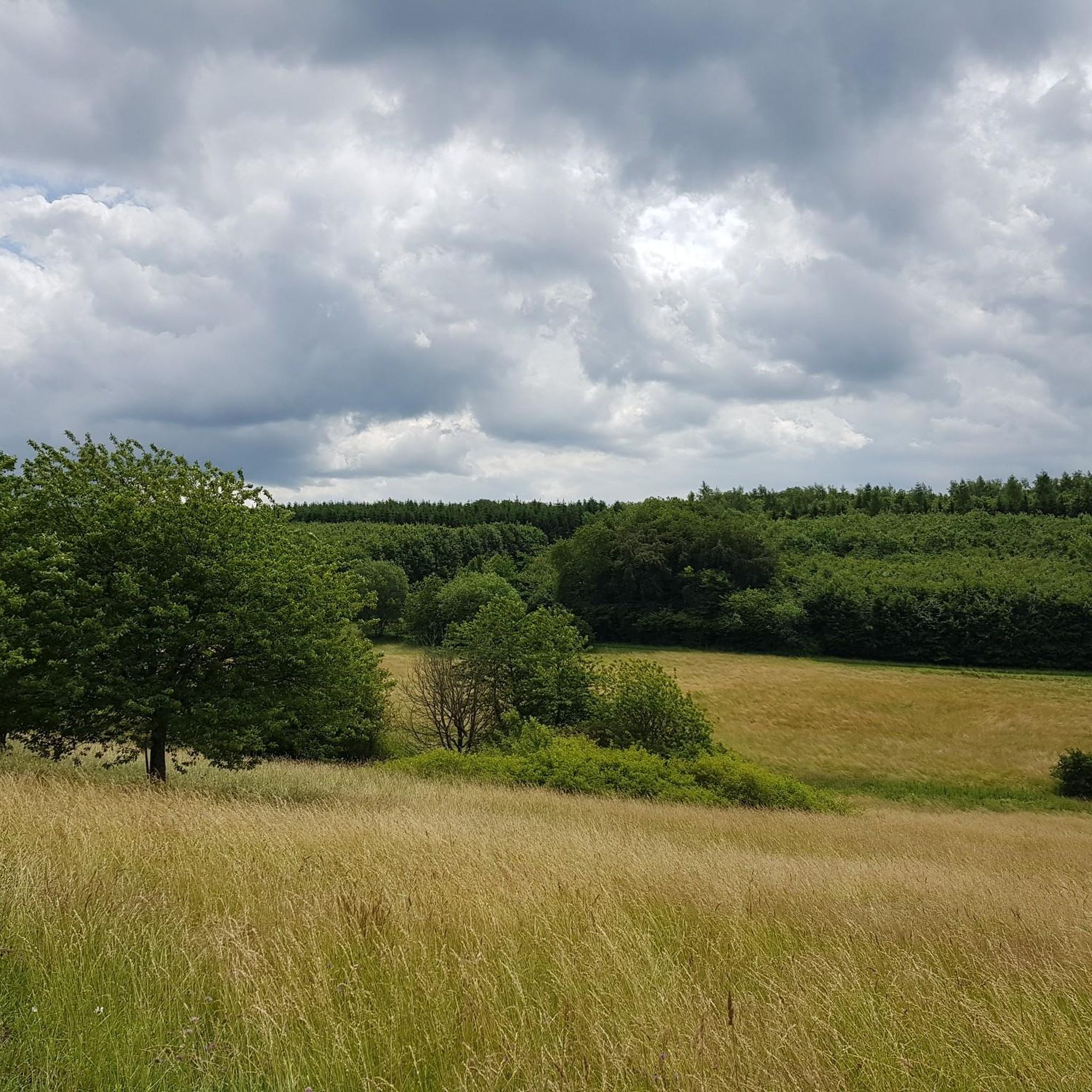
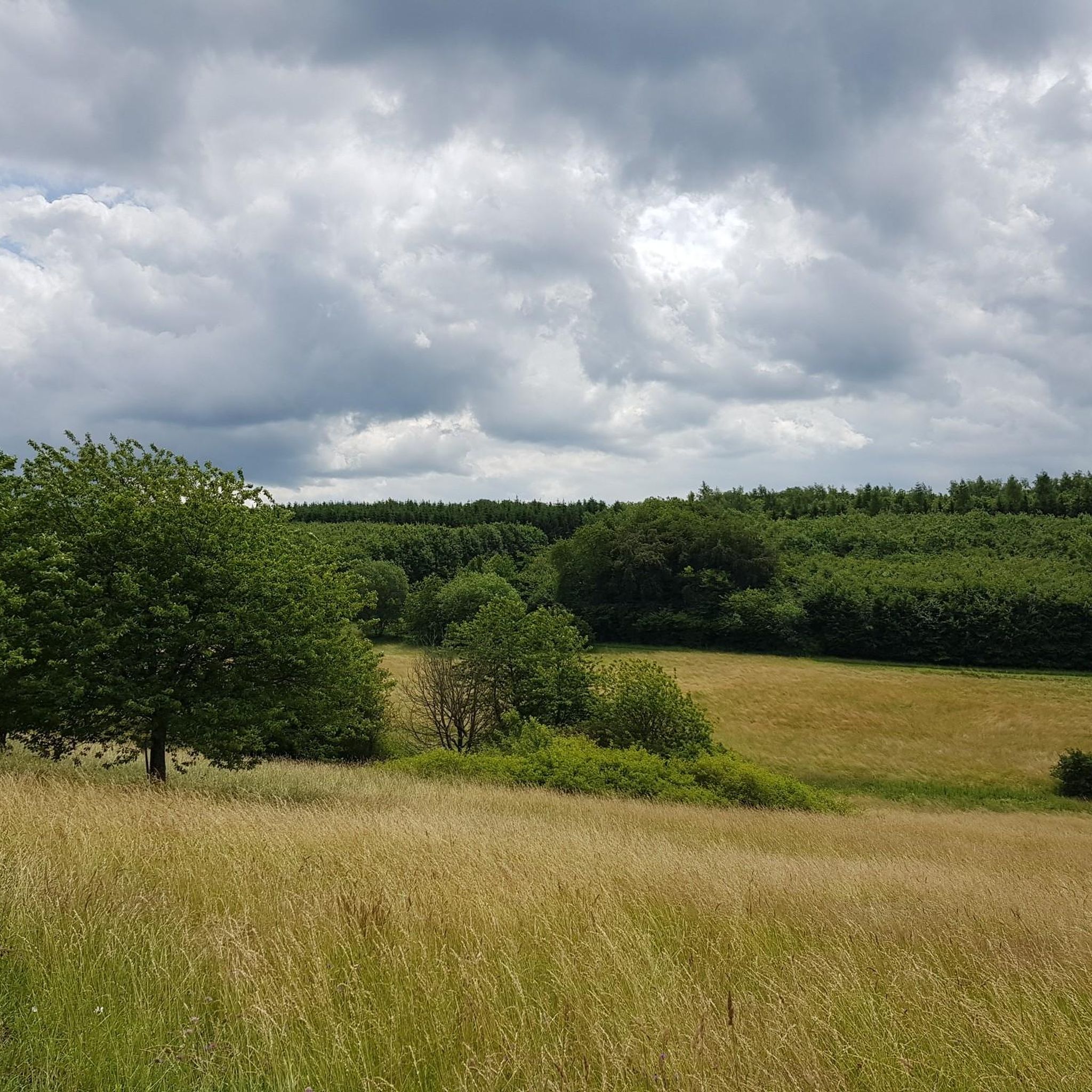
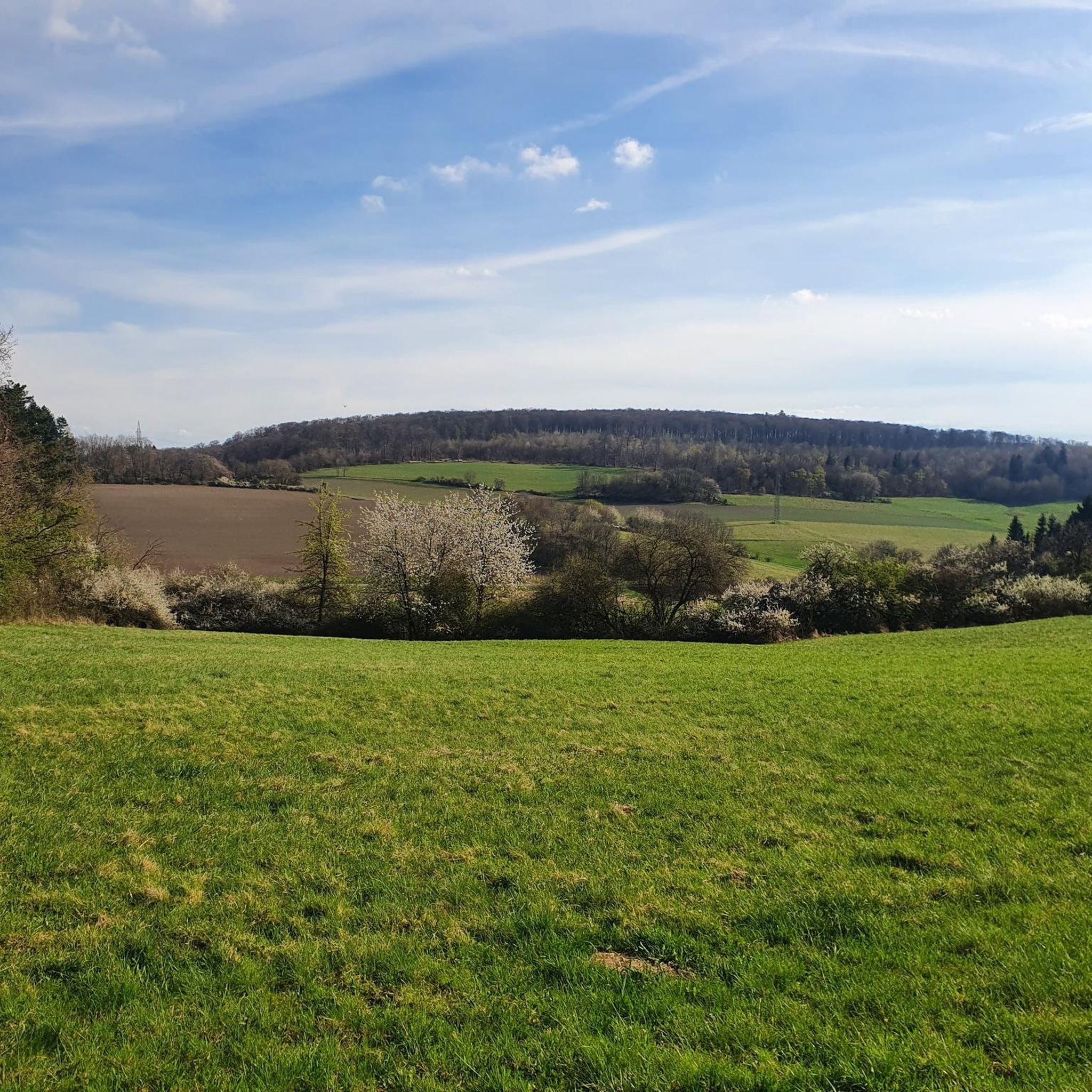
From the castle you have a beautiful view of the Glan valley.
1
0

The Michelsburg Castle and the neighboring former provost church of St. Remigius on the Remigiusberg near Haschbach, in the center of the Glan Valley, are the historical heart of the Remigiusland region. The first documented mention of an illegally built hilltop castle dates back to 1127, when Benedictine monks purchased it from a knight named Adelbert. The monks used the stones of the former castle to build the Benedictine provost church of St. Remigi, the remnant of which is the Remigius Church. Count Henry II of Zweibrücken built a second castle out of wood in 1260 – during the inheritance disputes of the counts of Veldenz – after the first male line of counts of Veldenz had died out in 1259. This castle was later expanded and furnished with stone, and a chapel (dedicated to St. Michael) was built inside. In 1543, Count Palatine Rupert of Veldenz made the castle his secondary residence and had a princely crypt built in the provost church. Little is known about what happened to the castle in later centuries, but it was reportedly still intact in 1708 and changed hands several times. In 1868, it came into the possession of the St. Remigiusberg Catholic Church Foundation. Today, the 20-meter-high shield wall, remnants of the palace, the ring wall, and the moat are preserved.
5
0
The Michelsburg Castle and the neighboring former provost church of St. Remigius on the Remigiusberg near Haschbach, in the center of the Glan Valley, are the historical heart of the Remigiusland region. The first documented mention of an illegally built hilltop castle dates back to 1127, when Benedictine monks purchased it from a knight named Adelbert. The monks used the stones of the former castle to build the Benedictine provost church of St. Remigi, the remnant of which is the Remigius Church. Count Henry II of Zweibrücken built a second castle out of wood in 1260 – during the inheritance disputes of the counts of Veldenz – after the first male line of counts of Veldenz had died out in 1259. Later, this castle was expanded and furnished with stone, and a chapel (dedicated to St. Michael) was built inside. In 1543, Count Palatine Rupert of Veldenz made the castle his secondary residence and had a princely crypt built in the provost church. Little is known about what happened to the castle in later centuries, but it was reportedly still intact in 1708 and changed hands several times. In 1868, it came into the possession of the St. Remigiusberg Catholic Church Foundation. Today, the 20-meter-high shield wall, remnants of the palace, the ring wall, and the moat are preserved.
5
1

Last remains of the foundation walls. Nice photo opportunity.
0
0
Here are a few links from the various facilities: https://www.diejugendherbergen.de/jugendherbergen/thallichtenberg/ https://burglichtenberg.pfaelzerbergland.de/ https://www.westpfaelzer-musikantenland.de/ https://www.urweltmuseum-geoskop.de/deutsch/
2
0
Frequently Asked Questions
What are some of the most historically significant castles around Mettweiler?
The region around Mettweiler is rich in history. Notable sites include Lichtenberg Castle, one of Germany's longest castle ruins with a well-preserved complex. The Frauenburg Castle Ruins, built in the 13th century, are also historically significant, having served to protect the Nahe river crossing and as a widow's residence for Countess Loretta of Sponheim.
Which castles around Mettweiler offer the best panoramic views?
For expansive views, the keep at Lichtenberg Castle provides a fantastic panorama over the Palatinate mountains. Additionally, the Michelsburg Ruins at Remigiusberg offer great views of the surrounding rolling hills and forests.
Are there family-friendly castles to visit near Mettweiler?
Yes, Lichtenberg Castle is considered family-friendly, featuring a youth hostel, a restaurant, and three museums on-site. The Frauenburg Castle Ruins are also suitable for families, offering an opportunity to explore medieval defensive architecture.
What outdoor activities can I do near these castles?
The area around Mettweiler offers various outdoor activities. You can find numerous cycling routes, including road cycling and touring bicycle options, as well as running trails. For example, there are routes like the 'Oberkirchen Viaduct – Lichtenberg Castle loop' for road cycling, or the 'View of the Lower Glan Valley – Altenglan Draisine Station loop' for touring. You can explore more options on the Road Cycling Routes around Mettweiler, Cycling around Mettweiler, and Running Trails around Mettweiler guide pages.
Are there hiking trails near the castles around Mettweiler?
Yes, many castles are integrated into hiking routes. The 'Dream Loop' hike, for instance, is dedicated to Countess Loretta and passes by the Frauenburg Castle Ruins. The terrain around Mettweiler features rolling hills and forests, providing picturesque settings for walks and hikes of varying difficulty. You can find more hiking options in the region.
What is the best time of year to visit the castles around Mettweiler?
The castles around Mettweiler can be visited year-round. Spring and autumn offer pleasant temperatures for exploring and hiking, with vibrant foliage in autumn. Summer is also popular, though it can be warmer. Even in winter, some sites like Lichtenberg Castle may host events or offer a unique, serene atmosphere.
Can I find amenities like restaurants or cafes at these castles?
Yes, Lichtenberg Castle is well-equipped with a restaurant and a youth hostel, providing dining and accommodation options directly on site. For other castles, you might find cafes or restaurants in nearby towns and villages.
Is parking available at the castles around Mettweiler?
While specific parking details for each castle are not always listed, most popular historical sites in the region typically offer designated parking areas nearby or within walking distance. It's advisable to check local signage upon arrival.
Are there public transport options to reach the castles near Mettweiler?
Public transport options to reach castles in rural areas like Mettweiler can be limited. While some larger towns may have bus or train connections, direct access to all castle sites might require a car. It's recommended to check local bus schedules or regional transport services for specific routes to each castle.
What do visitors enjoy most about the castles around Mettweiler?
Visitors frequently appreciate the immersive historical experience offered by the castles, from the well-preserved architecture of Lichtenberg Castle to the successfully restored Frauenburg Castle Ruins. The panoramic views from sites like Michelsburg Ruins at Remigiusberg and the opportunities for hiking and exploring the natural surroundings are also highly valued.
Are there any hidden gem castle ruins to explore near Mettweiler?
Beyond the more prominent sites, the Ruins of the Burghaus in the Valley at Frauenberg offer a glimpse into medieval history, located directly on the Ellenbach. Another intriguing spot is the Altes Schloss Ruins (1850), which, despite its name, consists of moss-covered stones and wall remains that whisper stories, making it a place for explorers and dreamers.
Most popular attractions around Mettweiler

Get inspired with the komoot mobile app


Explore more
Looking for the best castles somewhere else? Discover other guides around Mettweiler:
